Asset Purchase Agreement Form For Company
Description

Get your form ready online
Our built-in tools help you complete, sign, share, and store your documents in one place.
Make edits, fill in missing information, and update formatting in US Legal Forms—just like you would in MS Word.
Download a copy, print it, send it by email, or mail it via USPS—whatever works best for your next step.
Sign and collect signatures with our SignNow integration. Send to multiple recipients, set reminders, and more. Go Premium to unlock E-Sign.
If this form requires notarization, complete it online through a secure video call—no need to meet a notary in person or wait for an appointment.
We protect your documents and personal data by following strict security and privacy standards.

Make edits, fill in missing information, and update formatting in US Legal Forms—just like you would in MS Word.

Download a copy, print it, send it by email, or mail it via USPS—whatever works best for your next step.

Sign and collect signatures with our SignNow integration. Send to multiple recipients, set reminders, and more. Go Premium to unlock E-Sign.

If this form requires notarization, complete it online through a secure video call—no need to meet a notary in person or wait for an appointment.

We protect your documents and personal data by following strict security and privacy standards.
Looking for another form?






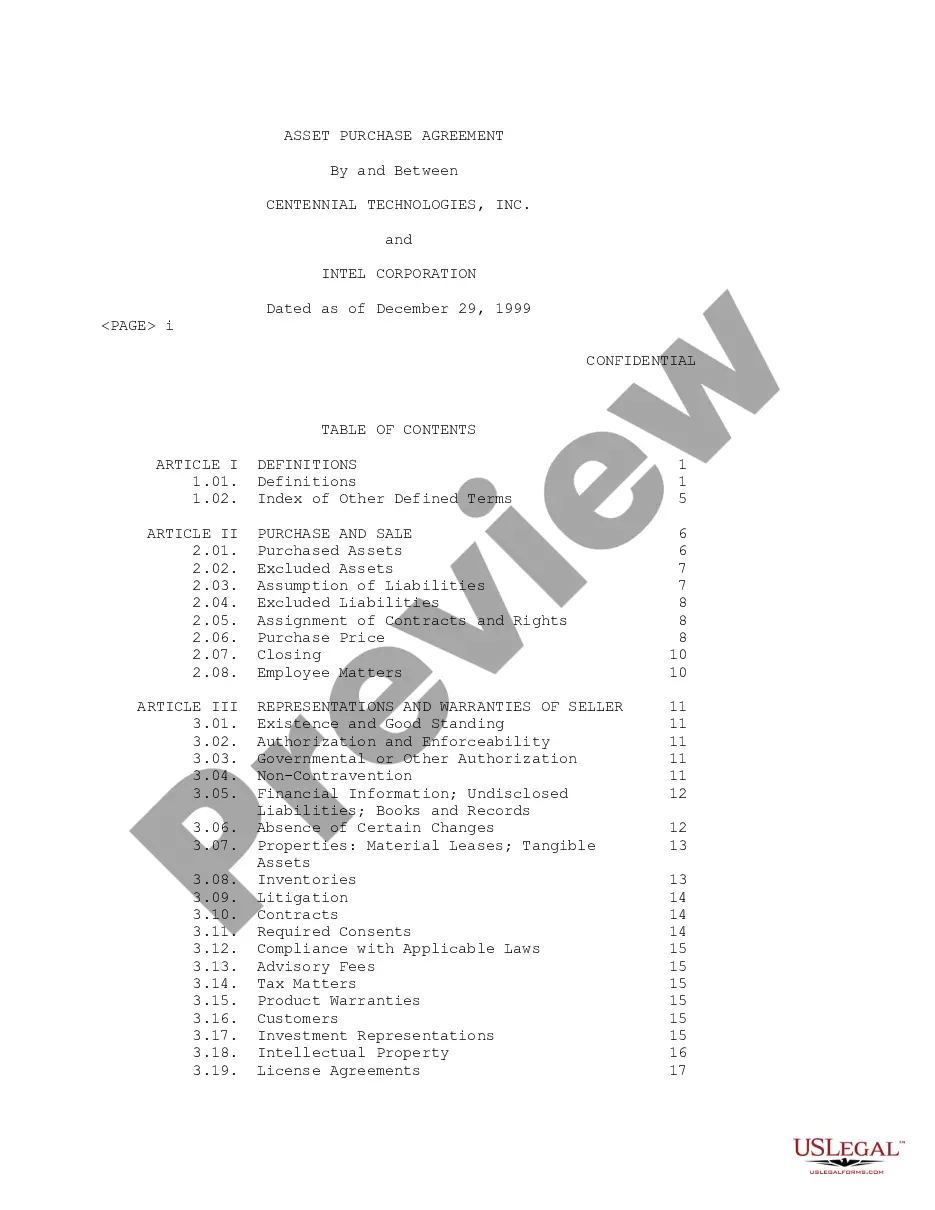
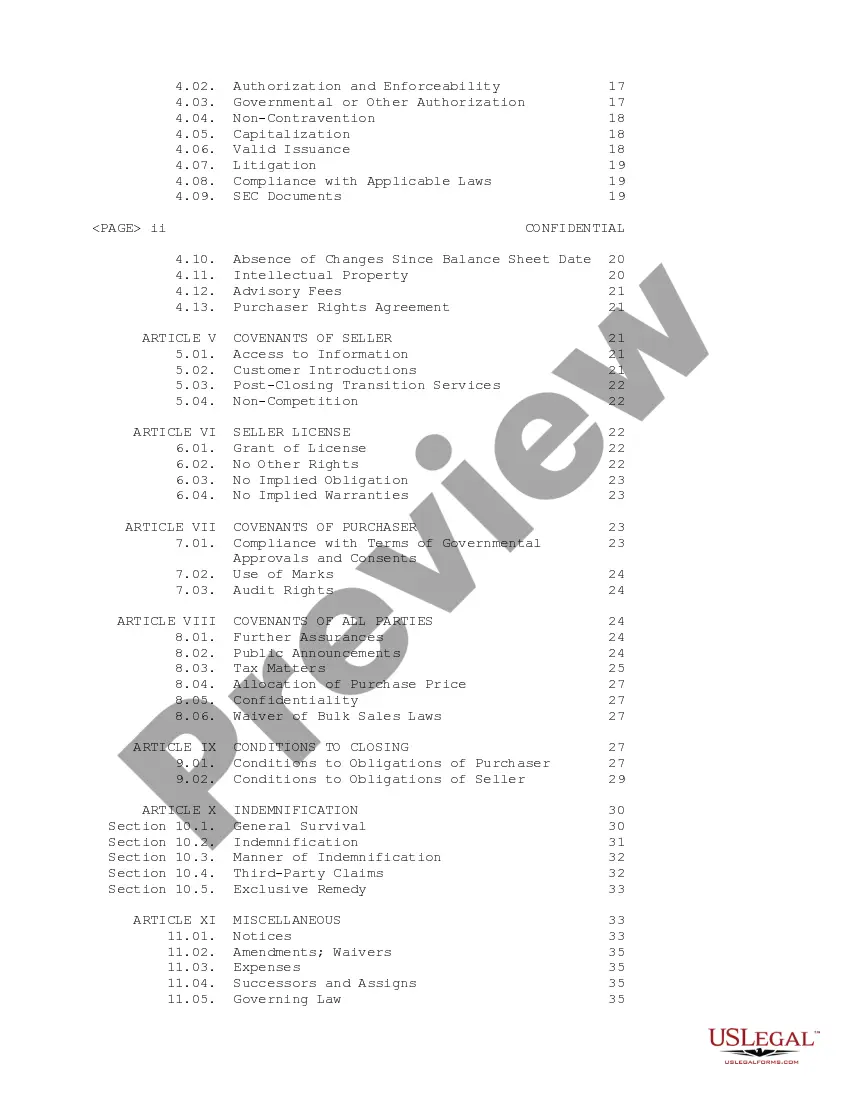
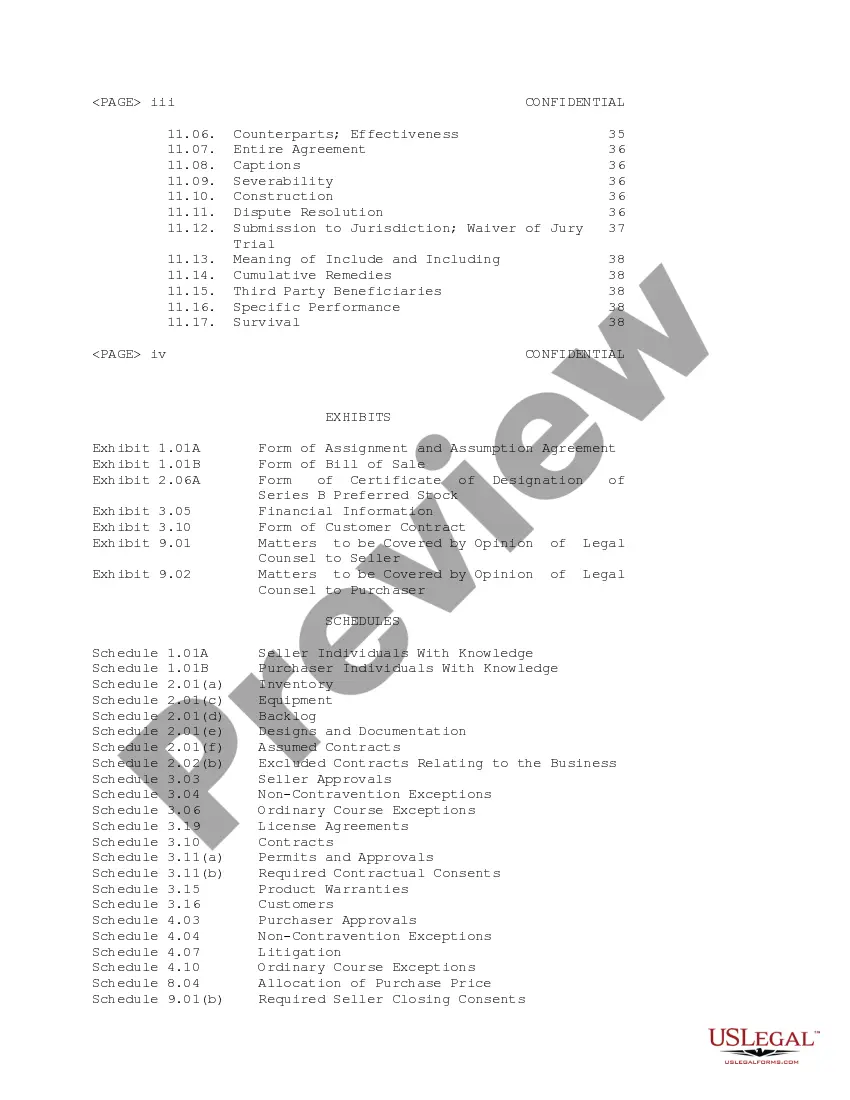
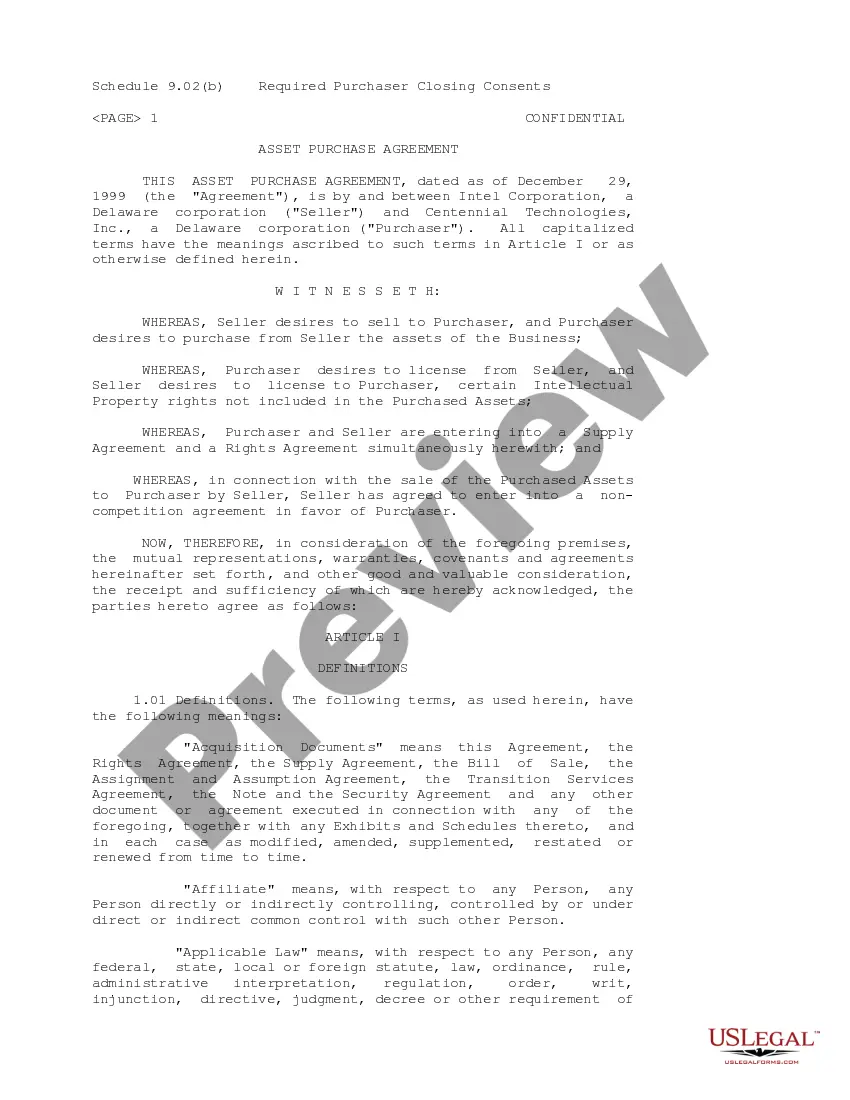
How to fill out Sample Asset Purchase Agreement Between Centennial Technologies, Inc. And Intel Corporation - Sample?
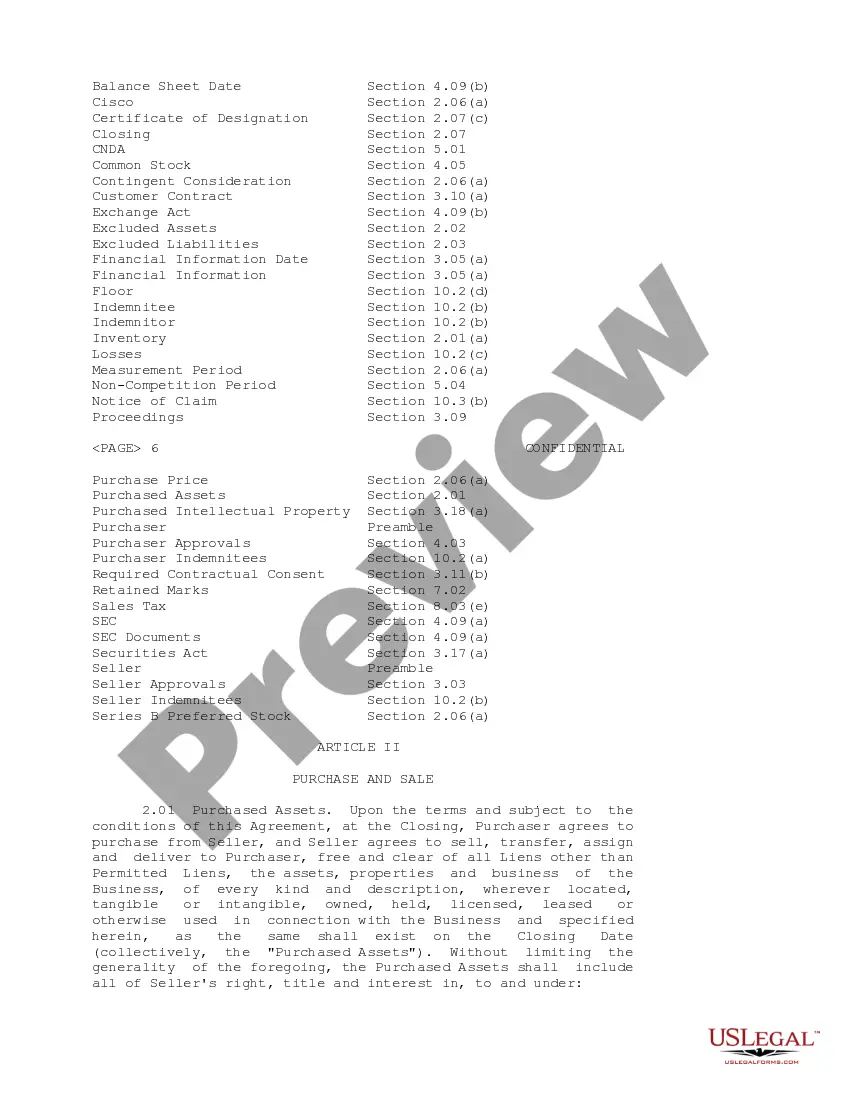
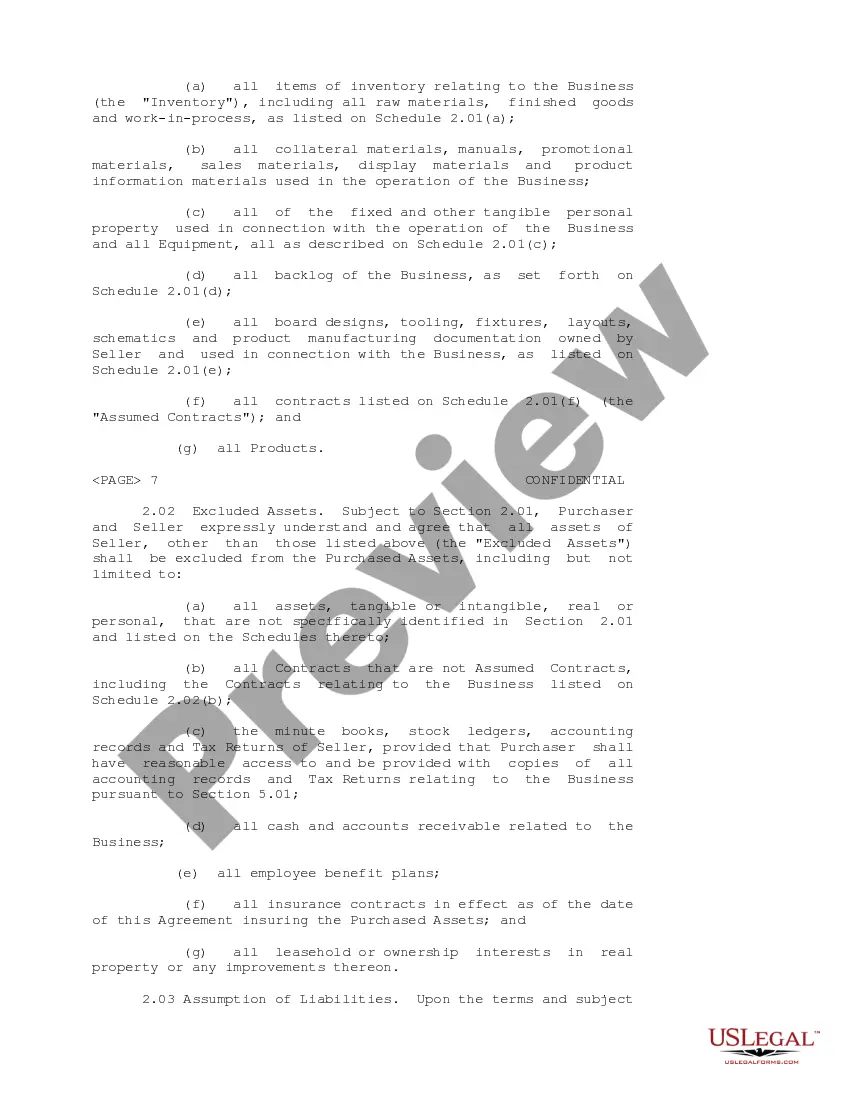
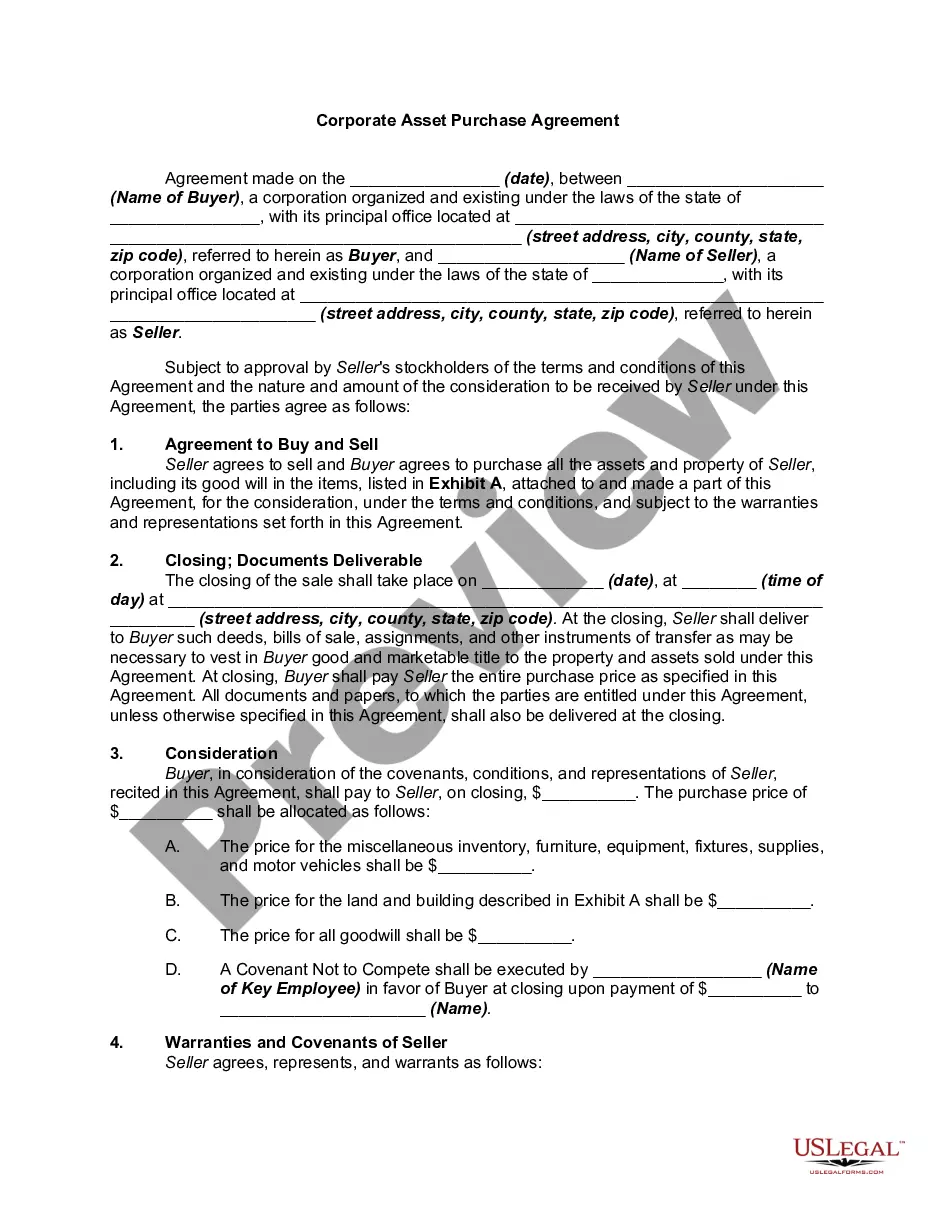
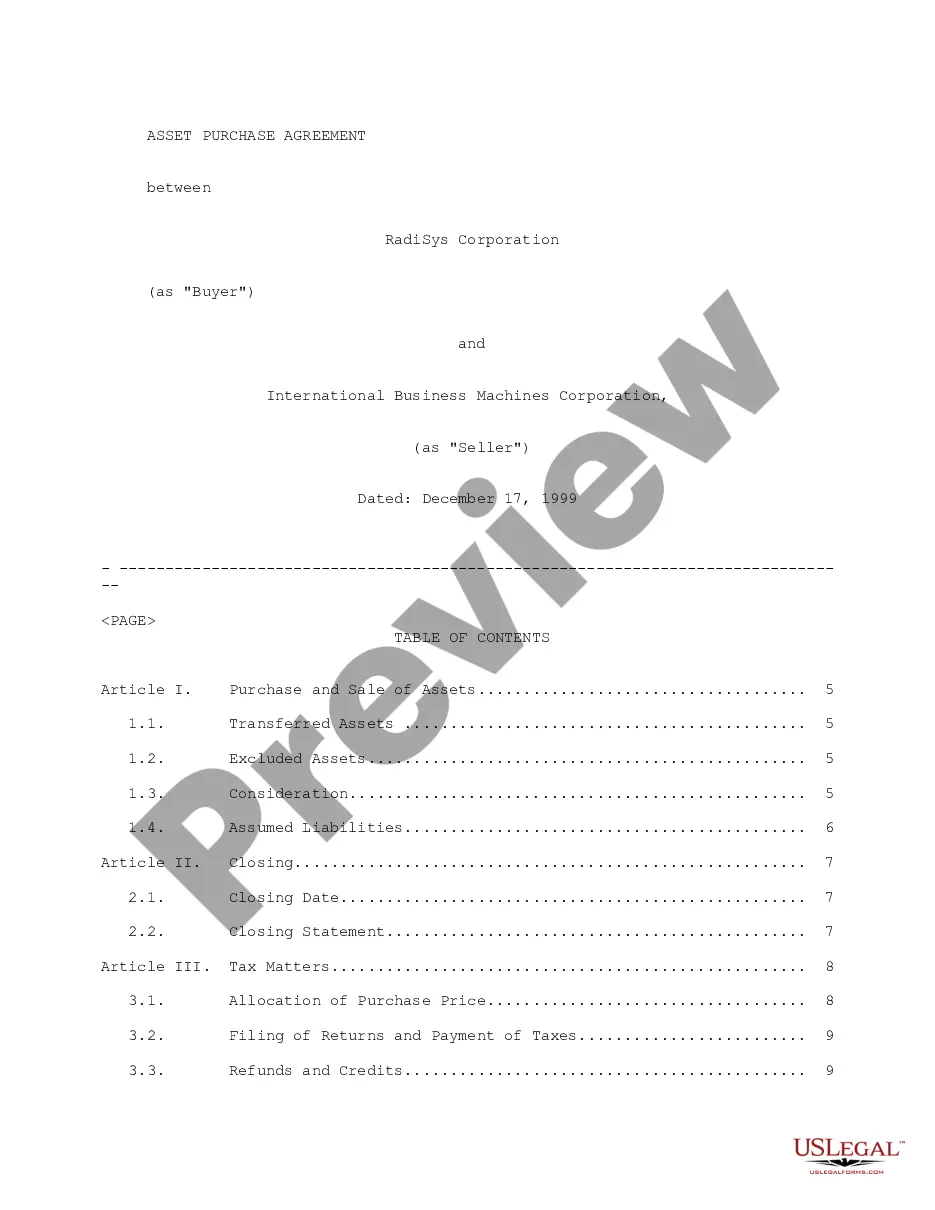
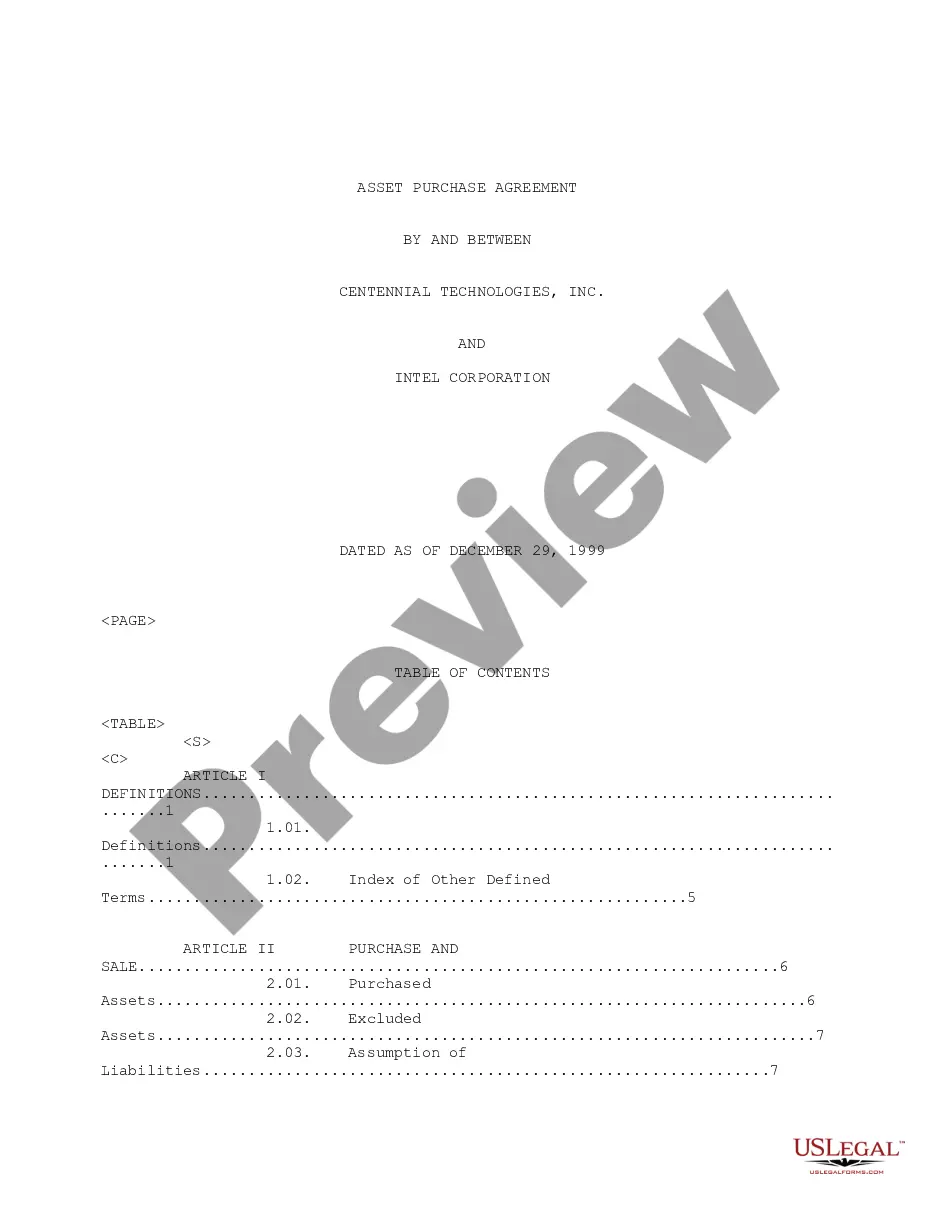
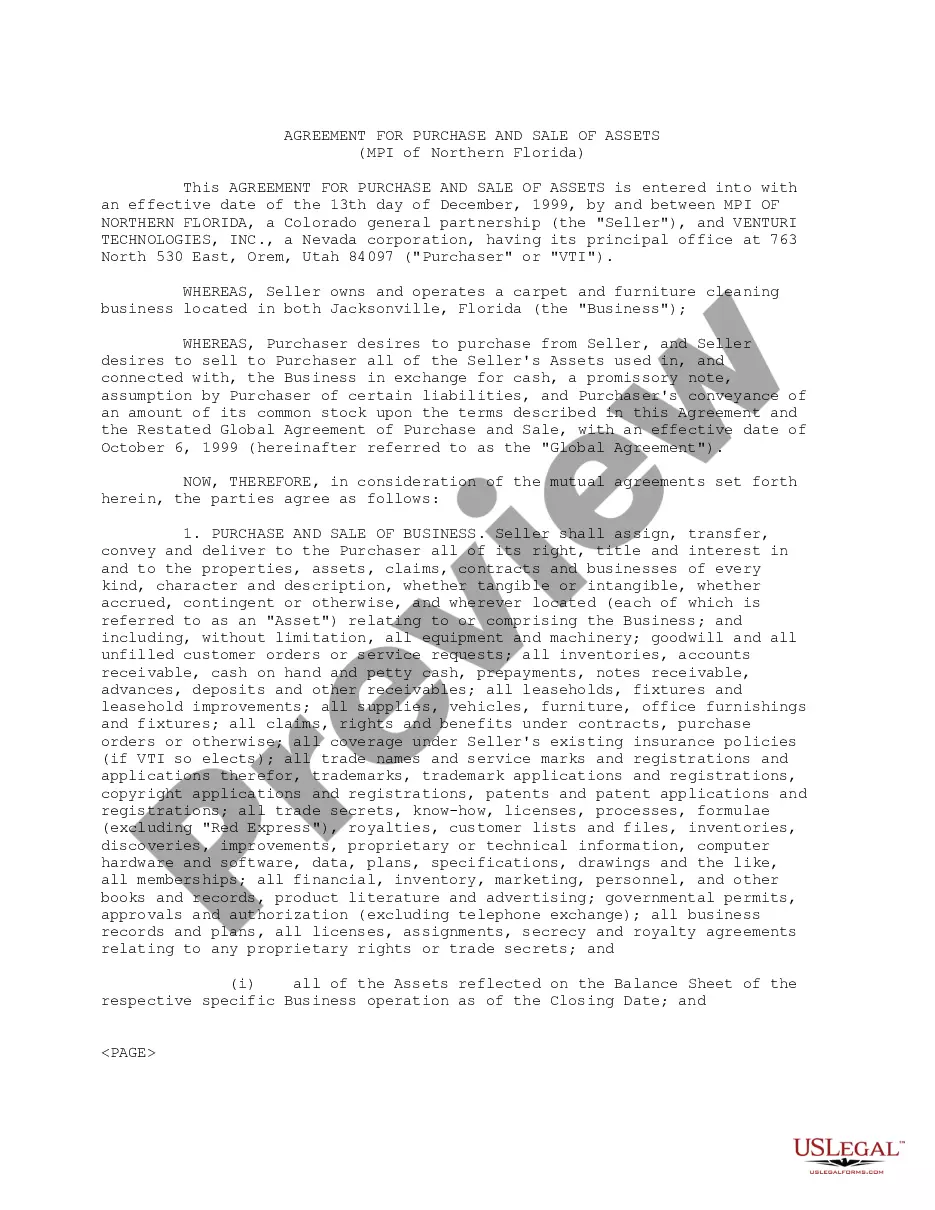
The Asset Acquisition Agreement Template For Company displayed on this page is a versatile official layout created by expert attorneys in accordance with federal and state laws.
For over 25 years, US Legal Forms has supplied individuals, entities, and legal practitioners with more than 85,000 authenticated, state-specific documents for any business and personal occasion. It’s the quickest, simplest, and most dependable method to acquire the forms you need, as the service ensures bank-level data protection and anti-malware safeguards.
Sign up for US Legal Forms to have authentic legal templates for all of life’s circumstances readily available.
- Search for the document you require and examine it.
- Browse through the file you searched and preview it or review the form description to confirm it suits your requirements. If it doesn’t, utilize the search feature to locate the appropriate one. Click Buy Now when you have identified the template you want.
- Register and sign in.
- Select the payment plan that best fits you and create an account. Use PayPal or a credit card to complete a swift payment. If you already possess an account, Log In and review your subscription to proceed.
- Obtain the editable template.
- Select the format you wish for your Asset Acquisition Agreement Template For Company (PDF, Word, RTF) and save the document on your device.
- Complete and sign the document.
- Print the template to fill it out manually. Alternatively, use an online multi-functional PDF editor to quickly and accurately fill out and sign your form with an electronic signature.
- Download your paperwork again.
- Utilize the same document again whenever required. Access the My documents tab in your profile to redownload any previously saved documents.
Form popularity
FAQ
The asset purchase agreement (APA) and the stock purchase agreement (SPA) serve distinct purposes in company acquisitions. An APA outlines the terms for buying specific assets of a business, while an SPA focuses on purchasing the company's stock and ownership interest. If you seek an asset purchase agreement form for company transactions, understanding these differences can help you choose the right document. Using the US Legal Forms platform can guide you in selecting and filling out the correct form for your needs.
In an acquisition, an Asset Purchase Agreement (APA) allows a buyer to acquire specific assets from the seller while leaving behind any unwanted liabilities. The APA outlines the transaction's specifics, including payment terms, transfer of ownership, and any warranties provided. This process ensures that both parties understand what is included in the sale, facilitating a smoother transition. Utilizing an asset purchase agreement form for company acquisitions helps streamline the documentation process, making it more efficient.
An Asset Purchase Agreement (APA) is a legal document used in business transactions to outline the purchase of specific assets from a company. This agreement details the assets being sold, such as equipment, inventory, and intellectual property, and specifies the terms of the sale. By using an asset purchase agreement form for a company, parties clarify their expectations and responsibilities. It protects both buyers and sellers by providing a clear framework for the transaction.
Contact the Internal Revenue Service (IRS) at 1-800-908-4490 or visit them online, if you believe someone is using your SSN to work, get your tax refund, or other abuses involving taxes. Order free credit reports annually from the three major credit bureaus (Equifax, Experian, and TransUnion).
Credit Card Offers, Bank Statements, Canceled Checks, and More Documents Containing Financial Information. An identity thief could potentially use anything that comes from a financial institution. ... Documents Containing Personal Information. ... Documents Containing Account Information. ... Junk Mail. ... Child- and School-Related Mail.
Identity theft or identity fraud generally involves "stealing" another person's personal identifying information--such as Social Security Number (SSN), date of birth, and mother's maiden name--and then using the information to fraudulently establish credit, run up debt, or take away existing financial accounts.
Get copies of documents related to the th eft of your identity, like transaction records or applications for new accounts. You must include a copy of your police report and an identity theft affidavit with your written request to the company that has the documents.
The Federal Trade Commission (FTC) online at IdentityTheft.gov or call 1-877-438-4338. The three major credit reporting agencies.
How To Know if Someone Stole Your Identity Track what bills you owe and when they're due. If you stop getting a bill, that could be a sign that someone changed your billing address. Review your bills. ... Check your bank account statement. ... Get and review your credit reports.
They could use your: name and address. credit card or bank account numbers. Social Security number.