Shared Utility Agreement With A Company
Description
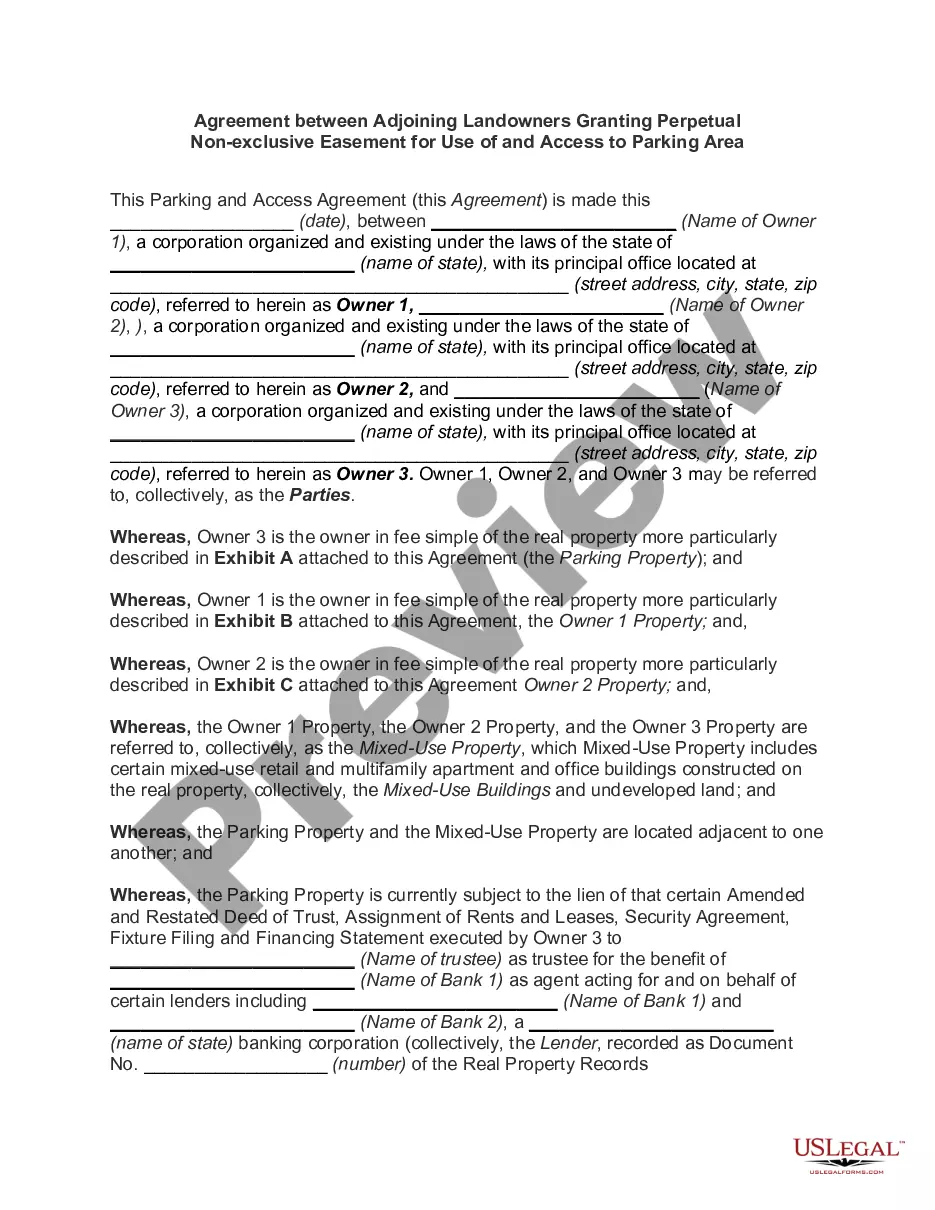
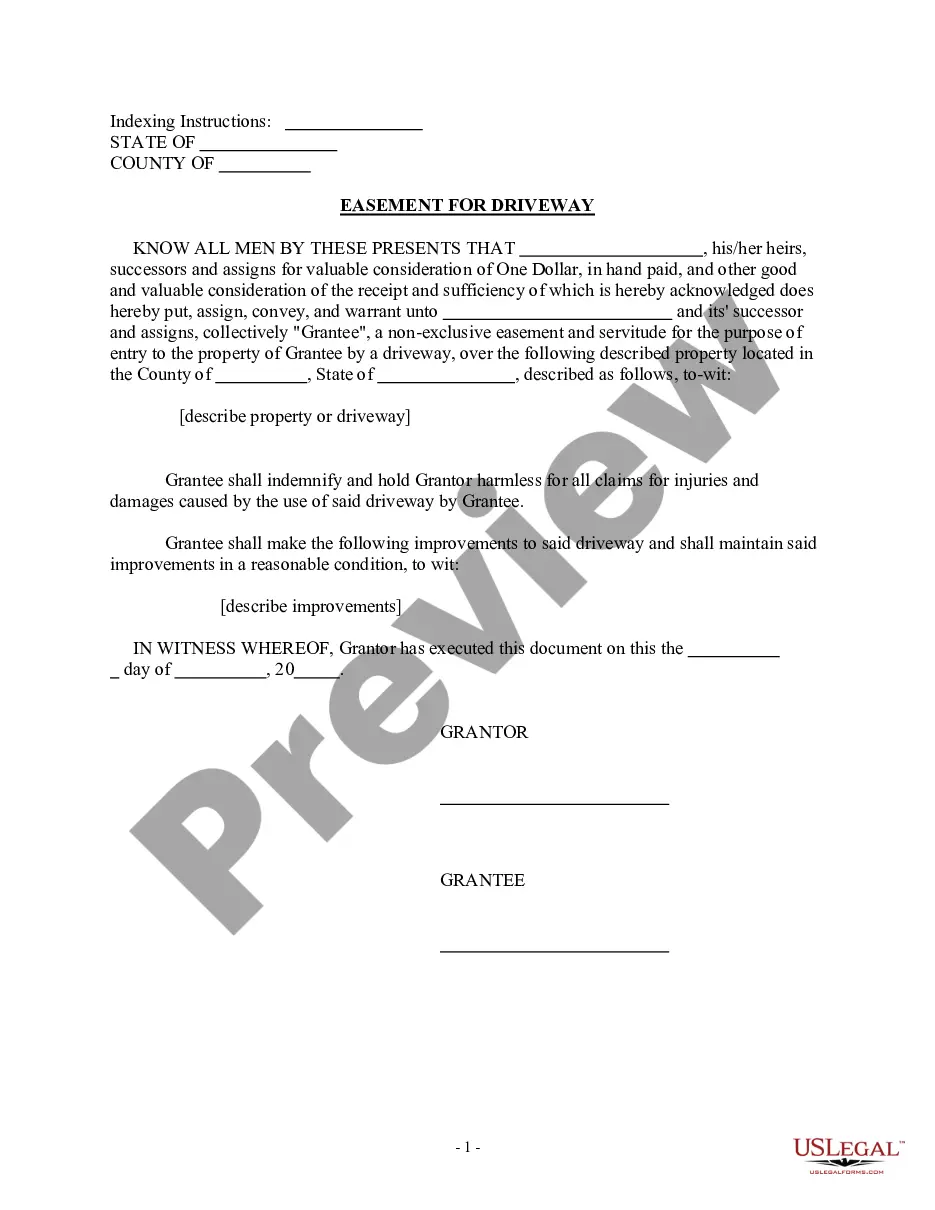
Get your form ready online
Our built-in tools help you complete, sign, share, and store your documents in one place.
Make edits, fill in missing information, and update formatting in US Legal Forms—just like you would in MS Word.
Download a copy, print it, send it by email, or mail it via USPS—whatever works best for your next step.
Sign and collect signatures with our SignNow integration. Send to multiple recipients, set reminders, and more. Go Premium to unlock E-Sign.
If this form requires notarization, complete it online through a secure video call—no need to meet a notary in person or wait for an appointment.
We protect your documents and personal data by following strict security and privacy standards.

Make edits, fill in missing information, and update formatting in US Legal Forms—just like you would in MS Word.

Download a copy, print it, send it by email, or mail it via USPS—whatever works best for your next step.

Sign and collect signatures with our SignNow integration. Send to multiple recipients, set reminders, and more. Go Premium to unlock E-Sign.

If this form requires notarization, complete it online through a secure video call—no need to meet a notary in person or wait for an appointment.

We protect your documents and personal data by following strict security and privacy standards.
Looking for another form?







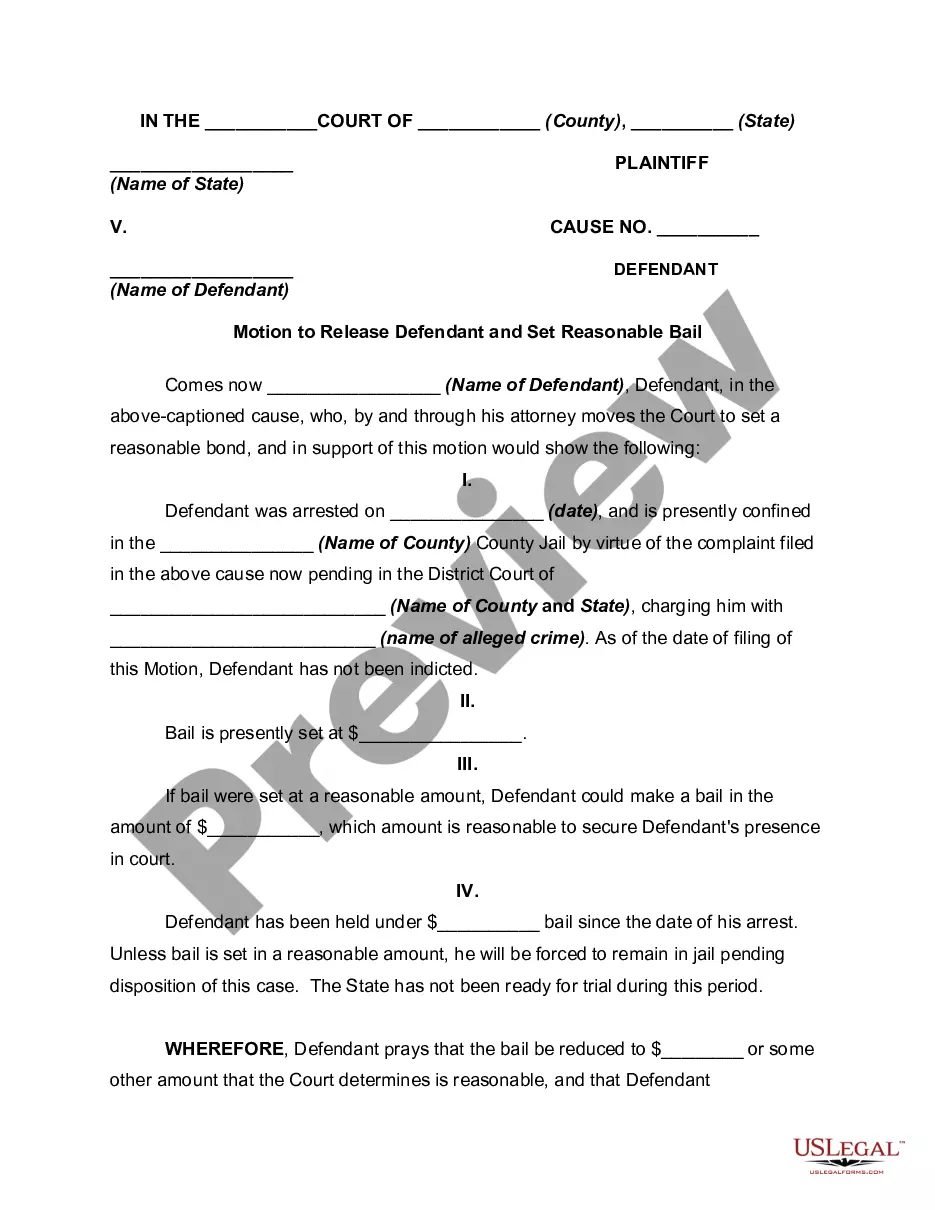

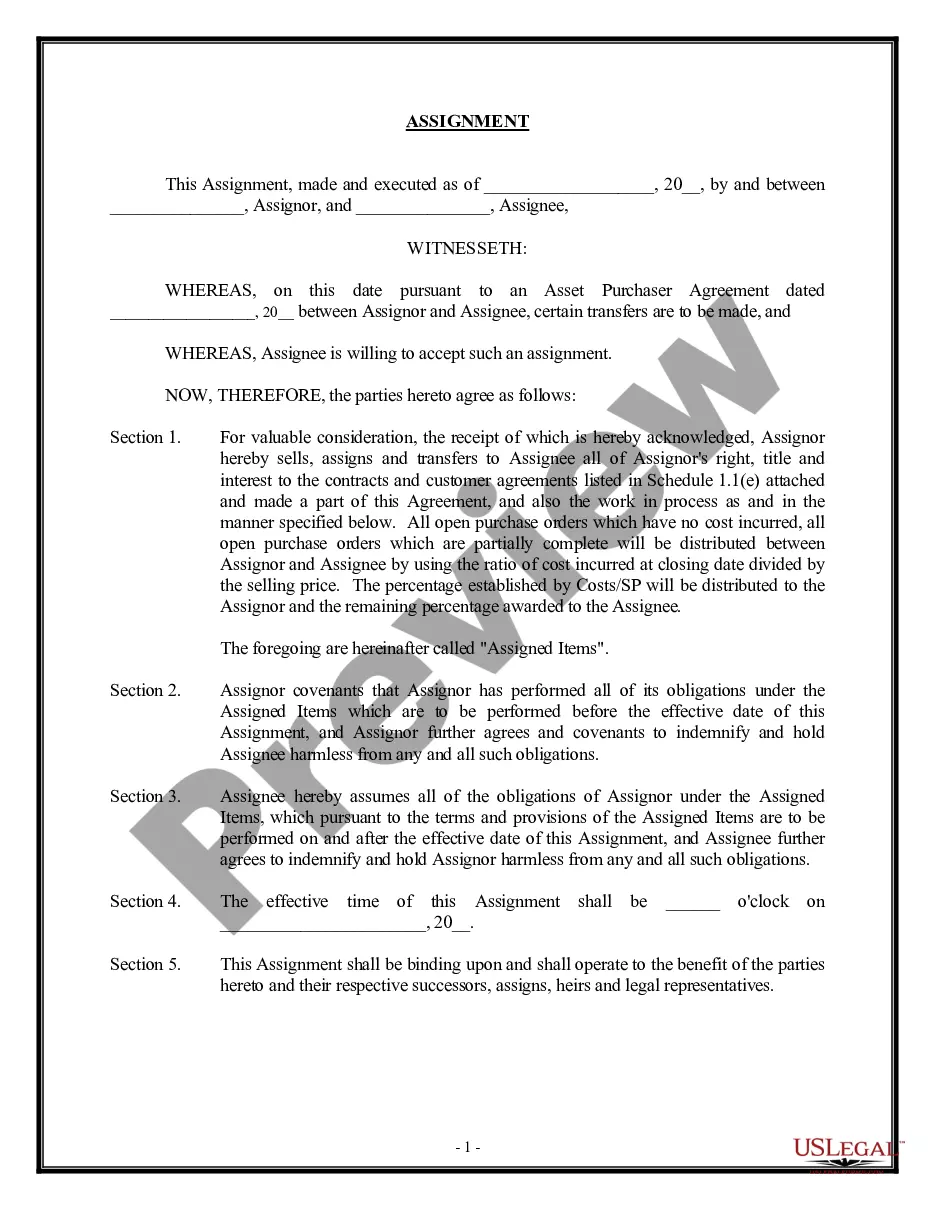
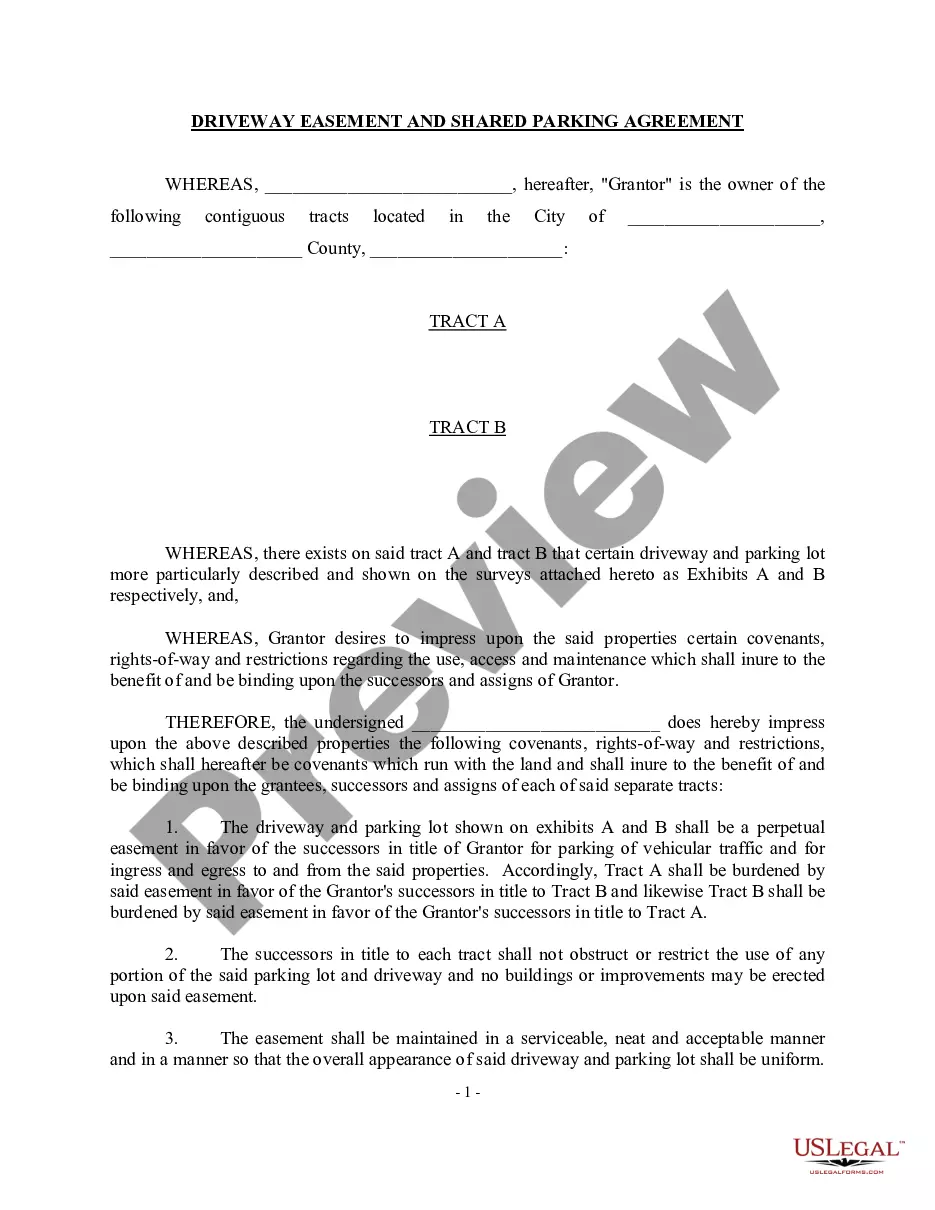
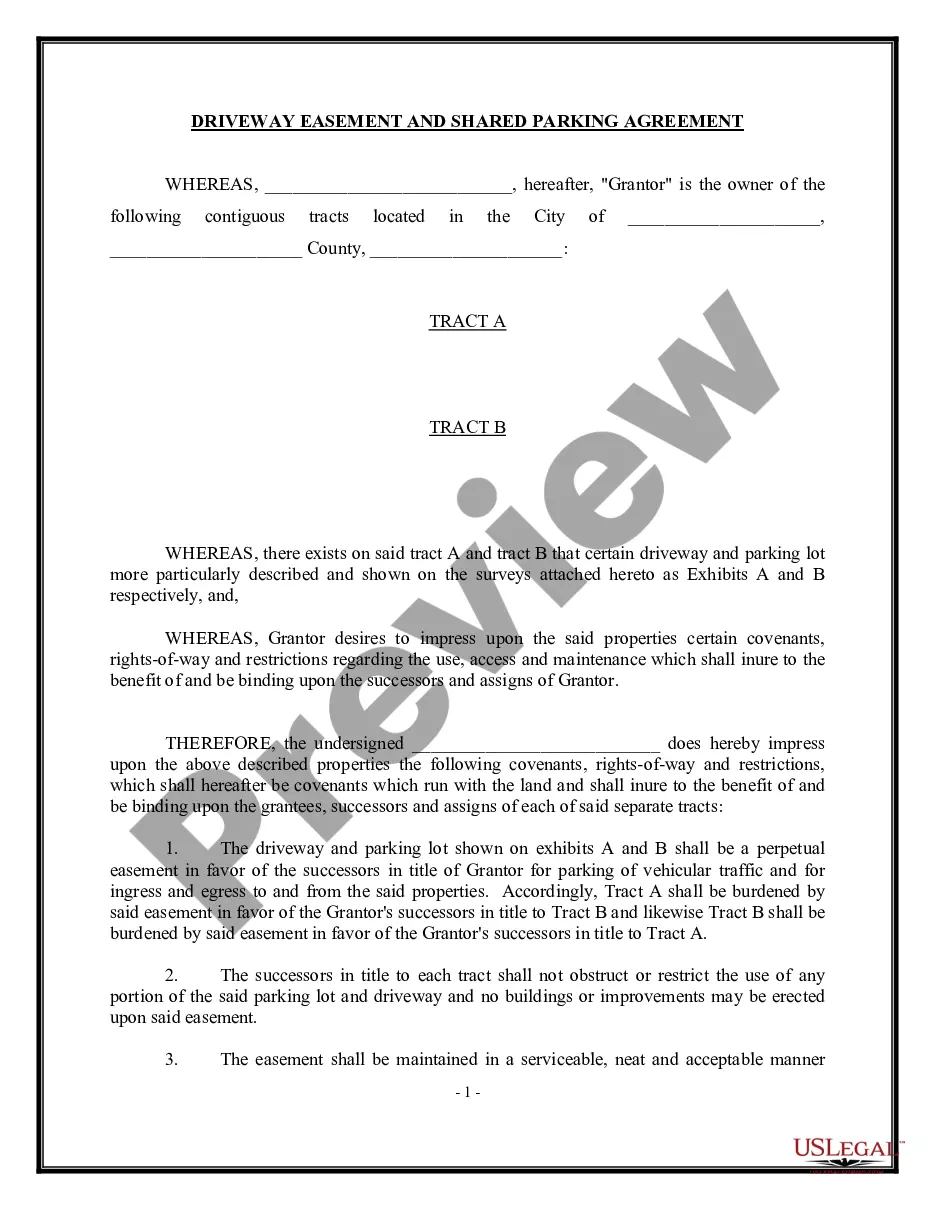
How to fill out Driveway Easement And Shared Parking Agreement?
It’s clear that one cannot transform into a legal expert instantly, nor can one quickly acquire the ability to draft a Shared Utility Agreement With A Company without possessing a specialized background.
Drafting legal paperwork is a lengthy task that necessitates specific education and expertise. So why not entrust the creation of the Shared Utility Agreement With A Company to the professionals.
With US Legal Forms, which boasts one of the largest collections of legal templates, you can access anything from courtroom forms to templates for internal communication. We recognize the significance of compliance and adherence to federal and state regulations. Therefore, all templates on our platform are region-specific and current.
You can revisit your documents through the My documents section at any time. If you’re already a customer, you can simply Log In and find and download the template from the same section.
Regardless of the purpose of your documents—be it financial, legal, or personal—our website can accommodate your needs. Try US Legal Forms today!
- Begin by locating the form you require using the search function at the top of the page.
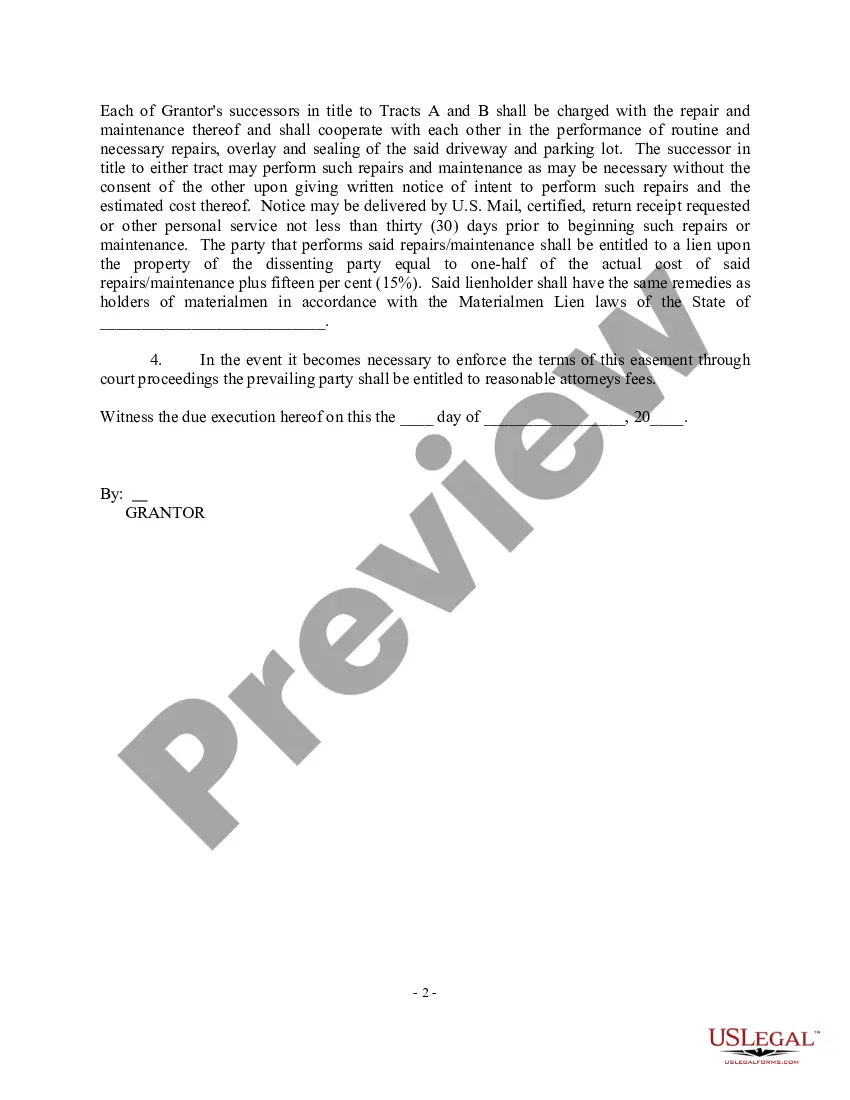
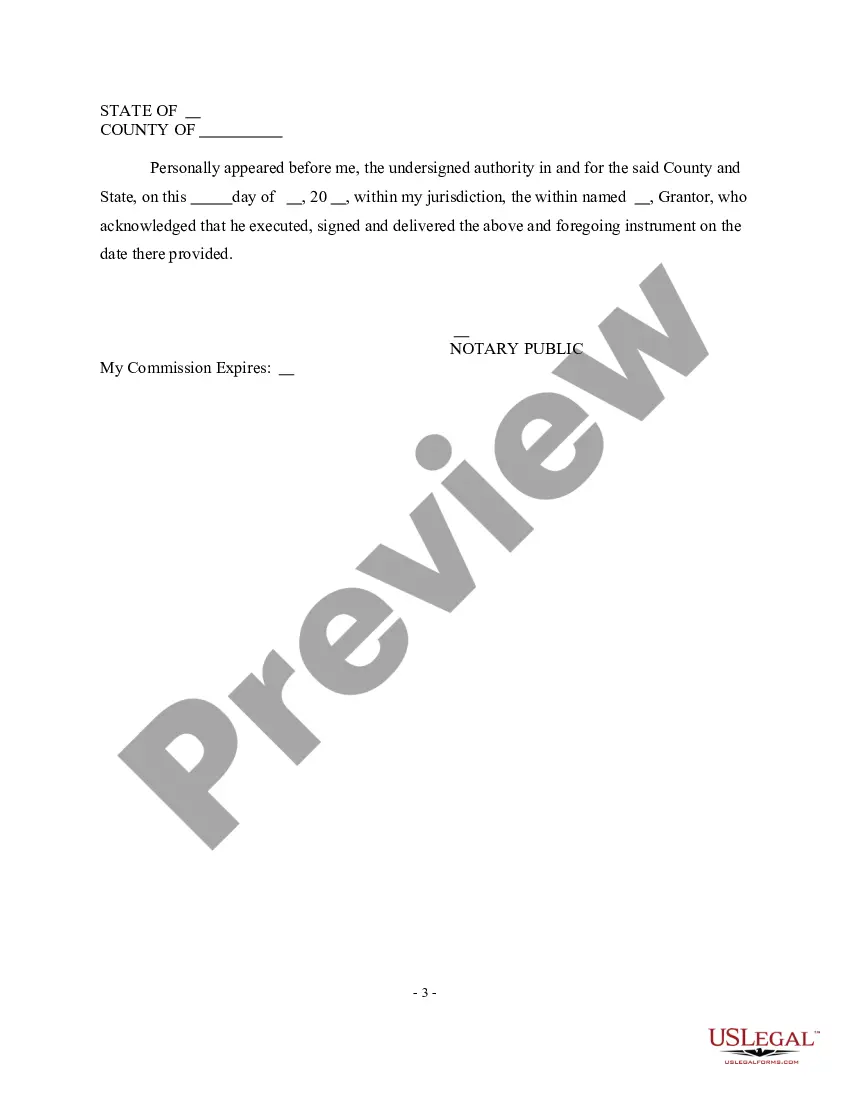
- View a preview (if available) and consult the accompanying description to determine if the Shared Utility Agreement With A Company is what you seek.
- Initiate another search if you require a different template.
- Create a free account and choose a subscription plan to acquire the template.
- Select Buy now. After payment is finalized, you can obtain the Shared Utility Agreement With A Company, complete it, print it, and deliver it by mail or submit it to the relevant individuals or organizations.
Form popularity
FAQ
Red flags in a lease agreement may include vague language, unusually high fees, or clauses that do not align with local rental laws. Be cautious of agreements that allow for unexpected charges or lack clear terms regarding utilities. A well-structured shared utility agreement with a company can help clarify utility responsibilities, reducing potential misunderstandings and protecting your interests.
To split utilities between tenants, first, agree on a fair method based on usage or divide bills equally. You can use tools and apps designed for managing household expenses to track each tenant’s share accurately. Implementing a shared utility agreement with a company can simplify this process, as it provides a clear framework for tracking consumption and ensuring everyone pays their fair share.
A utility service contract is a legal document that outlines the terms and conditions between a customer and a utility provider. This document ensures you receive essential services like water, electricity, and gas on agreed terms. When you enter a shared utility agreement with a company, both parties understand their responsibilities and expectations, promoting a smoother experience.
To separate an electric bill, contact the utility company to set up individual accounts for each tenant. This process may require the approval of the landlord and could involve signing a shared utility agreement with a company. By establishing separate accounts, each tenant can manage their usage and payments independently.
When splitting electric bills between tenants, start by reviewing the bill together to understand the total usage. You can then decide to split the bill equally or based on individual usage if one tenant consumes more. Creating a shared utility agreement with a company can facilitate the division of costs and ensure everyone pays their fair share.
To put utilities in your name when renting, contact the local utility provider and provide necessary information such as identification and your rental address. The utility company will guide you through their process, which may include filling out a shared utility agreement with a company. Completing this step ensures that you are responsible for your utility usage from the start of your tenancy.
A lease agreement is not considered a utility bill; it is a legal document detailing rental terms. Utility bills reflect the usage of services such as electricity, water, and gas. However, the lease agreement may include clauses about the handling of utilities, making a shared utility agreement with a company beneficial for defining obligations.
Splitting utilities equally among roommates is common, but it's not mandatory. Roommates should discuss and agree on a method that fairly reflects usage or personal circumstances. Utilizing a shared utility agreement with a company can help outline how costs will be divided, ensuring everyone understands their financial responsibilities.
Yes, two people can be placed on a utility bill by requesting the utility company to add an additional name to the account. This often requires both individuals to provide identification and consent for the changes. It’s wise to explore a shared utility agreement with a company, as this can clarify billing responsibilities and payment obligations for both tenants.
Landlords can transfer utilities to tenants by contacting the utility company and providing necessary tenant information. The landlord should ensure the tenant completes any required forms for account transfer. This process typically involves a shared utility agreement with a company to formalize the transition of responsibility for utility bills. Clear communication can help avoid confusion about utility management.