Neighbor Easement Problems With Trees
Description
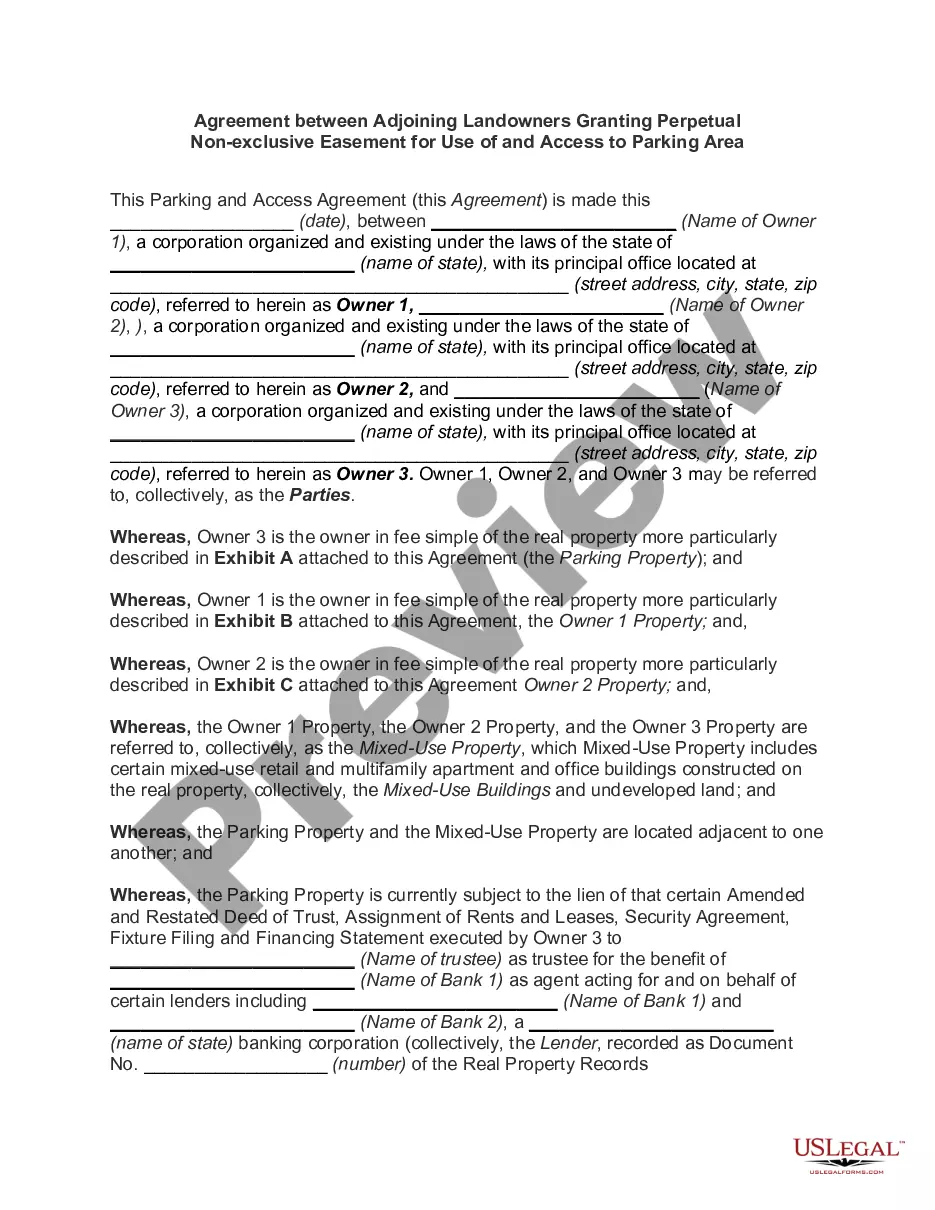
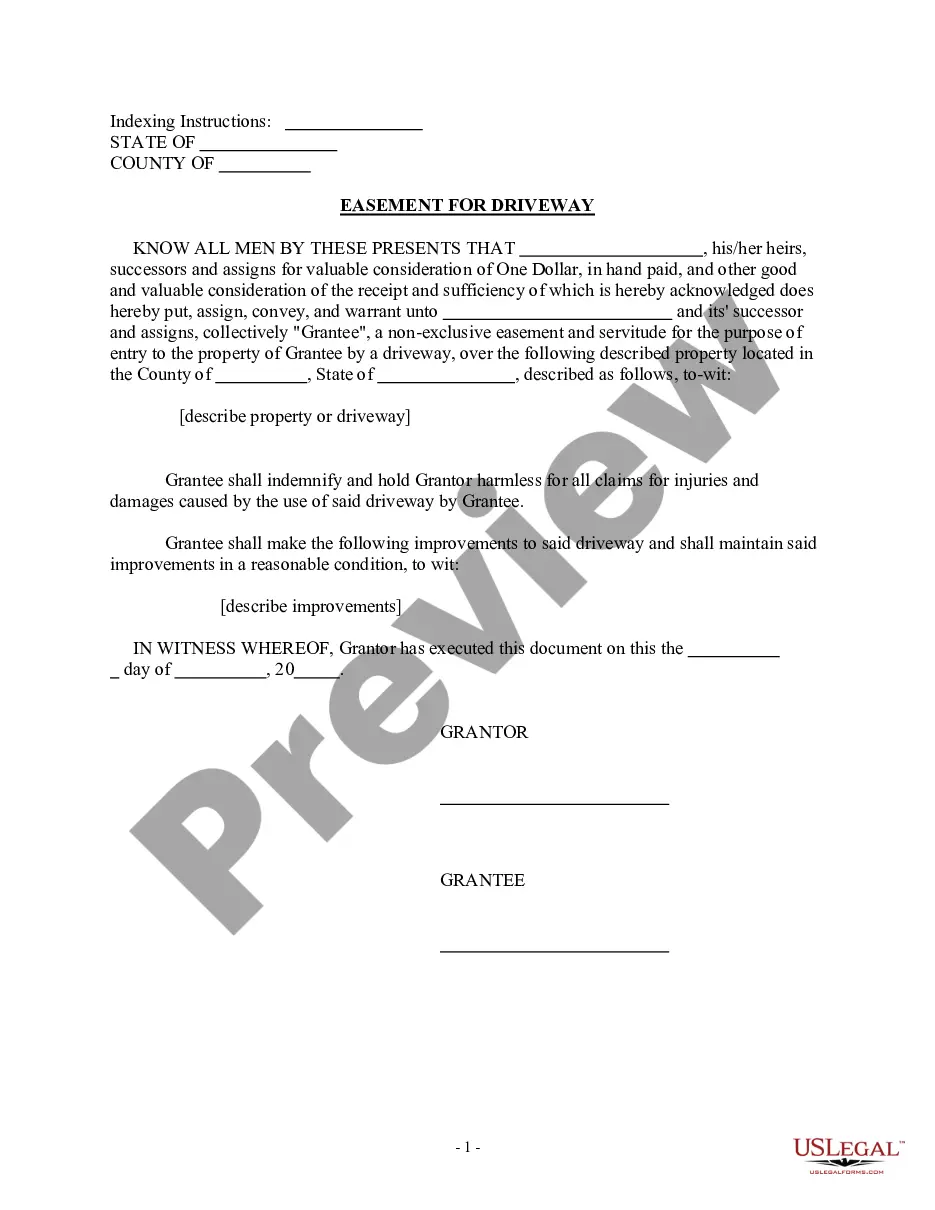
Get your form ready online
Our built-in tools help you complete, sign, share, and store your documents in one place.
Make edits, fill in missing information, and update formatting in US Legal Forms—just like you would in MS Word.
Download a copy, print it, send it by email, or mail it via USPS—whatever works best for your next step.
Sign and collect signatures with our SignNow integration. Send to multiple recipients, set reminders, and more. Go Premium to unlock E-Sign.
If this form requires notarization, complete it online through a secure video call—no need to meet a notary in person or wait for an appointment.
We protect your documents and personal data by following strict security and privacy standards.

Make edits, fill in missing information, and update formatting in US Legal Forms—just like you would in MS Word.

Download a copy, print it, send it by email, or mail it via USPS—whatever works best for your next step.

Sign and collect signatures with our SignNow integration. Send to multiple recipients, set reminders, and more. Go Premium to unlock E-Sign.

If this form requires notarization, complete it online through a secure video call—no need to meet a notary in person or wait for an appointment.

We protect your documents and personal data by following strict security and privacy standards.
Looking for another form?






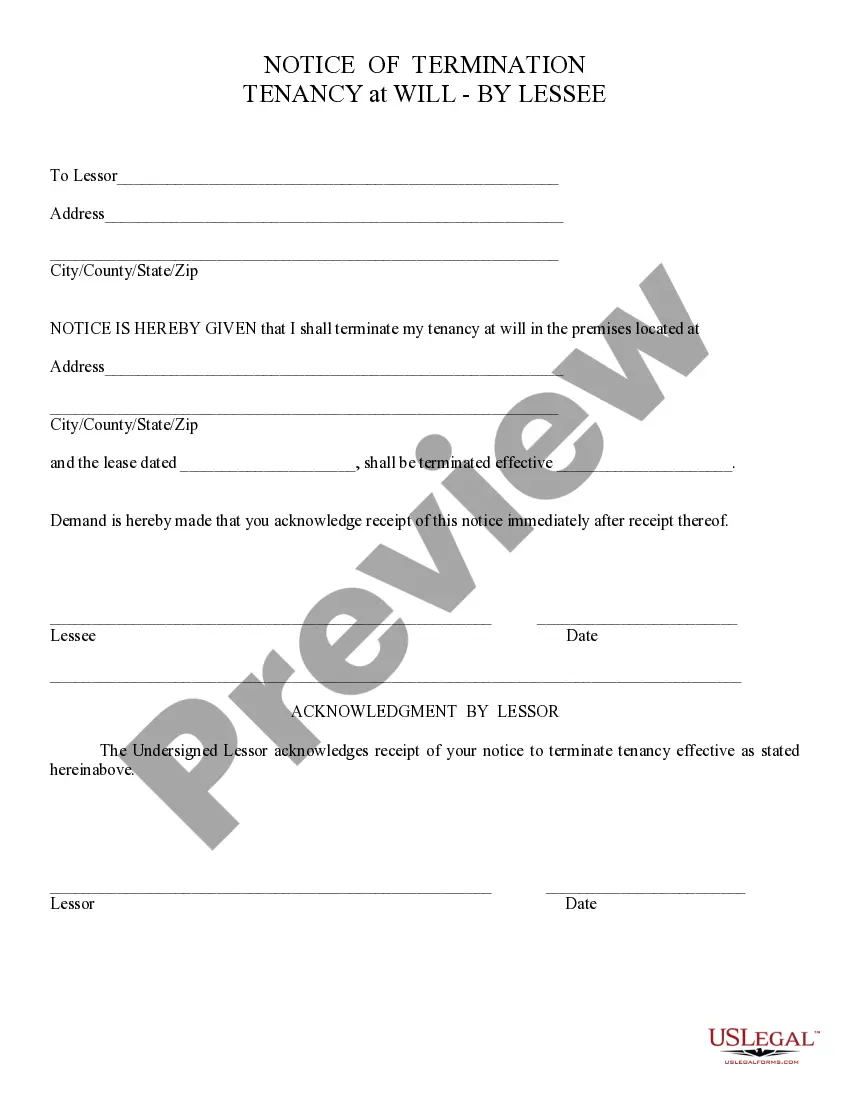
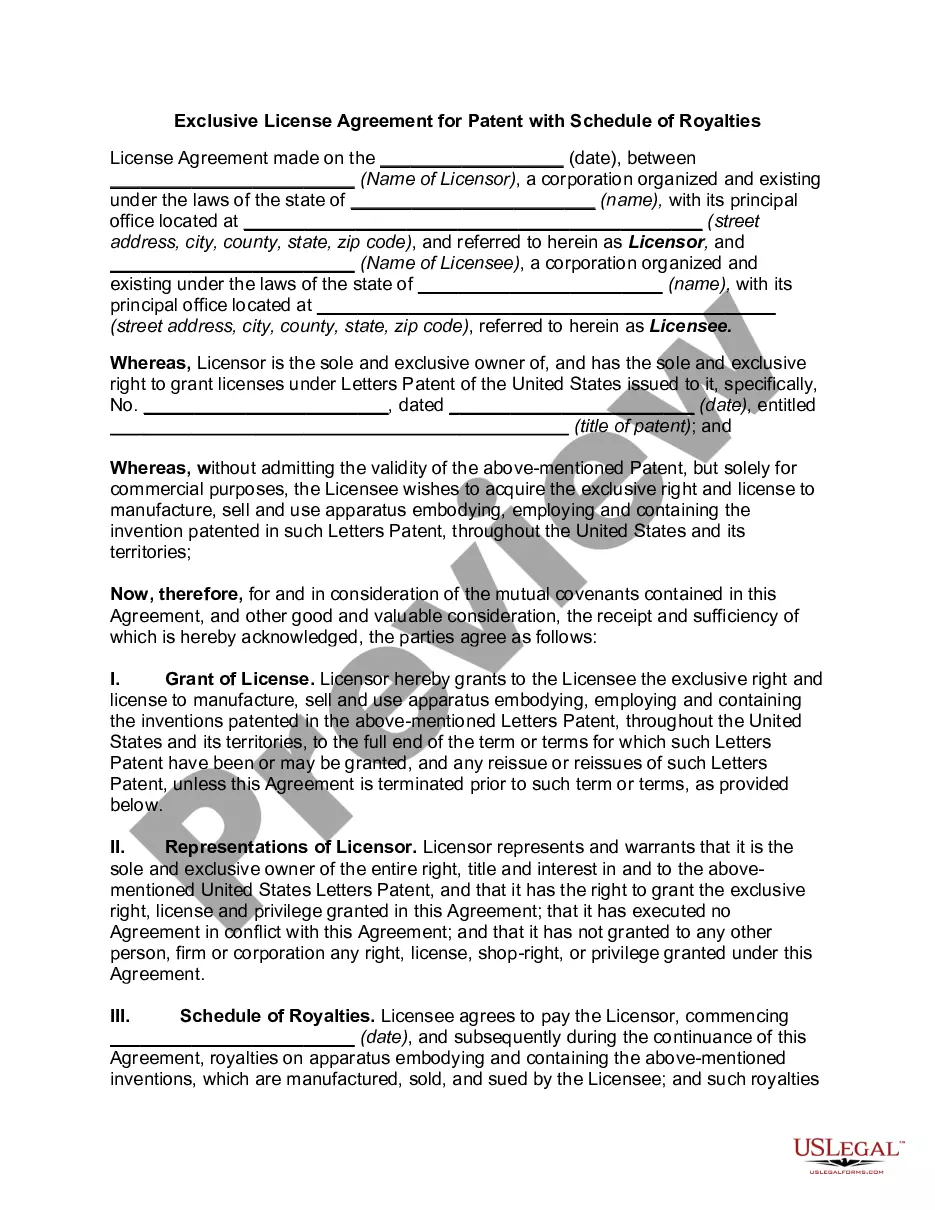
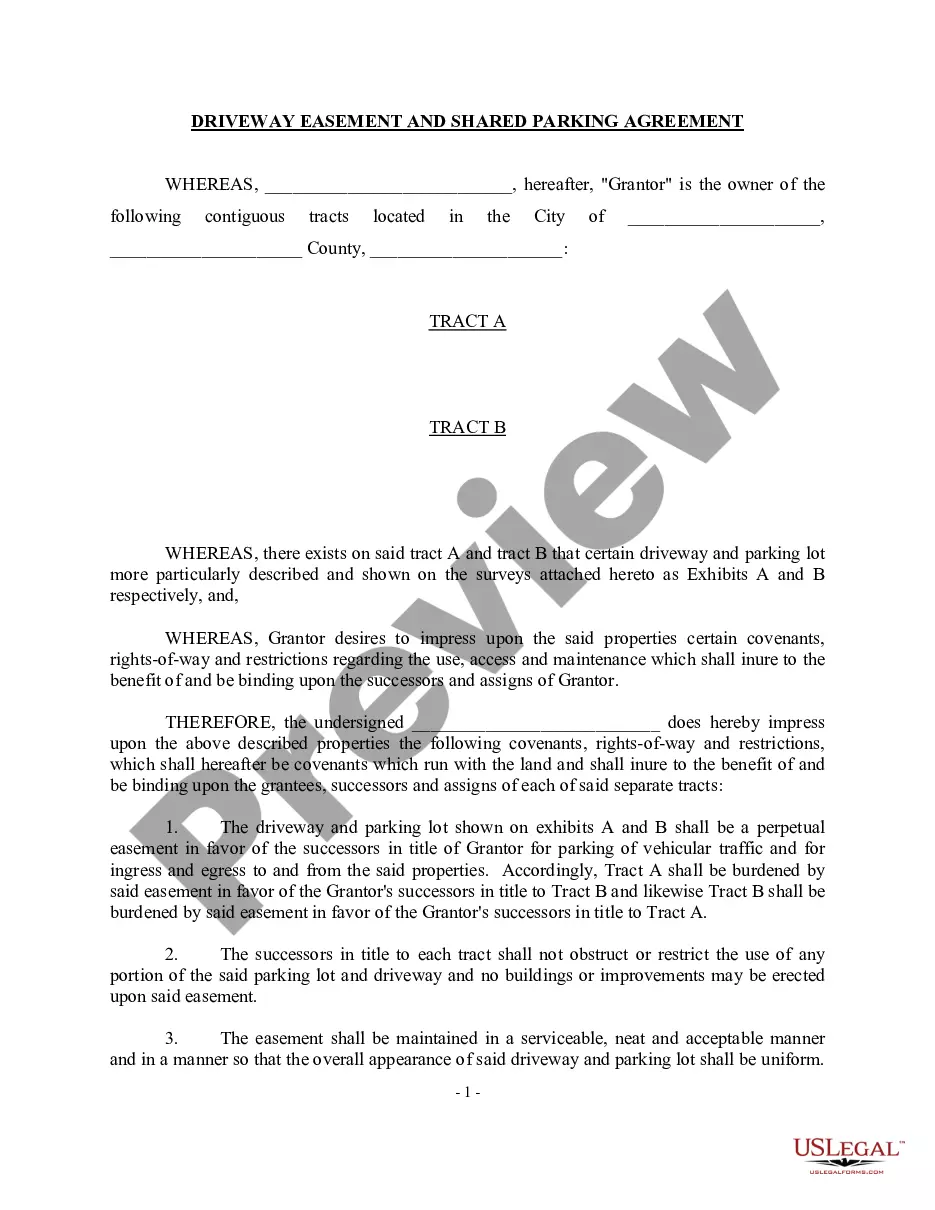
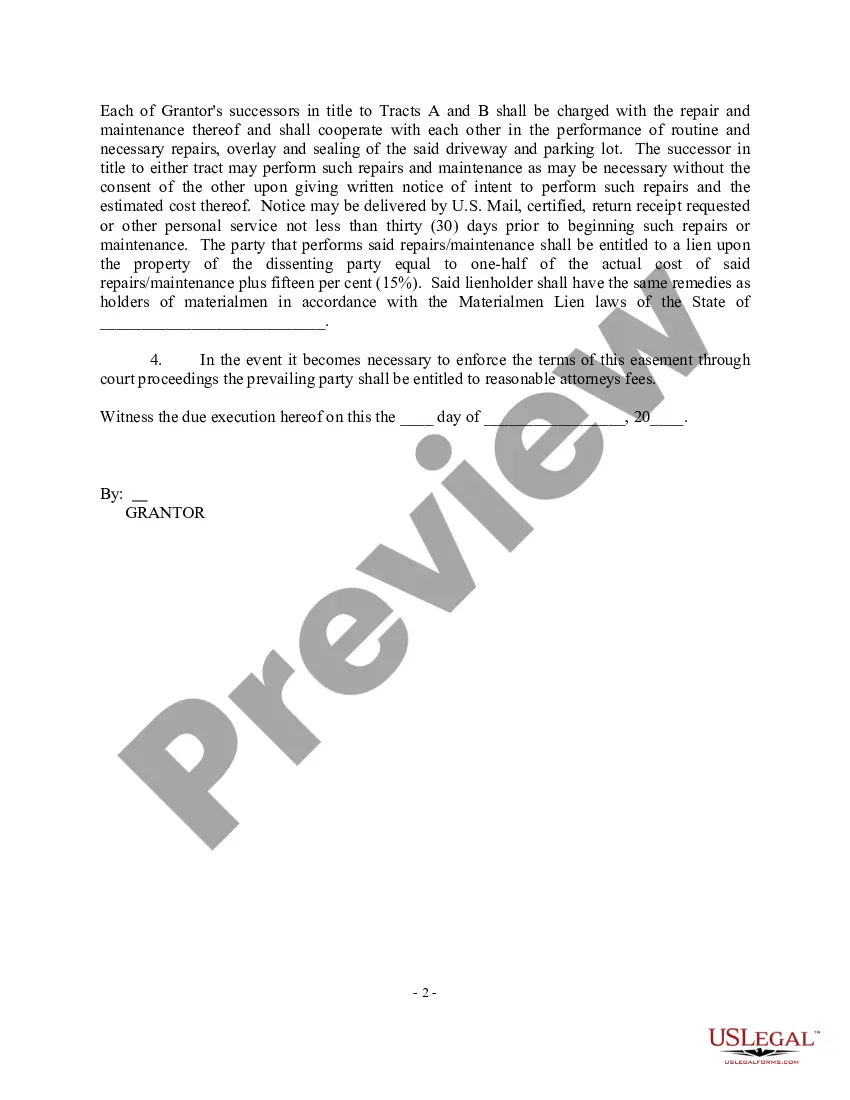
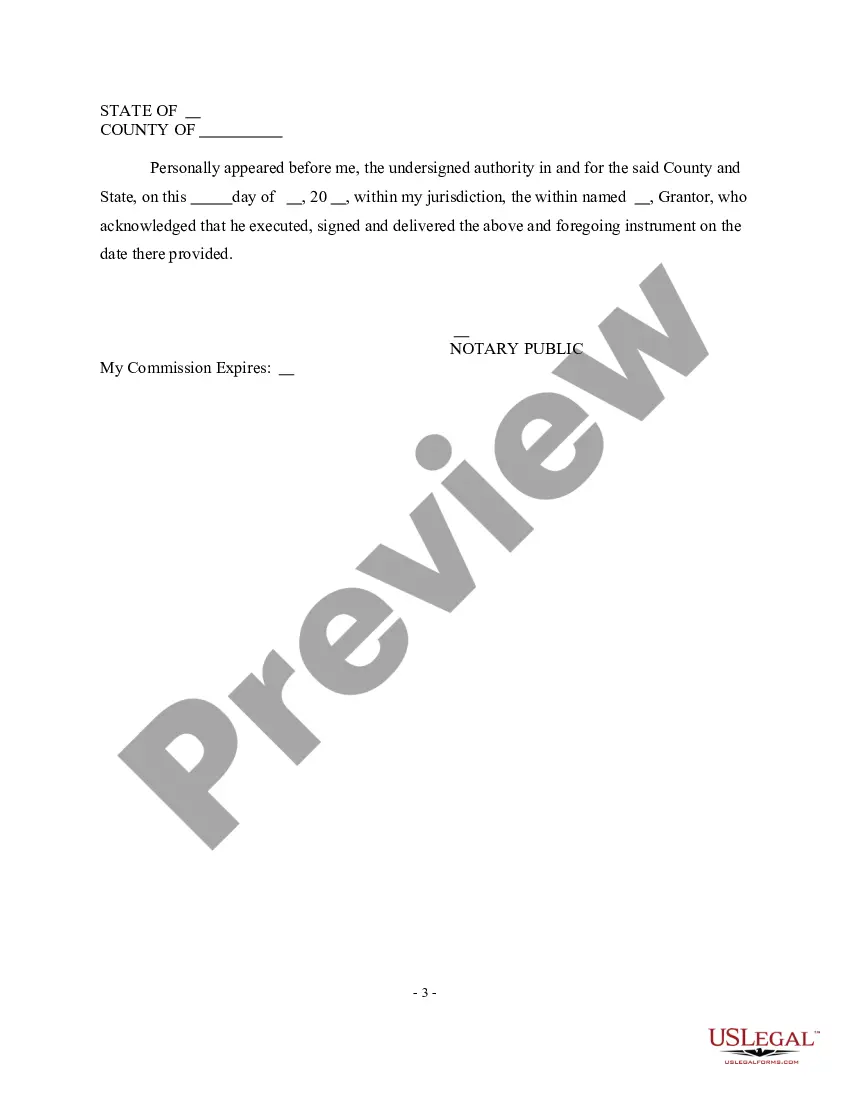
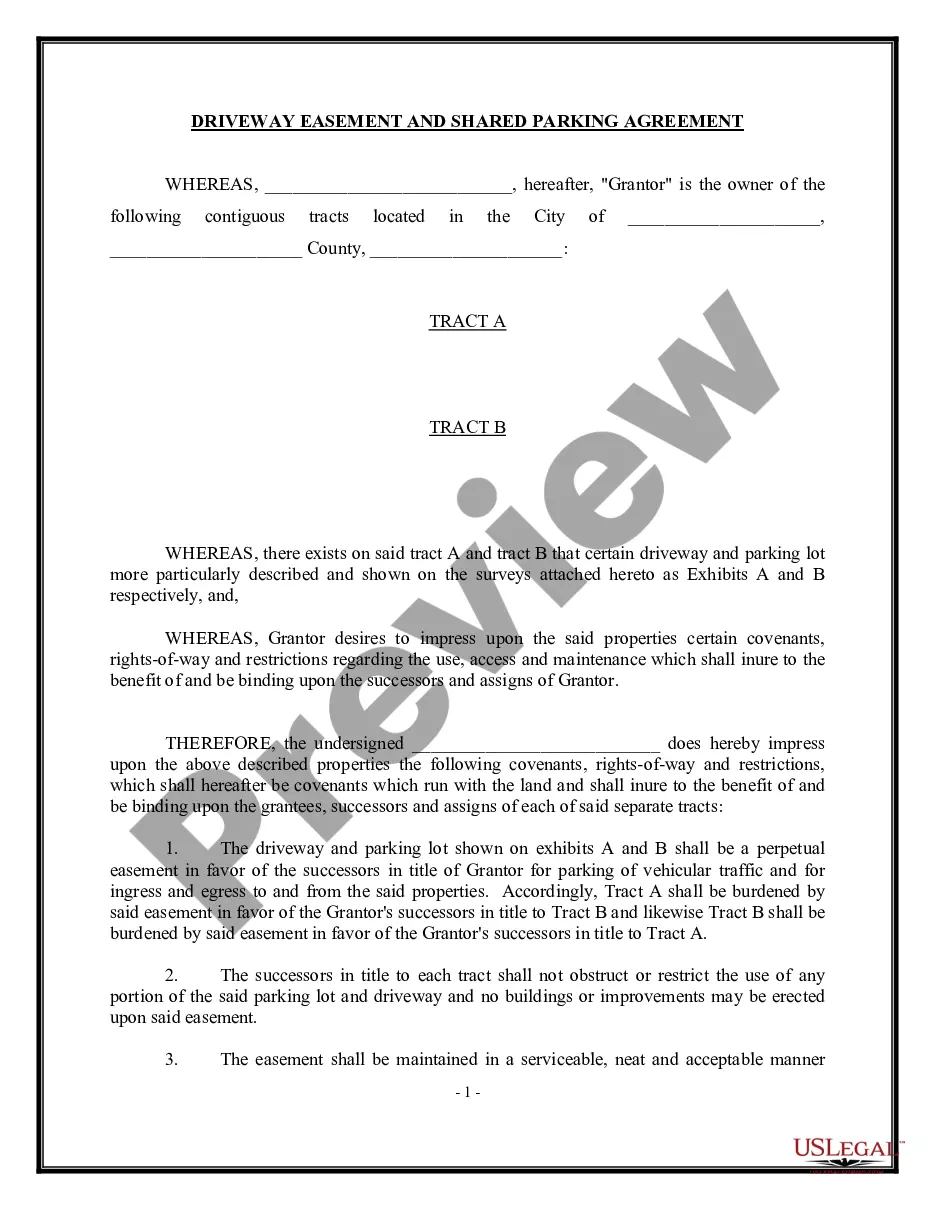
How to fill out Driveway Easement And Shared Parking Agreement?
Legal document managing might be overpowering, even for the most knowledgeable specialists. When you are interested in a Neighbor Easement Problems With Trees and don’t have the a chance to spend looking for the correct and updated version, the procedures might be stressful. A strong online form library could be a gamechanger for anyone who wants to handle these situations effectively. US Legal Forms is a industry leader in online legal forms, with over 85,000 state-specific legal forms accessible to you whenever you want.
With US Legal Forms, it is possible to:
- Access state- or county-specific legal and organization forms. US Legal Forms covers any needs you might have, from individual to organization papers, in one location.
- Employ advanced tools to finish and manage your Neighbor Easement Problems With Trees
- Access a useful resource base of articles, instructions and handbooks and resources relevant to your situation and needs
Save effort and time looking for the papers you will need, and utilize US Legal Forms’ advanced search and Preview feature to discover Neighbor Easement Problems With Trees and download it. For those who have a membership, log in to the US Legal Forms account, search for the form, and download it. Review your My Forms tab to find out the papers you previously saved and to manage your folders as you can see fit.
If it is the first time with US Legal Forms, make a free account and acquire limitless use of all benefits of the library. Here are the steps to consider after getting the form you want:
- Verify it is the proper form by previewing it and reading its information.
- Be sure that the sample is acknowledged in your state or county.
- Pick Buy Now when you are ready.
- Select a monthly subscription plan.
- Find the formatting you want, and Download, complete, eSign, print and deliver your document.
Enjoy the US Legal Forms online library, supported with 25 years of experience and stability. Change your daily document administration into a easy and easy-to-use process right now.
Form popularity
FAQ
In most cases, the municipality or state retains authority and responsibility for the trees. Sometimes, the municipality legally transfers responsibility of street trees to the adjacent landowner.
So, if a tree sits on a property line, it's considered common property and you are both owners. For this reason, you cannot legally plant a tree on the property line without permission from your neighbor. It's best to plant trees 3 ? 4 feet from all property lines to leave room for future growth.
Tree Trimming Rules A New Jersey resident can trim a neighbor's encroaching tree branches, but only up to the property line. A property owner trimming a neighbor's encroaching tree branches can't cause injury to the tree. Branches, roots, or limbs that cross over a boundary line can be considered a nuisance.
A common question asked of our lawyers in Charleston is whether a person has the right to cut a neighbor's tree branches that hang over their property line. Although this question seems simple, the answer isn't because South Carolina has no law that authorizes you to cut your neighbor's overhanging tree limbs.
Section 537.340 of Missouri Revised Statutes holds that if any person shall cut down, injure, or destroy or carry away any tree placed or growing for use, shade, or ornament, or any timber, rails, or wood standing, being or growing on the land of any other person, the person so offending shall pay to the party injured ...