Debt Collection Law In Texas
Description
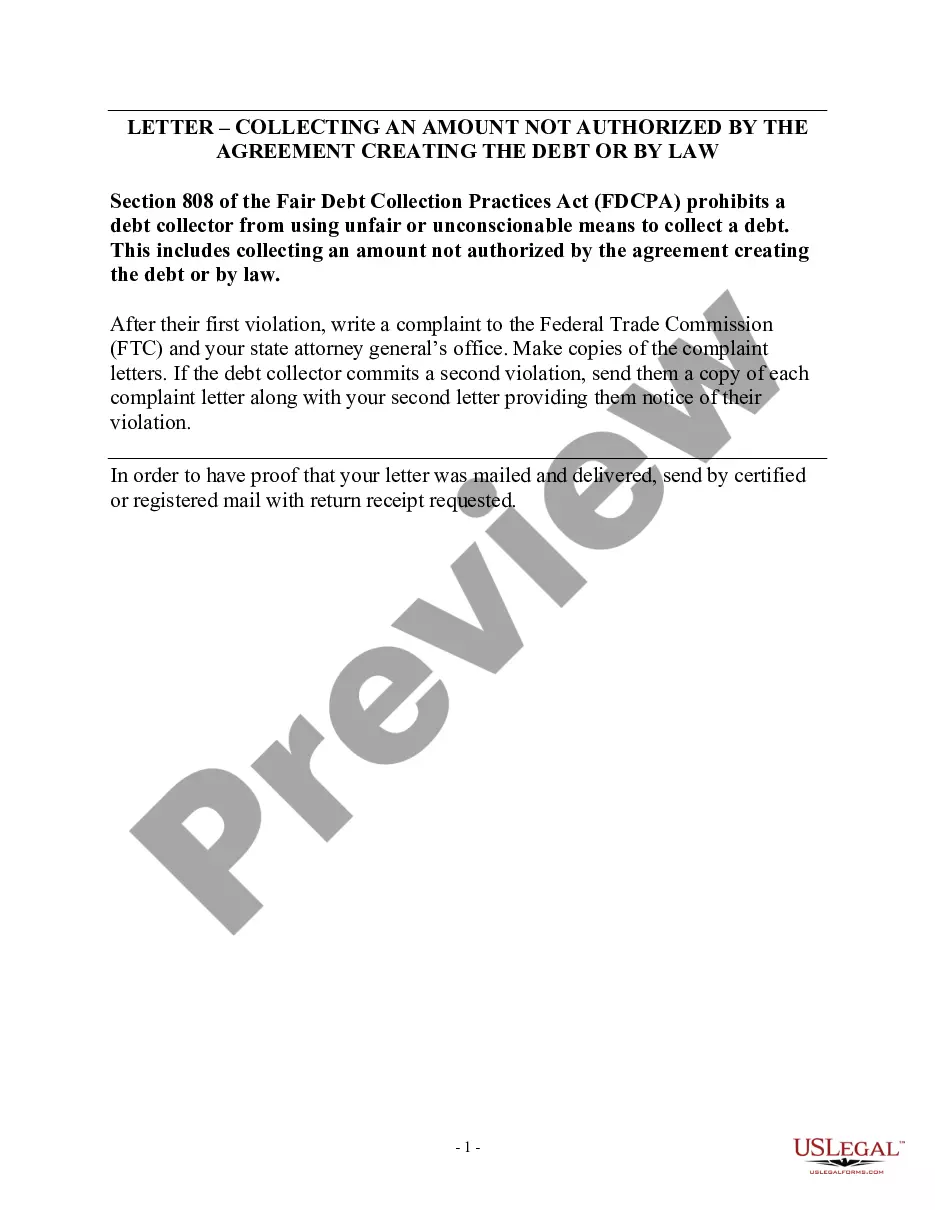
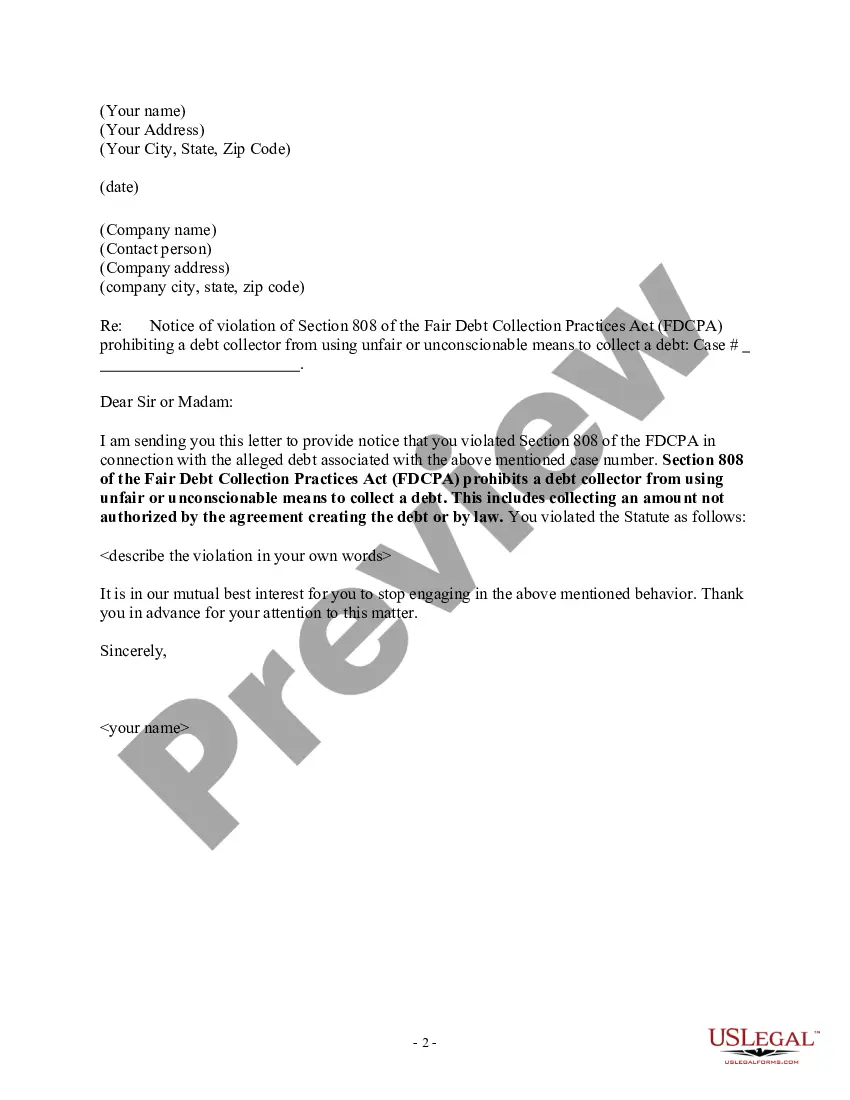
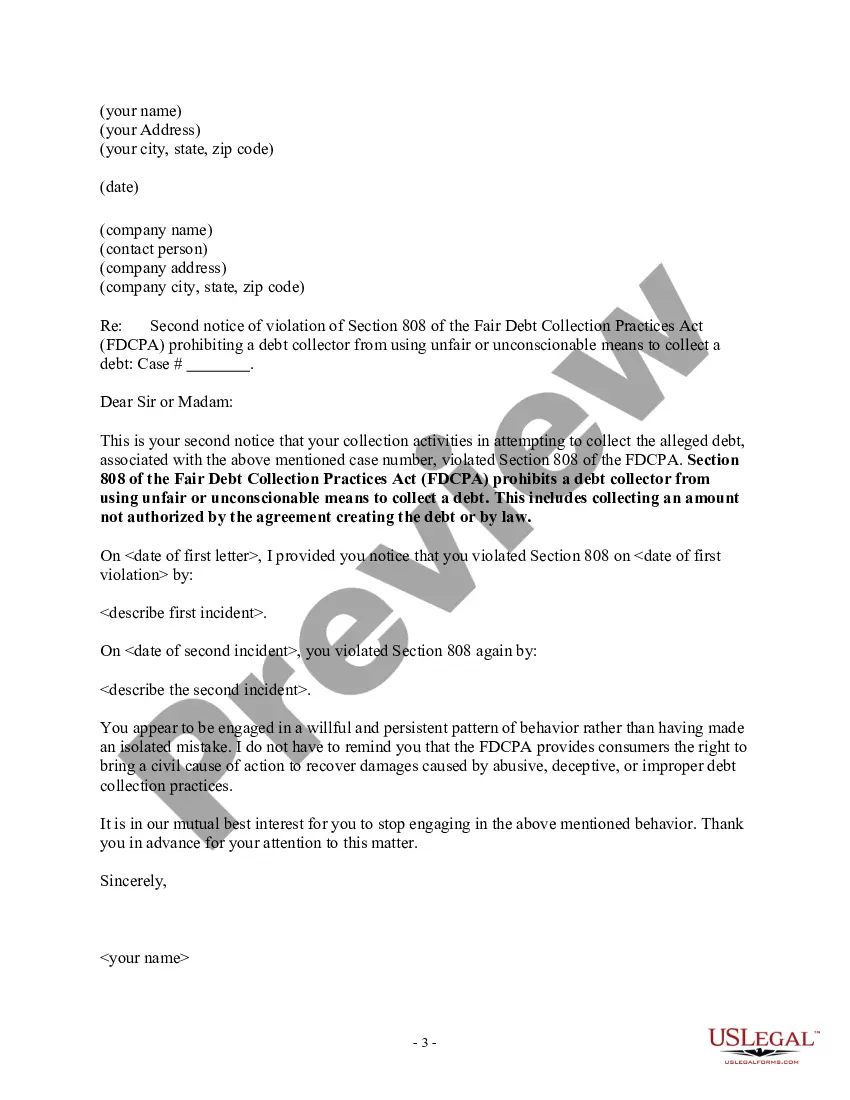
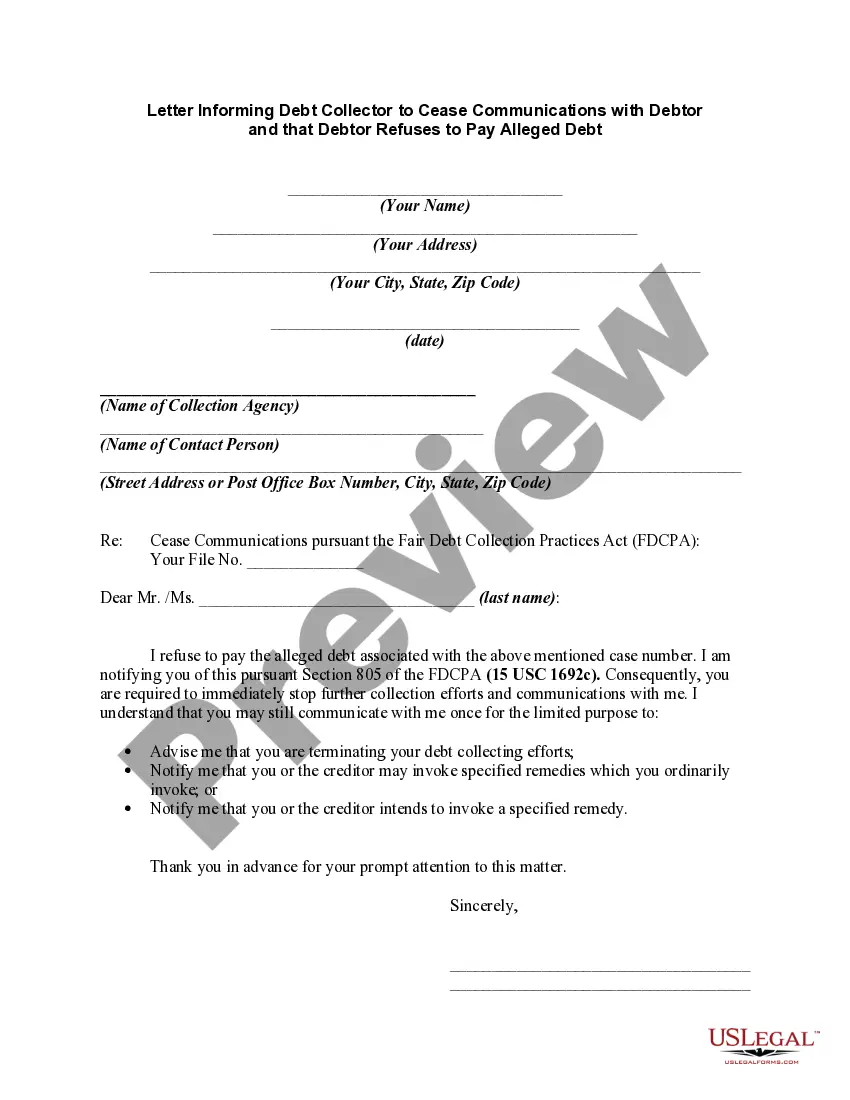
Get your form ready online
Our built-in tools help you complete, sign, share, and store your documents in one place.
Make edits, fill in missing information, and update formatting in US Legal Forms—just like you would in MS Word.
Download a copy, print it, send it by email, or mail it via USPS—whatever works best for your next step.
Sign and collect signatures with our SignNow integration. Send to multiple recipients, set reminders, and more. Go Premium to unlock E-Sign.
If this form requires notarization, complete it online through a secure video call—no need to meet a notary in person or wait for an appointment.
We protect your documents and personal data by following strict security and privacy standards.

Make edits, fill in missing information, and update formatting in US Legal Forms—just like you would in MS Word.

Download a copy, print it, send it by email, or mail it via USPS—whatever works best for your next step.

Sign and collect signatures with our SignNow integration. Send to multiple recipients, set reminders, and more. Go Premium to unlock E-Sign.

If this form requires notarization, complete it online through a secure video call—no need to meet a notary in person or wait for an appointment.

We protect your documents and personal data by following strict security and privacy standards.
Looking for another form?







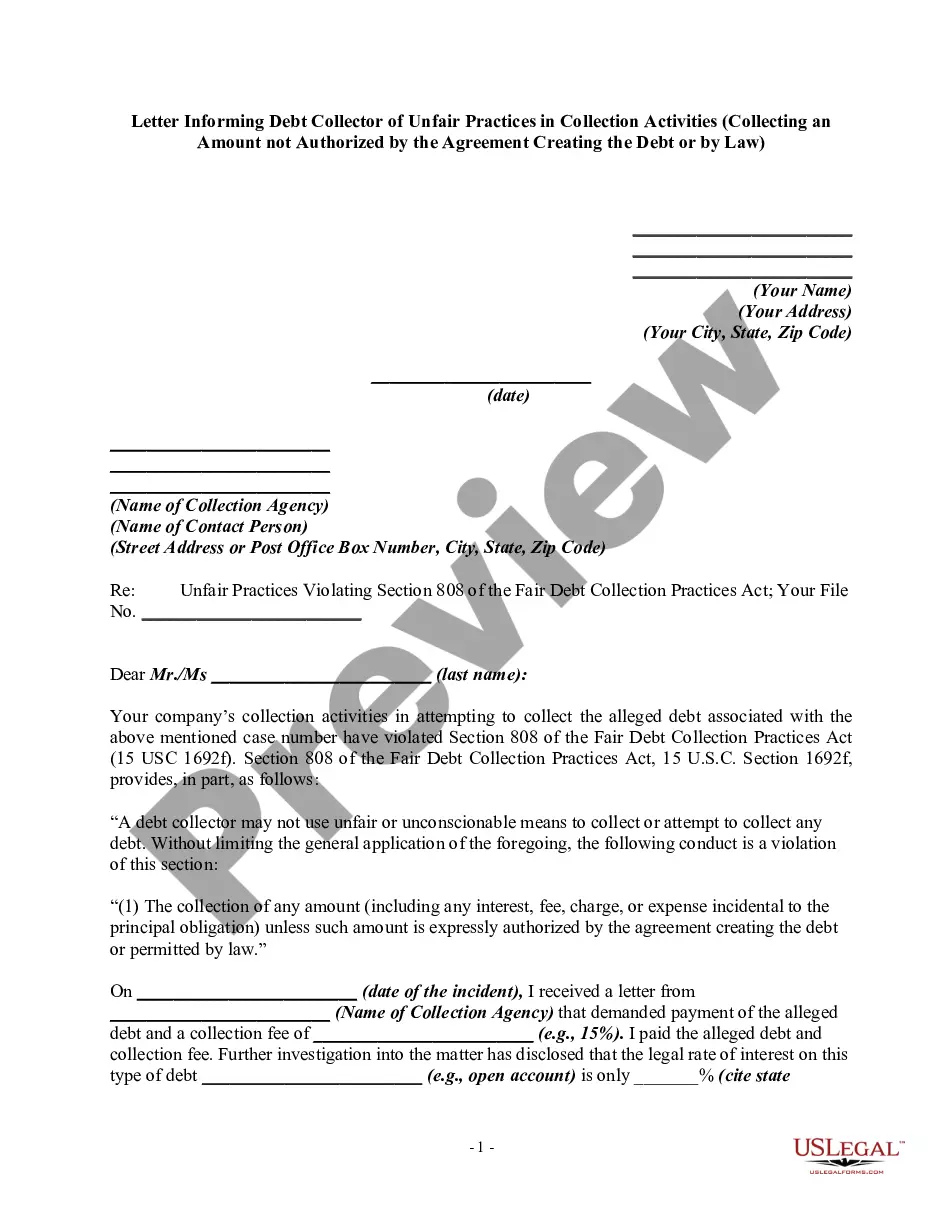
How to fill out Notice To Debt Collector - Collecting An Amount Not Authorized By Agreement Or By Law?
Managing legal documents can be challenging, even for seasoned professionals.
If you are looking for Debt Collection Law in Texas and don't have time to dedicate to finding the appropriate and current version, the experience can be distressing.
Access state- or county-specific legal and business forms. US Legal Forms addresses any needs you might have, ranging from personal to business documents, all in one platform.
Employ advanced tools to complete and manage your Debt Collection Law in Texas.
Here are the steps to follow after accessing the form you require: Confirm it is the right form by previewing and reviewing its description. Ensure that the template is valid in your state or county. Choose Buy Now when you are ready. Select a subscription plan. Choose the file format you desire, and Download, complete, sign, print, and submit your documents. Enjoy the US Legal Forms online catalog, backed by 25 years of experience and reliability. Transform your routine document management into a straightforward and user-friendly endeavor today.
- Tap into a rich resource database of articles, guidelines, handbooks, and content relating to your circumstances and requirements.
- Save time and effort finding the documents you require, and use US Legal Forms' sophisticated search and Review feature to find Debt Collection Law in Texas and obtain it.
- If you have a subscription, Log In to your US Legal Forms account, search for the form, and retrieve it.
- Check your My documents tab to see the documents you have previously saved and manage your folders as needed.
- If this is your first experience with US Legal Forms, create an account and gain unlimited access to all the platform's advantages.
- A comprehensive online form library could be revolutionary for anyone seeking to manage these issues effectively.
- US Legal Forms is a leading name in the realm of digital legal documents, providing over 85,000 state-specific legal forms available at your convenience.
- With US Legal Forms, you have the capability to.
Form popularity
FAQ
The 777 rule for debt collectors is a specific guideline under Texas debt collection law that allows you to assert your rights when dealing with debt collectors. This rule states that a debt collector must cease communication once you formally request them to do so. It also gives you the right to dispute the debt and request verification. Understanding these protections can empower you in managing your debts and interactions with collectors, making it essential to know your rights under debt collection law in Texas.
The law governing debt collectors in Texas aims to protect consumers from unfair practices while ensuring collectors can recover debts owed. These laws prohibit harassment and deception, granting you specific rights when dealing with debt. When facing collections, knowing your rights under these regulations is key to resolving disputes effectively. Platforms like USLegalForms can provide valuable resources to help you understand these laws better.
In Texas, the statute of limitations for debt collection actions typically lasts four years. This means that a debt collector can pursue a debt during this period, but after it expires, they cannot legally enforce payment in court. It is critical for you to be aware of these time frames when addressing debt collection issues. Being informed helps you protect your rights under the debt collection law in Texas.
The 777 rule refers to a provision that helps protect consumers from aggressive debt collection methods. Essentially, it requires debt collectors to cease communication about a debt if you request it in writing. Understanding this rule is crucial for maintaining your rights and ensuring compliance with Texas's debt collection law. You can find resources to help you navigate these regulations effectively.
The new debt collection law in Texas introduces stricter regulations for debt collectors regarding transparency and consumer rights. These laws require collectors to provide detailed information about the debts they claim are owed. Additionally, consumers now have increased protection against harassment tactics. Staying informed about these updates can empower you to take action if a collector violates these rules.
The new debt collection laws in Texas include stricter regulations on how debt collectors can communicate and collect debts. These laws emphasize transparency and fairness in the collection process, giving consumers more rights. Staying informed through resources like US Legal Forms can help you navigate these changes in debt collection law in Texas.
Answering a debt collection lawsuit in Texas involves creating a clear written response acknowledging the lawsuit. Address each allegation, stating whether you admit, deny, or lack sufficient information to respond. For assistance and templates, consider using US Legal Forms to ensure compliance with debt collection law in Texas.
Getting a debt lawsuit dismissed in Texas requires you to file a motion with the court. This motion usually argues that the lawsuit lacks legal merit or that there was a procedural error. It's beneficial to seek assistance from US Legal Forms to craft a strong motion that aligns with debt collection law in Texas.
To respond to a debt collection lawsuit in Texas, you must file an answer with the court within the specified time frame. Ensure you address each claim made in the lawsuit, and include any defenses you wish to assert. Utilizing US Legal Forms can streamline this process, helping you adhere to debt collection law in Texas effectively.
Defending against a debt collection lawsuit involves several steps. Gather evidence and documentation to counter the claims, and prepare your defense based on factual inaccuracies or legal defenses. Consulting an attorney or using resources from US Legal Forms can help you better navigate your rights under debt collection law in Texas.