Validate Creditor Order Format
Description
Get your form ready online
Our built-in tools help you complete, sign, share, and store your documents in one place.
Make edits, fill in missing information, and update formatting in US Legal Forms—just like you would in MS Word.
Download a copy, print it, send it by email, or mail it via USPS—whatever works best for your next step.
Sign and collect signatures with our SignNow integration. Send to multiple recipients, set reminders, and more. Go Premium to unlock E-Sign.
If this form requires notarization, complete it online through a secure video call—no need to meet a notary in person or wait for an appointment.
We protect your documents and personal data by following strict security and privacy standards.

Make edits, fill in missing information, and update formatting in US Legal Forms—just like you would in MS Word.

Download a copy, print it, send it by email, or mail it via USPS—whatever works best for your next step.

Sign and collect signatures with our SignNow integration. Send to multiple recipients, set reminders, and more. Go Premium to unlock E-Sign.

If this form requires notarization, complete it online through a secure video call—no need to meet a notary in person or wait for an appointment.

We protect your documents and personal data by following strict security and privacy standards.
Looking for another form?





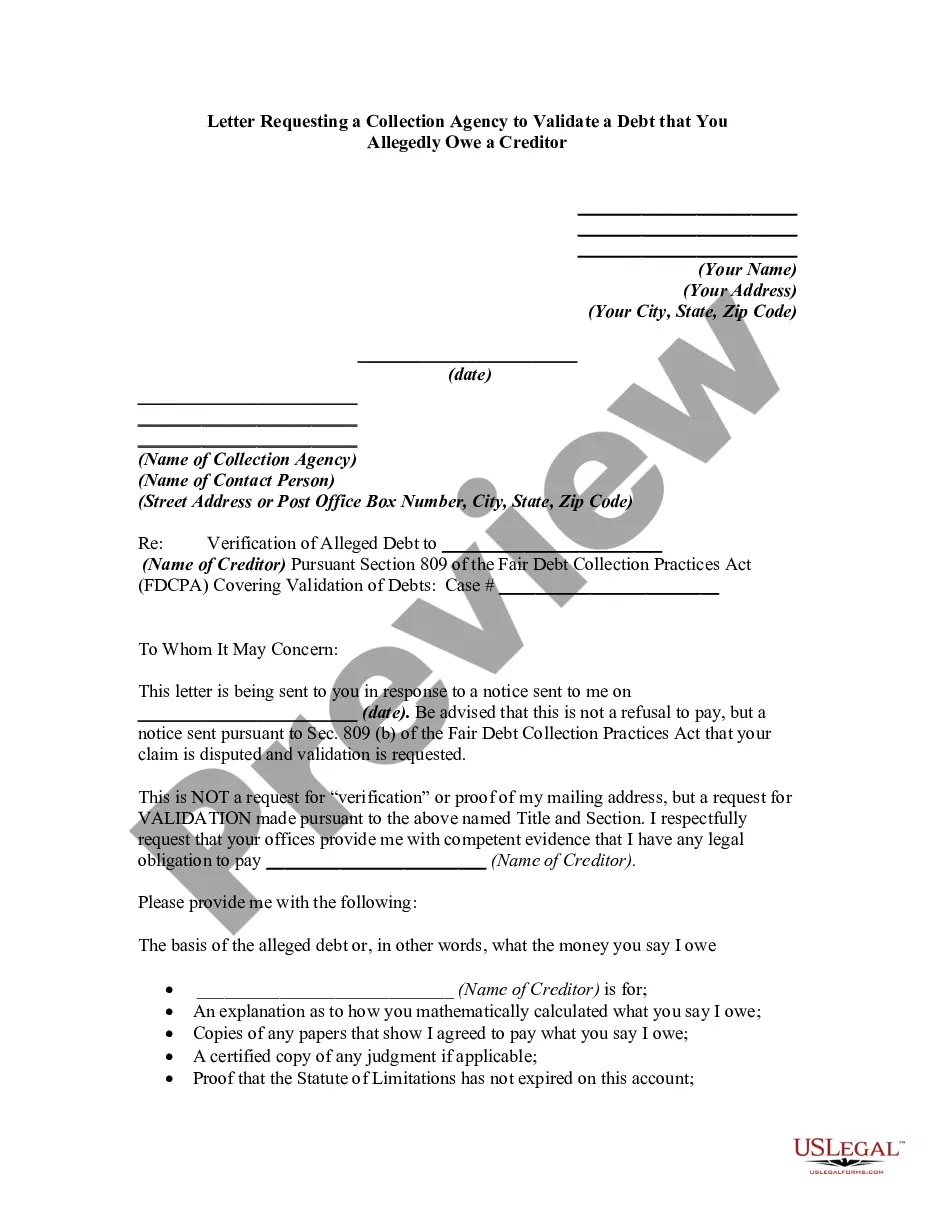
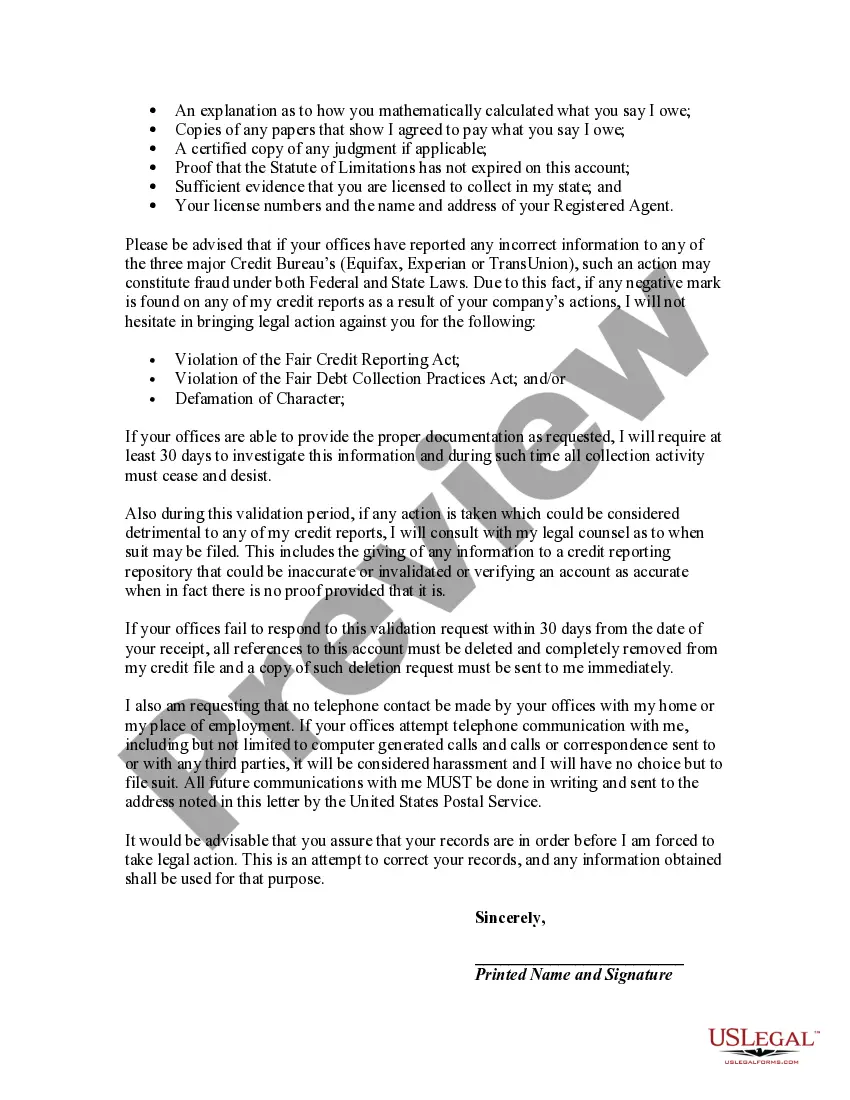
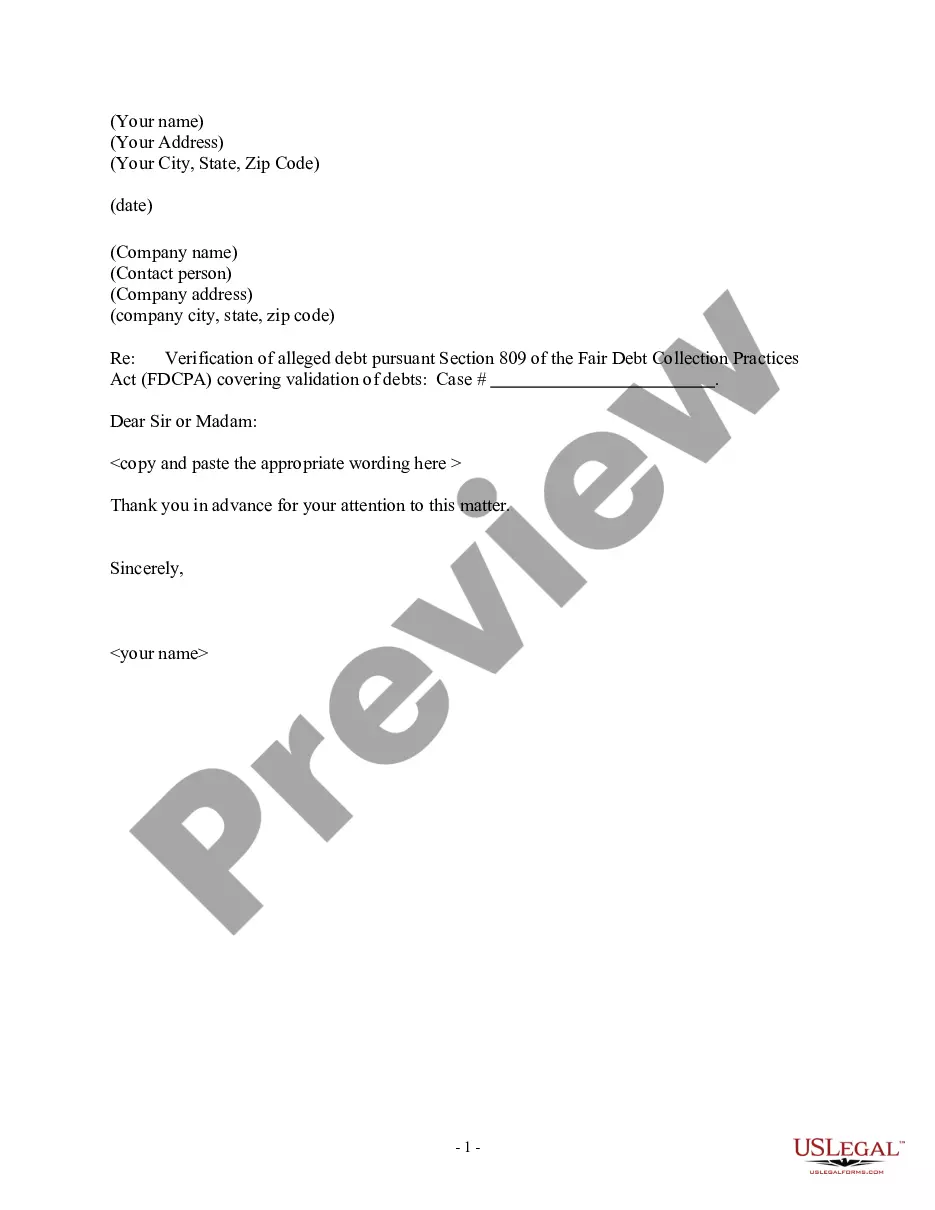
How to fill out Letter Requesting A Collection Agency To Validate A Debt That You Allegedly Owe A Creditor?
Acquiring legal documents that comply with federal and state regulations is crucial, and the web provides numerous alternatives to select from.
However, what is the purpose of spending time searching for the accurately written Validate Creditor Order Format example online when the US Legal Forms digital library has already compiled such documents in one location.
US Legal Forms is the largest digital legal repository with over 85,000 fillable documents prepared by attorneys for any commercial and personal situation.
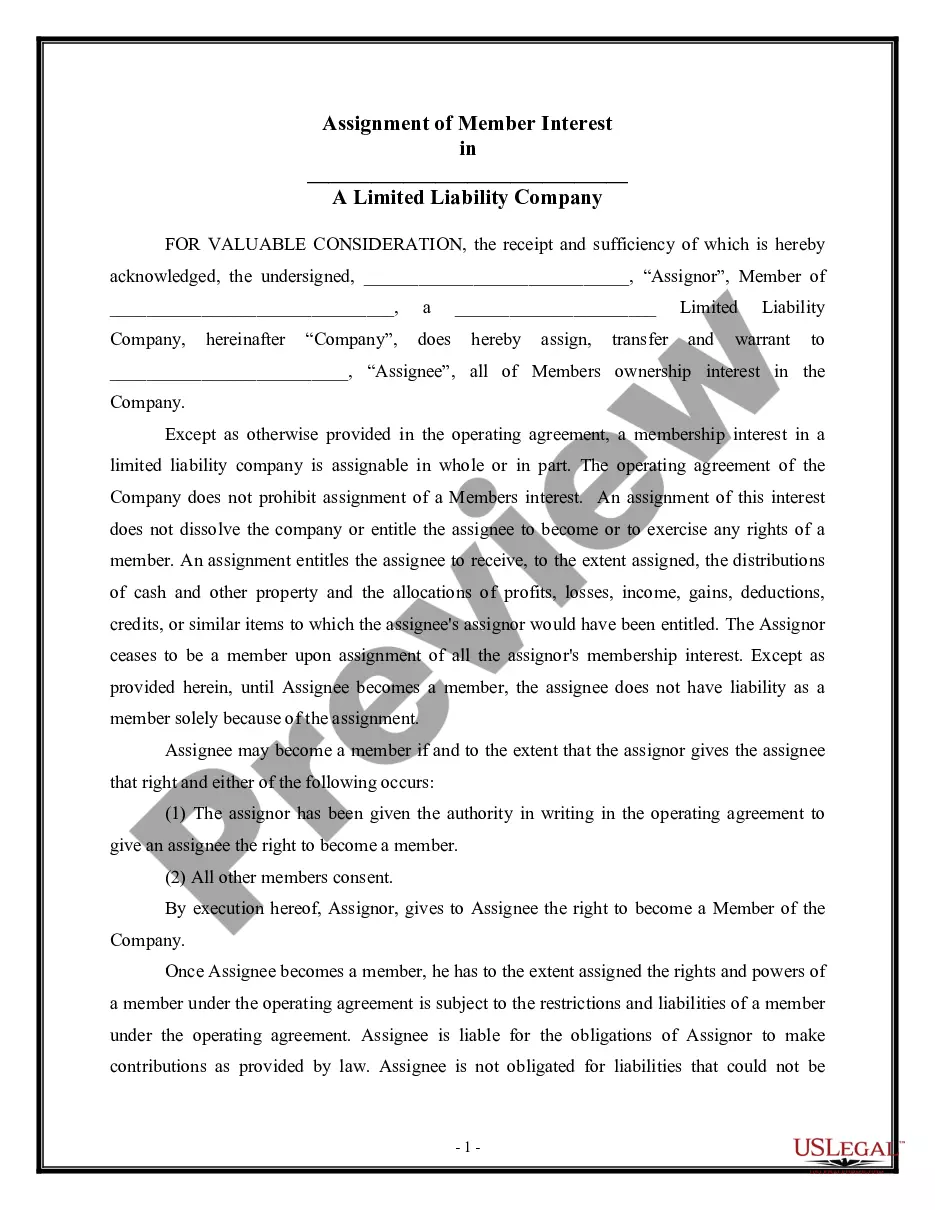
Review the template using the Preview feature or through the text outline to confirm it fulfills your requirements.
- They are easy to navigate with all documents organized by state and intended use.
- Our specialists stay updated with legal modifications, ensuring you can always trust that your form is current and compliant when acquiring a Validate Creditor Order Format from our site.
- Obtaining a Validate Creditor Order Format is fast and straightforward for both existing and new users.
- If you already have an account with an active subscription, Log In and save the document sample you need in your desired format.
- If you are unfamiliar with our website, follow the steps below.
Form popularity
FAQ
The 7 7 7 rule for collections refers to a general guideline indicating that creditors should not pursue collection after 7 years, 7 missed payments, or 7 attempts to collect a debt. This rule helps protect consumers from endless collection efforts. Understanding this rule can empower you to validate creditor order format and manage your debts more effectively.
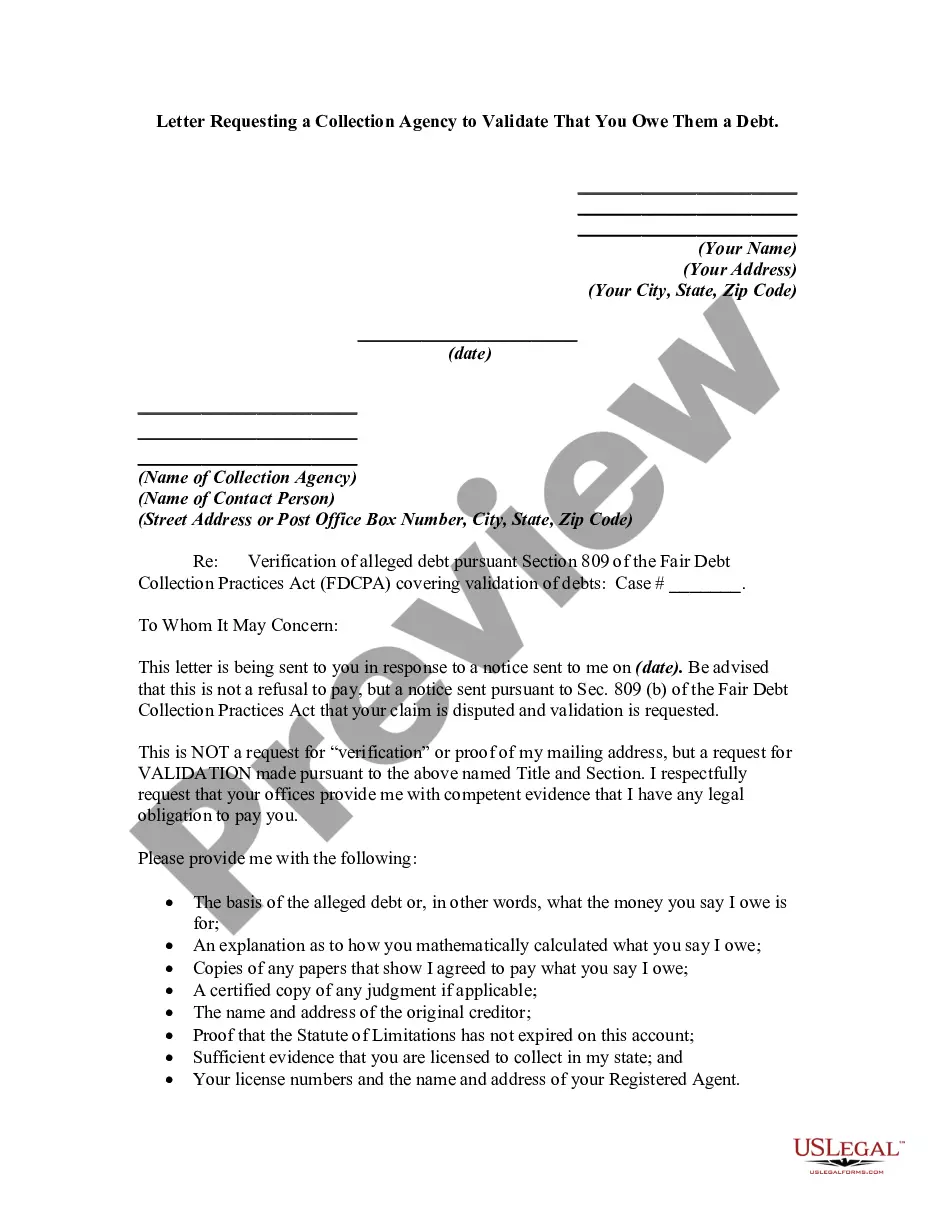
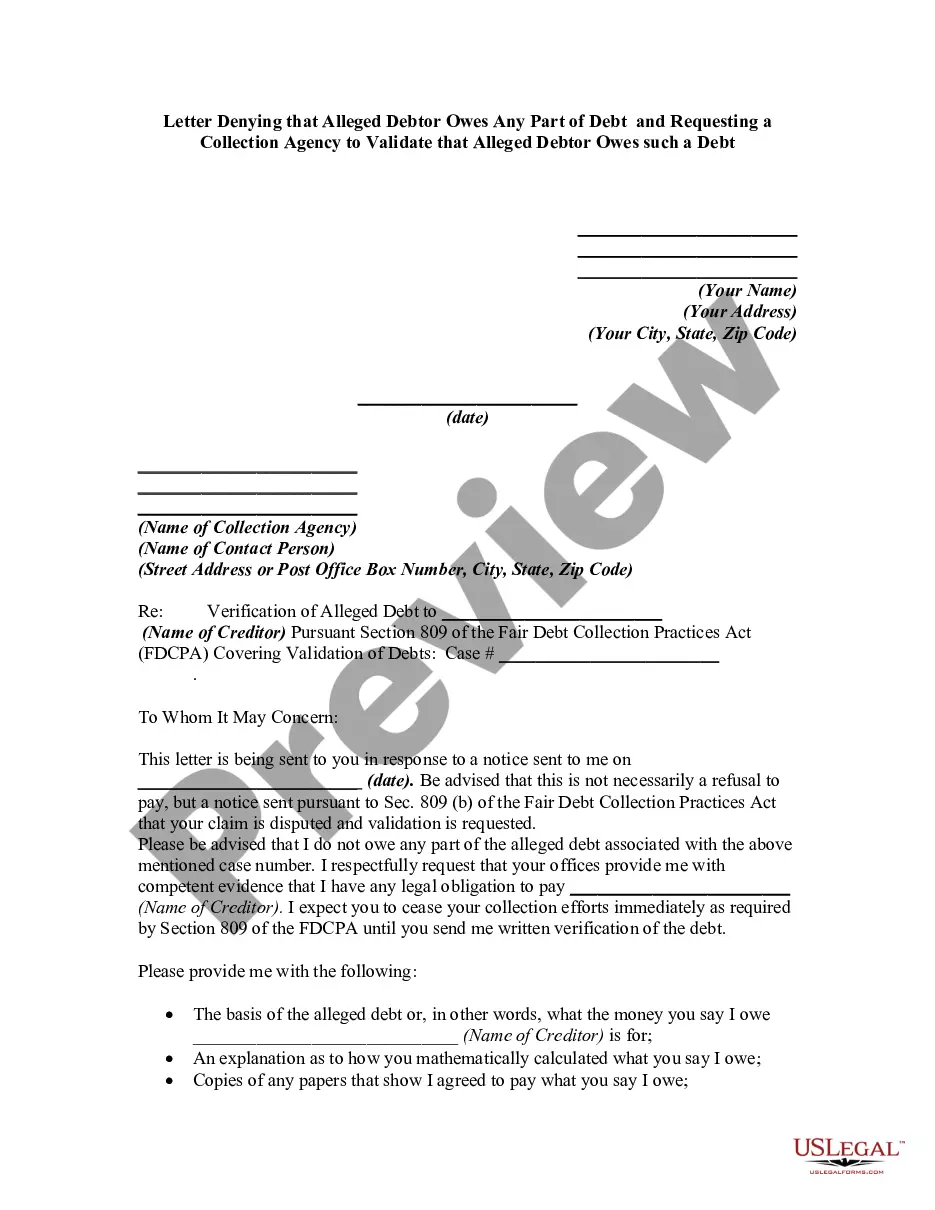
An example of a debt validation letter typically includes your details, a statement requesting validation, and a request for the creditor to provide supporting documentation. You can find templates on US Legal Forms, which guide you through the necessary steps to validate creditor order format effectively.
To submit a debt validation letter, send it directly to the creditor using certified mail with a return receipt. This ensures that you have proof of delivery, which can be critical in case of disputes. Proper submission helps you validate creditor order format and maintain your legal rights.
A debt validation letter must include your name, address, the creditor's name, the amount of debt, and a request for validation. You should also specify that you are disputing the debt and request that they cease collection efforts until they provide proof. This clarity helps you validate creditor order format and protects your rights.
Generally, a debt validation letter does not need to be notarized. However, notarization may add an extra layer of credibility to your request. It is advisable to check with the creditor or use resources like US Legal Forms to ensure you validate creditor order format effectively.
To file a debt validation letter, first ensure that you have all the required information and documentation. Send the letter to the creditor via certified mail, keeping a copy for your records. This method demonstrates your intention to validate creditor order format and protects your rights.
Creditors validate debt by providing evidence that you owe the amount they claim. This can include account statements, the original contract, or other documentation. Understanding how this process works can help you effectively challenge any inaccurate claims and validate creditor order format.
The best sample for a debt validation letter clearly outlines your request to validate a debt. It should include your personal information, the creditor's details, and a statement requesting proof of the debt. You can find effective samples on platforms like US Legal Forms, which help ensure you validate creditor order format properly.
To ask a creditor to validate a debt, write a formal letter outlining your request for validation. Clearly state that you are seeking to validate creditor order format, and include relevant details about the debt. Make sure to send this letter by certified mail so you have proof of your request. Keeping records of all communication will prove useful if you need to dispute the debt later.
Yes, debt validation is a good idea as it protects your rights and ensures you are not paying debts you do not owe. By requesting to validate creditor order format, you can verify the legitimacy of the debt and ensure that the collector has the right to collect. This process can also help uncover errors or fraudulent debts on your credit report, leading to better financial health.