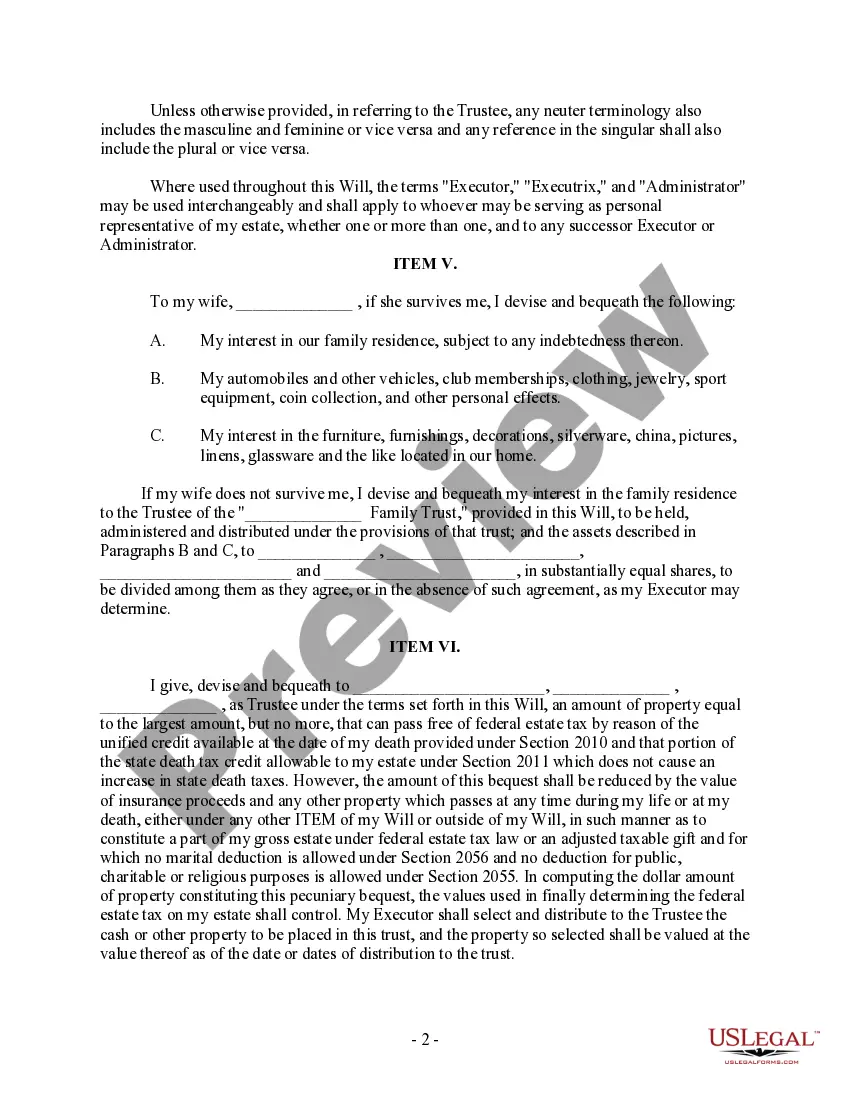
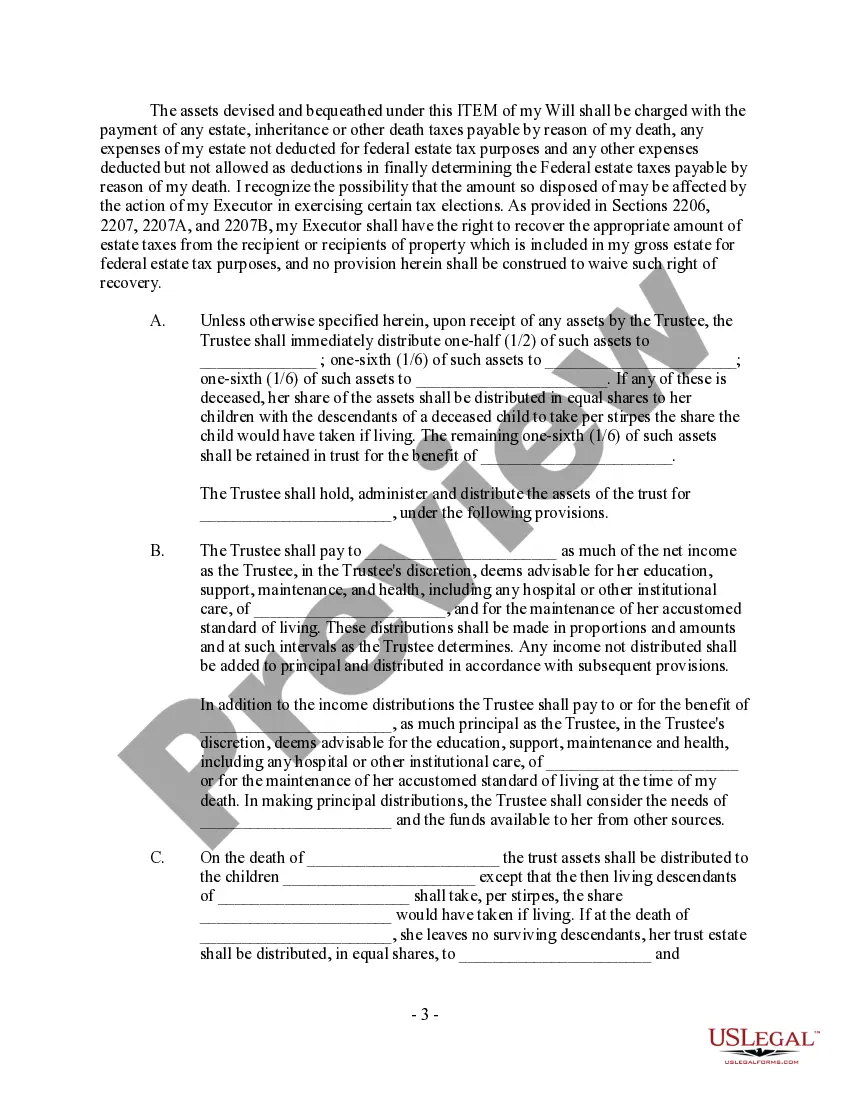
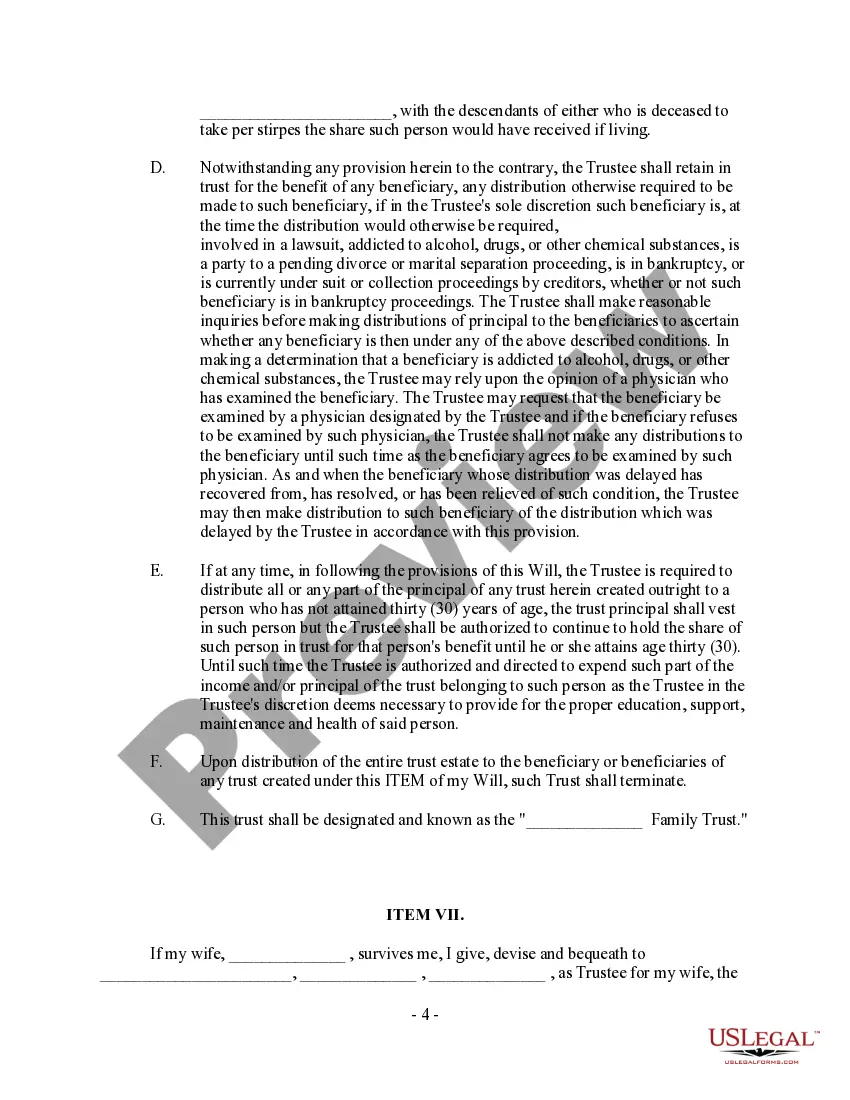
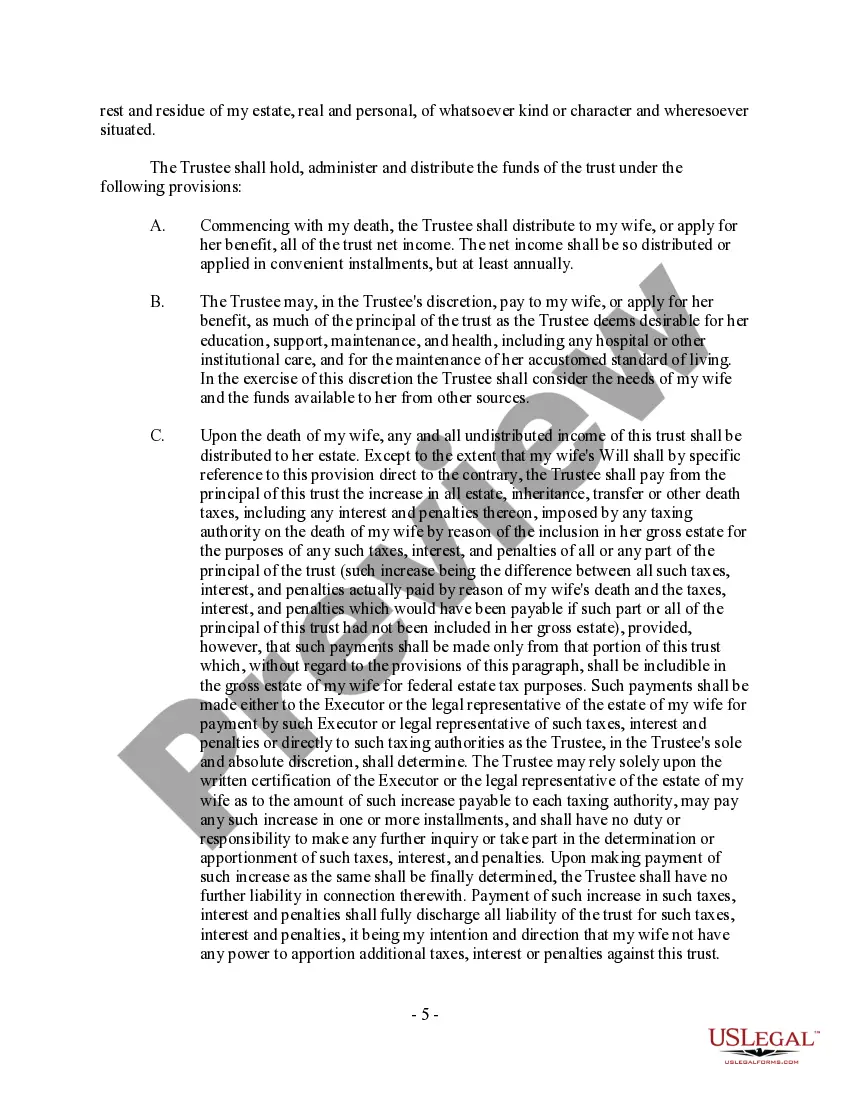
Credit Shelter Trust Plan
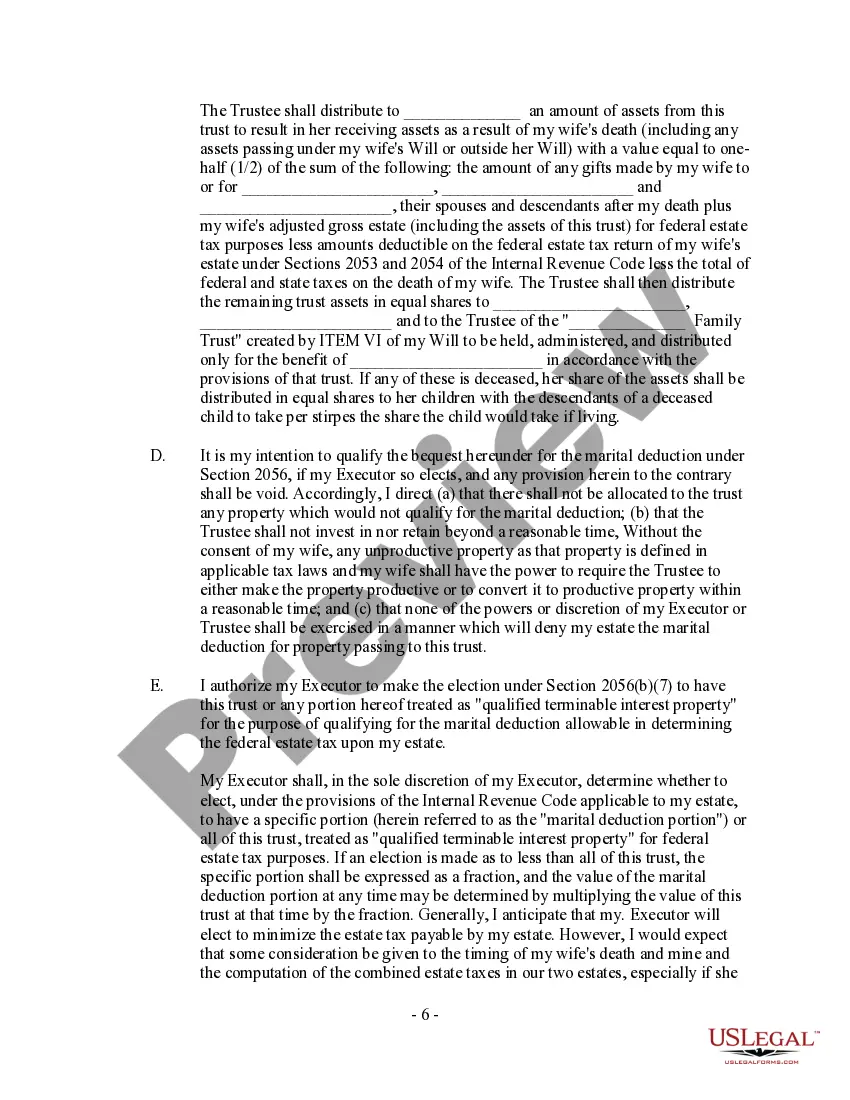
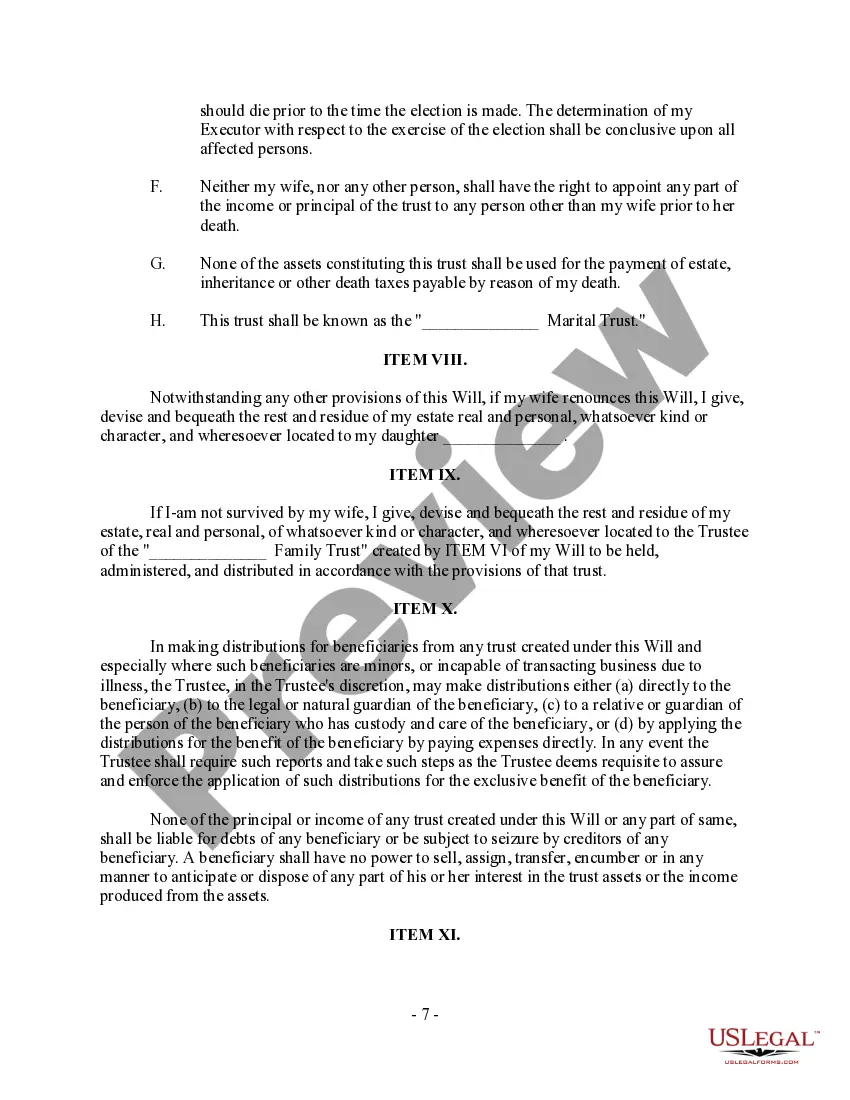
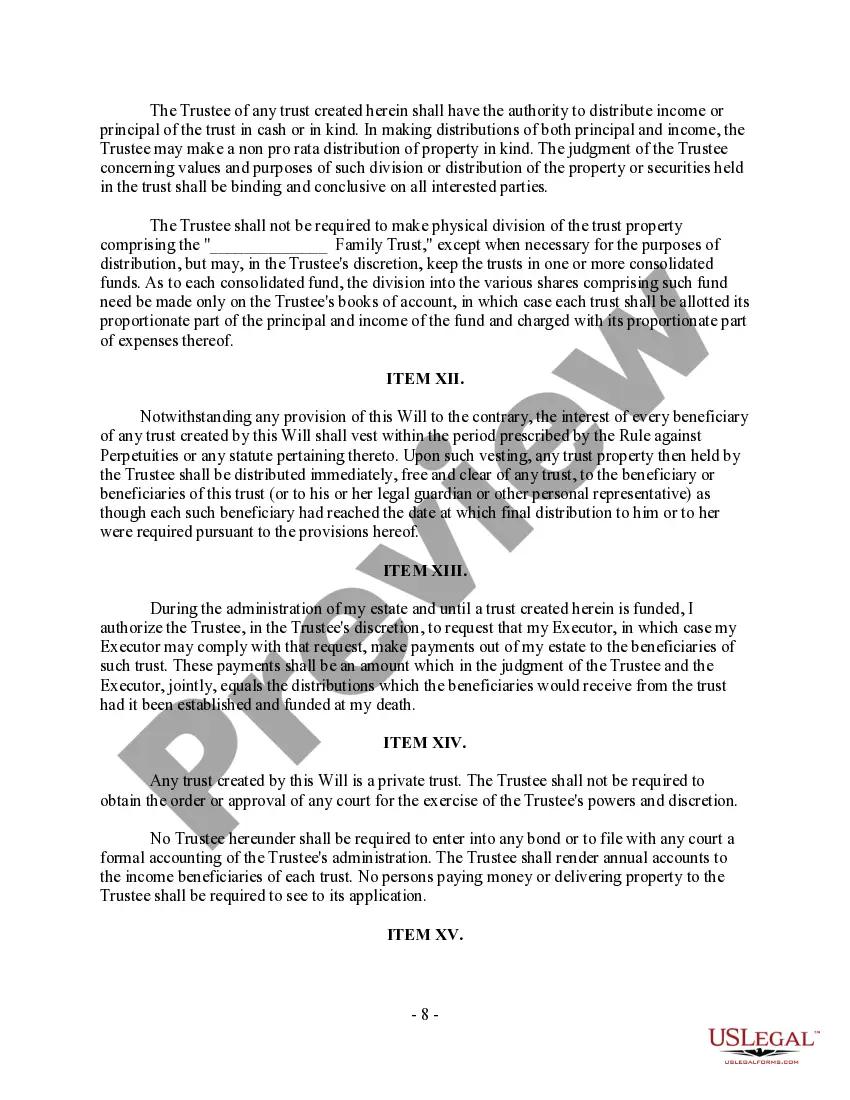
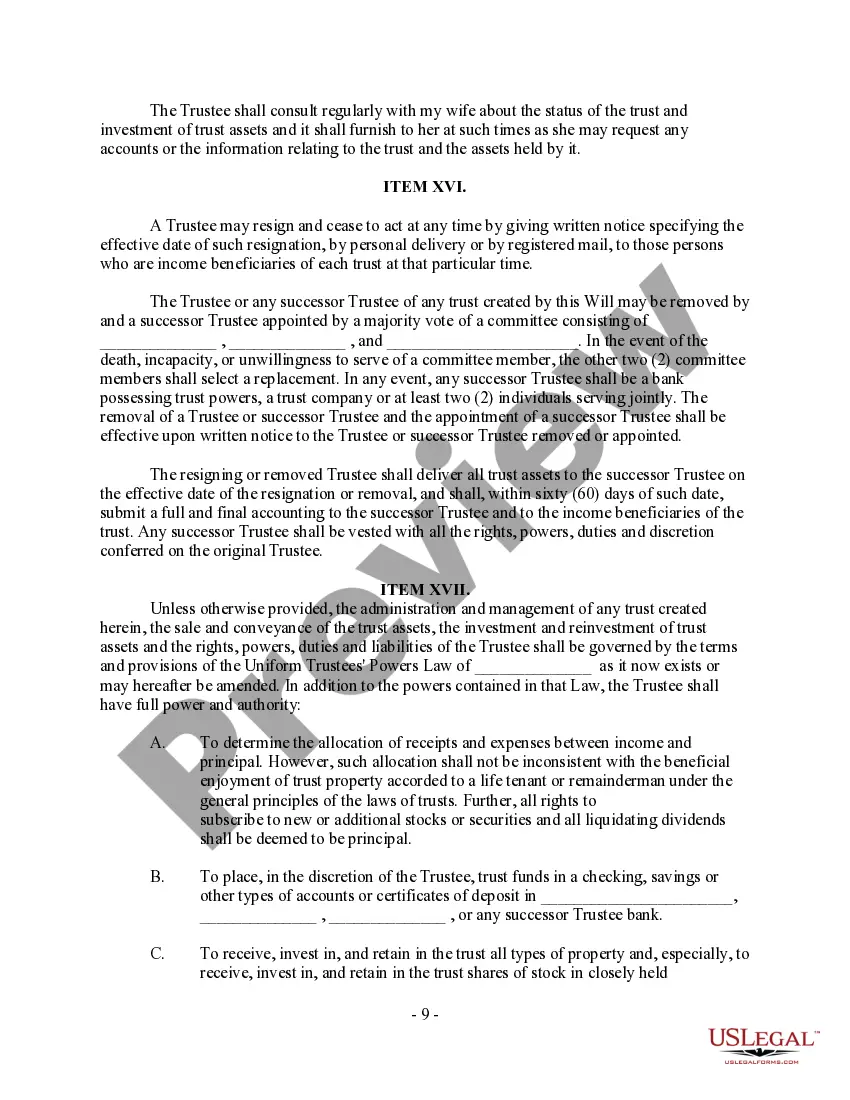
Description

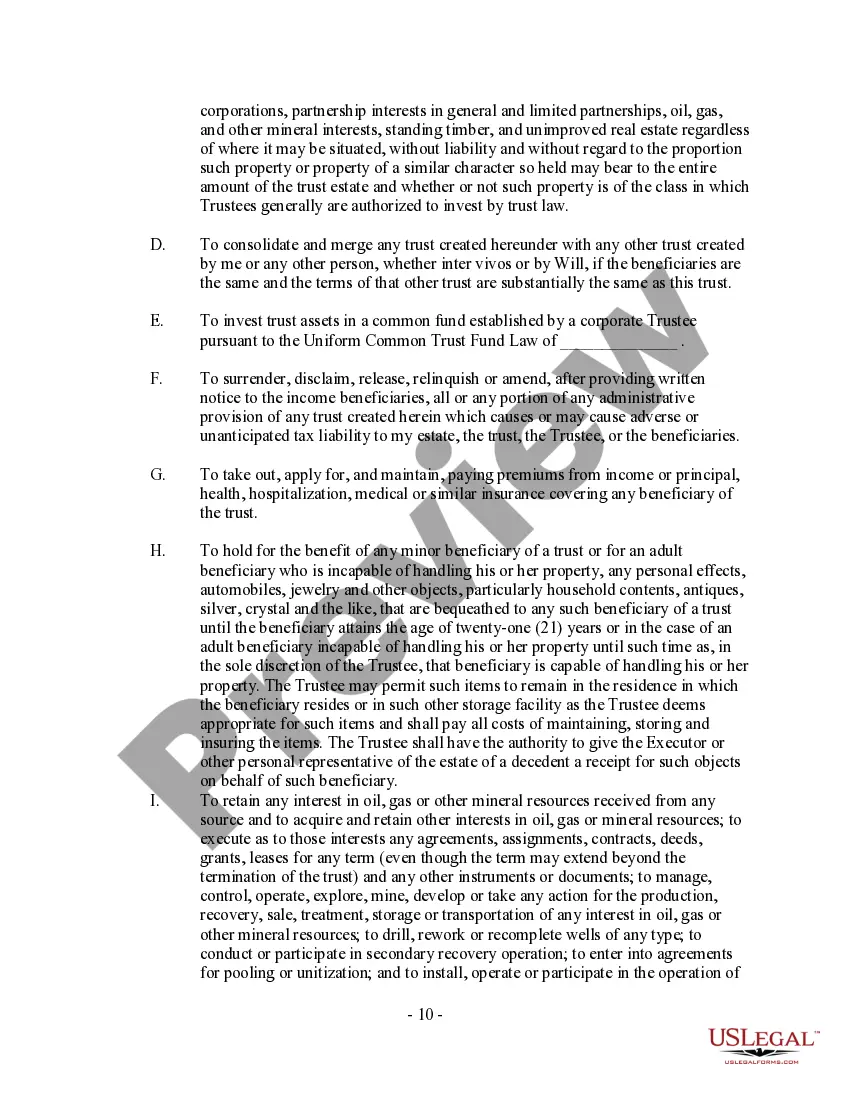



Get your form ready online
Our built-in tools help you complete, sign, share, and store your documents in one place.
Make edits, fill in missing information, and update formatting in US Legal Forms—just like you would in MS Word.
Download a copy, print it, send it by email, or mail it via USPS—whatever works best for your next step.
Sign and collect signatures with our SignNow integration. Send to multiple recipients, set reminders, and more. Go Premium to unlock E-Sign.
If this form requires notarization, complete it online through a secure video call—no need to meet a notary in person or wait for an appointment.
We protect your documents and personal data by following strict security and privacy standards.

Make edits, fill in missing information, and update formatting in US Legal Forms—just like you would in MS Word.

Download a copy, print it, send it by email, or mail it via USPS—whatever works best for your next step.

Sign and collect signatures with our SignNow integration. Send to multiple recipients, set reminders, and more. Go Premium to unlock E-Sign.

If this form requires notarization, complete it online through a secure video call—no need to meet a notary in person or wait for an appointment.

We protect your documents and personal data by following strict security and privacy standards.
Looking for another form?



How to fill out Complex Will - Credit Shelter Marital Trust For Spouse?
- If you are a returning user, log into your account and select the Credit Shelter Trust Plan template from your dashboard.
- For first-time users, start by reviewing the available forms. Ensure the Credit Shelter Trust Plan aligns with your state laws by checking the Preview mode and form descriptions.
- If needed, use the Search tab to find the appropriate template that meets your specific requirements.
- Click on the Buy Now button, select your desired subscription plan, and create an account to gain access to the complete library.
- Complete your purchase by entering your credit card information or using PayPal for a secure transaction.
- Once your purchase is confirmed, download the form and save it to your device. You can revisit your documents anytime from the My Forms section in your profile.
In conclusion, obtaining a Credit Shelter Trust Plan is a straightforward process with US Legal Forms. Their vast collection and expert assistance ensure that your legal needs are met effectively and accurately. Start protecting your assets today by visiting US Legal Forms.
Form popularity
FAQ
The primary purpose of a credit shelter trust is to help minimize estate taxes for the surviving spouse and potential beneficiaries. By transferring assets into this trust, individuals can utilize their estate tax exemption, thereby preserving wealth for future generations. A comprehensive credit shelter trust plan ensures that you protect your loved ones while making the most of your available tax benefits.
Typically, assets held in a credit shelter trust do not receive a step-up in basis upon the death of the surviving spouse. However, the assets allocated to the surviving spouse may qualify for the step-up in basis through specific estate planning strategies. To maximize your estate's value and tax benefits, consider consulting with experts to design a robust credit shelter trust plan.
When the surviving spouse passes away, the assets in the credit shelter trust generally remain in the trust for the benefit of the beneficiaries. This means the assets do not go through probate, allowing for a smoother transition to heirs. The trust's provisions will determine how the assets are distributed among the beneficiaries, highlighting the importance of creating a tailored credit shelter trust plan.
A credit shelter trust, also known as a bypass trust, is often considered one of the best options for minimizing taxes. This type of trust can effectively shield assets from estate taxes by placing them outside of your taxable estate. Additionally, it allows the surviving spouse to benefit from the trust assets without incurring estate tax liability. For a thorough understanding and professional guidance on creating an effective credit shelter trust plan, consider using platforms like US Legal Forms.
In most cases, assets held within a credit shelter trust do not receive a step-up in basis upon the death of the grantor. The trust is designed to hold assets for beneficiaries while minimizing estate taxes. Thus, the original basis of the assets typically remains the same, which can have tax implications for beneficiaries when they sell those assets. Understanding this aspect is crucial when planning your credit shelter trust plan to ensure you're making the best decisions for your heirs.
When an individual passes away, the credit shelter trust operates according to the terms set forth in the trust document. Generally, the assets within the trust remain managed by the trustee for the benefit of the beneficiaries. This setup ensures that these assets do not go through probate, allowing for a more efficient transfer of wealth. Additionally, this structure helps maximize estate tax benefits, making it a valuable strategy in a credit shelter trust plan.
The maximum amount for a credit shelter trust usually aligns with the current estate tax exemption limit, determined by law. This allows individuals to establish a trust that can hold a significant amount of their assets without incurring estate taxes. This is a pivotal element of a credit shelter trust plan, allowing families to preserve their wealth effectively.
A credit shelter trust and a disclaimer trust serve different purposes in estate planning. A credit shelter trust is established to shield assets from taxes, while a disclaimer trust allows beneficiaries to refuse inheritance which then passes to another party, usually a trust. Knowing these differences helps you choose the right credit shelter trust plan for your needs.
A credit shelter trust works by allowing the estate's exempt amount to be placed into a trust, which benefits the surviving spouse and other beneficiaries. The assets in the trust appreciate without being subject to estate tax upon the death of the surviving spouse. By setting up a credit shelter trust plan, families can ensure tax efficiency while benefiting from the trust's income during their lifetimes.
The limit of a credit shelter trust typically corresponds to the federal estate tax exemption threshold. This feature enables individuals to place a substantial sum into the trust to shield it from estate taxes. Leveraging a credit shelter trust plan can provide a powerful strategy for wealth protection.