Assault And Battery Charges For Juveniles
Description
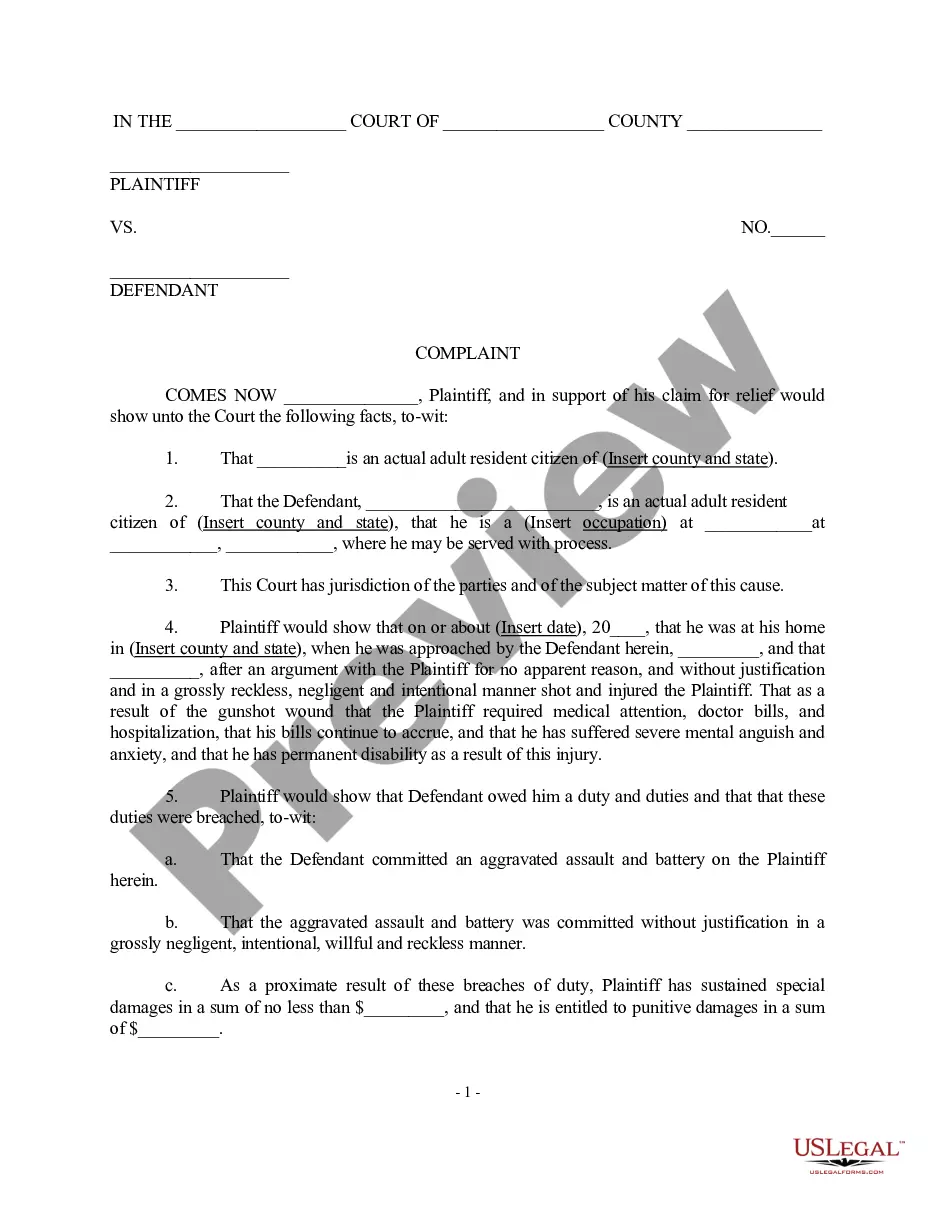

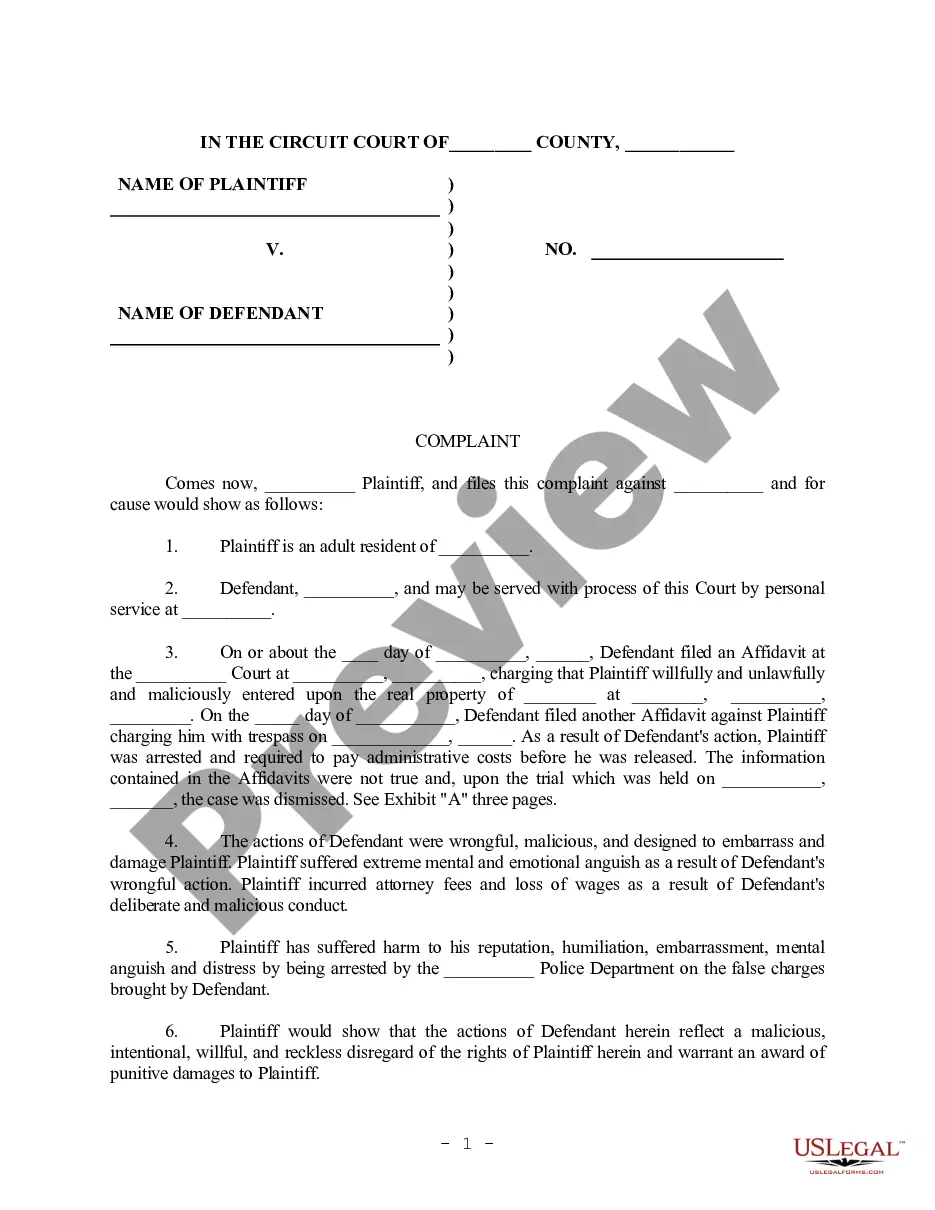

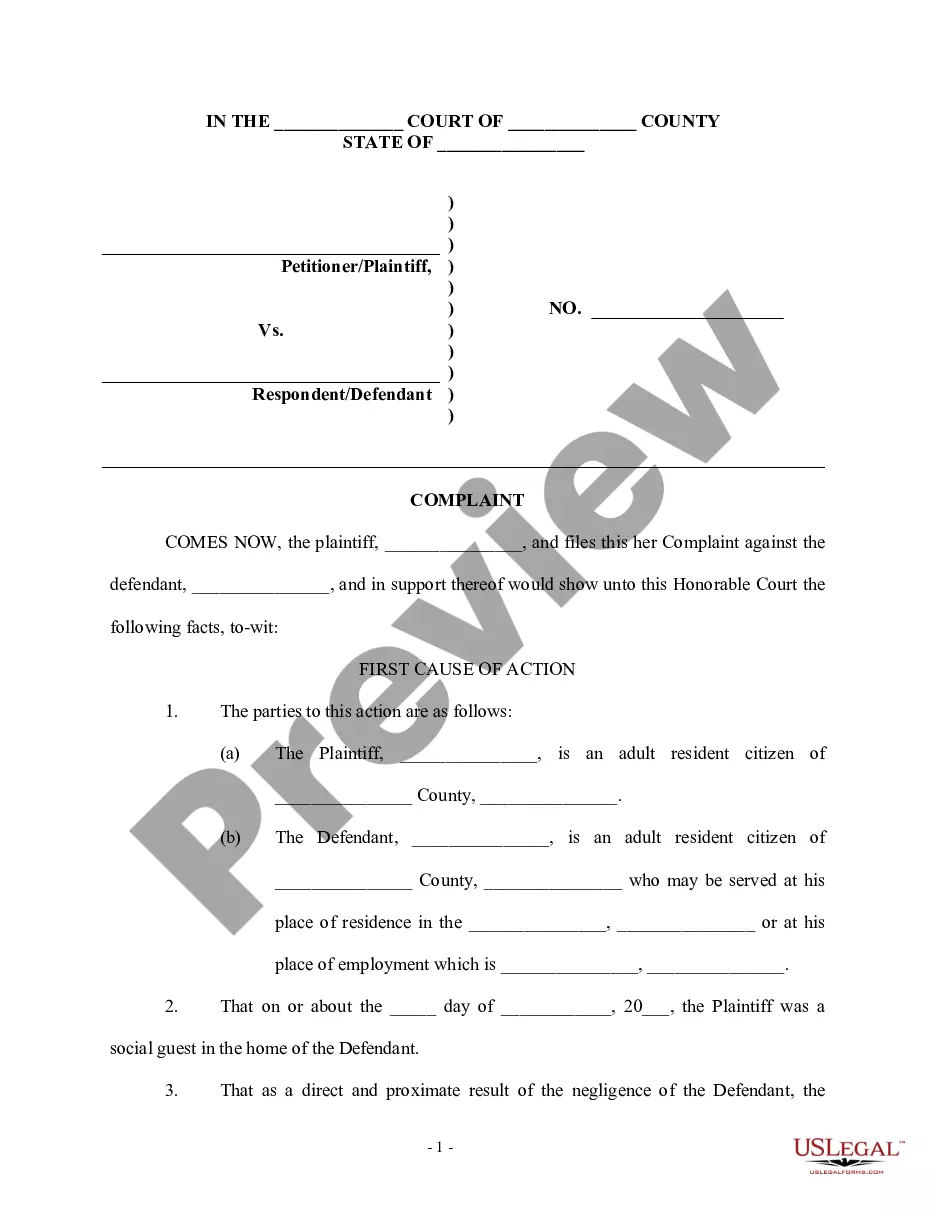
Get your form ready online
Our built-in tools help you complete, sign, share, and store your documents in one place.
Make edits, fill in missing information, and update formatting in US Legal Forms—just like you would in MS Word.
Download a copy, print it, send it by email, or mail it via USPS—whatever works best for your next step.
Sign and collect signatures with our SignNow integration. Send to multiple recipients, set reminders, and more. Go Premium to unlock E-Sign.
If this form requires notarization, complete it online through a secure video call—no need to meet a notary in person or wait for an appointment.
We protect your documents and personal data by following strict security and privacy standards.

Make edits, fill in missing information, and update formatting in US Legal Forms—just like you would in MS Word.

Download a copy, print it, send it by email, or mail it via USPS—whatever works best for your next step.

Sign and collect signatures with our SignNow integration. Send to multiple recipients, set reminders, and more. Go Premium to unlock E-Sign.

If this form requires notarization, complete it online through a secure video call—no need to meet a notary in person or wait for an appointment.

We protect your documents and personal data by following strict security and privacy standards.
Looking for another form?




How to fill out Complaint Regarding Assault And Battery?
Regardless of whether for corporate reasons or personal issues, everyone encounters legal circumstances at some stage in their life.
Completing legal documents necessitates meticulous attention, starting with selecting the correct form template.
Once it is saved, you can complete the form using editing software or print it out and finish it manually. With a vast US Legal Forms collection available, you need not waste time searching for the suitable template across the web. Take advantage of the library's simple navigation to discover the correct form for any situation.
- For instance, if you select an incorrect variant of the Assault and Battery Charges for Minors, it will be declined upon submission.
- Thus, it is vital to obtain a trustworthy source of legal documents like US Legal Forms.
- If you need to acquire an Assault and Battery Charges for Minors template, follow these straightforward steps.
- Locate the template you require by utilizing the search bar or catalog browsing.
- Review the form’s details to ensure it is suitable for your situation, state, and region.
- Click on the form’s preview to inspect it.
- If it's the wrong form, return to the search function to find the Assault and Battery Charges for Minors sample you need.
- Obtain the template if it aligns with your criteria.
- If you already possess a US Legal Forms account, simply click Log in to access previously saved templates in My documents.
- If you do not have an account yet, you can acquire the form by clicking Buy now.
- Select the appropriate pricing option.
- Fill out the account registration form.
- Choose your payment method: utilize a credit card or PayPal account.
- Select the document format you prefer and download the Assault and Battery Charges for Minors.
Form popularity
FAQ
In most states, you must be at least 18 years old to press formal assault and battery charges against someone. However, juveniles who are 16 or 17 may be able to initiate charges in some jurisdictions with the help of a parent or guardian. It is crucial to understand how assault and battery charges for juveniles differ from adult charges, as the law treats minors differently. For specific guidance, consider consulting US Legal Forms, which can provide resources and templates to navigate the legal process.
Deciding to press charges for assault can be a significant choice, and evaluating the potential outcomes is essential. If the assault has caused physical or emotional harm, pursuing charges may provide a sense of justice and prevent future incidents, especially with assault and battery charges for juveniles. Ultimately, reflecting on the specific circumstances and discussing your options with a legal expert can guide you in making the best decision.
You can press charges on a minor for a school fight, especially if the incident involves aggravated assault or significant injuries, categorizing it under assault and battery charges for juveniles. However, many schools may prefer to handle these situations internally through disciplinary actions. It's advisable to consider the potential impacts of pressing charges, particularly on the minor's future.
Battery on a minor can be classified as a felony, depending on the circumstances surrounding the assault and battery charges for juveniles. Factors such as the severity of the injuries and the intent behind the act play a significant role in determining the classification. It is vital to consult legal resources or a professional to understand how these laws apply in your specific case.
Yes, minors can press charges for assault and battery charges for juveniles. However, the process may require guidance from a guardian or legal representative. It's important to consult with a legal professional who can navigate the intricacies of juvenile law and help you understand your rights in the situation.
Filing a petition in juvenile court involves several steps. First, you need to gather necessary documentation that supports your case regarding assault and battery charges for juveniles. Next, complete the petition form specific to your state's juvenile court system. Finally, submit the petition along with any required fees to the appropriate court and ensure you follow up on the filing process.
The most effective defense for assault and battery charges for juveniles typically hinges on the specifics of the case. For instance, a strong claim of self-defense can be compelling when properly backed by evidence. Additionally, lack of intent can be a crucial defense if the juvenile did not mean to cause harm. It is essential to consult with a legal expert to evaluate the circumstances and devise the best strategy.
When facing assault and battery charges for juveniles, self-defense is often a viable option. In this scenario, the juvenile must prove they faced an imminent threat and acted appropriately to protect themselves. Alternatively, consent could be a defense if both parties agreed to engage in the activity that led to the charges. Understanding these defenses can significantly impact the outcome of a case.
Yes, assaulting a minor is indeed a crime. Laws vary by state, but generally, assaulting a child can result in serious legal repercussions. Depending on the circumstances, such actions can lead to both criminal charges and civil liabilities. Recognizing the severity of assault and battery charges for juveniles is crucial to preventing harm to vulnerable individuals.
Yes, a minor can be charged with assault at school. Incidents occurring on school grounds may lead to both criminal charges and school disciplinary actions. Educational institutions often take a strong stance against violence, which could involve a school hearing in addition to legal consequences. It's essential to understand the gravity of assault and battery charges for juveniles to ensure proper support and guidance.