Phantom Stock Plan Sample
Description
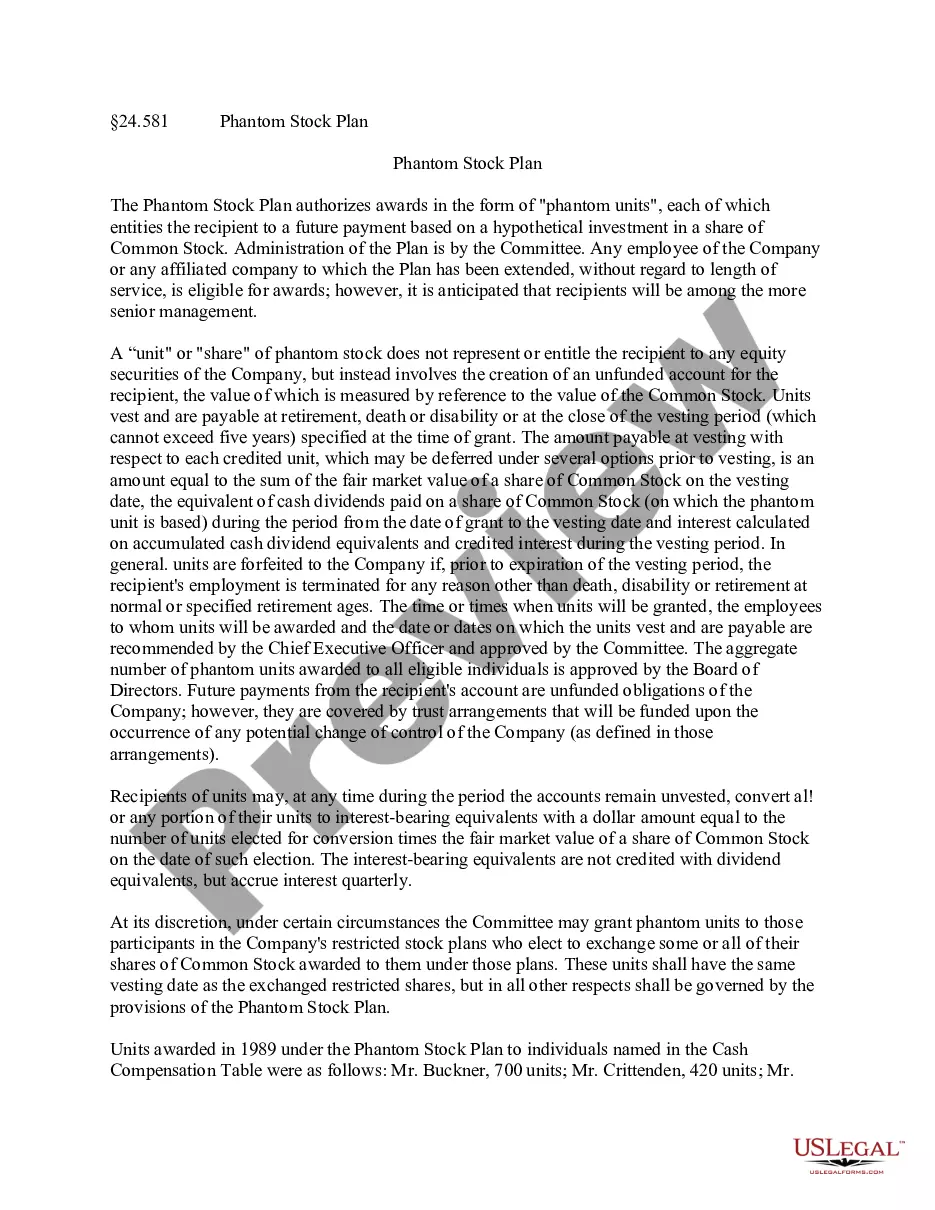

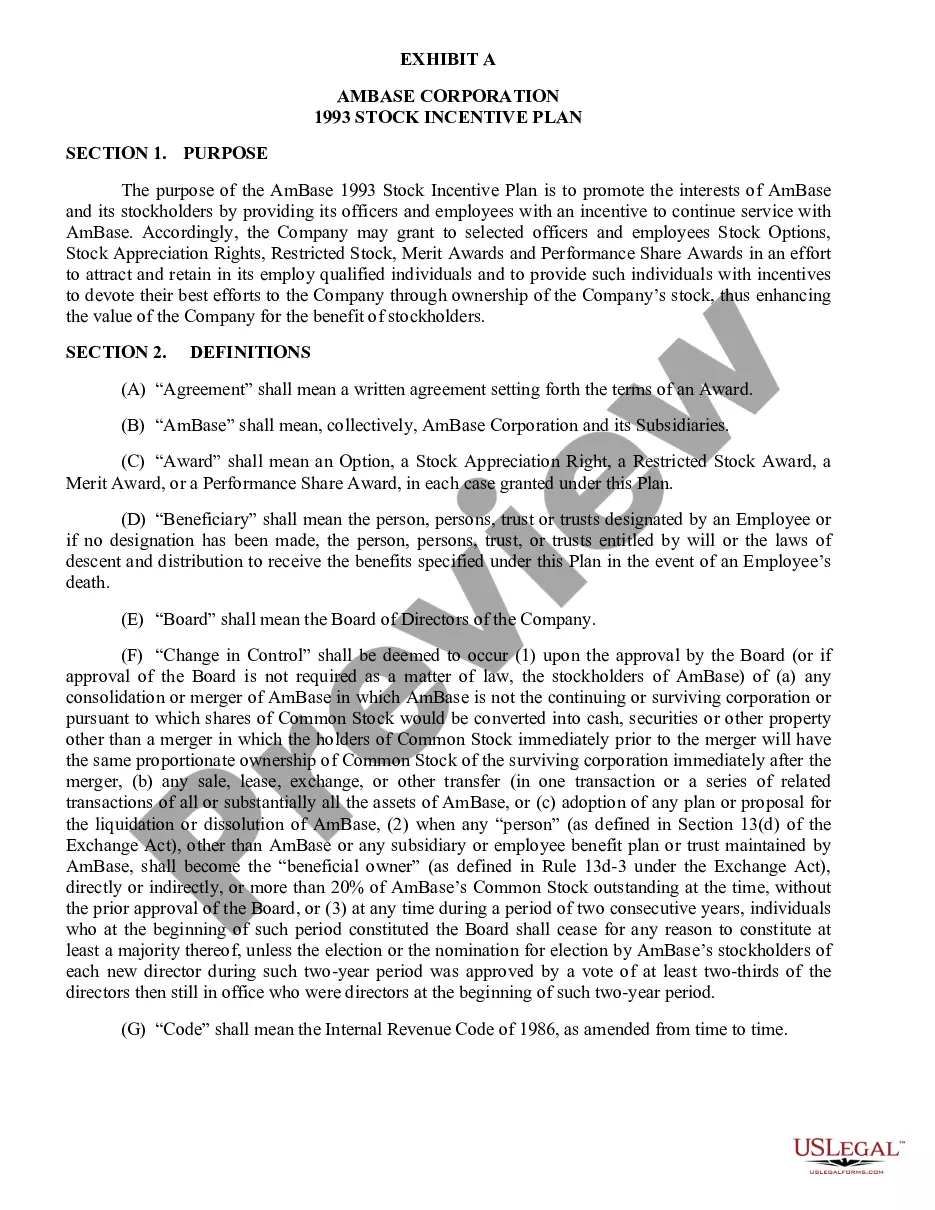
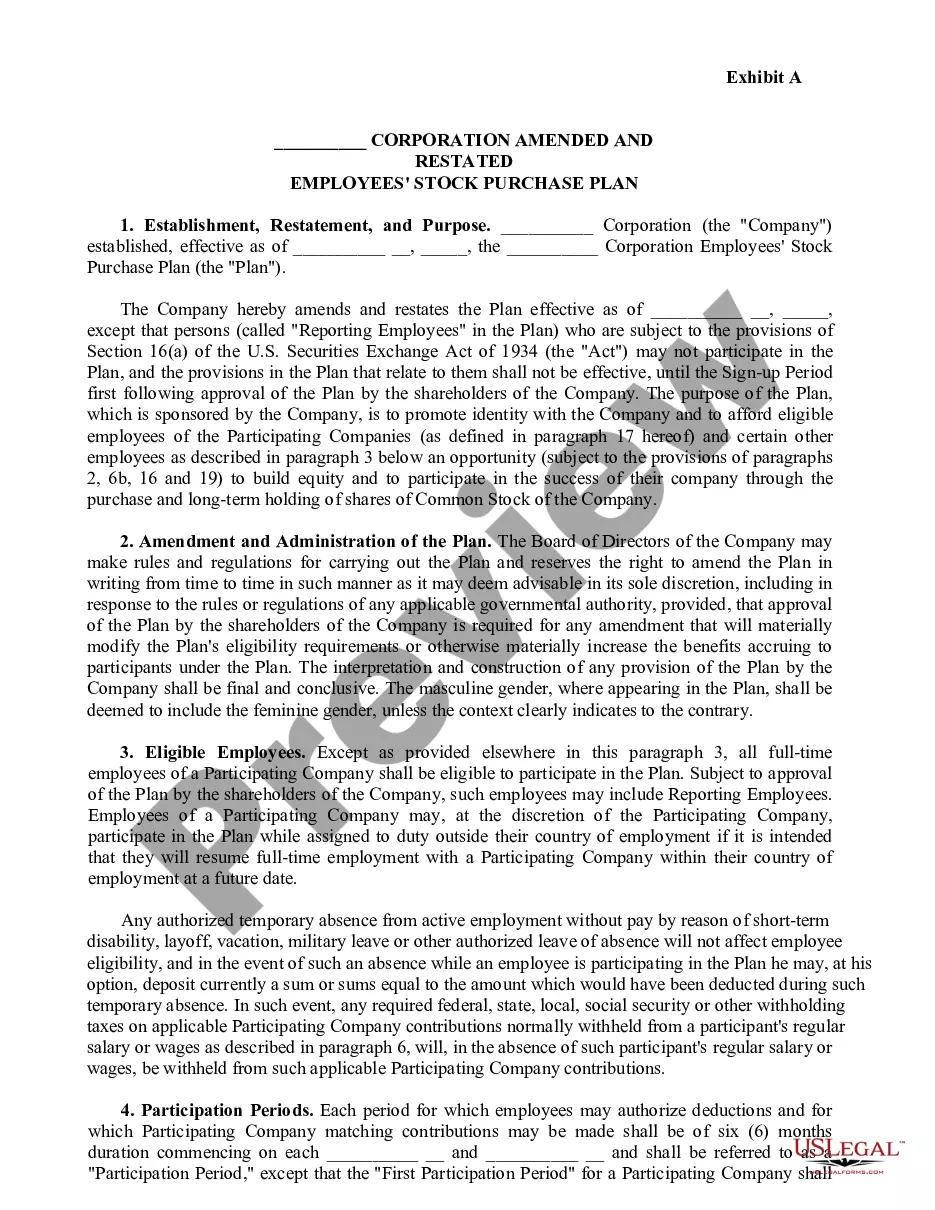
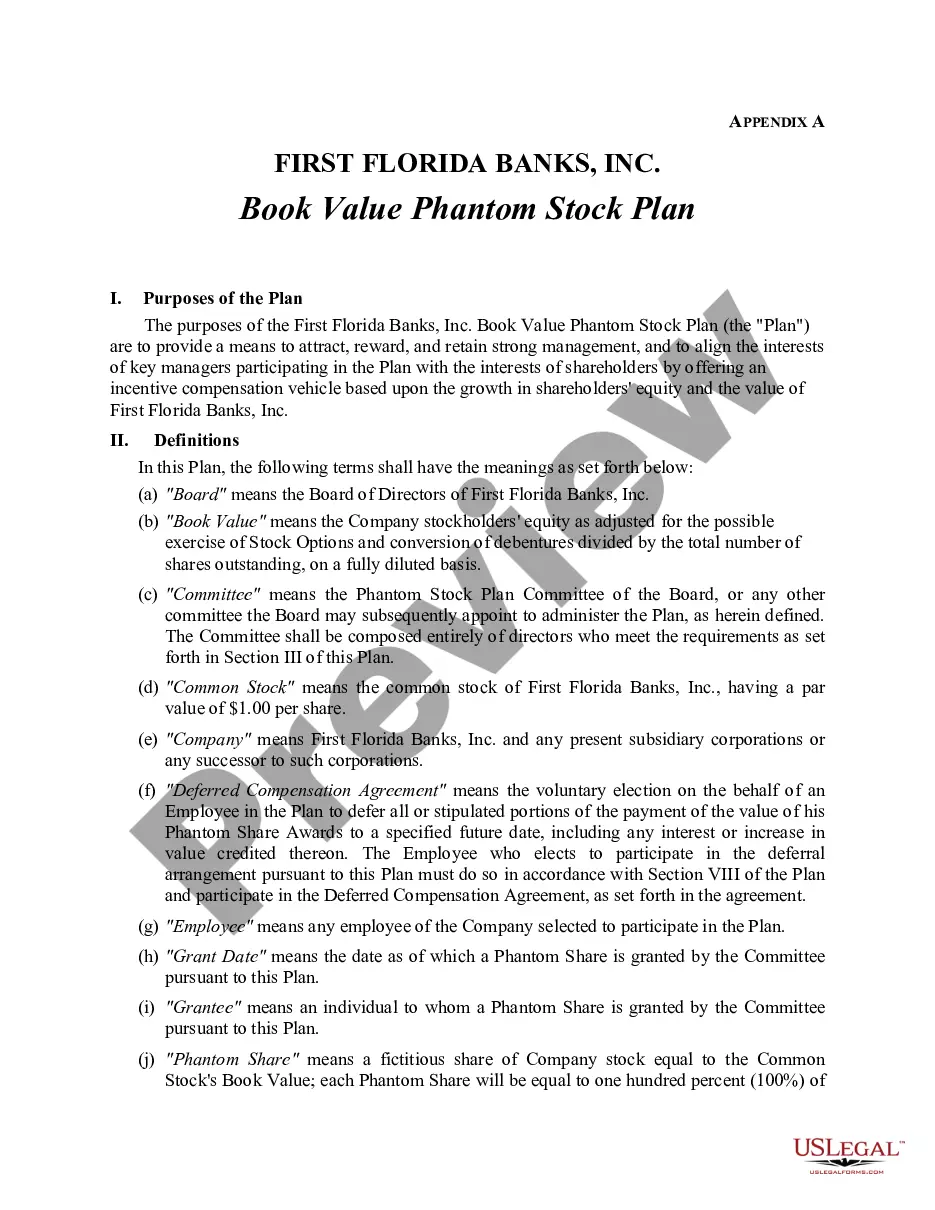
How to fill out Phantom Stock Plan Of Hercules, Inc.?
- Log in to your existing US Legal Forms account or create a new one if you're a new user.
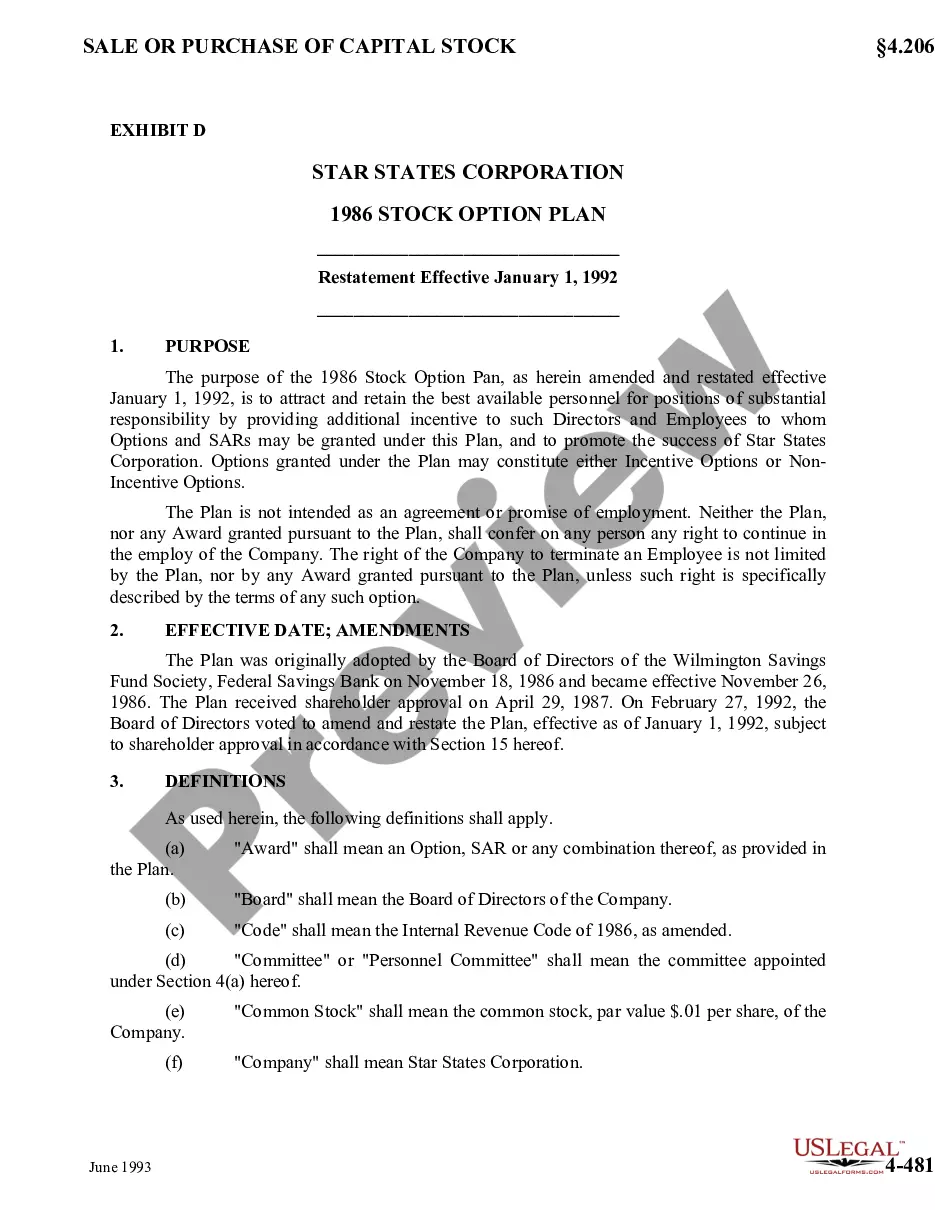
- Explore the Preview mode and detailed description of the phantom stock plan sample to ensure it fits your specific needs.
- If necessary, utilize the Search tab to find additional templates that may better meet your requirements.
- Purchase the desired document by clicking 'Buy Now' and selecting your preferred subscription plan.
- Complete your payment using either credit card or PayPal for seamless access.
- Download the template to your device, and find your document anytime under the 'My Forms' section in your account.
In conclusion, US Legal Forms streamlines the process of acquiring legal documents, providing you with the resources needed to establish effective plans like phantom stock. With a vast library and expert assistance at your fingertips, you can ensure your documents are not only complete but also legally sound.
Start your journey today by visiting US Legal Forms and explore the benefits they can offer your business!
Form popularity
FAQ
A phantom stock policy refers to the guidelines governing the issuance and management of phantom stock within a company. This policy outlines key elements such as eligibility, valuation mechanisms, and payout structures. Incorporating a well-structured policy can prevent misunderstandings and foster transparency. Businesses seeking a solid foundation can refer to effective phantom stock plan samples available through platforms like US Legal Forms.
To create a phantom stock plan, start by defining your goals and objectives related to employee equity. Develop a plan document that outlines the terms, including valuation methods, payout conditions, and vesting periods. Many businesses find templates, like a phantom stock plan sample, helpful in this process. Engaging with legal and financial advisors can simplify this setup and ensure compliance.
Considering a phantom stock plan sample can be advantageous for many companies. Such plans can enhance employee retention, align interests, and motivate employees to contribute to the company’s success. However, every business situation is unique, so weigh the potential benefits and drawbacks carefully. It’s wise to seek expert guidance to determine if this strategy suits your organization.
When dealing with phantom stock plan samples, it's important to understand the tax implications. Typically, participants owe taxes when they receive payments, as these are treated as ordinary income. Additionally, the company may deduct these payments as business expenses, which benefits both parties. Always consult a tax professional to navigate the complexities surrounding phantom stock taxation.
Yes, phantom stock can be worth significant amounts depending on the company's performance and stock value at the time of payout. It offers employees potential financial benefits tied to the company's success without granting actual equity. Exploring a phantom stock plan sample can provide insight into how these plans generate value for participants. Understanding your phantom stock’s worth can be a core part of your overall compensation strategy.
Calculating phantom stock involves multiplying the number of phantom shares granted by the current fair market value of the company's stock. Additionally, you'll need to account for any changes in the stock value over time, as this affects the total value owed to employees. Referencing a phantom stock plan sample can provide insights into calculations and assumptions used for these estimations.
To account for phantom stock, you need to determine the fair value of the shares at the grant date and then expense that amount over the vesting period. This process involves recording a liability on your balance sheet, which reflects the future payout to employees. Using a phantom stock plan sample can help illustrate the method for valuation and recognition of these expenses.
Valuing phantom stock typically involves assessing the company's overall valuation and performance metrics. Common methods include using a multiple of earnings or a formula based on company growth. A well-crafted phantom stock plan sample can illustrate various valuation methods, allowing you to choose the one that aligns best with your business’s objectives.
Phantom shares can be a valuable tool for retaining talent and incentivizing employees. They align the interests of employees with the company by linking financial rewards to company performance. To evaluate if they are worth it for your business, look at various phantom stock plan samples to identify features that can optimize employee motivation and satisfaction.
A common example of a phantom stock plan is one that offers employees shares based on company performance metrics, such as revenue growth. Employees may receive a dollar amount equivalent to the increase in stock value over a specific time frame. Utilizing a phantom stock plan sample can provide you with insights into how similar businesses structure their plans, ensuring you create one that meets your needs.