Phantom Stock Option
Description
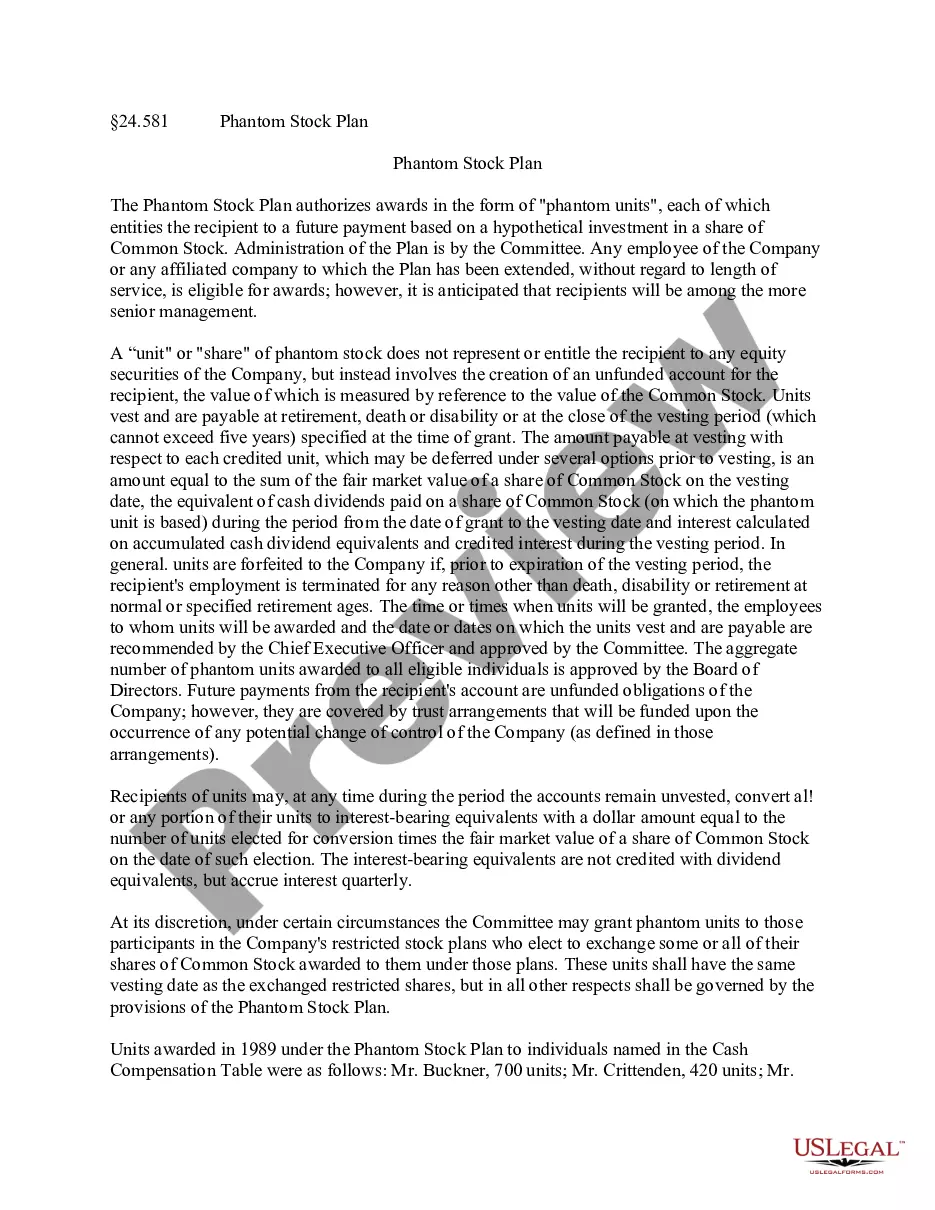

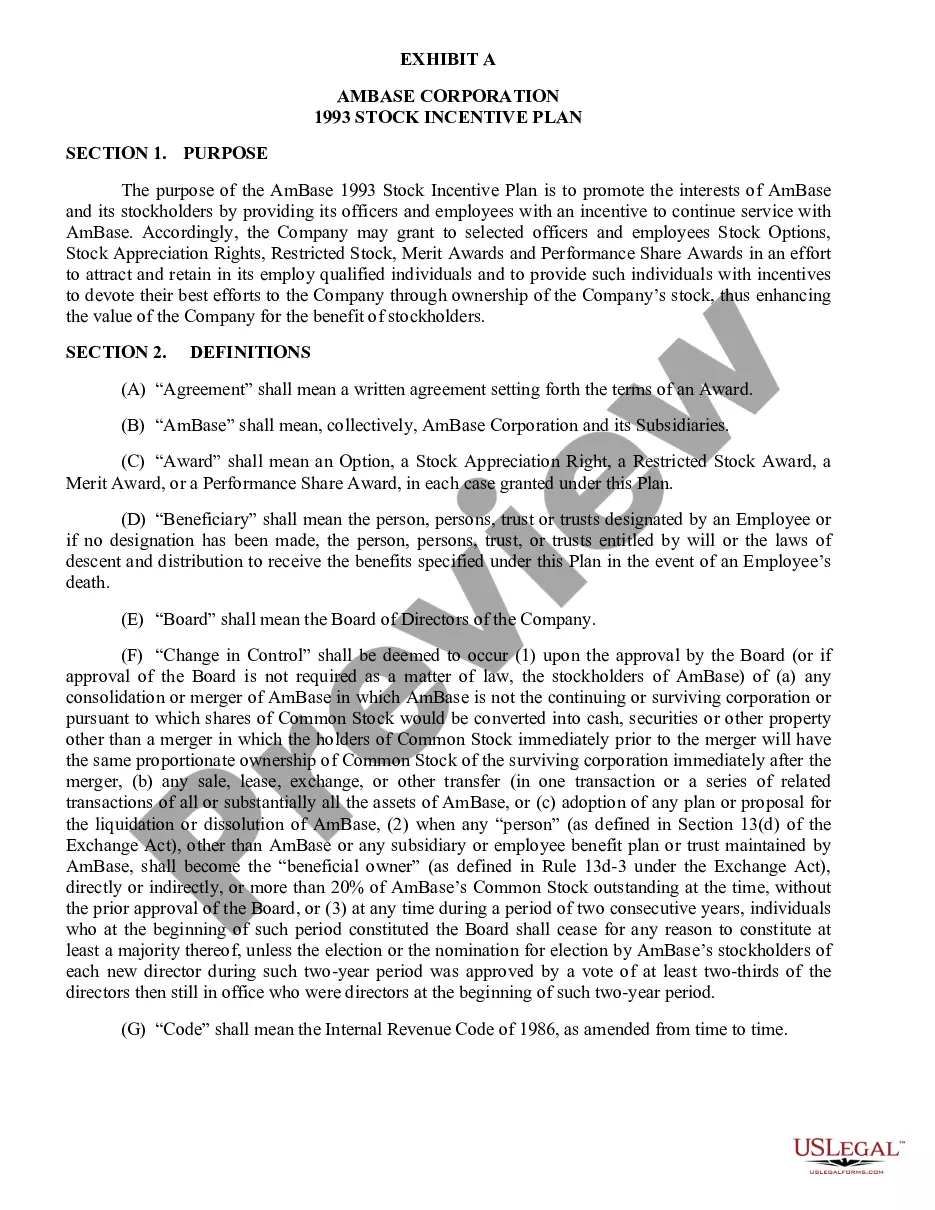
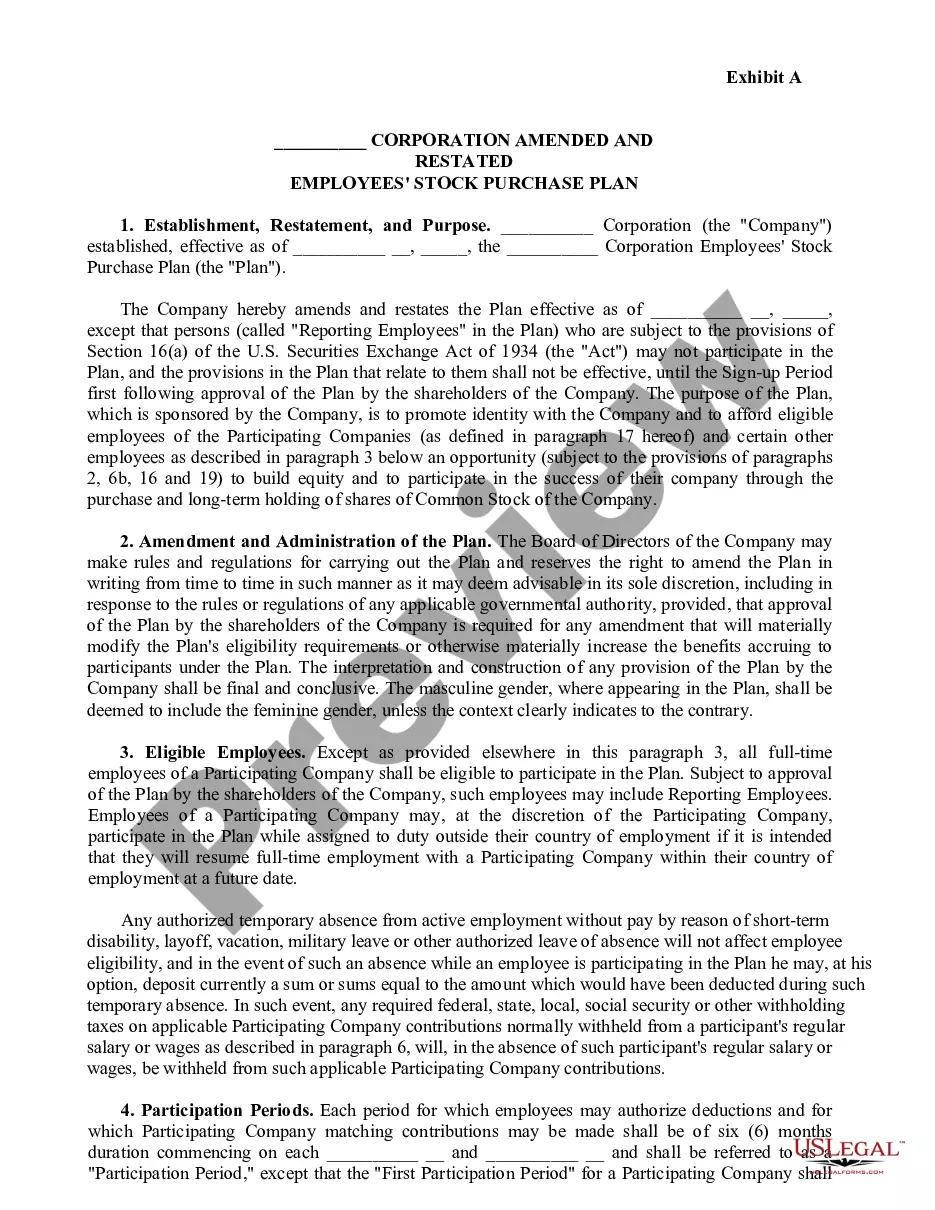
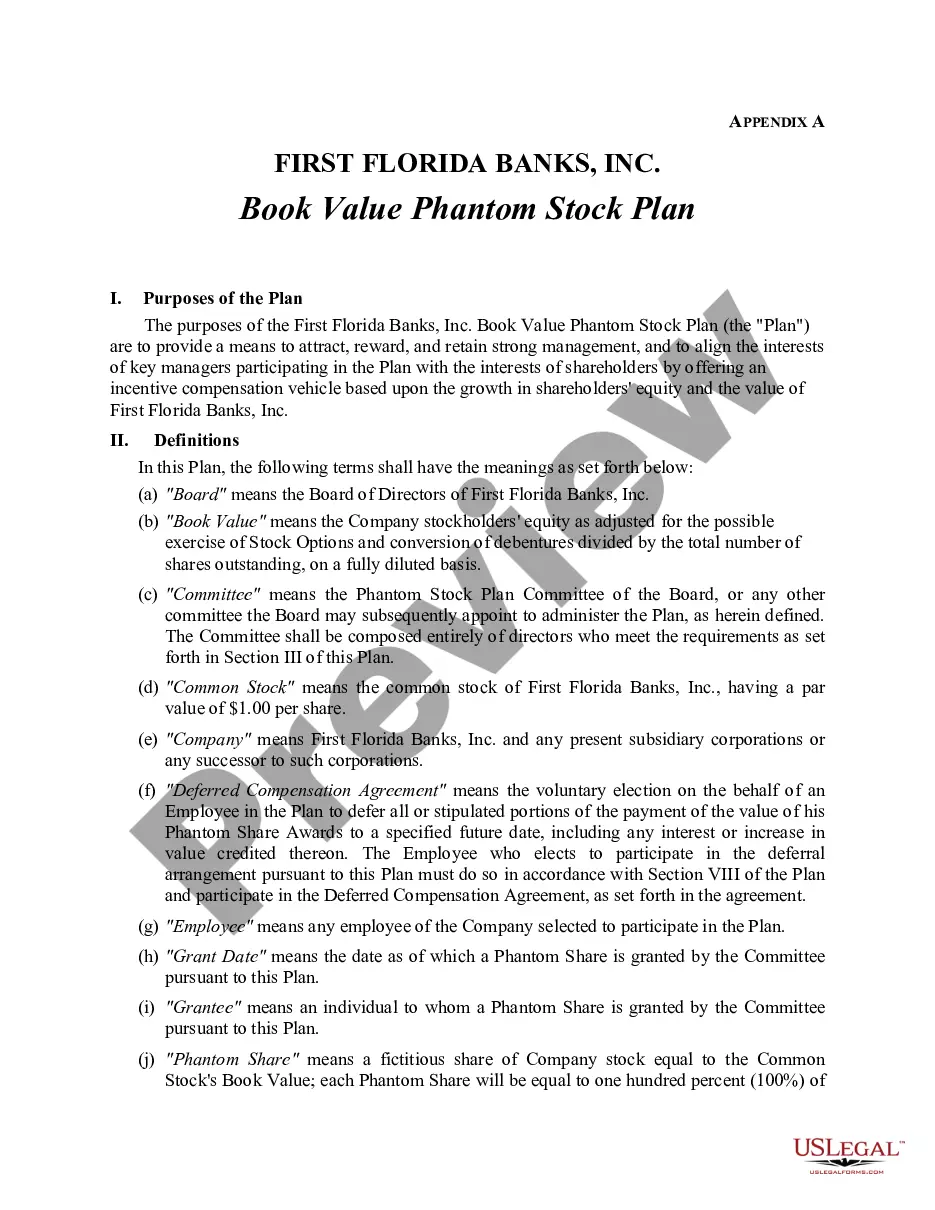
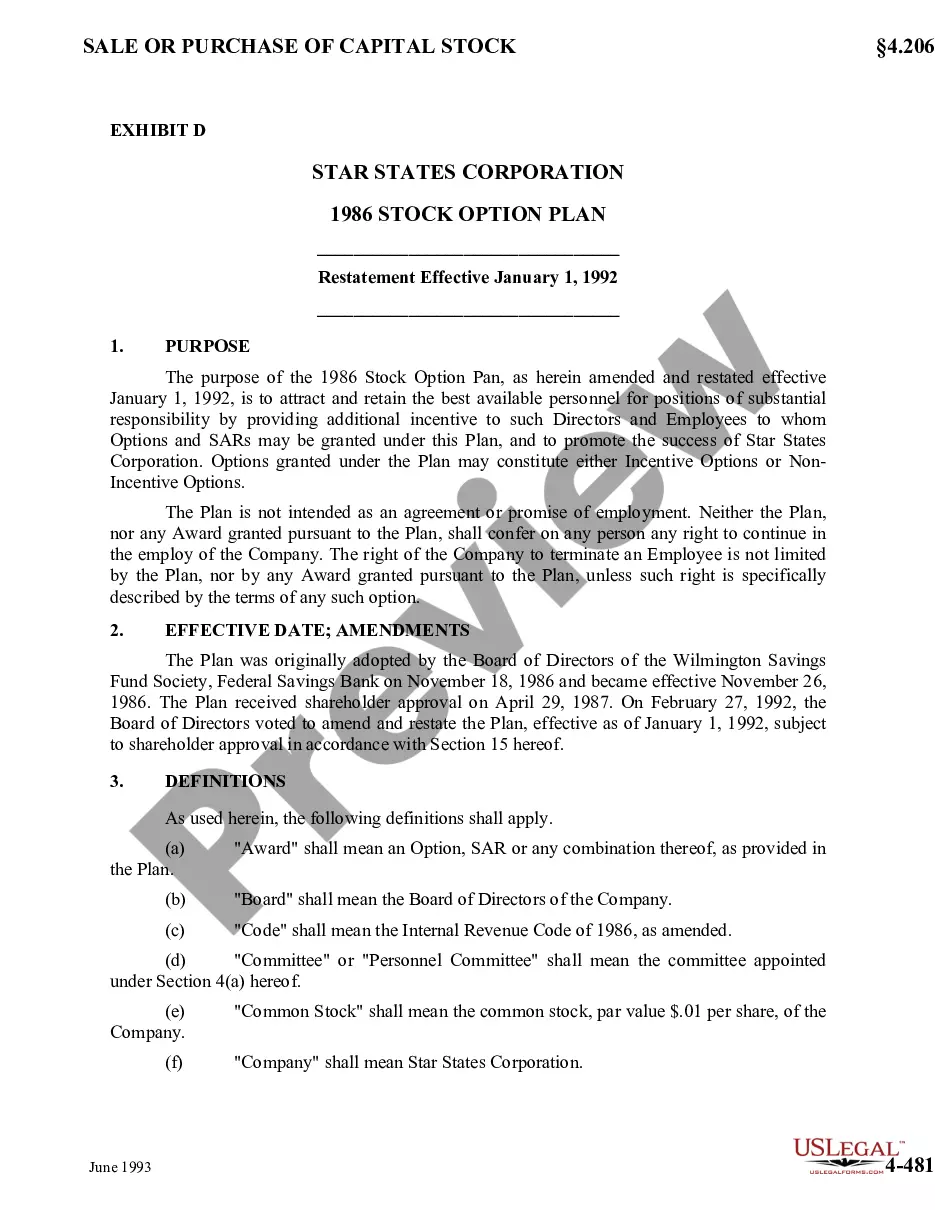

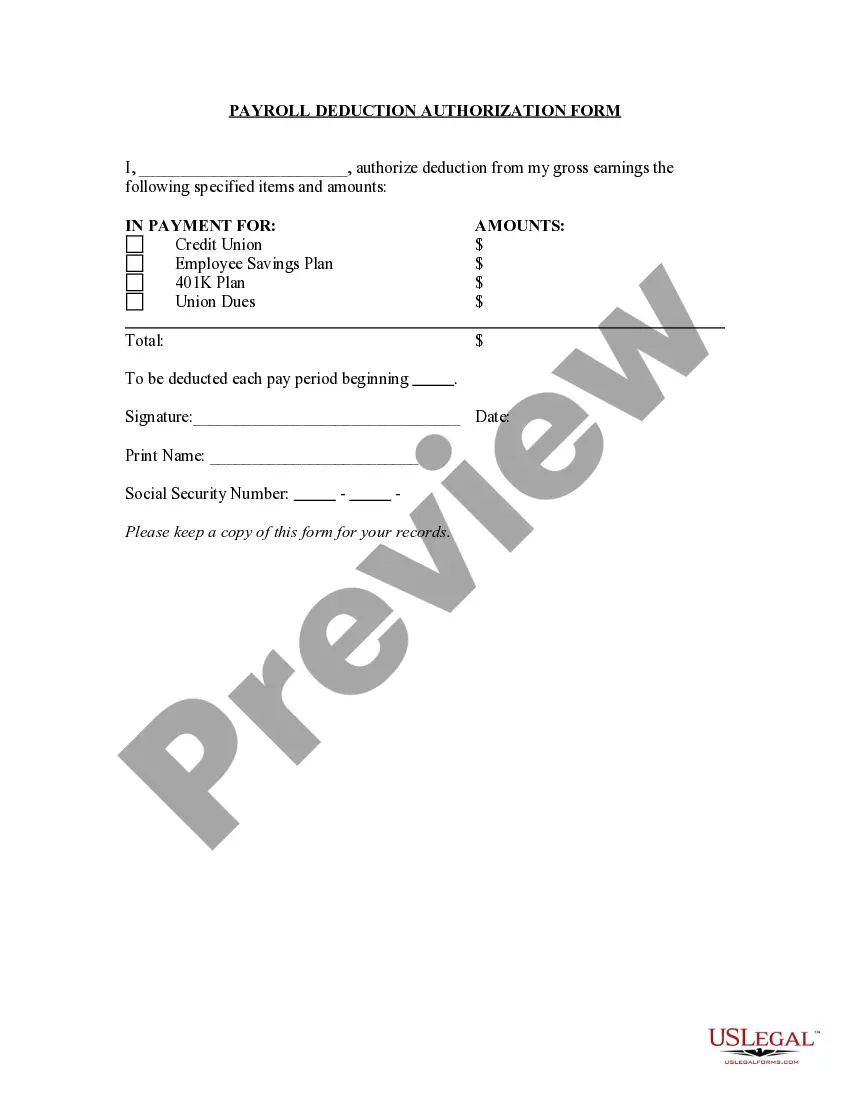
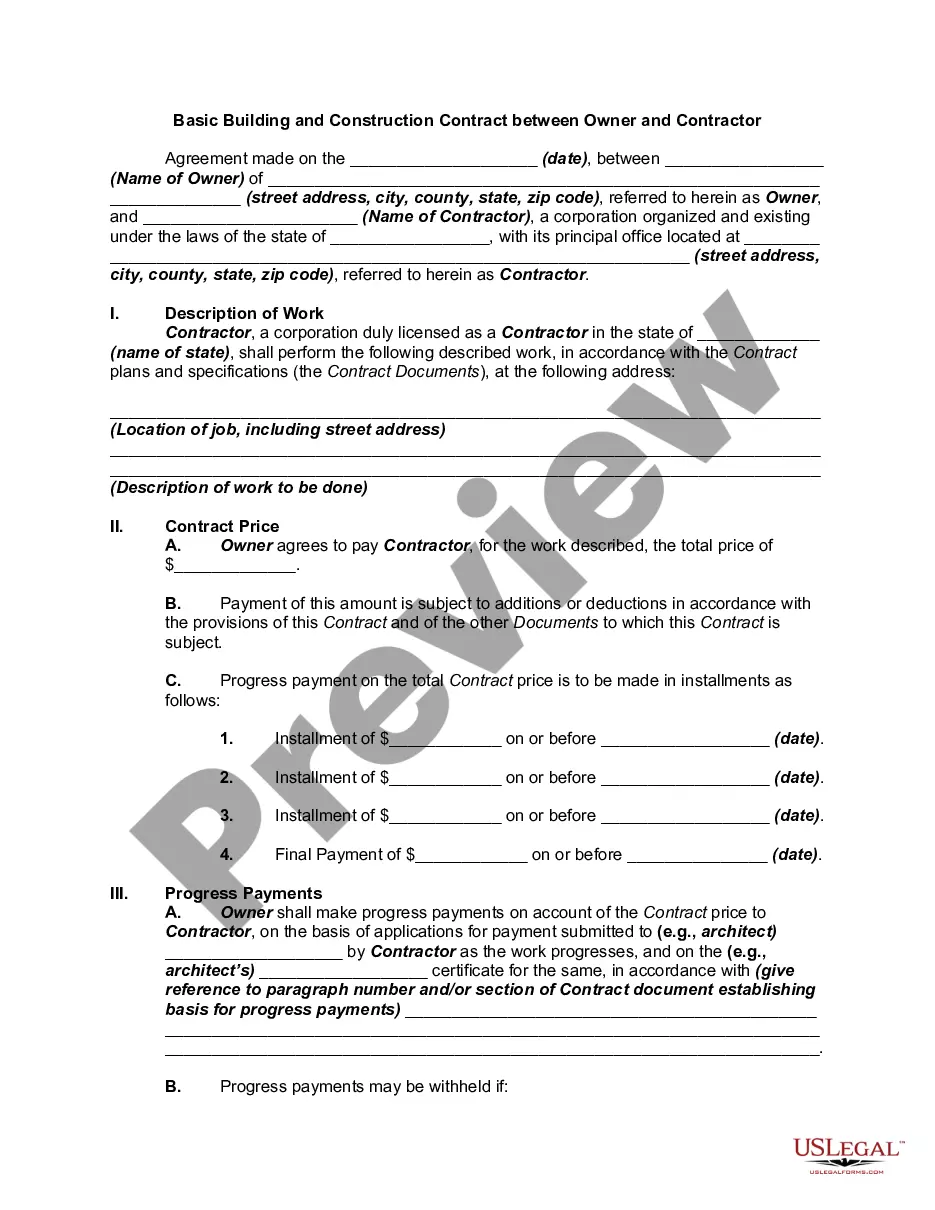






How to fill out Phantom Stock Plan Of Hercules, Inc.?
- If you're an existing user, log in to your account and download the required template by hitting the Download button. Ensure your subscription is active; if not, renew it based on your payment plan.
- For first-time users, begin by checking the Preview mode and the form description. Make sure you select a template that corresponds with your specific needs and local jurisdiction.
- If the template does not meet your needs, utilize the Search tab above to find another one. Once you locate the appropriate form, proceed to the next step.
- Purchase the document by selecting the Buy Now button and choosing a subscription plan that suits you. You’ll need to create an account to gain access to the library.
- Complete your purchase by entering your credit card information or logging into your PayPal account to finalize the subscription.
- Download your form and store it on your device for later use. You can access it anytime in the My Forms section of your profile.
With US Legal Forms, you gain access to a robust library of over 85,000 legal forms, more than any competitor for a similar price. The platform not only empowers you to execute critical legal documents but also provides expert assistance for form completion, ensuring your documents are precise and legally sound.
Start today by taking advantage of US Legal Forms’ extensive library and secure your phantom stock option documentation with ease.
Form popularity
FAQ
Phantom stock options offer several advantages for both employees and employers. They align employee interests with company performance, motivating staff to drive growth and profitability. Additionally, they provide financial rewards without affecting actual share dilution, making them an attractive option for companies looking to retain talent. By leveraging phantom stock options, you can incentivize employees while maintaining control over company equity.
Several events can trigger phantom stock options, including the sale of the company, an acquisition, or a significant capital event. These triggers allow employees to realize their financial benefits in a timely manner. Understanding these events in advance helps ensure that everyone involved can plan accordingly and maximize the rewards from their phantom stock option agreement.
Yes, phantom stock options can also be offered to non-employees, such as consultants or advisors. This flexibility allows companies to incentivize key contributors who may not be part of the workforce but still play an essential role in the company's success. By incorporating phantom stock, organizations can build stronger alliances and encourage loyalty from all contributors.
Phantom stock options can be an excellent way to align employee interests with company performance without diluting equity. They offer a financial incentive tied to the company's value, motivating employees to perform at their best. Additionally, phantom stock can be structured to fit your business needs, making it a flexible option for various organizations.
To set up a phantom stock plan, first, define the objectives and eligibility criteria for your employees. Next, establish the valuation method to determine how the phantom shares will be valued over time. Afterward, create a clear agreement outlining the terms of the plan, including payout schedules. Consulting a legal professional or using platforms like US Legal Forms can ensure compliance and clarity in the process.
A phantom stock option plan typically grants employees 'phantom shares' that mimic the value of actual company stocks. For instance, a company might promise employees a payout equivalent to the value of 100 shares of stock after a specific time frame. This approach aligns employee interests with company growth, allowing them to benefit without actual stock transfer. Companies often choose this structure to avoid dilution of actual shares.
Yes, phantom stock options can potentially be revoked, depending on the terms of the agreement. If an employee leaves the company before they vest or violates company policy, they might lose their phantom stock. It's essential to review the agreement thoroughly and understand the conditions that apply. Being informed helps you protect your interests in any compensation plans.
Companies account for phantom stock options by recognizing the compensation expense over the vesting period. The expense reflects the fair value of the phantom stock options, which may require regular updates based on the company's stock performance. This accounting practice ensures transparency and compliance with financial regulations. If you want to understand more about these processes, consider using platforms like USLegalForms for detailed guidance.
While phantom stock options offer benefits, they come with disadvantages such as potential tax implications upon vesting. Additionally, if the company underperforms, the financial gain from these options might be minimal. Without actual shares, you miss out on shareholder perks and rights. Keeping these factors in mind can help you weigh the advantages against the drawbacks.
Phantom stock options can be worth it, especially if your company shows strong growth potential. They provide a way to share in the financial success of the business without giving up equity. For many employees, phantom stock can be a motivating factor, aligning their interests with the company's performance. Evaluate your company's trajectory to determine if this option aligns with your career goals.