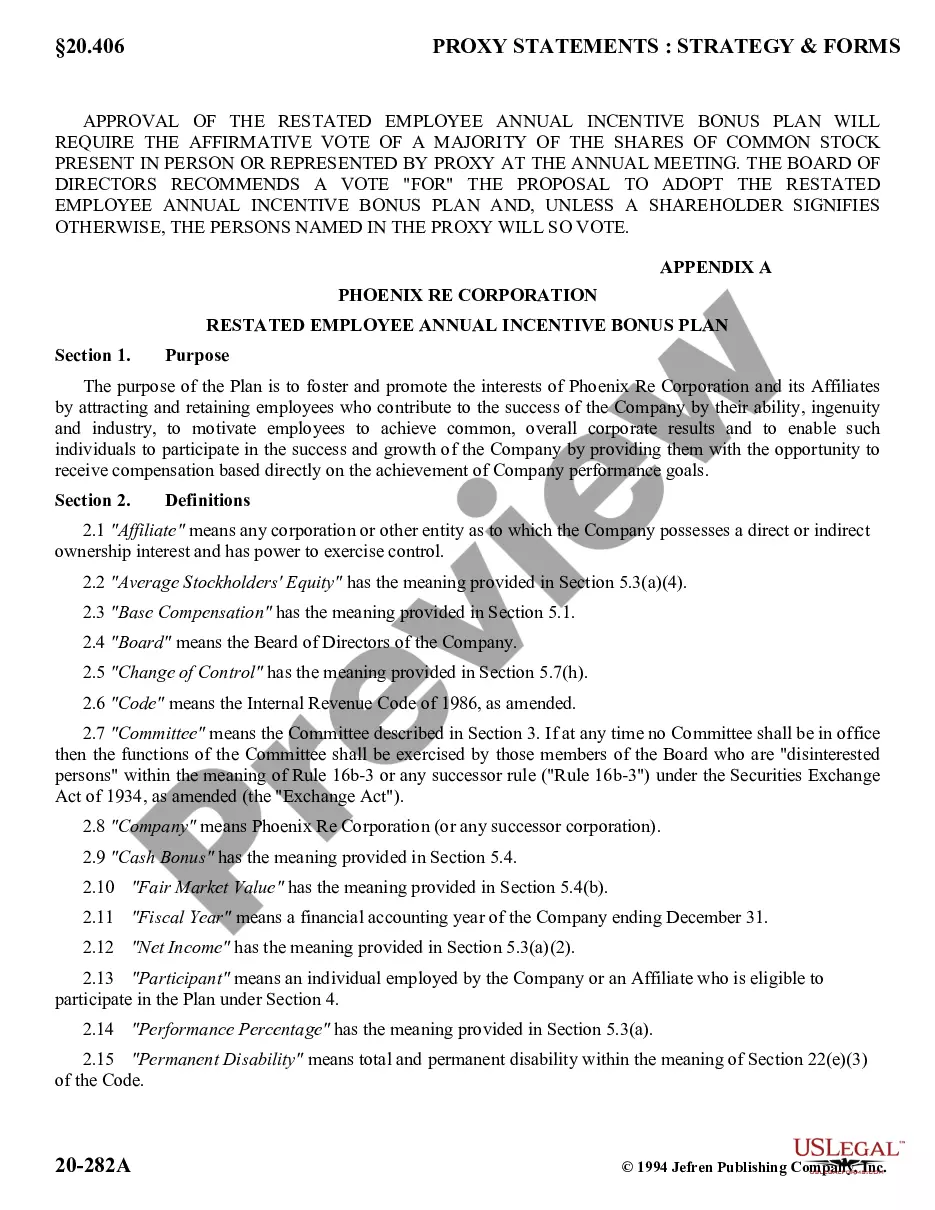
Compensation Plan Example
Description
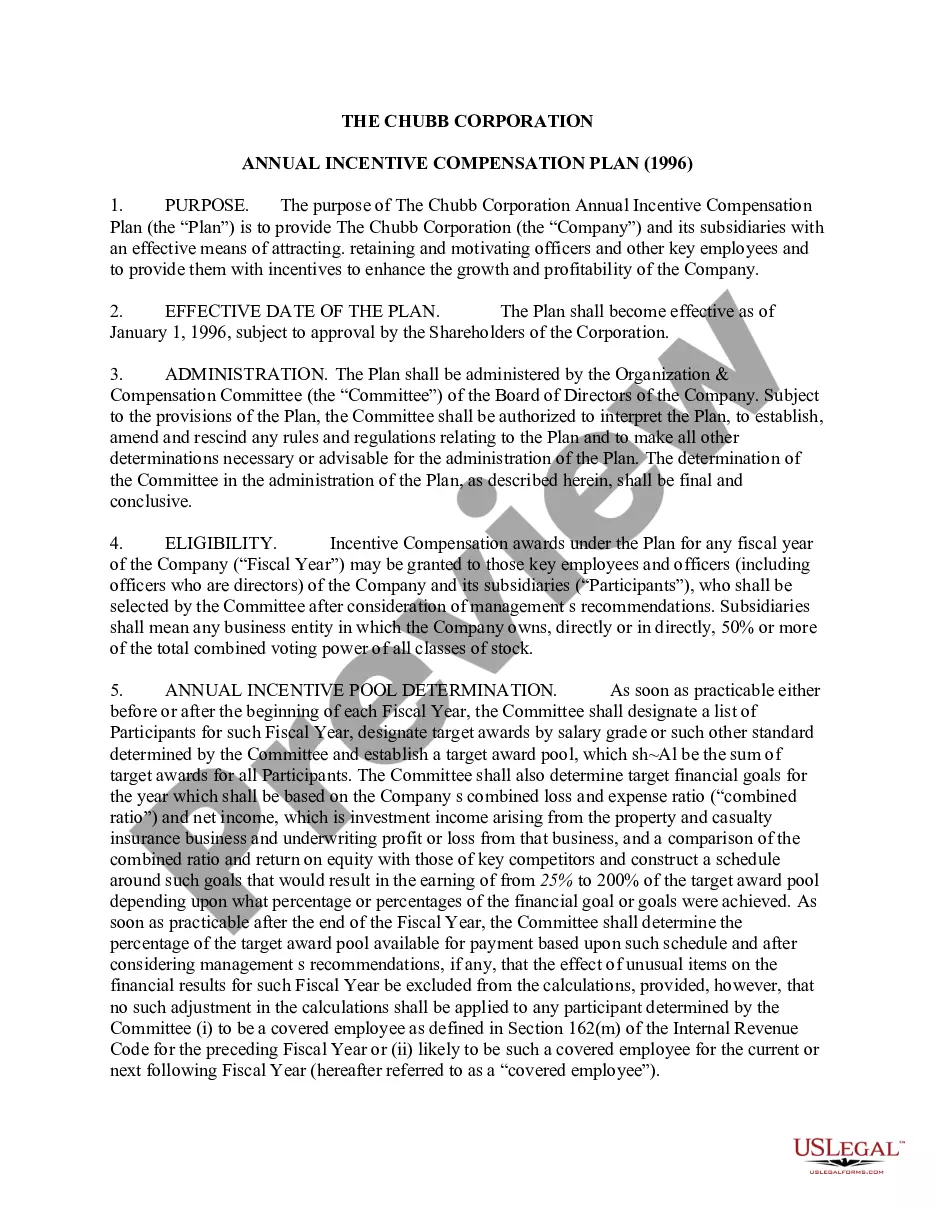
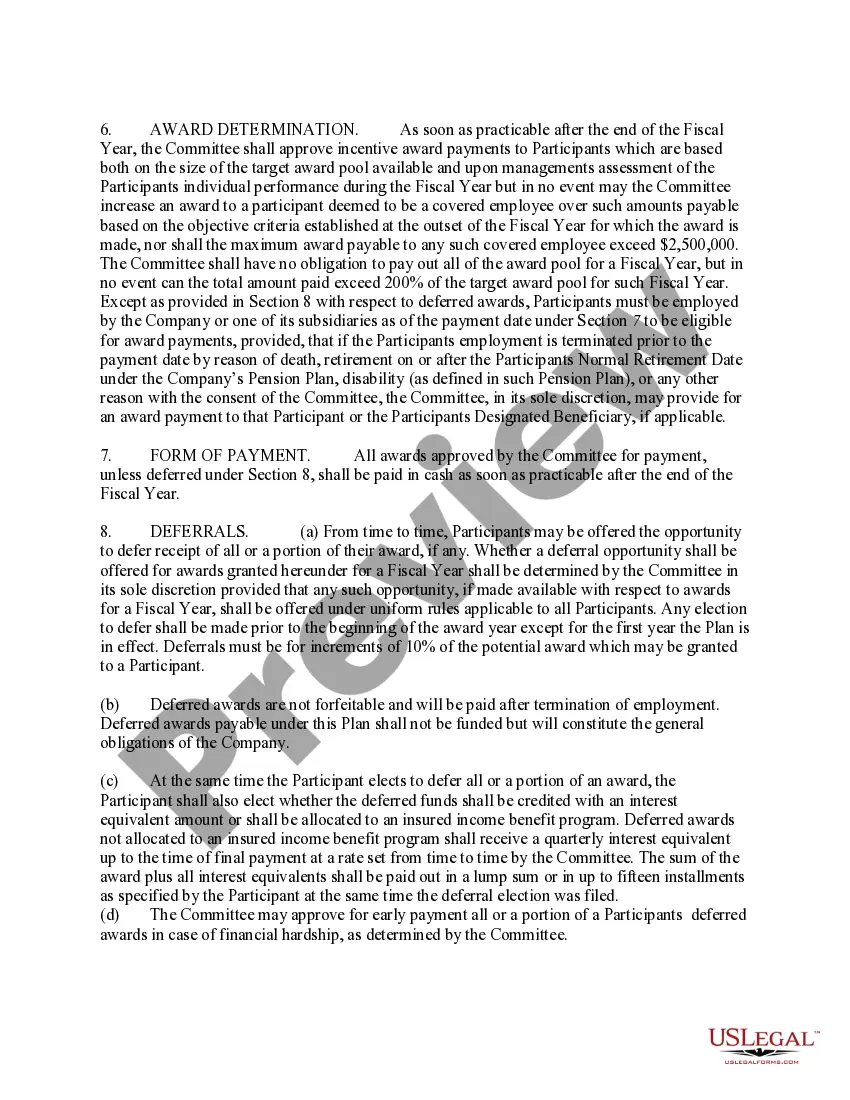
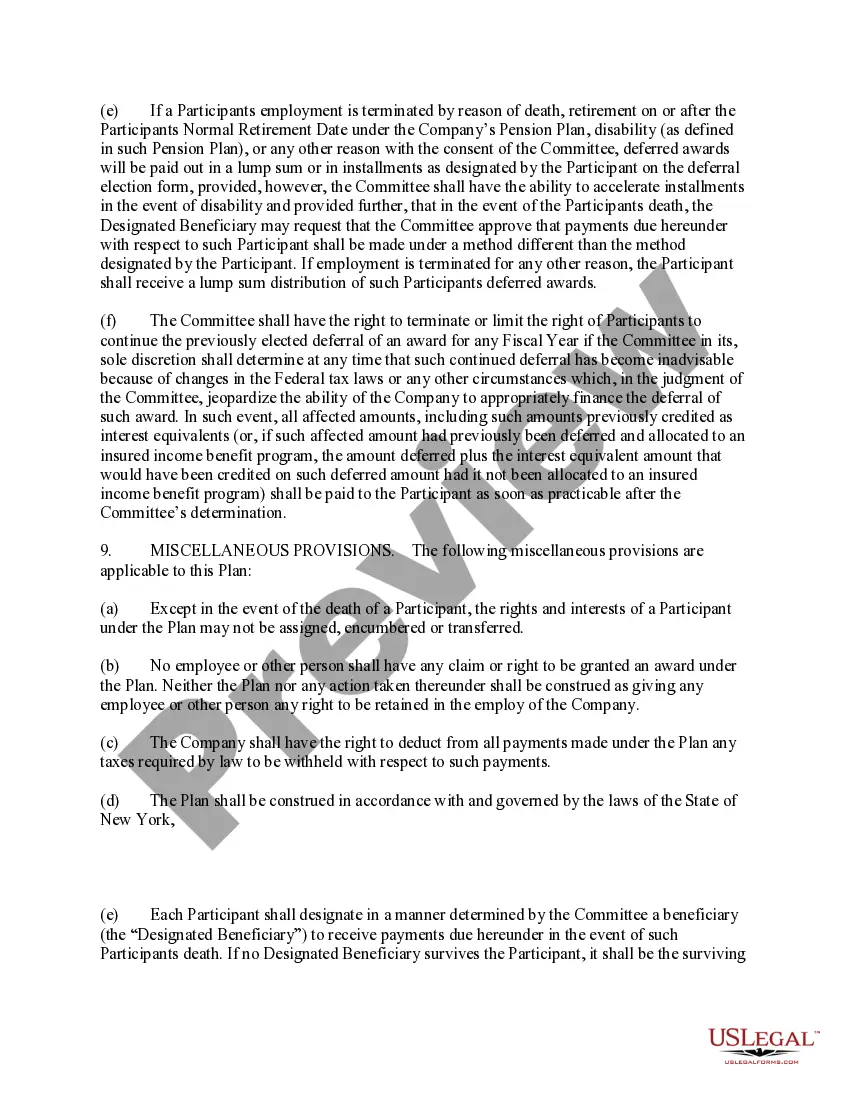
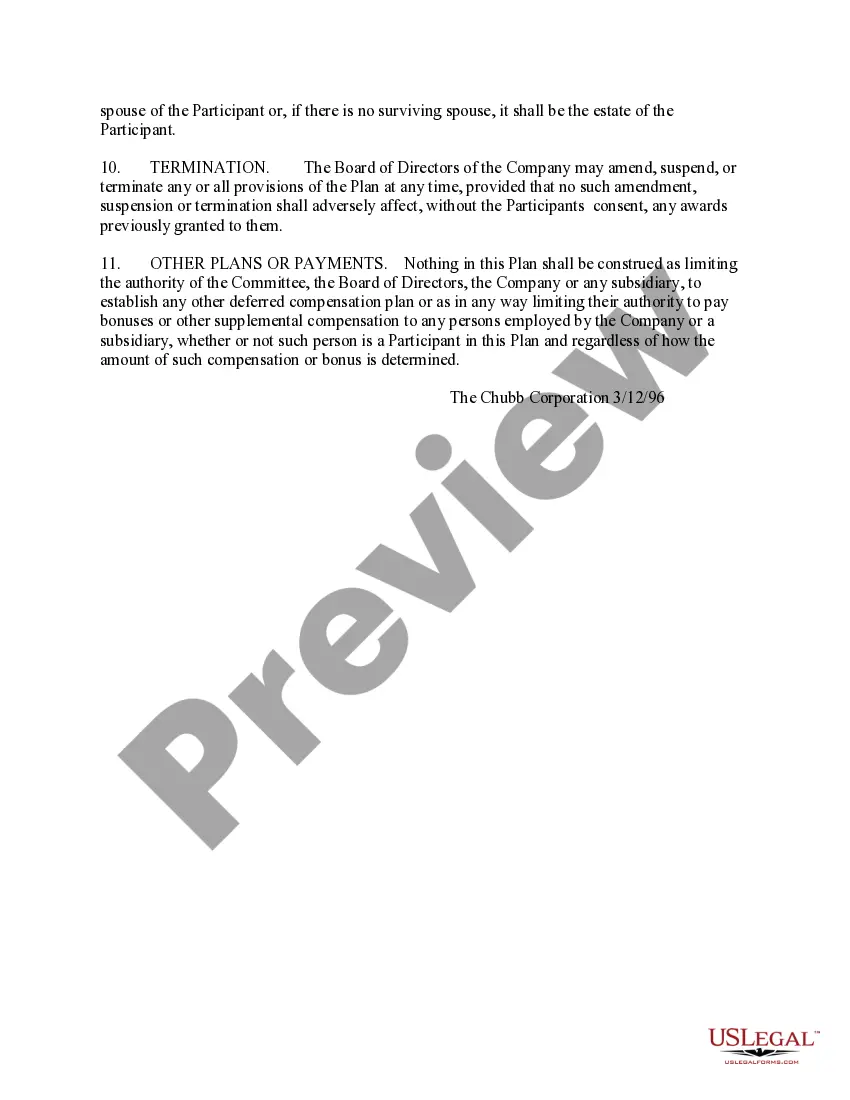
Get your form ready online
Our built-in tools help you complete, sign, share, and store your documents in one place.
Make edits, fill in missing information, and update formatting in US Legal Forms—just like you would in MS Word.
Download a copy, print it, send it by email, or mail it via USPS—whatever works best for your next step.
Sign and collect signatures with our SignNow integration. Send to multiple recipients, set reminders, and more. Go Premium to unlock E-Sign.
If this form requires notarization, complete it online through a secure video call—no need to meet a notary in person or wait for an appointment.
We protect your documents and personal data by following strict security and privacy standards.

Make edits, fill in missing information, and update formatting in US Legal Forms—just like you would in MS Word.

Download a copy, print it, send it by email, or mail it via USPS—whatever works best for your next step.

Sign and collect signatures with our SignNow integration. Send to multiple recipients, set reminders, and more. Go Premium to unlock E-Sign.

If this form requires notarization, complete it online through a secure video call—no need to meet a notary in person or wait for an appointment.

We protect your documents and personal data by following strict security and privacy standards.
Looking for another form?
How to fill out Annual Incentive Compensation Plan?
Finding a go-to place to take the most current and relevant legal samples is half the struggle of dealing with bureaucracy. Discovering the right legal papers calls for precision and attention to detail, which is the reason it is important to take samples of Compensation Plan Example only from trustworthy sources, like US Legal Forms. A wrong template will waste your time and hold off the situation you are in. With US Legal Forms, you have very little to worry about. You may access and see all the information concerning the document’s use and relevance for the situation and in your state or region.
Consider the following steps to finish your Compensation Plan Example:
- Utilize the catalog navigation or search field to find your template.
- View the form’s description to ascertain if it suits the requirements of your state and region.
- View the form preview, if available, to ensure the form is the one you are interested in.
- Return to the search and find the correct document if the Compensation Plan Example does not match your needs.
- If you are positive regarding the form’s relevance, download it.
- When you are an authorized user, click Log in to authenticate and access your picked forms in My Forms.
- If you do not have a profile yet, click Buy now to get the form.
- Choose the pricing plan that fits your requirements.
- Go on to the registration to complete your purchase.
- Complete your purchase by picking a transaction method (bank card or PayPal).
- Choose the file format for downloading Compensation Plan Example.
- When you have the form on your gadget, you can change it with the editor or print it and finish it manually.
Eliminate the hassle that comes with your legal paperwork. Discover the comprehensive US Legal Forms library to find legal samples, examine their relevance to your situation, and download them immediately.
Form popularity
FAQ
The best and simplest tactic for answering this question is to offer a salary range you'd be willing to accept rather than a set amount. A range is much more likely to fit into their budget for the role, and it lets the employer compare you better against other candidates.
For example, the employer may offer health insurance, dental insurance, life insurance, short- and long-term disability insurance and vision insurance. Employee retirement plans, like 401(k) plans, are another common form of indirect compensation. Equity-based programs are another compensation offering.
How to create a compensation plan Determine your compensation philosophy. Outline job architecture by defining roles and levels. Create guidelines for performance evaluations. Define direct compensation (salary, bonus, and equity) Add in benefits. Implement a pay equity process. Conduct post-hoc reviews.
The compensation policy outlines the guidelines and procedures for compensating employees at your organization. It is designed to ensure that employees are fairly and competitively compensated for their work, while also aligning with the organization's financial goals and objectives.
Total compensation is the totality of all payments and benefits given to an employee by an employer. Total compensation consists of base salary, bonus pay, employee benefits, perks, commissions, lifestyle spending accounts, and tips.