Stock Purchase Plan For Employees
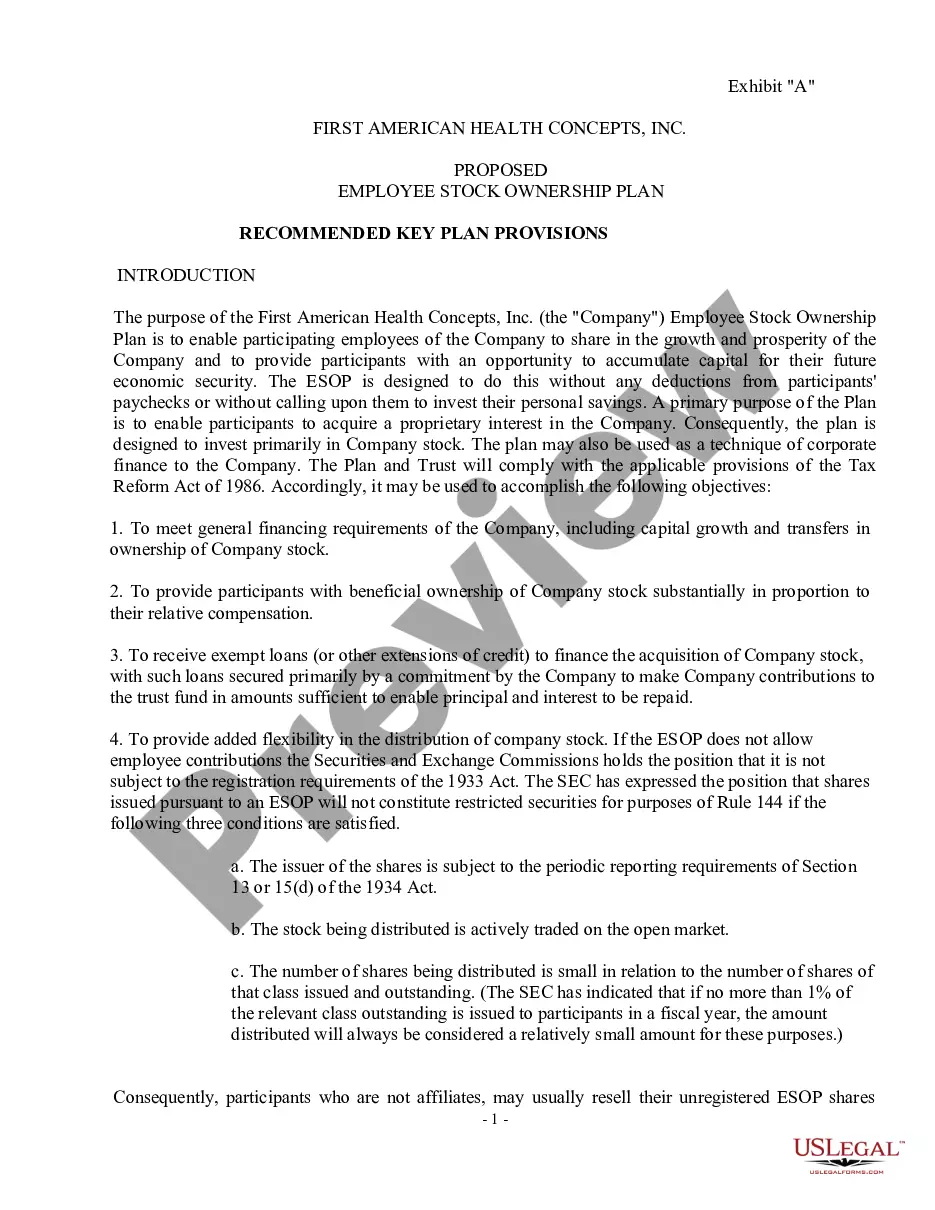
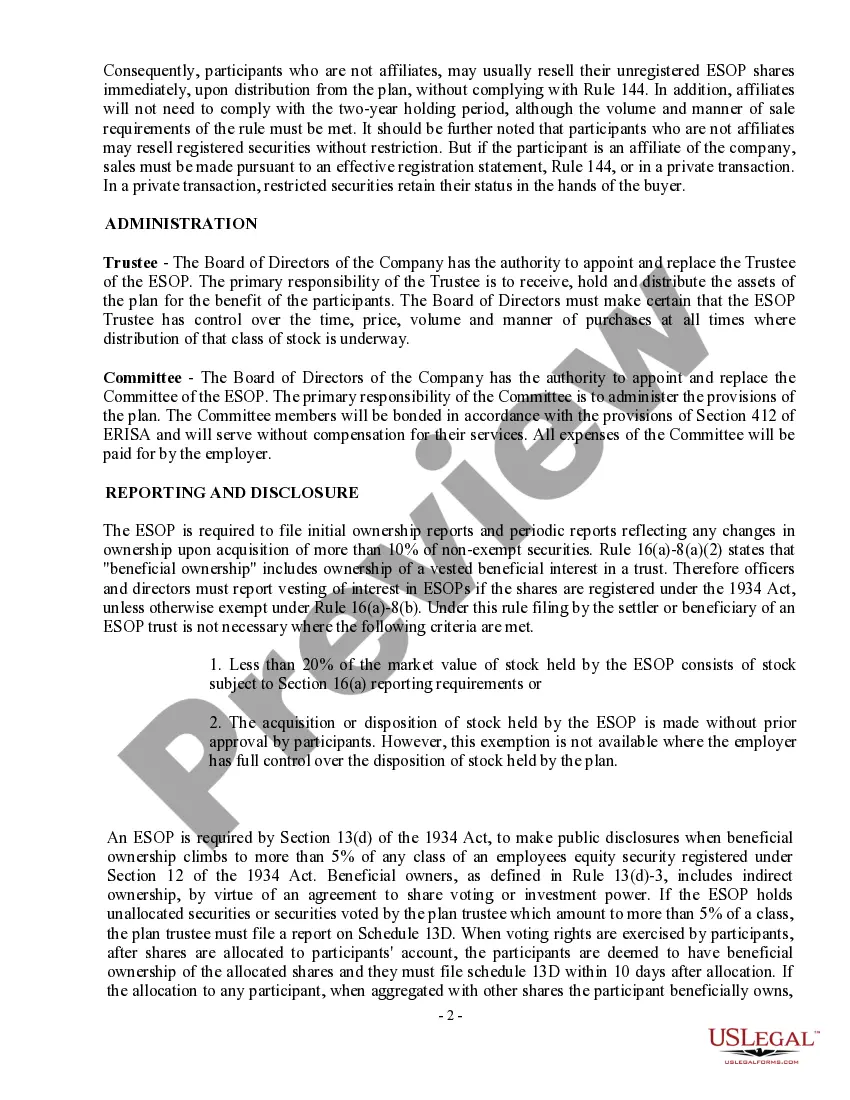
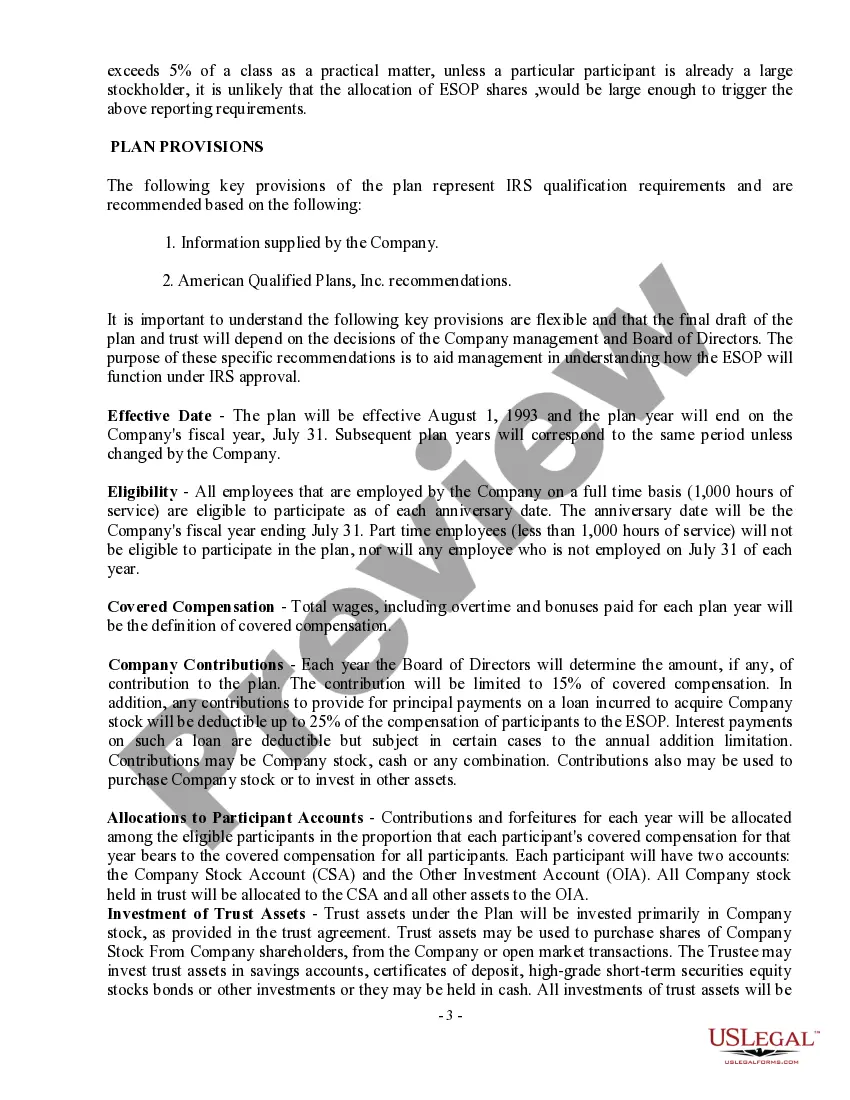
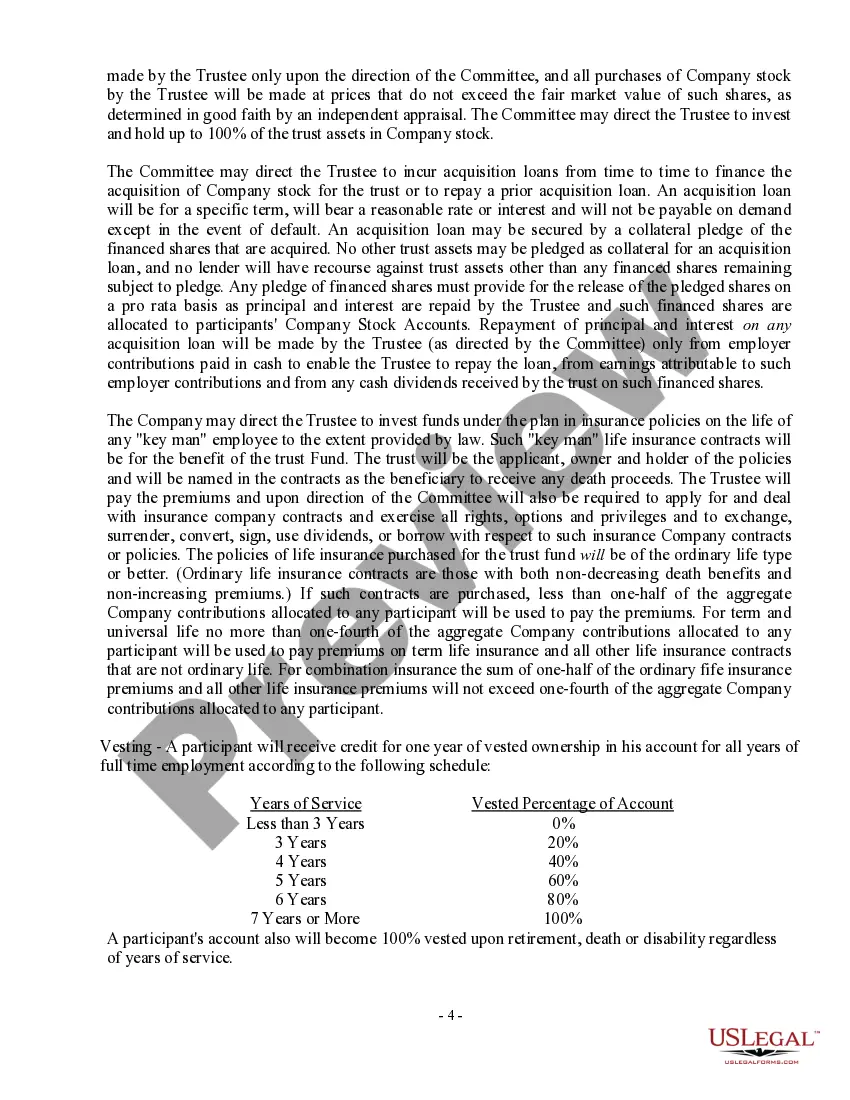
Description

Get your form ready online
Our built-in tools help you complete, sign, share, and store your documents in one place.
Make edits, fill in missing information, and update formatting in US Legal Forms—just like you would in MS Word.
Download a copy, print it, send it by email, or mail it via USPS—whatever works best for your next step.
Sign and collect signatures with our SignNow integration. Send to multiple recipients, set reminders, and more. Go Premium to unlock E-Sign.
If this form requires notarization, complete it online through a secure video call—no need to meet a notary in person or wait for an appointment.
We protect your documents and personal data by following strict security and privacy standards.

Make edits, fill in missing information, and update formatting in US Legal Forms—just like you would in MS Word.

Download a copy, print it, send it by email, or mail it via USPS—whatever works best for your next step.

Sign and collect signatures with our SignNow integration. Send to multiple recipients, set reminders, and more. Go Premium to unlock E-Sign.

If this form requires notarization, complete it online through a secure video call—no need to meet a notary in person or wait for an appointment.

We protect your documents and personal data by following strict security and privacy standards.
Looking for another form?


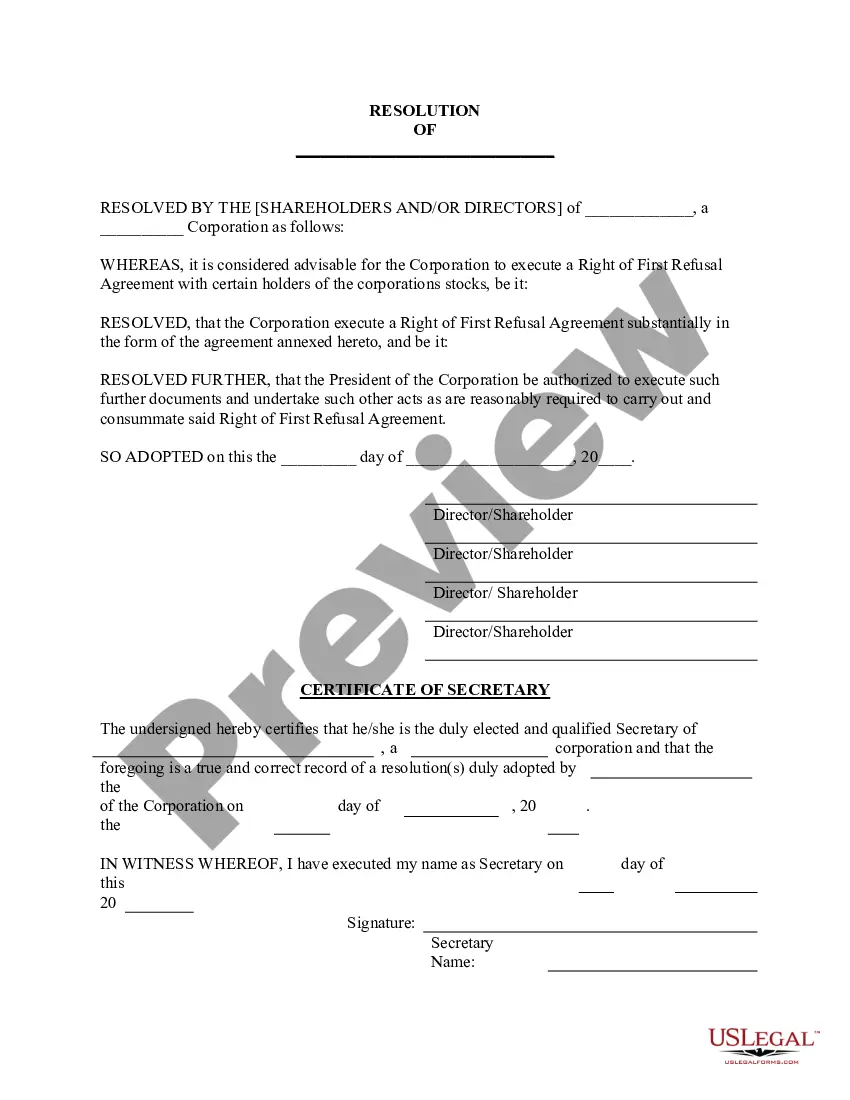






How to fill out Employee Stock Ownership Plan Of First American Health Concepts, Inc.?
It’s common knowledge that you cannot instantly become a law expert, nor can you swiftly learn how to prepare a Stock Purchase Plan For Employees without a specialized background.
Drafting legal documents is a lengthy task that demands specific training and expertise.
So why not entrust the creation of the Stock Purchase Plan For Employees to the experts.
Click Buy now. Once the transaction is complete, you can receive the Stock Purchase Plan For Employees, fill it out, print it, and send or mail it to the intended recipients or organizations.
You can regain access to your forms anytime from the My documents tab. If you are a returning customer, simply Log In, and locate and download the template from the same section.
Regardless of the purpose of your documents—whether financial, legal, or personal—our website has everything you need. Experience US Legal Forms today!
- Access our website and find the document you need in just a few minutes.
- Use the search bar at the top of the page to locate the form you require.
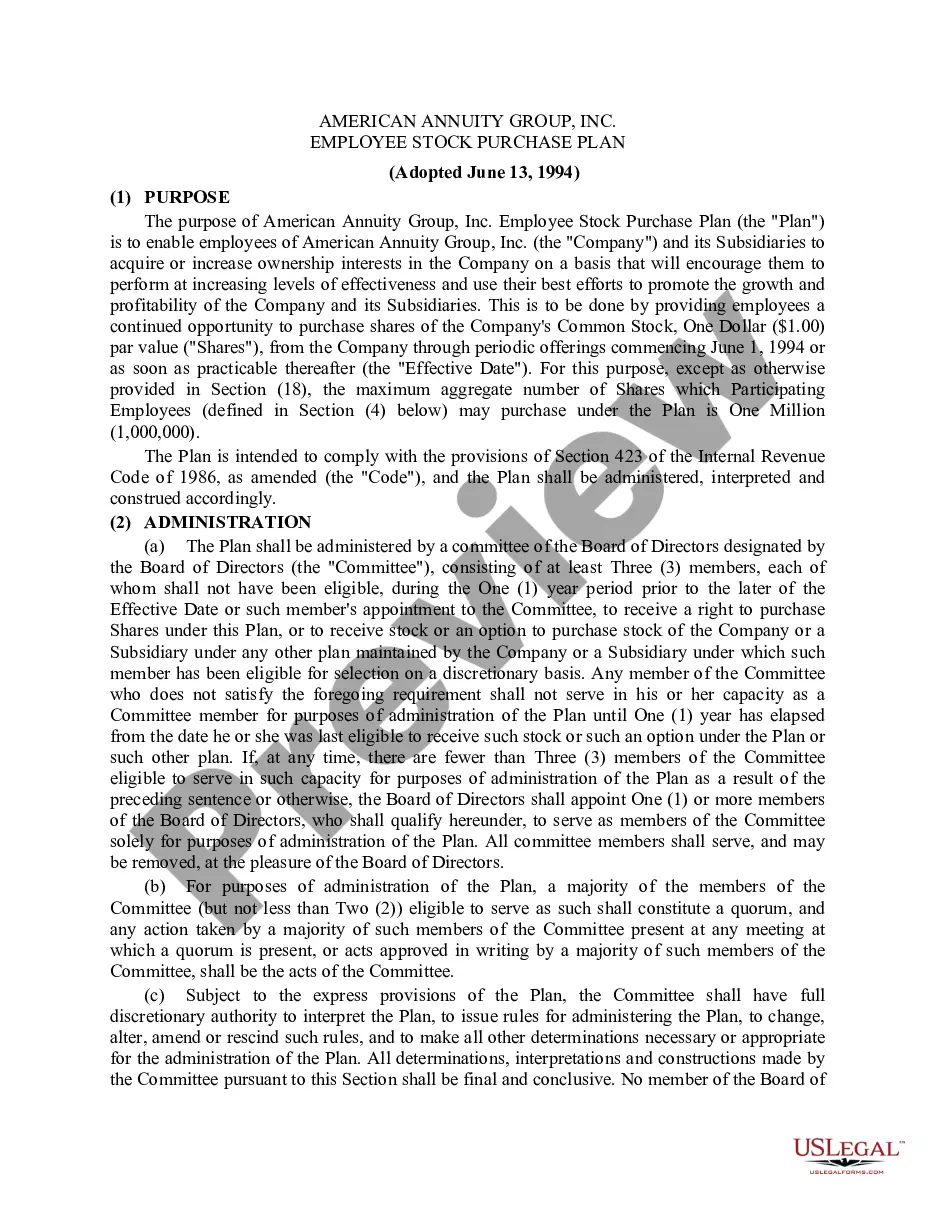
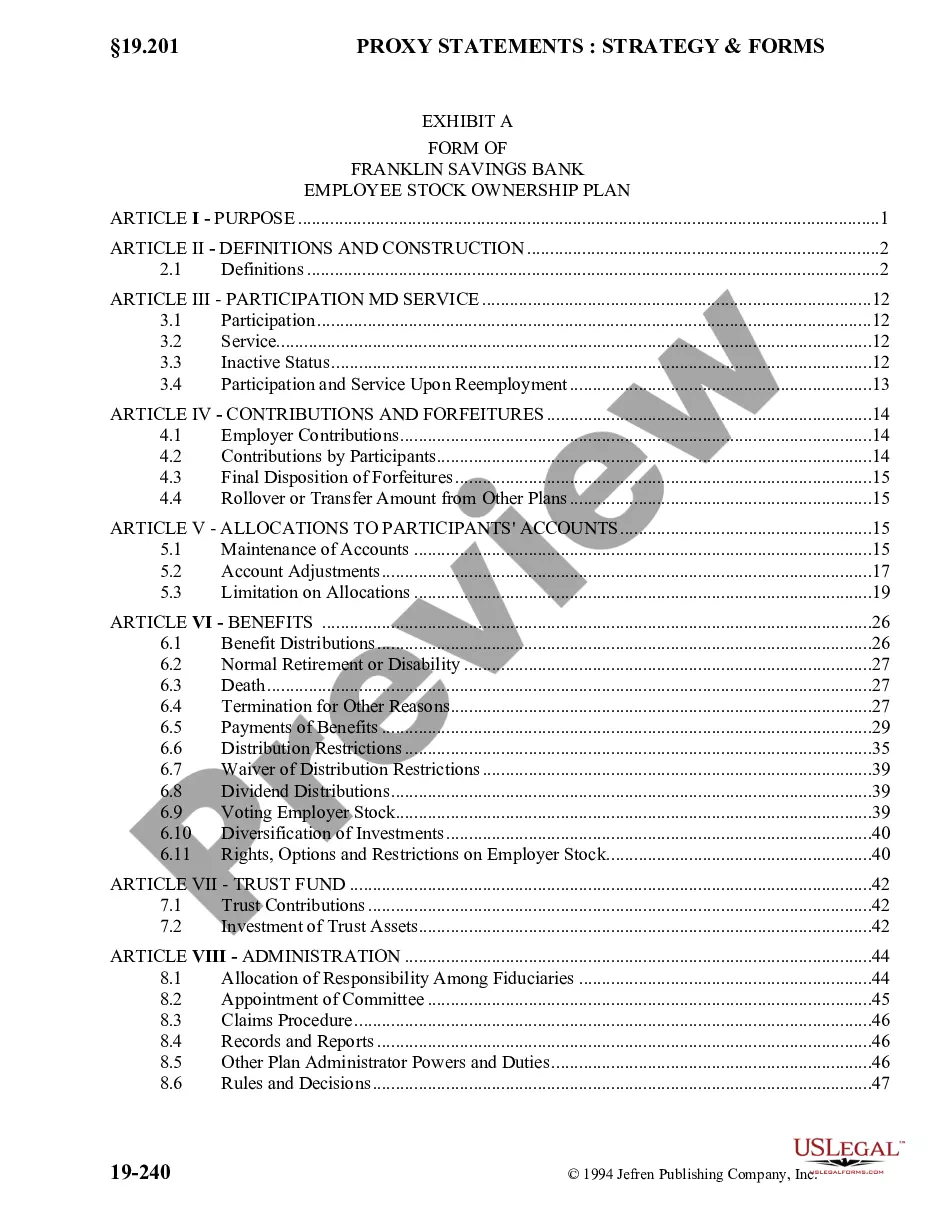
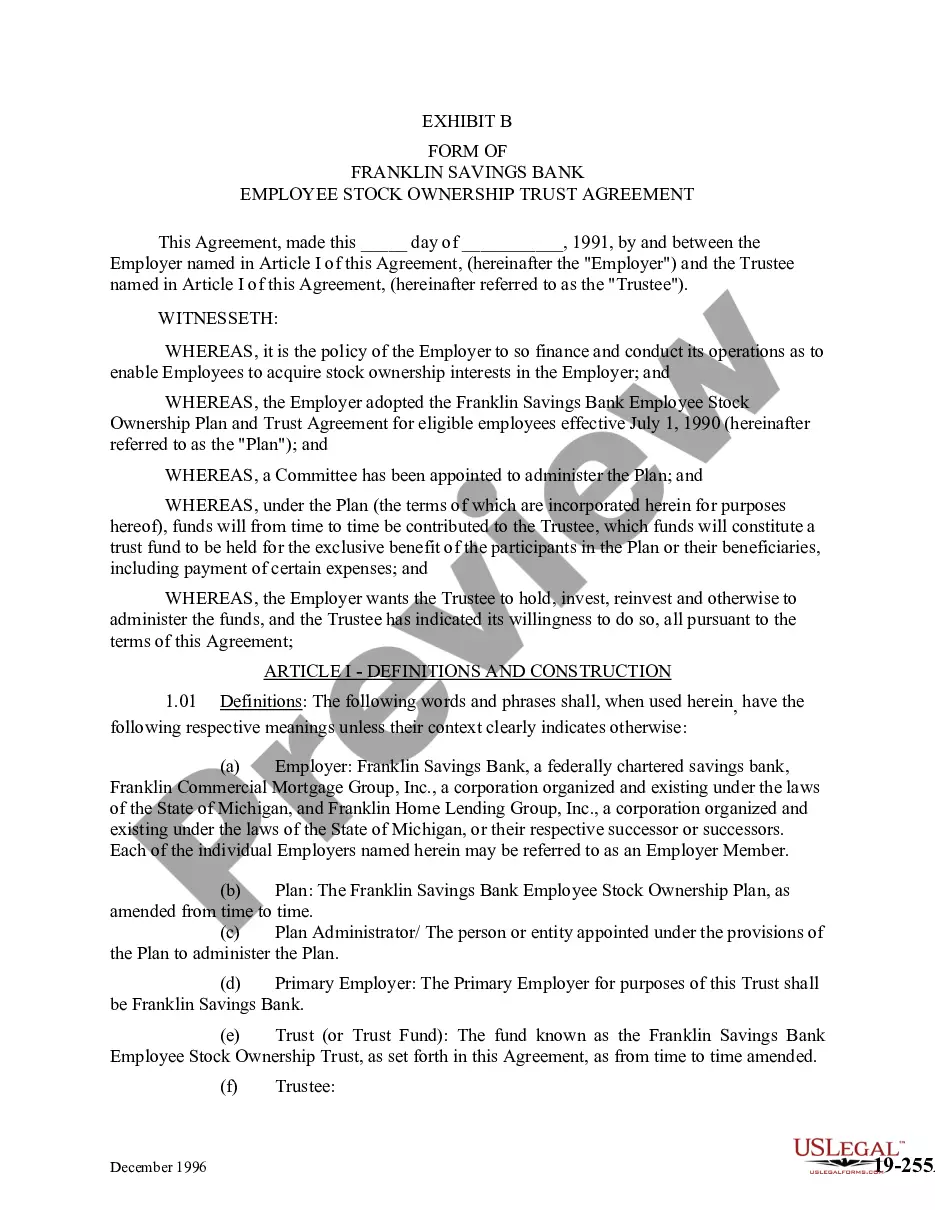
- Preview it (if available) and review the accompanying description to see if the Stock Purchase Plan For Employees meets your requirements.
- If you need another template, begin your search anew.
- Create a free account and select a subscription plan to purchase the template.
Form popularity
FAQ
Employee Stock Purchase Plans (ESPP) can have a few drawbacks that employees should consider. First, having a portion of your salary tied up in company stock can increase your financial risk, particularly if the company's performance falters. Additionally, there can be tax implications on the stock when you sell, potentially reducing your overall gains. Understanding these disadvantages is essential when evaluating a stock purchase plan for employees.
A notable example of an Employee Stock Ownership Plan (ESOP) is the case of the plumbing company, Davis and Associates. This company implemented a stock purchase plan for employees, allowing employees to become shareholders directly. As a result, employees not only contributed to the growth of the company but also benefited from its financial success. Such plans strengthen loyalty and encourage a sense of ownership among employees.
Creating an Employee Stock Ownership Plan (ESOP) involves several key steps. First, a company must assess its suitability for an ESOP, considering factors such as company valuation and employee eligibility. Next, the company must establish a trust to hold the shares on behalf of employees, ensuring proper funding and compliance. Ultimately, a well-structured ESOP can serve as an effective stock purchase plan for employees, aligning their interests with the company's success.
Setting up an employee stock option plan requires careful planning and documentation. Begin by drafting a clear plan outline that covers vesting schedules, exercise prices, and employee eligibility criteria. Utilizing a stock purchase plan for employees can simplify this process, as platforms like uslegalforms provide easy-to-use templates and compliance guidance, making the setup straightforward and efficient.
Creating an employee stock option plan involves several key steps, including defining your objectives, determining eligibility, and setting the terms of the options. It's essential to partner with a legal or financial expert to navigate regulations and ensure compliance. By utilizing a stock purchase plan for employees, you can attract and retain top talent while fostering a culture of ownership within your organization.
The ESOP 30% rule allows employees to own up to 30% of a company's stock through an employee stock ownership plan (ESOP). This rule aims to empower employees by providing them with a stake in the company, aligning their interests with shareholders. If you are exploring a stock purchase plan for employees, understanding this rule can help you structure your plan effectively and encourage employee participation.
Under a § 423 employee stock purchase plan, you have taxable income or a deductible loss when you sell the stock. Your income or loss is the difference between the amount you paid for the stock (the purchase price) and the amount you receive when you sell it.
An employee stock purchase plan (or ESPP) can be a very valuable benefit. In general, if your employer offers an ESPP, we think you should participate at the level you can comfortably afford and then sell the shares as soon as you can.
5 Ways To Use Your ESPP Contribute To Long Term Wealth. Contributing to an ESPP can boost your efforts towards building wealth through long-term investing. ... Reinvest Into A Roth IRA. An ESPP can be an avenue to fund a Roth IRA. ... Supplement Cash Flow. ... Short Term Savings Goals. ... Pay down debt.
Allotted shares sold by an employee are taxed under capital gains tax as ESOP is considered as a capital asset and any gain on sale of such shares would attract capital gain tax. The tax is applied on the difference between the sale price and purchase cost.