Employee Stock Options Tax Implications For Employer
Description










Form popularity
FAQ
Adding stocks to your tax return requires reporting any capital gains or losses resulting from the sale of those stocks. Use Schedule D to report these transactions, ensuring you provide accurate details of your stock sales. Familiarizing yourself with employee stock options tax implications for employers will help you manage any additional reporting requirements related to stock transactions.
To put stock options on your tax return, you will need to know the nature of your options—whether they are incentive or non-qualified. Report the income from the exercise on the appropriate lines of your tax return forms. It is essential to be aware of the employee stock options tax implications for employers to avoid any potential issues.
When filing your tax return, you'll typically report the income from the exercise of stock options directly on Form 1040. Depending on whether the options are qualified or non-qualified, the reporting requirements may differ. Consulting resources such as US Legal Forms can enhance your understanding of the correct procedures for reporting employee stock options tax implications for employers.
The tax implications of options depend on whether they are classified as incentive stock options or non-qualified options. Non-qualified options result in ordinary income taxation upon exercise, while ISOs may only incur taxation if sold after a qualifying holding period. It's essential to grasp the employee stock options tax implications for employers to properly manage tax liabilities.
Companies typically account for employee stock options by recognizing an expense on the income statement. The expense reflects the fair value of the options granted, which impacts the company's earnings. This accounting treatment plays a significant role in understanding the employee stock options tax implications for employers, helping to ensure compliance with financial regulations.
The $100,000 rule limits the amount of incentive stock options an employee can qualify for in any given calendar year. If the total value of ISOs that become exercisable exceeds this limit, the excess will be treated as non-qualified stock options, which have different tax implications. Understanding this rule is crucial for comprehending the employee stock options tax implications for employers.
Incentive stock options (ISOs) are not reported on your W2 when granted. However, once you exercise them, the income becomes subject to alternative minimum tax (AMT), and those amounts may need to be reported on your tax return. You should maintain good records, as employee stock options tax implications for employers can also vary based on the company's accounting policies.
Restricted Stock Units (RSUs) are typically taxed as ordinary income when they vest, which has implications for both employees and employers. The fair market value of the shares at vesting is added to your taxable income. Employers should be mindful of the employee stock options tax implications for employer, as they are responsible for withholding necessary taxes during this process.
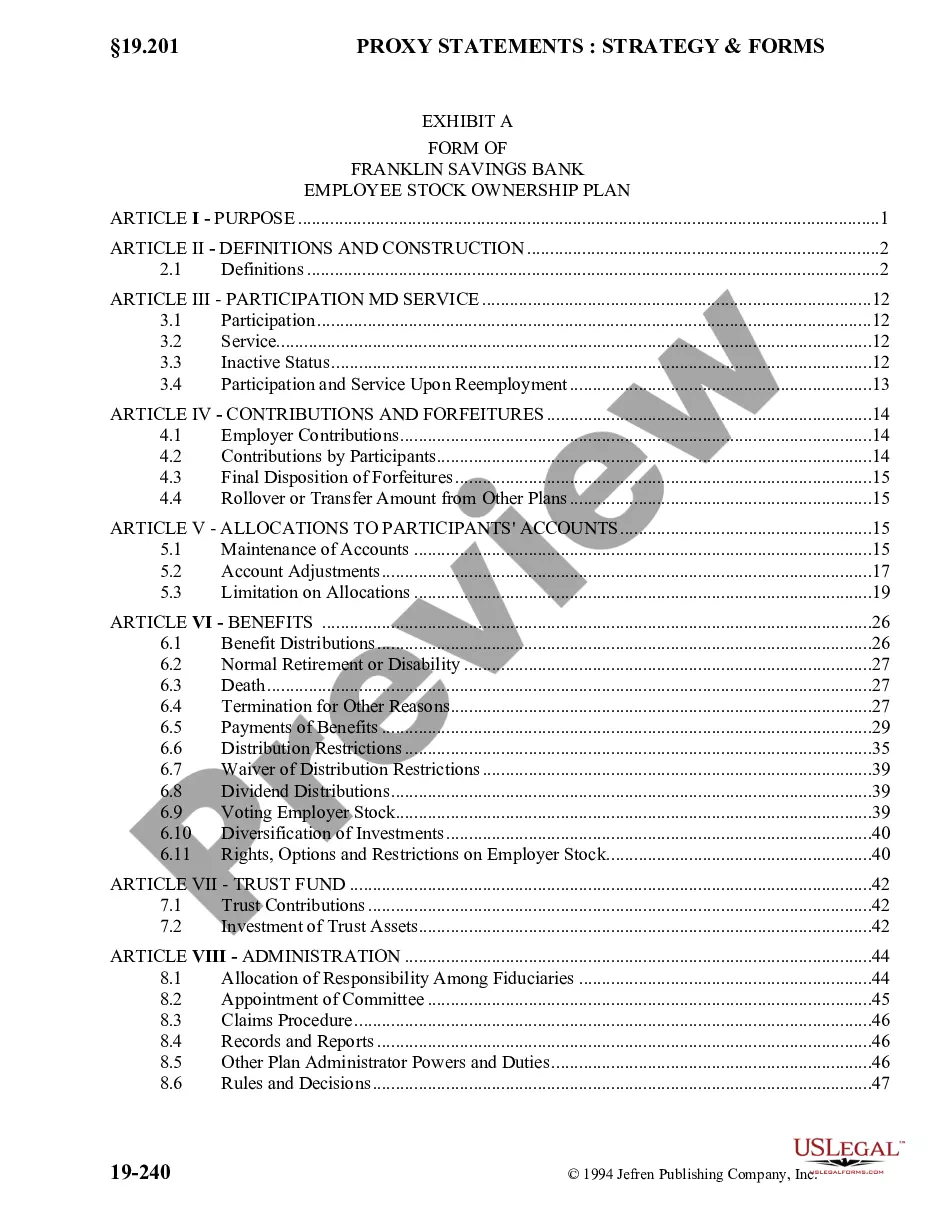
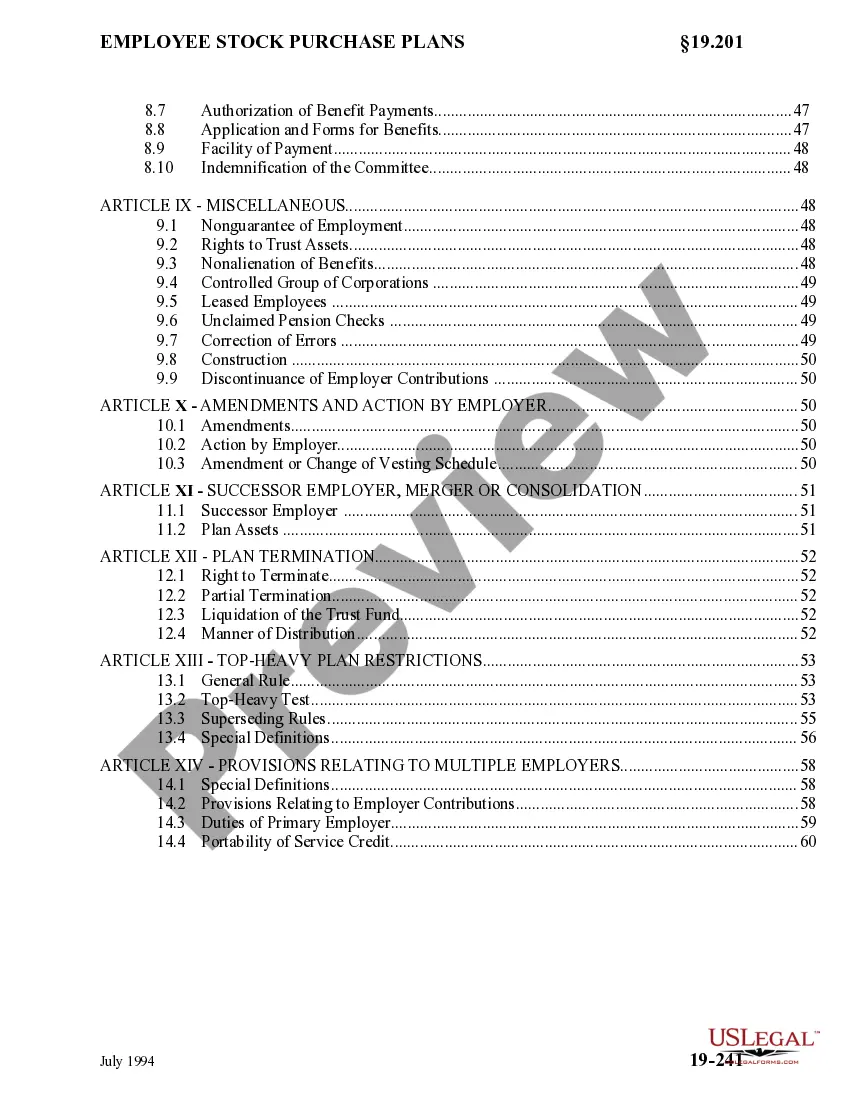
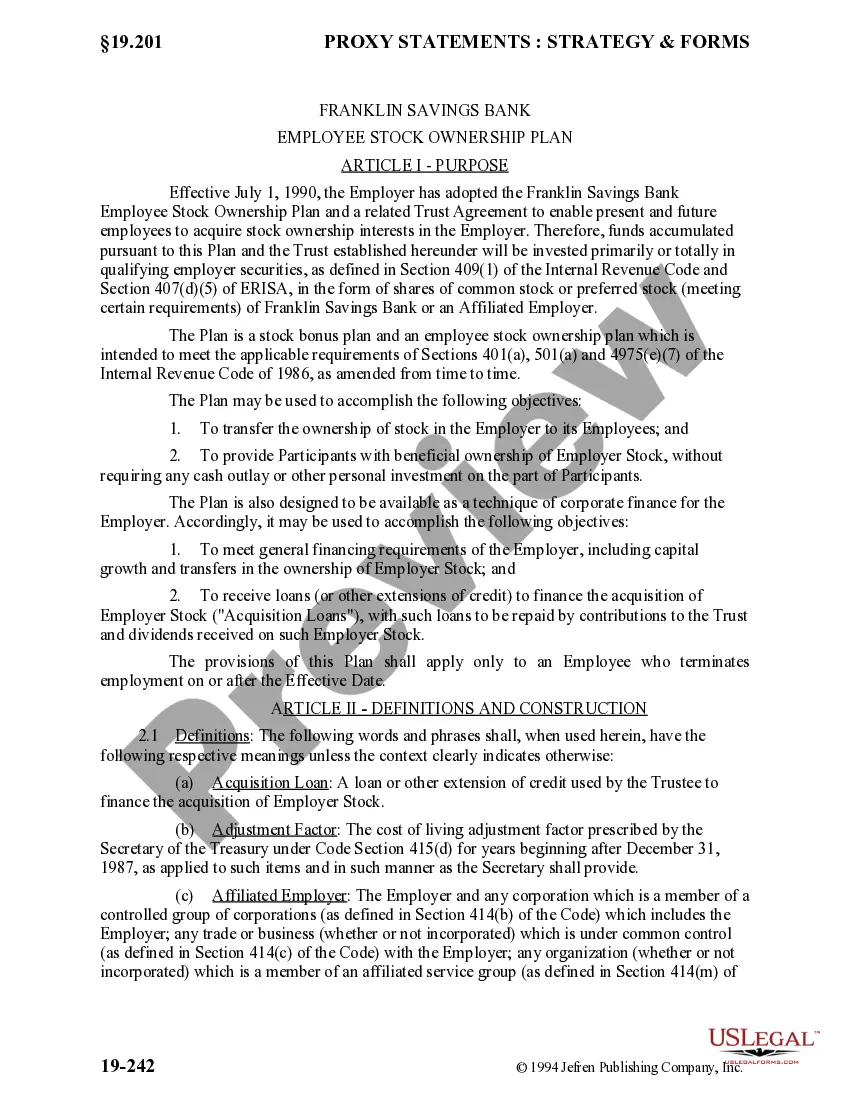
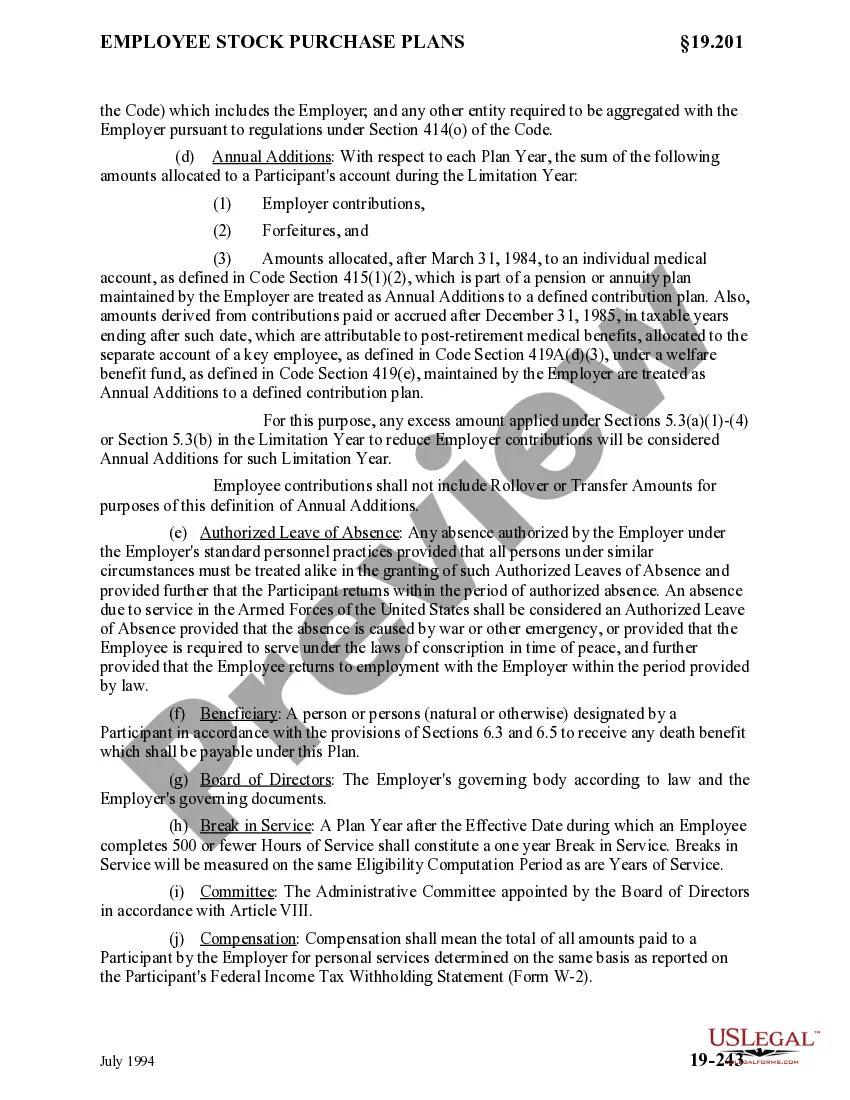
An Employee Stock Ownership Plan (ESOP) can have tax implications for both the employer and the employee. When employees receive shares, they typically do not face immediate tax liabilities; however, the employer may have deductions related to contributions made to the ESOP. Employers should be aware of the employee stock options tax implications for employer, as these plans can affect overall tax reporting and obligations.
When stock options vest, the employee may face tax implications that the employer must keep in mind. Generally, the vesting of stock options is considered taxable income to the employee, creating a liability for the employer regarding payroll taxes. Understanding the employee stock options tax implications for employer becomes essential, as they must account for this when reporting payroll and income taxes.