Stock Option Agreement
Description
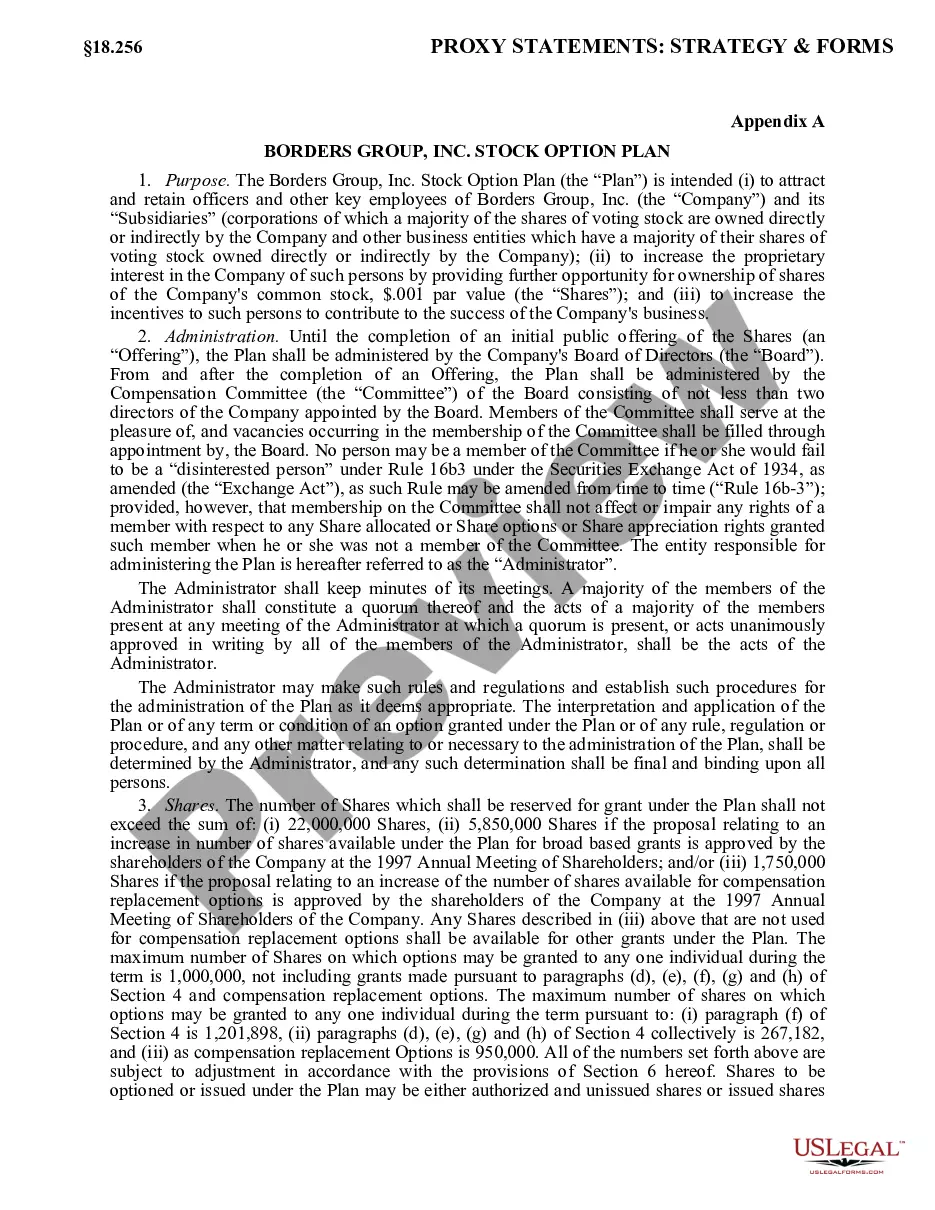
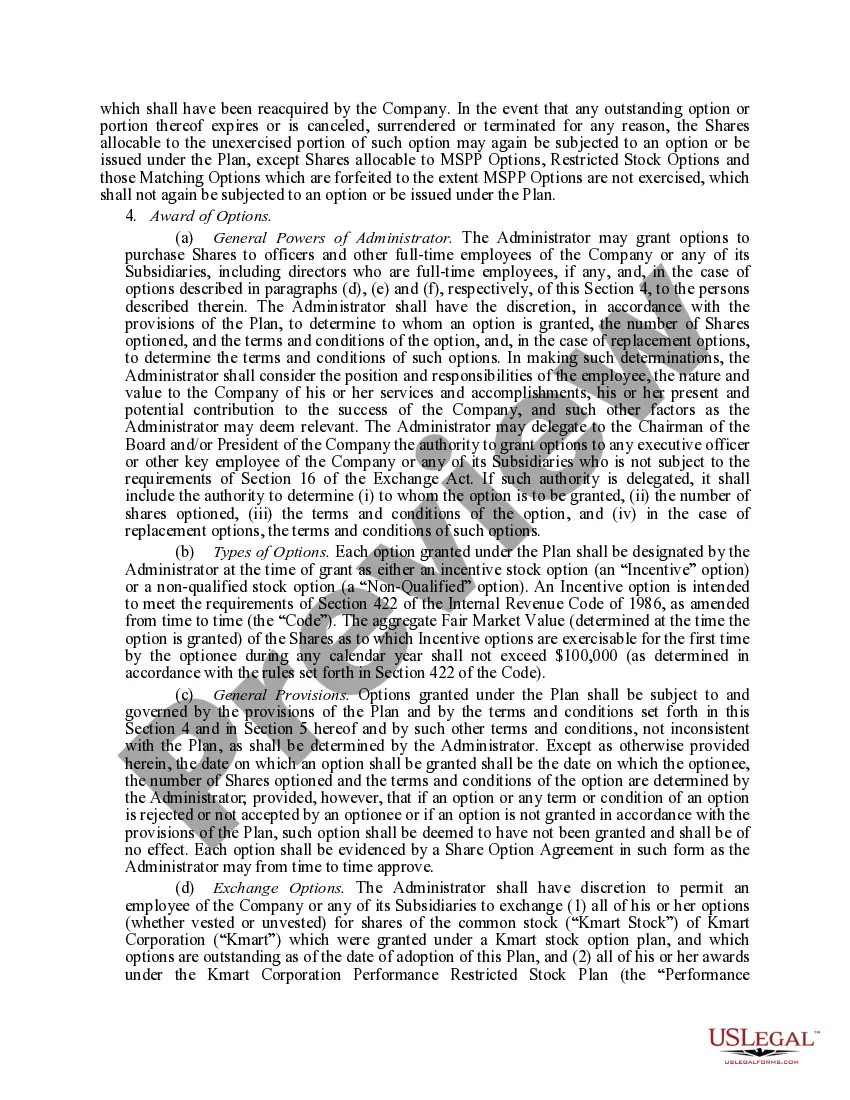
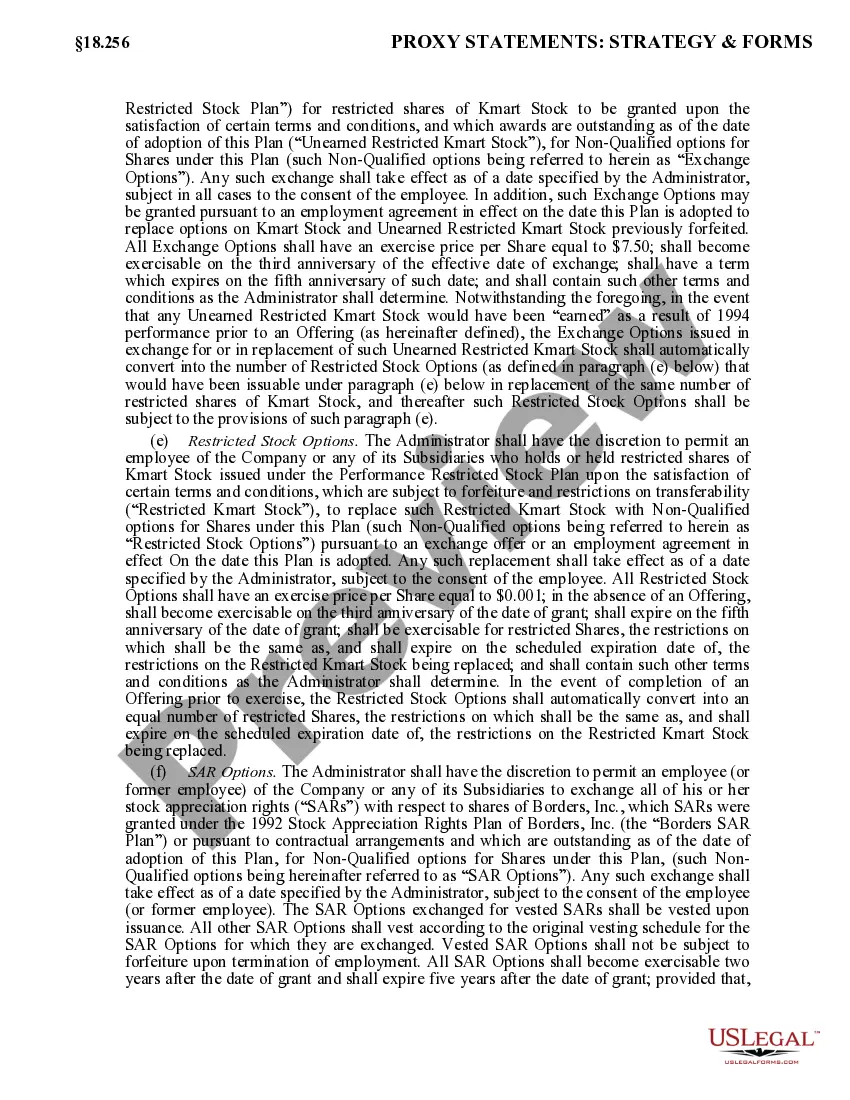
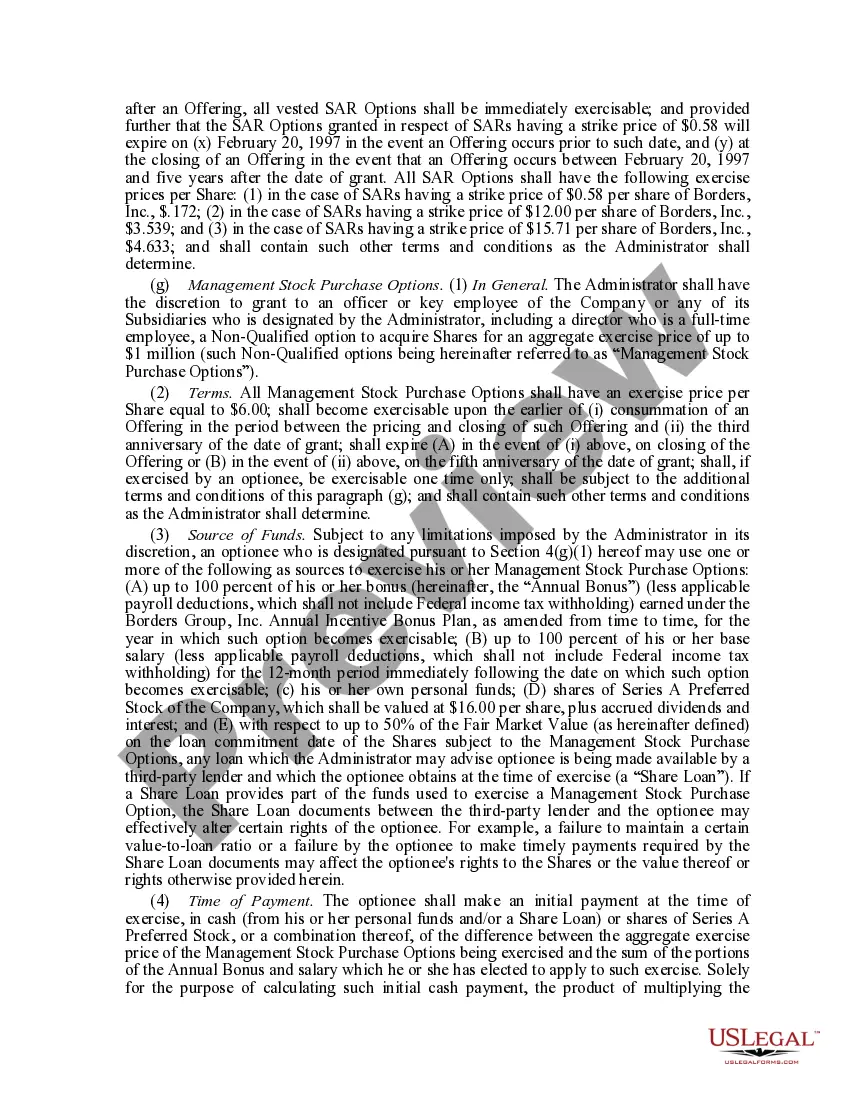

Get your form ready online
Our built-in tools help you complete, sign, share, and store your documents in one place.
Make edits, fill in missing information, and update formatting in US Legal Forms—just like you would in MS Word.
Download a copy, print it, send it by email, or mail it via USPS—whatever works best for your next step.
Sign and collect signatures with our SignNow integration. Send to multiple recipients, set reminders, and more. Go Premium to unlock E-Sign.
If this form requires notarization, complete it online through a secure video call—no need to meet a notary in person or wait for an appointment.
We protect your documents and personal data by following strict security and privacy standards.

Make edits, fill in missing information, and update formatting in US Legal Forms—just like you would in MS Word.

Download a copy, print it, send it by email, or mail it via USPS—whatever works best for your next step.

Sign and collect signatures with our SignNow integration. Send to multiple recipients, set reminders, and more. Go Premium to unlock E-Sign.

If this form requires notarization, complete it online through a secure video call—no need to meet a notary in person or wait for an appointment.

We protect your documents and personal data by following strict security and privacy standards.
Looking for another form?








How to fill out Stock Option Plan Stock Option Plan Which Provides For Grant Of Incentive Stock Options, Nonqualified Stock Options, And Exchange Options?
- For existing users, log into your US Legal Forms account and locate the stock option agreement template you need. Ensure your subscription is active before proceeding.
- If you're new to the service, start by reviewing the preview mode and descriptions of available forms. Confirm that the template meets your specific requirements and adheres to your jurisdiction's regulations.
- If you find any gaps, utilize the search feature to locate the most appropriate template for your situation.
- Once you've identified the right document, click 'Buy Now' and select a subscription plan that fits your needs.
- Complete your purchase by entering your credit card information or using your PayPal account for secure payment.
- Finally, download the completed form to your device. You can also access the template anytime in the 'My Forms' section of your account.
By following these steps, you can ensure that your stock option agreement is created efficiently and correctly. US Legal Forms provides users with access to an extensive library, enabling you to meet your legal needs with confidence.
Ready to get started? Visit US Legal Forms today and harness the power of their vast collection of legal templates!
Form popularity
FAQ
Employee stock options can be a beneficial strategy for aligning employee interests with company success. When employees have a stake in the company's growth, they may be more motivated to contribute to its success. However, it is crucial to draft a clear stock option agreement that addresses potential risks and rewards. This way, both parties can understand what is expected and how they can mutually benefit from the arrangement.
Determining how much stock options to give employees depends on various factors like company size, industry norms, and individual contributions. A well-structured stock option agreement can help guide these decisions while considering market practices. It is essential to balance offering attractive incentives with retaining a sustainable equity structure for your business. This ensures that both the company and its employees benefit in the long term.
One significant disadvantage of the employee stock option plan is the potential dilution of ownership. As more stock options are granted, existing shareholders may find their ownership percentage reduced. Additionally, employees might feel pressured to work toward short-term gains rather than long-term company health. To mitigate these issues, ensure your stock option agreement includes clear guidelines on ownership and performance expectations.
There are several downsides to stock options that you should be aware of. Firstly, they typically come with complex tax implications, which can unexpectedly affect your overall earnings. Secondly, if the company underperforms, the options could end up being a poor investment. Carefully reviewing your stock option agreement can help you comprehend these downsides before you proceed.
Stock option plans can carry risks that are essential to recognize. If the company's stock does not perform as expected, you could end up with options that have little to no value. Additionally, tax implications can arise upon exercising your options, affecting your overall financial strategy. A careful review of your stock option agreement can help you anticipate these issues.
To file stock options, begin by determining if your options resulted in a taxable event. You will need to report any income earned through your stock option agreement on your tax return, usually as capital gains or ordinary income. For added guidance, consider using the resources available on uslegalforms to ensure your filing process is straightforward and accurate.
Stock option contracts function similarly to agreements, granting the holder the right to buy or sell stocks under specified conditions. These contracts detail aspects such as premium prices, expiration dates, and eligibility. A clear understanding of stock option contracts can enhance your investment strategy and decision-making process.
The 7% rule is a guideline that suggests investors should limit their losses to 7% of a stock's value to manage risk. This strategy can be helpful when managing stock option agreements and maintaining overall portfolio health. By following this rule, you can protect your investments effectively.
You do not typically receive a 1099 for stock options unless you have sold the stocks. However, if your stock option agreement results in a taxable event, you may receive a form detailing this. It’s essential to keep track of your transactions to ensure accurate tax reporting.
The $100,000 rule limits the amount of stock options that can become eligible for favorable tax treatment in a single year. Specifically, if your stock option agreement grants options that exceed this limit, only the first $100,000 will qualify. Understanding this rule helps you make informed decisions about your stock option agreements and potential tax implications.