Warning Notice For Hostel Students
Description
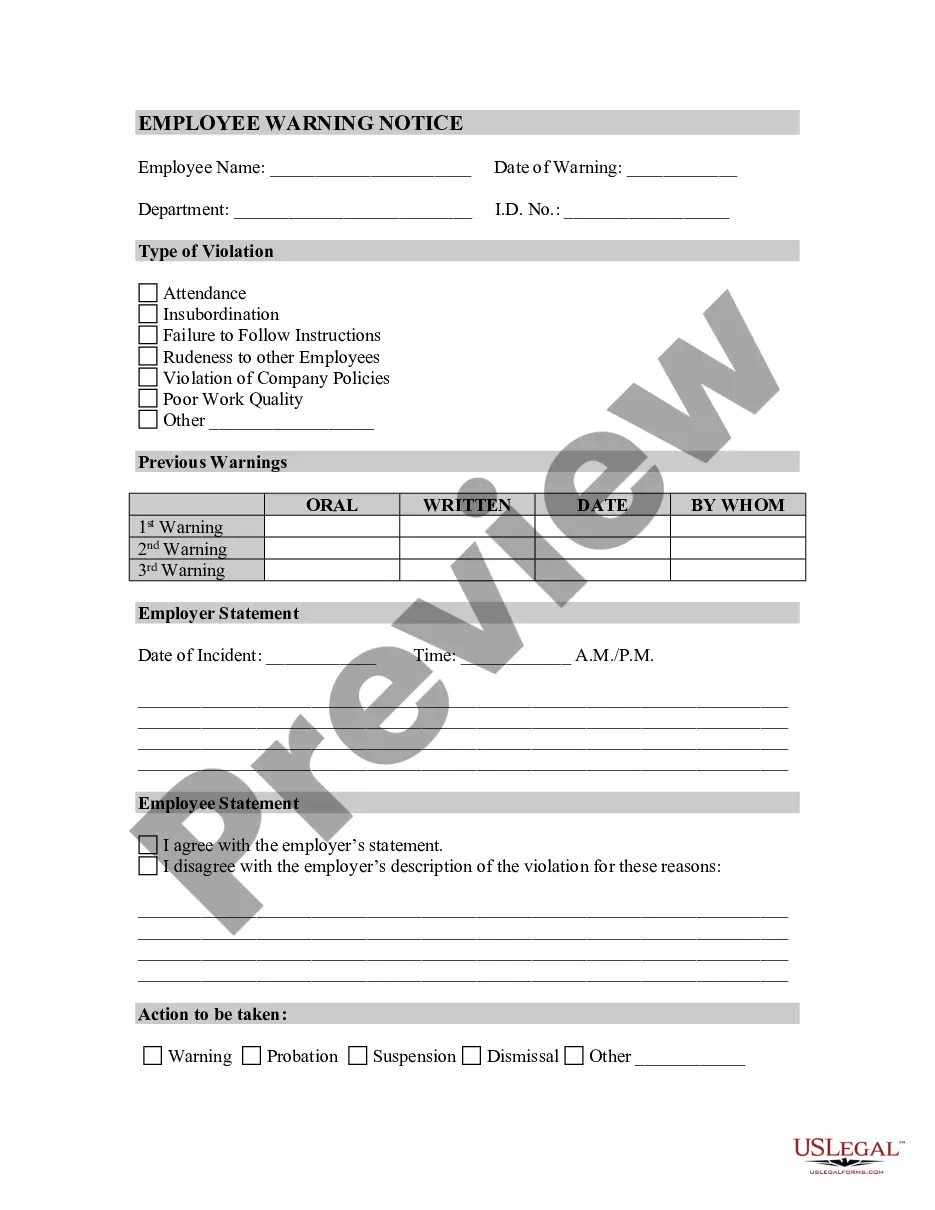
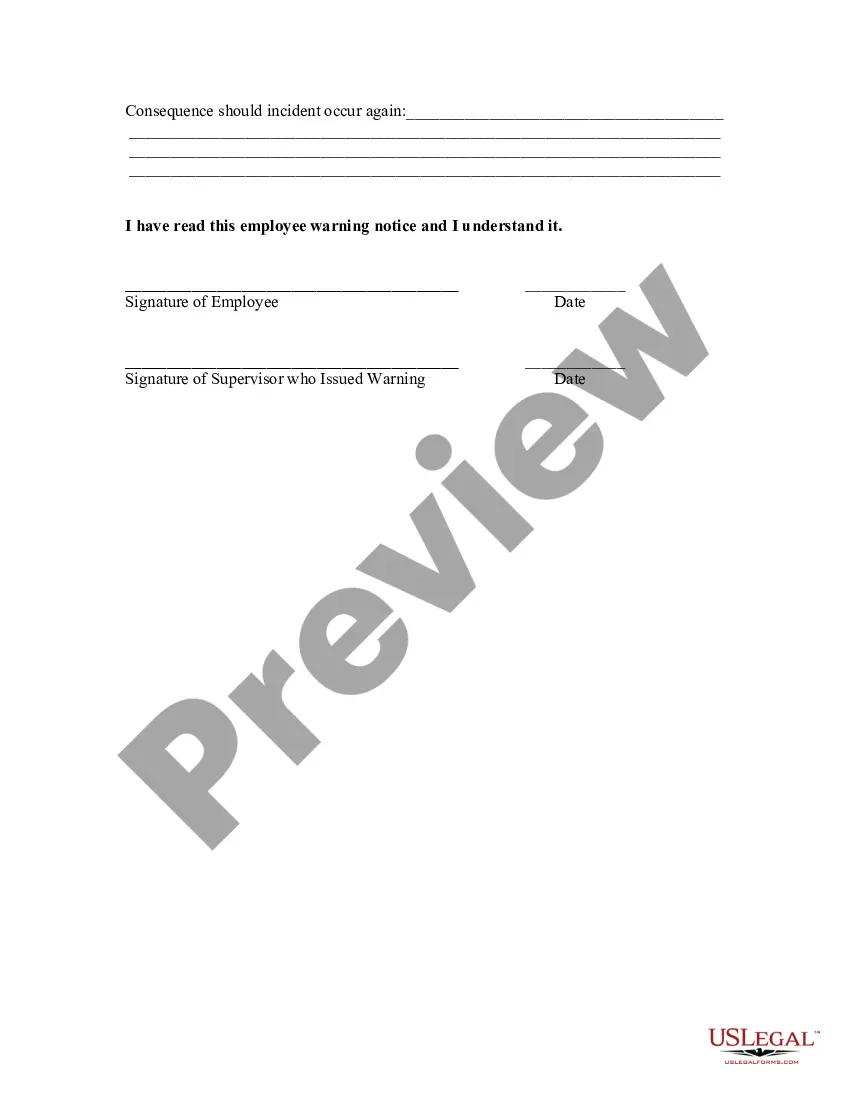
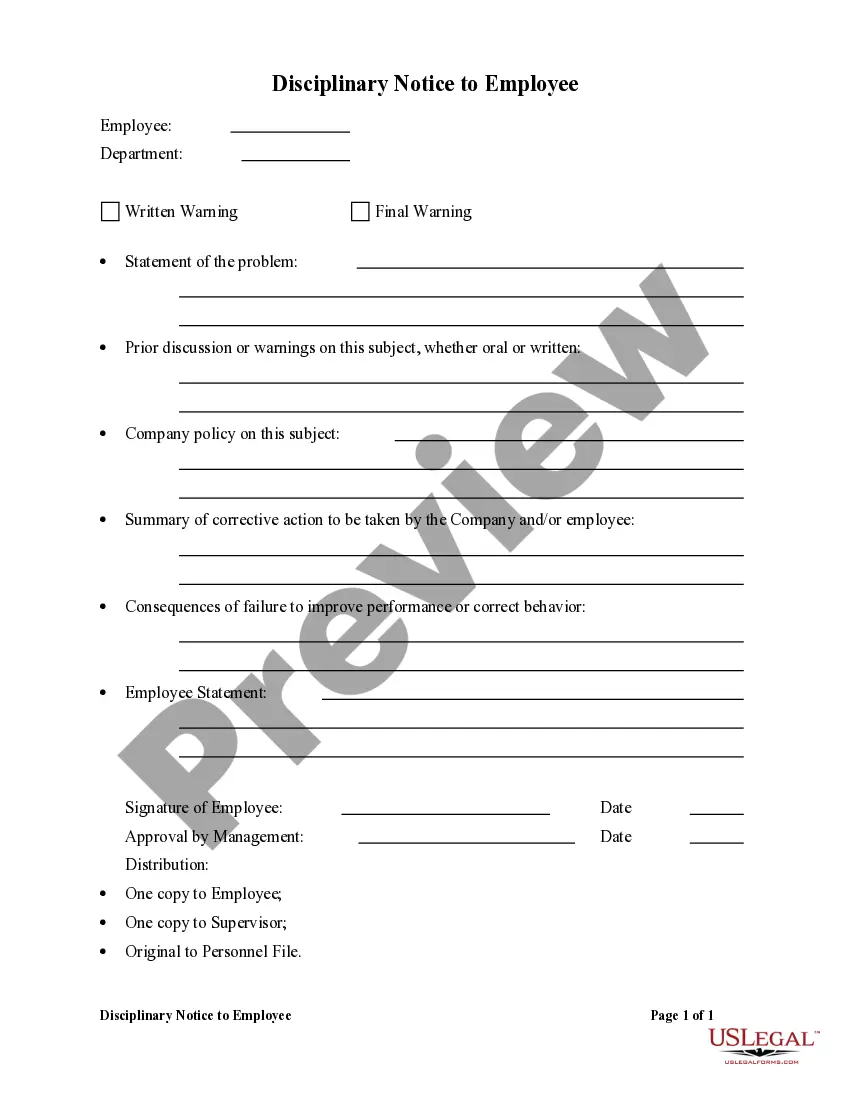
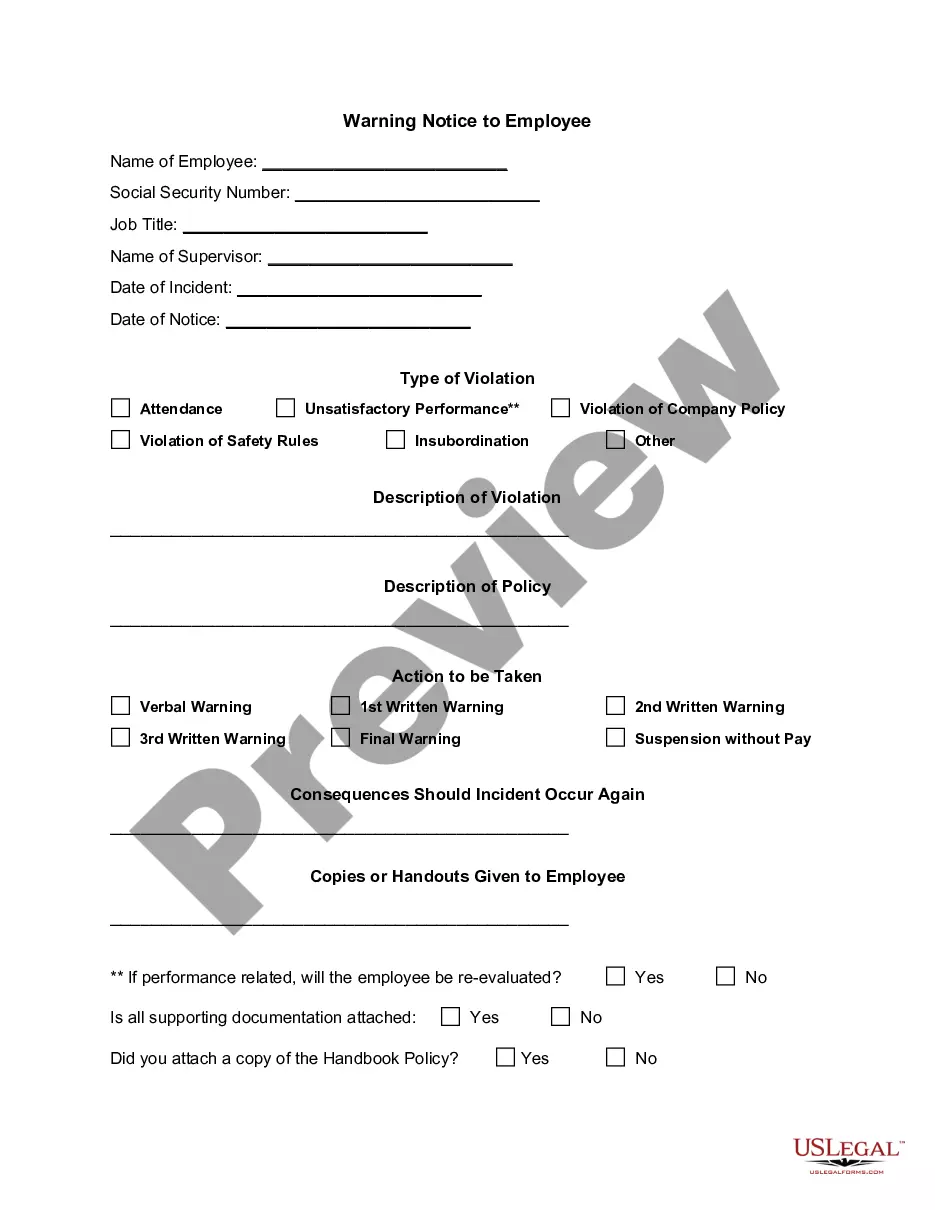
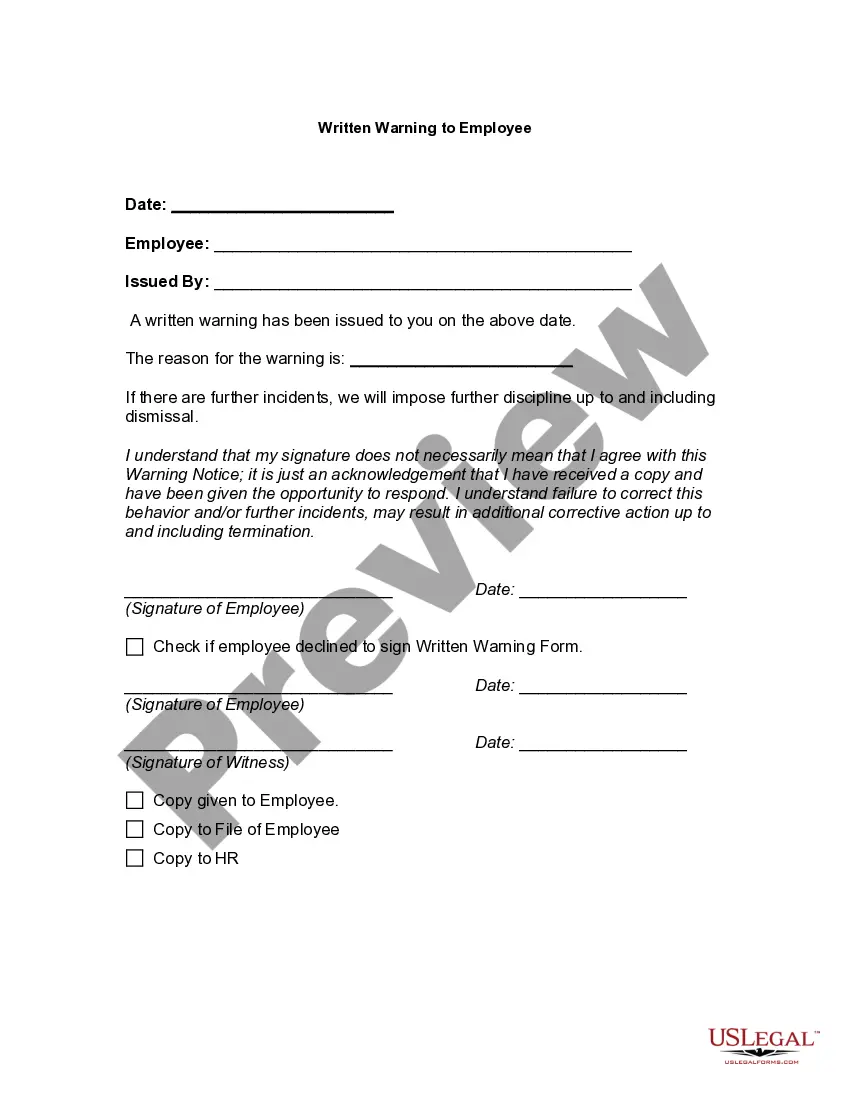
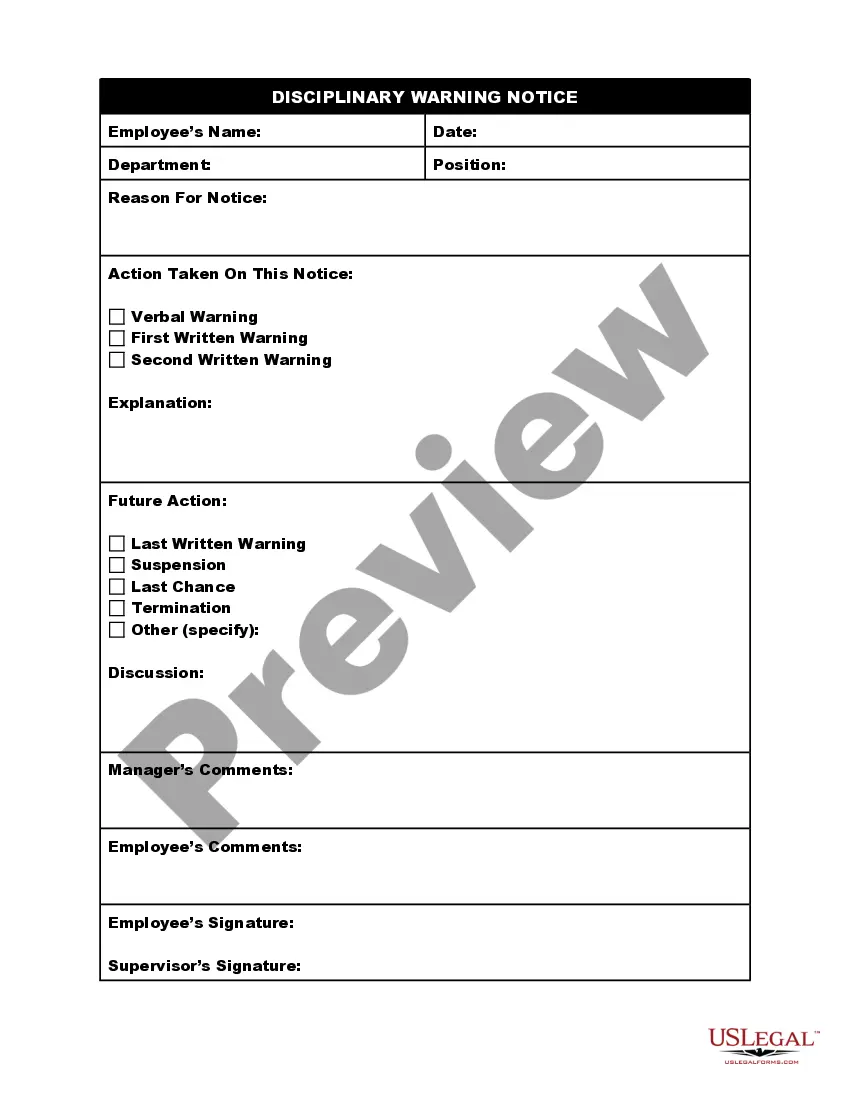
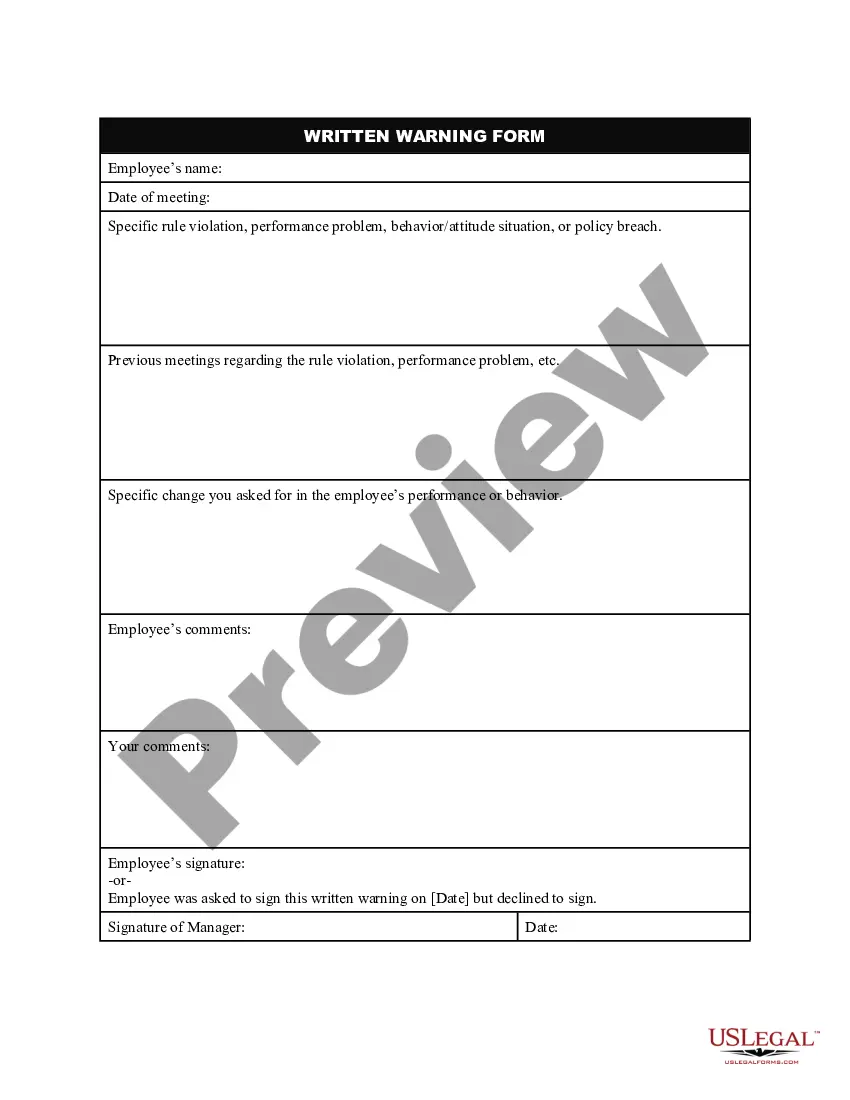
Get your form ready online
Our built-in tools help you complete, sign, share, and store your documents in one place.
Make edits, fill in missing information, and update formatting in US Legal Forms—just like you would in MS Word.
Download a copy, print it, send it by email, or mail it via USPS—whatever works best for your next step.
Sign and collect signatures with our SignNow integration. Send to multiple recipients, set reminders, and more. Go Premium to unlock E-Sign.
If this form requires notarization, complete it online through a secure video call—no need to meet a notary in person or wait for an appointment.
We protect your documents and personal data by following strict security and privacy standards.

Make edits, fill in missing information, and update formatting in US Legal Forms—just like you would in MS Word.

Download a copy, print it, send it by email, or mail it via USPS—whatever works best for your next step.

Sign and collect signatures with our SignNow integration. Send to multiple recipients, set reminders, and more. Go Premium to unlock E-Sign.

If this form requires notarization, complete it online through a secure video call—no need to meet a notary in person or wait for an appointment.

We protect your documents and personal data by following strict security and privacy standards.
Looking for another form?






How to fill out Employee Warning Notice?
It’s clear that you cannot become a legal expert instantly, nor can you quickly learn how to efficiently draft a Warning Notice For Hostel Students without possessing a specific set of abilities.
Drafting legal documents is a lengthy endeavor that necessitates certain training and expertise. Therefore, why not entrust the creation of the Warning Notice For Hostel Students to the experts.
With US Legal Forms, one of the most comprehensive legal template collections available, you can discover everything from court documents to templates for in-office correspondence.
At any time, you can revisit your documents from the My documents section. If you are a current client, you can simply Log In, and find and download the template from the same section.
Regardless of the aim of your documents—whether they are financial, legal, or personal—our site has the resources to assist you. Give US Legal Forms a try today!
- Locate the document you require using the search feature at the top of the webpage.
- View a preview (if this option is provided) and examine the accompanying description to determine if Warning Notice For Hostel Students is what you're looking for.
- If you need another template, restart your search.
- Create a free account and select a subscription plan to acquire the template.
- Select Buy now. Once the payment is processed, you can download the Warning Notice For Hostel Students, fill it out, print it, and send or dispatch it via post to the relevant individuals or organizations.
Form popularity
FAQ
To politely give a warning, choose your words carefully and maintain a respectful tone throughout the message. Frame it as a warning notice for hostel students so that the recipient understands the seriousness. Providing constructive feedback and expressing your willingness to help can soften the message and foster better communication.
Writing a warning notice to a tenant requires you to specify the reasons for the warning clearly. Mention any lease violations that have occurred while emphasizing that it serves as a warning notice for hostel students. Include a call to action, such as rectifying the situation within a certain timeframe.
An example warning letter should include a clear heading that states it is a warning notice for hostel students. Start with an introduction that identifies the student and the reason for the warning. Use a paragraph to describe the specific behavior in question and conclude with clear expectations moving forward.
Giving a student a warning involves communicating the issue directly and compassionately. Make it clear that it is a warning notice for hostel students, and specify the behavior that must change. It is helpful to offer guidance on how they can improve, fostering a supportive learning environment.
To send a warning letter, begin with a proper heading that includes the date and recipient's name. Be clear about the purpose of the letter as a warning notice for hostel students, and ensure your message outlines the necessary actions to correct the behavior. You can send it via postal service, email, or deliver it directly.
To send someone a warning, format your message to include specific details about their behavior or actions. Use a direct yet respectful tone, making sure to mention it is a warning notification for hostel students. Deliver the message in a manner that ensures it is received, such as email or a personal meeting.
When writing a warning letter to students, make sure to address them by name and specify the issue that prompted the warning. Clearly outline expectations and consequences if behavior does not improve. Ending with a note of support can encourage positive changes among hostel students.
To send a warning letter, start by drafting the letter with clear and concise language. Include the date, recipient's details, and a subject line that mentions it is a warning notice for hostel students. Once finalized, send it via email or print it out and deliver it personally for stronger impact.
To provide constructive feedback to students, be honest yet compassionate. Start with the positive aspects before addressing areas that require improvement. Use clear, specific language to ensure the student understands what they need to work on, and suggest actionable steps for growth. Balancing critique with encouragement can help students stay motivated and receptive.
When giving someone a warning, it's important to approach the conversation respectfully and clearly. Begin by discussing the specific behavior that needs to change, so they understand the context. Provide any necessary context regarding policies or rules that apply here. Finally, encourage dialogue, allowing them to share their side or understanding of the situation.