Employee Journey
Description
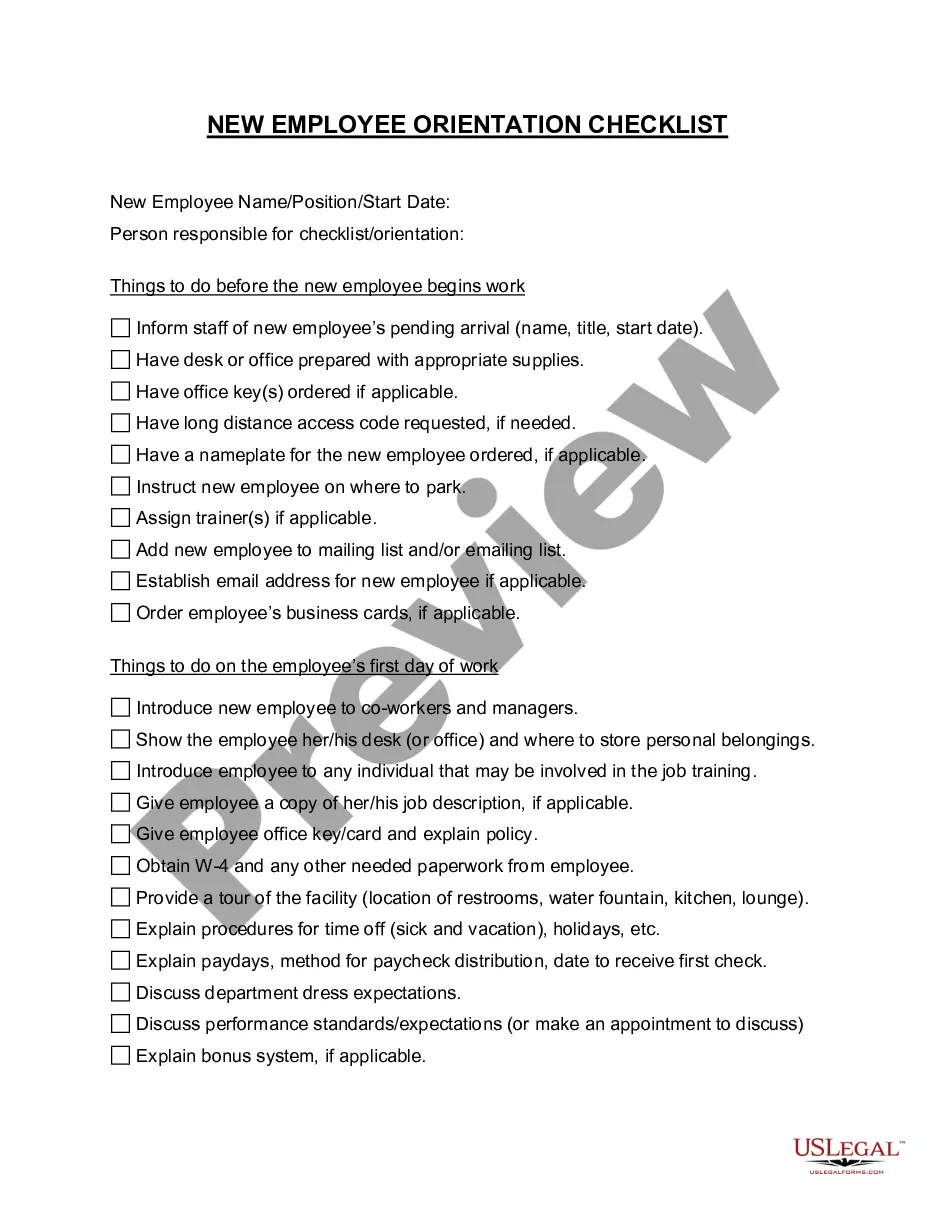
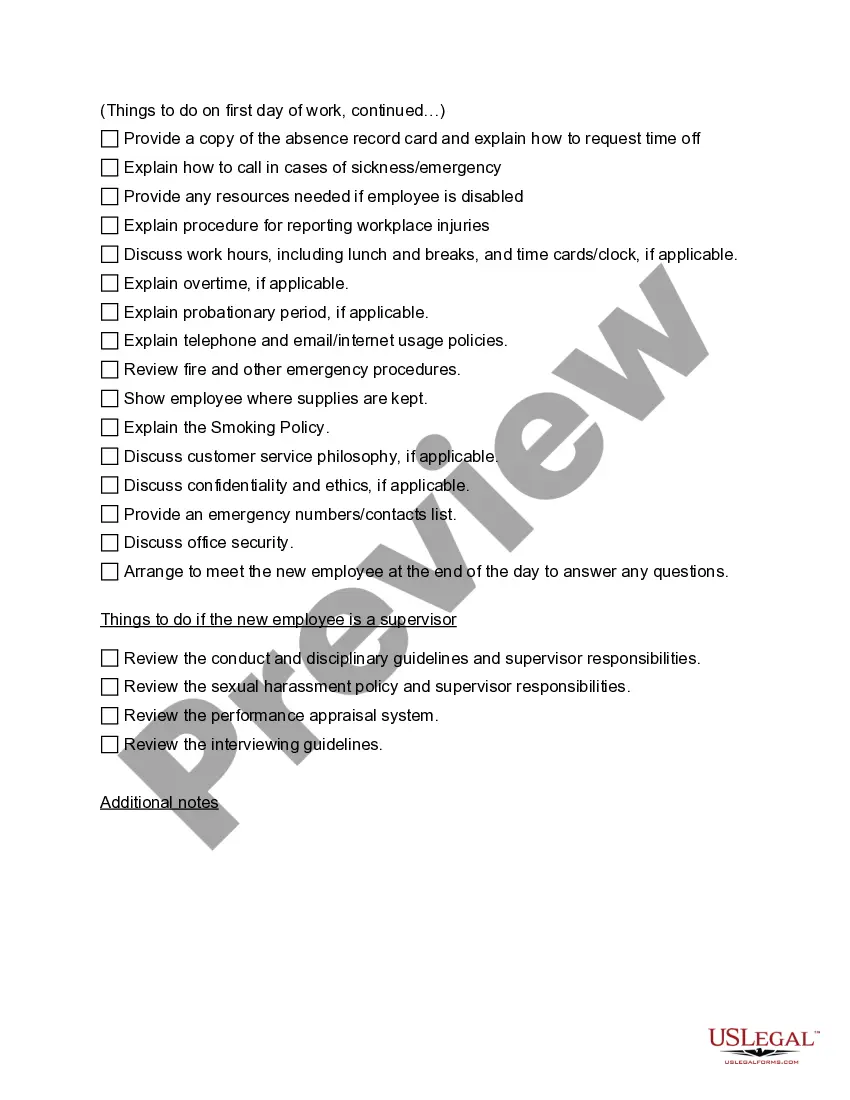
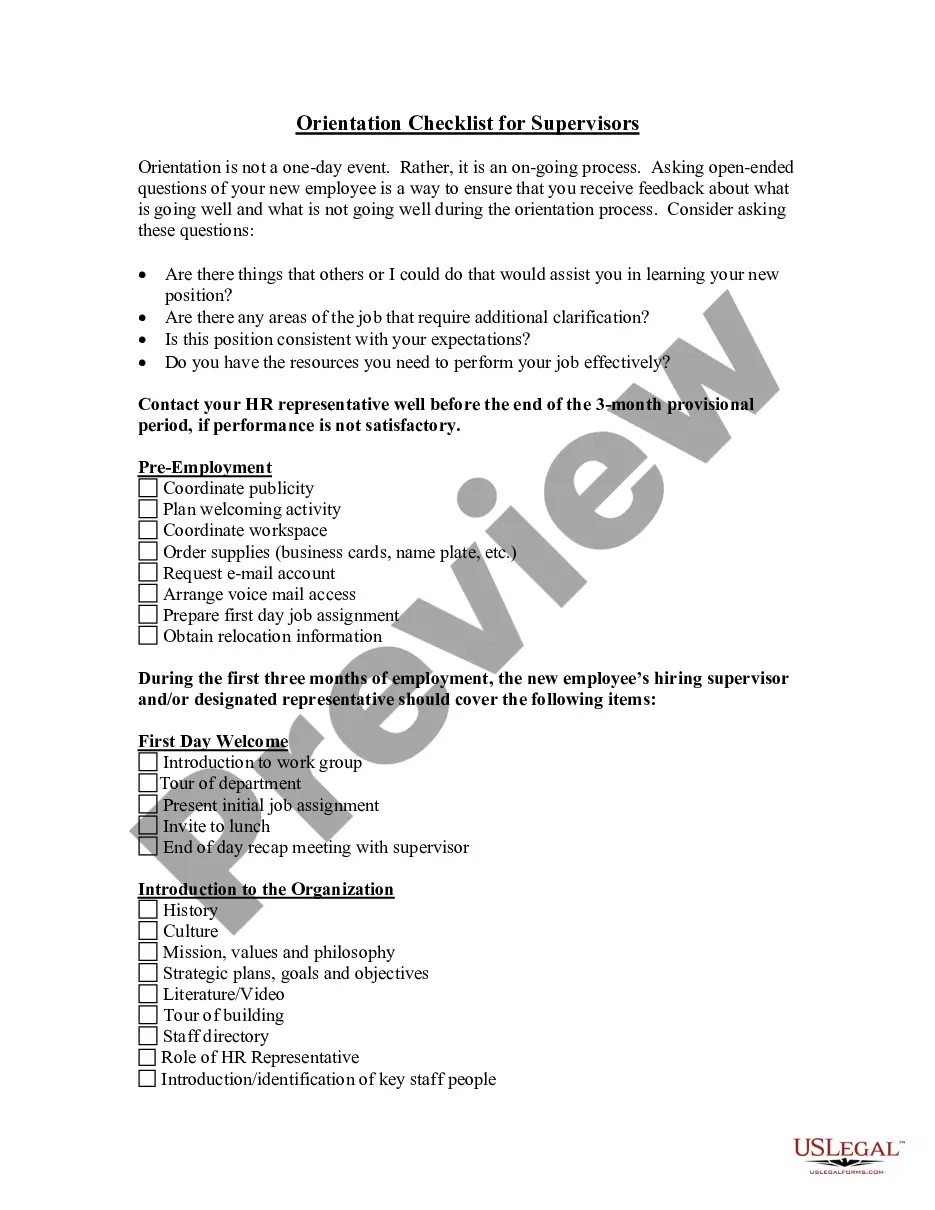
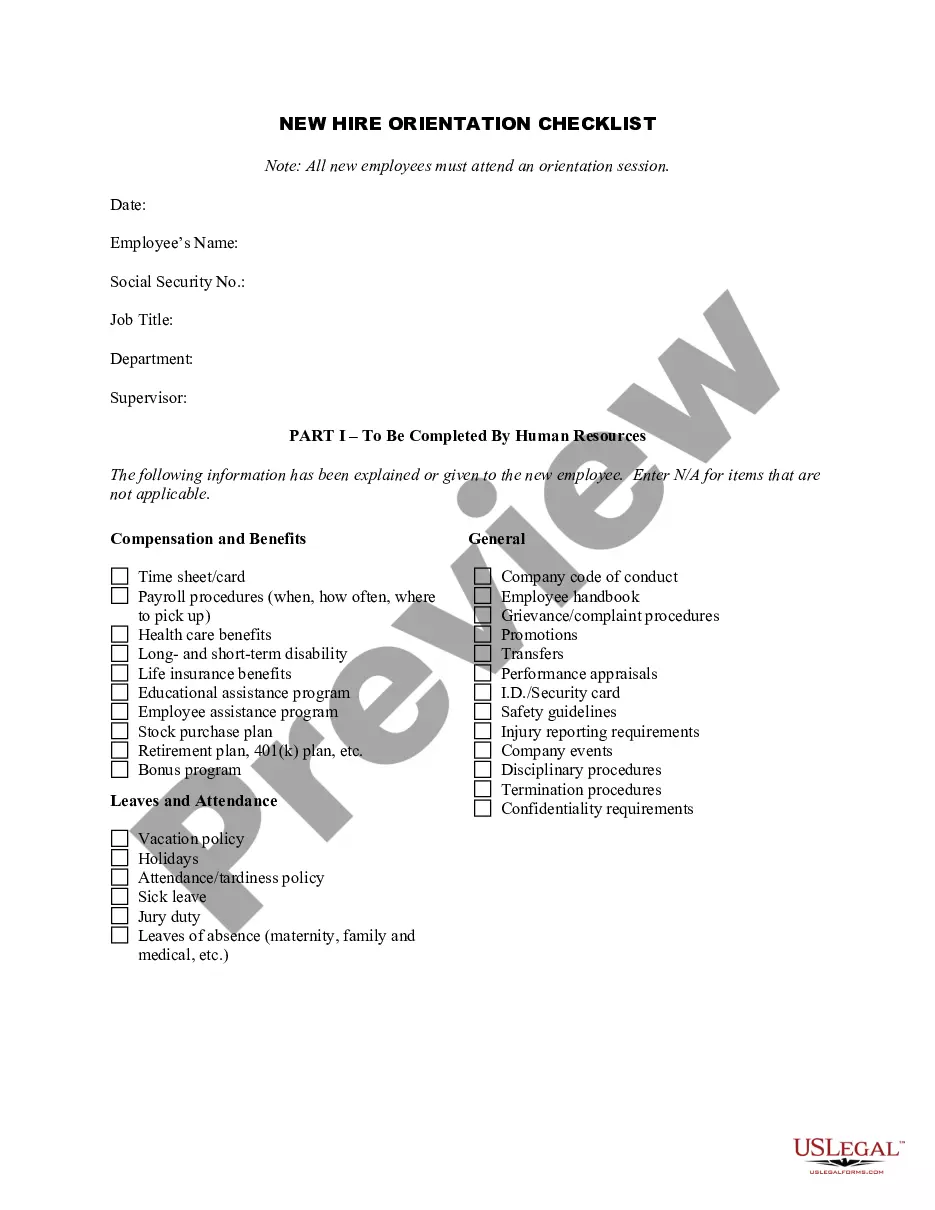
Get your form ready online
Our built-in tools help you complete, sign, share, and store your documents in one place.
Make edits, fill in missing information, and update formatting in US Legal Forms—just like you would in MS Word.
Download a copy, print it, send it by email, or mail it via USPS—whatever works best for your next step.
Sign and collect signatures with our SignNow integration. Send to multiple recipients, set reminders, and more. Go Premium to unlock E-Sign.
If this form requires notarization, complete it online through a secure video call—no need to meet a notary in person or wait for an appointment.
We protect your documents and personal data by following strict security and privacy standards.

Make edits, fill in missing information, and update formatting in US Legal Forms—just like you would in MS Word.

Download a copy, print it, send it by email, or mail it via USPS—whatever works best for your next step.

Sign and collect signatures with our SignNow integration. Send to multiple recipients, set reminders, and more. Go Premium to unlock E-Sign.

If this form requires notarization, complete it online through a secure video call—no need to meet a notary in person or wait for an appointment.

We protect your documents and personal data by following strict security and privacy standards.
Looking for another form?









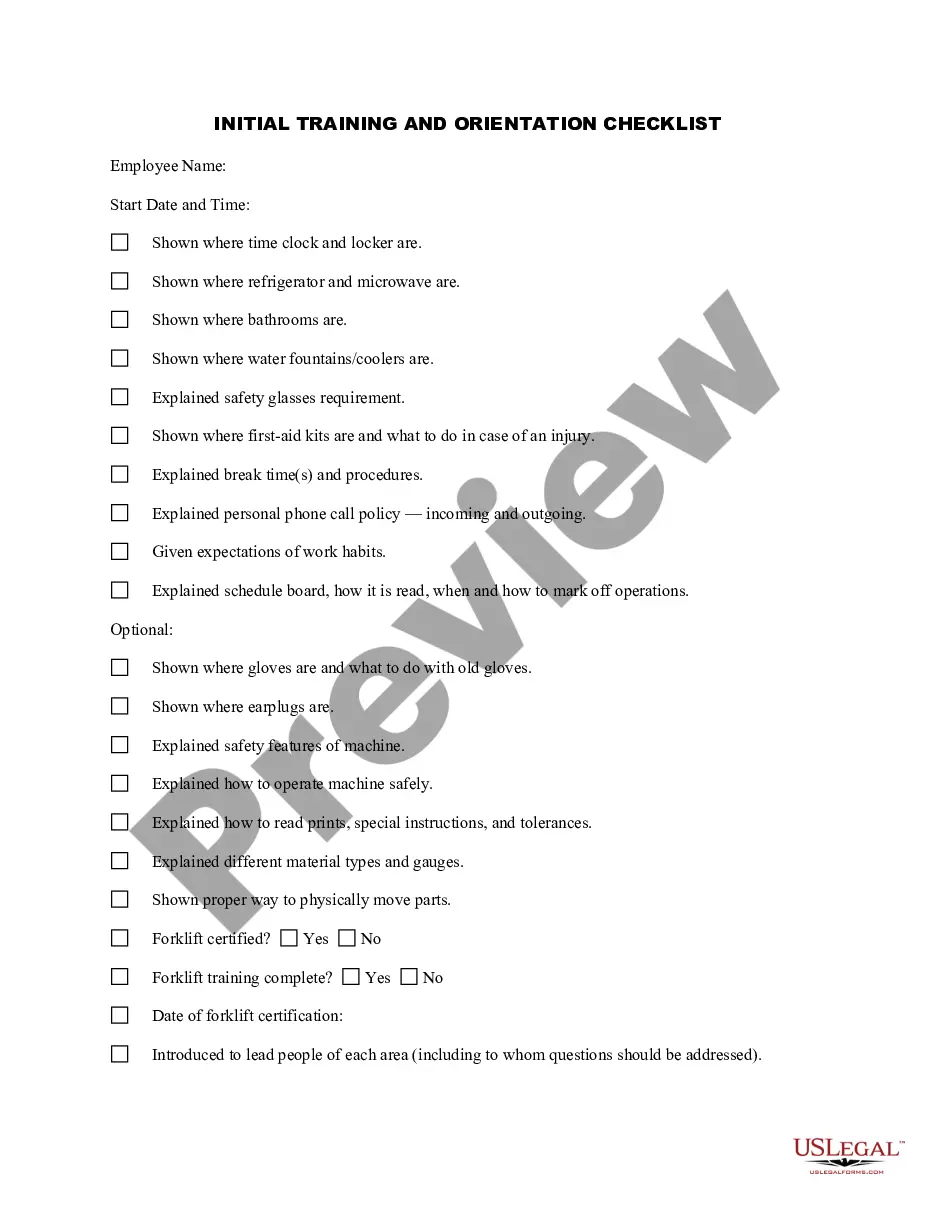
How to fill out New Employee Orientation Checklist?
- Log in to your account if you're a returning user. Ensure your subscription is active; if it's expired, renew it according to your chosen plan.
- For first-time users, start by browsing the Preview mode and detailed form descriptions to find a document that meets your needs and adheres to your local jurisdiction.
- If you notice any inconsistencies in the document, utilize the Search function to locate the correct template before proceeding.
- Once you've found the suitable form, click the 'Buy Now' button, and select your preferred subscription plan. Creating an account will unlock the full library.
- Complete your purchase by entering your payment details, either through credit card or PayPal, to finalize the subscription.
- Finally, download your chosen document and save it to your device. You can also revisit it anytime through the 'My Forms' section of your profile.
With US Legal Forms, you're not just accessing a vast collection of legal documents; you're also ensuring that your forms are accurate and compliant. Their premium experts are available to assist with any questions, making your employee journey seamless.
Start your journey today by exploring US Legal Forms and discover how easy legal documentation can be!
Form popularity
FAQ
In the workplace, a journey refers to the complete experience an employee undergoes throughout their tenure with a company. This includes recruitment, training, performance assessments, and exits. By focusing on the employee journey, organizations can create a more engaging and supportive work environment. Ultimately, an effective approach to the employee journey facilitates growth, satisfaction, and retention.
While both customer journeys and employee journeys map experiences, they focus on different entities. The customer journey tracks interactions that a consumer has with a brand, while the employee journey details the experiences an employee has within an organization. Each journey plays a crucial role in understanding satisfaction and retention. Recognizing these differences helps businesses better meet the needs of both employees and customers.
Employee journeys encompass the various stages an employee experiences from recruitment to departure. This includes onboarding, training, performance evaluations, and career development. Understanding the employee journey can help organizations enhance employee satisfaction and productivity. By analyzing these stages, businesses can identify areas for improvement, ensuring a positive work environment.
To file employee records, start by gathering all necessary documents, including employment contracts, performance reviews, and tax forms. Organize these records systematically, ensuring you label each file clearly. Using digital tools or platforms like USLegalForms can help streamline this process, allowing you to keep track of your employee journey efficiently. This organized approach safeguards important information and simplifies access when needed.
To notify your employer of a change in availability, it's best to communicate as soon as possible. Provide them with updated dates and times in a concise format, either through a direct message or a formal email. Being proactive in updating your availability supports a smoother employee journey and helps keep scheduling running smoothly.
When formatting a schedule of availability, ensure it's easy to read and understand. Use clear headings for days and times, and consider using color coding for different roles or shifts. A well-structured schedule not only helps in communication but also improves the overall employee journey by aligning everyone’s expectations.
To create an effective employee journey, start by mapping out each stage of the employee's experience. Consider conducting surveys for insight into employee needs and expectations. Using this data, design tailored programs that enhance engagement, learning, and development throughout their journey.
The employee journey refers to the complete experience an employee has with an organization, from the initial recruitment to their eventual departure. It encompasses every interaction, feeling, and development along the way. A positive employee journey fosters engagement and loyalty, ultimately benefiting the organization as a whole.
The employee journey consists of several key stages, including recruitment, onboarding, development, retention, and offboarding. Each stage plays a critical role in enhancing employee experience and engagement. Understanding these stages helps organizations create tailored approaches to support employees at every step of their journey.
Collecting employee availability can be done through simple surveys or dedicated scheduling forms. Consider using online tools that allow employees to submit their available times conveniently. By centralizing this data, you ensure that everyone's availability is considered, making the planning process smoother in the employee journey.