Agreed Counsel With An Oath
Description


Get your form ready online
Our built-in tools help you complete, sign, share, and store your documents in one place.
Make edits, fill in missing information, and update formatting in US Legal Forms—just like you would in MS Word.
Download a copy, print it, send it by email, or mail it via USPS—whatever works best for your next step.
Sign and collect signatures with our SignNow integration. Send to multiple recipients, set reminders, and more. Go Premium to unlock E-Sign.
If this form requires notarization, complete it online through a secure video call—no need to meet a notary in person or wait for an appointment.
We protect your documents and personal data by following strict security and privacy standards.

Make edits, fill in missing information, and update formatting in US Legal Forms—just like you would in MS Word.

Download a copy, print it, send it by email, or mail it via USPS—whatever works best for your next step.

Sign and collect signatures with our SignNow integration. Send to multiple recipients, set reminders, and more. Go Premium to unlock E-Sign.

If this form requires notarization, complete it online through a secure video call—no need to meet a notary in person or wait for an appointment.

We protect your documents and personal data by following strict security and privacy standards.
Looking for another form?







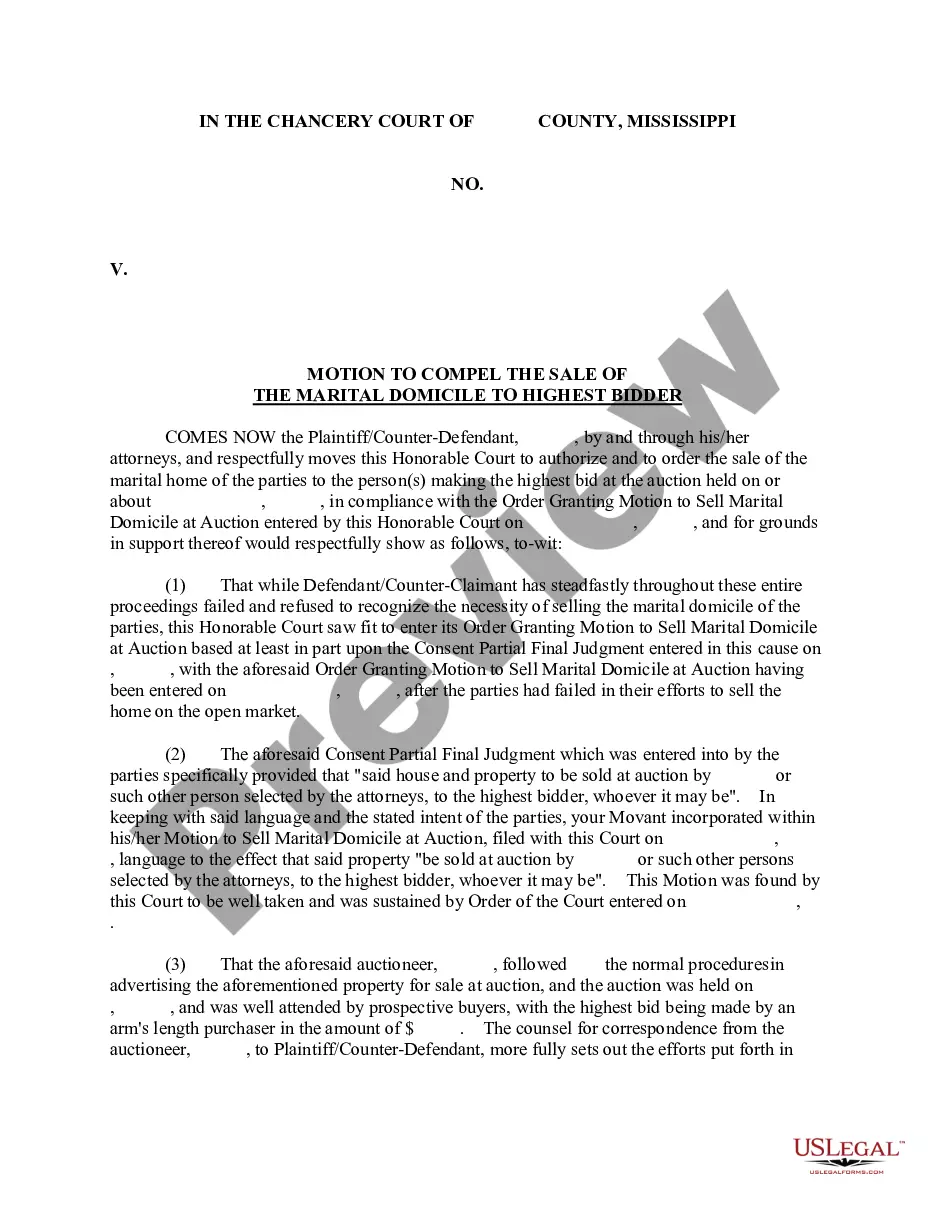
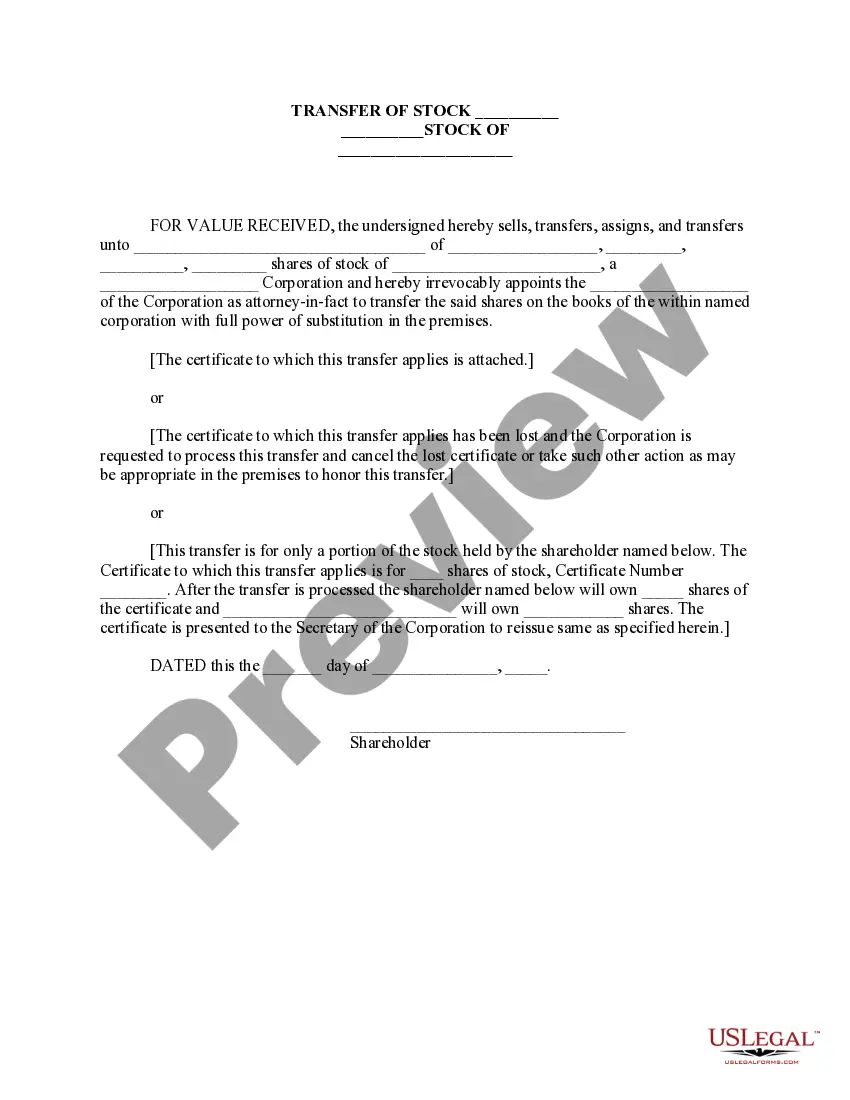

How to fill out Sample Letter For Agreed Order Substituting Counsel?
Legal management can be frustrating, even for skilled specialists. When you are interested in a Agreed Counsel With An Oath and don’t get the time to commit in search of the right and updated version, the procedures may be nerve-racking. A strong web form library can be a gamechanger for anybody who wants to deal with these situations effectively. US Legal Forms is a market leader in online legal forms, with over 85,000 state-specific legal forms accessible to you anytime.
With US Legal Forms, you can:
- Access state- or county-specific legal and organization forms. US Legal Forms covers any demands you may have, from individual to organization documents, in one place.
- Employ advanced tools to accomplish and deal with your Agreed Counsel With An Oath
- Access a resource base of articles, instructions and handbooks and resources relevant to your situation and requirements
Help save effort and time in search of the documents you need, and make use of US Legal Forms’ advanced search and Preview feature to find Agreed Counsel With An Oath and get it. For those who have a subscription, log in to your US Legal Forms account, look for the form, and get it. Review your My Forms tab to view the documents you previously saved as well as deal with your folders as you see fit.
If it is your first time with US Legal Forms, create a free account and acquire unrestricted usage of all benefits of the platform. Here are the steps to take after getting the form you need:
- Validate it is the correct form by previewing it and reading through its information.
- Be sure that the sample is approved in your state or county.
- Select Buy Now once you are ready.
- Select a monthly subscription plan.
- Find the file format you need, and Download, complete, eSign, print and send your papers.
Benefit from the US Legal Forms web library, supported with 25 years of experience and reliability. Enhance your day-to-day papers managing in to a smooth and user-friendly process today.
Form popularity
FAQ
Occasionally, lawyers are in Court to give testimony. They are called as witnesses just as a party might be. Usually, the Court waives the requirement of administering the Oath. While done as a courtesy, it does not reduce the lawyer's obligation to be truthful.
Taking the attorney's oath is not just a ritual. It is required for admission to practice law in California. You may take the oath at an in-person or virtual group swearing-in ceremony organized by your law school, local bar association, or through another group.
An oath is a promise to a deity and an affirmation is a pledge on one's personal honor. Both are legally binding promises to tell the truth and subject the oath-taker or affirmant to penalties for perjury.
Hear this out loud PauseA lawyer is himself/herself still obligated to be truthful in his/her capacity of presenting and arguing the case in court, but lawyers are not sworn as witnesses in court unless they are themselves testifying.
Unlike many other professional oaths, the lawyer's oath has some force of law; in most states, statutes require lawyers to take the oath as a condition of their licensure and mandate punishment for oath violations. The oath also performs ethical functions.