Transfer Request Letter With Purpose
Description
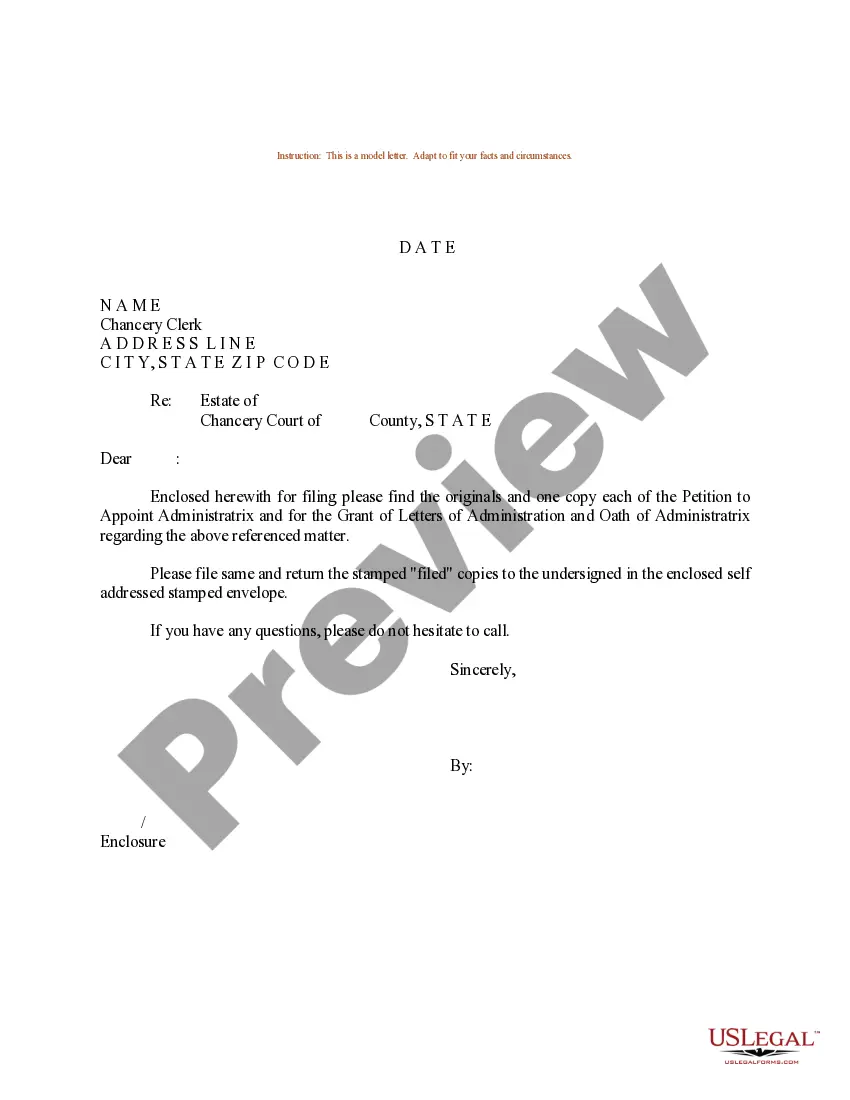
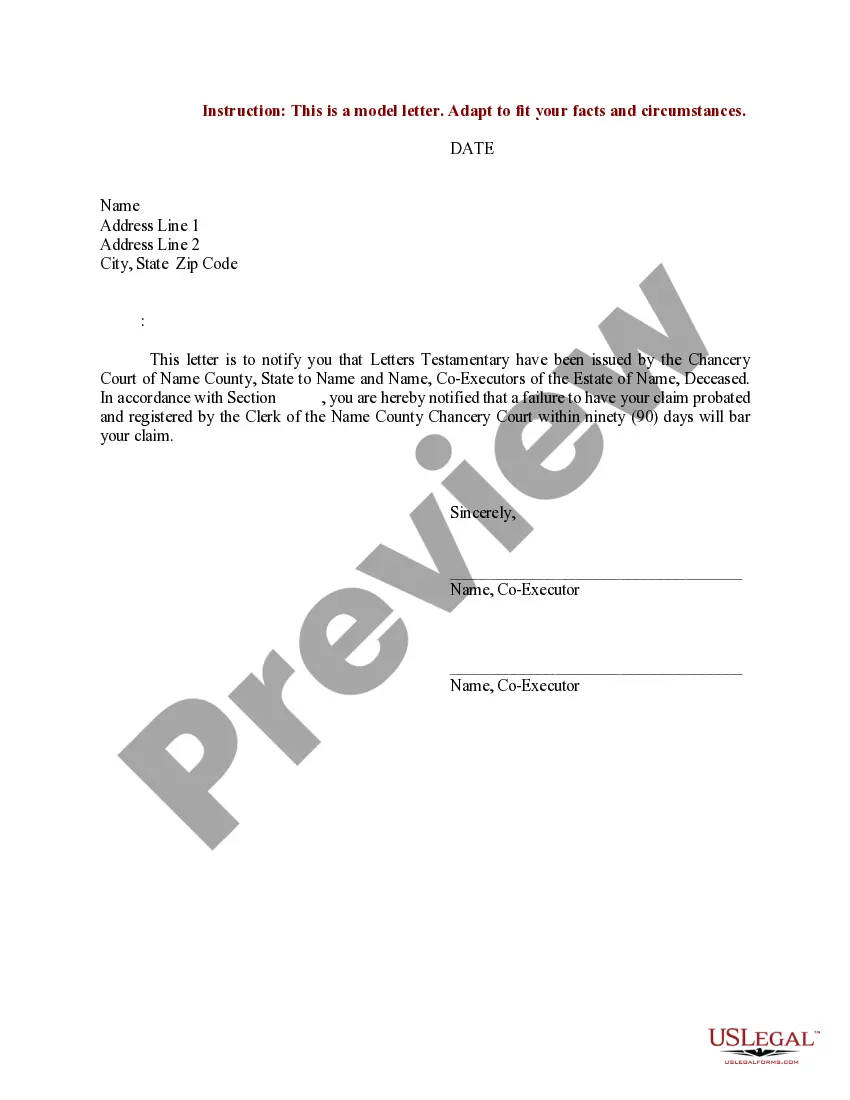

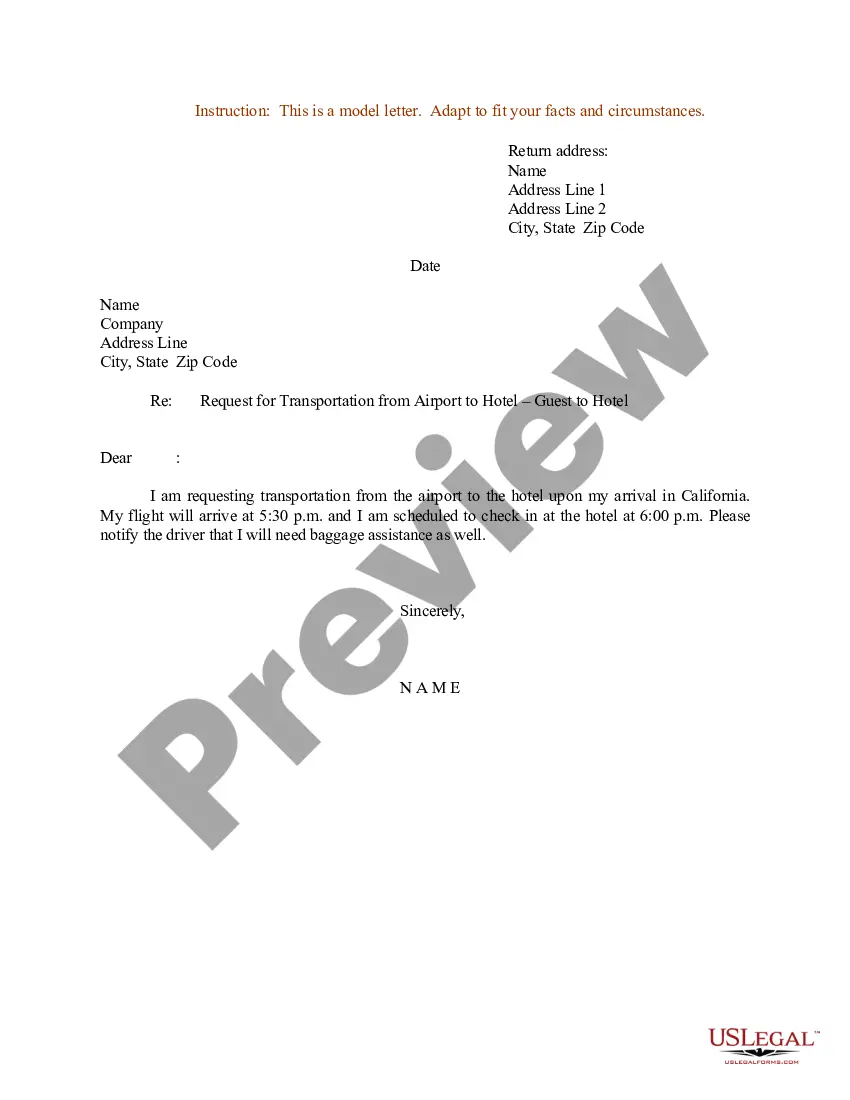
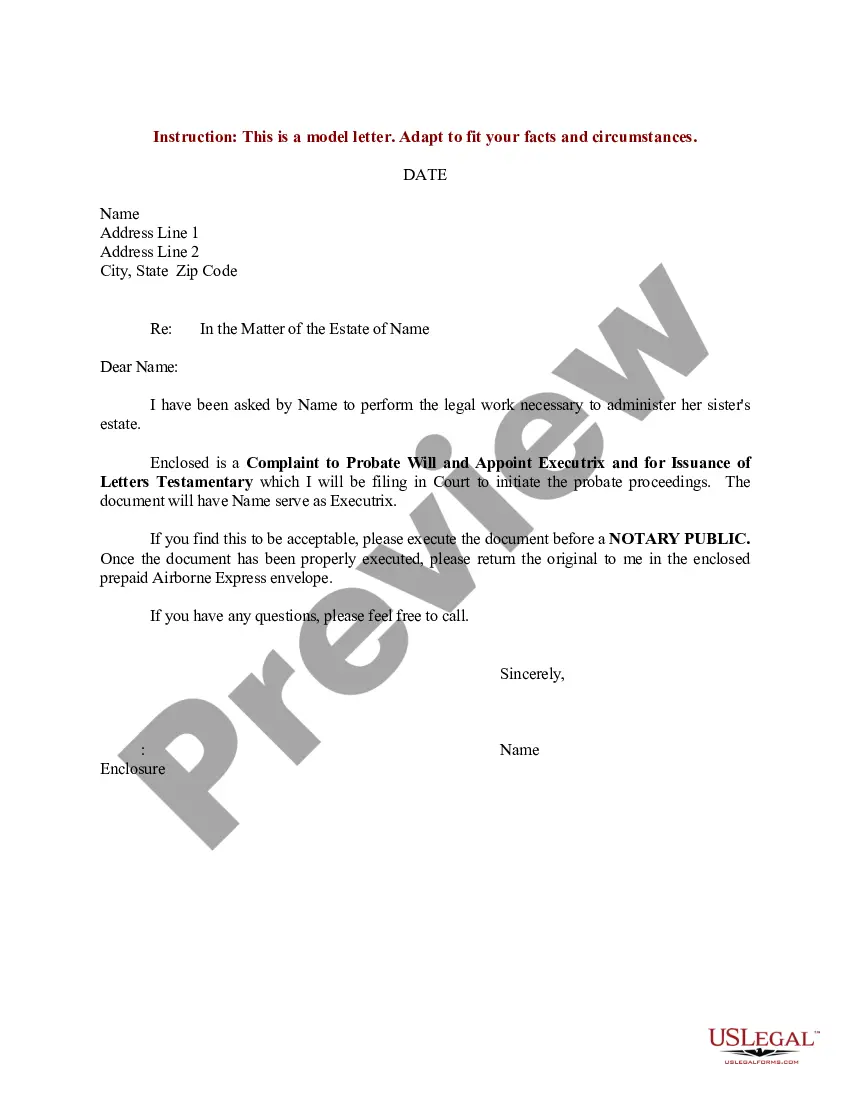
How to fill out Sample Letter For Estate Administration?
Creating legal documents from the ground up can frequently feel a bit daunting.
Some situations may require extensive research and considerable financial investment.
If you seek a simpler and more budget-friendly method of drafting Transfer Request Letter With Purpose or any other documentation without the hassle, US Legal Forms is always available to you.
Our online collection of over 85,000 current legal forms encompasses nearly every facet of your financial, legal, and personal matters. With only a few clicks, you can swiftly access forms that conform to state and county standards, meticulously prepared by our legal professionals.
Examine the form preview and descriptions to guarantee you are viewing the document you are looking for.
- Utilize our service whenever you need trustworthy and dependable assistance to quickly locate and download the Transfer Request Letter With Purpose.
- If you're familiar with our website and have previously established an account, simply Log In to your account, choose the form, and download it or re-download it anytime from the My documents section.
- Don't have an account? No issue. It requires minimal time to sign up and browse the catalog.
- But before proceeding to download the Transfer Request Letter With Purpose, follow these suggestions.
Form popularity
FAQ
Steps For Writing A Transfer Request Letter Start with a formal salutation. ... Mention the purpose of the letter. ... State why you are requesting a transfer. ... Mention your work history with the company. ... Write a conclusion. ... Include your CV.
Dear (Mr, Miss, Ms or Mrs and the recipient's last name), I am writing in the hope that you will consider my application for a transfer from my current role of (present job title) at (company name) to the same or related role at the (company name) office located in (name of the chosen area).
Use the following steps to write a transfer request letter: Start with a formal salutation. ... Mention the purpose of the letter. ... State why you are requesting a transfer. ... Mention your work history with the company. ... Write a conclusion. ... Include your CV.
A personal desire to move to another city for reasons such as an illness in the family, a job opportunity for your spouse or an educational opportunity. A need to change teams due to various inner tensions. A lighter workload for age-related or medical reasons.
Your letter should begin with a formal salutation, your purpose for writing, and evidence supporting why your request should be considered. Politely request the supervisor's assistance in gaining a position at your preferred location. Use an appropriate closing to end your letter.