Trust Annuities
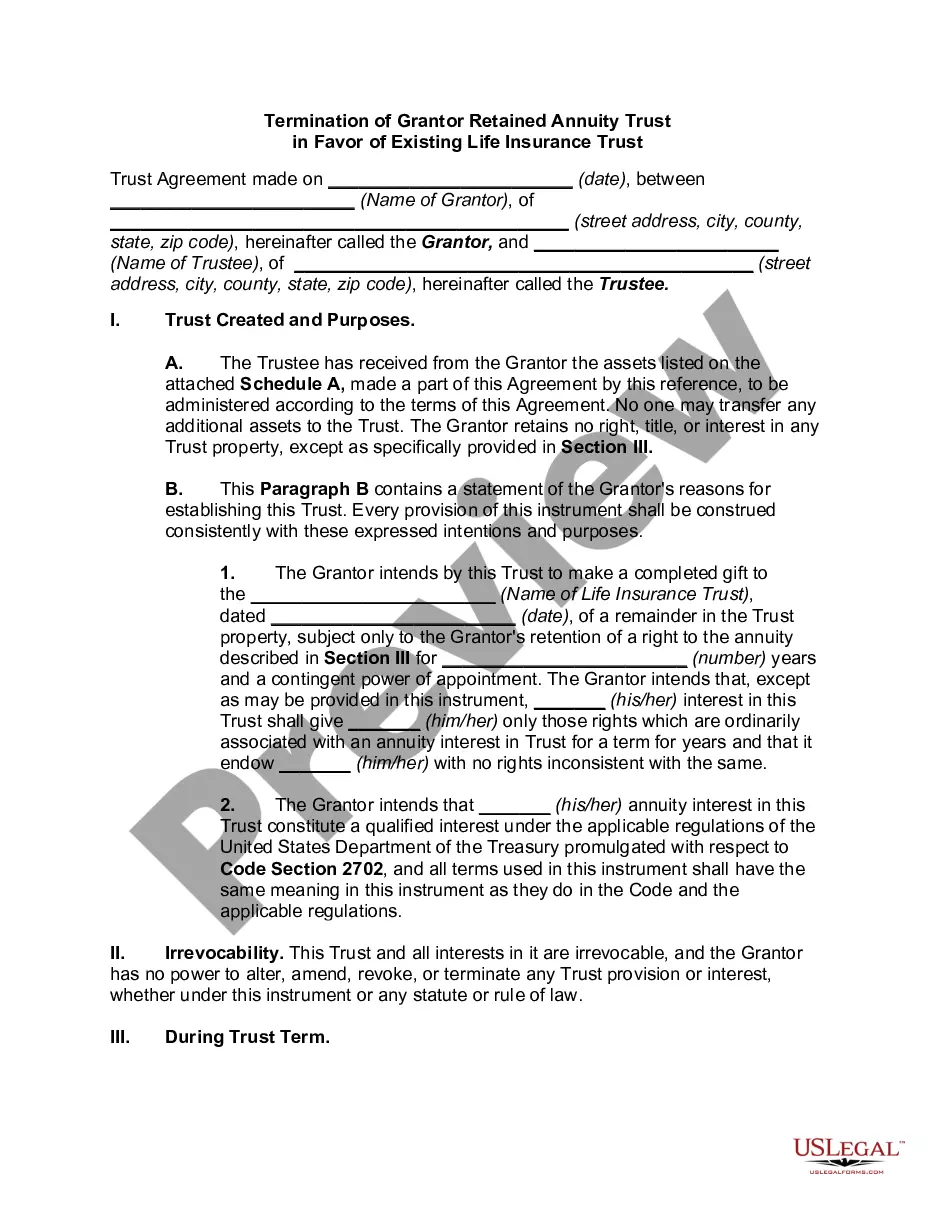
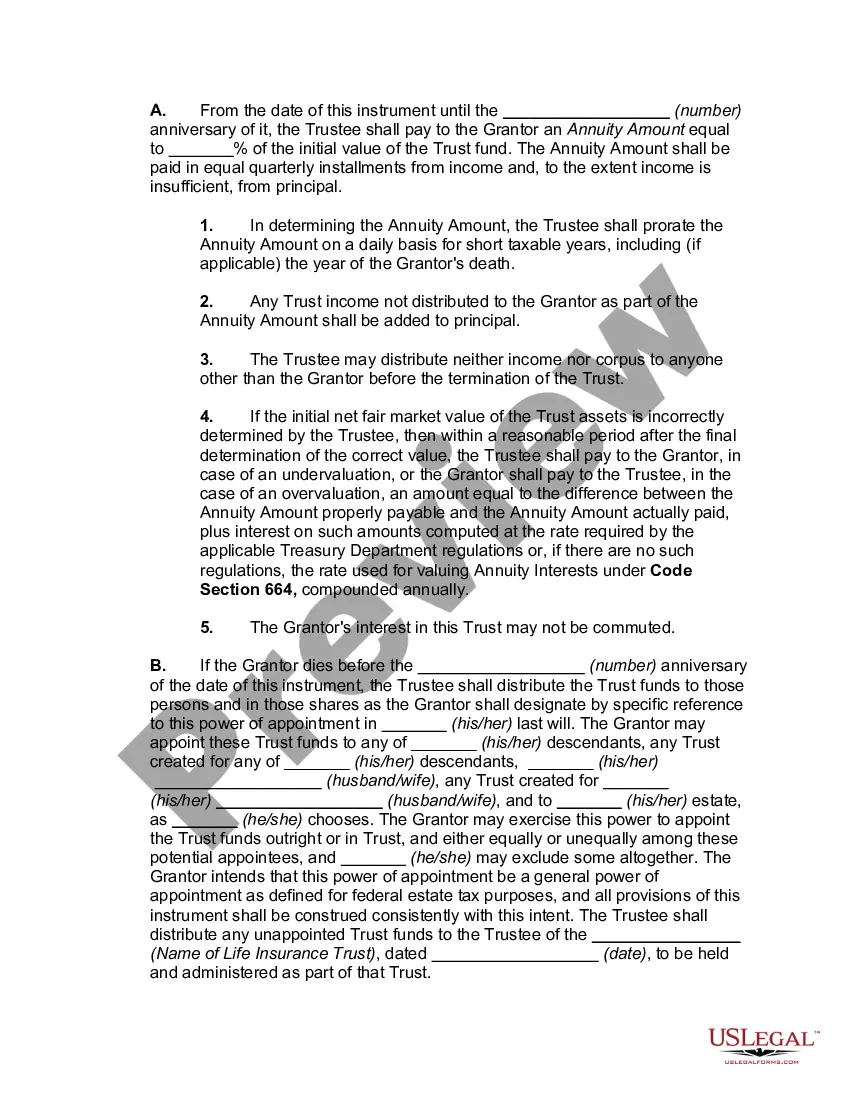
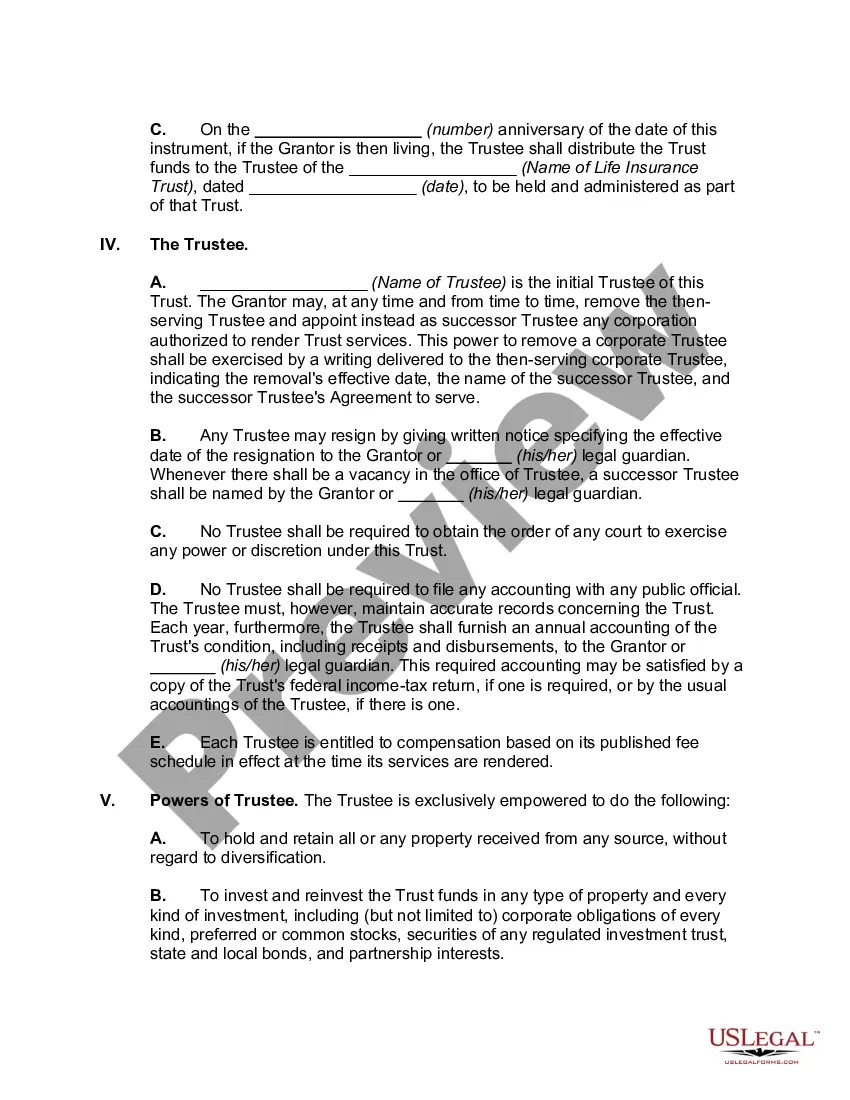
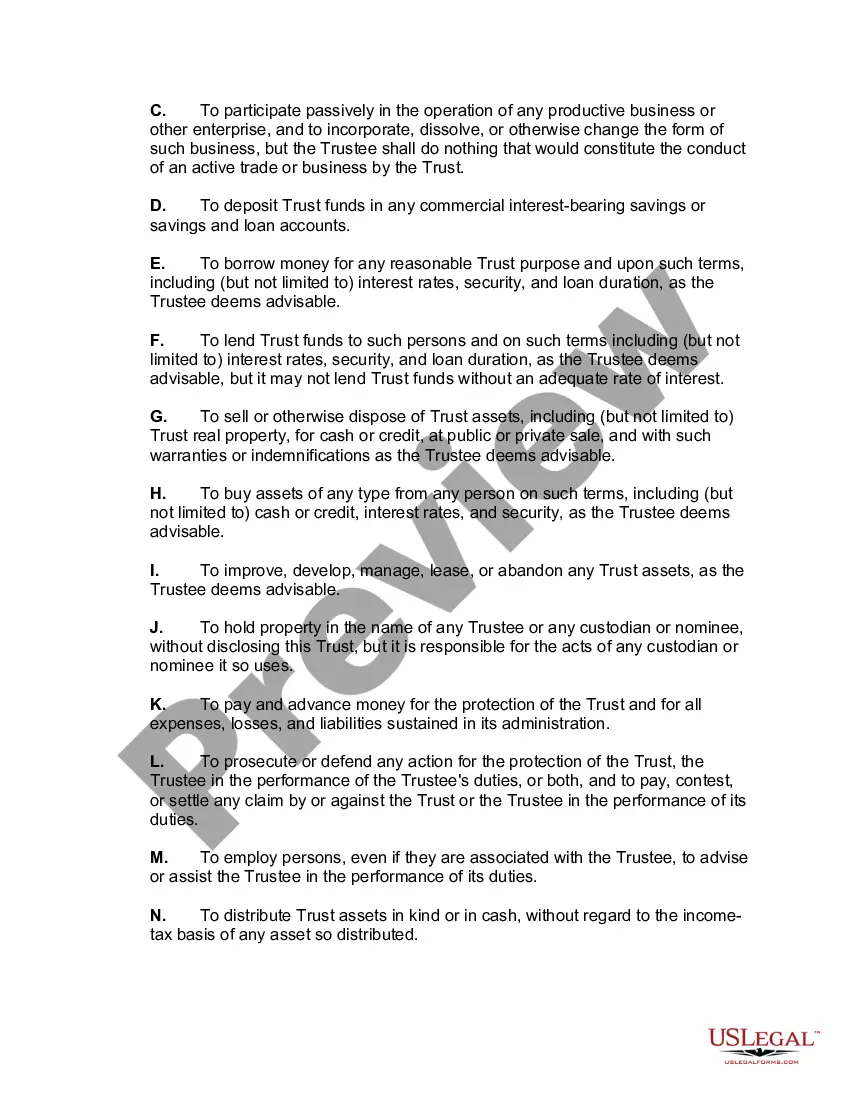
Description
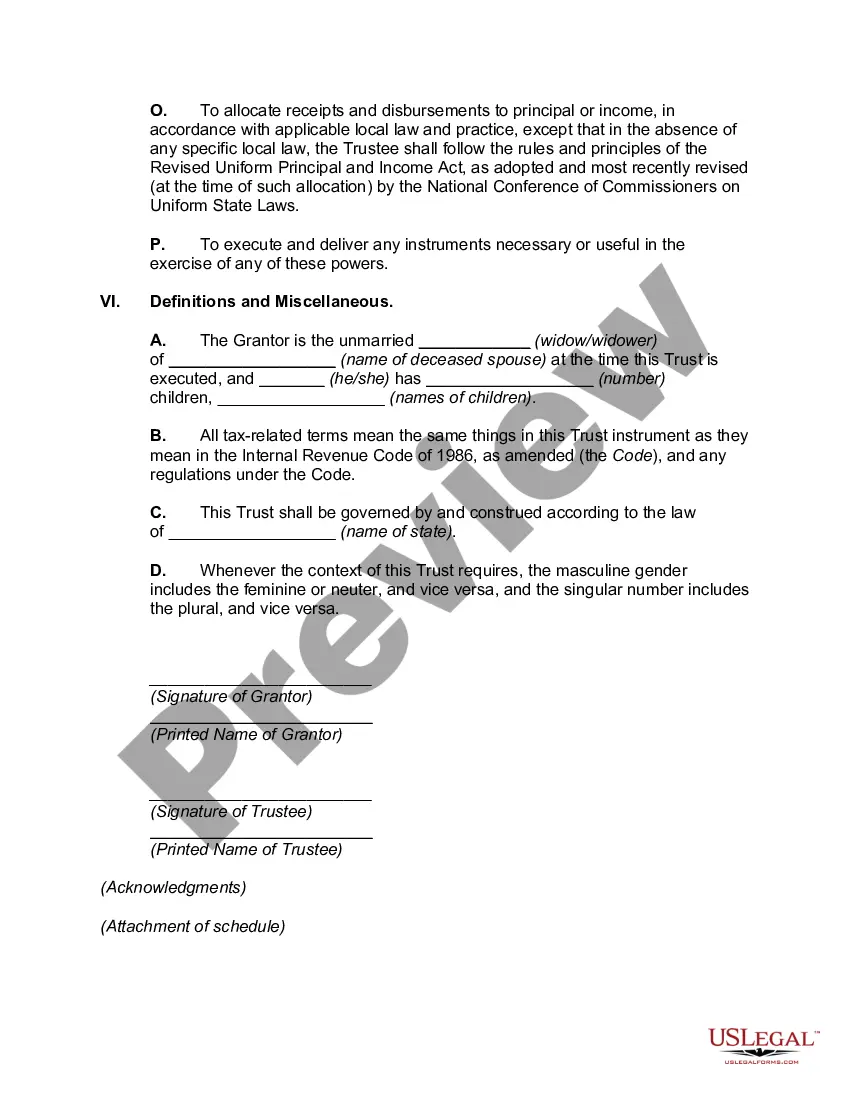
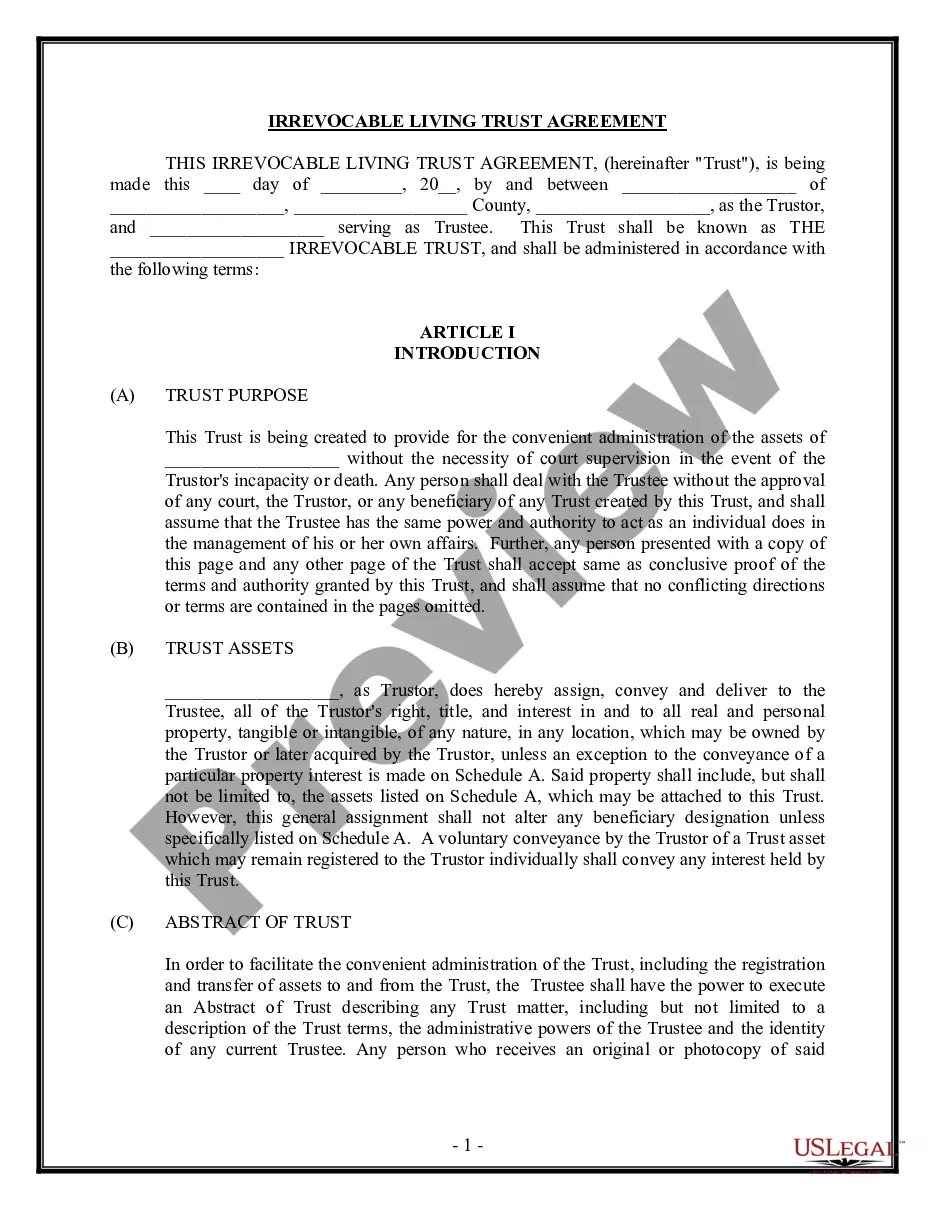
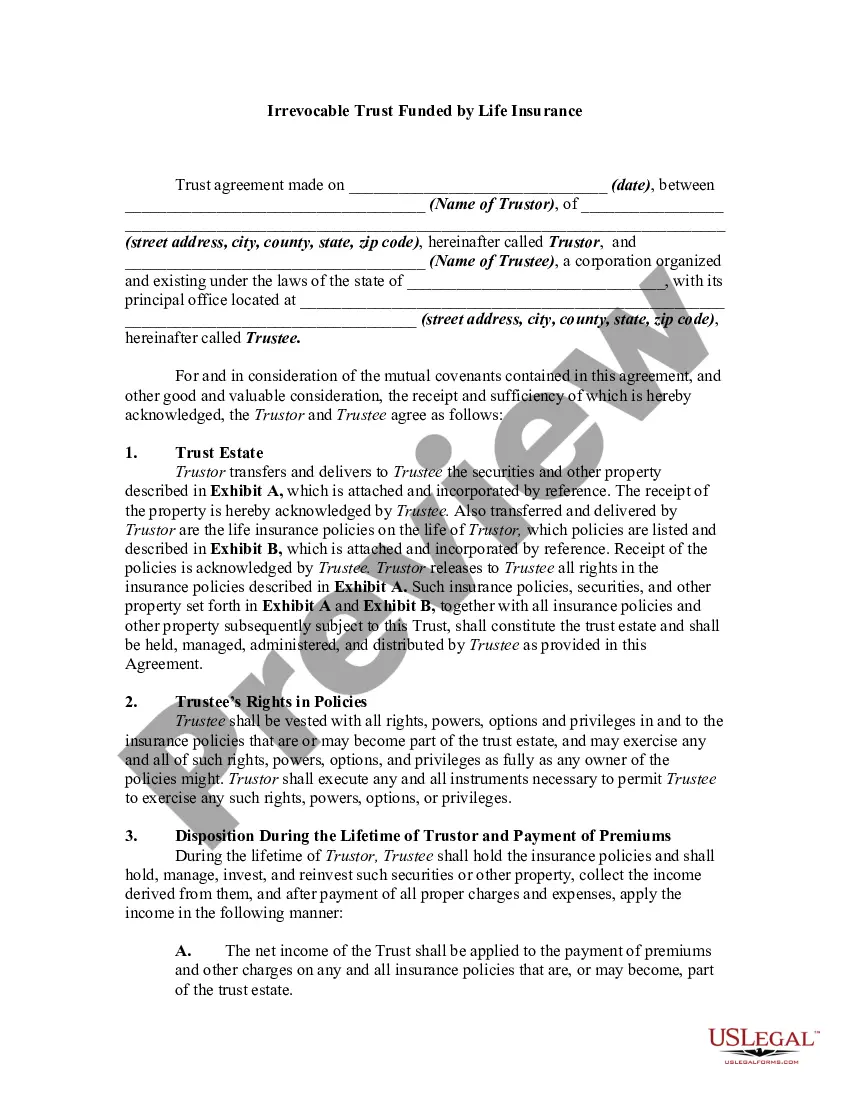
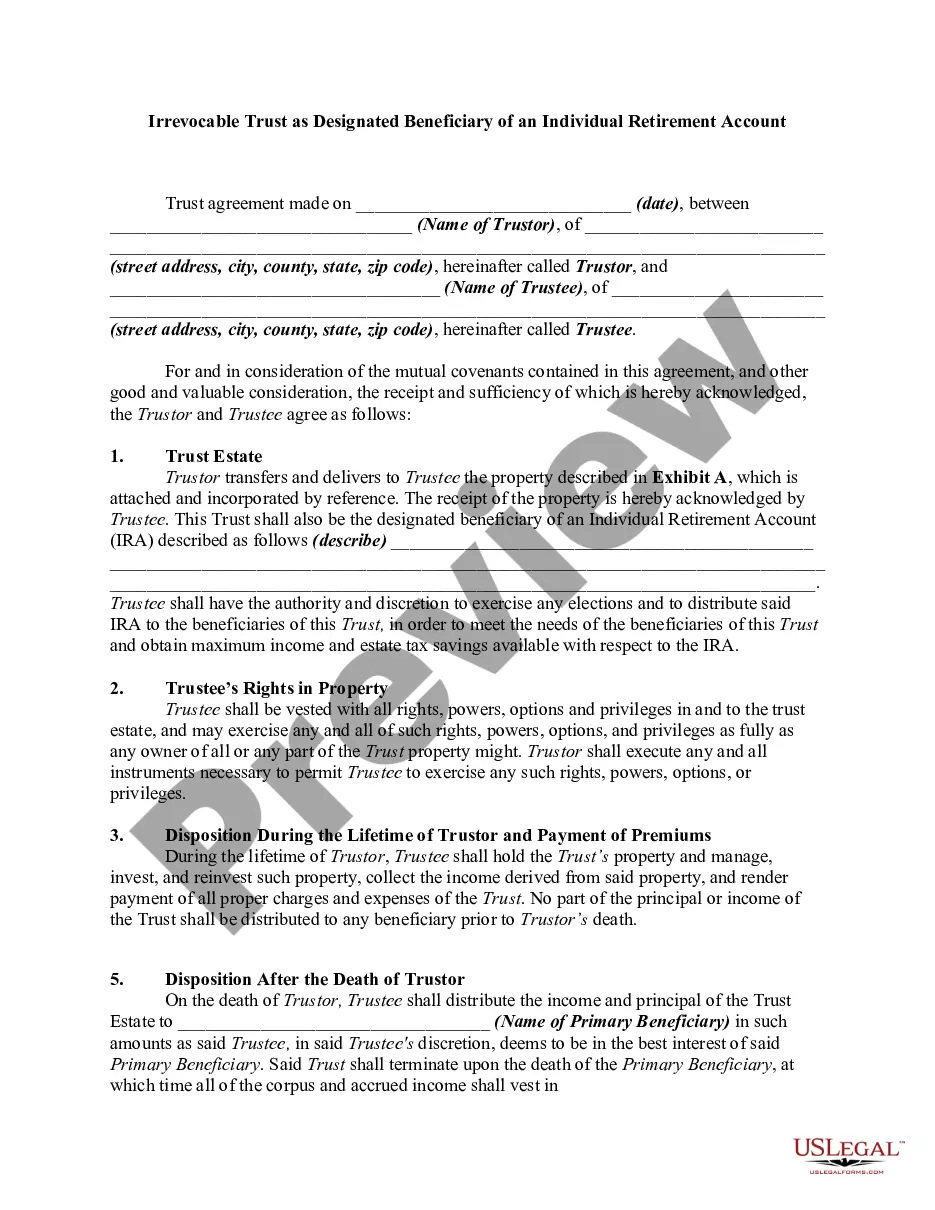
Get your form ready online
Our built-in tools help you complete, sign, share, and store your documents in one place.
Make edits, fill in missing information, and update formatting in US Legal Forms—just like you would in MS Word.
Download a copy, print it, send it by email, or mail it via USPS—whatever works best for your next step.
Sign and collect signatures with our SignNow integration. Send to multiple recipients, set reminders, and more. Go Premium to unlock E-Sign.
If this form requires notarization, complete it online through a secure video call—no need to meet a notary in person or wait for an appointment.
We protect your documents and personal data by following strict security and privacy standards.

Make edits, fill in missing information, and update formatting in US Legal Forms—just like you would in MS Word.

Download a copy, print it, send it by email, or mail it via USPS—whatever works best for your next step.

Sign and collect signatures with our SignNow integration. Send to multiple recipients, set reminders, and more. Go Premium to unlock E-Sign.

If this form requires notarization, complete it online through a secure video call—no need to meet a notary in person or wait for an appointment.

We protect your documents and personal data by following strict security and privacy standards.
Looking for another form?

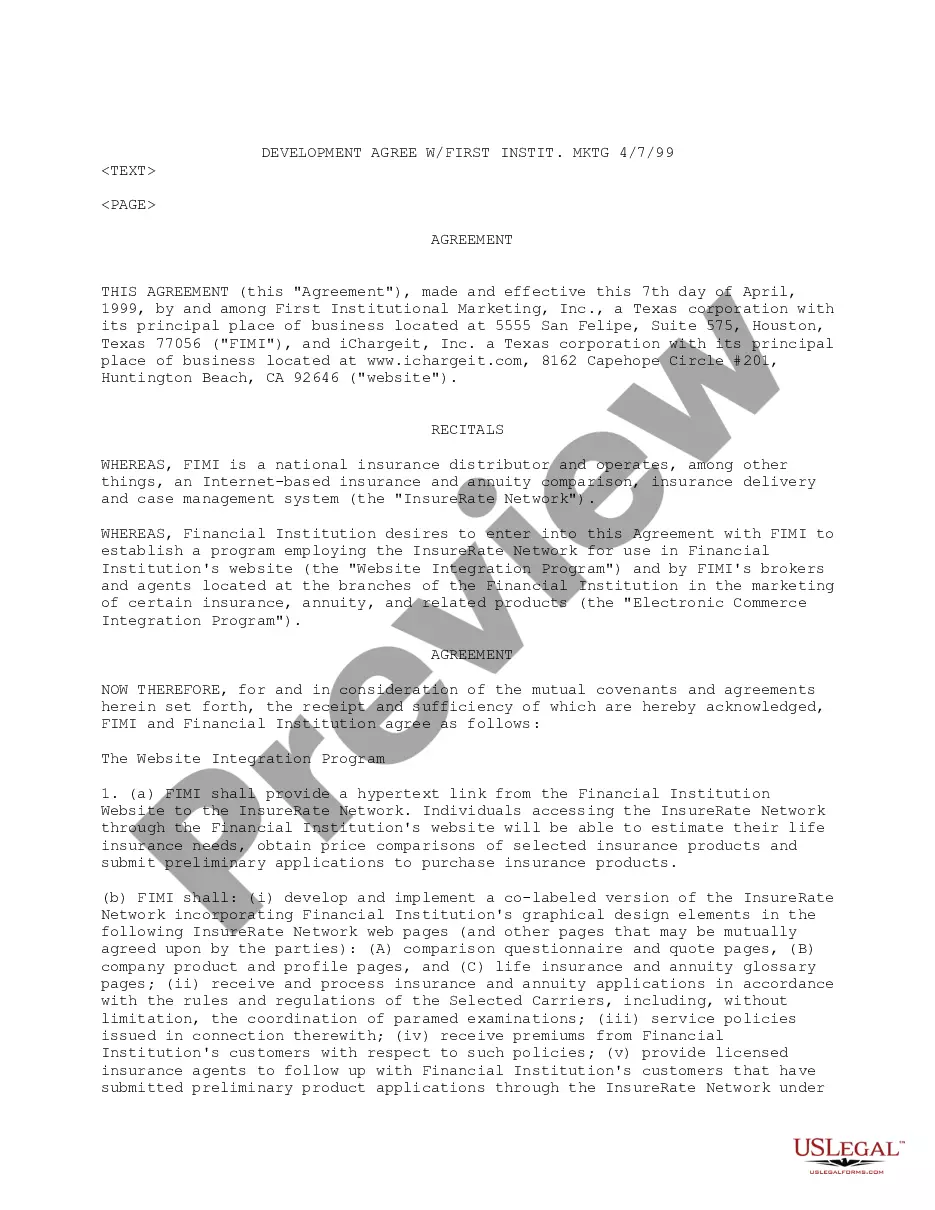







How to fill out Termination Of Grantor Retained Annuity Trust In Favor Of Existing Life Insurance Trust?
- Begin by visiting the US Legal Forms website and sign in if you're an existing user, or create a new account to get started.
- Search for 'trust annuities' in the form library to find the template that best suits your needs.
- Review the details and preview the form to ensure it aligns with your local jurisdiction requirements.
- If you require a different template, utilize the search function to locate additional options.
- Select the desired form and click on the 'Buy Now' button to choose your subscription plan.
- Complete your purchase by entering your payment information through credit card or PayPal.
- Download the completed form to your device for immediate access and future revisions.
Once you've followed these steps, you can conveniently manage and amend your documents via your US Legal Forms account. The vast library of over 85,000 forms ensures that you have the right materials to meet any legal requirement.
Explore the benefits of using US Legal Forms today and streamline your legal document processes efficiently. Start your journey with trust annuities now!
Form popularity
FAQ
Trust beneficiaries may face unique tax scenarios when inheriting trust annuities. Typically, the beneficiary will be responsible for taxes on any distributions received from the trust. However, the amount of tax owed can depend on the trust's income and other factors. It's important to seek expert advice to ensure all aspects of taxation are understood.
While placing trust annuities in a trust has benefits, there are reasons some people choose not to do so. For instance, annuities can have complex tax implications once they are placed into a trust. Additionally, the original terms of the annuity may not align well with the trust's goals, potentially complicating your financial estate planning.
Creating a trust fund involves several steps, including selecting a trustee, defining beneficiaries, and specifying terms for distribution. You will need to complete legal documents that detail these aspects, focusing on how trust annuities are integrated into the trust. Utilizing platforms like US Legal Forms can streamline this process, providing templates and guidance to ensure everything is filled out correctly.
When you inherit trust annuities, the tax implications depend on several factors. Generally, the annuity's value may be included in your taxable income. However, if you received the annuity as part of a trust, how it's taxed might differ based on the trust's terms. Consulting with a tax professional can provide clarity on your specific situation.
Yes, you can receive a Form 1099 for income earned from trust annuities. This form will detail the income you need to report on your tax return. Accurate documentation is crucial for ensuring your compliance with IRS regulations. It's best to keep these forms organized as you prepare your tax filings.
To report income from a trust, you will typically use Form 1041. As a trust holder, especially involving trust annuities, you must gather all income details. This form allows you to report earnings properly and calculate any taxes due. Accurate reporting ensures compliance and helps maintain the integrity of your trust.
Annuities held in a trust can be taxable, depending on the structure of the trust and the income generated. Trust annuities often have specific tax implications that differ from personal holdings. Understanding how taxes apply to your trust annuities can help you avoid unexpected liabilities. Consulting a tax professional can clarify your situation further.
Filing an annuity on your taxes involves reporting any income generated from the annuity on your tax return. If your annuity is held in a trust, the process may differ slightly, especially concerning trust annuities. You'll typically receive a Form 1099-R detailing the income, which you report on your tax forms. Consider using tools or platforms like Uslegalforms to simplify filing.
A trust must file Form 1041 A if it has any taxable income to report. Trust annuities can generate income, making it essential to file this form. This reporting helps ensure your trust remains compliant with IRS requirements. It’s advisable to seek advice from a tax advisor to understand the specific obligations linked to your trust.
Yes, reporting a trust fund to the IRS is necessary if it generates income. Trust annuities, like other assets, must be reported. The trustee is responsible for managing the trust's tax obligations, ensuring compliance with federal regulations. Therefore, it is crucial to keep accurate records and consult a tax professional.