Trustee What I Need
Description
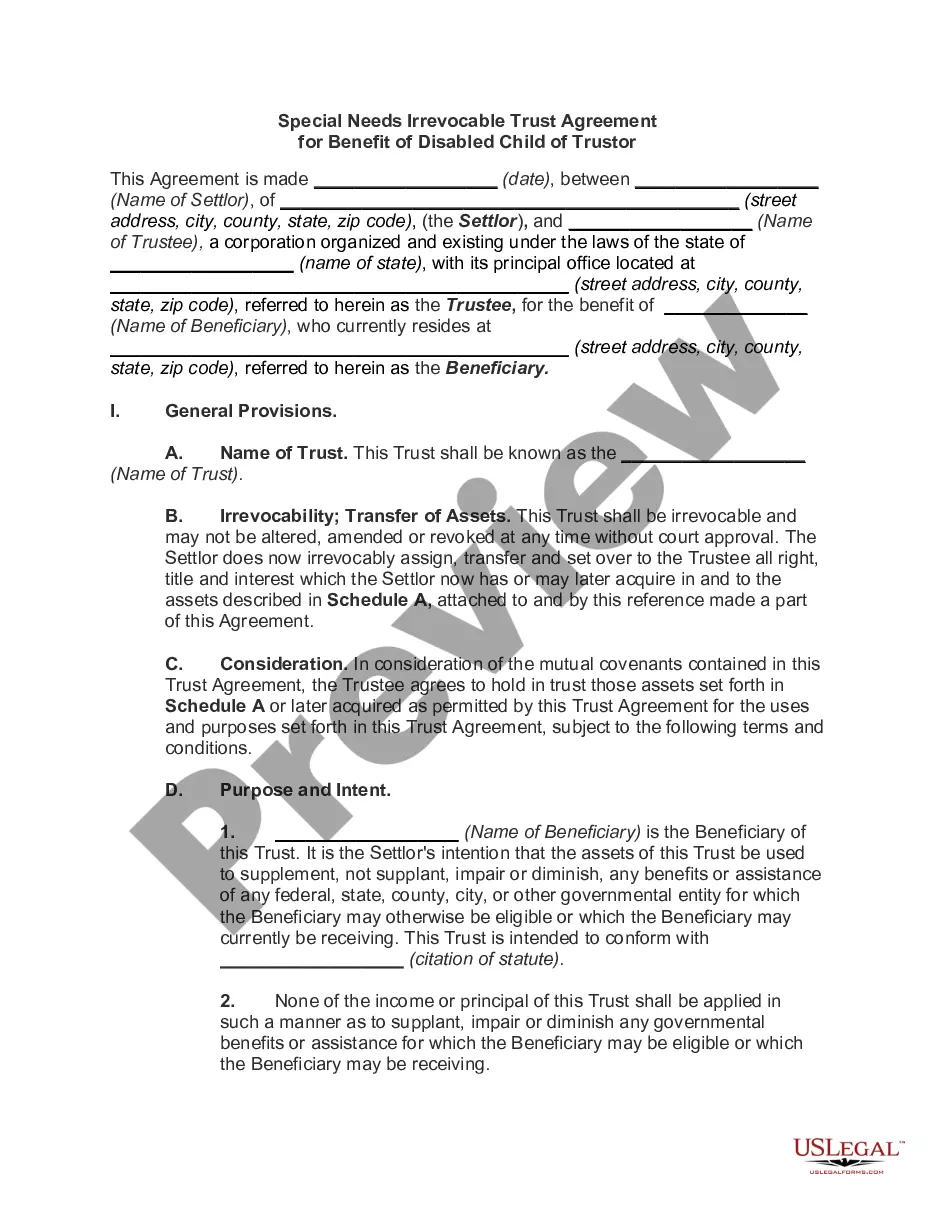
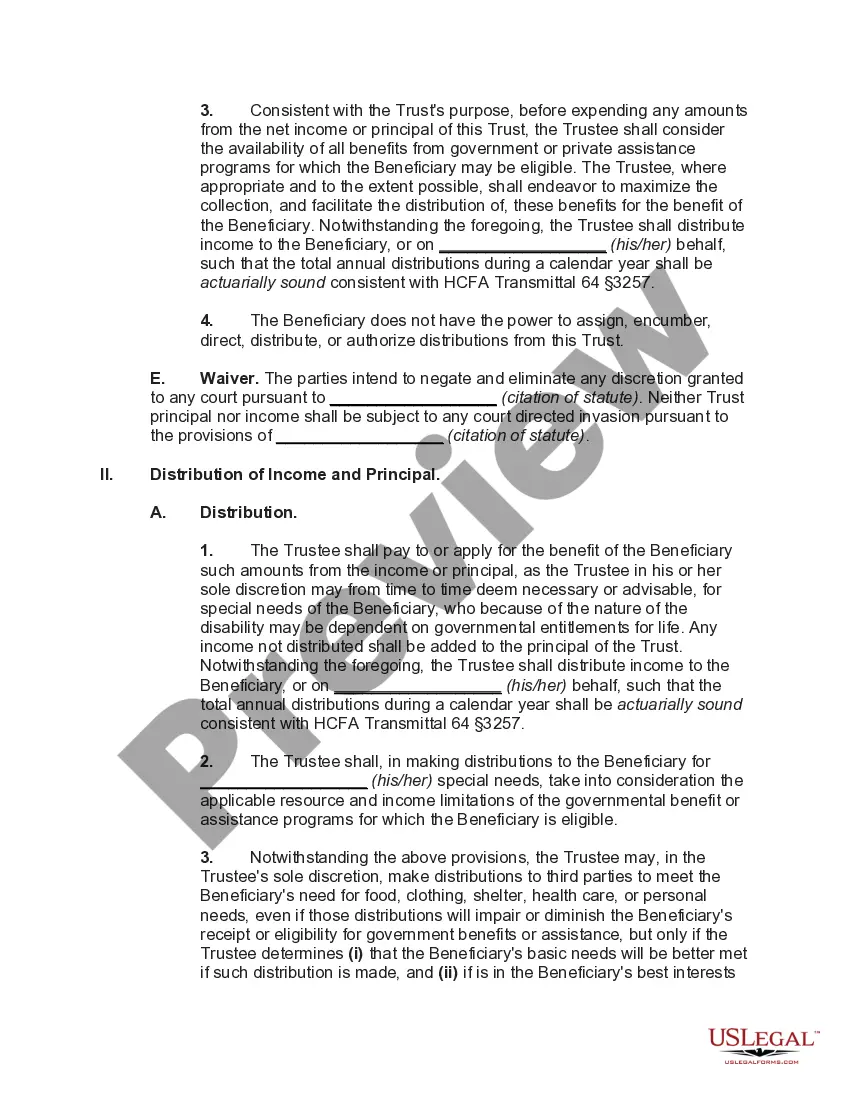
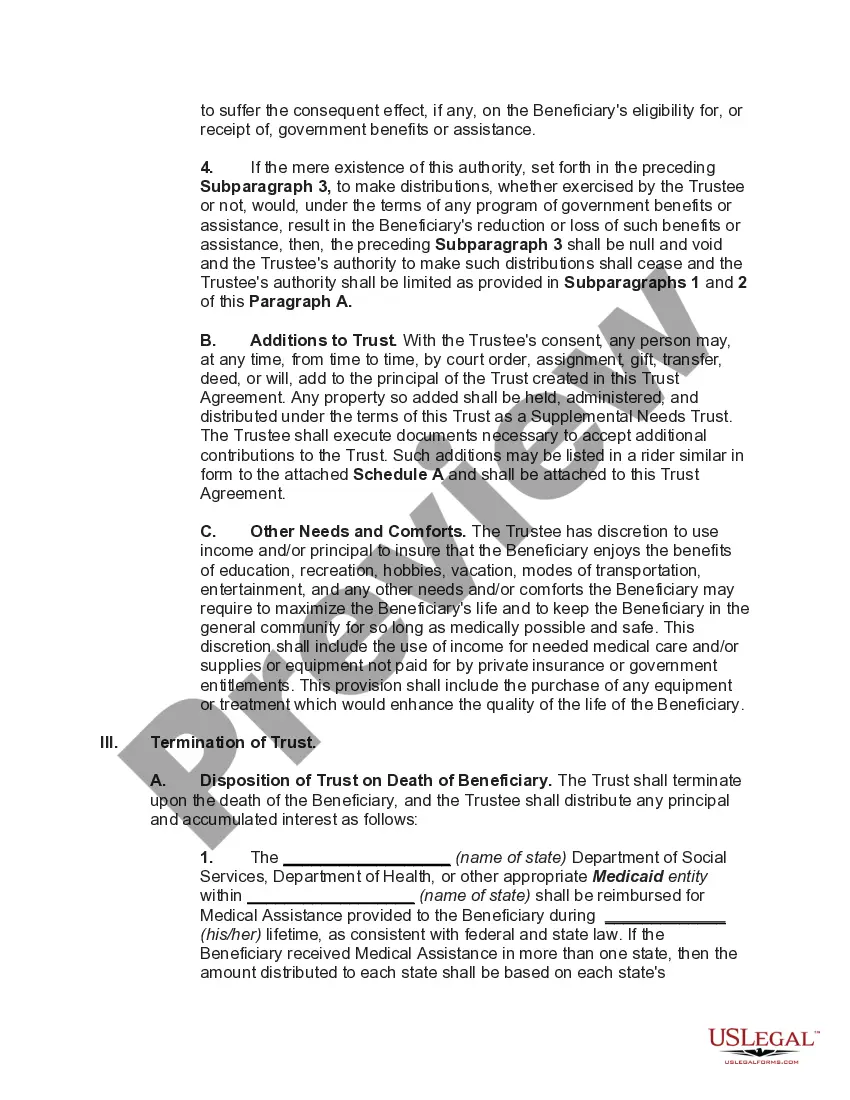
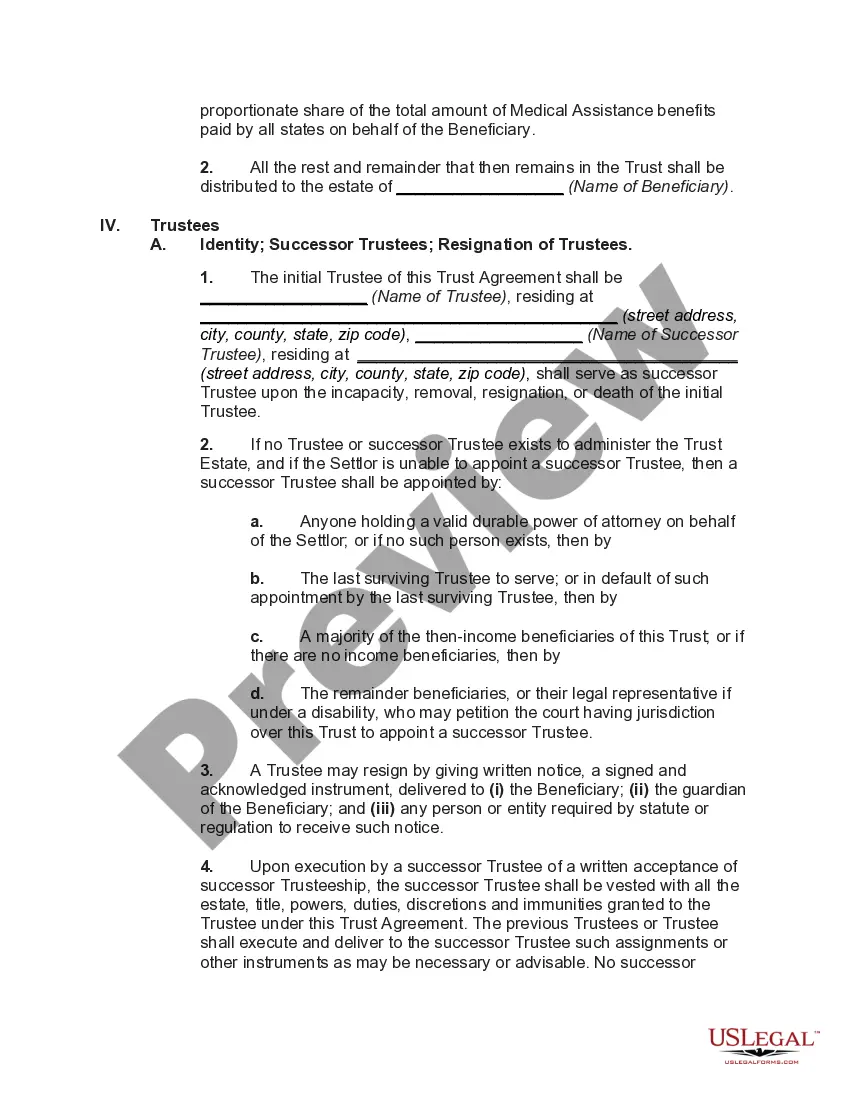
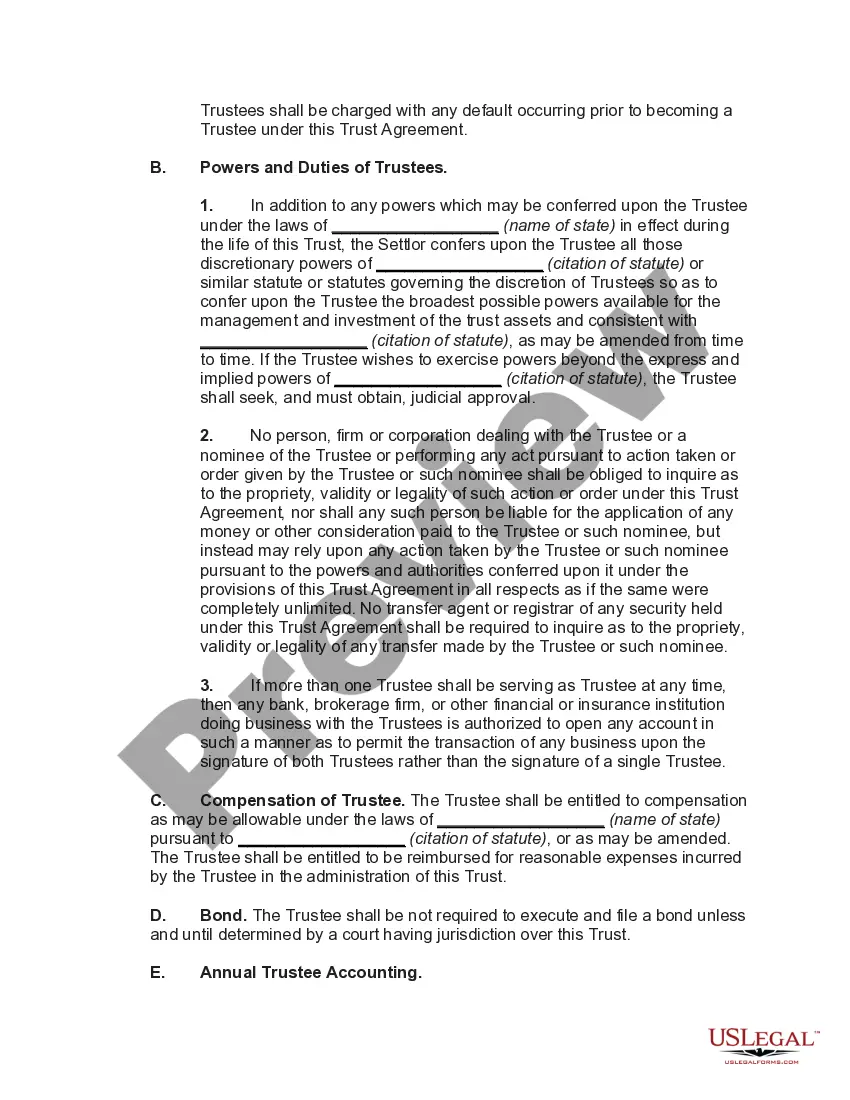
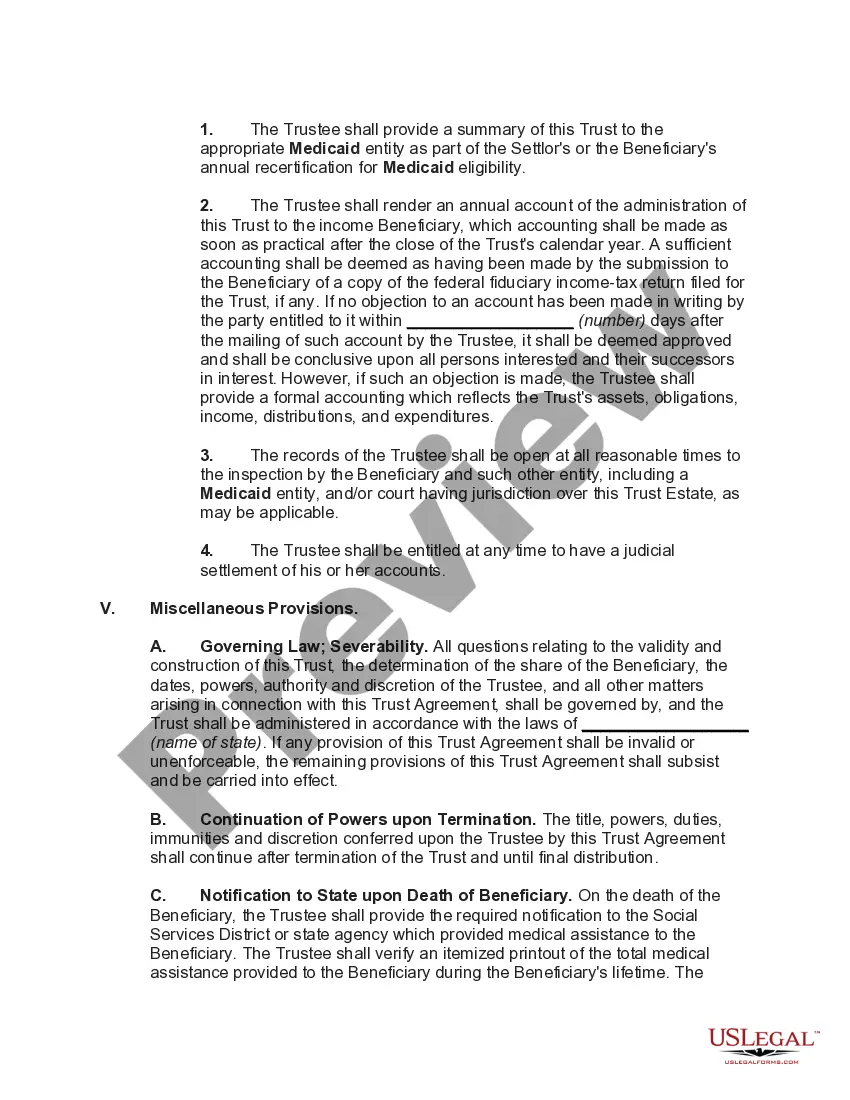
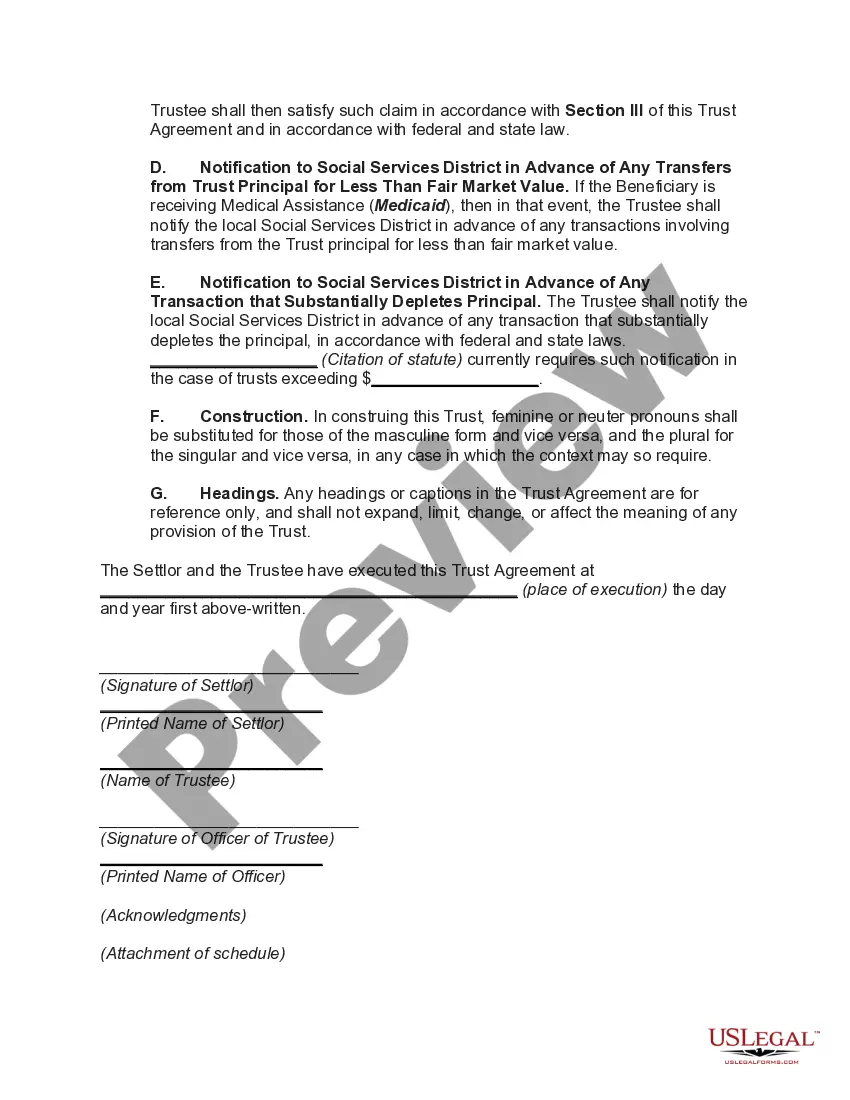
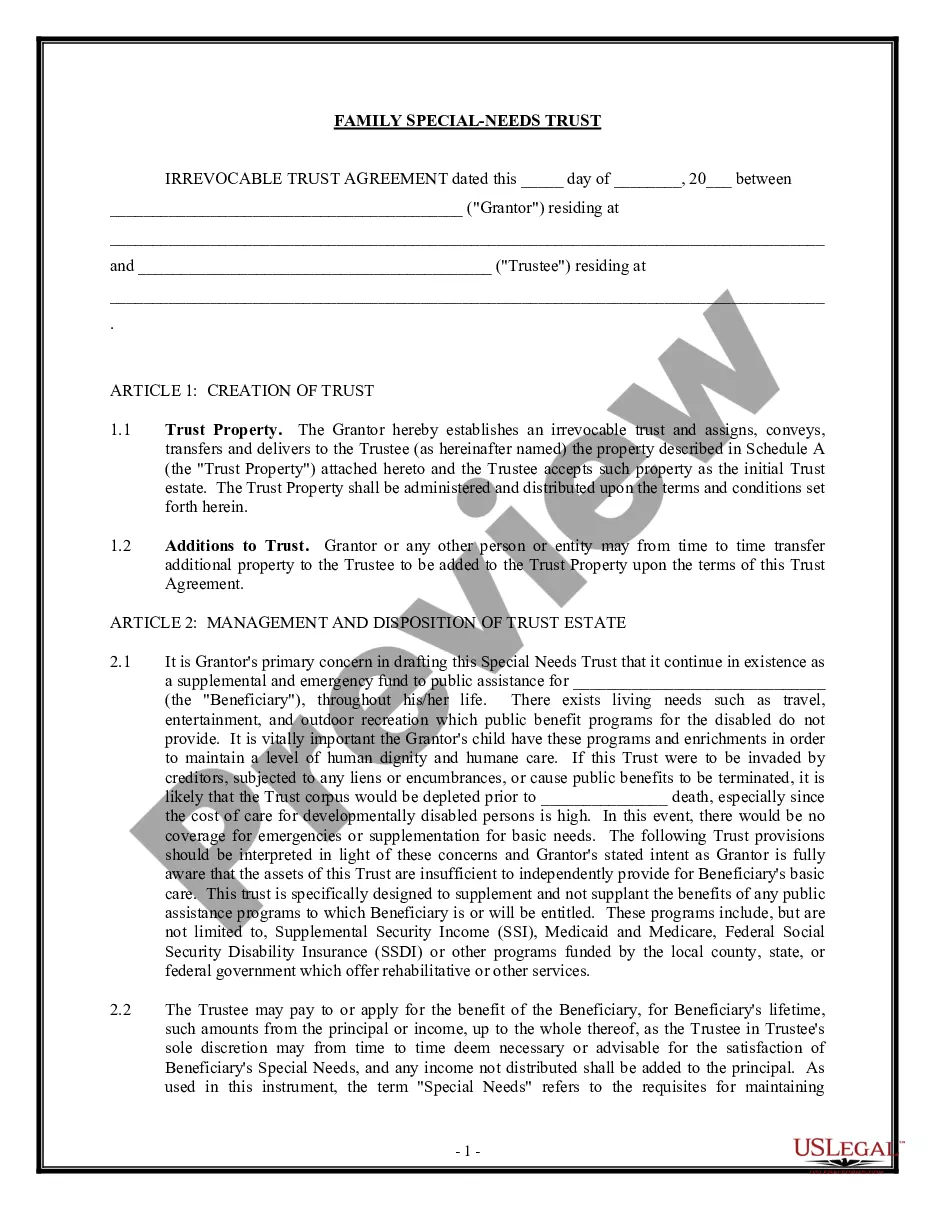



Get your form ready online
Our built-in tools help you complete, sign, share, and store your documents in one place.
Make edits, fill in missing information, and update formatting in US Legal Forms—just like you would in MS Word.
Download a copy, print it, send it by email, or mail it via USPS—whatever works best for your next step.
Sign and collect signatures with our SignNow integration. Send to multiple recipients, set reminders, and more. Go Premium to unlock E-Sign.
If this form requires notarization, complete it online through a secure video call—no need to meet a notary in person or wait for an appointment.
We protect your documents and personal data by following strict security and privacy standards.

Make edits, fill in missing information, and update formatting in US Legal Forms—just like you would in MS Word.

Download a copy, print it, send it by email, or mail it via USPS—whatever works best for your next step.

Sign and collect signatures with our SignNow integration. Send to multiple recipients, set reminders, and more. Go Premium to unlock E-Sign.

If this form requires notarization, complete it online through a secure video call—no need to meet a notary in person or wait for an appointment.

We protect your documents and personal data by following strict security and privacy standards.
Looking for another form?


How to fill out Special Needs Irrevocable Trust Agreement For Benefit Of Disabled Child Of Trustor?
- Log in to your account at US Legal Forms. Ensure your subscription is current to access and download your required form template directly.
- Preview the form and read the description thoroughly to confirm it meets your legal requirements and is suitable for your jurisdiction.
- If necessary, conduct a search for alternative templates using the search feature. Make sure to find the right document before proceeding.
- Purchase the document by selecting your preferred subscription plan. You will need to create an account to get full access to the form library.
- Complete your payment using your credit card or PayPal. This step ensures you can finalize your purchase and gain access to your forms.
- Download the completed form directly to your device. You can revisit the document anytime through the 'My Forms' section in your account.
In conclusion, US Legal Forms provides a simple and efficient way to manage legal documents, ensuring that you have the right tools at your fingertips. With a wealth of resources at your disposal, creating legally sound documents is no longer a hassle.
Start your journey with US Legal Forms today and streamline your legal processes effortlessly!
Form popularity
FAQ
The best person to be a trustee is someone you trust implicitly, who also exhibits strong financial acumen and decision-making skills. This individual should ideally understand your goals for the trust and be committed to acting in the best interest of the beneficiaries. Family members, close friends, or professionals, like accountants or attorneys, can serve well in this role. Ultimately, choose someone who aligns with your vision, ensuring the trust remains effective over time.
To make someone a trustee, you must officially designate them in your trust agreement, which outlines their rights and responsibilities. This involves drafting a legal document that includes their name and your specific instructions about the management of trust assets. After completing the document, it's advisable to have it reviewed by a legal expert. Platforms like US Legal Forms can assist in creating tailored documents that fulfill your requirements.
Someone becomes a trustee by being named in a trust document or appointed through a court if no one is designated. The appointed individual must be willing to accept the role and its responsibilities, which involves managing trust assets and adhering to legal obligations. If you are considering this path, ensure that the person you choose possesses the necessary integrity and judgment. This will help maintain the trust's purpose and longevity.
To assign a trustee, start by selecting someone who meets your criteria for responsibility and trustworthiness. Once you have made your selection, you will formalize their role through a trust agreement or similar legal document. This document will detail the extent of their authority and responsibilities, ensuring clear expectations. Using a platform like US Legal Forms can help you create customized legal documents easily.
A trustee cannot take everything unless stipulated in the trust document. Their role is to manage assets in accordance with the terms you set forth, while acting in the best interest of the beneficiaries. If you have concerns about potential misuse, consider outlining clear instructions in the trust document. This will ensure that your assets are handled properly, protecting both your wishes and the beneficiaries.
To appoint a trustee, you should first decide on the individual or entity you trust to manage your assets. Next, you will need to create a legally binding document, such as a will or a trust declaration, that specifies your choice. It's also wise to consult with a legal professional who can guide you through the process and ensure that your document meets all legal requirements. This way, you will have the right trustee, suited to your specific needs.
A trustee does not have direct power over a will, as their role is primarily related to managing trust assets. However, if a trust is created within a will, the trustee's duties extend to carrying out the wishes outlined in that will. This includes ensuring that assets are distributed according to the deceased individual's intentions. Understanding this distinction helps clarify what you need regarding your estate planning.
Form 1041 must be filed by any trust that earns income during the tax year. This includes revocable and irrevocable trusts, as well as estates that have gross income exceeding a certain threshold. Also, if the trust has beneficiaries receiving distributions, this form becomes necessary. It’s crucial for trustees to understand these filing requirements to remain compliant and informed.
The criteria for a trustee often include financial acumen, trustworthiness, and the ability to act impartially. A trustee should comprehend the terms of the trust and be adept at managing its assets. Additionally, potential trustees must be legally competent and not influenced by any personal interests. Selecting a trustee that meets these criteria ensures that your needs and those of the beneficiaries are met effectively.
Yes, a trustee is required to file a tax return for the trust if the trust generates income. The specific form involved is IRS Form 1041, which covers income distributions. Filing this return is important to remain compliant with tax laws and to ensure that beneficiaries properly receive their share. To navigate this process effectively, using tools like USLegalForms can simplify your tax responsibilities.