Special Needs Trust Contract With New Jersey
Description
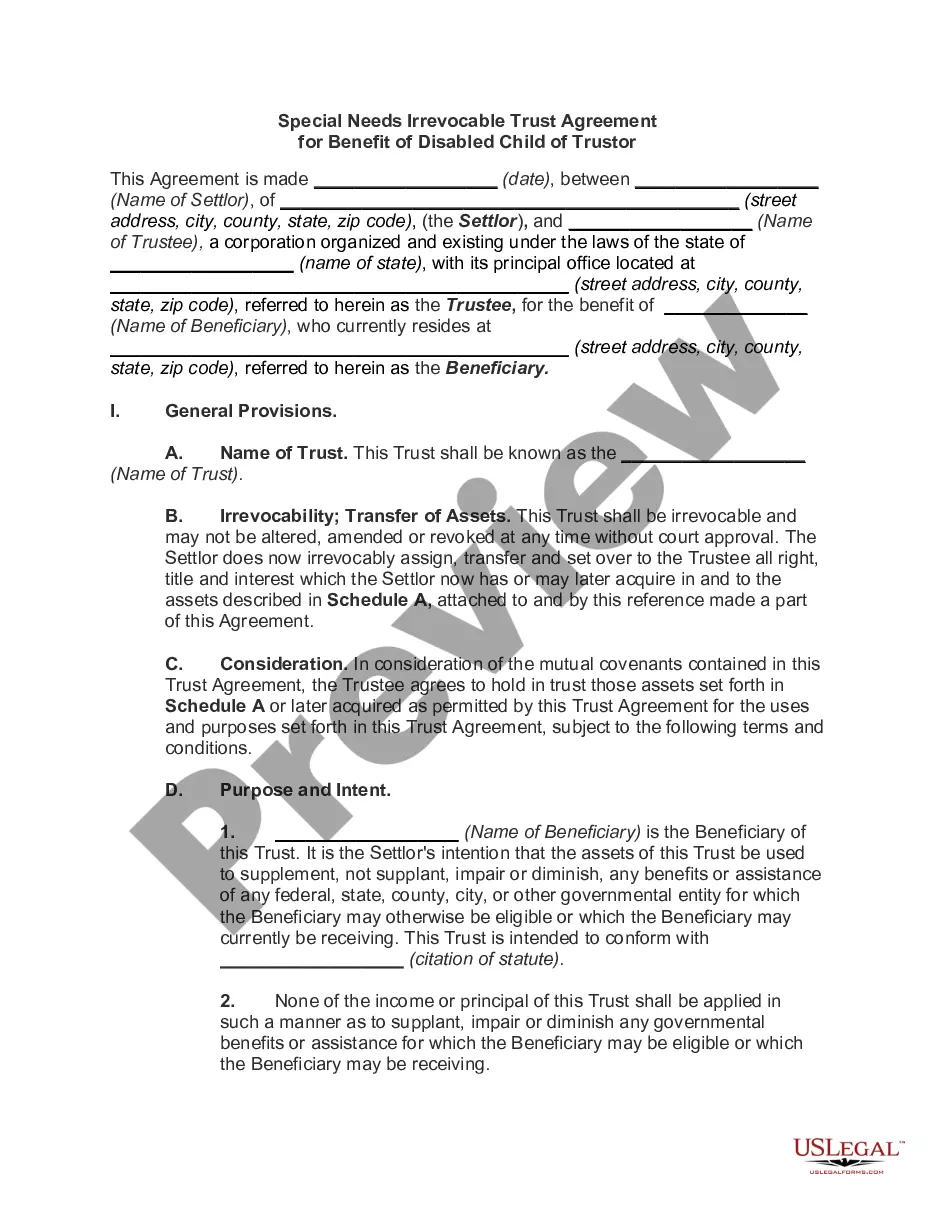
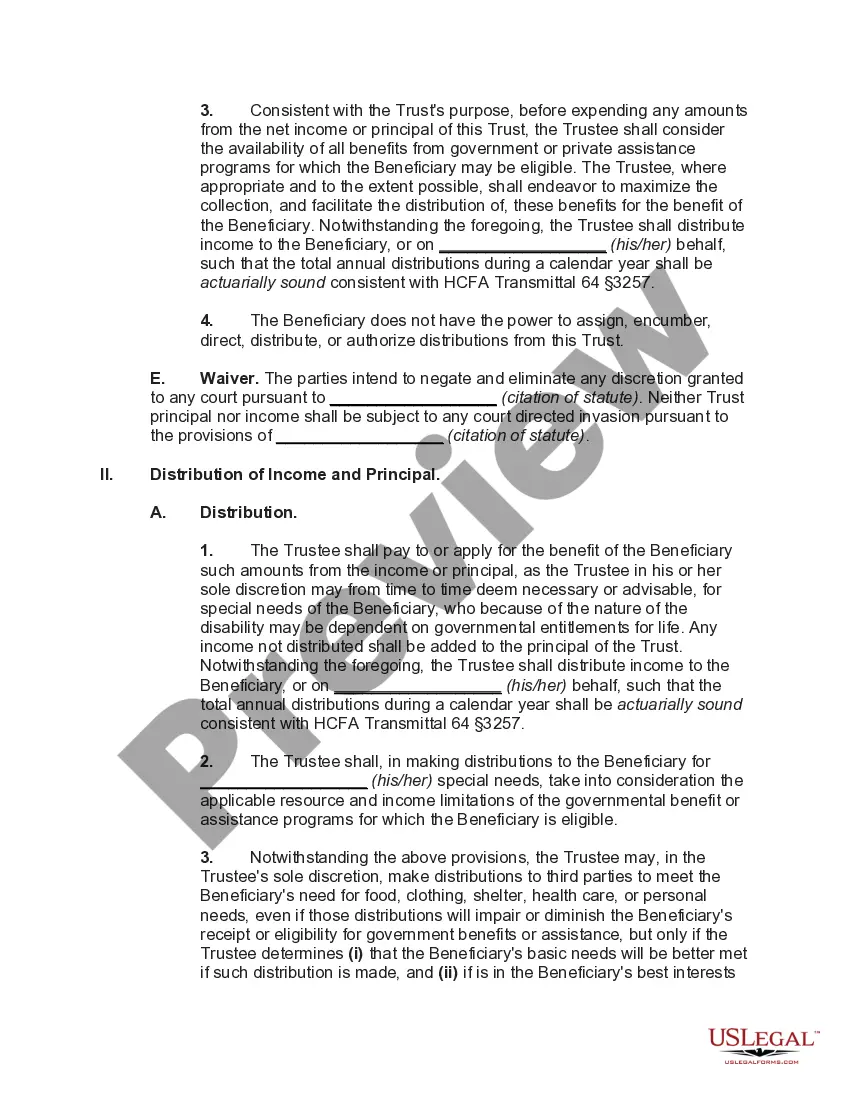
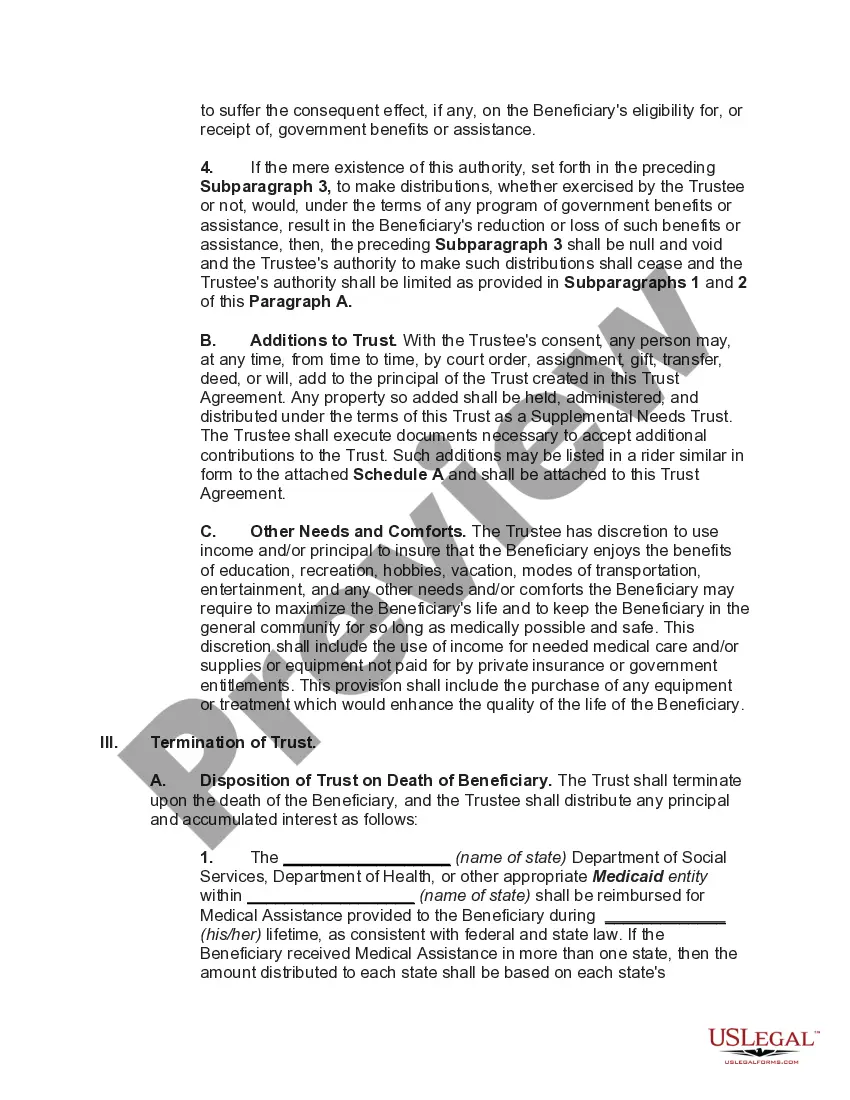
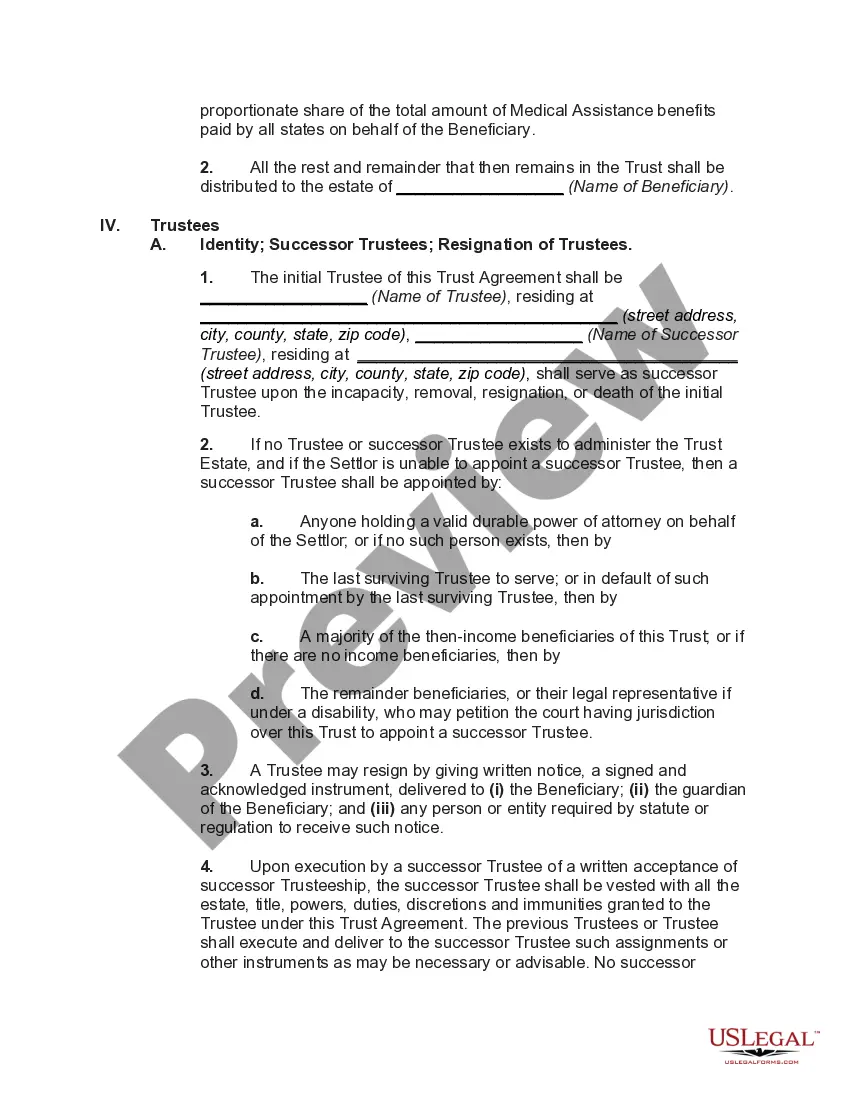
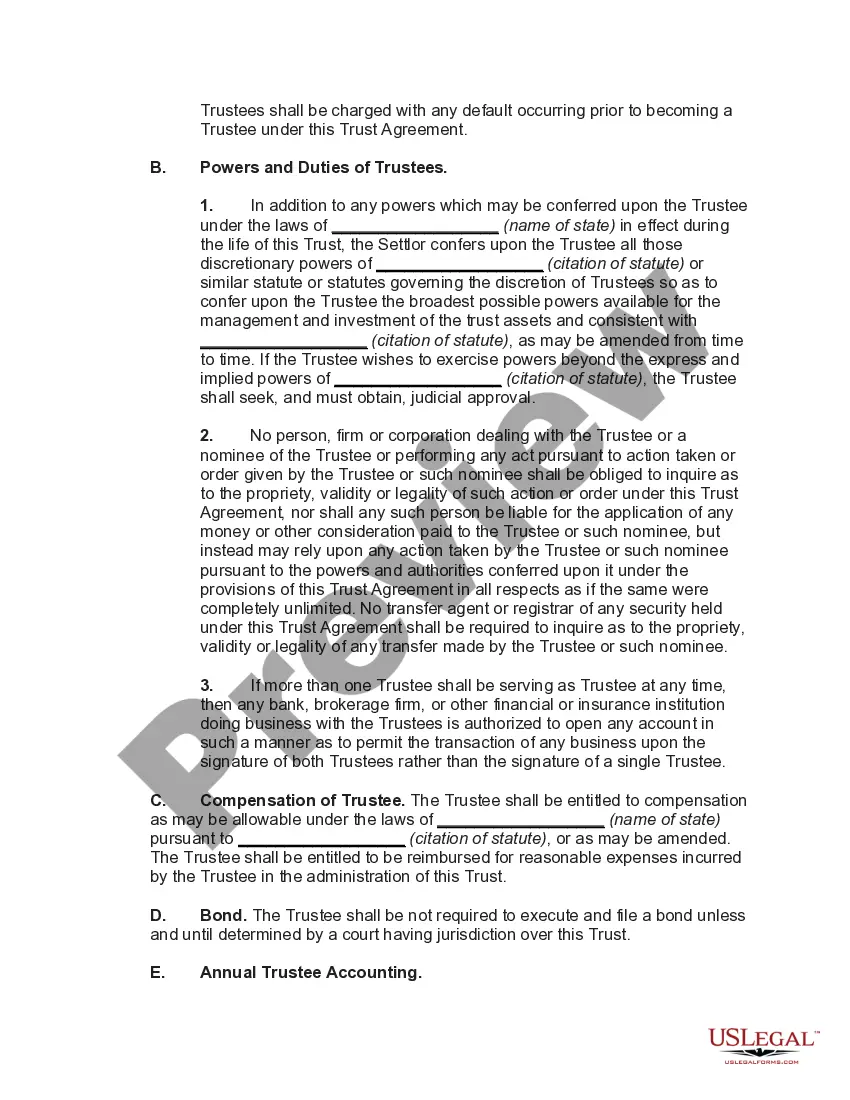
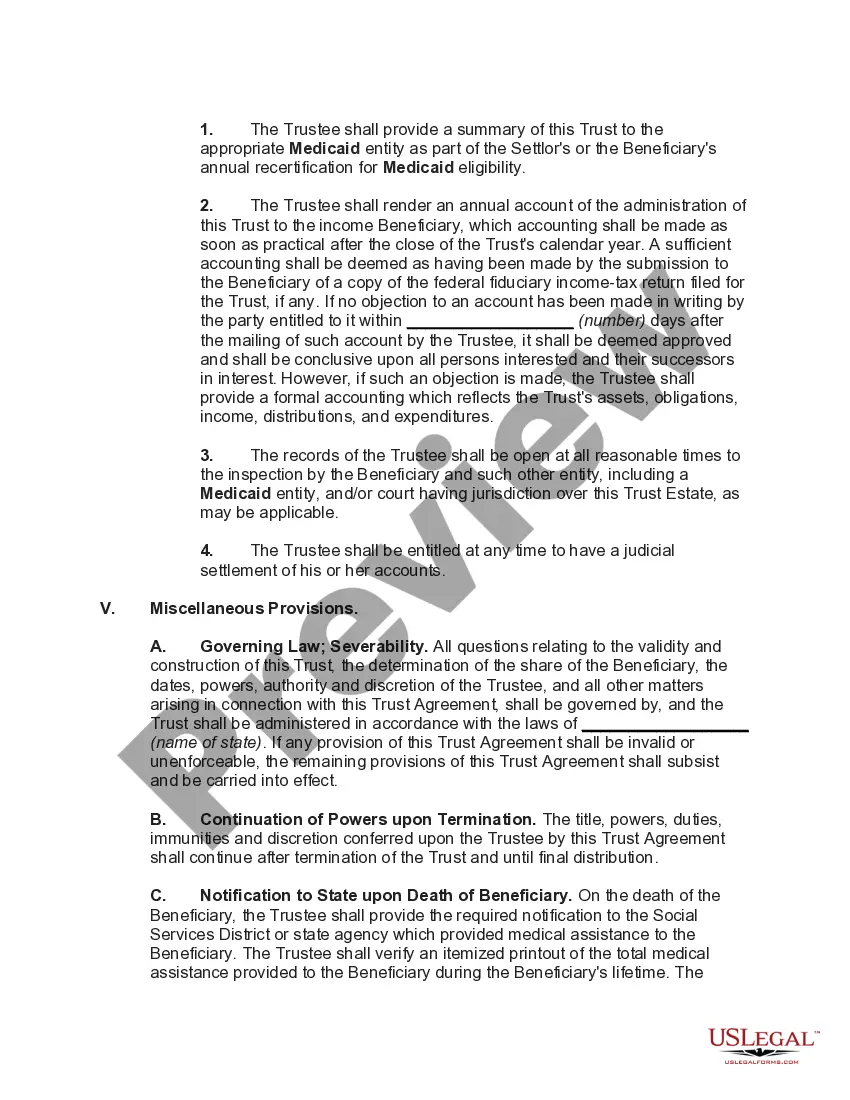
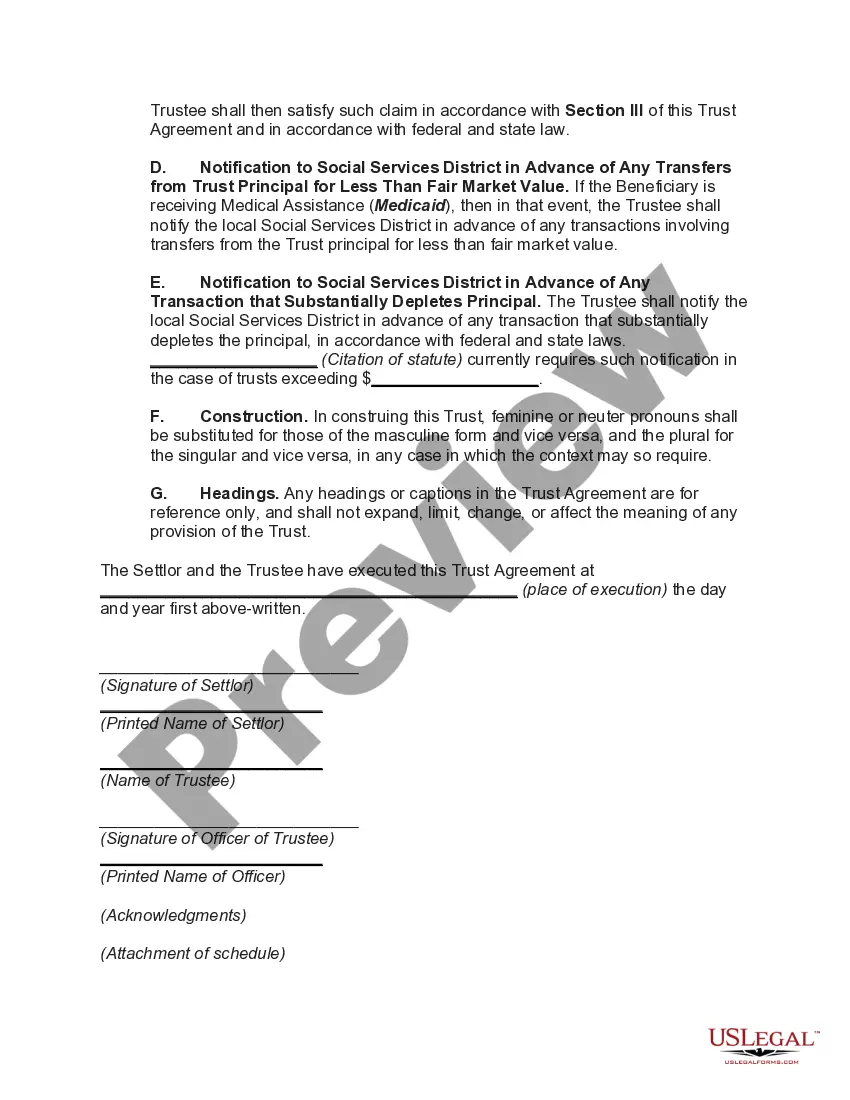
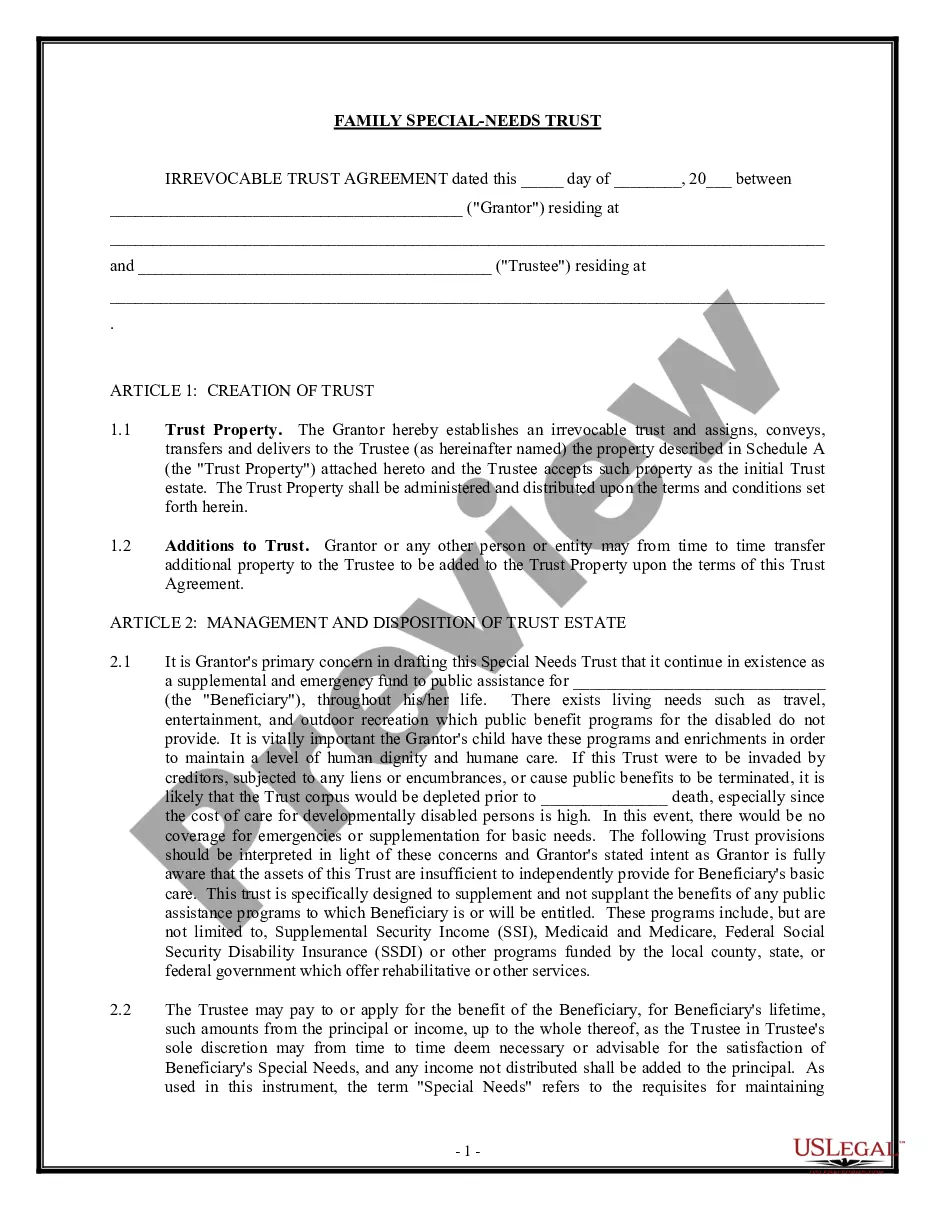
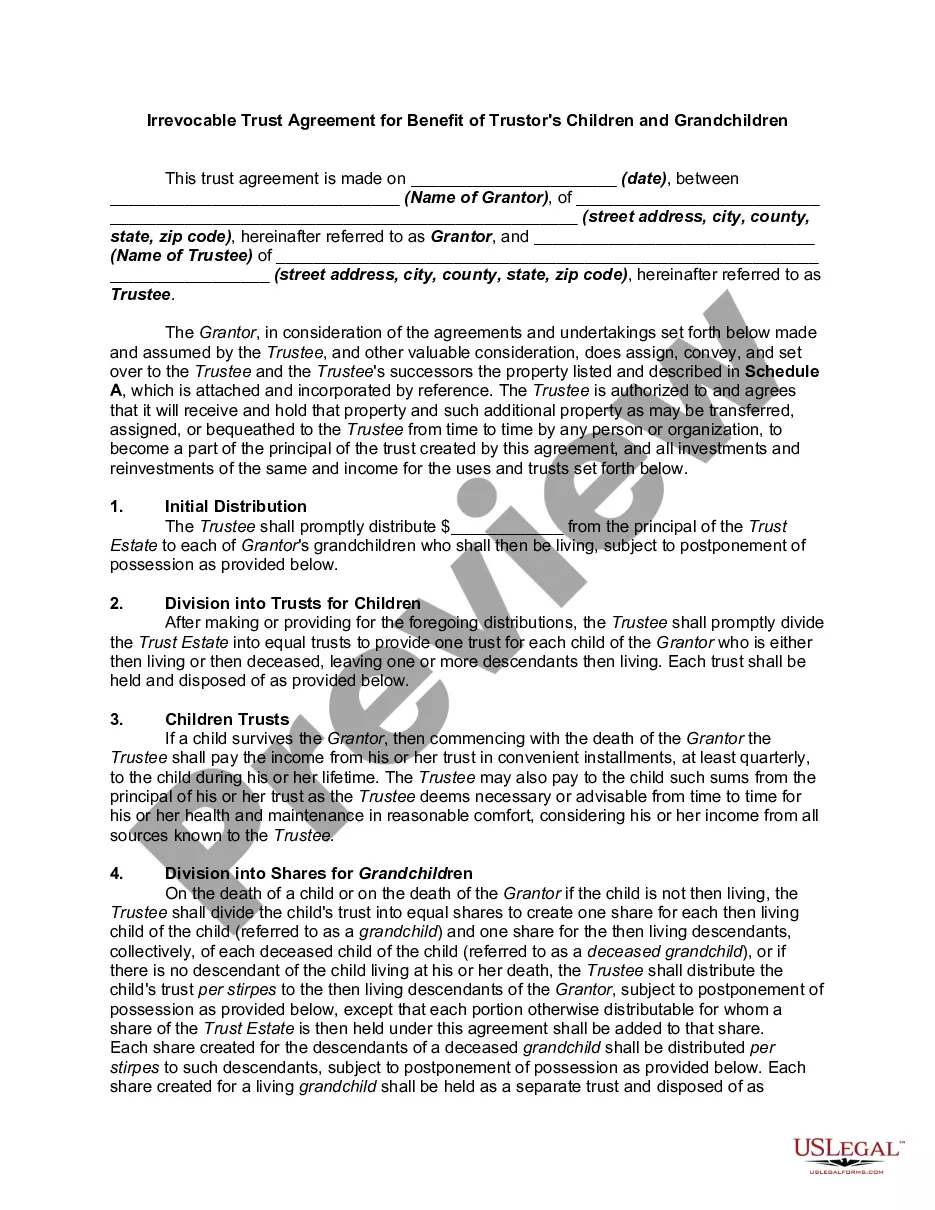
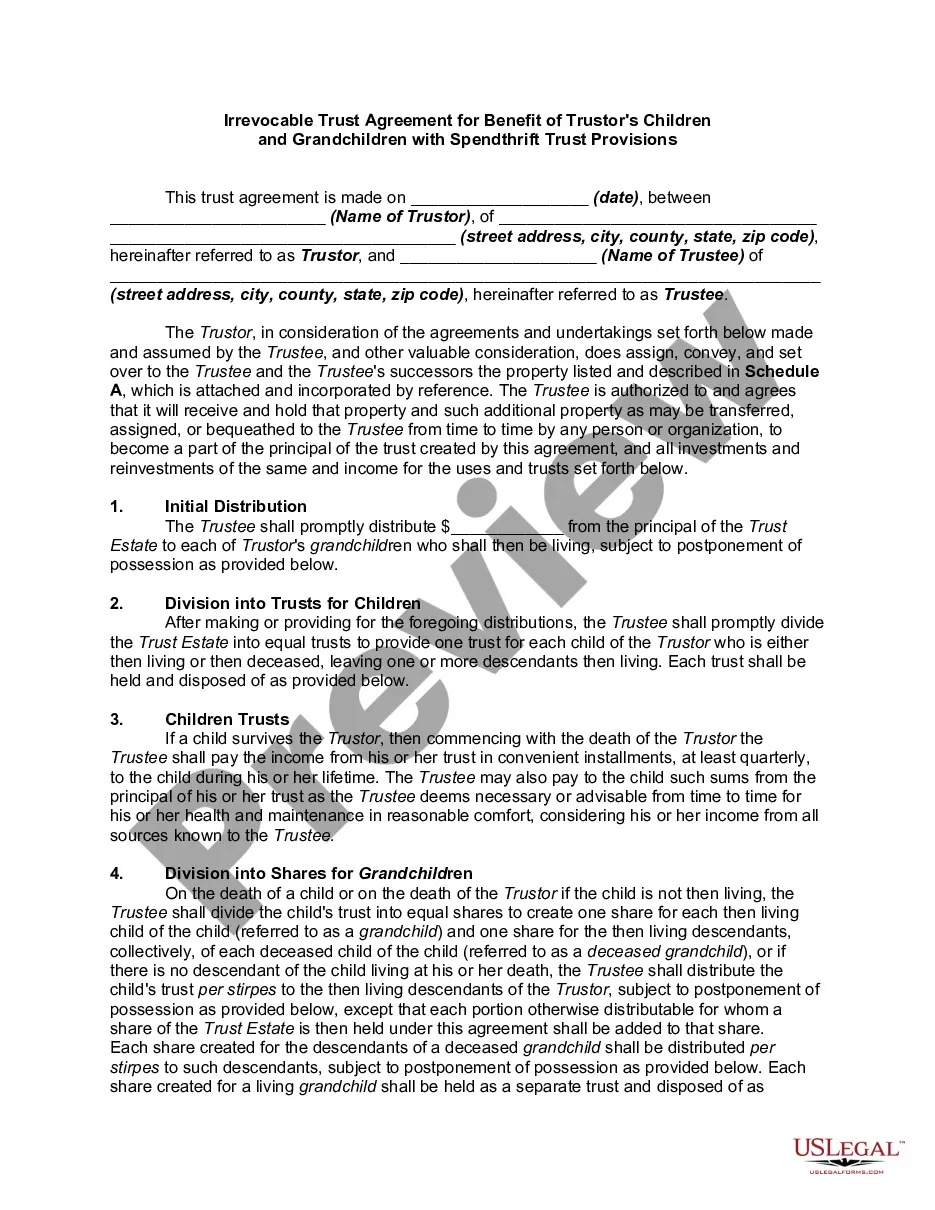
Get your form ready online
Our built-in tools help you complete, sign, share, and store your documents in one place.
Make edits, fill in missing information, and update formatting in US Legal Forms—just like you would in MS Word.
Download a copy, print it, send it by email, or mail it via USPS—whatever works best for your next step.
Sign and collect signatures with our SignNow integration. Send to multiple recipients, set reminders, and more. Go Premium to unlock E-Sign.
If this form requires notarization, complete it online through a secure video call—no need to meet a notary in person or wait for an appointment.
We protect your documents and personal data by following strict security and privacy standards.

Make edits, fill in missing information, and update formatting in US Legal Forms—just like you would in MS Word.

Download a copy, print it, send it by email, or mail it via USPS—whatever works best for your next step.

Sign and collect signatures with our SignNow integration. Send to multiple recipients, set reminders, and more. Go Premium to unlock E-Sign.

If this form requires notarization, complete it online through a secure video call—no need to meet a notary in person or wait for an appointment.

We protect your documents and personal data by following strict security and privacy standards.
Looking for another form?






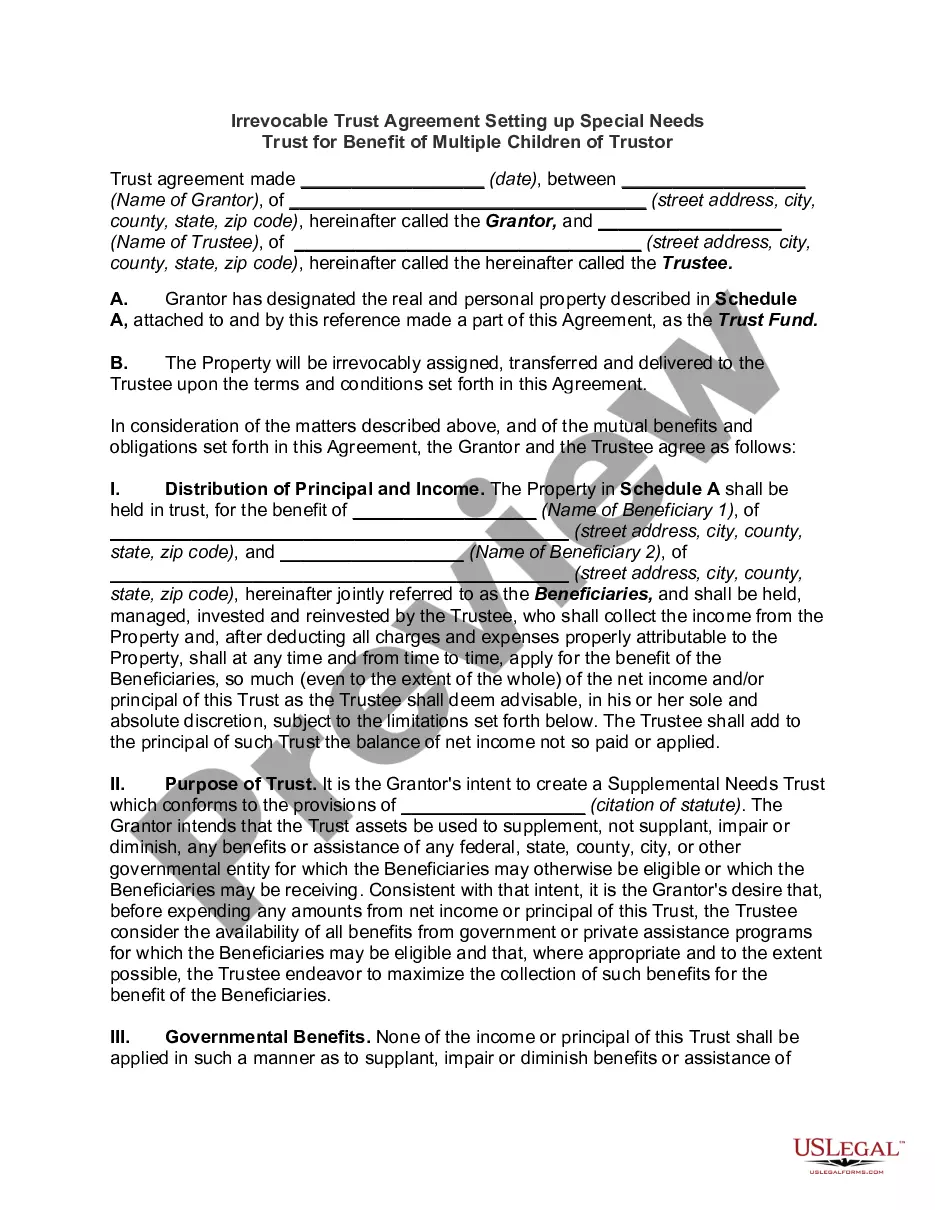
How to fill out Special Needs Irrevocable Trust Agreement For Benefit Of Disabled Child Of Trustor?
- Log into your US Legal Forms account. If you don’t have one, create an account to access our extensive library.
- Preview the special needs trust contract. Make sure the form you select aligns with your requirements and complies with New Jersey laws.
- Search for additional templates as needed. Use the Search feature to find alternative forms if your first choice doesn't fit.
- Select the form and choose your subscription plan. Click the 'Buy Now' button and opt for the plan that best suits your needs.
- Complete your purchase. Enter your payment details or use your PayPal account for a smooth transaction.
- Download your document. Save the form to your device and access it at any time via the 'My Forms' section in your account.
By following these straightforward steps, you can ensure a hassle-free experience when securing your special needs trust contract in New Jersey.
Take action today, and empower yourself with the right legal tools. Visit US Legal Forms to get started!
Form popularity
FAQ
To set up a special needs trust account, start by drafting a trust agreement that outlines its terms, which should include provisions of a special needs trust contract with New Jersey. You will then need to fund the trust, which can involve transferring assets into the trust. Finally, it's wise to work with a qualified attorney or utilize platforms like US Legal Forms for guidance on legal formalities. This process ensures that your trust is established correctly and effectively supports your needs.
Setting up a trust in New Jersey involves meeting several key requirements under state law. Firstly, the trust must have a valid purpose, such as providing for a person with special needs through a special needs trust contract with New Jersey. Additionally, the trust document must be in writing, outline the assets involved, and specify the beneficiaries. Consulting with a legal expert familiar with New Jersey trust laws can help you navigate the requirements efficiently.
The special trustee plays a crucial role in managing a special needs trust contract with New Jersey. This individual or organization ensures that the trust operates according to your specific wishes and complies with state regulations. They are responsible for making distributions while maintaining the beneficiary's eligibility for government assistance. A reliable special trustee can help safeguard the financial future of your loved one.
To establish a special needs trust contract with New Jersey, you primarily need a clear understanding of your loved one’s needs and legal requirements. This process typically involves drafting a trust document, naming a reliable trustee, and specifying how funds will be managed. It’s crucial to work with a legal professional who specializes in special needs planning. The US Legal Forms platform can guide you through necessary forms and help ensure your trust is set up correctly.
In a special needs trust contract with New Jersey, the trustee is typically responsible for filing taxes on behalf of the trust. The trustee must ensure all income generated by the trust is reported accurately. Generally, special needs trusts are taxed at different rates than personal income, so it is essential to consult with a tax advisor. Using a platform like US Legal Forms can simplify the process of understanding tax obligations related to your special needs trust.
Choosing the right trustee for a special needs trust contract with New Jersey is crucial for managing the trust effectively. Ideally, the trustee should be someone who understands the nuances of special needs planning and can advocate for the beneficiary's best interests. This could be a family member, a trusted friend, or a professional with experience in managing trust funds. At USLegalForms, we can help you explore your options and find a qualified trustee who will ensure your trust is managed effectively.
In New Jersey, a special needs trust contract must comply with state regulations, including the purpose of maintaining eligibility for government benefits. The trust should clearly define the designated beneficiary and the trustee's responsibilities. Additionally, it must follow the guidelines set forth by the New Jersey Division of Disability Services. For assistance in creating a compliant special needs trust contract with New Jersey, consider using USLegalForms, as they offer resources to guide you through the process.
One downside of a special needs trust is the complexity and ongoing management required for compliance. As the trustee, you are responsible for adhering to specific rules and regulations, which can be challenging. Additionally, funds in the trust can only be used for certain expenses, limiting financial flexibility. However, despite these challenges, a well-drafted special needs trust contract with New Jersey can provide substantial benefits for your loved one.
The rules for a special needs trust in New Jersey dictate how assets are managed and distributed to beneficiaries. The trust must be irrevocable, meaning it cannot be altered or canceled once established. Additionally, it must strictly follow state and federal guidelines to ensure that it does not affect the beneficiary's eligibility for public assistance programs. Understanding these rules is essential to establishing an effective special needs trust contract with New Jersey.
In New Jersey, a special needs trust functions by holding assets for the benefit of a person with disabilities without jeopardizing their eligibility for government assistance. The funds in this trust can be used for supplemental needs, enhancing the beneficiary's quality of life. Trustees manage the trust and decide how to disburse funds according to the guidelines set in the special needs trust contract with New Jersey, ensuring compliance with federal and state laws.