Special Needs Trust Contract With Irs
Description

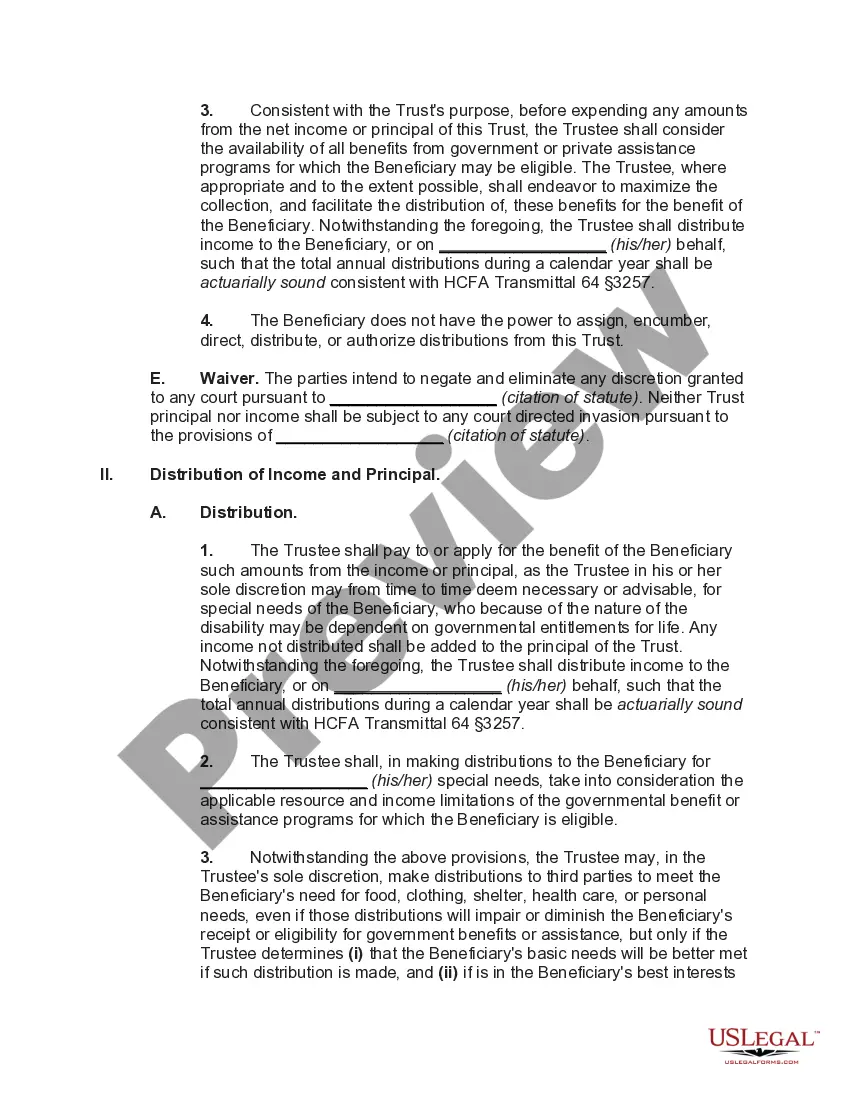
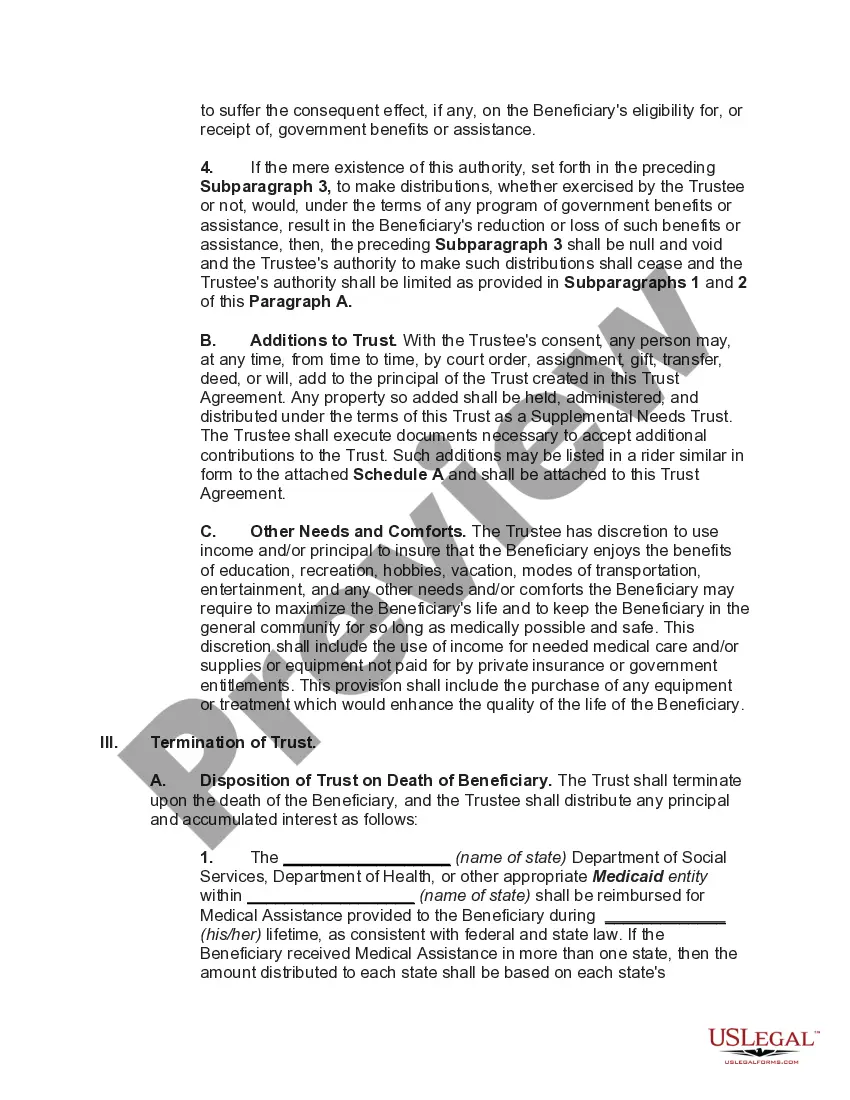
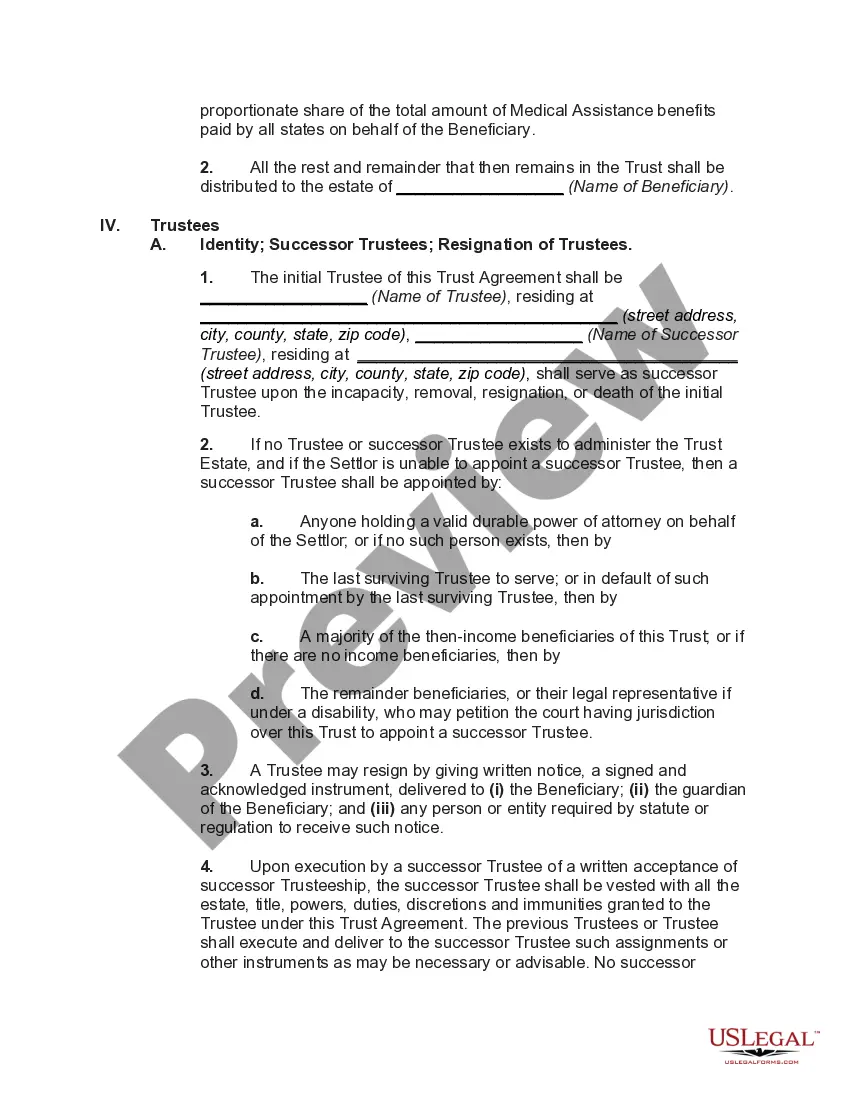
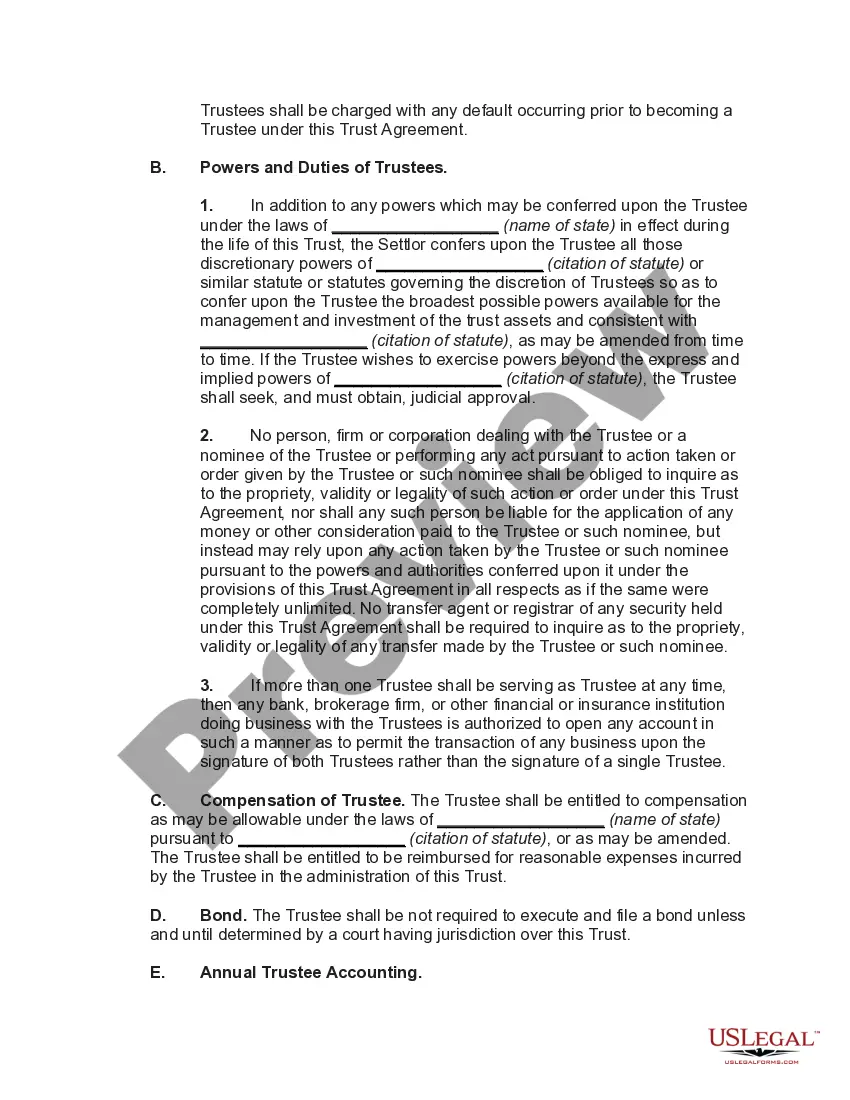
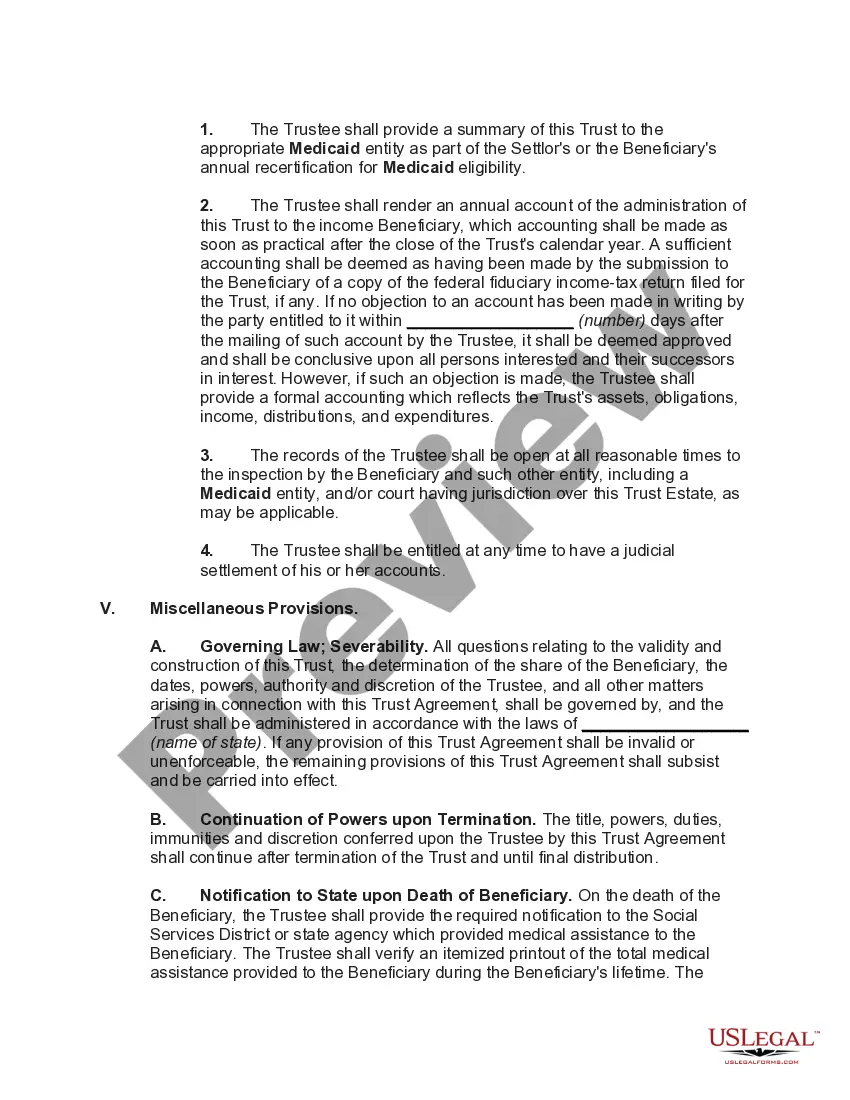
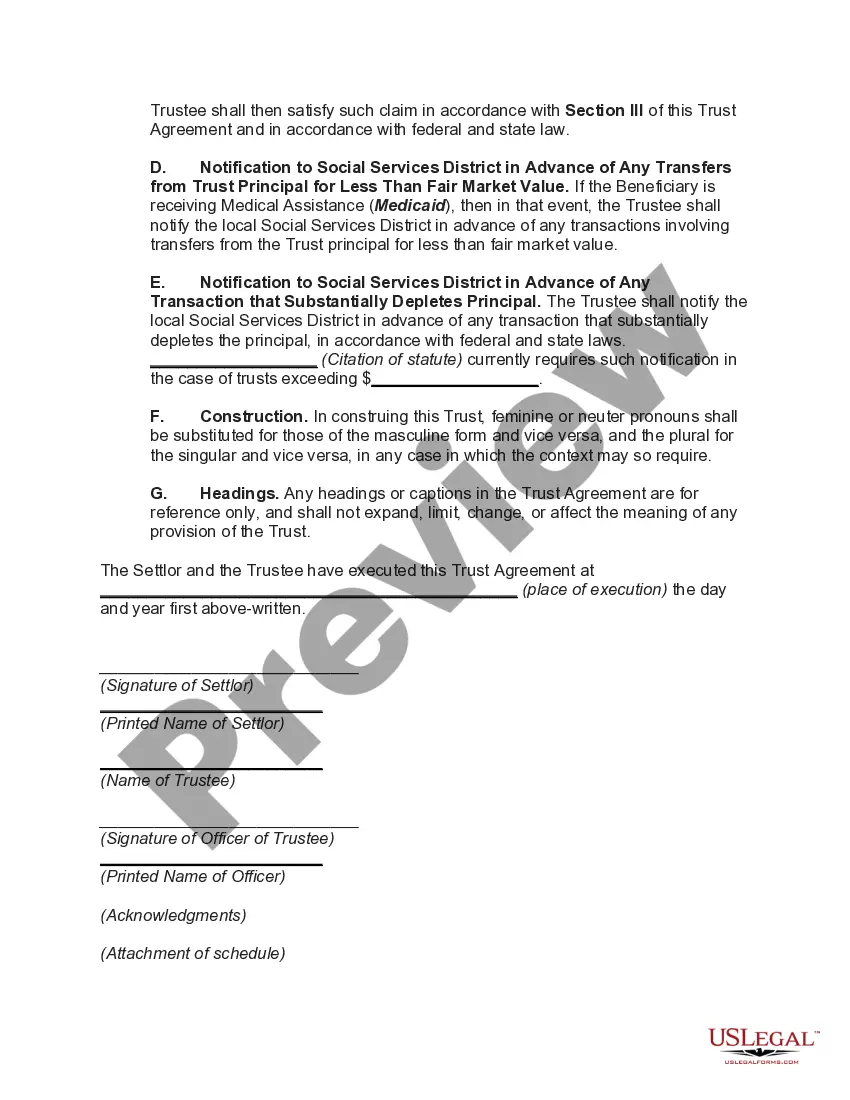
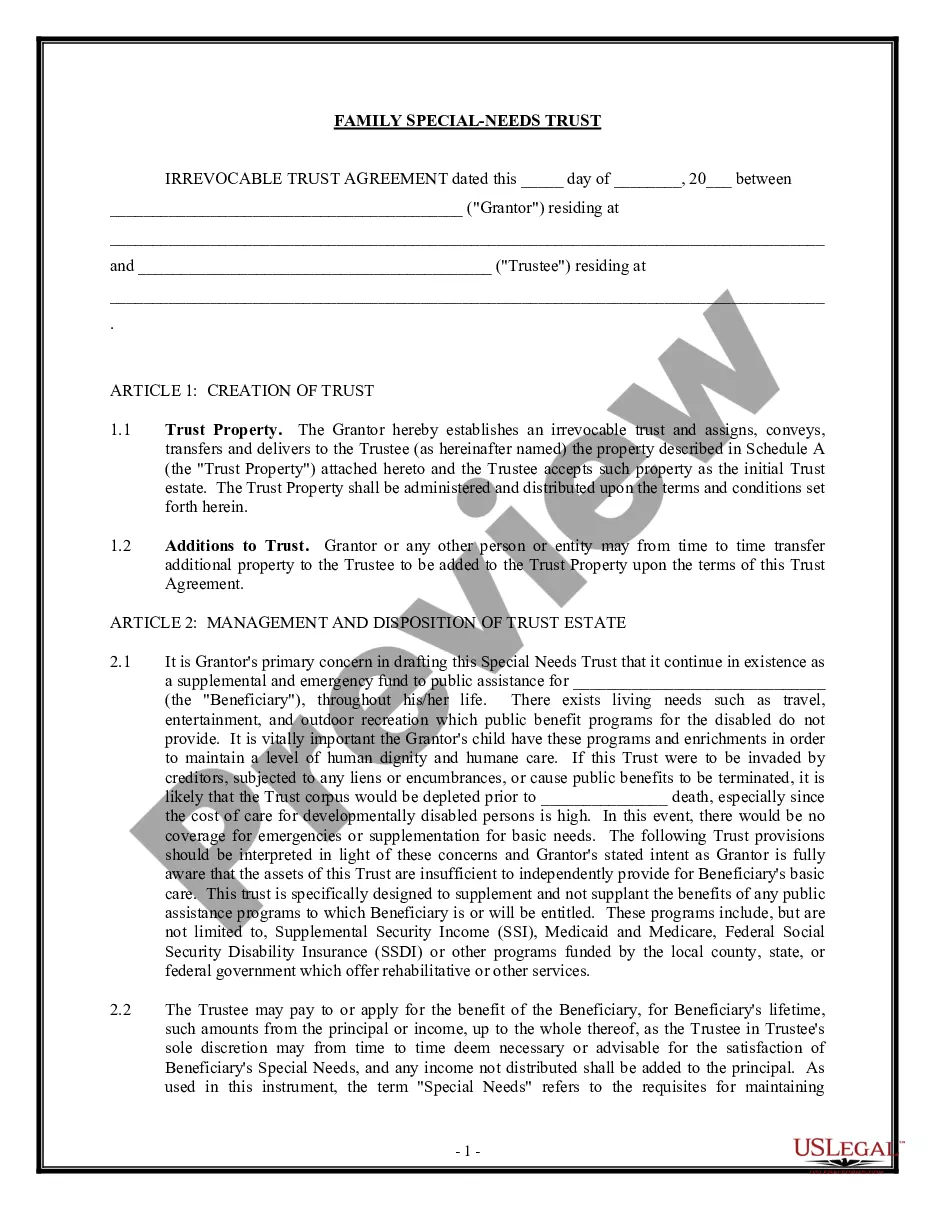



Get your form ready online
Our built-in tools help you complete, sign, share, and store your documents in one place.
Make edits, fill in missing information, and update formatting in US Legal Forms—just like you would in MS Word.
Download a copy, print it, send it by email, or mail it via USPS—whatever works best for your next step.
Sign and collect signatures with our SignNow integration. Send to multiple recipients, set reminders, and more. Go Premium to unlock E-Sign.
If this form requires notarization, complete it online through a secure video call—no need to meet a notary in person or wait for an appointment.
We protect your documents and personal data by following strict security and privacy standards.

Make edits, fill in missing information, and update formatting in US Legal Forms—just like you would in MS Word.

Download a copy, print it, send it by email, or mail it via USPS—whatever works best for your next step.

Sign and collect signatures with our SignNow integration. Send to multiple recipients, set reminders, and more. Go Premium to unlock E-Sign.

If this form requires notarization, complete it online through a secure video call—no need to meet a notary in person or wait for an appointment.

We protect your documents and personal data by following strict security and privacy standards.
Looking for another form?
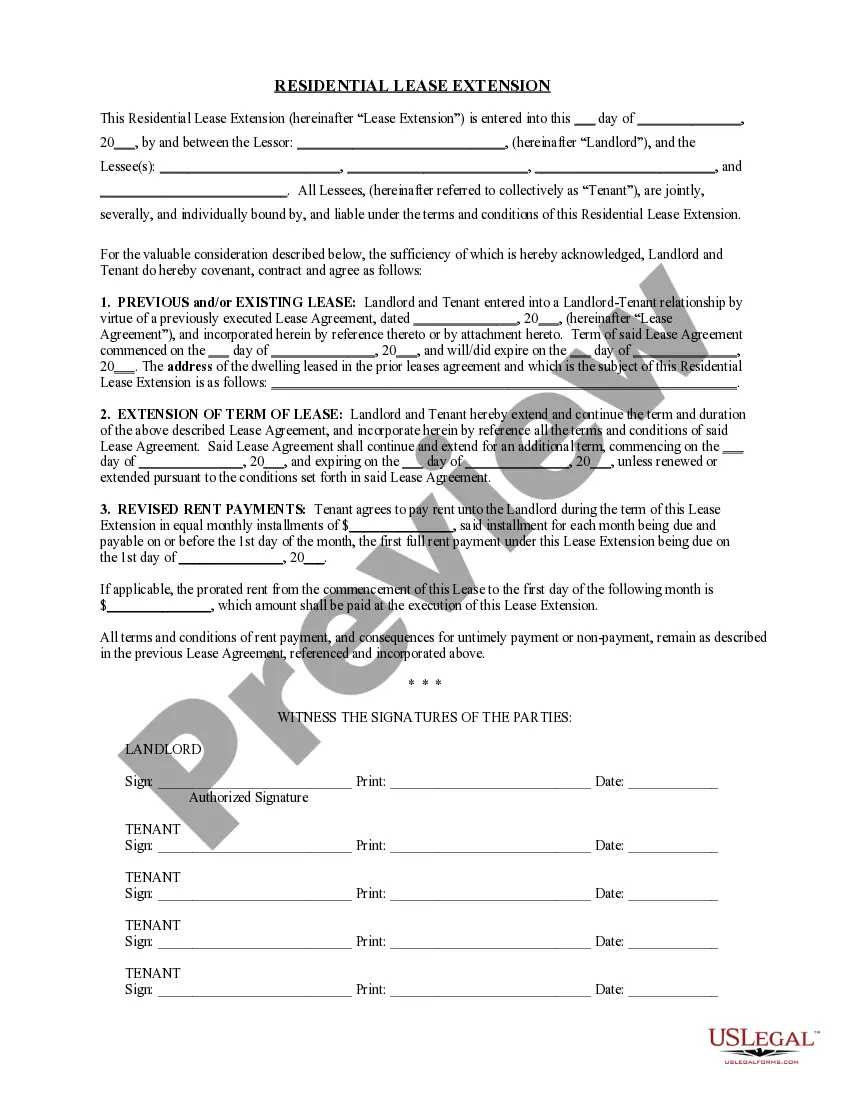

How to fill out Special Needs Irrevocable Trust Agreement For Benefit Of Disabled Child Of Trustor?
- Visit the US Legal Forms website and log into your account, ensuring your subscription is active.
- Browse the extensive library of over 85,000 legal forms to find the special needs trust contract template that aligns with your requirements.
- If you need to refine your search, utilize the Search tab for additional options that meet your local jurisdiction's criteria.
- Once you find the suitable template, click the Buy Now button and select a subscription plan that meets your needs.
- Complete your purchase using a credit card or PayPal account to gain full access to the forms library.
- Download the special needs trust contract template directly to your device for easy completion. You can also revisit it anytime via the My Forms section in your profile.
In conclusion, US Legal Forms streamlines the process of obtaining legal documents, especially for special needs trust contracts. With a vast array of resources and expert support available, you can ensure that your contracts are accurately executed.
Take the first step today by visiting US Legal Forms and secure the legal documentation you need!
Form popularity
FAQ
In most cases, a trust does need to file a tax return if it generates income. This includes special needs trusts, which must report any income earned and file IRS Form 1041 accordingly. Failure to file can lead to penalties and interest, so it's important to stay compliant. Utilizing services like US Legal Forms can simplify this process, helping you understand your filing obligations.
Yes, a special needs trust must obtain its own tax identification number, also known as an Employer Identification Number (EIN). This is crucial for tax purposes and allows the trust to file its tax returns separately from your personal taxes. When setting up a special needs trust contract with the IRS, securing an EIN is one of the first steps, ensuring everything is properly documented and compliant.
Qualified disability trusts are generally taxed at the same rates as individuals under the tax code. However, they benefit from a higher income threshold before reaching the maximum tax rate. These trusts can claim a deduction for amounts distributed to beneficiaries. Understanding how these rules relate to your special needs trust contract with the IRS is essential, and resources like US Legal Forms can guide you through the necessary steps.
Filing taxes on a special needs trust involves completing IRS Form 1041 for the trust itself. Income earned by the trust must be reported, and the trust may owe taxes based on this income. As a trustee, you must also provide beneficiaries with a Schedule K-1, which details any distributions they received during the tax year. Working with a tax expert can help you navigate this process smoothly.
For a special needs trust contract with the IRS, you typically need to use Form 1041, which is the U.S. Income Tax Return for Estates and Trusts. This form allows you to report income, deductions, and the tax liability of the trust. Additionally, if you have beneficiaries who are receiving distributions, they may need to report this income on their personal tax returns. It's wise to consult with a tax professional to ensure compliance.
Yes, a special needs trust typically needs an EIN number, especially if it generates income. This number helps the trust report financial activity to the IRS, allowing for proper tax compliance. As you establish your special needs trust contract with the IRS, obtaining an EIN is a key part of the process to ensure a smooth operation of the trust.
A qualified disability trust, as defined by the IRS, is a special needs trust that provides specific tax benefits. This trust allows individuals with disabilities to maintain government benefits while still receiving income from the trust. If you're looking into a special needs trust contract with the IRS, this option can be beneficial for ensuring financial security without jeopardizing essential support.
Setting up a trust for a special needs child involves several key steps. First, you should define the funding sources for the trust and identify a trustee who understands the specific requirements. Legal guidance is crucial here, so using a platform like US Legal Forms can help in drafting a special needs trust contract with the IRS and ensuring compliance with regulations.
The taxation of a special needs trust depends on whether it is a revocable or irrevocable trust. Generally, the individual who created the trust is responsible for taxes on the income generated. However, once the special needs trust contract with the IRS is established, the trust itself may need to file its own tax return, depending on its structure and income.
Yes, certain trusts may need to be filed with the IRS, including special needs trusts under specific circumstances. It's important to consult with a tax professional to understand your obligations. Properly addressing the requirements of a special needs trust contract with the IRS ensures compliance and protects the interests of the beneficiary.