Special Needs Cover
Description
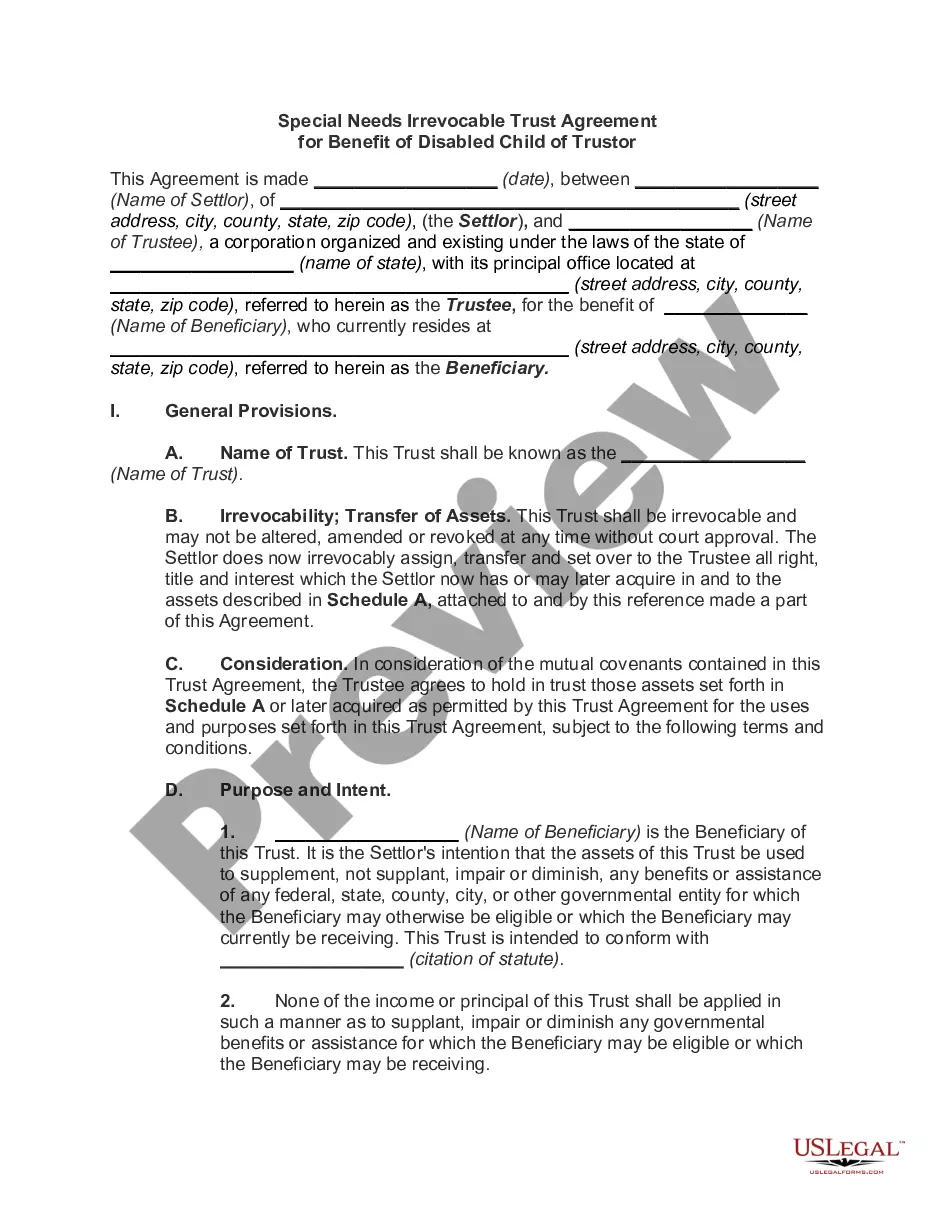
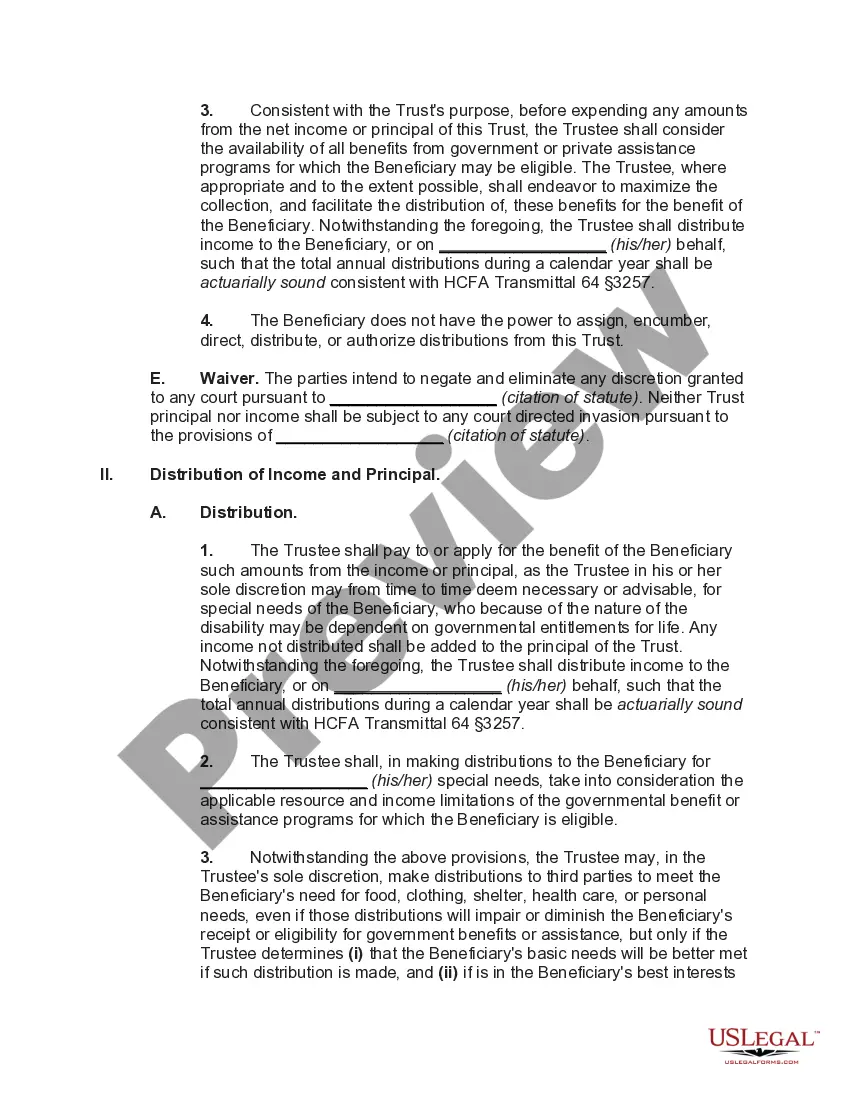
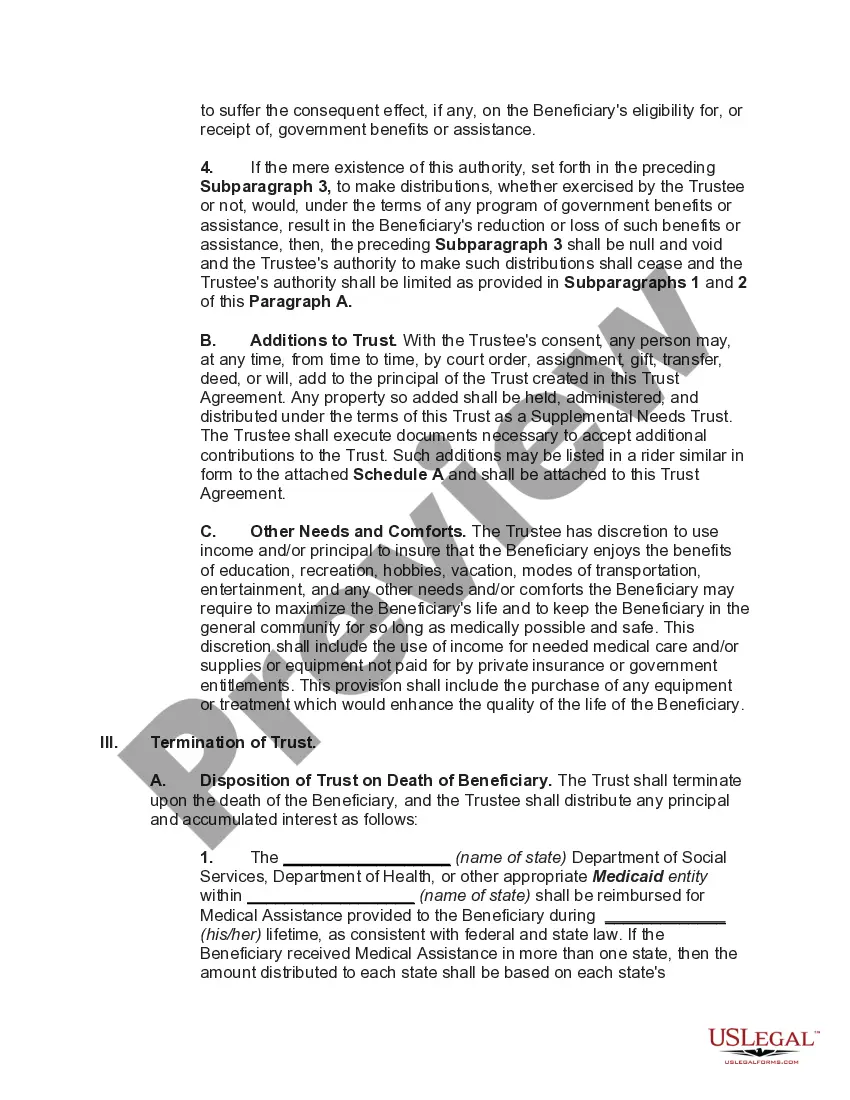
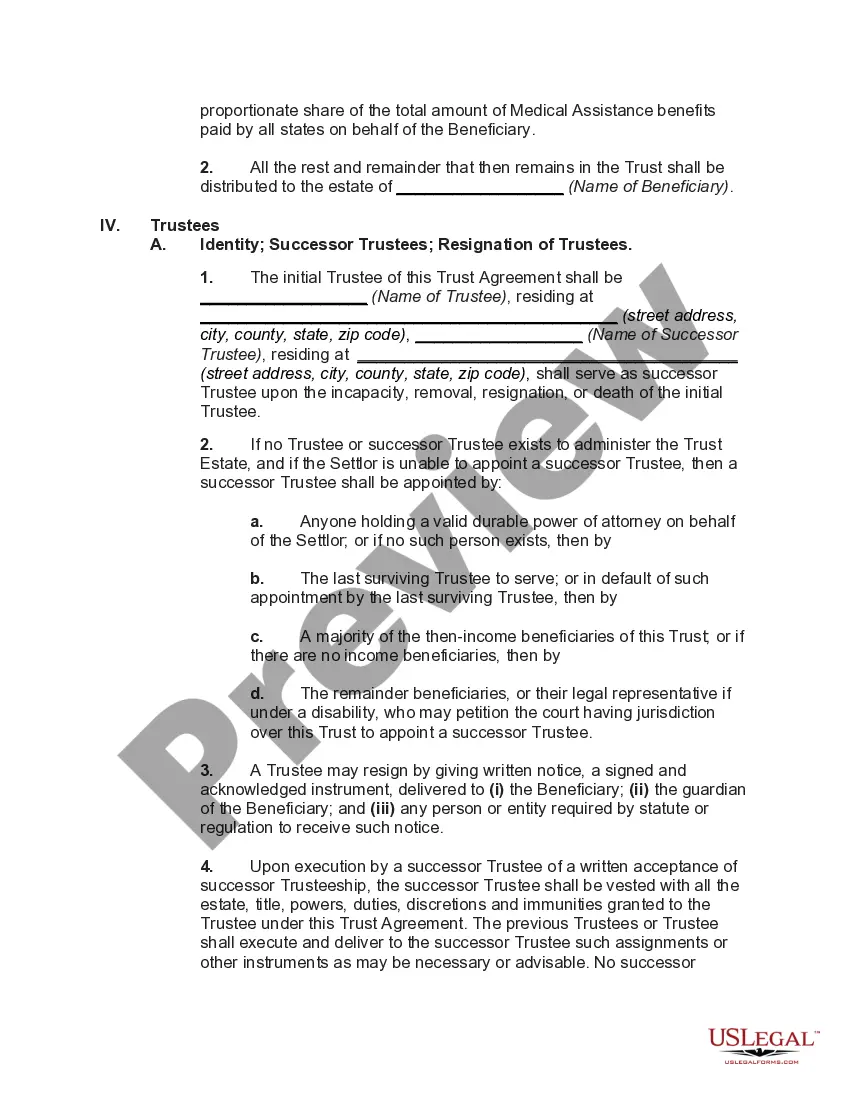
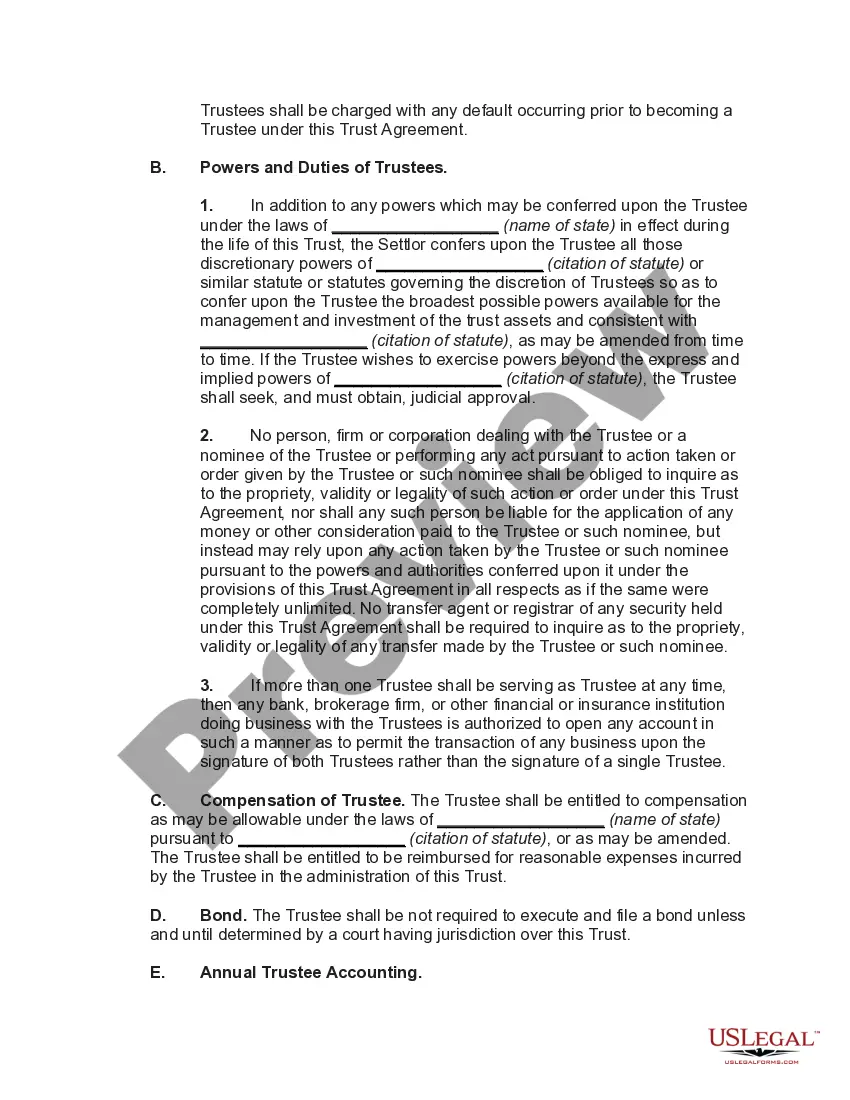
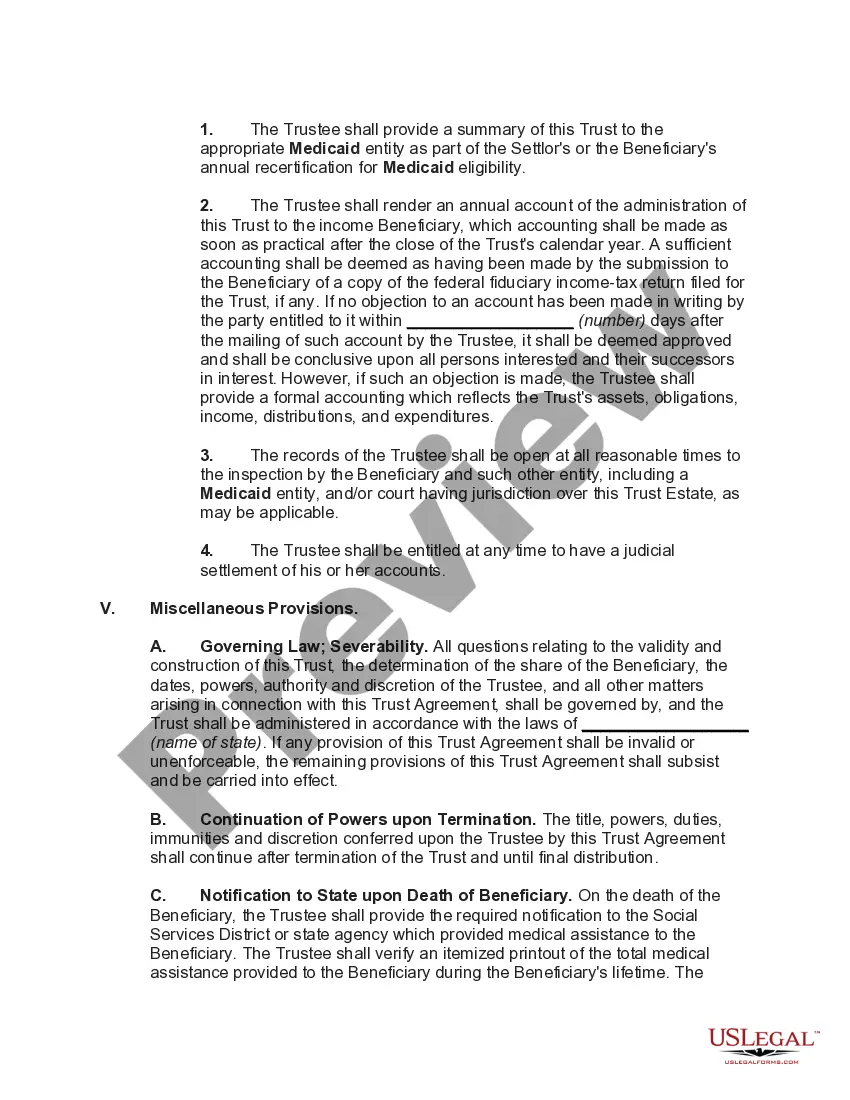
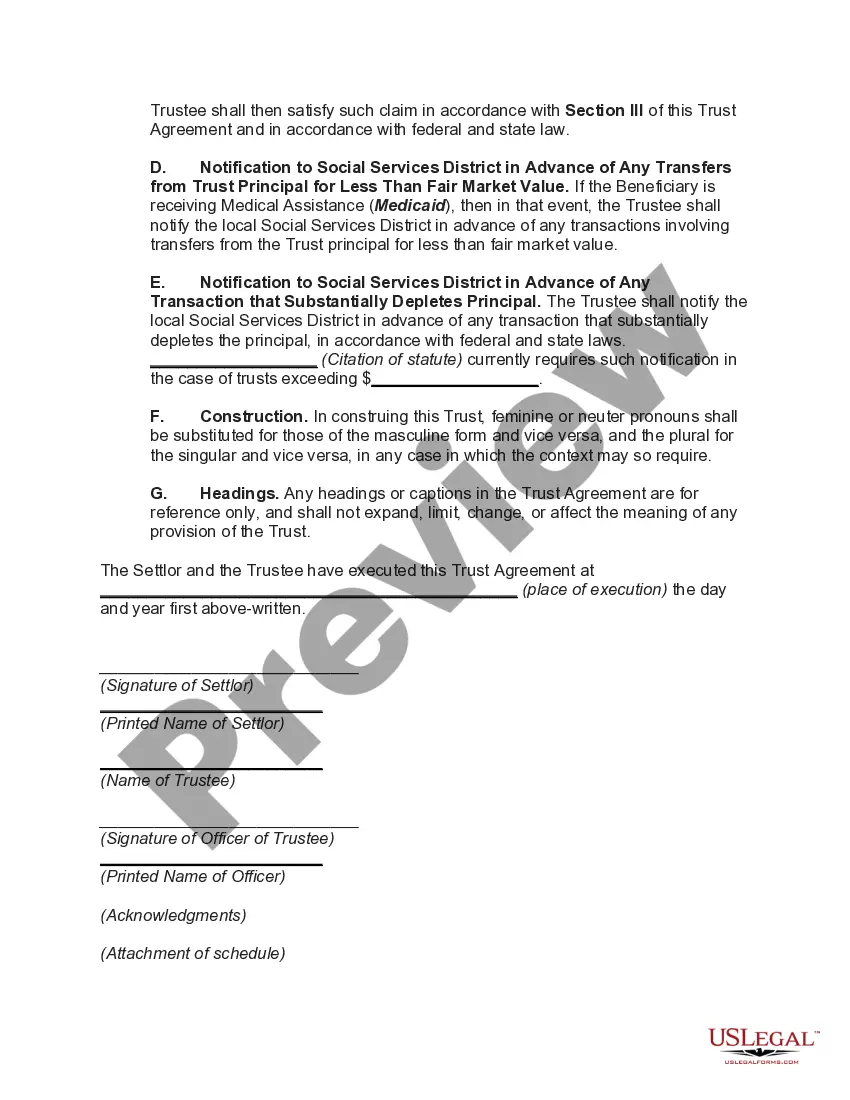
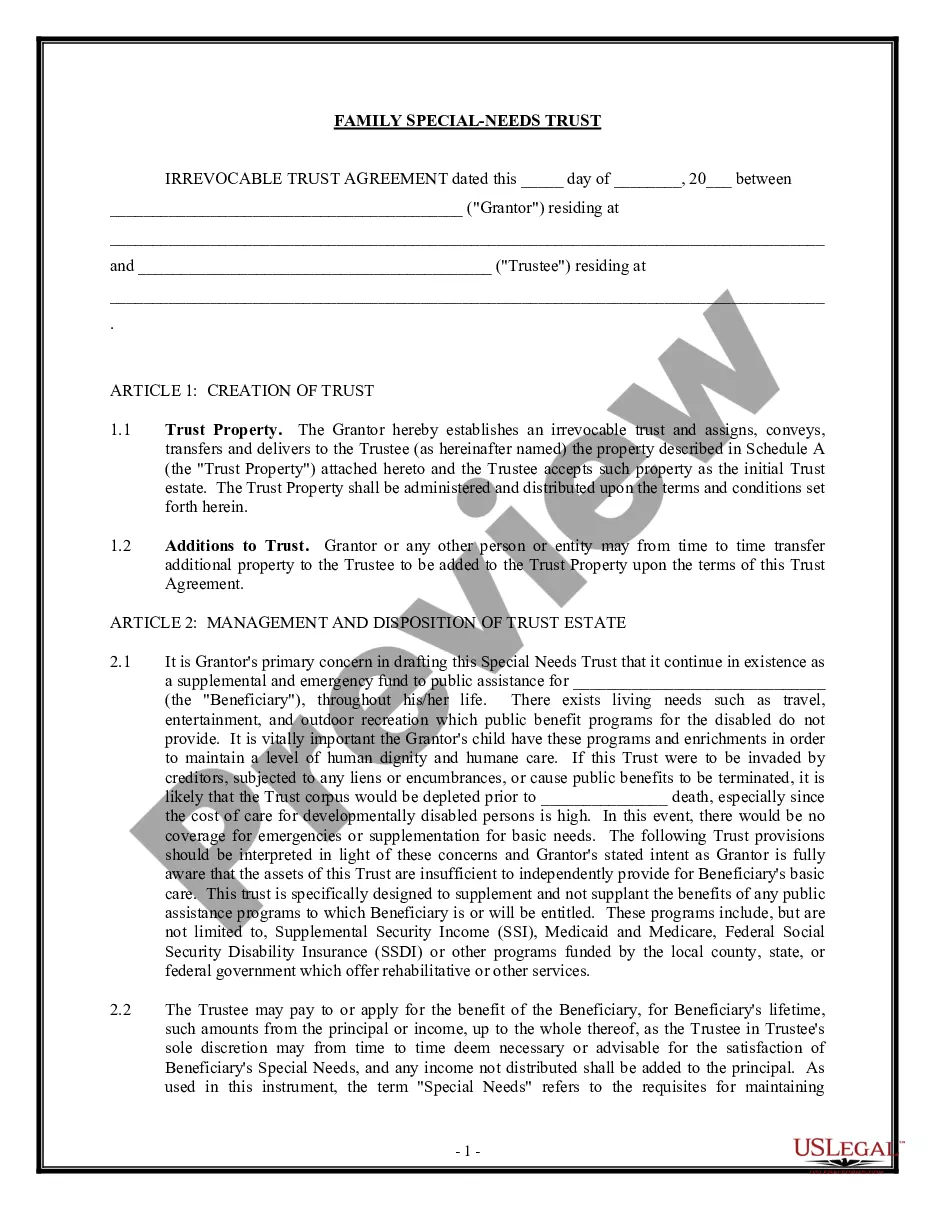



Get your form ready online
Our built-in tools help you complete, sign, share, and store your documents in one place.
Make edits, fill in missing information, and update formatting in US Legal Forms—just like you would in MS Word.
Download a copy, print it, send it by email, or mail it via USPS—whatever works best for your next step.
Sign and collect signatures with our SignNow integration. Send to multiple recipients, set reminders, and more. Go Premium to unlock E-Sign.
If this form requires notarization, complete it online through a secure video call—no need to meet a notary in person or wait for an appointment.
We protect your documents and personal data by following strict security and privacy standards.

Make edits, fill in missing information, and update formatting in US Legal Forms—just like you would in MS Word.

Download a copy, print it, send it by email, or mail it via USPS—whatever works best for your next step.

Sign and collect signatures with our SignNow integration. Send to multiple recipients, set reminders, and more. Go Premium to unlock E-Sign.

If this form requires notarization, complete it online through a secure video call—no need to meet a notary in person or wait for an appointment.

We protect your documents and personal data by following strict security and privacy standards.
Looking for another form?









How to fill out Special Needs Irrevocable Trust Agreement For Benefit Of Disabled Child Of Trustor?
- If you are a returning user, log in to your account to retrieve your desired document by clicking the Download button. Make sure your subscription is active; renew if necessary.
- For first-time users, begin by checking the preview mode and description of the special needs cover forms to verify their relevance and compliance with your jurisdiction.
- If the form does not meet your needs, utilize the Search tab to locate other options that may suit your requirements.
- Once you find a satisfactory document, click on the 'Buy Now' button to select your subscription plan and create an account.
- Complete your purchase by entering payment details, either through credit card or PayPal.
- Download your form and save it on your device; you can always access it again through the My Forms section in your account.
In conclusion, US Legal Forms not only provides a robust and extensive array of legal documents but also offers expert assistance for your special needs cover requirements. This ensures you can create accurate and legally compliant documents with ease.
Start your journey to effective legal documentation today!
Form popularity
FAQ
The most appropriate way to refer to children with special needs is to use the term children with disabilities or children needing specialized assistance. This phrasing is respectful and accurately reflects their experiences. Ensuring that the language used is supportive helps to foster inclusive conversations and awareness. If you're looking for ways to enhance the well-being of these children, special needs cover can play a vital role.
Instead of saying children with special needs, you could say children with disabilities or children requiring additional support. This variation maintains respect while emphasizing individual strengths. It's important to communicate compassion and understanding when discussing this topic, as it reflects the needs of these children. Remember, having special needs cover can enhance the support available for families.
There are three main types of special needs plans: Special Needs Trusts, Special Needs Accounts, and Supplemental Security Income (SSI) plans. Each plan serves a unique purpose, ensuring that individuals with special needs can maintain their eligibility for government benefits while also receiving additional support. By exploring these options, families can better understand how special needs cover works for their loved ones. Resourceful platforms like US Legal Forms offer guidance in navigating these plans.
The politically correct term often used is children with disabilities or children with special needs. It's important to use language that empowers rather than stigmatizes. Every term carries weight, so choosing 'special needs' can indicate sensitivity to the challenges these children face. Additionally, understanding special needs cover can assist families in accessing necessary support.
You can refer to special needs children as children with disabilities or children with unique needs. It is essential to prioritize respect and understanding when discussing these individuals. Using the term 'special needs' acknowledges the support they may require in various aspects of their lives. Special needs cover is crucial in ensuring that these children receive the care and resources they need.
Yes, there are unique eligibility requirements for Medicare Advantage plans, including the necessity of being enrolled in Medicare Parts A and B. Some plans may also consider your health status or the area you live in. Ensure you review these requirements closely to choose a plan that offers the right special needs cover for your needs.
Enrolling in a Medicare special needs plan involves several steps, starting with checking your eligibility. You can apply during the annual enrollment period or special enrollment periods specific to your situation. Additionally, the US Legal Forms platform offers resources and support for navigating the enrollment process, making it simpler for you.
There are three primary types of special needs plans: Chronic Condition SNPs, Dual Eligible SNPs, and Institutional SNPs. Each type focuses on a specific group of individuals with unique needs, providing targeted benefits and support. Understanding each plan can help you choose the right special needs cover that meets your requirements.
To be eligible for a Medicare special needs plan, you must be enrolled in both Medicare Part A and Part B. Additionally, you should have a qualifying condition or need services that the special needs cover addresses. Eligibility can vary, so reviewing the requirements and consulting with a healthcare advisor is advisable.
Chronic conditions that may qualify you for a special needs plan often include diabetes, heart disease, or other long-term illnesses. Each special needs cover focuses on different health issues, making it crucial to understand your specific condition. It’s important to consult with a healthcare provider to determine your eligibility based on your medical history.