Needs Trust With Ssi
Description
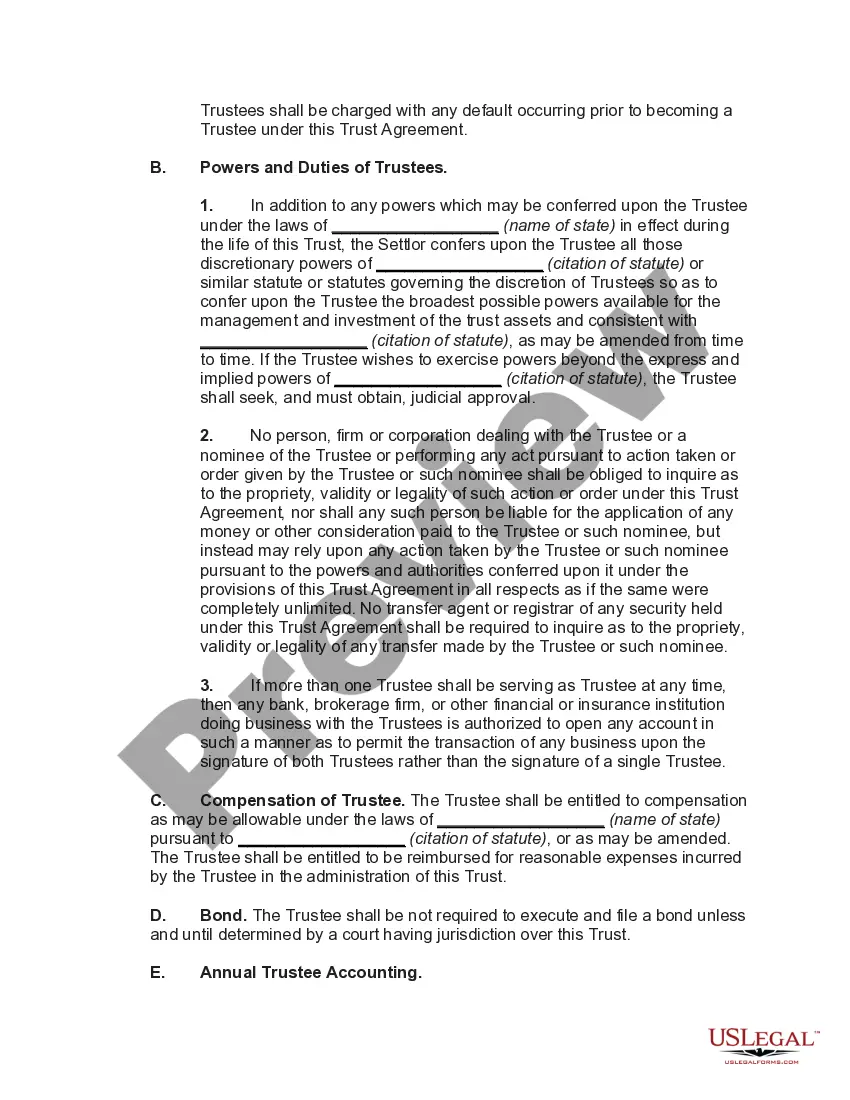
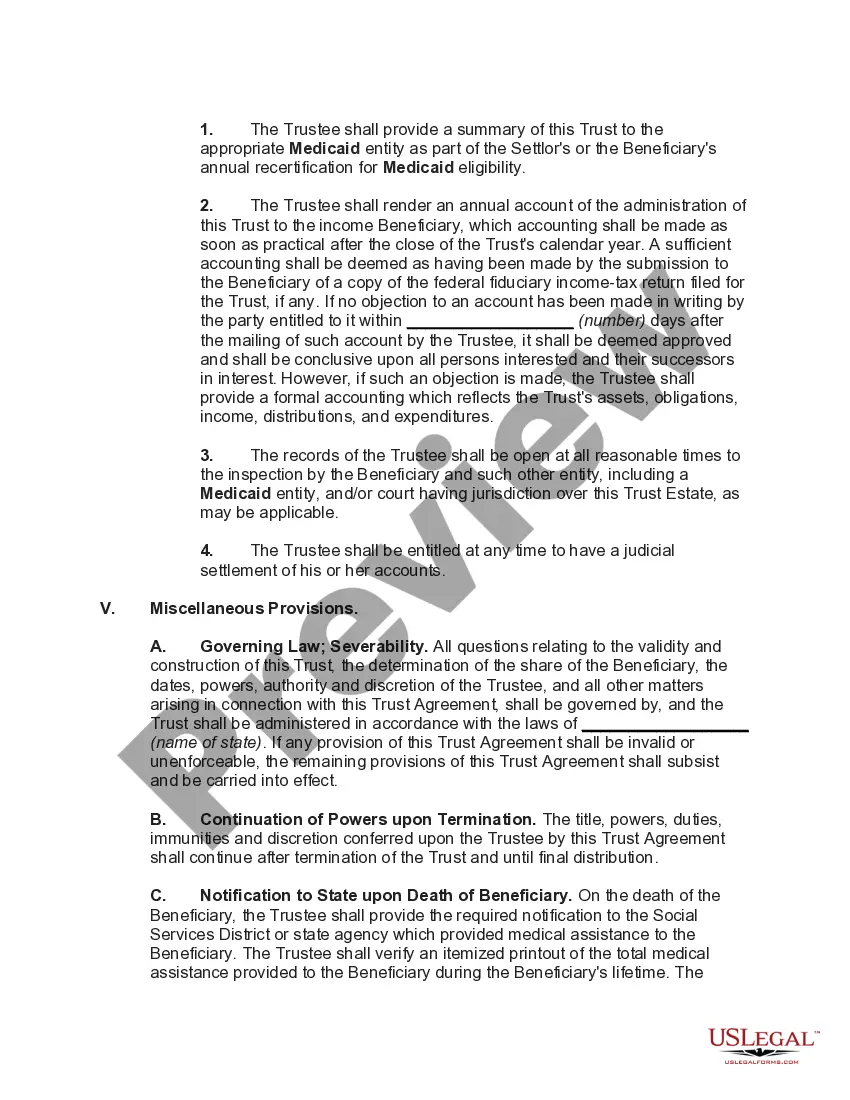
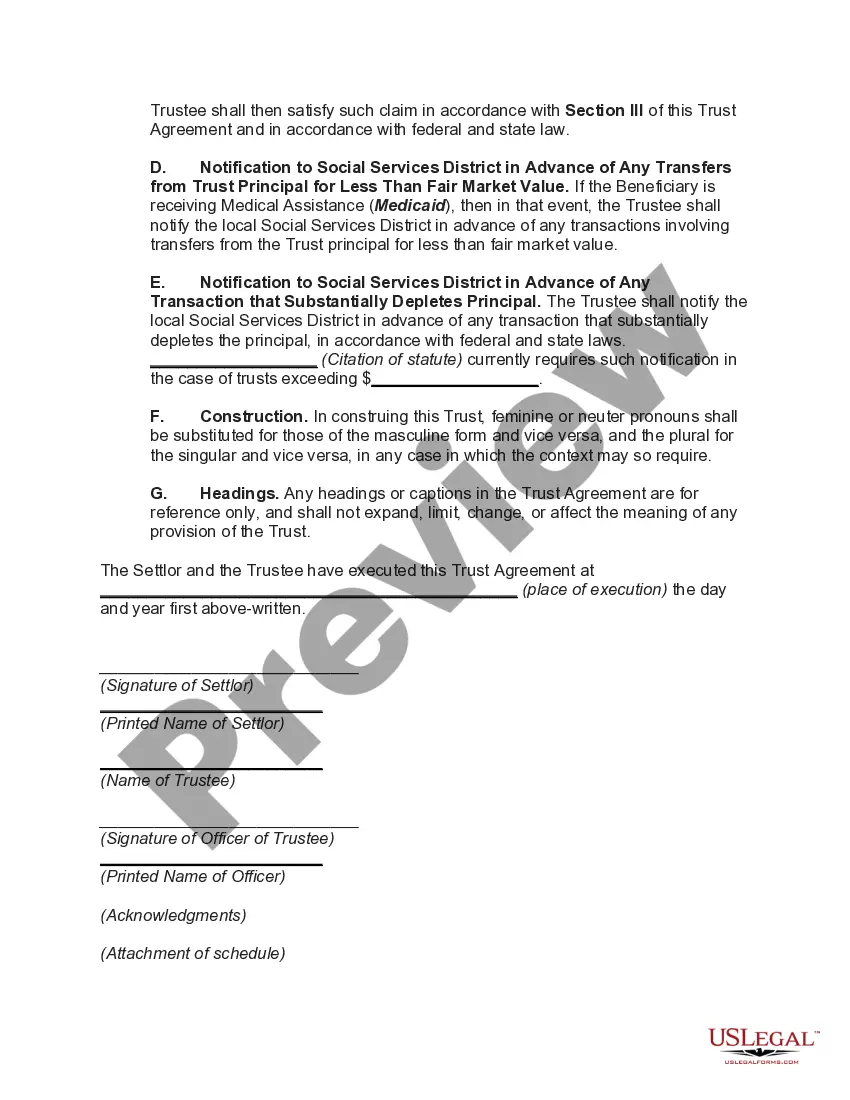
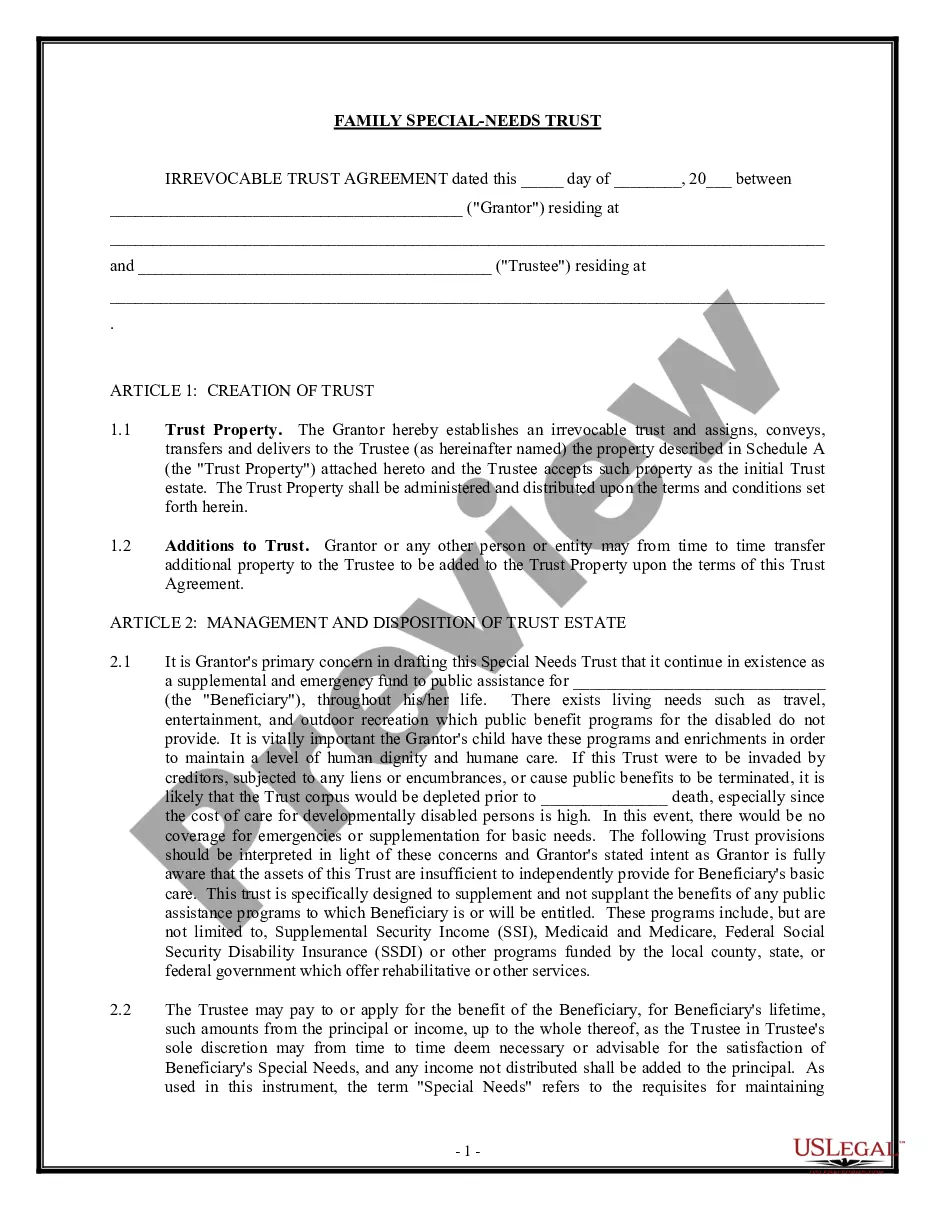



Get your form ready online
Our built-in tools help you complete, sign, share, and store your documents in one place.
Make edits, fill in missing information, and update formatting in US Legal Forms—just like you would in MS Word.
Download a copy, print it, send it by email, or mail it via USPS—whatever works best for your next step.
Sign and collect signatures with our SignNow integration. Send to multiple recipients, set reminders, and more. Go Premium to unlock E-Sign.
If this form requires notarization, complete it online through a secure video call—no need to meet a notary in person or wait for an appointment.
We protect your documents and personal data by following strict security and privacy standards.

Make edits, fill in missing information, and update formatting in US Legal Forms—just like you would in MS Word.

Download a copy, print it, send it by email, or mail it via USPS—whatever works best for your next step.

Sign and collect signatures with our SignNow integration. Send to multiple recipients, set reminders, and more. Go Premium to unlock E-Sign.

If this form requires notarization, complete it online through a secure video call—no need to meet a notary in person or wait for an appointment.

We protect your documents and personal data by following strict security and privacy standards.
Looking for another form?
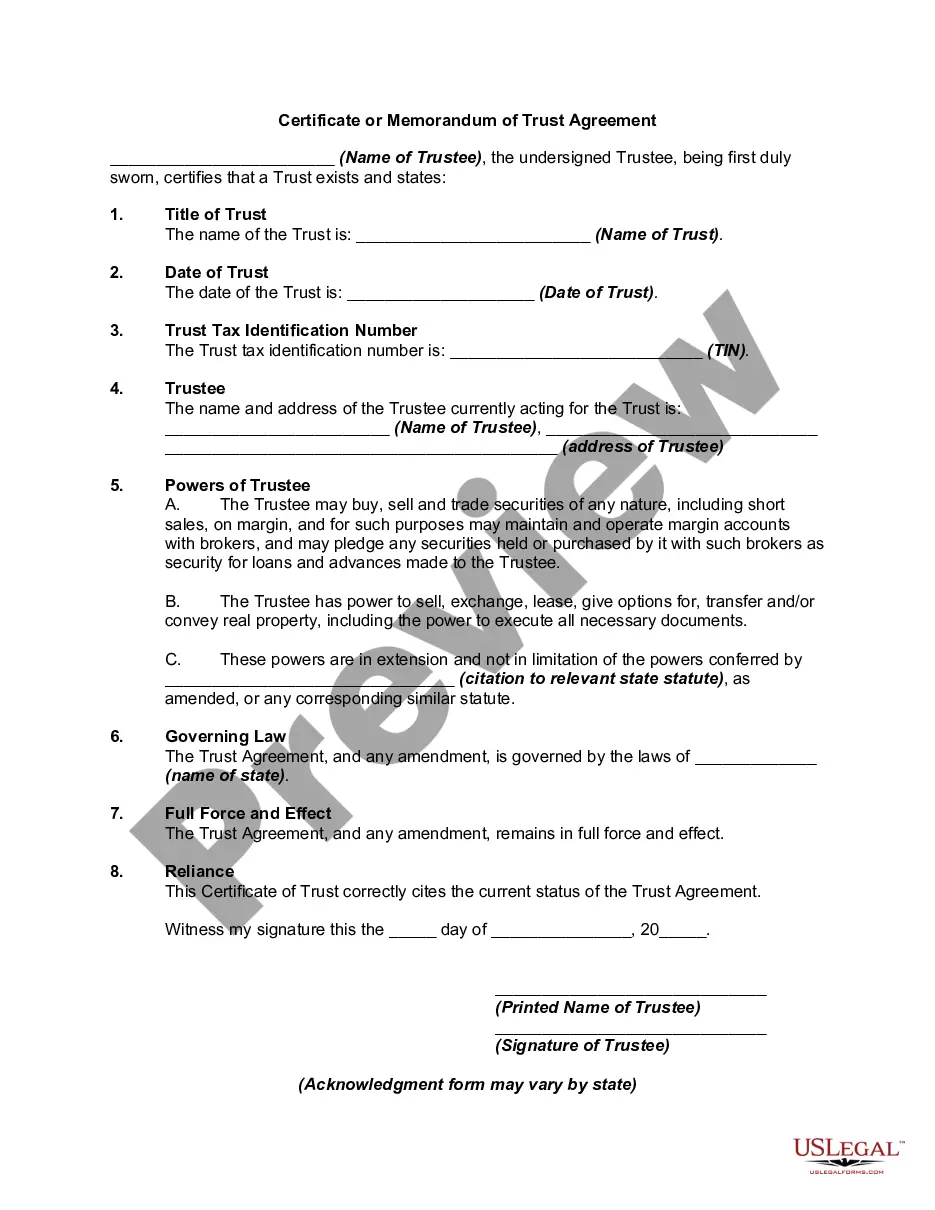




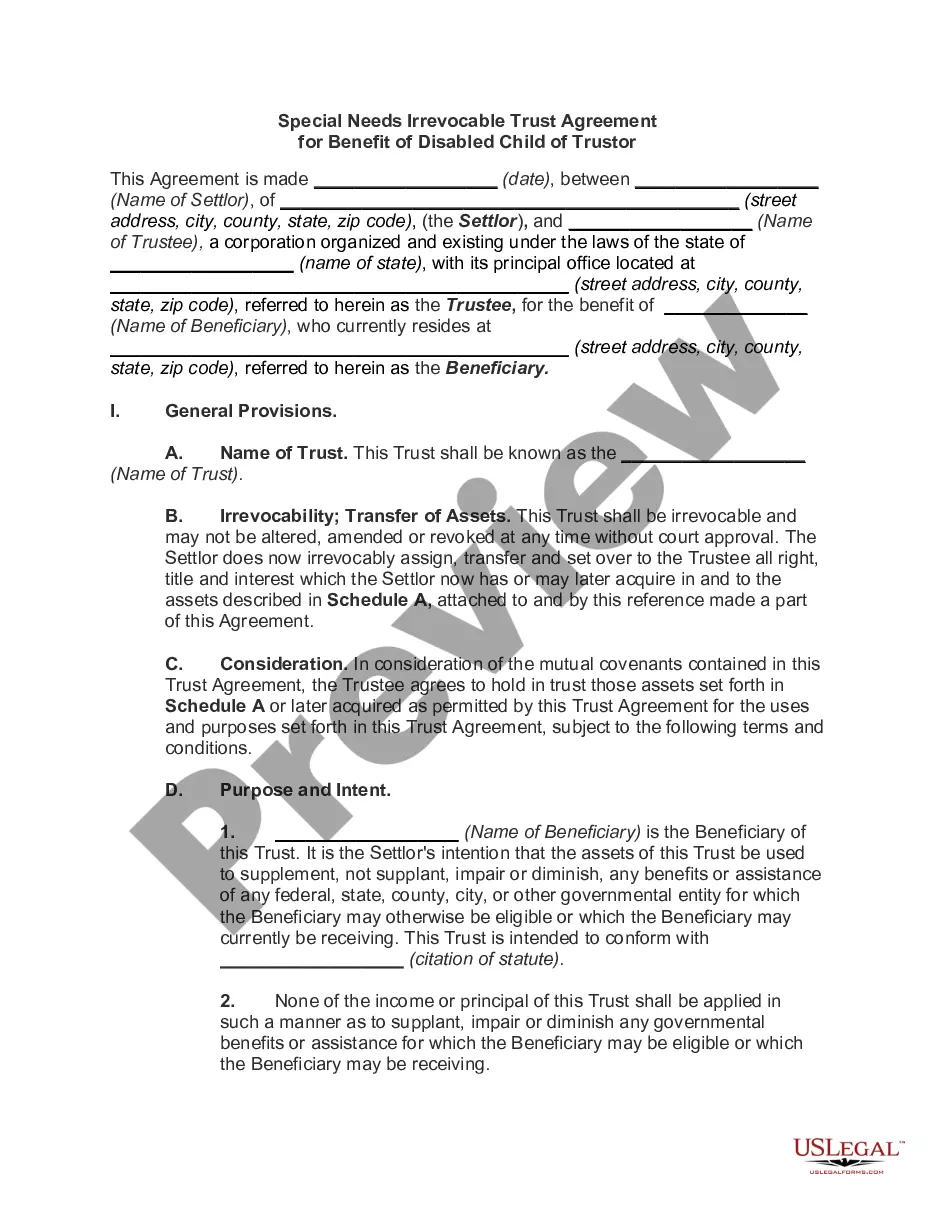
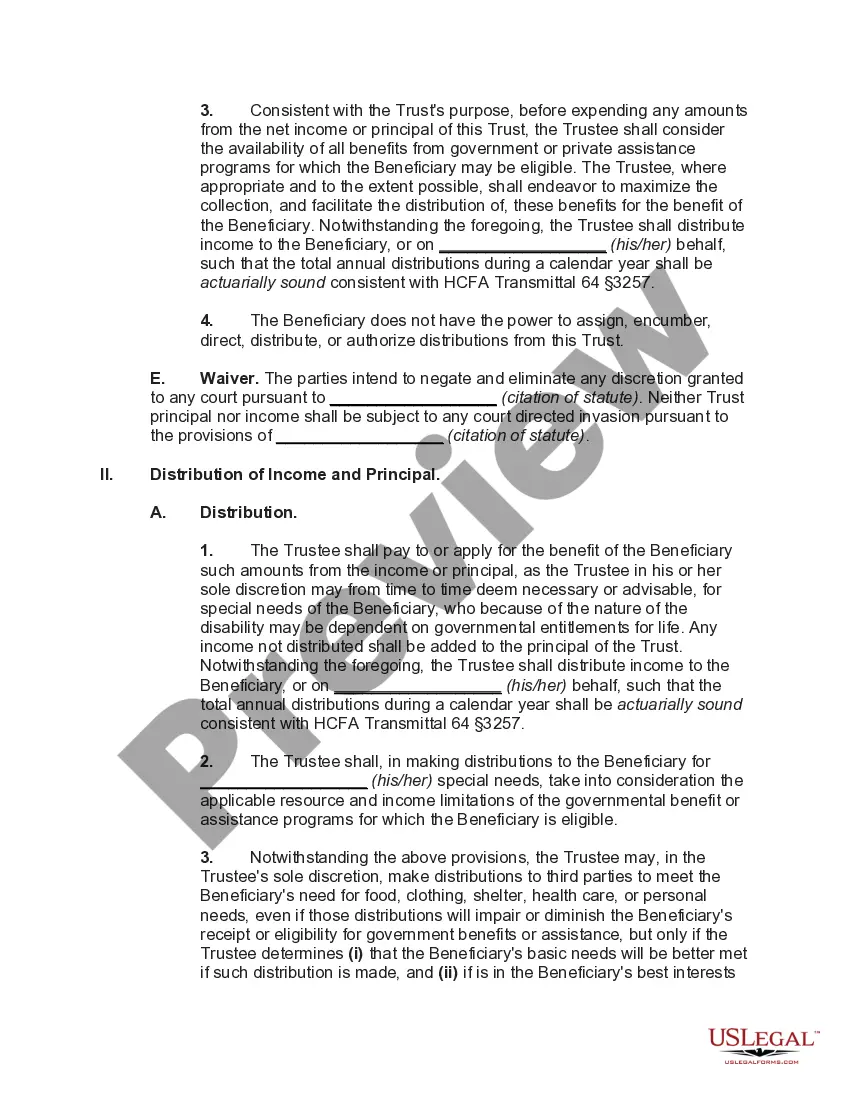
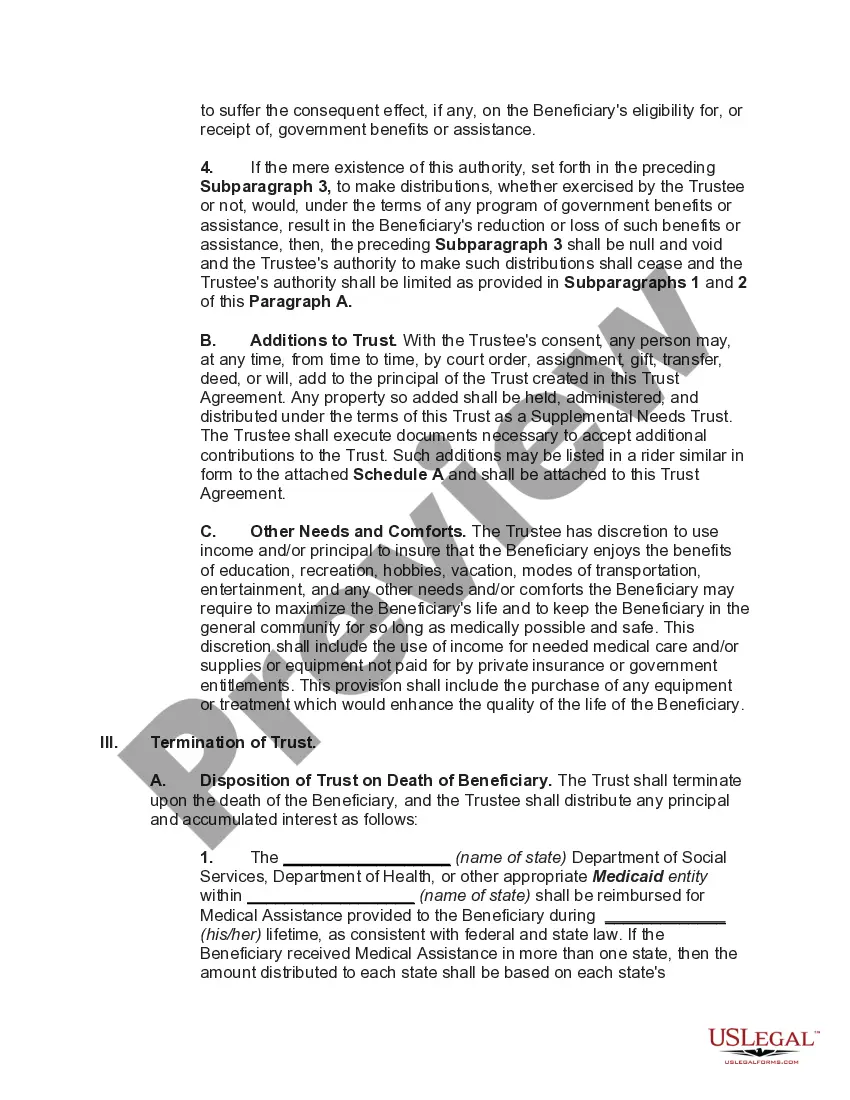
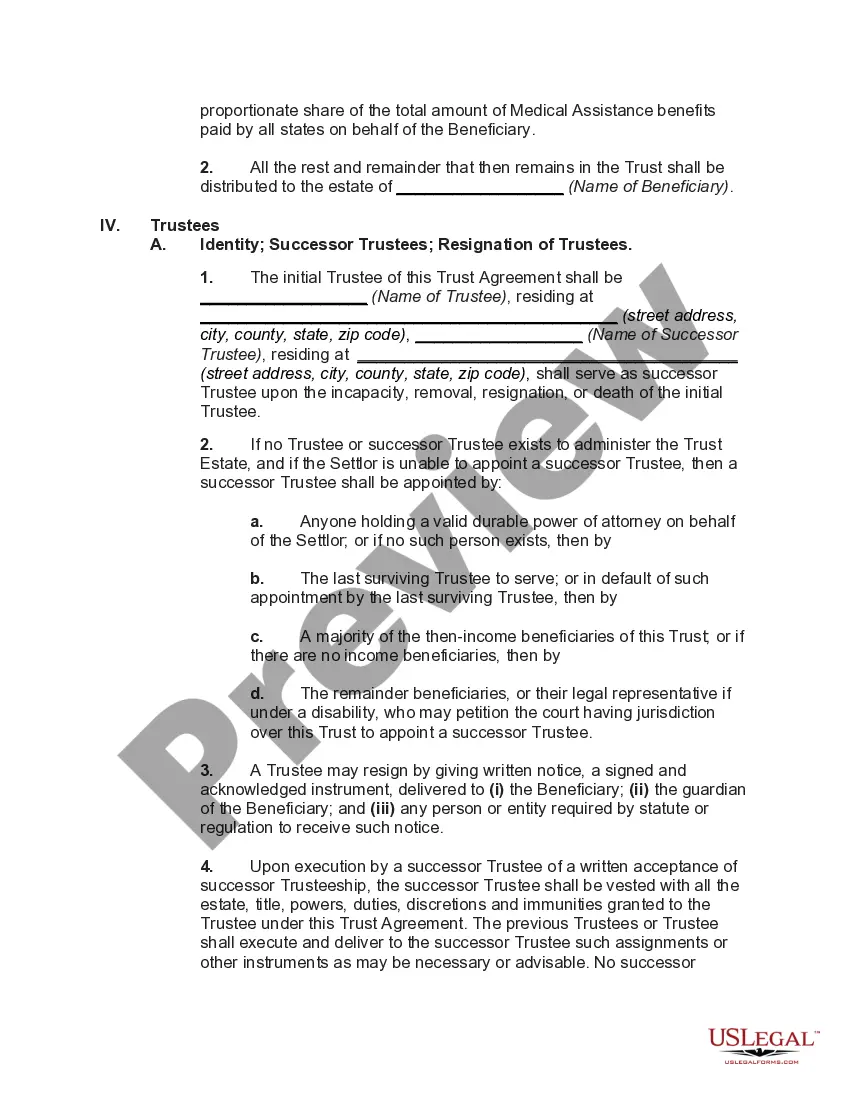
How to fill out Special Needs Irrevocable Trust Agreement For Benefit Of Disabled Child Of Trustor?
It’s clear that you cannot transform into a legal expert instantly, nor can you swiftly master how to prepare Needs Trust With Ssi without a unique skill set. Assembling legal documents is an arduous task that demands specific training and abilities. So why not entrust the preparation of the Needs Trust With Ssi to the experts.
With US Legal Forms, one of the most extensive legal template collections, you can access everything from court paperwork to templates for internal business communication. We recognize how vital compliance and adherence to federal and local laws and regulations are. That’s why, on our platform, all templates are location-specific and current.
Let’s begin with our website and obtain the document you require in just minutes.
You can revisit your documents from the My documents tab at any time. If you’re an existing client, you can simply Log In, and locate and download the template from the same tab.
Regardless of the reason for your paperwork—be it financial and legal, or personal—our website has you covered. Try US Legal Forms today!
- Locate the form you need using the search bar at the top of the page.
- Preview it (if this option is available) and review the supporting description to determine if Needs Trust With Ssi is what you seek.
- Restart your search if you need a different template.
- Create a free account and select a subscription plan to buy the template.
- Click Buy now. Once the transaction is completed, you can download the Needs Trust With Ssi, complete it, print it, and send it or mail it to the required individuals or organizations.
Form popularity
FAQ
You cannot place your Social Security benefits directly into a trust. However, you can establish a special needs trust that can receive other assets while preserving your SSI benefits. This structure allows you to manage funds effectively without losing your eligibility for assistance. Understanding how to integrate your benefits into a needs trust with SSI is essential for financial planning.
To establish a valid trust, there are three essential requirements. First, there must be a clear intention to create the trust. Second, identifiable property must be placed into the trust, known as the trust corpus. Lastly, there should be a designated beneficiary who will benefit from the trust. Keeping these requirements in mind is crucial when setting up a needs trust with SSI.
While special needs trusts offer significant advantages, they also have drawbacks. For instance, the funds in a special needs trust must be used for specific expenses; otherwise, they could affect eligibility for benefits. Additionally, setting up and managing a trust can involve legal complexities and costs. Consulting with experts can help you navigate these challenges when creating a needs trust with SSI.
A trust can impact SSI eligibility, depending on its structure. Specifically, a properly established special needs trust allows individuals to retain SSI benefits while accessing additional funds. However, if a trust is not set up correctly, it may count against the asset limit for SSI. Therefore, it’s vital to create a needs trust with SSI in mind to safeguard your benefits.
The five-year rule for special needs trusts refers to the time frame related to Medicaid eligibility. When someone transfers assets to a special needs trust, these assets may be subject to a five-year look-back period. If the transfer occurs within this timeframe, it could affect eligibility for benefits. Understanding this rule is crucial when setting up a needs trust with SSI to avoid potential complications.
Yes, individuals receiving Supplemental Security Income (SSI) can have a trust. A special needs trust allows them to maintain eligibility for SSI while benefiting from additional financial resources. This type of trust helps ensure that funds are used for their needs without jeopardizing government assistance. Using a needs trust with SSI can provide financial security and peace of mind.
When establishing a trust, certain accounts are not suitable. For instance, personal checking or savings accounts cannot serve as a trust account. Trusts require specific types of accounts that are designed to hold assets and manage distributions according to the trust agreement. It's essential to consult with a legal expert to identify the right account for your needs trust with SSI.