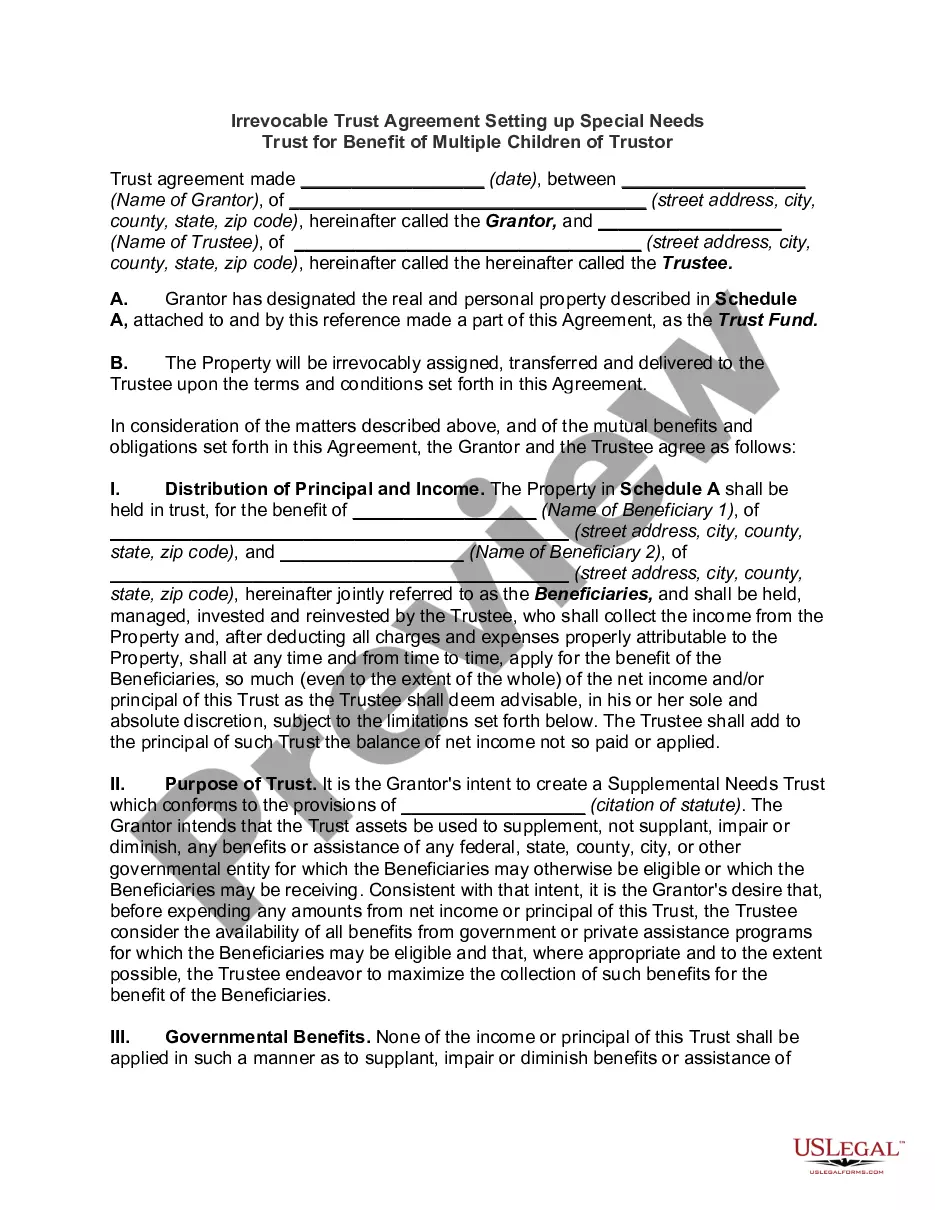
Irrevocable Trust Agreement For Sale
Description
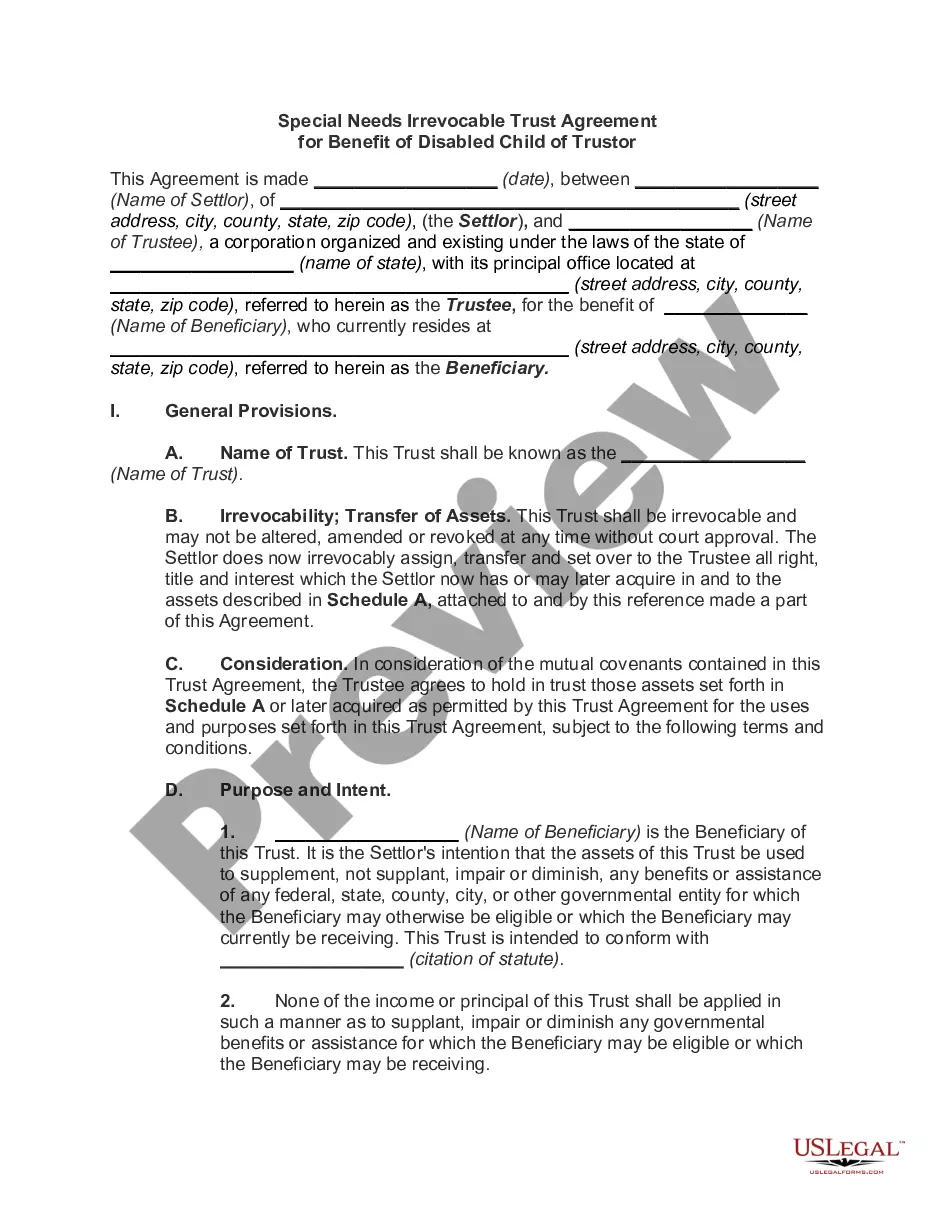
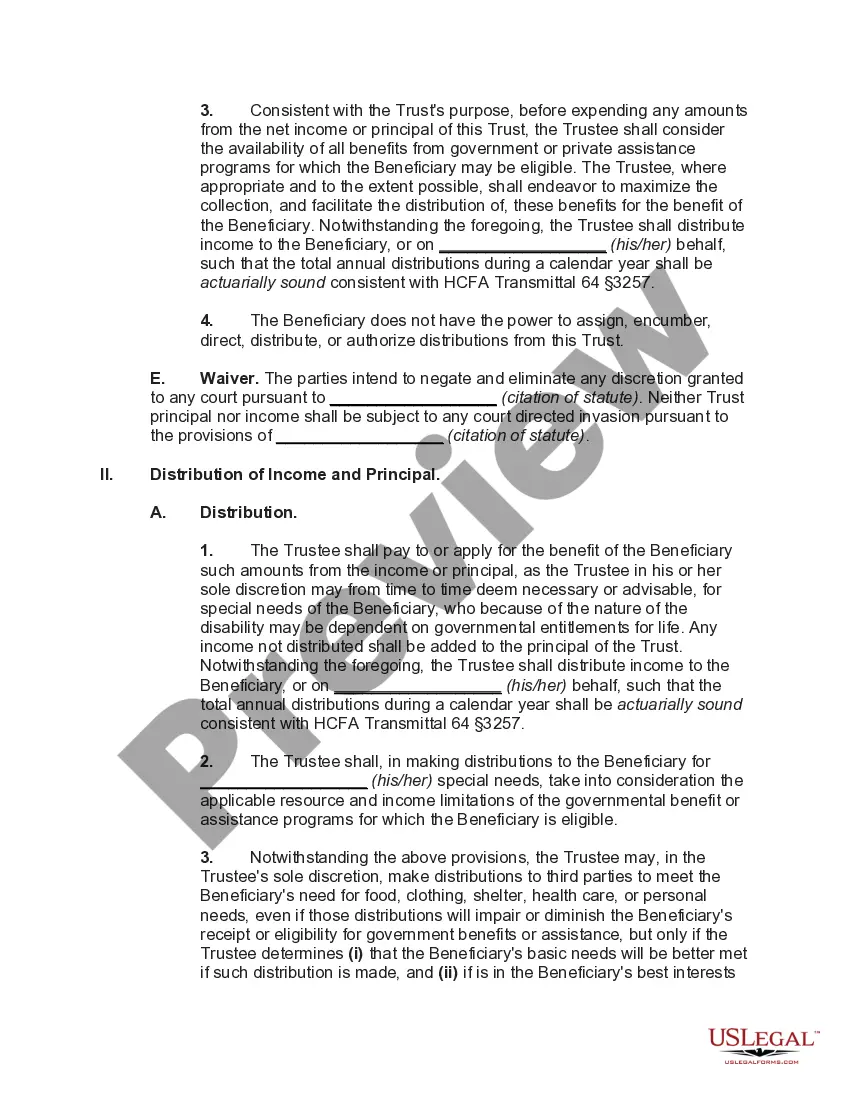
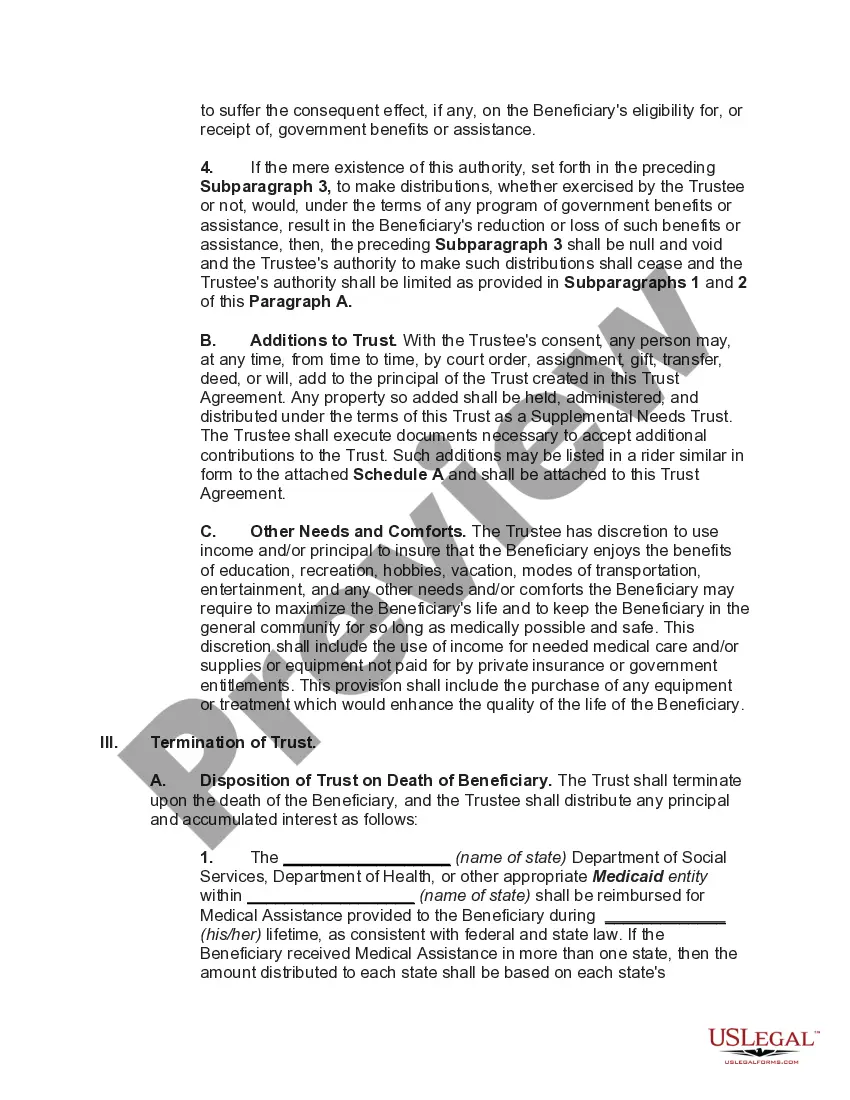
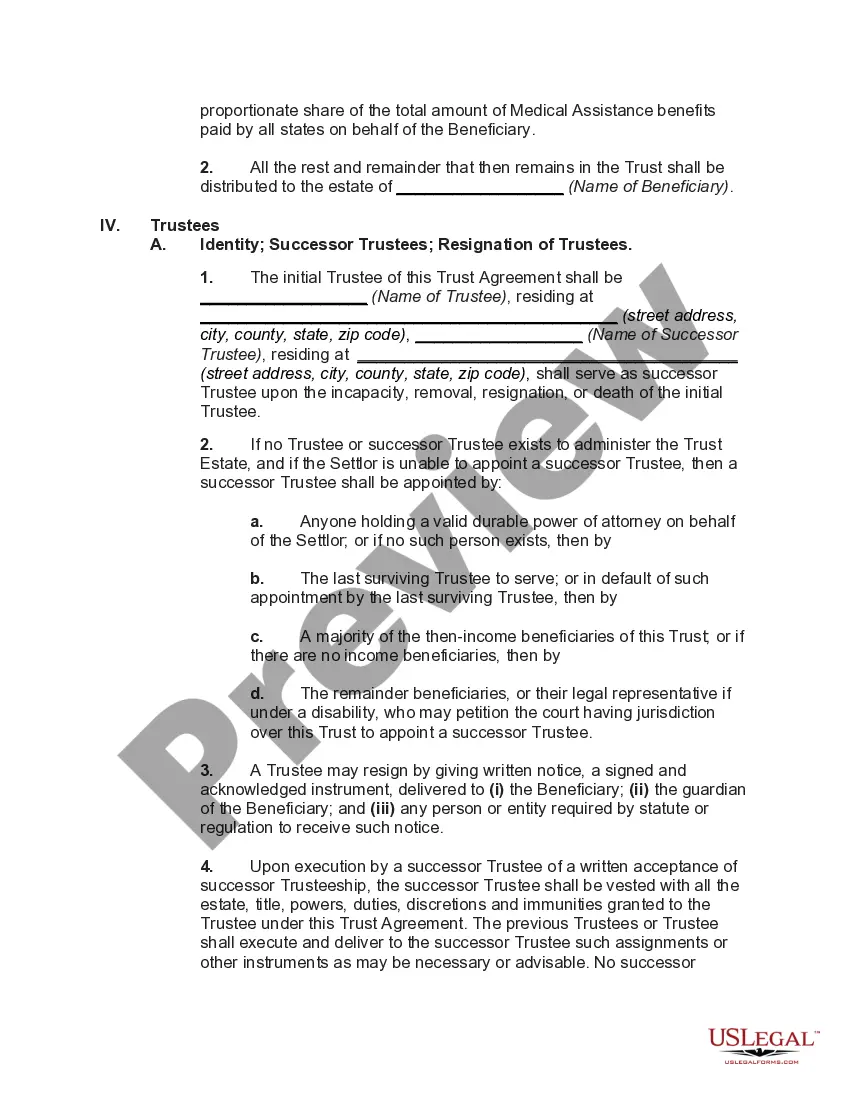


Get your form ready online
Our built-in tools help you complete, sign, share, and store your documents in one place.
Make edits, fill in missing information, and update formatting in US Legal Forms—just like you would in MS Word.
Download a copy, print it, send it by email, or mail it via USPS—whatever works best for your next step.
Sign and collect signatures with our SignNow integration. Send to multiple recipients, set reminders, and more. Go Premium to unlock E-Sign.
If this form requires notarization, complete it online through a secure video call—no need to meet a notary in person or wait for an appointment.
We protect your documents and personal data by following strict security and privacy standards.

Make edits, fill in missing information, and update formatting in US Legal Forms—just like you would in MS Word.

Download a copy, print it, send it by email, or mail it via USPS—whatever works best for your next step.

Sign and collect signatures with our SignNow integration. Send to multiple recipients, set reminders, and more. Go Premium to unlock E-Sign.

If this form requires notarization, complete it online through a secure video call—no need to meet a notary in person or wait for an appointment.

We protect your documents and personal data by following strict security and privacy standards.
Looking for another form?







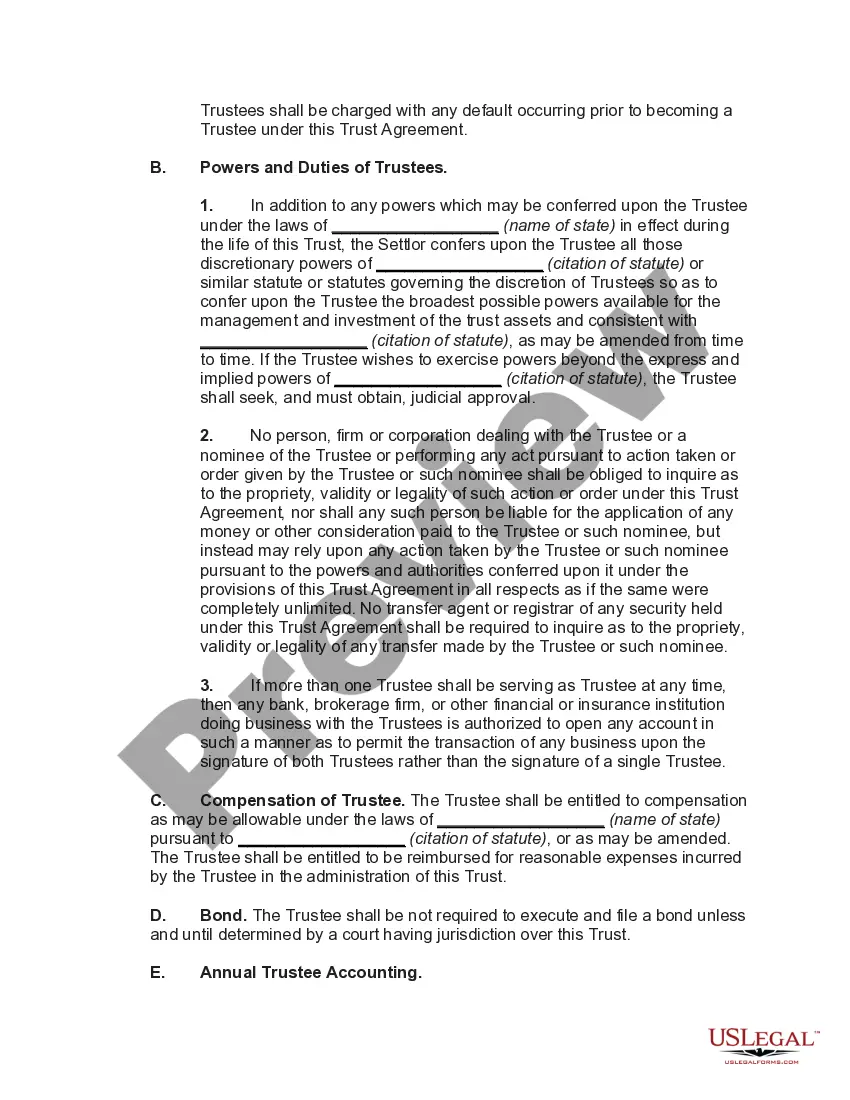
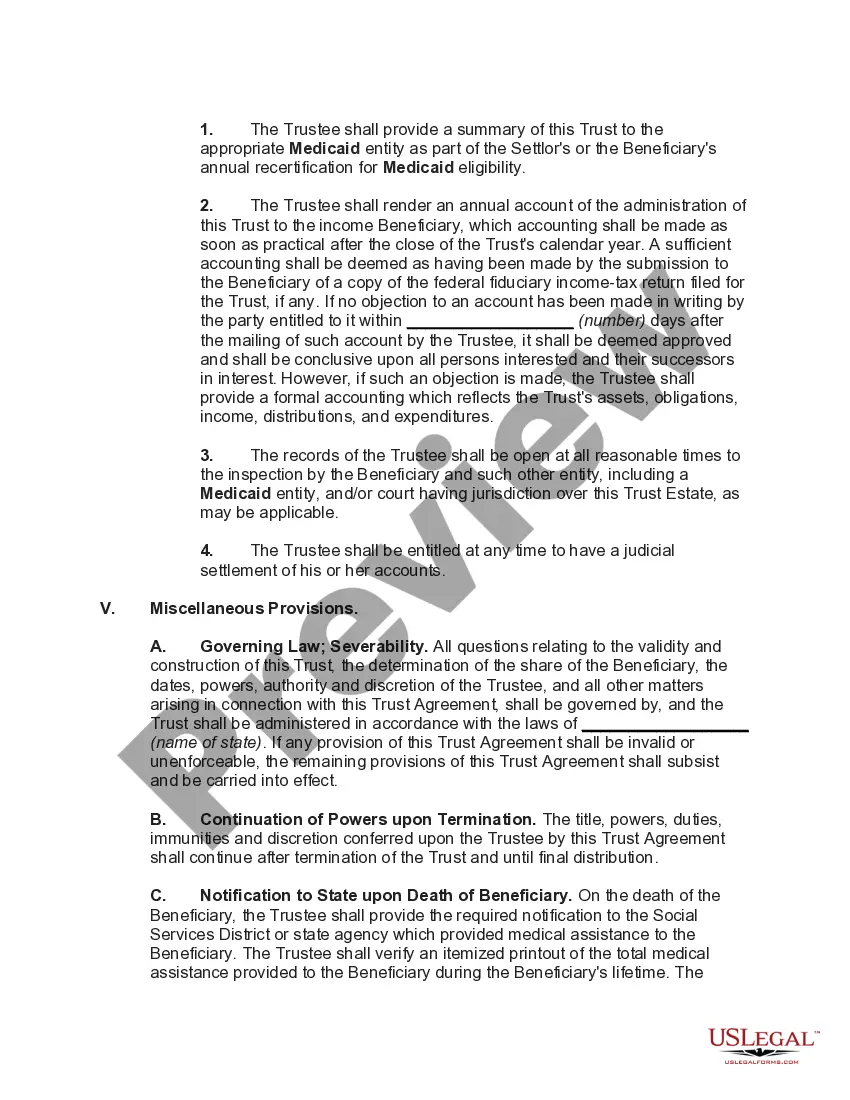
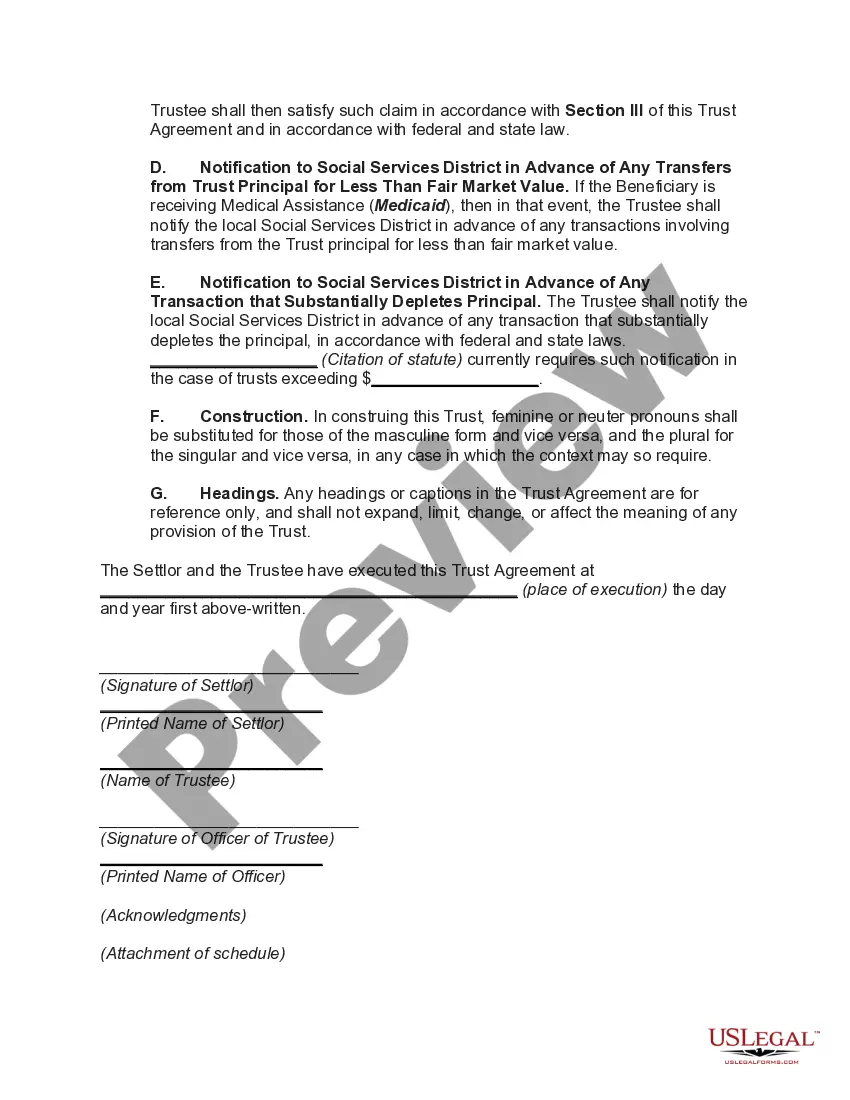
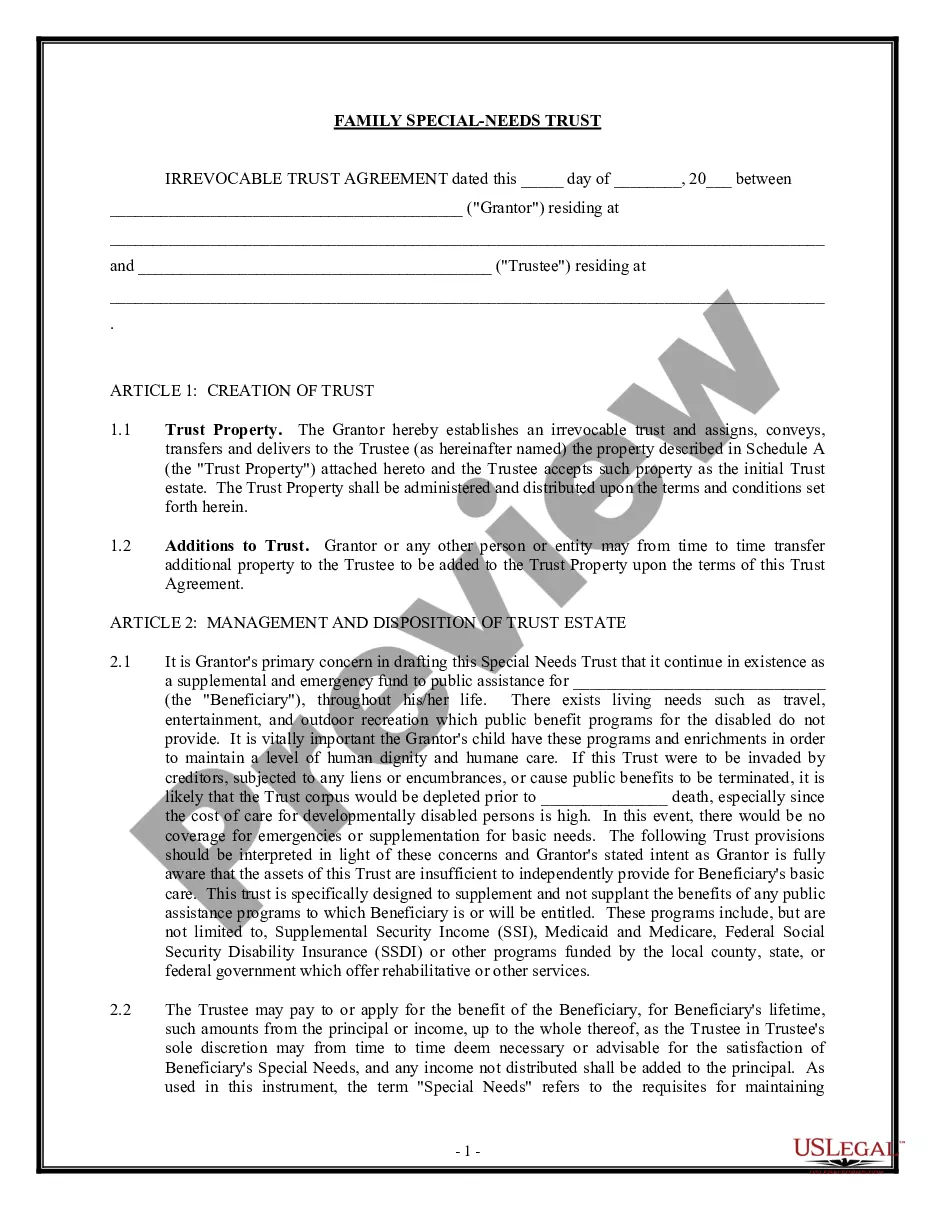
How to fill out Special Needs Irrevocable Trust Agreement For Benefit Of Disabled Child Of Trustor?
- If you're a returning user, log in to your account and download the form template directly by clicking the Download button. Ensure your subscription is current; renew if necessary.
- For first-time users, begin by previewing the form. Confirm that it matches your requirements and complies with your local jurisdiction.
- Should you need another template, use the Search tab to find a suitable one. Ensure it meets your criteria before proceeding.
- Once satisfied, click on the Buy Now button and select your preferred subscription plan. You’ll need to create an account to access the document library.
- Complete your purchase by entering your credit card information or using PayPal for payment.
- Finally, download the form to your device, allowing easy access any time through the My Forms section.
US Legal Forms stands out with a robust collection of over 85,000 editable legal forms, more than its competitors at an equivalent cost. Additionally, premium help is available for users needing guidance in form completion.
In conclusion, acquiring an irrevocable trust agreement for sale doesn’t have to be complicated. With US Legal Forms, you can streamline the process effortlessly. Get started today to ensure your legal documents are accurate and ready for use!
Form popularity
FAQ
One of the biggest mistakes parents often make when setting up a trust fund is failing to communicate their intentions with their children. Many assume that their heirs will understand their wishes without clear explanation. Additionally, it's crucial to review and update the trust as life circumstances change. By using an irrevocable trust agreement for sale, parents can create a clear plan that benefits their children while avoiding potential misunderstandings.
Yes, you can write your own irrevocable trust, but it's essential to ensure that it meets legal requirements. Start by researching the specific laws governing trusts in your state. While drafting, be clear about the terms and conditions you want to impose on your assets. However, consider an irrevocable trust agreement for sale for a more structured approach, which provides templates and guidance to help you create a compliant document.
Filling out an irrevocable trust requires careful consideration of your assets and beneficiaries. Begin by gathering necessary documentation, such as property deeds and financial statements. Clearly outline your wishes regarding the distribution and management of your assets. Utilizing an irrevocable trust agreement for sale can simplify this process, ensuring that your trust is legally sound and properly executed.
Settling an irrevocable trust involves following the instructions outlined in the trust document. It usually requires distributing the assets to beneficiaries as specified or fulfilling any remaining obligations. If you are currently managing or planning to sell an irrevocable trust agreement for sale, engaging a professional can help ensure compliance and smooth settlement for all parties involved. Their expertise can make the process efficient and clear.
The trust capital gains loophole refers to specific tax strategies used by irrevocable trusts to minimize capital gains tax liability. This may occur when the trust sells appreciated assets without incurring the usual tax burden. If you are considering an irrevocable trust agreement for sale, understanding this loophole may provide financial benefits. Always consult with a tax advisor or legal expert for personalized guidance.
Using an irrevocable trust can provide certain tax benefits, including the potential to avoid capital gains tax on appreciated assets. This often happens when the assets are transferred into the trust, as the trust itself may not realize gains until the assets are sold. If you are exploring an irrevocable trust agreement for sale, you could discuss tax strategies with a professional. This knowledge can help you maintain more of your wealth.
An irrevocable trust typically does not need to be filed with the court unless it is being used in a probate context or if court oversight is required. This means you can manage it privately, which enhances flexibility for the trust's beneficiaries. If you're considering options for an irrevocable trust agreement for sale, it's a good practice to review local laws. A legal expert can guide you through the requirements in your area.
To remove assets from an irrevocable trust, you generally need to follow the terms outlined in the trust agreement. Usually, the assets are intended to remain in the trust for the lifetime of the grantor or until certain conditions are met. If you sold your irrevocable trust agreement for sale, it may provide options for distributing assets based on its unique provisions. Consulting a qualified attorney can clarify the process based on your specific situation.
Individuals often place their house in an irrevocable trust for several reasons, including asset protection and estate planning. By doing so, they can shield their property from creditors and ensure a smooth transfer of ownership to beneficiaries without undergoing probate. Additionally, the irrevocable trust agreement for sale can help reduce estate taxes, providing financial benefits for your heirs. It's a valuable strategy that ensures your assets are managed according to your wishes.
In most cases, the IRS cannot take your house if it is in an irrevocable trust, but there are exceptions. If you owe taxes, the IRS may still be able to claim the house depending on the circumstances surrounding the trust. It's crucial to understand that the irrevocable trust agreement for sale must be structured properly to protect your assets from creditors. Consulting with a tax advisor or an attorney can provide clarity on how your trust impacts your tax obligations.