Qualified Domestic Trust With Foreign Trustee
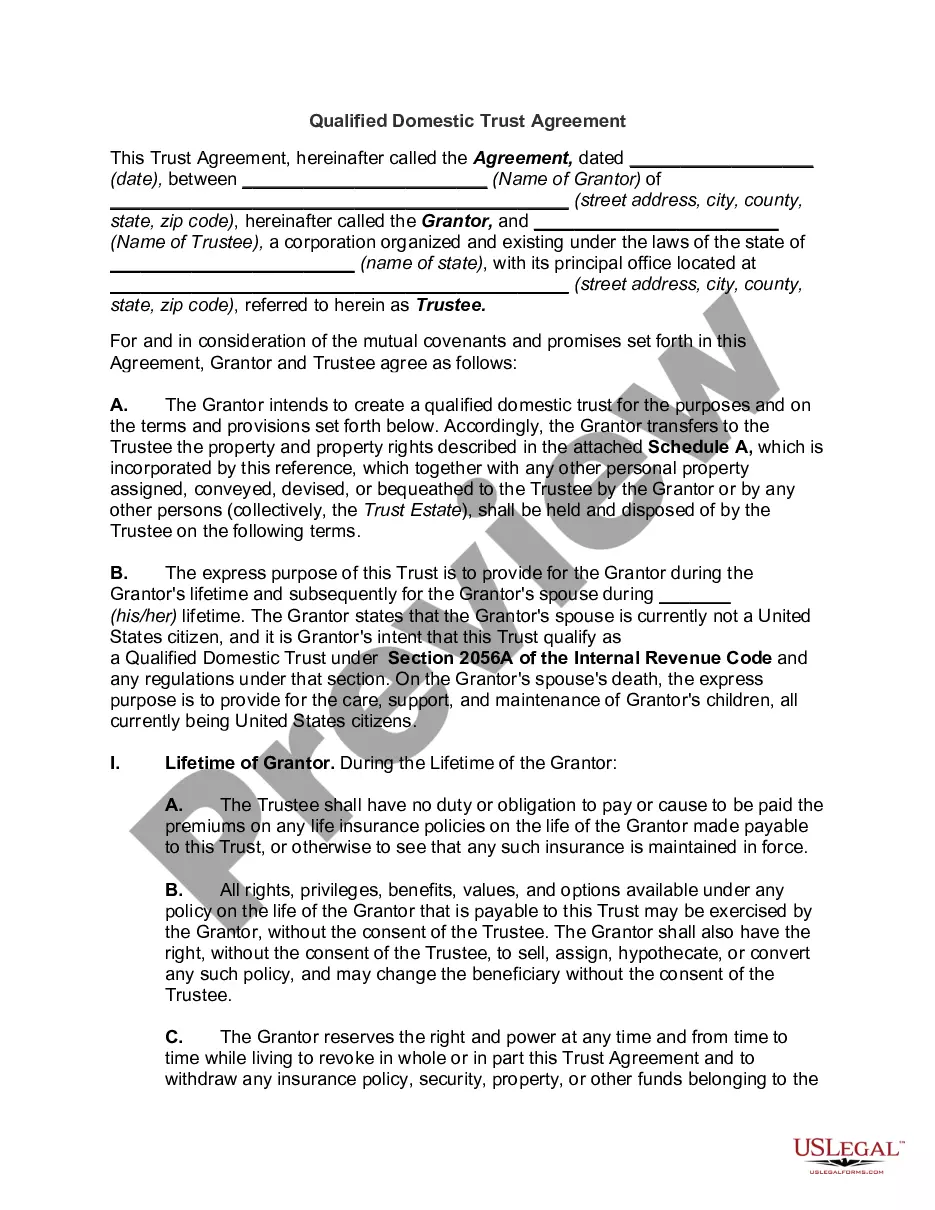
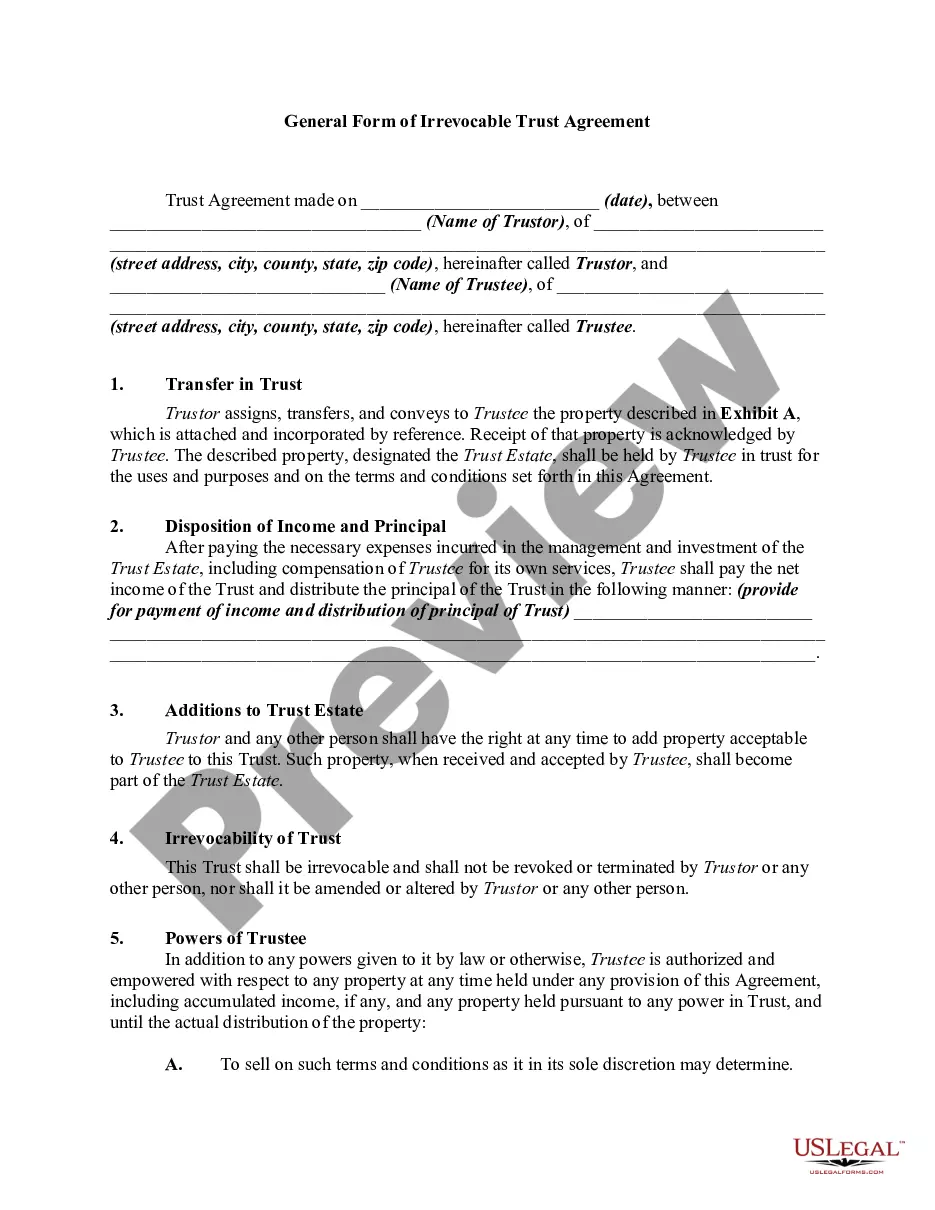
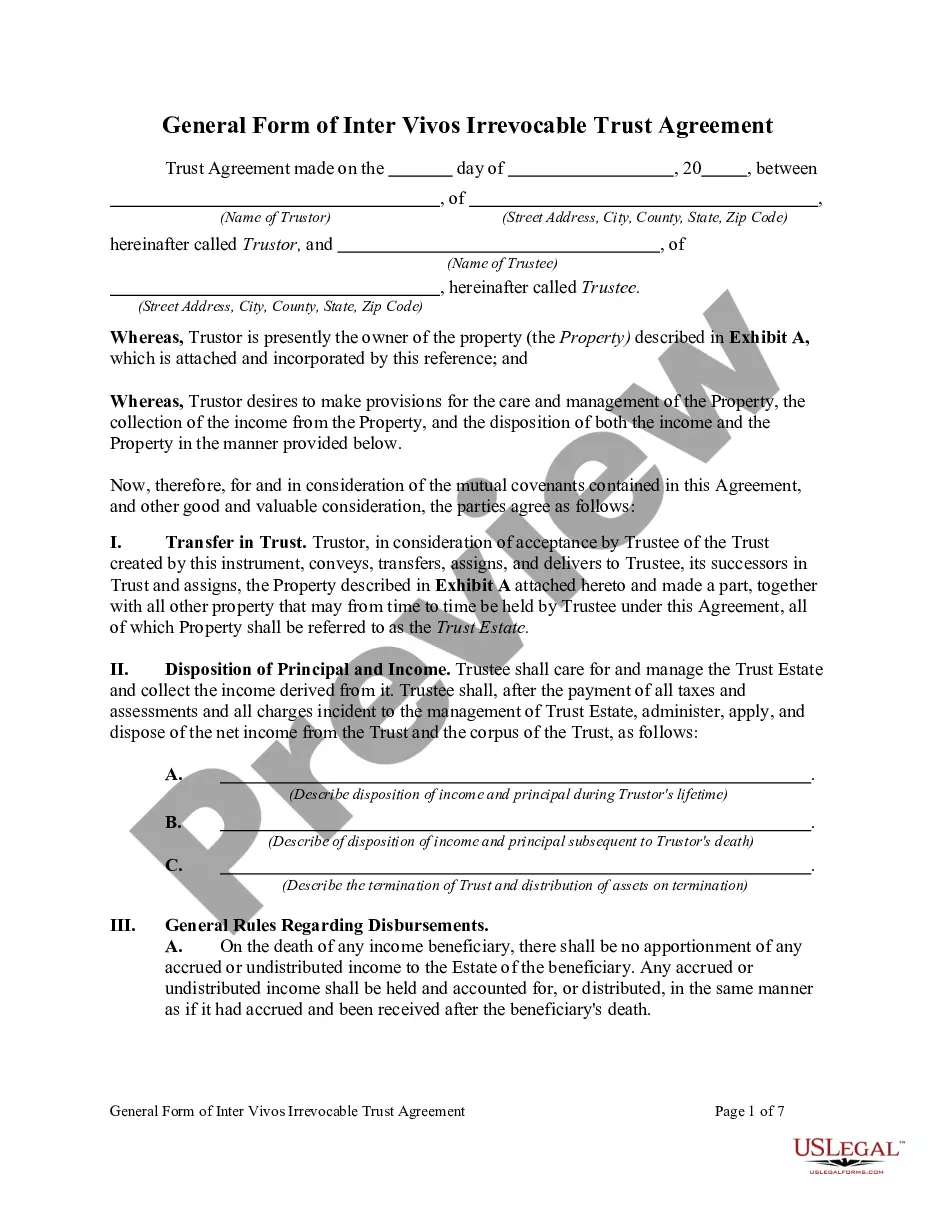
Description

Get your form ready online
Our built-in tools help you complete, sign, share, and store your documents in one place.
Make edits, fill in missing information, and update formatting in US Legal Forms—just like you would in MS Word.
Download a copy, print it, send it by email, or mail it via USPS—whatever works best for your next step.
Sign and collect signatures with our SignNow integration. Send to multiple recipients, set reminders, and more. Go Premium to unlock E-Sign.
If this form requires notarization, complete it online through a secure video call—no need to meet a notary in person or wait for an appointment.
We protect your documents and personal data by following strict security and privacy standards.

Make edits, fill in missing information, and update formatting in US Legal Forms—just like you would in MS Word.

Download a copy, print it, send it by email, or mail it via USPS—whatever works best for your next step.

Sign and collect signatures with our SignNow integration. Send to multiple recipients, set reminders, and more. Go Premium to unlock E-Sign.

If this form requires notarization, complete it online through a secure video call—no need to meet a notary in person or wait for an appointment.

We protect your documents and personal data by following strict security and privacy standards.
Looking for another form?






How to fill out Qualified Domestic Trust Agreement?
It’s well-known that you cannot instantly become a legal expert, nor can you determine how to swiftly draft a Qualified Domestic Trust With Foreign Trustee without a specialized skillset.
Formulating legal documents is a lengthy procedure that necessitates a specific level of education and expertise. So why not entrust the drafting of the Qualified Domestic Trust With Foreign Trustee to the experts.
With US Legal Forms, one of the most extensive legal document collections, you can find everything from court filings to templates for internal business correspondence.
You can regain access to your documents from the My documents section at any time. If you are an existing customer, you can simply Log In and find and download the template from the same section.
Regardless of the intent behind your documents—whether financial, legal, or personal—our website has everything you need. Try US Legal Forms today!
- Identify the document you require using the search bar at the top of the webpage.
- Preview it (if this option is available) and read the accompanying description to see if Qualified Domestic Trust With Foreign Trustee is what you are looking for.
- Restart your search if you need a different template.
- Create a free account and select a subscription plan to purchase the form.
- Click Buy now. Once the payment is processed, you can access the Qualified Domestic Trust With Foreign Trustee, complete it, print it, and send or deliver it by mail to the designated recipients or organizations.
Form popularity
FAQ
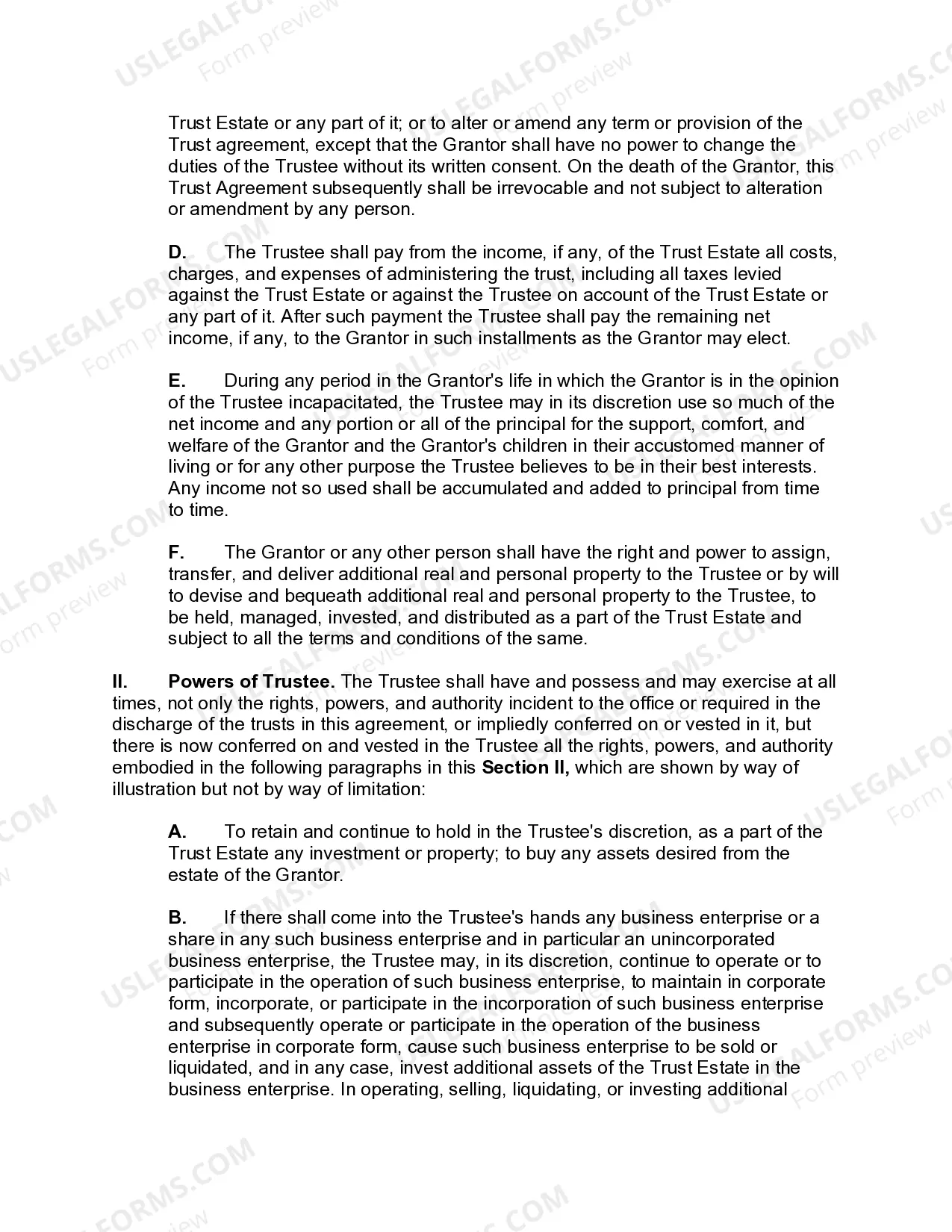
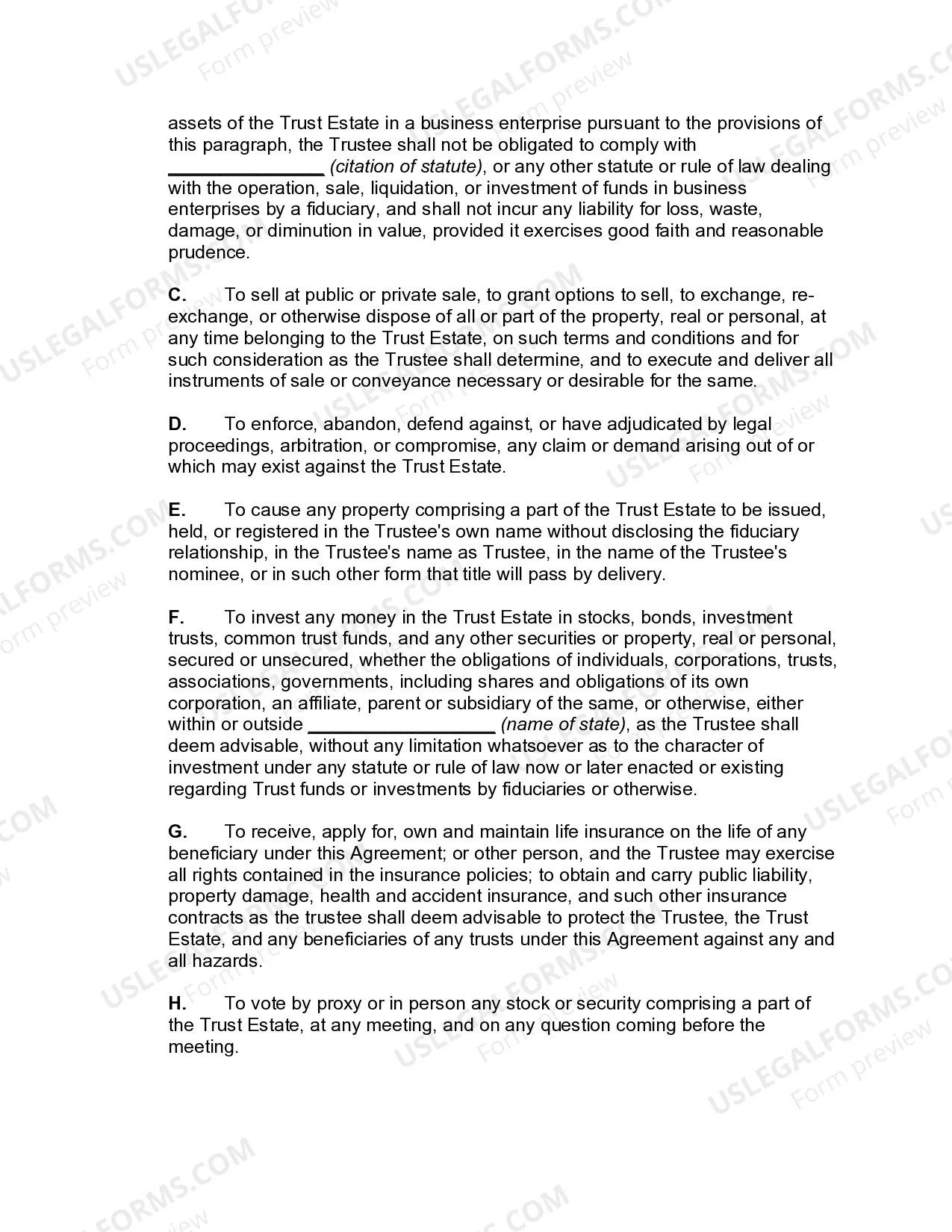
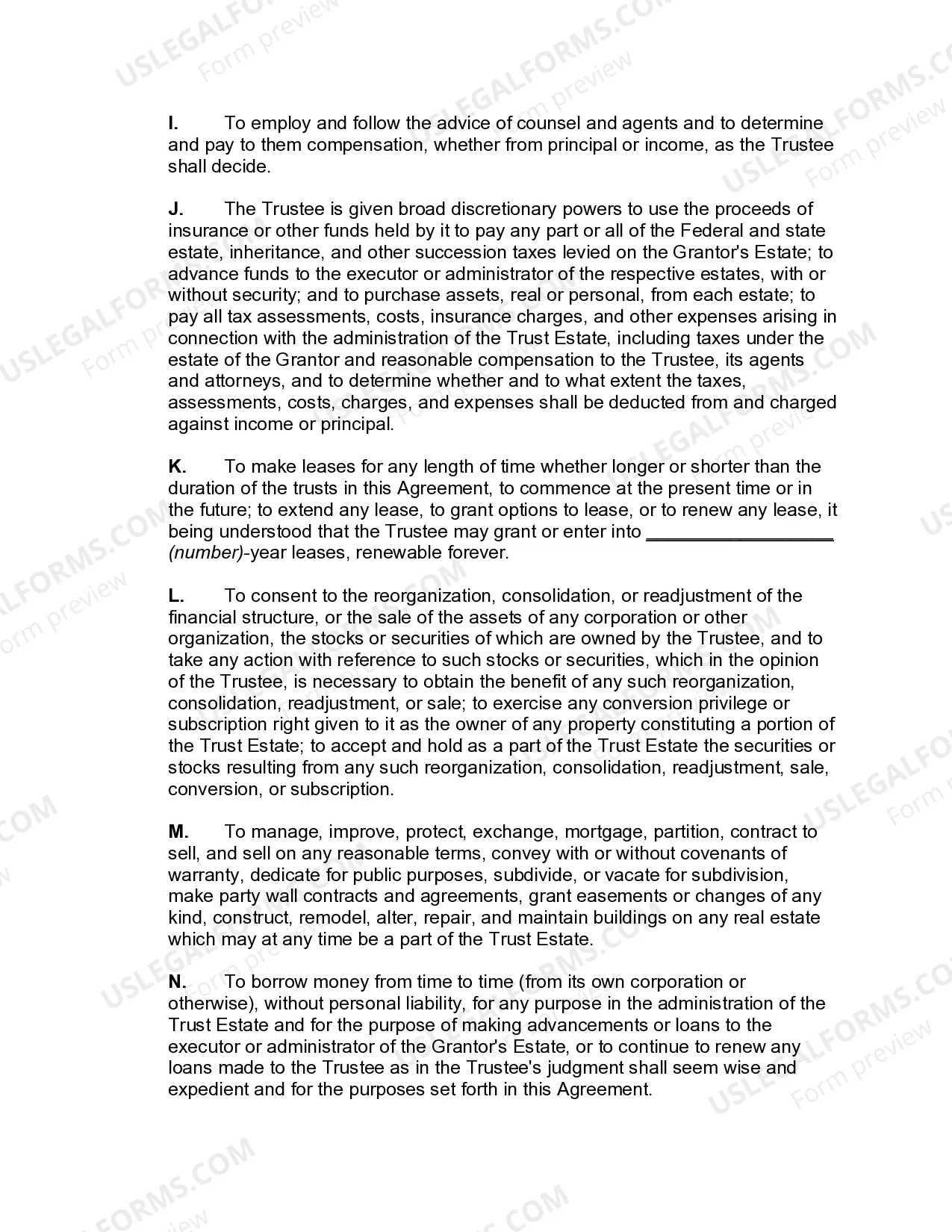
A qualified domestic trust, often abbreviated as QDOT, allows a non-citizen spouse to benefit from a trust while avoiding U.S. estate taxes. It ensures that your trust assets are protected and can be transferred to your spouse without immediate tax consequences. By setting up a qualified domestic trust with a foreign trustee, you can provide your spouse with income and principal while adhering to U.S. tax regulations.
The requirements for a qualified domestic trust (QDOT) include having a domestic trustee, ensuring that at least one of the trust's beneficiaries is a U.S. citizen or resident, and maintaining specific asset management rules to protect U.S. tax interests. Additionally, the trust must be irrevocable, meaning it cannot be altered once established. Understanding these requirements is vital for anyone considering a qualified domestic trust with foreign trustee, as compliance is essential for meeting tax obligations.
As a part-year resident, you may consider yourself a full-year resident or a nonresident. If you elect to file as a full-year resident, file SC1040. Report all your income as though you were a resident for the entire year. You will be allowed a credit for taxes paid on income taxed by South Carolina and another state.
If you elect to file as a full-year resident, file SC1040. Report all your income as though you were a resident for the entire year. You will be allowed a credit for taxes paid on income taxed by South Carolina and another state. You must complete SC1040TC and attach a copy of the other state's income tax return.
Generally speaking, you are required to file a South Carolina Income Tax return if you are required to file a federal return, or if you are a non-resident with South Carolina gross income of more than the federal personal exemption amounts. Individual Income Tax returns are due April 15 of each year.
South Carolina joined the majority of the US in passing the UETA act for the regulation of electronic signing and electronic transactions.
If you are a nonresident of South Carolina, use your 2022 SC1040 and Schedule NR as a basis to calculate the modified South Carolina taxable income to enter on line 3 of the worksheet. Forms are available at dor.sc.gov/forms.
Give us a call at 1-844-898-8542 or email forms@dor.sc.gov so we can direct you to the proper form, or discuss the online filing option that best fits your needs. Filing online using MyDORWAY makes finding the right form easy!
??What you nee?d to know: The South Carolina Department of Revenue (SCDOR) and the IRS begin accepting Individual Income Tax returns today, January 23, 2023. The filing deadline for both state and federal returns is Tuesday, April 18, 2023.