License Patent With For Thesis Statement
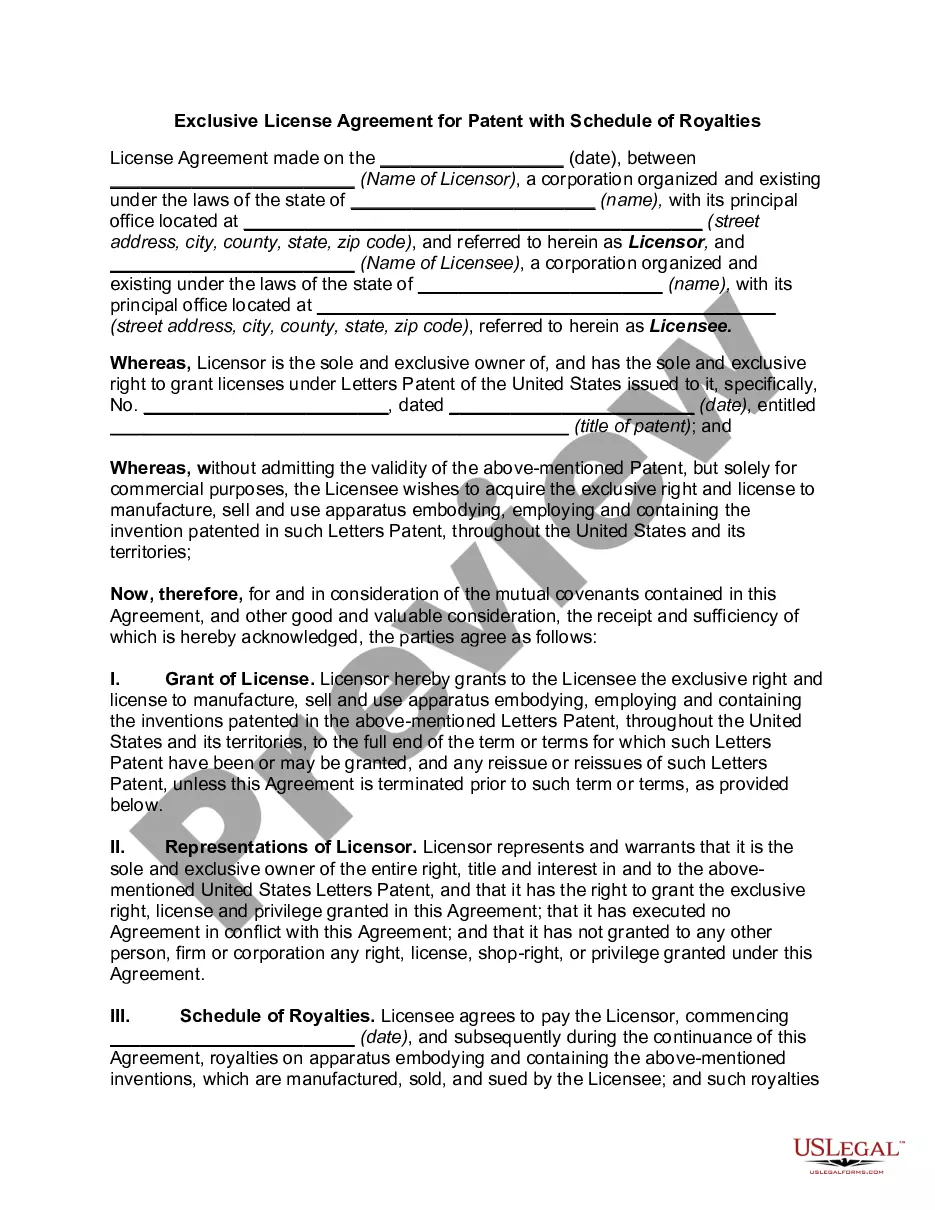
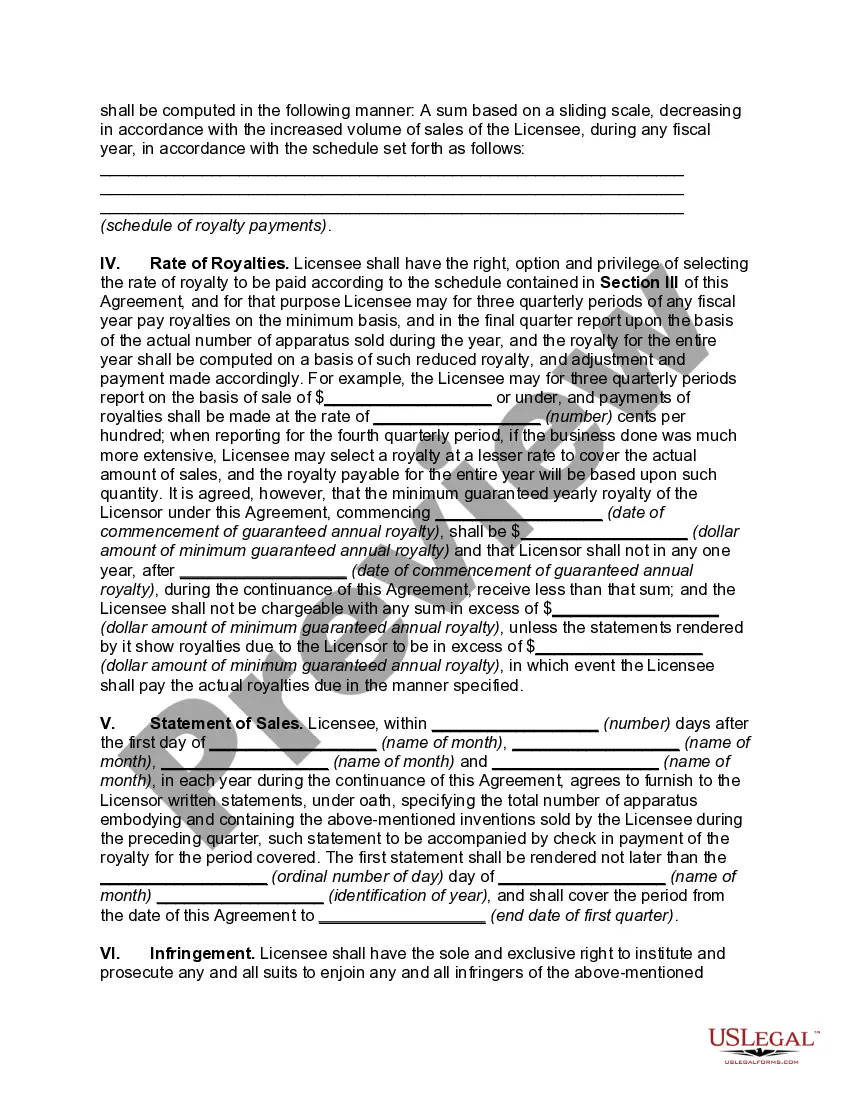
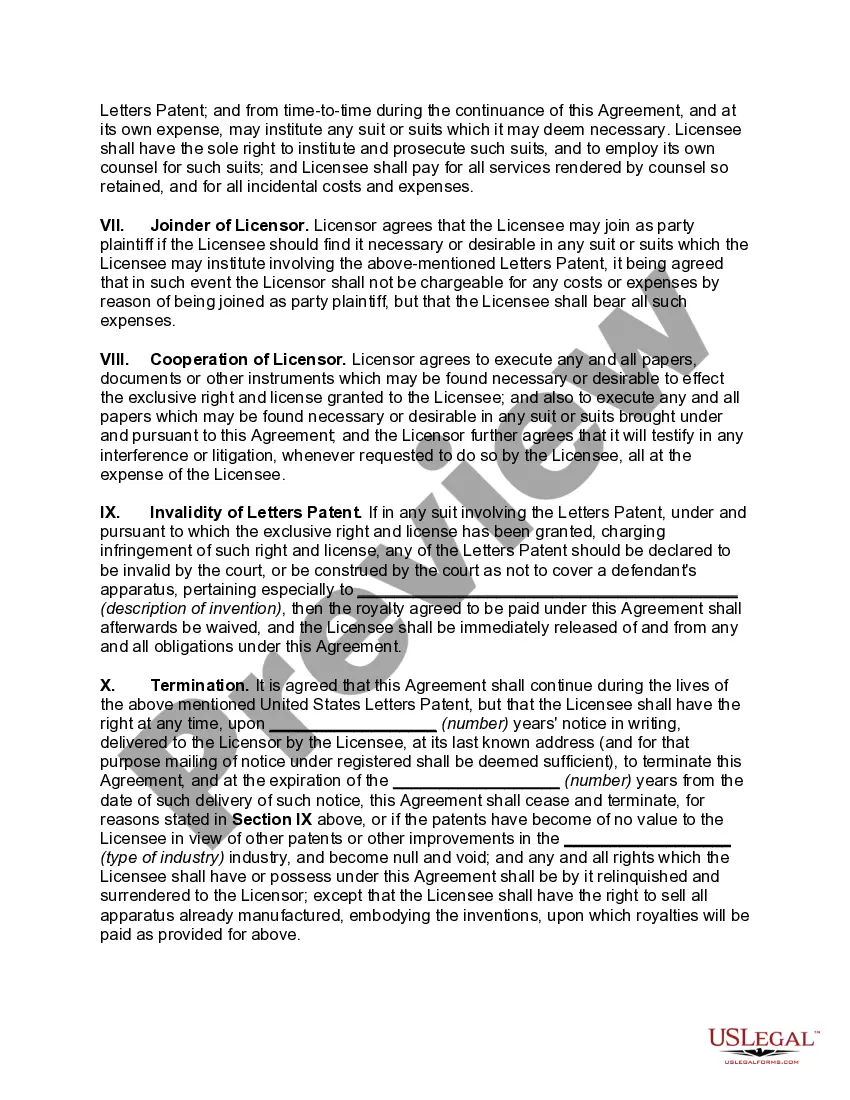
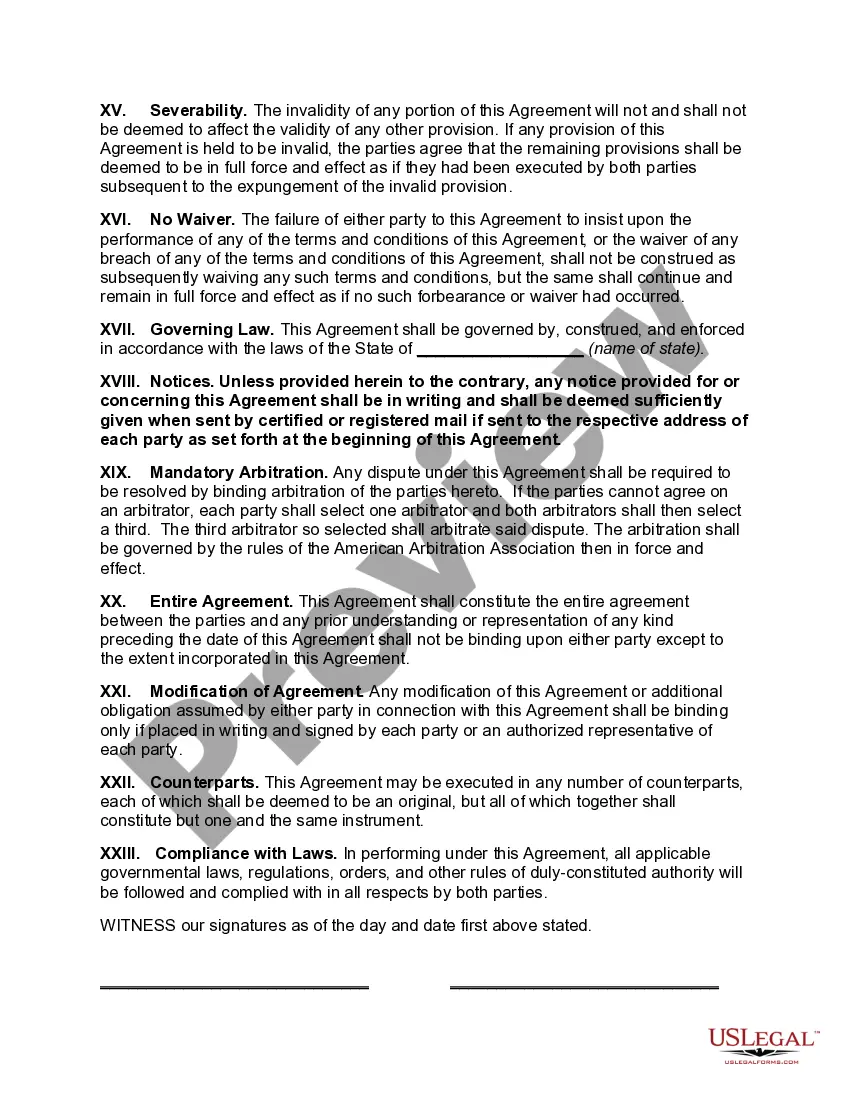
Description
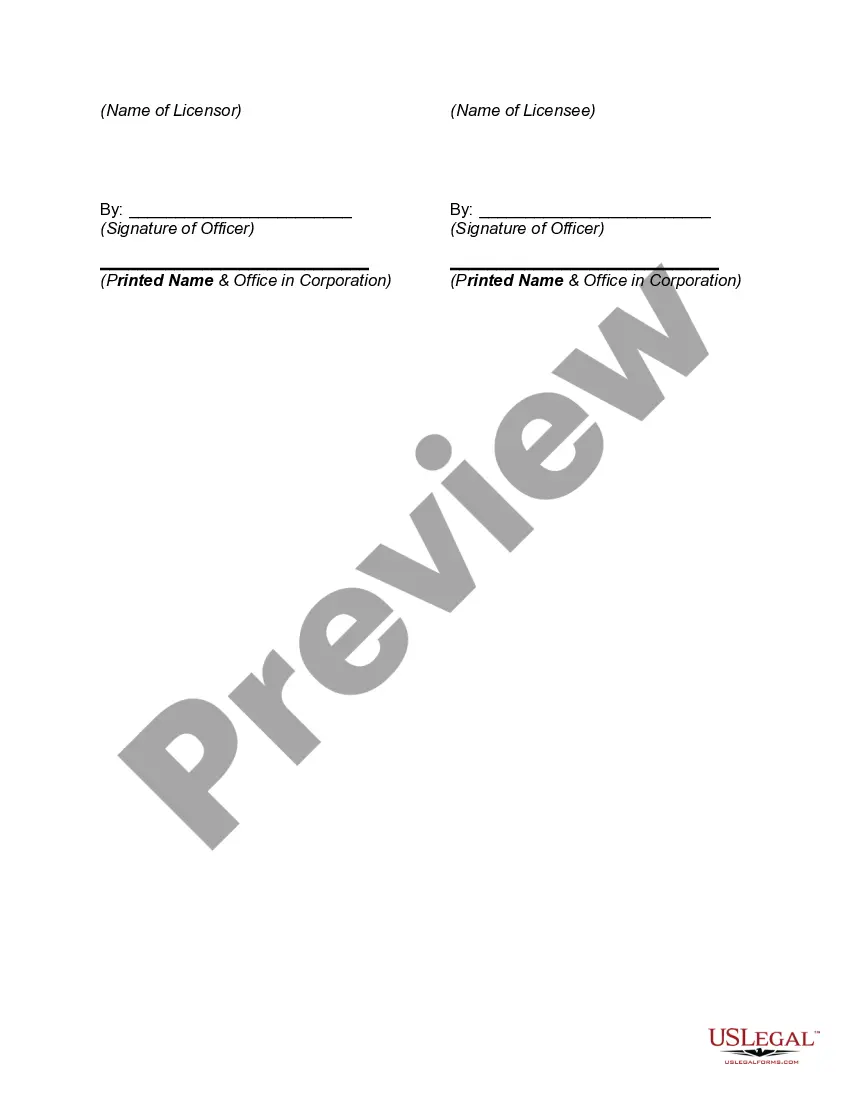
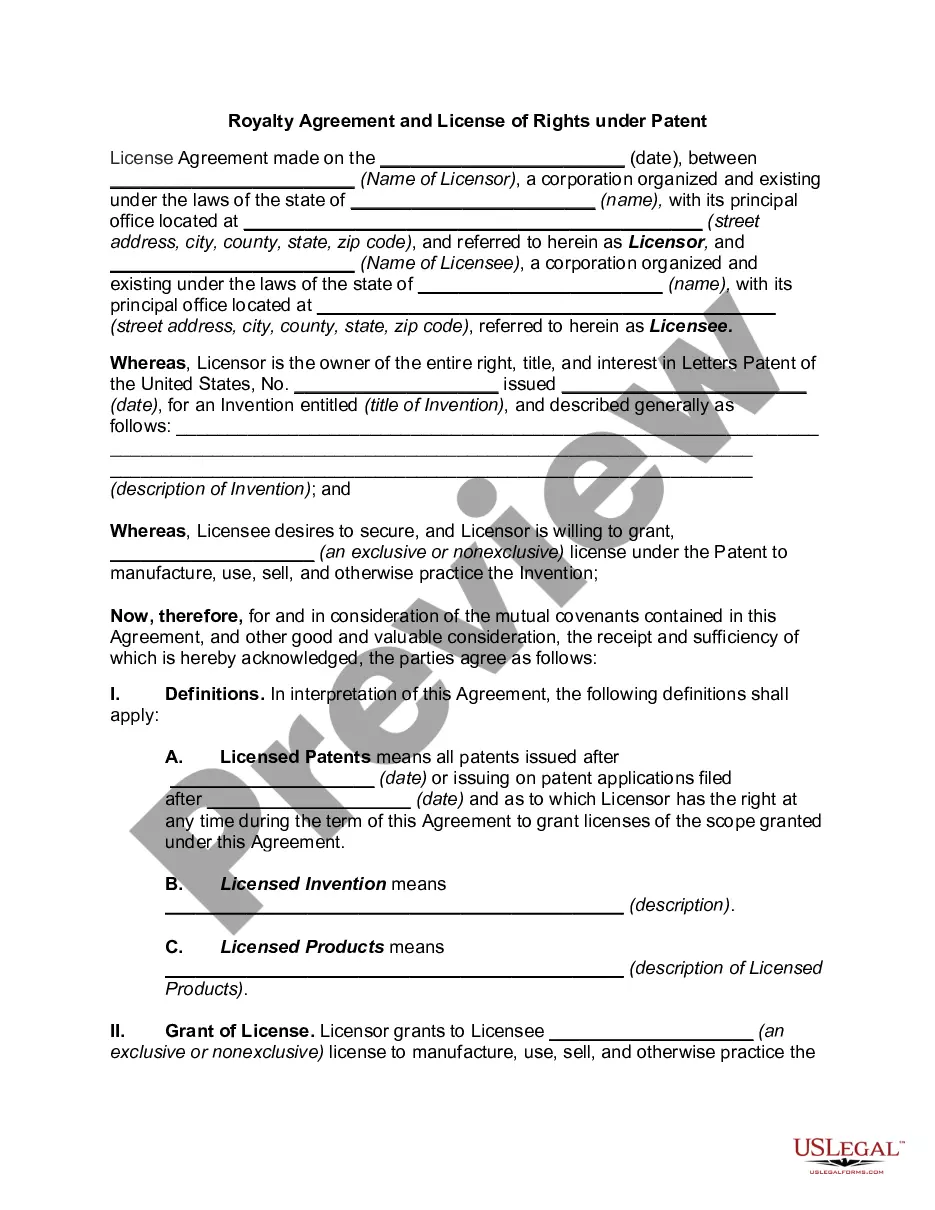
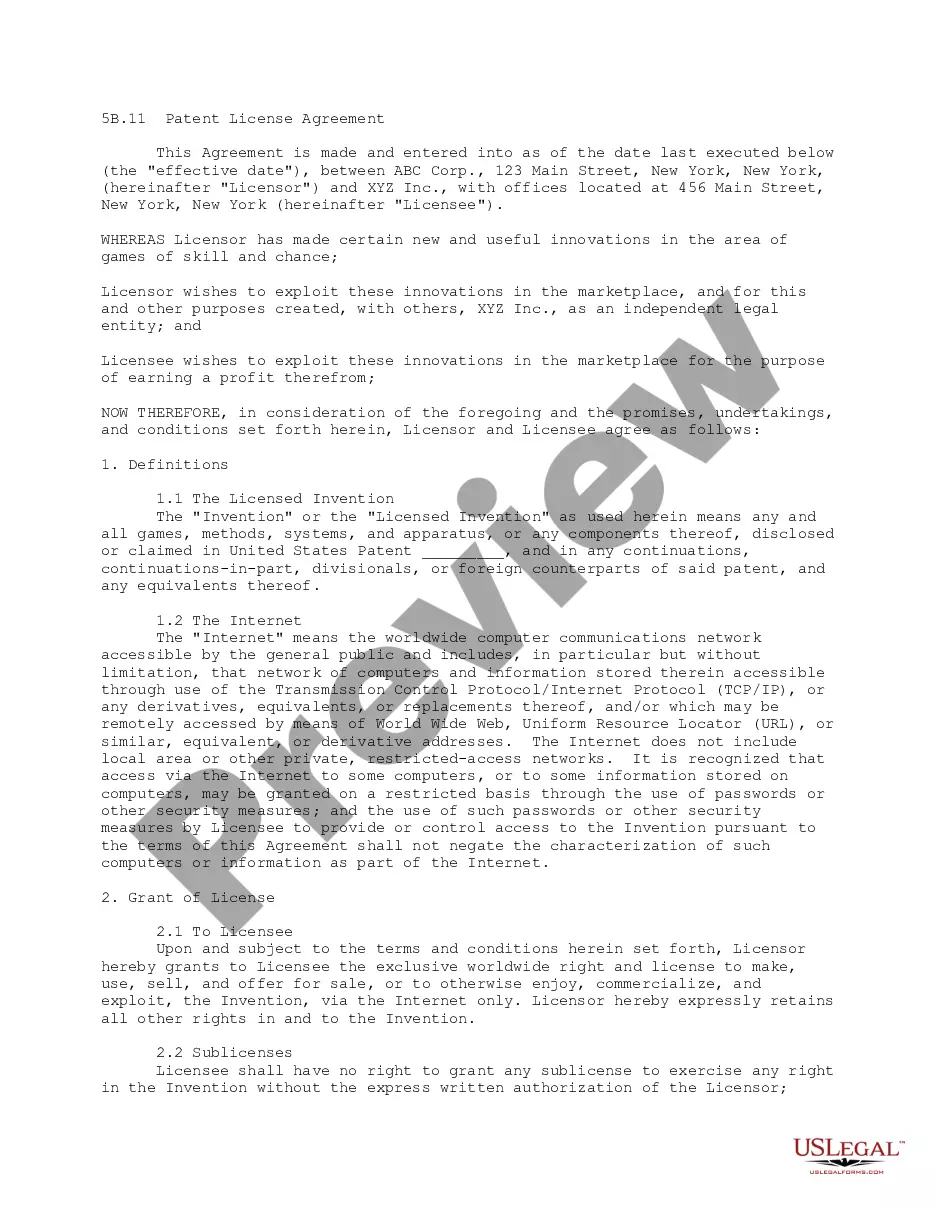
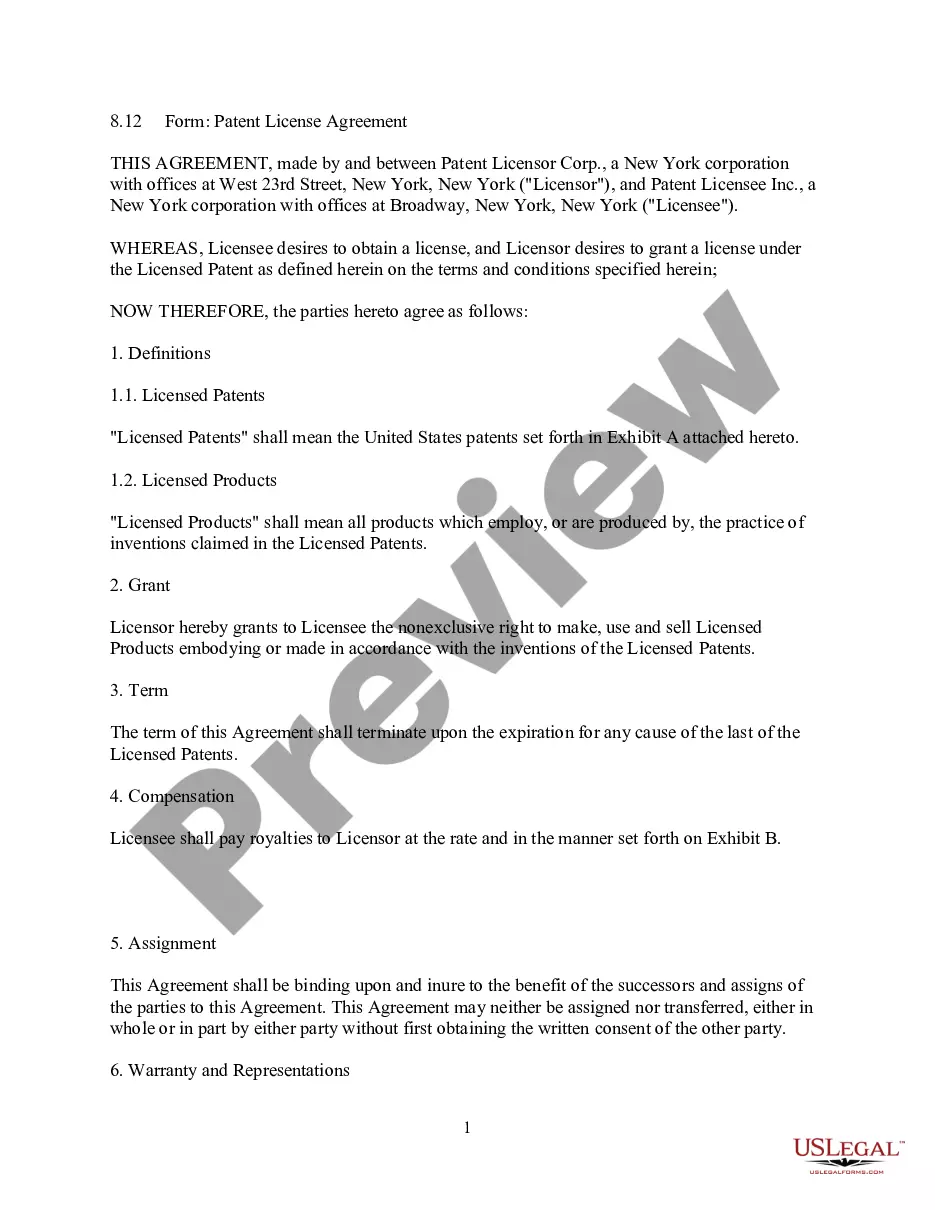
Get your form ready online
Our built-in tools help you complete, sign, share, and store your documents in one place.
Make edits, fill in missing information, and update formatting in US Legal Forms—just like you would in MS Word.
Download a copy, print it, send it by email, or mail it via USPS—whatever works best for your next step.
Sign and collect signatures with our SignNow integration. Send to multiple recipients, set reminders, and more. Go Premium to unlock E-Sign.
If this form requires notarization, complete it online through a secure video call—no need to meet a notary in person or wait for an appointment.
We protect your documents and personal data by following strict security and privacy standards.

Make edits, fill in missing information, and update formatting in US Legal Forms—just like you would in MS Word.

Download a copy, print it, send it by email, or mail it via USPS—whatever works best for your next step.

Sign and collect signatures with our SignNow integration. Send to multiple recipients, set reminders, and more. Go Premium to unlock E-Sign.

If this form requires notarization, complete it online through a secure video call—no need to meet a notary in person or wait for an appointment.

We protect your documents and personal data by following strict security and privacy standards.
Looking for another form?









How to fill out Exclusive License Agreement For Patent With Schedule Of Royalties?
- Begin by checking if you're an existing user. If you are, simply log in and access your account, ensuring your subscription is active before downloading the necessary form.
- If you’re new to US Legal Forms, start by examining the preview mode and form descriptions, confirming you select the correct legal document that fits your needs and complies with local jurisdiction.
- Should you find that the initial form doesn't meet your requirements, utilize the Search feature to explore other templates that may suit your needs.
- Once you've identified the appropriate form, initiate the purchase process by clicking on the Buy Now button. Select the subscription plan that works for you while setting up your user account for library access.
- Complete the payment by providing your credit card information or using your PayPal account to finalize your subscription.
- Finally, download the licensed patent form to your device. You can always revisit it later through the My Forms section of your profile.
By following these straightforward steps, you’re well on your way to successfully licensing a patent for your thesis statement. US Legal Forms not only provides an extensive library of over 85,000 forms, but also offers access to premium experts who assist in ensuring your documents are correctly completed.
Ready to streamline your legal documentation? Explore US Legal Forms today and take the first step toward efficient legal processing.
Form popularity
FAQ
Yes, a patent can count as a publication in certain contexts, particularly when considering its role in dissemination of knowledge. Patents are publicly available documents that detail the specifications of an invention. Including your licensed patent with for thesis statement in your research highlights your innovative contributions and acknowledges prior art in your field.
To cite a patent in your thesis, include the inventor's name, patent title, patent number, and issue date. It's important to format the citation according to your institution's guidelines, which may vary. By doing this accurately, you reinforce your work’s integrity and acknowledge the contribution of others to your licensed patent with for thesis statement.
To mention a patent, clearly state the patent number and title in your documentation or presentation. When discussing your thesis, you can say something like, 'This idea is based on a licensed patent with for thesis statement, which provides the foundation for this research.' This not only acknowledges the patent but also strengthens your credibility.
Filling out a patent involves completing a detailed application that describes your invention, claims its uniqueness, and outlines how to make or use it. You must include drawings if applicable, and a thorough explanation of your invention's purpose. Using services like US Legal Forms can guide you through the required paperwork efficiently.
Copyright protects your creative expression, while a patent protects your invention or process. If you want to license a patent with for thesis statement, you need to file a patent application that clearly describes your invention. Consulting legal resources or services can help streamline the application process.
To indicate a patent, you can include a notice marking the patent number directly on the product or documentation associated with it. This informs potential users that the invention is legally protected and prevents unauthorized use. You should also provide a clear statement like 'Licensed patent with for thesis statement' to reinforce your ownership and the legal implications of the patent.
A patent license allows one party to use, make, or sell an invention protected by a patent owned by another party. For instance, if a university holds a patent on a new technology, it may license that patent with a company to produce and market the tech. This arrangement benefits both sides: the university gains revenue while the company can develop a profitable product. To navigate these agreements effectively, consider using US Legal Forms, which provides resources for licensing patents with clarity and ease.
Yes, your thesis is considered your intellectual property, which you have rights to as the creator. However, depending on university policies, the institution may have certain claims to the content. It is important to review your institution's guidelines regarding publication and distribution. Protecting your intellectual property through copyright or patent options can empower you as a researcher.
A PhD thesis can be patented if it includes innovative inventions or processes that meet patent criteria. However, the thesis itself, as a document, is not patentable. Instead, focus on the unique findings or technologies within your thesis that may qualify for a patent. Thinking of how to license your patent with a thesis statement offers a pathway for protecting and benefiting from your original contributions.
Yes, you can copyright your PhD thesis as an original written work. Copyright protects the expression of your ideas, not the ideas themselves. By obtaining copyright, you prevent unauthorized reproduction or distribution of your thesis. This protection complements your rights if you consider licensing your patent with a thesis statement, as both ensure your work remains yours.