Patent Rights In Research Methodology
Description
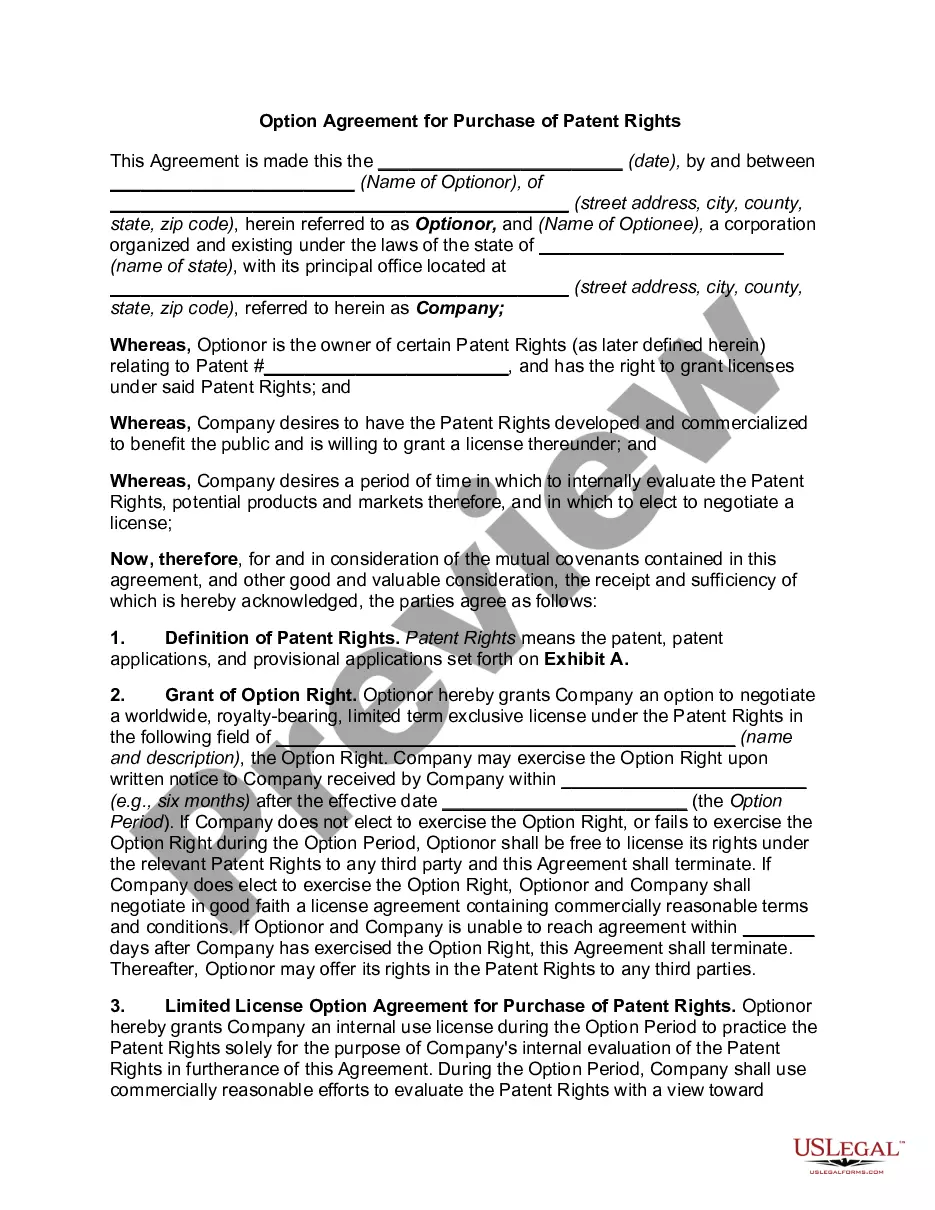
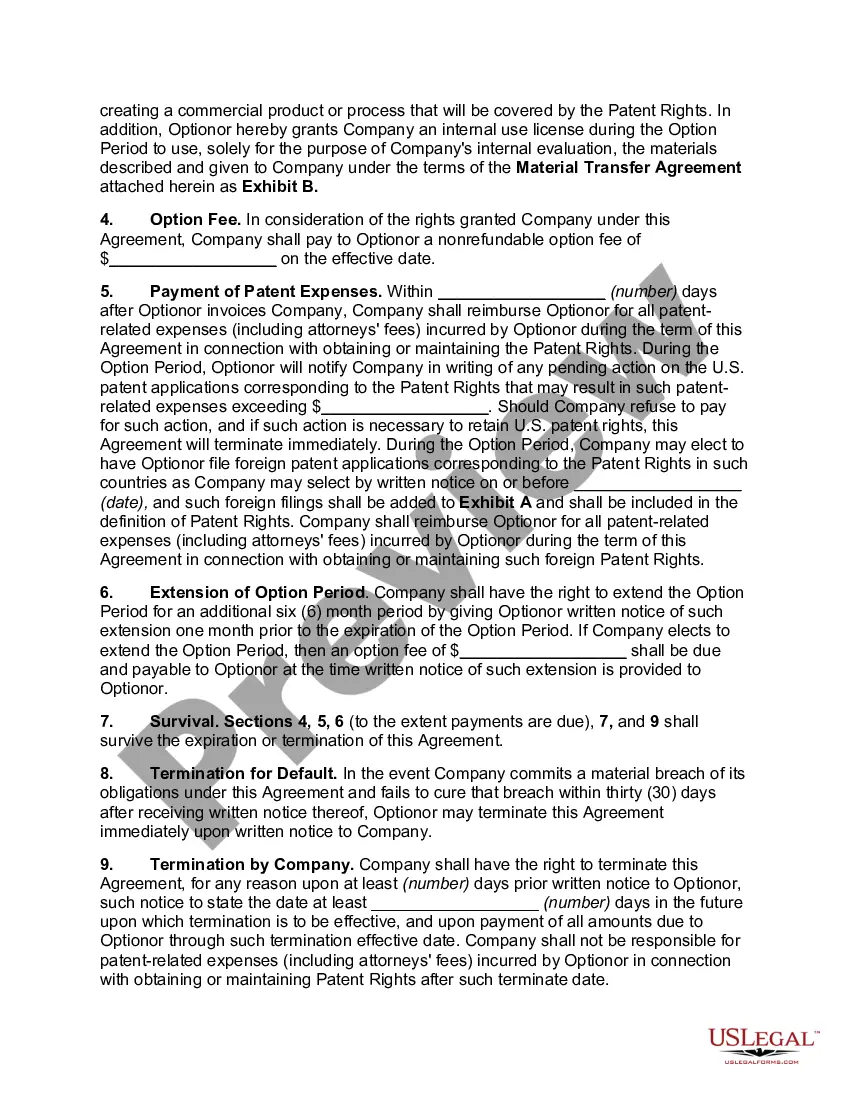
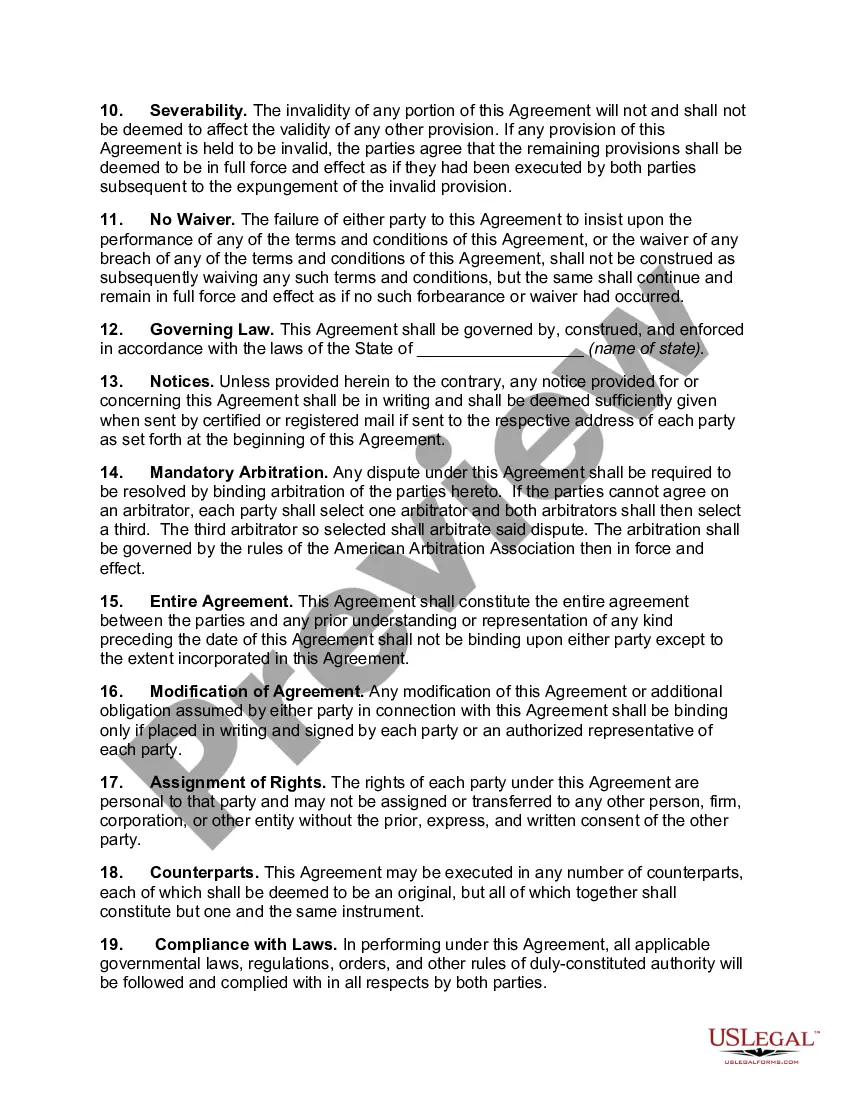
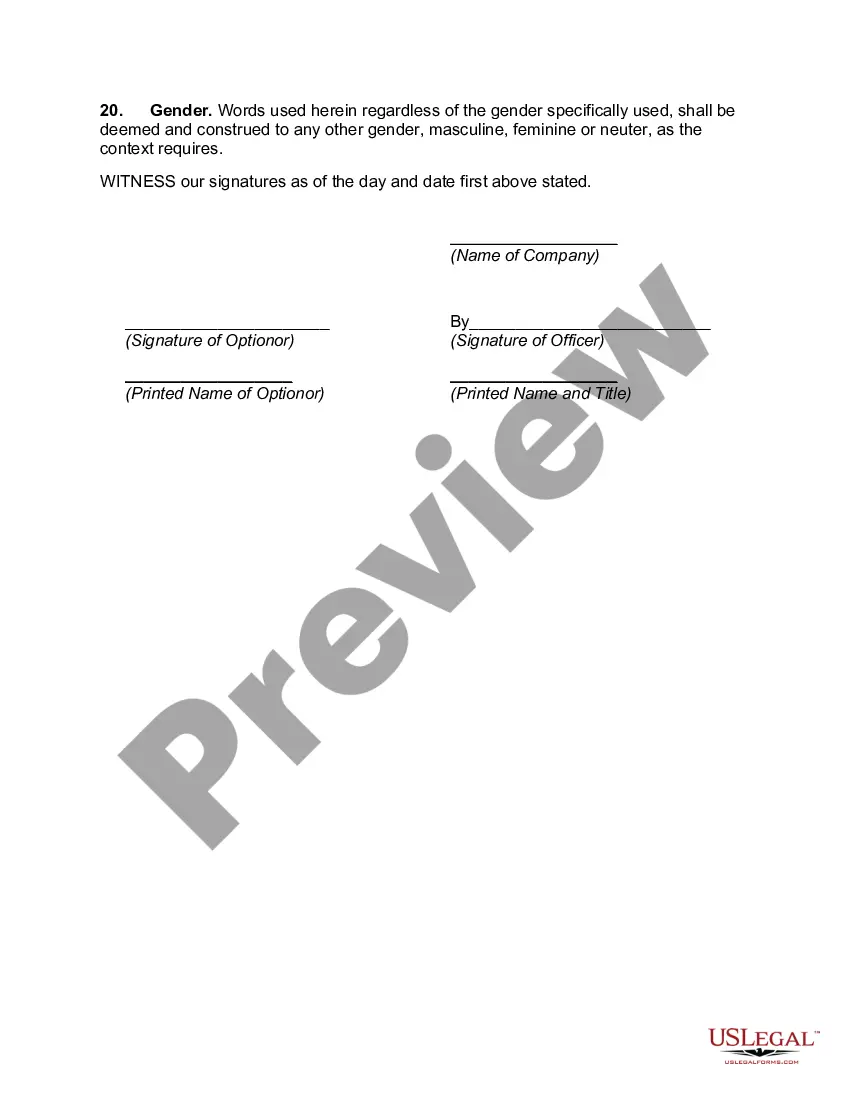
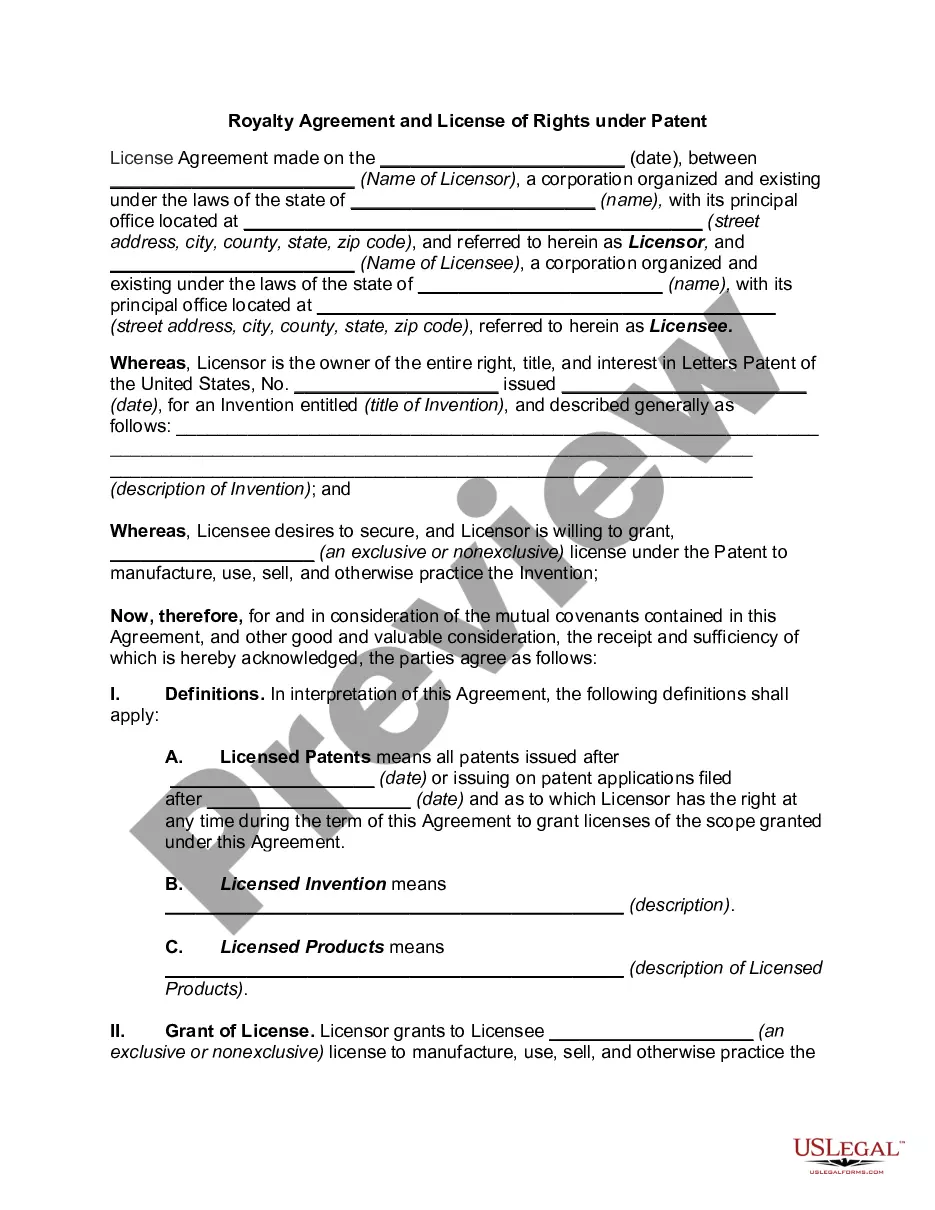
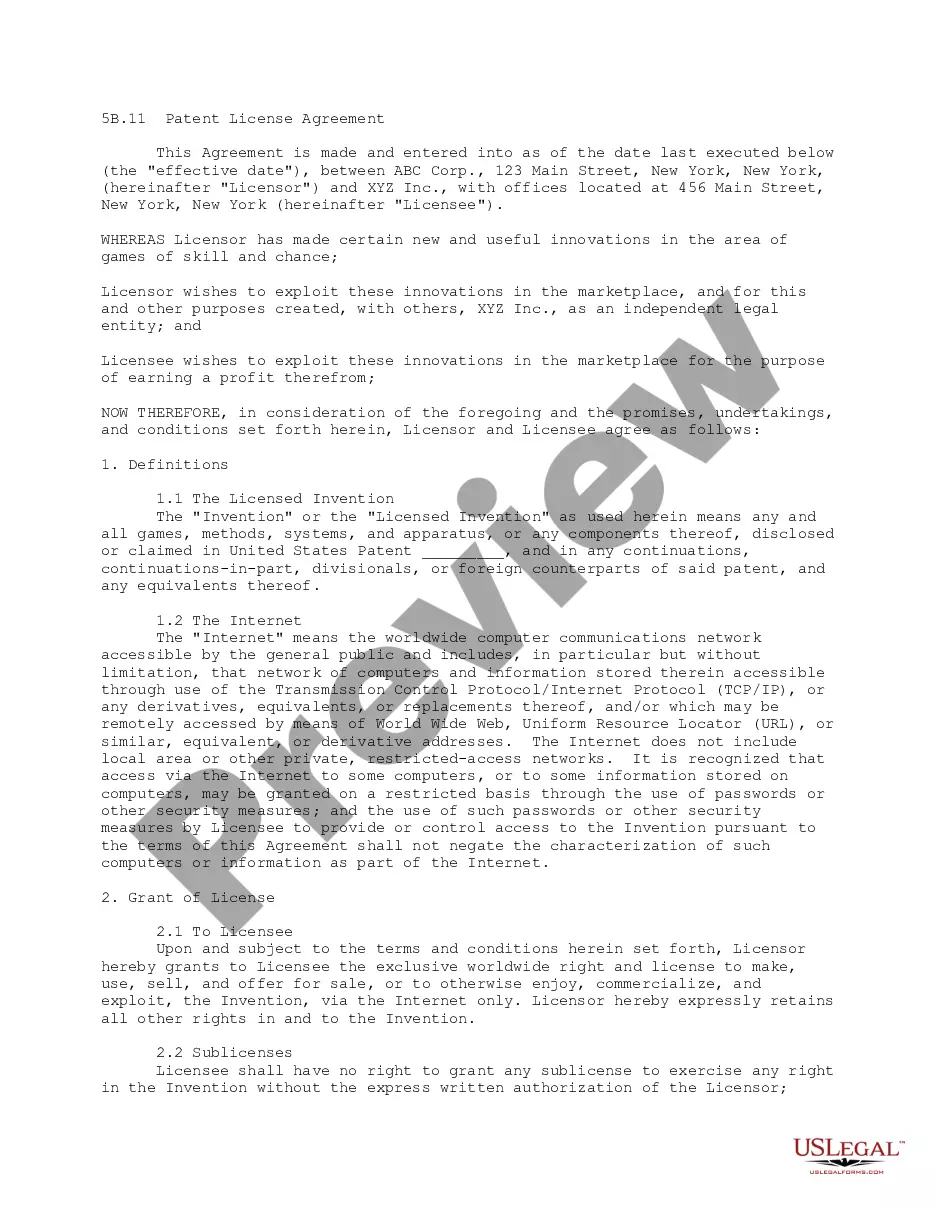
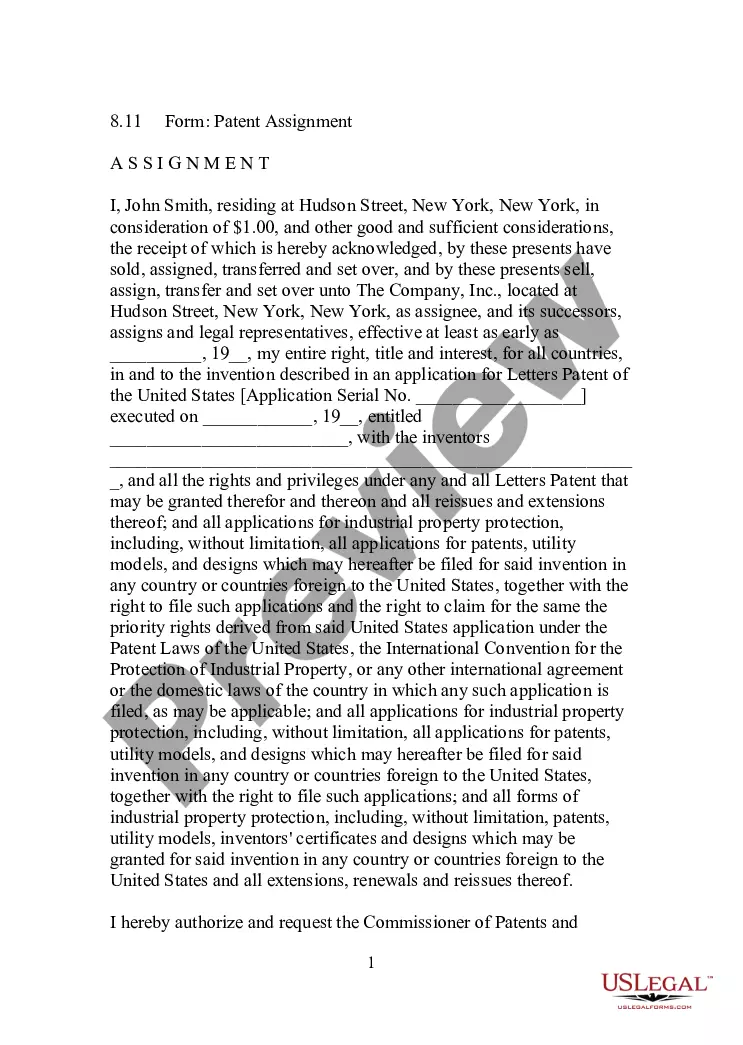
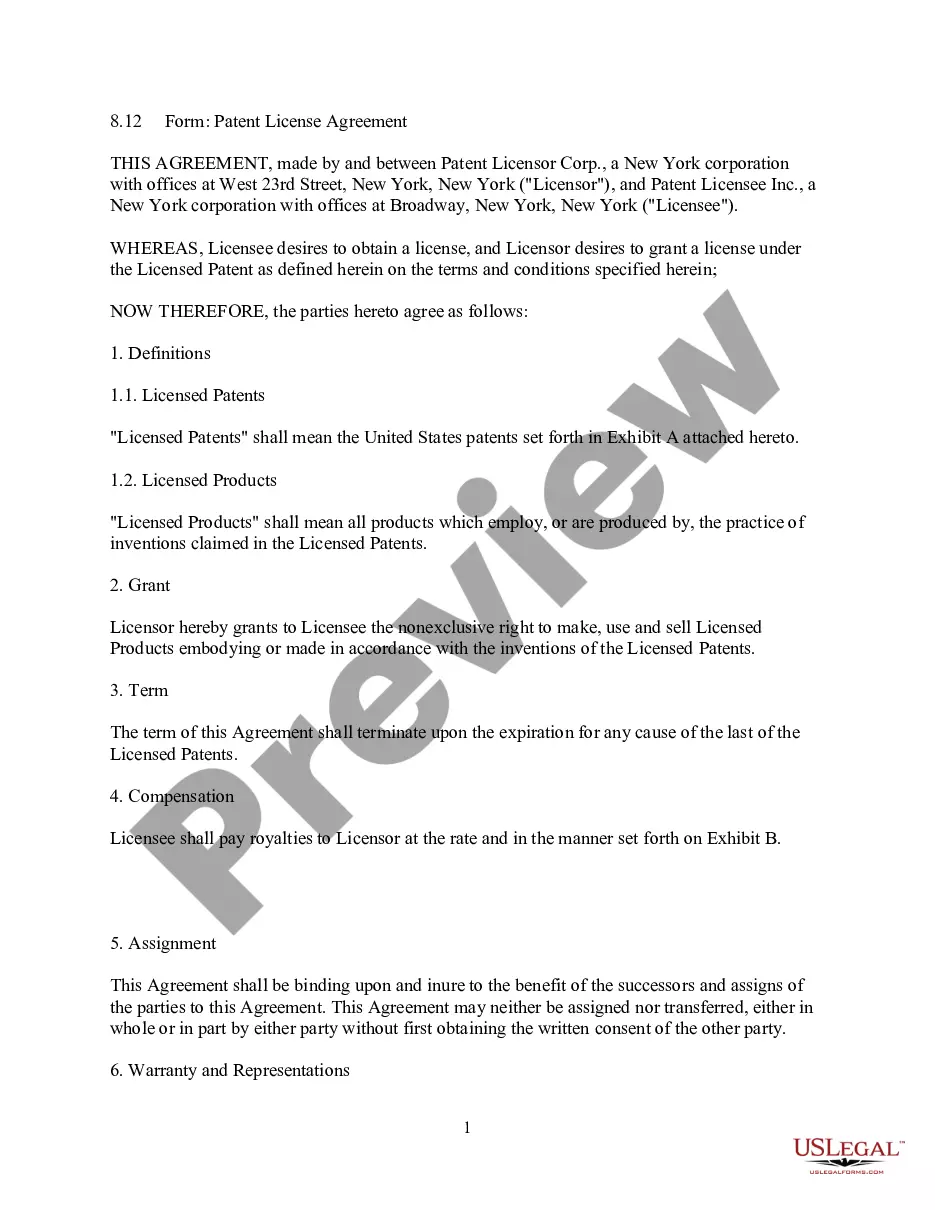


How to fill out Option Agreement For Purchase Of Patent Rights?
Utilizing legal templates that comply with federal and state laws is crucial, and the internet provides numerous choices.
However, what’s the purpose of wasting time searching for the accurately drafted Patent Rights In Research Methodology example online when the US Legal Forms digital library already compiles such templates in one location.
US Legal Forms is the largest virtual legal repository featuring over 85,000 fillable templates crafted by lawyers for any business and personal situation. They are simple to navigate with all documents categorized by state and intended use. Our specialists stay informed about legislative updates, so you can always be confident that your documents are current and in compliance when acquiring a Patent Rights In Research Methodology from our site.
All documents you find through US Legal Forms are reusable. To redownload and fill out previously acquired forms, visit the My documents section in your account. Enjoy the most extensive and user-friendly legal documentation service!
- Review the template using the Preview function or the text outline to ensure it meets your requirements.
- If needed, search for another template using the search function at the top of the page.
- Click Buy Now once you’ve located the right form and choose a subscription plan.
- Create an account or Log In and complete your payment via PayPal or credit card.
- Select the format for your Patent Rights In Research Methodology and download it.
Form popularity
FAQ
A patent in research methodology refers to the protection granted to specific processes or techniques used in research. This helps ensure the originality of research efforts and provides a competitive edge. By securing patent rights in research methodology, inventors can protect their innovations and potentially monetize their work.
A patent is an exclusive right granted for an invention, which is a product or a process that provides, in general, a new way of doing something, or offers a new technical solution to a problem.
How to get a patent in 5 steps Understand your invention. Research your invention. Choose the type of protection. Draft your patent application. Wait for a formal response.
To patent a business method, the invention must be novel and nonobvious. And a business method has to be more than just an idea to be patentable. The Supreme Court ruled in Bilski v. Kappos that a method of hedging risk and its application to a specific market was not eligible for a patent.
Examples of patents include the Wright Brothers' patent for the airplane, Thomas Edison's patent for the light bulb, and Alexander Graham Bell's patent for the telephone.
The important components of every patent application include the following: Title of the application. Background and summary of the invention. Abstract and Drawings. Elaborate description of the designs and drawings. Patent Claims. Cross-reference to related applications.