Subrogation For Aetna
Description
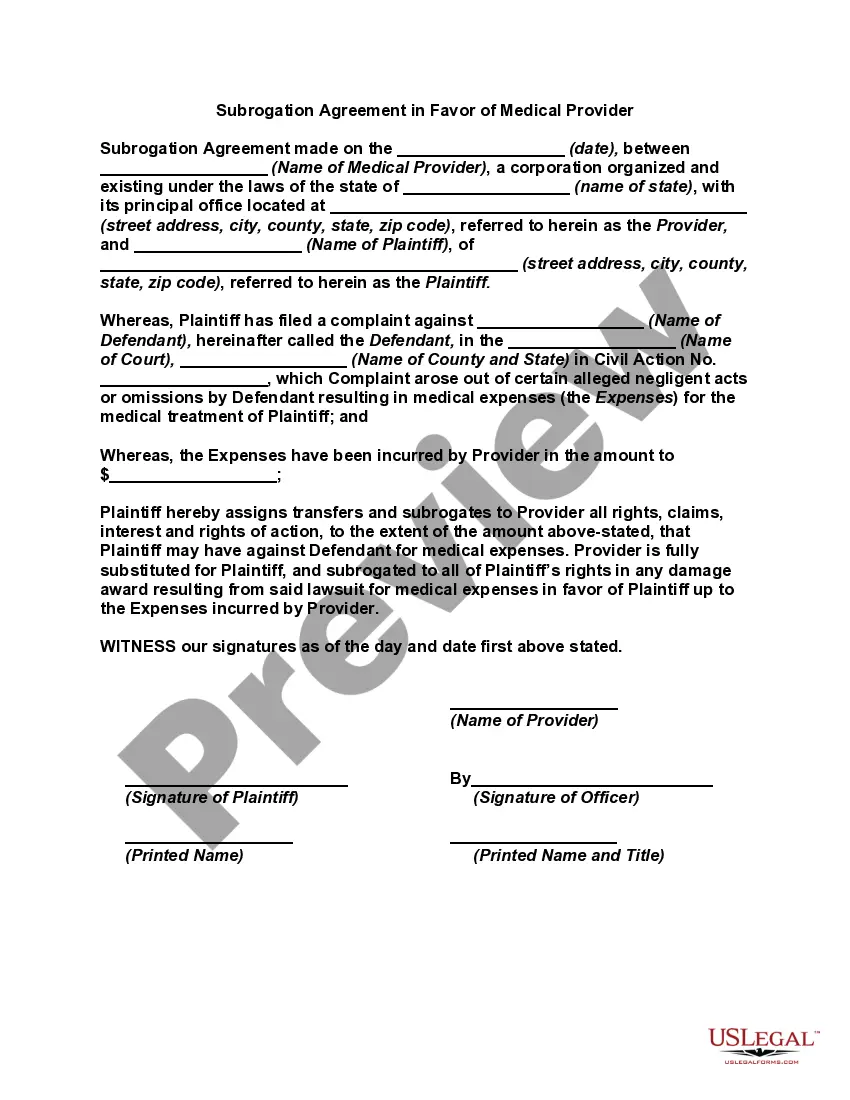
Get your form ready online
Our built-in tools help you complete, sign, share, and store your documents in one place.
Make edits, fill in missing information, and update formatting in US Legal Forms—just like you would in MS Word.
Download a copy, print it, send it by email, or mail it via USPS—whatever works best for your next step.
Sign and collect signatures with our SignNow integration. Send to multiple recipients, set reminders, and more. Go Premium to unlock E-Sign.
If this form requires notarization, complete it online through a secure video call—no need to meet a notary in person or wait for an appointment.
We protect your documents and personal data by following strict security and privacy standards.

Make edits, fill in missing information, and update formatting in US Legal Forms—just like you would in MS Word.

Download a copy, print it, send it by email, or mail it via USPS—whatever works best for your next step.

Sign and collect signatures with our SignNow integration. Send to multiple recipients, set reminders, and more. Go Premium to unlock E-Sign.

If this form requires notarization, complete it online through a secure video call—no need to meet a notary in person or wait for an appointment.

We protect your documents and personal data by following strict security and privacy standards.
Looking for another form?
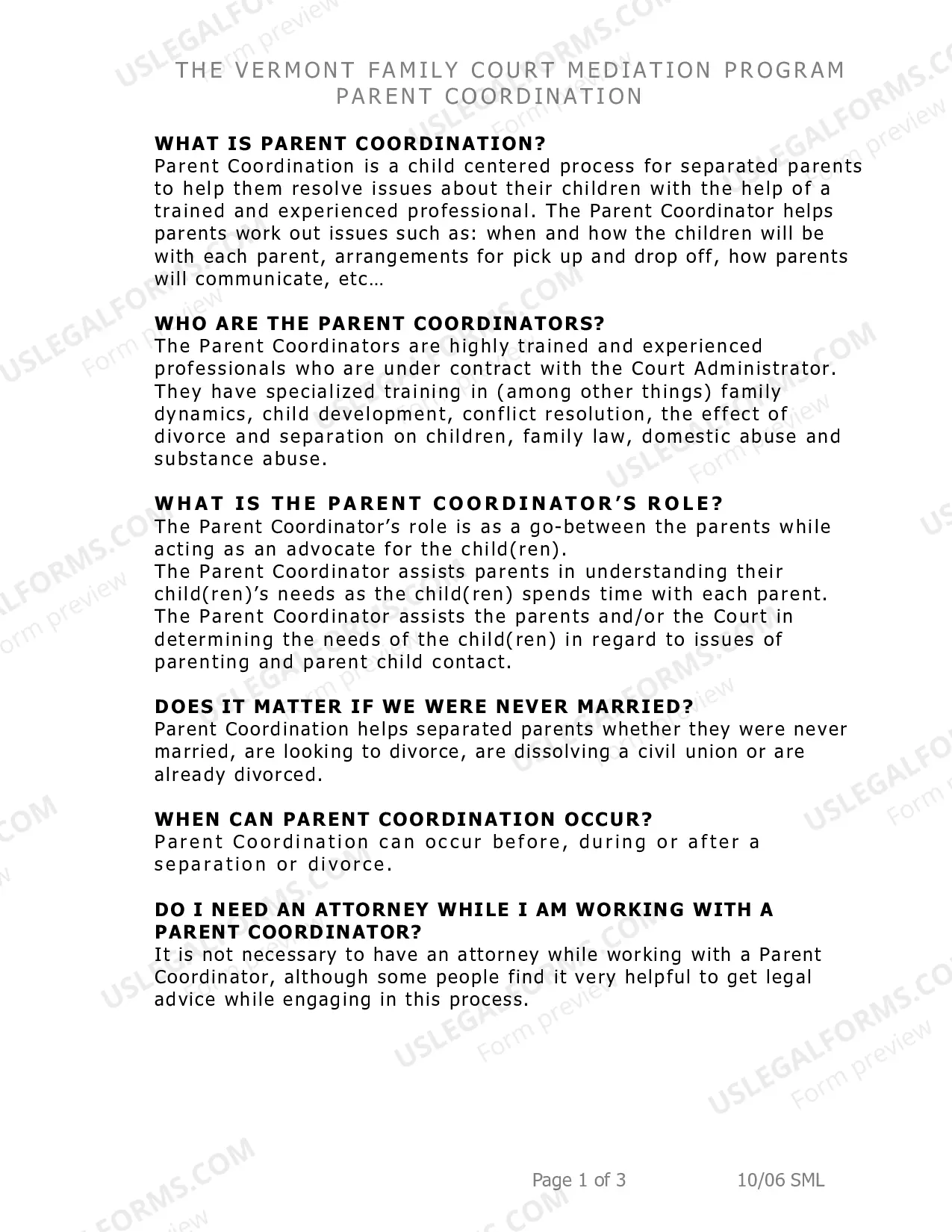
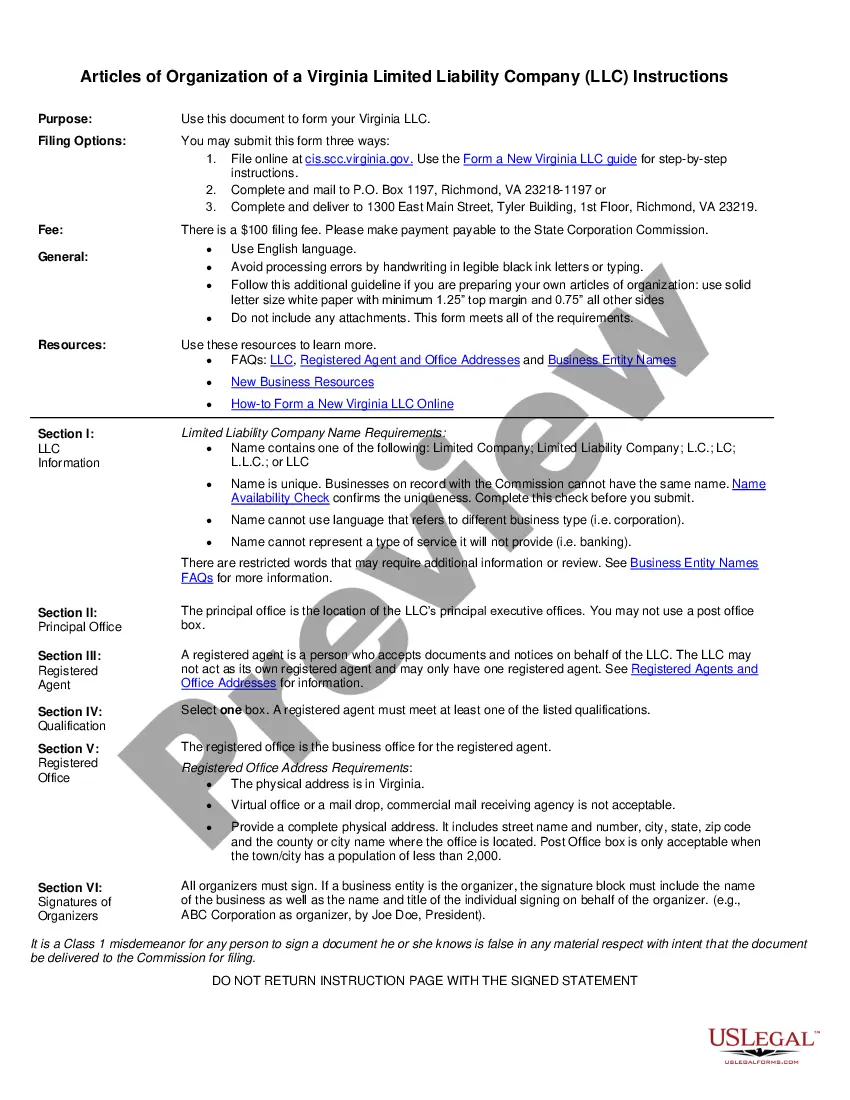
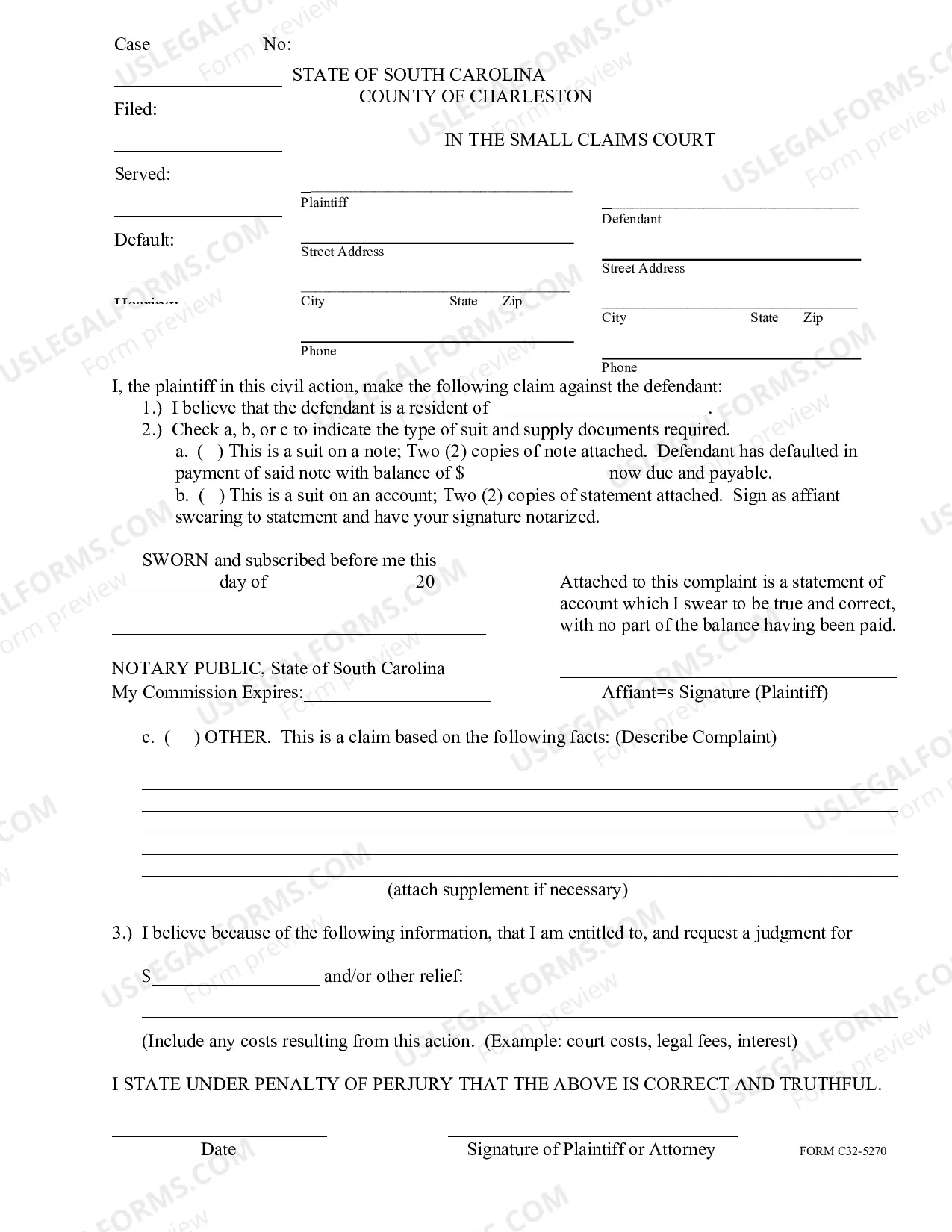

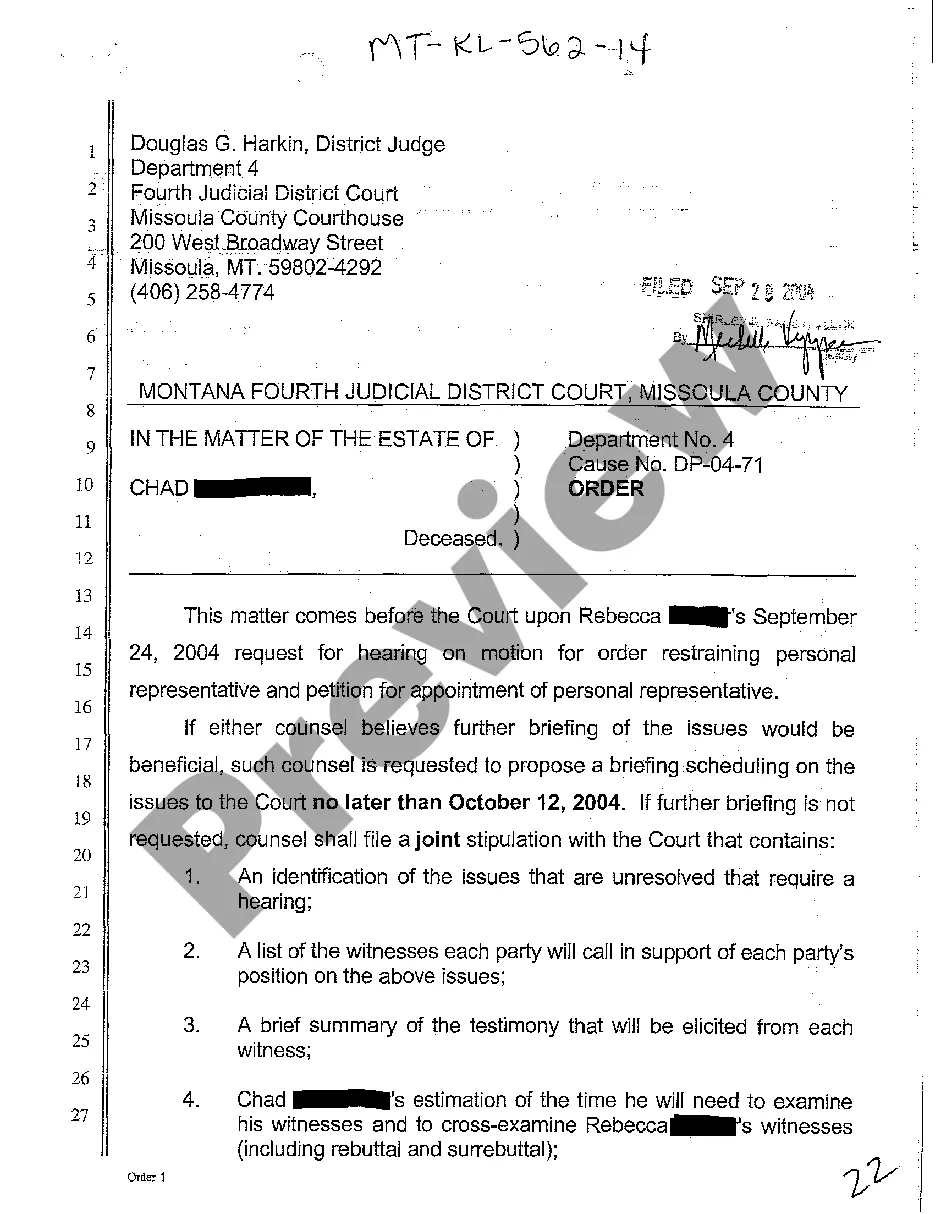
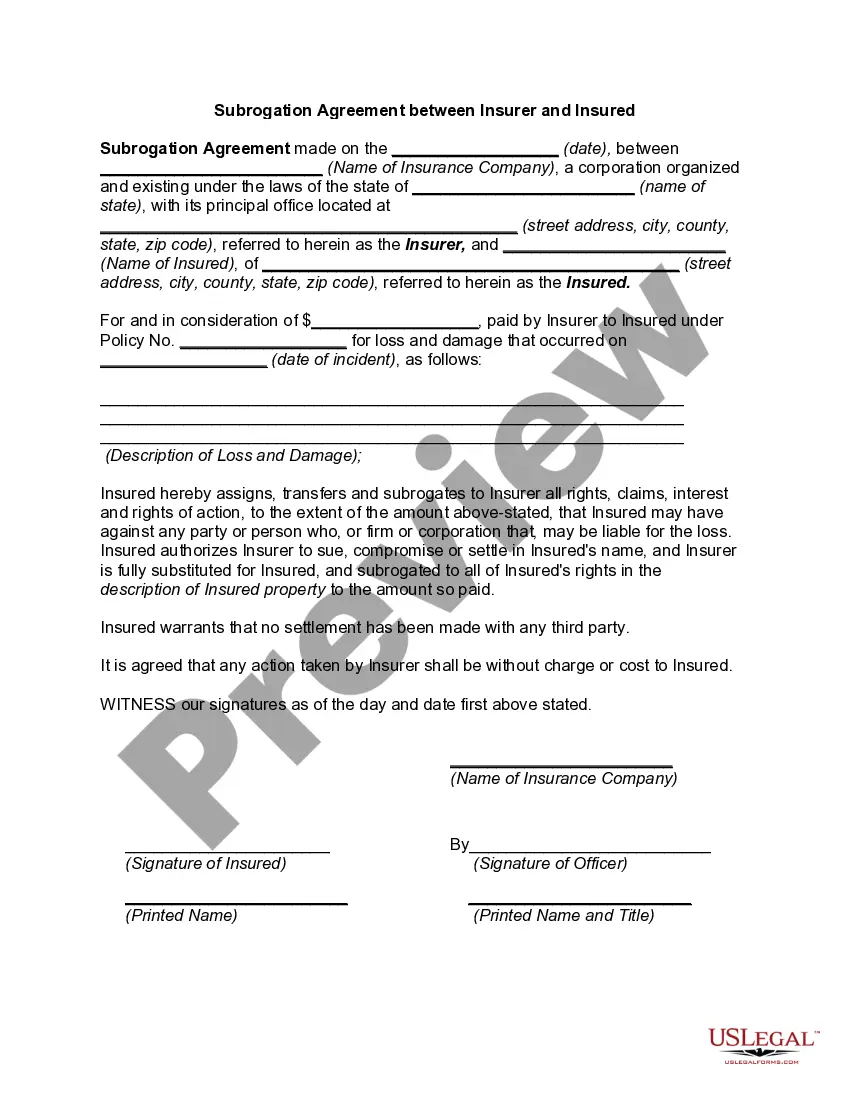
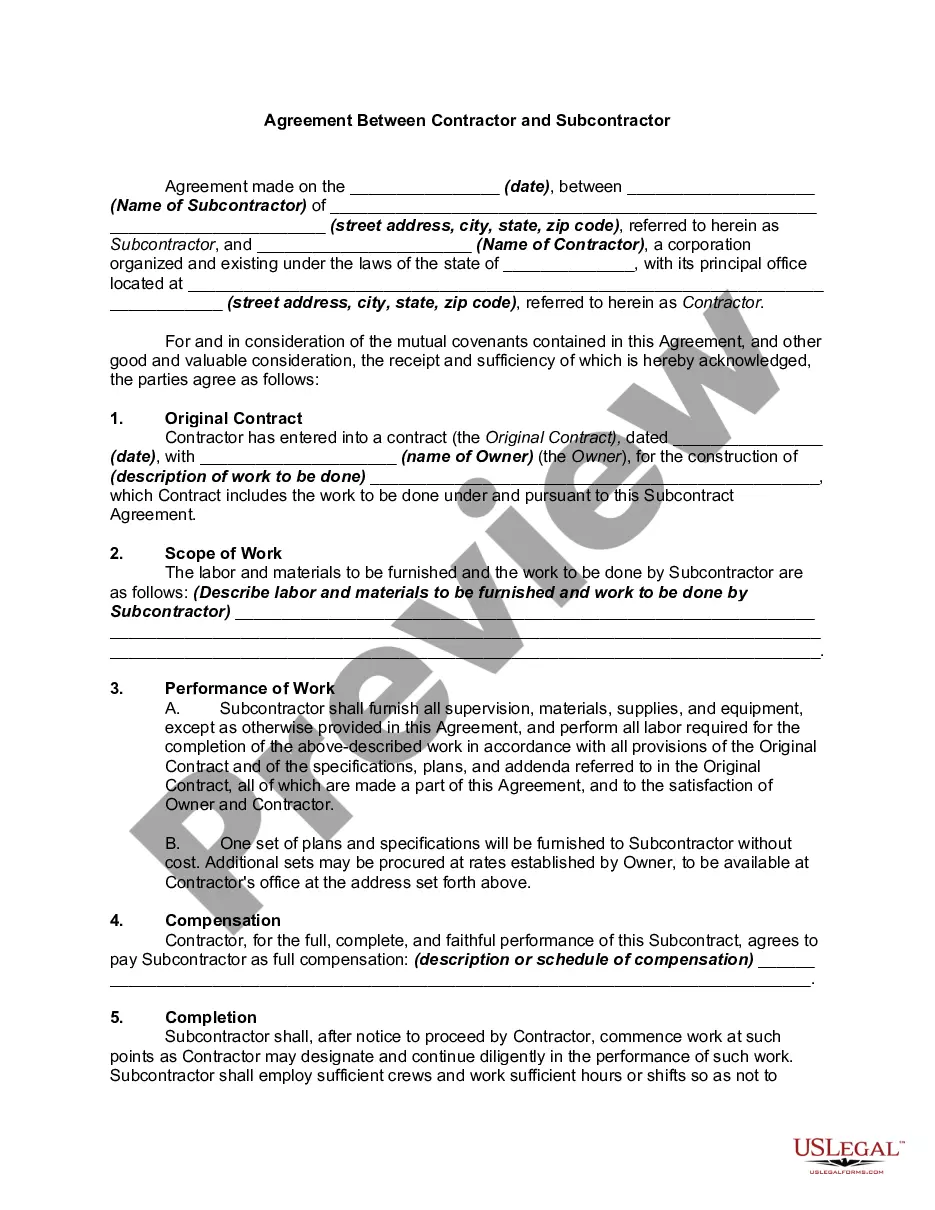
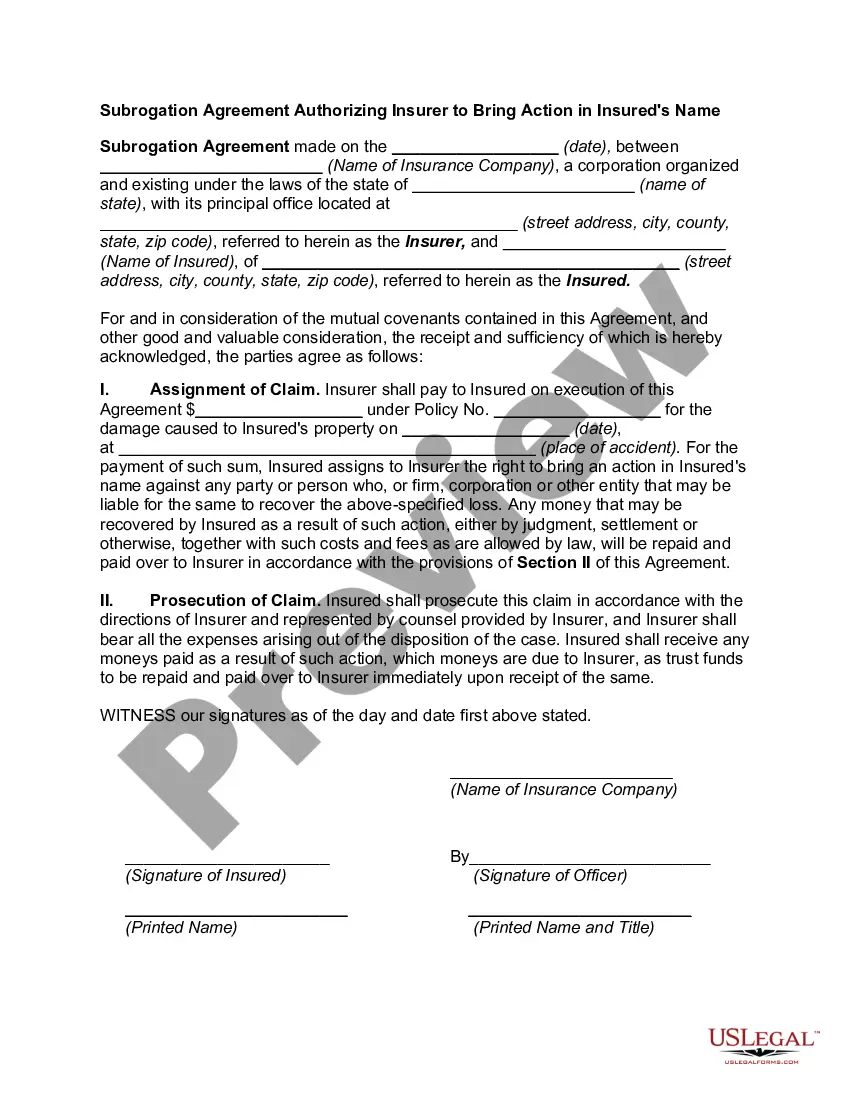
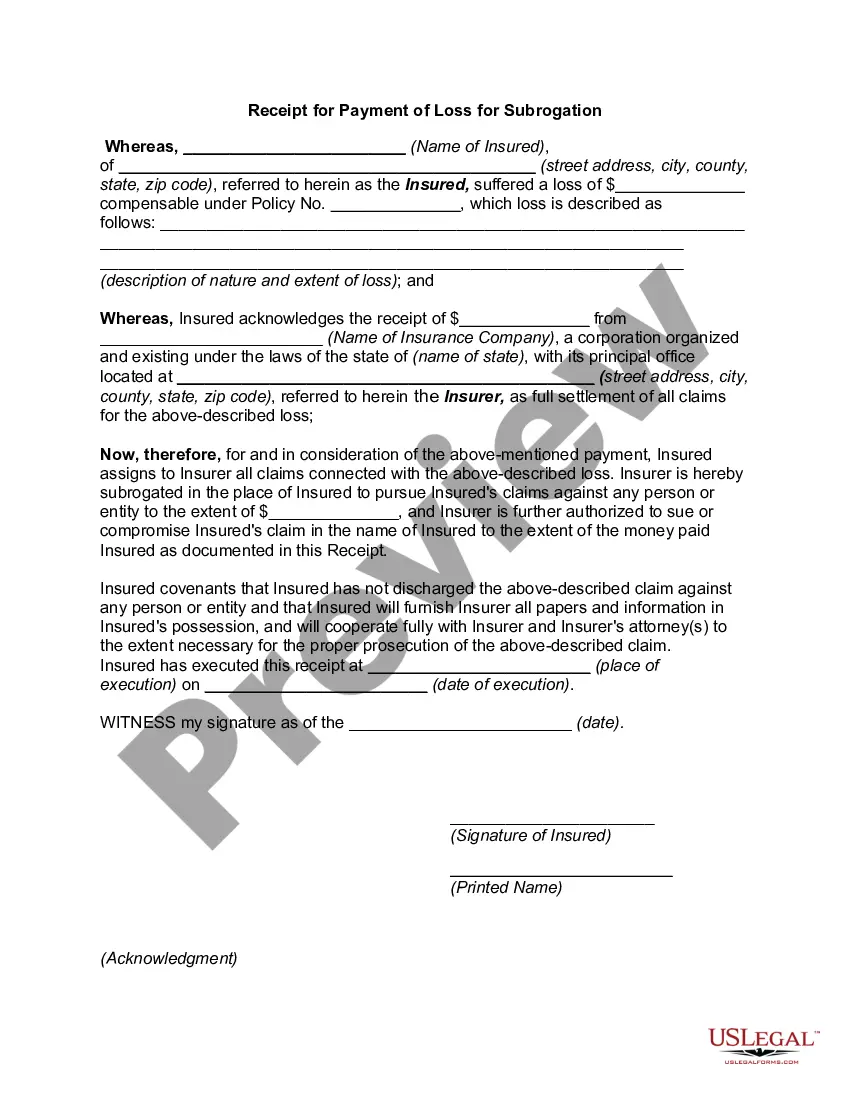
How to fill out Subrogation Agreement Between Insurer And Insured?
- Log in to your account if you’ve used US Legal Forms before. Verify your subscription’s validity to ensure access to necessary document templates.
- Explore the Preview mode and read the form details carefully. Confirm that you have selected a document that aligns with your requirements and complies with local laws.
- If you need a different template, utilize the Search function to locate the appropriate form. Proceed only when you are confident it meets your criteria.
- Make a purchase by clicking the Buy Now button and selecting your preferred subscription plan. New users must create an account to access the document library.
- Complete your transaction by entering payment details via credit card or PayPal, ensuring you secure access to your chosen forms.
- After payment, download the document directly to your device. You can always retrieve it later from the My Forms section of your profile.
In conclusion, US Legal Forms equips you with the tools necessary for successful navigation of legal document preparation. By following these straightforward steps, you can ensure your needs regarding subrogation for Aetna are met with ease.
Ready to get started? Visit US Legal Forms now!
Form popularity
FAQ
The letter of subrogation is usually issued by the insurance company, such as Aetna, after assessing a claim. This document informs the responsible party or their insurer of Aetna's intention to seek reimbursement. It serves as a formal communication that outlines the costs incurred and the basis for seeking recovery. Utilizing platforms like uslegalforms can streamline this process, ensuring clarity and compliance in responding to subrogation demands.
Aetna subrogation typically involves the insurance company recovering costs from a third party responsible for a loss. This means if you incur medical expenses due to someone else's negligence, Aetna may seek reimbursement. They do this by investigating your claim and determining legal avenues to recoup their expenses. It's an essential process that ensures your premiums remain affordable while holding the responsible party accountable.
You can absolutely submit claims electronically to Aetna. This process allows for a quicker review and settlement of claims, which can greatly benefit your practice. It’s important to ensure that you adhere to Aetna’s submission guidelines to avoid complications. For additional support, you might want to explore tools provided by US Legal Forms, which can help simplify the process of submitting your claims electronically.
Claims are submitted electronically through secure channels that Aetna has designated for this purpose. Providers typically use specialized software to create and transmit claims efficiently. This method not only speeds up the claims process but also enhances accuracy, benefiting both the provider and Aetna. If you're unsure about the process, using services like US Legal Forms can guide you through the requirements.
Yes, Aetna accepts electronic corrected claims, which helps improve the efficiency of the claims process. Correcting mistakes electronically means you can avoid delays associated with paper claims, making it easier to manage your workload. To maximize your chances of a successful submission, ensure you follow Aetna’s guidelines closely. Resources on platforms like US Legal Forms can provide further clarity on this process.
Aetna offers a robust provider portal that enhances your experience. This portal allows you to manage your claims, check patient eligibility, and view payment information easily. You can also find resources to assist you with subrogation for Aetna, ensuring you have the tools you need at your fingertips. Engaging with the provider portal can save you time and effort in your practice.
Yes, Aetna does accept electronic submissions of secondary claims. This process simplifies claim handling, allowing for quicker resolutions. With proper documentation, you can submit your secondary claims seamlessly, streamlining your workflow. If you need assistance, consider using platforms like US Legal Forms for user-friendly guidance on claim submissions.
You can get an Aetna case manager by contacting Aetna directly through their customer service line, found on your insurance card. Request assistance with case management, and they will facilitate the process. It's important to explain your unique needs clearly to receive the best support available.
To secure a case manager for a patient, start by contacting Aetna's customer service to express your need for support. They will guide you through the necessary steps and determine eligibility for case management services. If needed, consider visiting the U.S. Legal Forms platform, which can provide resources and forms to streamline your search.
Subrogation for Aetna is typically handled by specialized teams within the company. These professionals work to recover costs associated with claims when another party is responsible. If you have concerns or questions regarding your case, reaching out to your Aetna case manager can help clarify any processes involved.