No Representation Without Taxation Meaning
Description
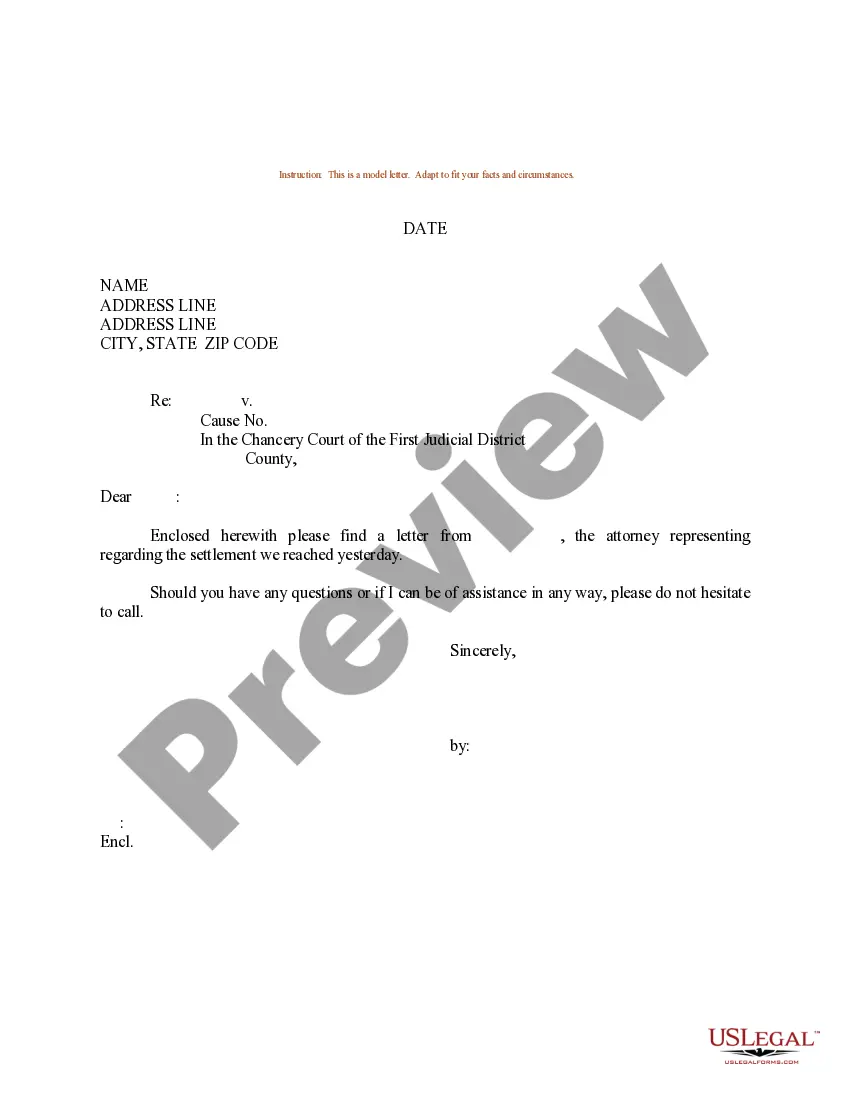

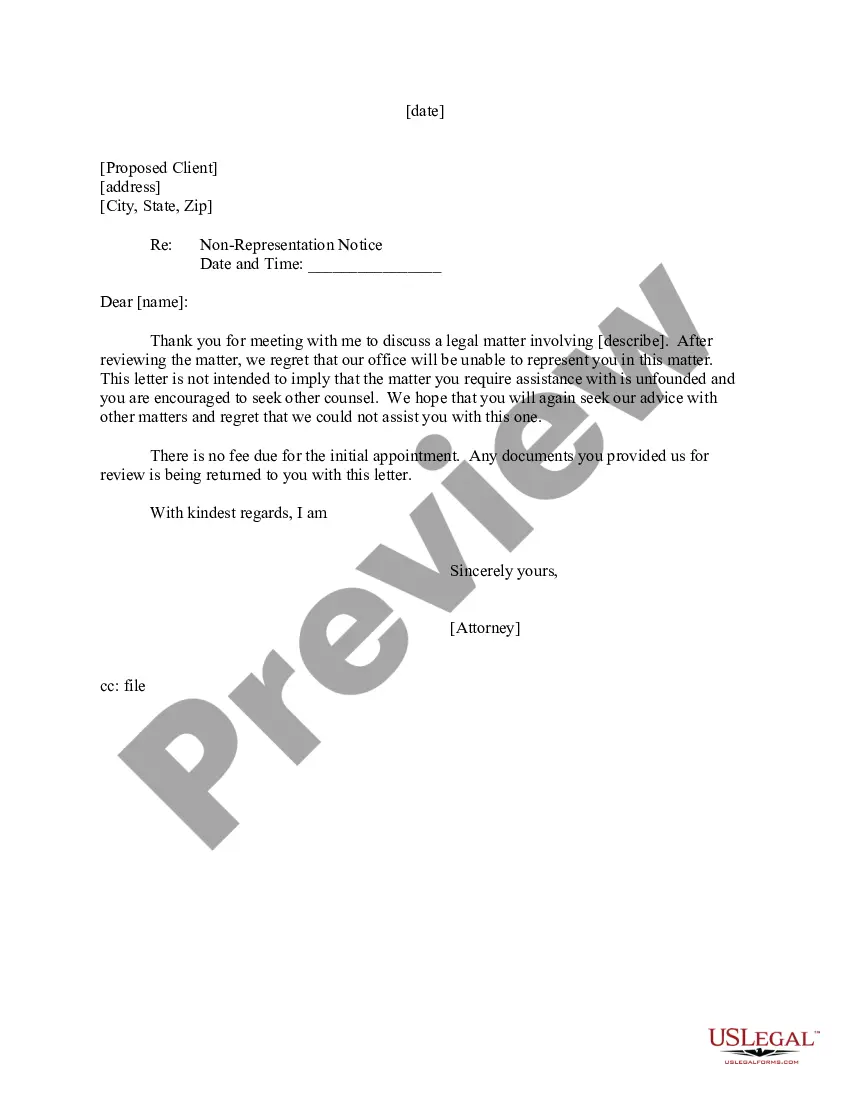


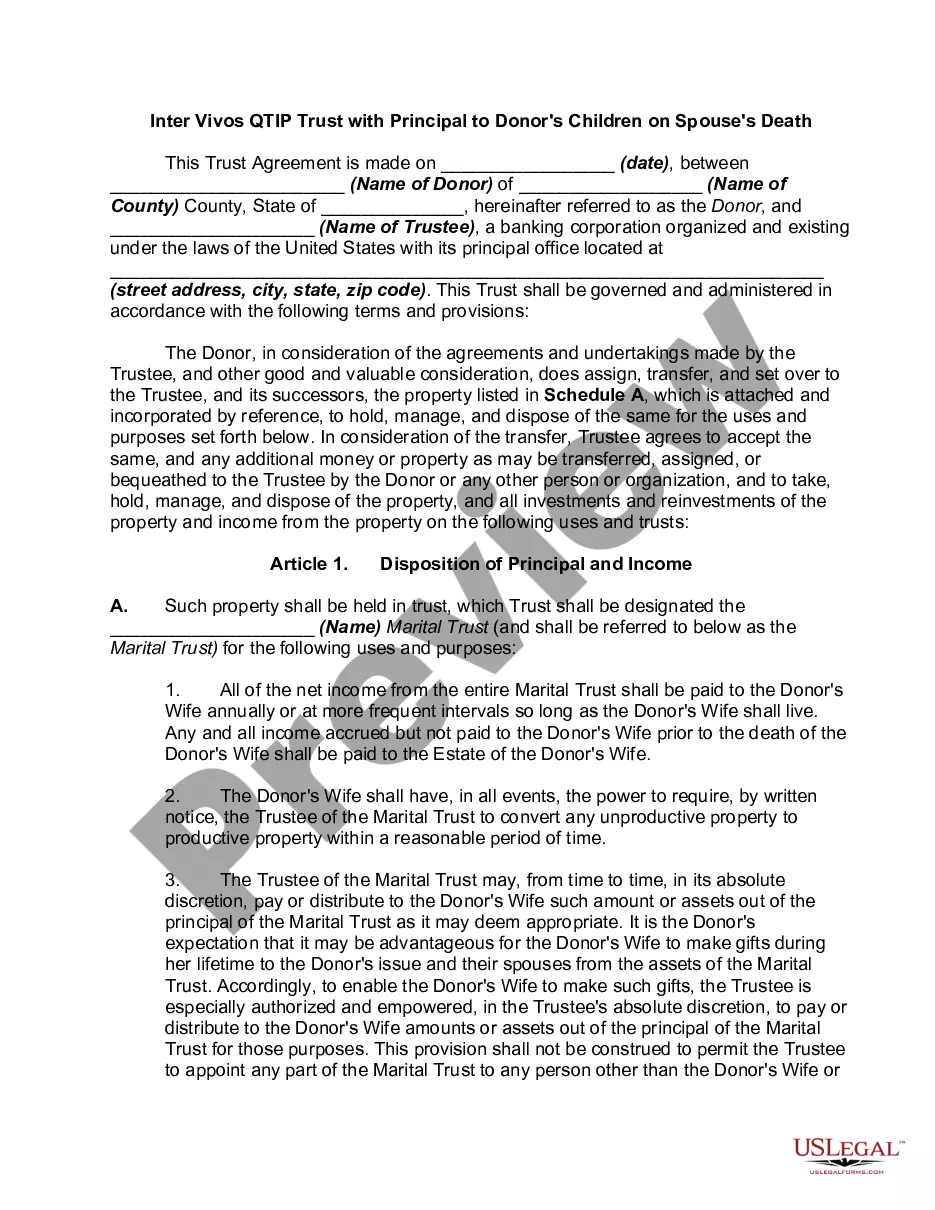
How to fill out Sample Letter To Proposed Client - Non-Representation Sample Letter?
Managing legal documents can be exasperating, even for the most proficient experts.
When you are looking for a No Representation Without Taxation Meaning and lack the opportunity to dedicate to finding the accurate and current version, the procedures can be taxing.
Access a valuable collection of articles, tutorials, and guides related to your situation and requirements.
Save time and effort searching for the documents you need, and utilize US Legal Forms’ sophisticated search and Review tool to find No Representation Without Taxation Meaning and obtain it.
Ensure that the sample is accepted in your state or county.
- If you have a subscription, Log In to your US Legal Forms account, search for the form, and obtain it.
- Check your My documents tab to see the documents you have previously downloaded and manage your folders as you deem appropriate.
- If it is your first time using US Legal Forms, create a free account and gain unlimited access to all benefits of the platform.
- Here are the steps to follow after obtaining the form you desire.
- Verify that it is the correct form by previewing it and reviewing its description.
- Gain access to state- or county-specific legal and business documents.
- US Legal Forms caters to any requirements you may have, from personal to corporate paperwork, all in one spot.
- Utilize cutting-edge tools to fill out and manage your No Representation Without Taxation Meaning.
Form popularity
FAQ
You can say, 'The phrase no representation without taxation meaning reflects the principle that citizens should not be taxed by a government unless they have a voice in that government.' This highlights the historical context where taxation policies led to demands for political representation. Understanding the no representation without taxation meaning helps clarify the importance of civic engagement and the rights of individuals in a democratic society. When discussing contemporary issues, this phrase can still resonate as it addresses fairness and accountability in governance.
'No taxation without representation' actually means that any government revenue collected from its citizens must be consented to through elected representatives. In essence, it advocates for citizens' rights to influence and challenge taxation laws. This concept has influenced many democratic systems, asserting that citizens should have a say in decisions affecting their lives. Therefore, understanding this phrase is essential for appreciating democratic principles and citizen rights.
When colonists shouted 'no taxation without,' they expressed their frustration and anger over British taxation policies in the late 18th century. This slogan often accompanied protests against various acts imposed by the British Crown. The outcry signified a larger demand for rights and representation. To explore the historical significance and implications of this phrase, consider visiting USLegalForms, where resources are available to understand the complexities of taxation and representation.
In short, many colonists believed that as they were not represented in the distant British parliament, any taxes it imposed on the colonists (such as the Stamp Act and the Townshend Acts) were unconstitutional and were a denial of the colonists' rights as Englishmen.
One of the best examples is the instance of District of Columbia taxation without representation. The United States capital, Washington, D.C., formerly known as the District of Columbia, is one of the only two regions that currently taxes its citizens without giving them any rights.
Taxation without Representation means that citizens don't have a say in how the government uses their taxes. It's like having to pay for something that you don't agree with. It's a concept from the American Revolutionary War when colonists didn't have a voice in British Parliament.
The Stamp Act Congress met on this day in New York in 1765, a meeting that led nine Colonies to declare the English Crown had no right to tax Americans who lacked representation in British Parliament.