Client Real Estate Formula
Description

Get your form ready online
Our built-in tools help you complete, sign, share, and store your documents in one place.
Make edits, fill in missing information, and update formatting in US Legal Forms—just like you would in MS Word.
Download a copy, print it, send it by email, or mail it via USPS—whatever works best for your next step.
Sign and collect signatures with our SignNow integration. Send to multiple recipients, set reminders, and more. Go Premium to unlock E-Sign.
If this form requires notarization, complete it online through a secure video call—no need to meet a notary in person or wait for an appointment.
We protect your documents and personal data by following strict security and privacy standards.

Make edits, fill in missing information, and update formatting in US Legal Forms—just like you would in MS Word.

Download a copy, print it, send it by email, or mail it via USPS—whatever works best for your next step.

Sign and collect signatures with our SignNow integration. Send to multiple recipients, set reminders, and more. Go Premium to unlock E-Sign.

If this form requires notarization, complete it online through a secure video call—no need to meet a notary in person or wait for an appointment.

We protect your documents and personal data by following strict security and privacy standards.
Looking for another form?

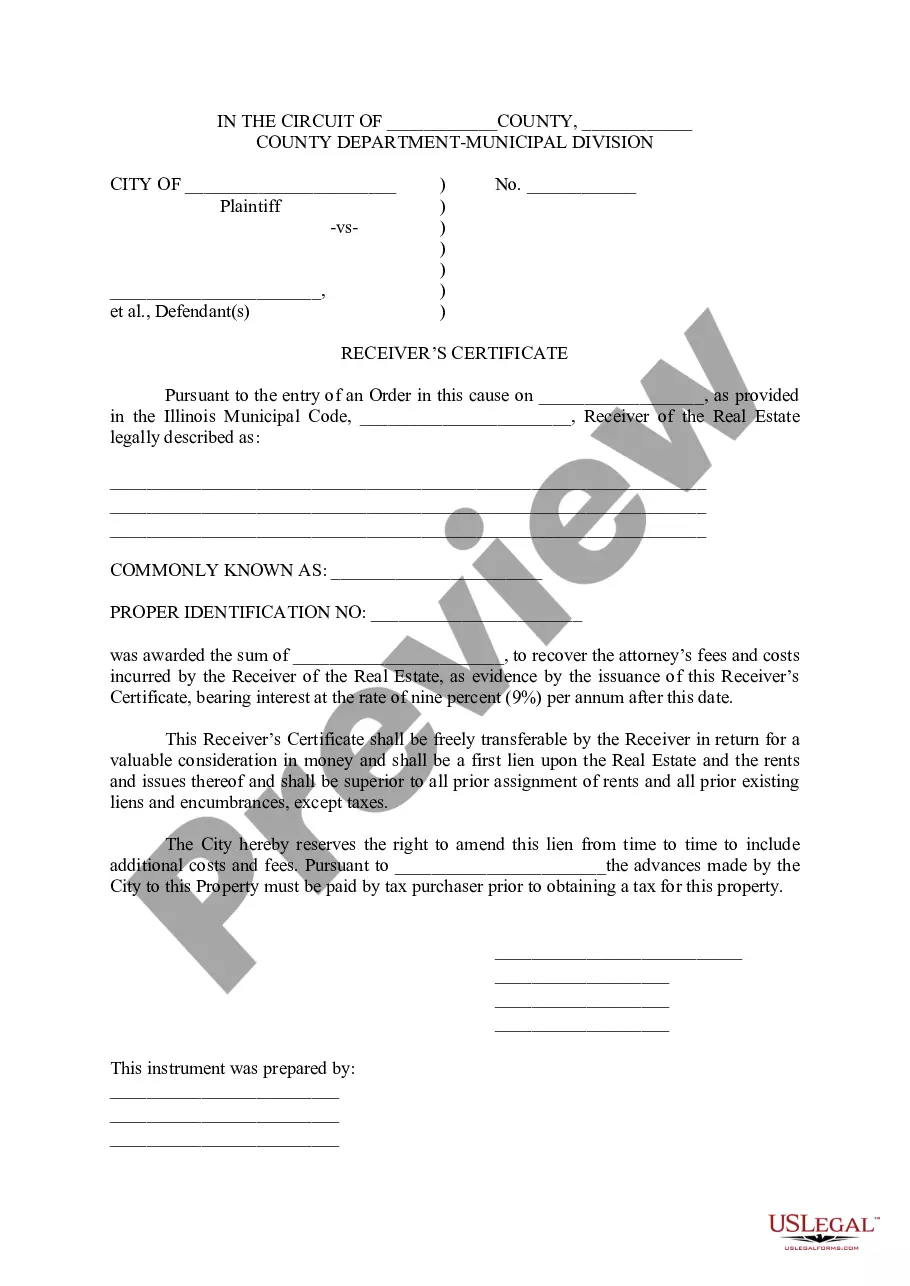




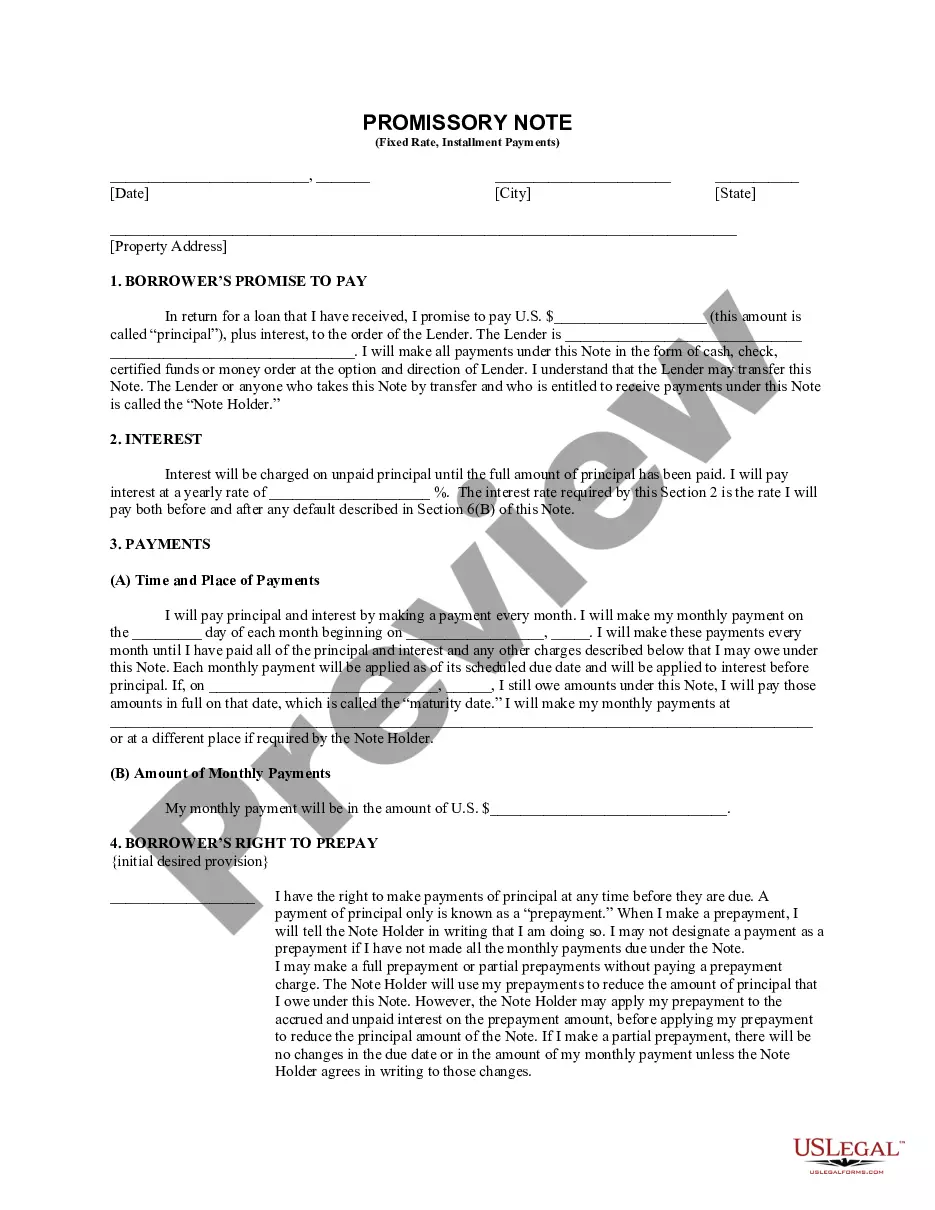



How to fill out Sample Letter To Client Regarding Real Estate Documents Related To Homestead?
Obtaining a reliable location to acquire the latest and suitable legal templates is half the battle of managing bureaucracy.
Selecting the correct legal documents requires precision and careful consideration, which elucidates why it is essential to obtain samples of Client Real Estate Formula solely from trustworthy sources, such as US Legal Forms. An incorrect template will squander your time and postpone the issue you are facing. With US Legal Forms, you have minimal reason for concern. You can access and review all the information about the document’s applicability and significance for your situation and within your jurisdiction.
Eliminate the complications associated with your legal paperwork. Explore the vast US Legal Forms library where you can discover legal templates, assess their relevance to your situation, and download them instantly.
- Utilize the library navigation or search feature to find your template.
- Examine the form’s description to verify if it meets the standards of your state and locality.
- View the form preview, if accessible, to confirm that the template is the one you need.
- Return to the search and locate the correct document if the Client Real Estate Formula does not fulfill your specifications.
- If you are certain about the form’s applicability, download it.
- When you are an authorized user, click Log in to verify and access your selected forms in My documents.
- If you do not yet have an account, click Buy now to obtain the form.
- Choose the pricing option that aligns with your preferences.
- Continue to the registration process to complete your purchase.
- Conclude your purchase by selecting a payment method (credit card or PayPal).
- Select the file format for downloading Client Real Estate Formula.
- Once you have the form on your device, you can modify it using the editor or print it and fill it out manually.
Form popularity
FAQ
The math formula for real estate often includes key components such as property value, expenses, and income. Specifically, the Client real estate formula can be summarized as: Property Value = Income / Capitalization Rate. This formula helps you determine the potential return on investment for a property by analyzing its income-producing ability. By utilizing this formula, you gain insights that can guide your real estate decisions effectively.
To avoid a hefty 20% down payment, consider exploring various financing options such as FHA loans or seller financing. You can also look into partnerships or alternative investment strategies that require less upfront capital. By applying the Client real estate formula, you may discover creative ways to structure your investments for success without the burden of a large down payment.
The 4 3 2 1 rule in real estate guides investors on how to distribute their resources effectively. It encourages having four types of properties, engaging with three different strategies, focusing on two primary markets, and implementing one main investment approach. Utilizing the Client real estate formula can streamline this process, leading to clearer investment paths.
The number one rule in real estate is to always conduct thorough research before making any investment. Due diligence and market analysis are critical to avoiding bad investments. By integrating this principle with the Client real estate formula, you build a solid foundation for profitable real estate ventures.
The golden rule of real estate investing focuses on location, location, location. This principle emphasizes that the success of your investment heavily depends on choosing properties in desirable areas. Understanding how this plays into the Client real estate formula can help you make informed decisions about where to invest.
The 4 3 2 1 investment strategy outlines a systematic approach to diversify your portfolio. It suggests allocating your funds into four properties, three different types of investments, two markets, and one strategy that aligns with your goals. By following this Client real estate formula, you can balance your risks and enhance your potential returns.
Certificate of Fitness: Easy to understand, difficult to Implement. 10/2/1001 NST-PROP By Prof Salleh Buang. ESSENTIALLY the law relating to the issuance of certificates of fitness for occupation of a building (CF) is not difficult to understand.
In a broker-client relationship, the real estate broker is representing the client and is acting as his or her legal agent in buying, selling, or leasing property.
How Is ROI Calculated For Real Estate Investments? ROI = (Investment Gain ? Investment Cost) ÷ Investment Cost. ROI = Net Profit ($200,000 ? $150,000) ÷ Total Investment ($150,000) ROI = (Annual Rental Income ? Annual Operating Costs) ÷ Mortgage Value.
Cash flow equals passive income. It's the income generated when rental returns exceed monthly expenses. Some property investors call cash flow ?mailbox money?, referring to the fact that cash flow epitomizes a monthly income that doesn't require working nine to five.