Termination Trust Trustee For Trust
Description
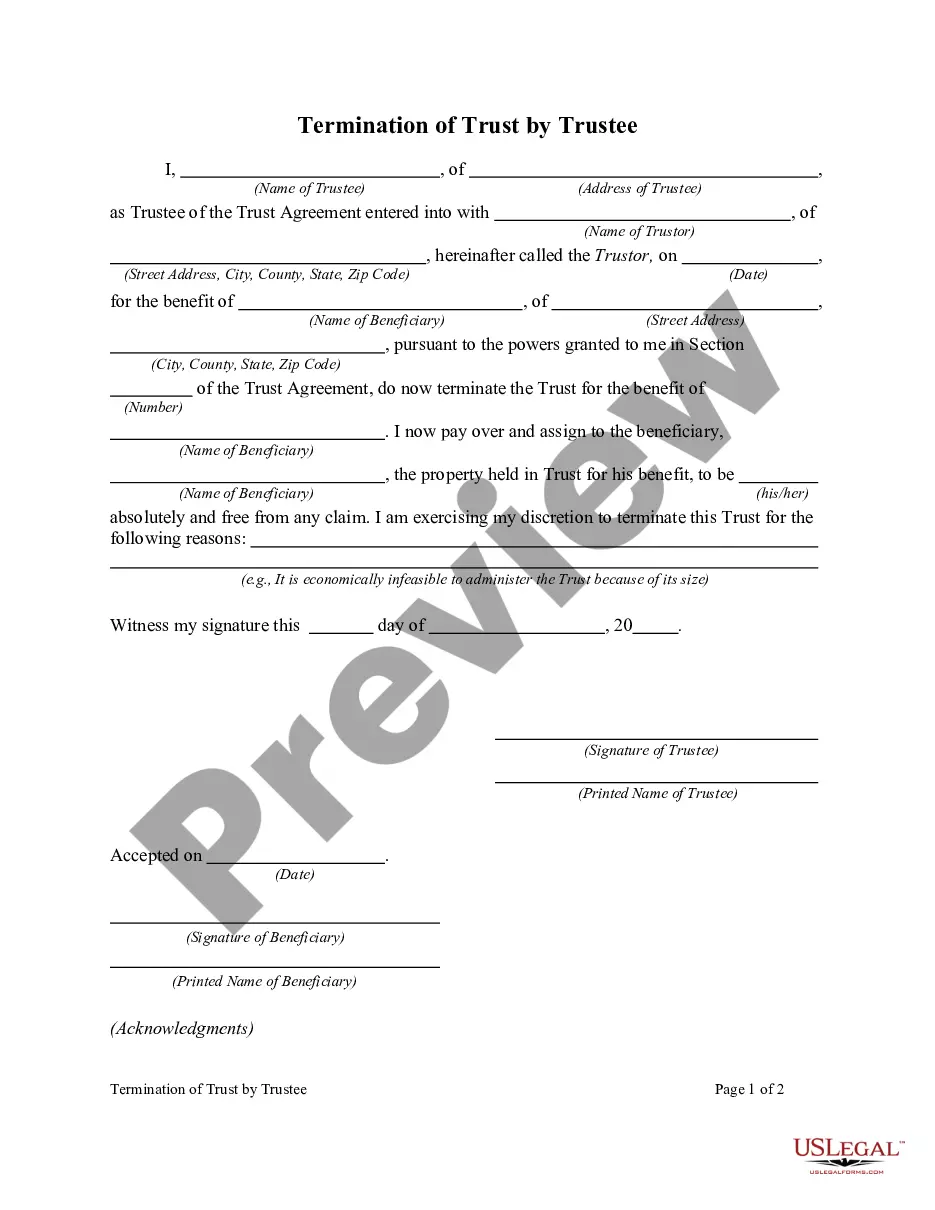

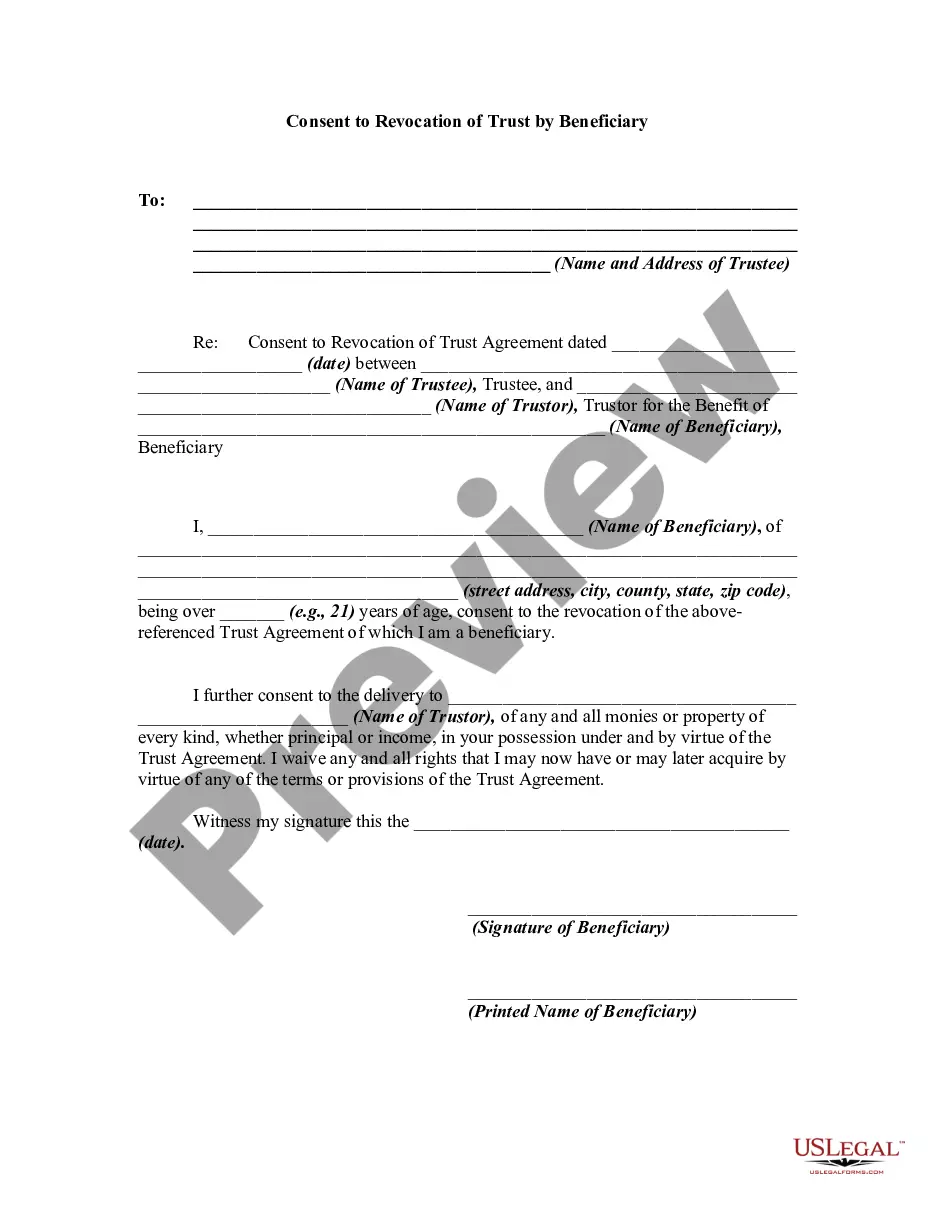
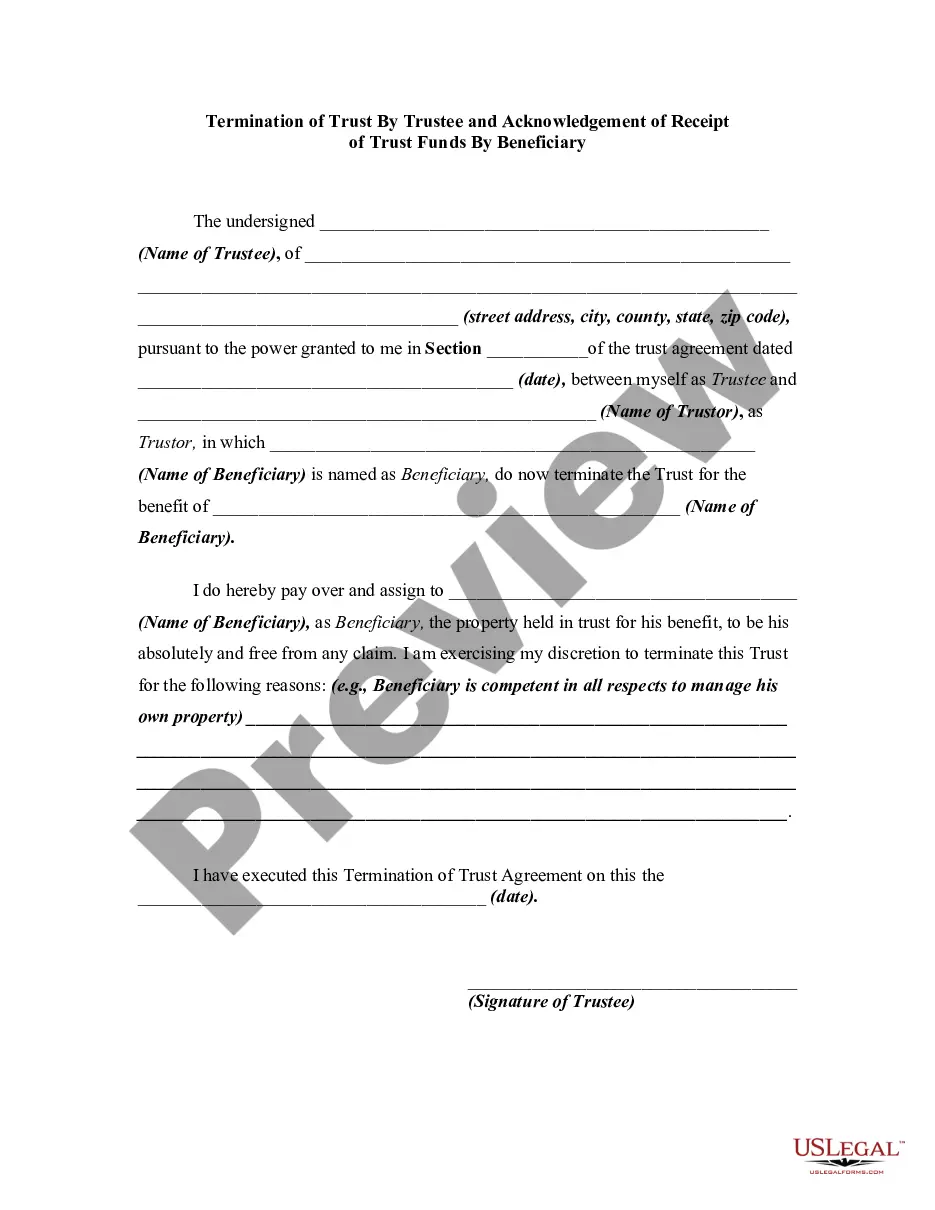
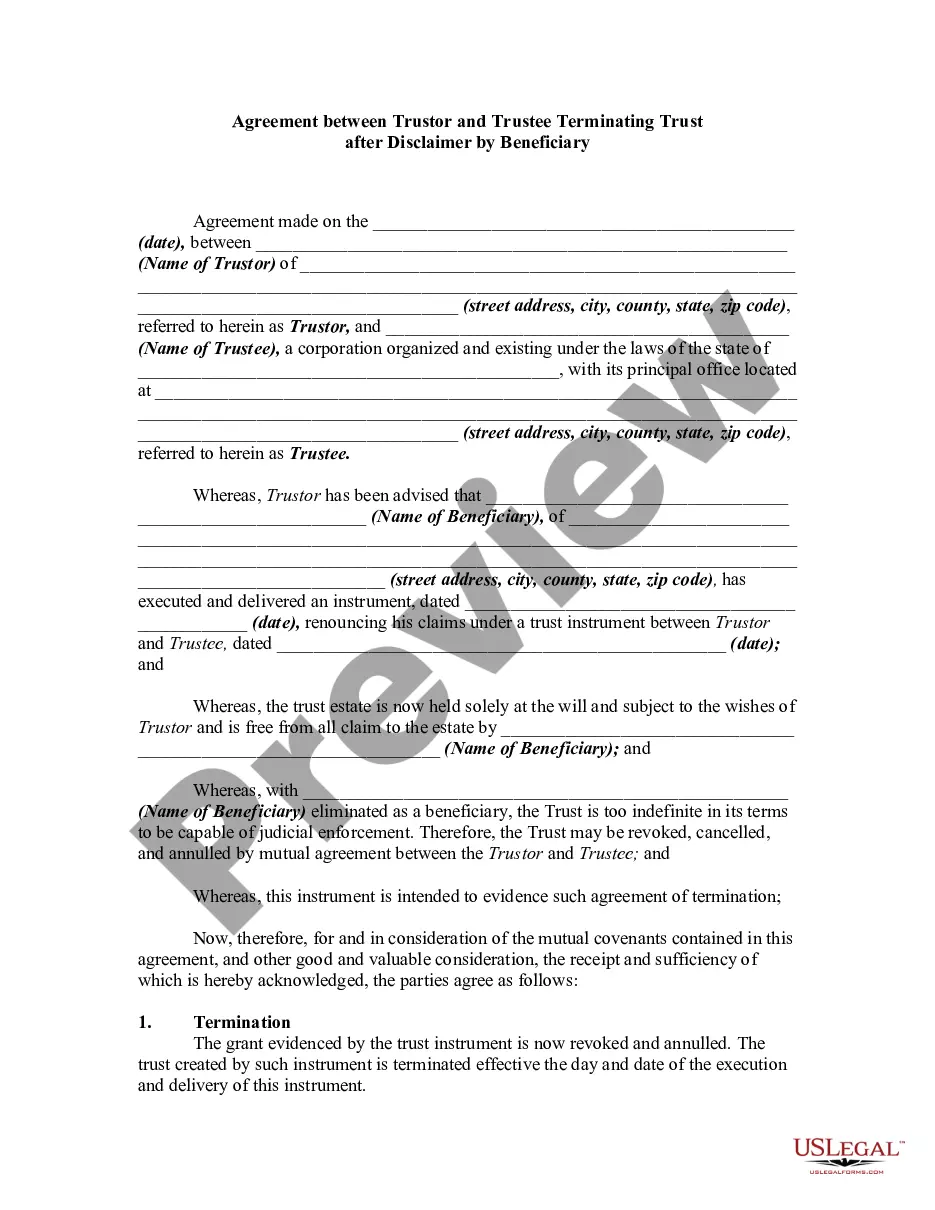
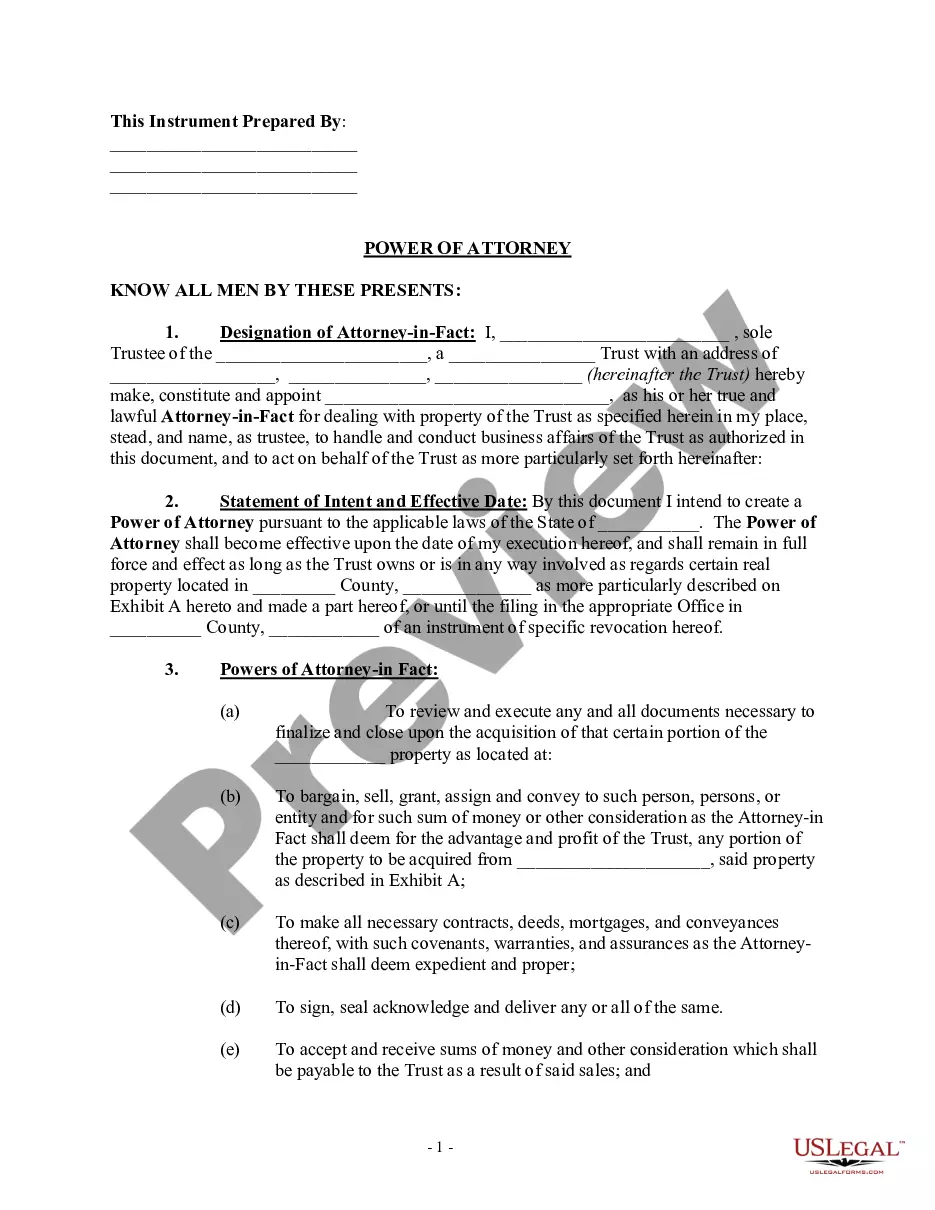
Get your form ready online
Our built-in tools help you complete, sign, share, and store your documents in one place.
Make edits, fill in missing information, and update formatting in US Legal Forms—just like you would in MS Word.
Download a copy, print it, send it by email, or mail it via USPS—whatever works best for your next step.
Sign and collect signatures with our SignNow integration. Send to multiple recipients, set reminders, and more. Go Premium to unlock E-Sign.
If this form requires notarization, complete it online through a secure video call—no need to meet a notary in person or wait for an appointment.
We protect your documents and personal data by following strict security and privacy standards.

Make edits, fill in missing information, and update formatting in US Legal Forms—just like you would in MS Word.

Download a copy, print it, send it by email, or mail it via USPS—whatever works best for your next step.

Sign and collect signatures with our SignNow integration. Send to multiple recipients, set reminders, and more. Go Premium to unlock E-Sign.

If this form requires notarization, complete it online through a secure video call—no need to meet a notary in person or wait for an appointment.

We protect your documents and personal data by following strict security and privacy standards.
Looking for another form?
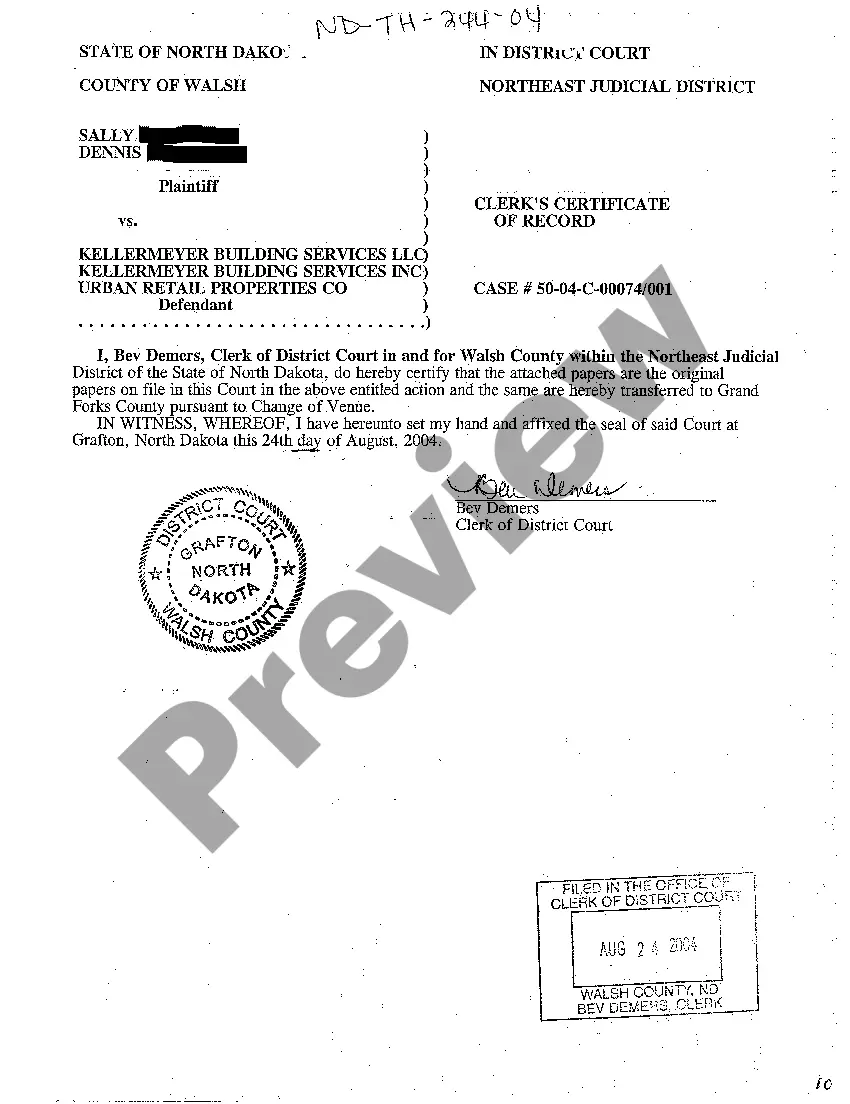



How to fill out Termination Of Trust By Trustee?
Legal management can be daunting, even for the most proficient professionals.
When seeking a Termination Trust Trustee For Trust and lacking the opportunity to invest time in finding the correct and updated version, the procedures can become overwhelming.
US Legal Forms addresses any requirements you may have, from personal to business paperwork, all in one place.
Utilize advanced tools to execute and oversee your Termination Trust Trustee For Trust.
Here are the steps to follow after acquiring the form you need: Validate that it is the correct form by reviewing it and examining its details. Ensure that the template is accepted in your state or county. Click Buy Now when you are ready. Choose a subscription option. Locate the format you need, then Download, fill out, sign, print, and submit your documents. Take advantage of the US Legal Forms online library, supported by 25 years of experience and trustworthiness. Simplify your routine document management into a seamless and user-friendly experience today.
- Tap into a valuable resource repository of articles, guides, manuals, and materials pertinent to your situation and needs.
- Conserve time and effort in locating the documents you require, utilizing US Legal Forms’ sophisticated search and Preview feature to find Termination Trust Trustee For Trust and obtain it.
- If you hold a monthly subscription, Log In to your US Legal Forms account, search for the form, and retrieve it.
- Explore the My documents section to view the documents you have previously downloaded and to organize your folders as needed.
- If you are new to US Legal Forms, create an account and gain unlimited access to all platform features.
- A robust online form repository can significantly enhance the ability to navigate these scenarios efficiently.
- US Legal Forms stands as a frontrunner in the realm of online legal documentation, boasting over 85,000 state-specific legal forms accessible to you at any moment.
- With US Legal Forms, you can access state- or county-specific legal and organizational documents.
Form popularity
FAQ
Yes, a trustee can be removed from a trust under specific circumstances. The process typically involves following the procedures outlined in the trust document or seeking court intervention. If you find yourself needing to remove a trustee, US Legal Forms offers valuable resources to guide you through the legal requirements efficiently.
A trust can be terminated in three primary ways: by fulfilling its purpose, through the expiration of a specified term, or by mutual agreement among the beneficiaries and the trustee. Each method requires careful consideration of the trust's terms and applicable laws. Using US Legal Forms can help you find the right documents to facilitate this process.
Grounds for removing a trustee can include misconduct, lack of capacity, or failure to perform duties as outlined in the trust. Additionally, if the trustee acts against the interests of the beneficiaries, this can also justify removal. Knowing these grounds is essential, and resources from US Legal Forms can assist you in preparing the necessary documentation.
To get rid of a trustee, you need to follow the guidelines set forth in the trust document. Typically, this includes notifying the trustee and possibly obtaining court approval. If the process seems complex, consulting with professionals or using platforms like US Legal Forms can provide you with the necessary templates and guidance to simplify the task.
Firing the trustee of a trust can be straightforward, but it often depends on the trust document's terms. If the trust allows for removal, you can initiate the process by following the specified procedures. However, if the document is unclear, it may require legal intervention. Utilizing resources like US Legal Forms can help you navigate this process with clarity.
A beneficiary can renounce their interest from the trust and, upon the consent of other beneficiaries, be allowed to exit. A trustee cannot remove a beneficiary from an irrevocable trust. A grantor can remove a beneficiary from a revocable trust by going back to the trust deed codes that allow for the same.
The main methods of terminating a trust are by revocation, setting aside, passing of time, distribution of the trust fund or termination by the beneficiaries under the rule in Saunders v Vautier.
A petition for removal of a trustee can be filed by either a co-trustee or a beneficiary. The petition may also seek financial damages from the trustee. Sufficient evidence needs to be submitted to show the court that the trustee violated the terms of the trust agreement or their fiduciary duty.
In that case, the trustee may resign either by obtaining consent from the appropriate parties or by filing a petition to resign with the probate court. California Probate Code §17200 allows a trustee to petition the court to accept their resignation as trustee.
Trustee resignation sometimes occurs prior to the administration of the trust. In this scenario, the named successor trustee should inform the trust administration attorney that they wish to resign and sign a document called Declination to Serve as Trustee.