Licensing Art For Hotel
Description
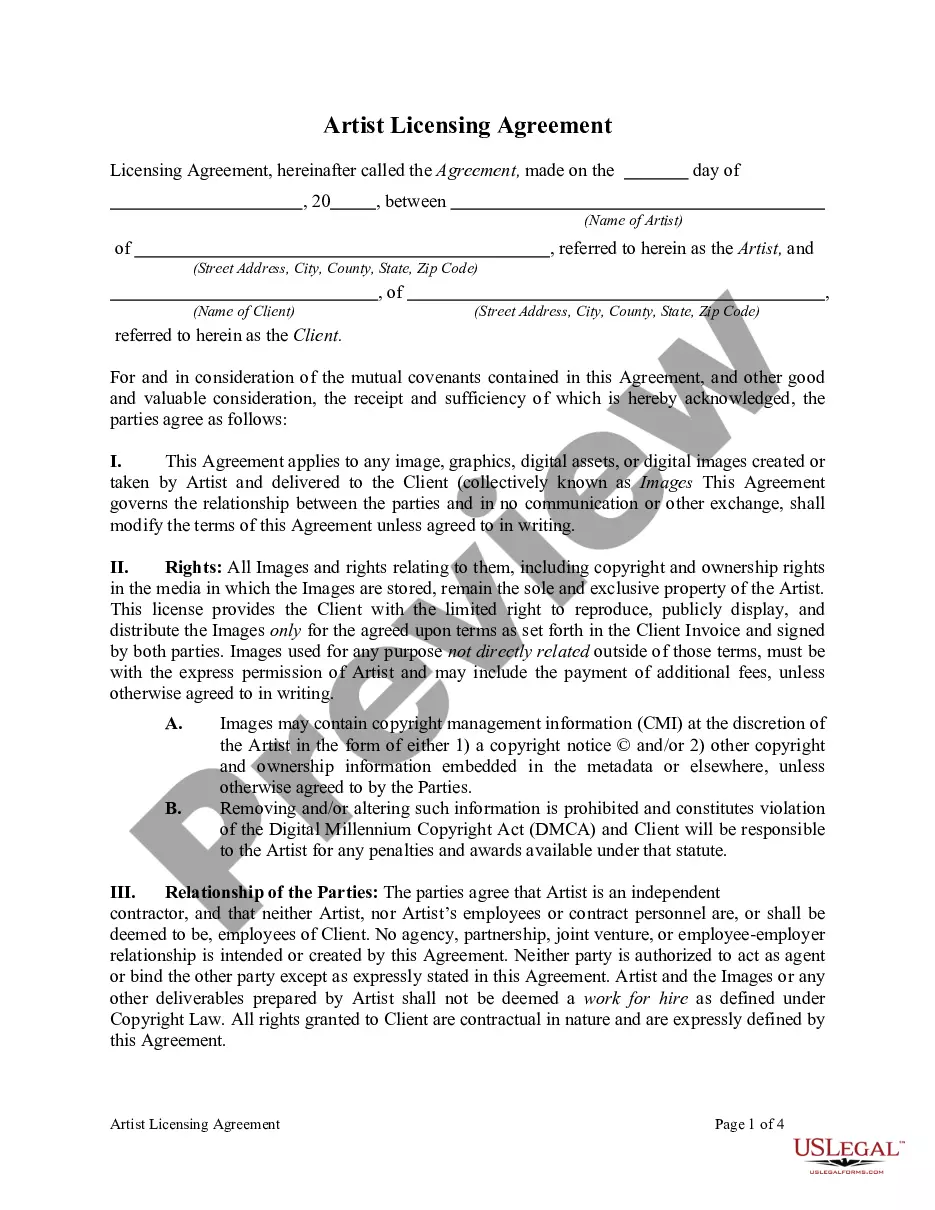
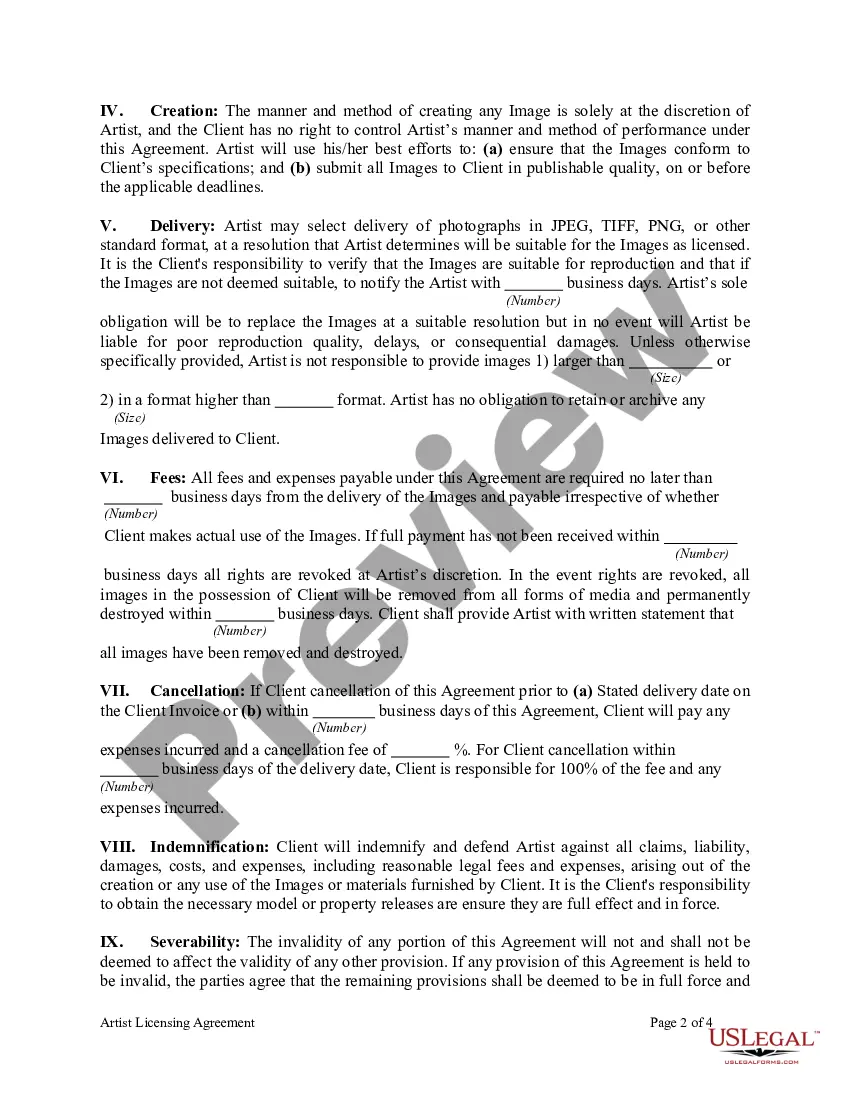
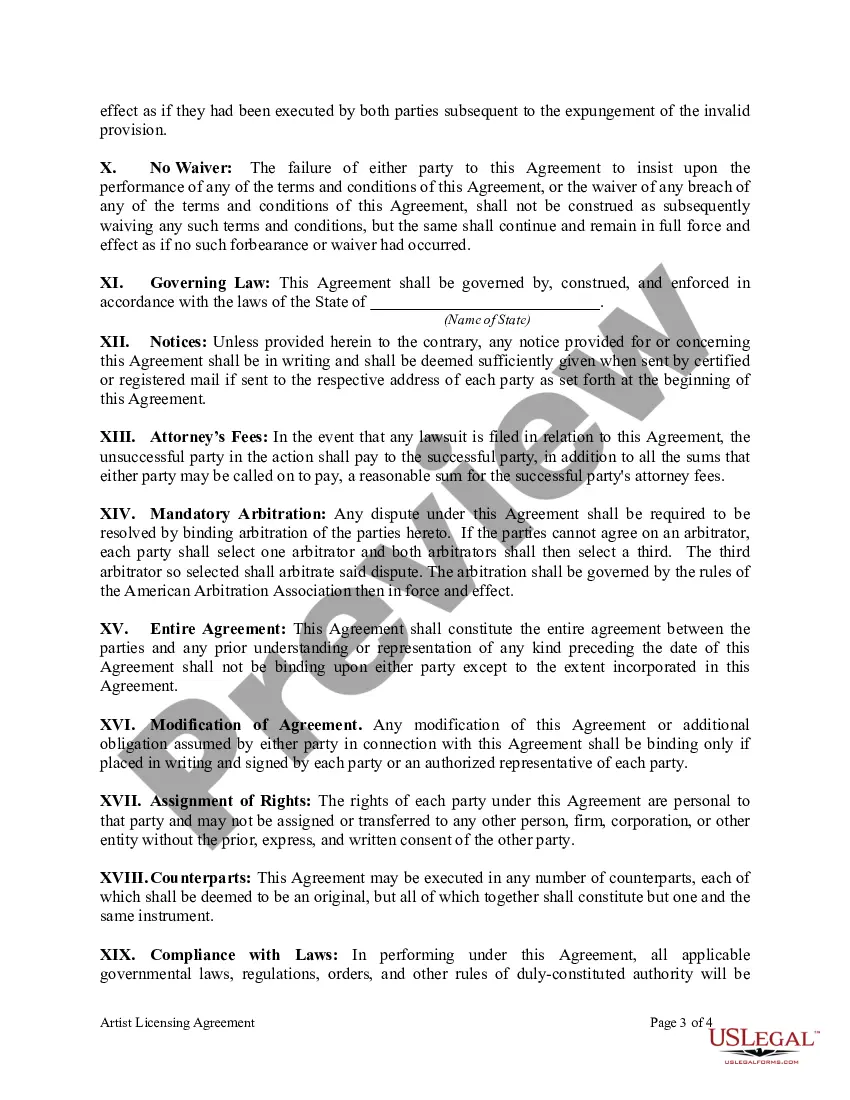
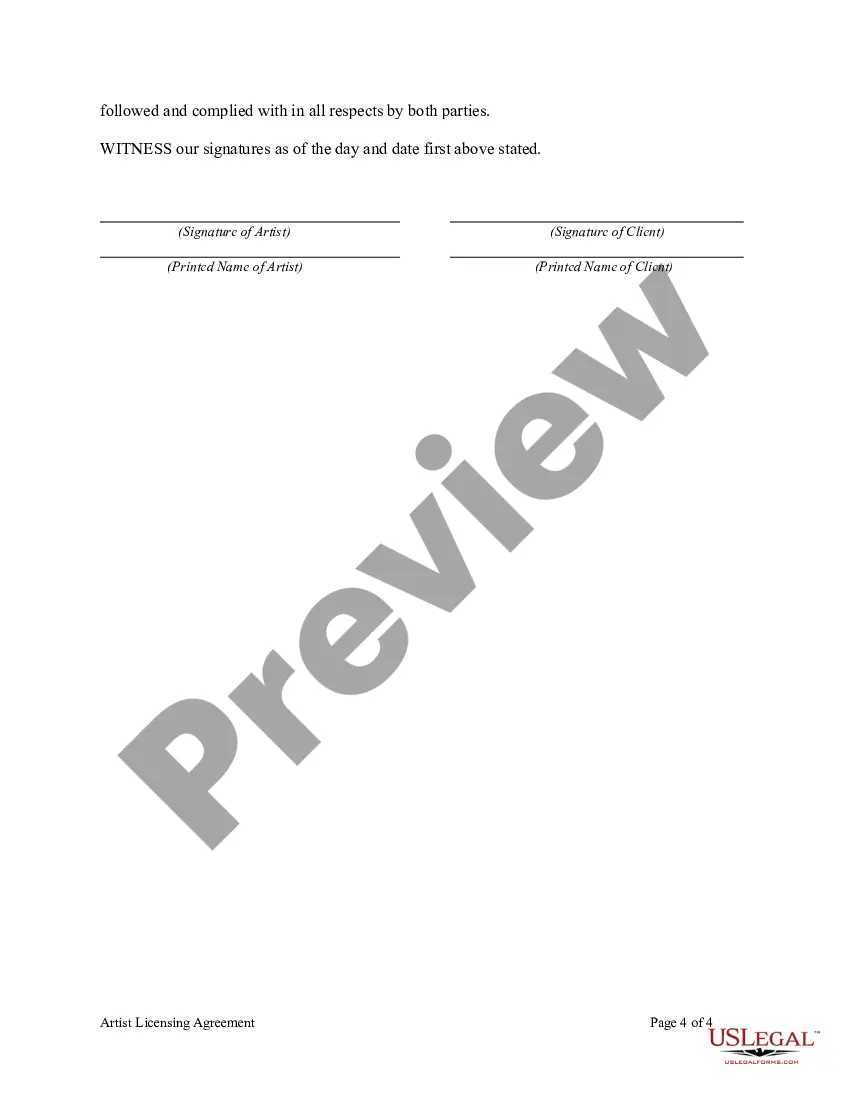




How to fill out Artist Licensing Agreement?
Finding a reliable source for the most up-to-date and suitable legal templates is a significant portion of navigating administrative processes.
Identifying the correct legal paperwork requires precision and carefulness, which is why it's crucial to obtain samples of Licensing Art For Hotel exclusively from reputable providers, such as US Legal Forms. An incorrect template could consume your time and hinder your current situation. With US Legal Forms, you can have peace of mind.
Eliminate the stress associated with your legal paperwork. Delve into the vast library of US Legal Forms where you can discover legal samples, evaluate their applicability to your circumstances, and download them instantly.
- Utilize the directory browse or the search bar to find your sample.
- Check the form’s summary to verify if it meets the needs of your state and locality.
- View the form preview, if accessible, to confirm the template is indeed what you require.
- Return to the search to locate the appropriate template if the Licensing Art For Hotel does not fulfill your criteria.
- If you are confident about the form’s significance, download it.
- If you are a registered user, click Log in to verify and access your chosen forms in My documents.
- If you do not have an account yet, click Buy now to acquire the template.
- Select the payment plan that aligns with your needs.
- Proceed to sign up to finalize your purchase.
- Complete your purchase by choosing a payment method (credit card or PayPal).
- Choose the file format for downloading Licensing Art For Hotel.
- Once you have the form on your device, you can modify it with the editor or print it and fill it out manually.
Form popularity
FAQ
Artistic license refers to the freedom artists use to deviate from fact or convention in their work. For example, you might see a hotel mural that transforms a landscape into a fantastical scene, enhancing the aesthetic experience for guests. This creative freedom often attracts attention and can help in licensing art for hotel settings. Understanding how artistic license works can guide you in creating compelling art that appeals to hotels looking for unique designs.
Licensing your artwork involves creating a legal agreement that allows others to use your work under specific conditions. You first define how the art can be used, whether for hotel décor or promotional materials. Then, you can either negotiate directly with potential clients or use platforms like US Legal Forms to facilitate the licensing process effectively. This way, you ensure that licensing art for hotel meets your creative and business goals.
To license your artwork, start by determining the rights you want to grant. Consider factors like duration, territory, and medium of use. Once you outline these details, create a licensing agreement that clearly specifies terms. Platforms like US Legal Forms can help you draft a professional agreement for licensing art for hotel and other uses.
Recognising your art involves strategically licensing it for hotel environments, where your style can be appreciated by guests. Create an appealing portfolio that highlights pieces ideal for hotels to attract attention from industry buyers. Networking with hotel management and participating in art fairs can enhance your credibility. By consistently pursuing these avenues, you enhance the chances of achieving recognition in the art community.
To get your art noticed, focus on showcasing your work in settings relevant to your target audience, such as hotels that value unique décor. Engaging with hotel decision-makers and curators can also boost visibility. Consider leveraging online platforms to increase exposure, highlighting options like licensing art for hotels. This approach helps share your art with broader audiences and generates potential income.
Obtaining an art licensing agent involves researching and reaching out to professionals who focus on art for commercial spaces like hotels. Create a strong portfolio that showcases your work and outlines your licensing goals. Engage in online communities related to art licensing, which can connect you with potential agents. Sites like UsLegalForms might offer resources to streamline the licensing process, ensuring you find the right fit.
To find an art agent, begin by networking within the art community; this can include attending trade shows and exhibitions. Many successful artists have agents who can help navigate the licensing art for hotel market, which makes them valuable contacts. Consider approaching galleries or agencies specializing in art licensing, as they often have established relationships that can benefit you. Building a portfolio can also attract the right agent.
To get a license to sell artwork, you should start by researching artists whose work aligns with your hotel’s theme. Once you identify suitable artists, you can negotiate terms and arrange for a licensing agreement that details usage and payment. Ensuring you have a clear understanding of the licensing art for hotel process will facilitate a smooth partnership with creators. Legal resources, like UsLegalForms, can provide templates and guidance.
Getting your art recognized involves showcasing your work to a wider audience. You can consider submitting your pieces to galleries, participating in art shows, or licensing art for hotel use to reach new clients. Building an online presence through social media and art platforms can also help you gain recognition. Additionally, consider using resources like USLegalForms to navigate legal aspects, ensuring that your rights are protected as you promote your work.
Yes, you can sell art without a business license, depending on your location, but it is not always advisable. Licensing art for hotel establishments can involve additional scrutiny and regulations. While hobbyist sales might not always need a license, licensing art for commercial use can require proper registration or permits, especially for public display. It's wise to consult local regulations to stay compliant.