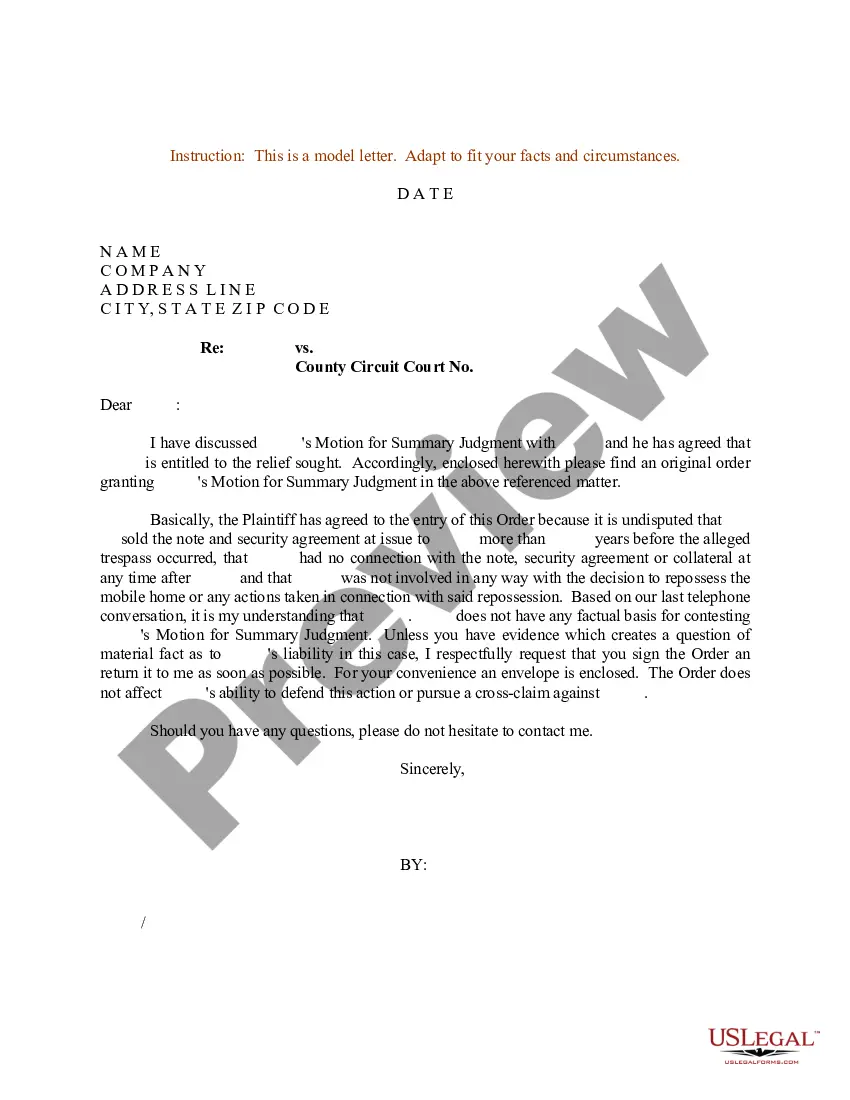
A Motion For Judgment On The Pleadings
Description
Get your form ready online
Our built-in tools help you complete, sign, share, and store your documents in one place.
Make edits, fill in missing information, and update formatting in US Legal Forms—just like you would in MS Word.
Download a copy, print it, send it by email, or mail it via USPS—whatever works best for your next step.
Sign and collect signatures with our SignNow integration. Send to multiple recipients, set reminders, and more. Go Premium to unlock E-Sign.
If this form requires notarization, complete it online through a secure video call—no need to meet a notary in person or wait for an appointment.
We protect your documents and personal data by following strict security and privacy standards.

Make edits, fill in missing information, and update formatting in US Legal Forms—just like you would in MS Word.

Download a copy, print it, send it by email, or mail it via USPS—whatever works best for your next step.

Sign and collect signatures with our SignNow integration. Send to multiple recipients, set reminders, and more. Go Premium to unlock E-Sign.

If this form requires notarization, complete it online through a secure video call—no need to meet a notary in person or wait for an appointment.

We protect your documents and personal data by following strict security and privacy standards.
Looking for another form?
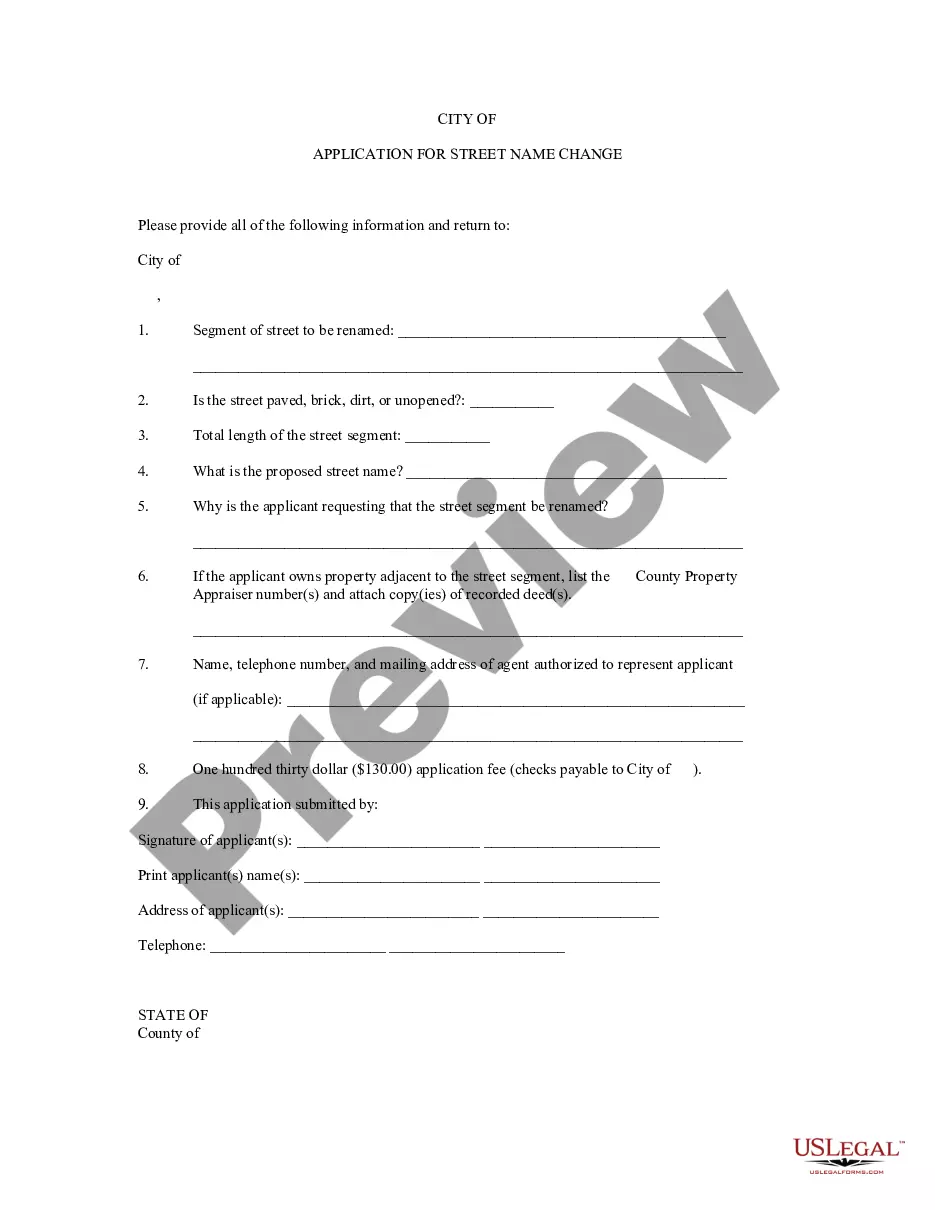
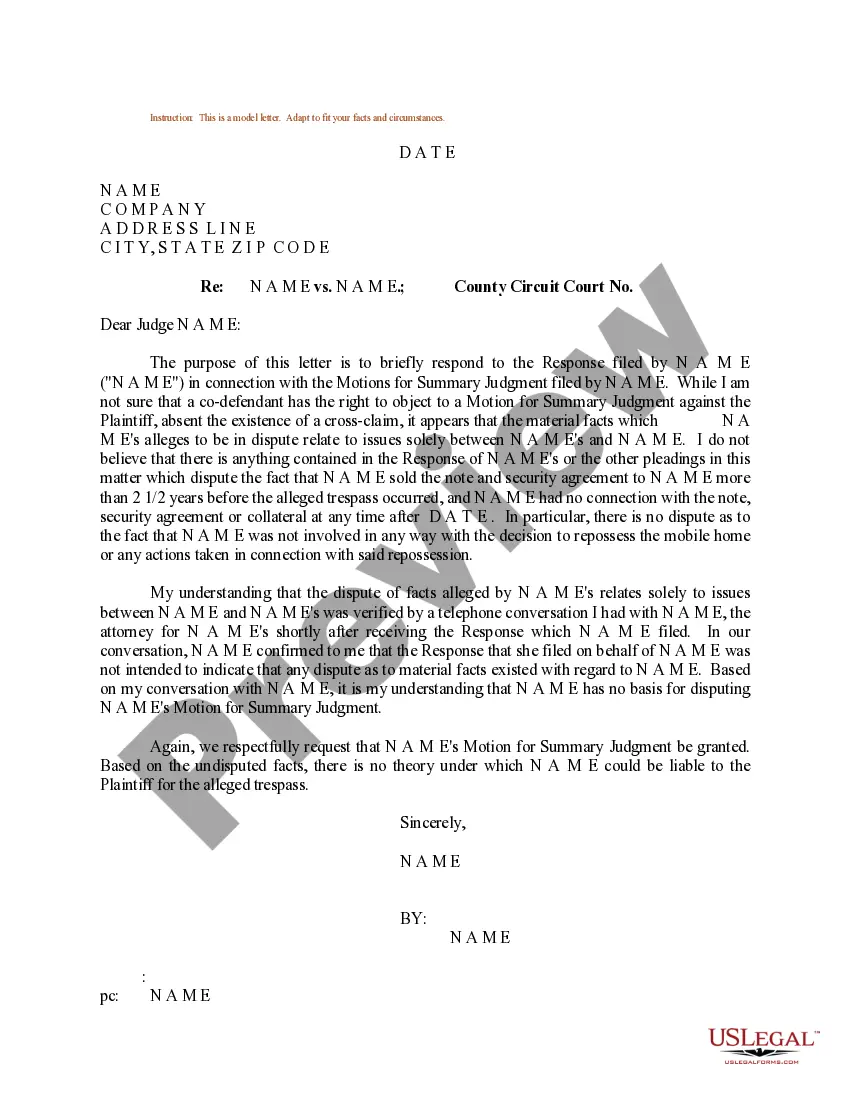
How to fill out Sample Letter For Motion For Summary Judgment?
Creating legal documents from the ground up can frequently feel a bit daunting. Certain situations may require extensive research and significant financial investment. If you’re in search of a simpler and more budget-friendly method for preparing A Motion For Judgment On The Pleadings or any other forms without the hassle, US Legal Forms is always accessible to you.
Our online library of over 85,000 current legal forms covers nearly every facet of your financial, legal, and personal matters. With just a few clicks, you can promptly access state- and county-compliant templates meticulously crafted for you by our legal professionals.
Utilize our platform whenever you require a dependable and trustworthy service through which you can effortlessly locate and download the A Motion For Judgment On The Pleadings. If you're already familiar with our website and have set up an account with us before, simply Log In to your account, find the template and download it or re-download it anytime later in the My documents section.
Not registered yet? No problem. It only takes a few minutes to create an account and browse the library. But before you jump straight into downloading A Motion For Judgment On The Pleadings, consider these suggestions.
US Legal Forms boasts an impeccable reputation and more than 25 years of experience. Join us today and simplify the document execution process!
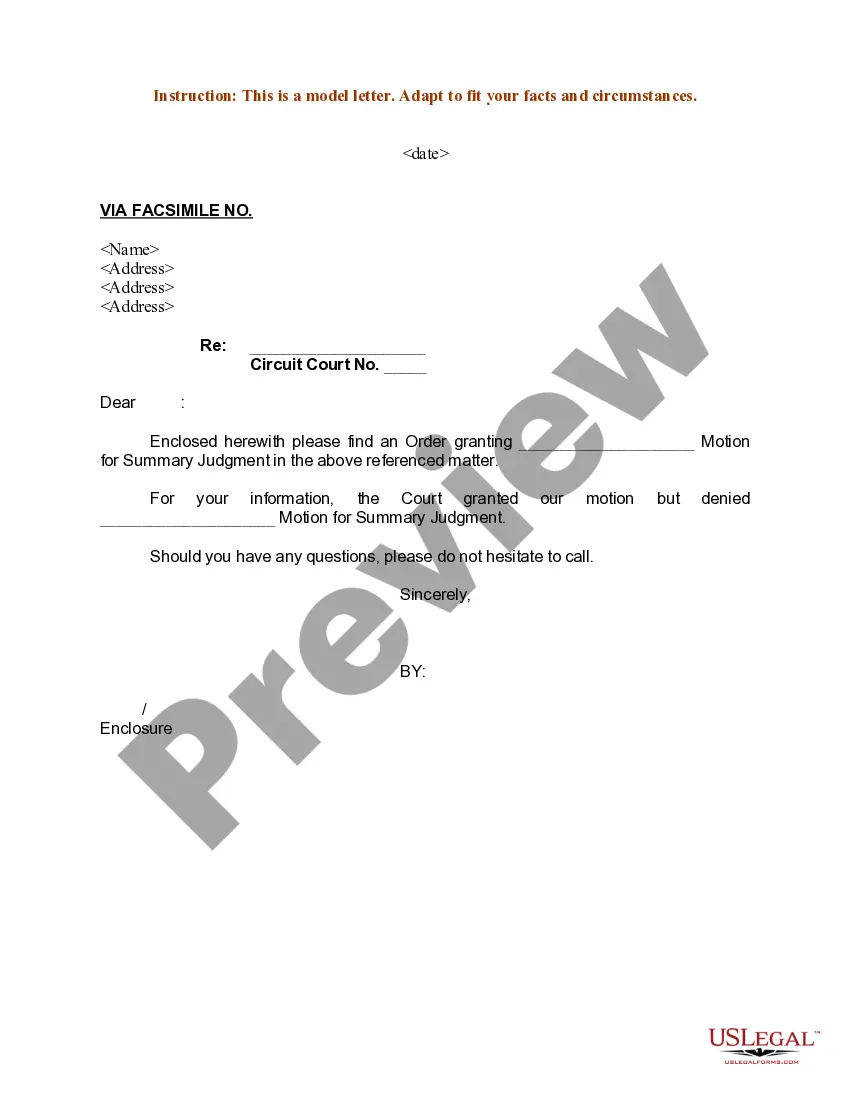
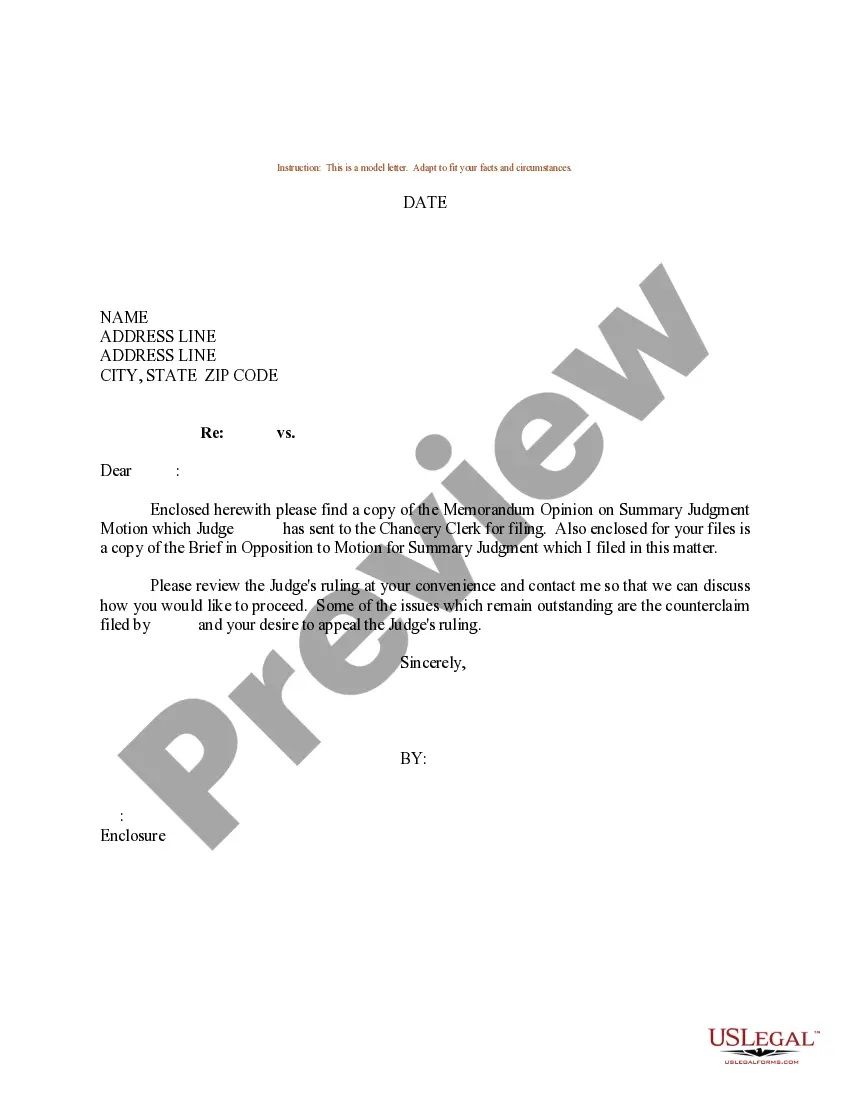
- Review the document preview and descriptions to ensure you have located the document you need.
- Confirm that the template you choose adheres to the regulations and laws of your state and county.
- Select the appropriate subscription option to obtain the A Motion For Judgment On The Pleadings.
- Download the file. Then complete, certify, and print it.
Form popularity
FAQ
The difference between a motion for judgment on the pleadings and a motion for summary judgment primarily hinges on the scope of evidence considered. A motion for judgment on the pleadings relies exclusively on the written pleadings, while a motion for summary judgment allows for the introduction of additional factual evidence. This makes a motion for summary judgment broader and often more complex. If you are navigating these legal options, US Legal Forms can provide valuable resources and templates to assist you in your legal journey.
A motion for judgment refers to a request made to the court to rule in favor of one party based on the pleadings alone, without the need for a trial. This motion asserts that, even with the facts presented, the law supports the moving party's case. It's an efficient way to resolve a dispute when the essential facts are undisputed, thus saving time and resources. If you're considering this option, US Legal Forms offers templates and guidance to help you draft a compelling motion.
The primary difference between a summary judgment and a motion for judgment on the pleadings lies in the evidence considered. A motion for judgment on the pleadings relies solely on the written pleadings, while a summary judgment permits the introduction of additional evidence, such as affidavits and documents. Summary judgment is typically used when there are no genuine disputes of material fact, while a judgment on the pleadings is more straightforward, focusing strictly on the pleadings. Understanding these differences is crucial, and resources from US Legal Forms can guide you in making the right choice.
You should consider filing a motion for judgment on the pleadings when you believe that the facts presented in the pleadings are clear, leaving no room for further evidence. This motion is typically filed after the pleadings are complete, and it allows you to resolve the case without a trial. It's a strategic move to expedite the process when both parties agree on the facts but disagree on the legal implications. Utilizing platforms like US Legal Forms can help you understand when to file and how to prepare your motion effectively.
Judgment on the pleadings refers to a court's decision based on the written documents submitted by both sides, without needing a trial. It signifies that the court has determined that one party is entitled to a favorable ruling based on the legal arguments presented in the pleadings. This type of judgment can save time and resources for both parties. If you're considering this option, US Legal Forms can assist you with the necessary forms and instructions to navigate the process smoothly.
You should file a motion for judgment on the pleadings when you believe that the opposing party's pleadings do not present a valid claim or defense. Typically, this motion is filed after the pleadings are closed but before the trial begins. Timing is crucial; thus, understanding the local rules regarding deadlines is important. With resources from US Legal Forms, you can find guidance on the appropriate timing and procedures for filing this motion.
A motion for judgment on the pleadings is a legal request asking the court to make a decision based solely on the written pleadings submitted by both parties. This motion occurs when there are no disputed material facts and one party believes they are entitled to judgment as a matter of law. By filing a motion for judgment on the pleadings, you can streamline the legal process and potentially avoid a lengthy trial. Utilizing platforms like US Legal Forms can help you prepare and file this motion effectively.