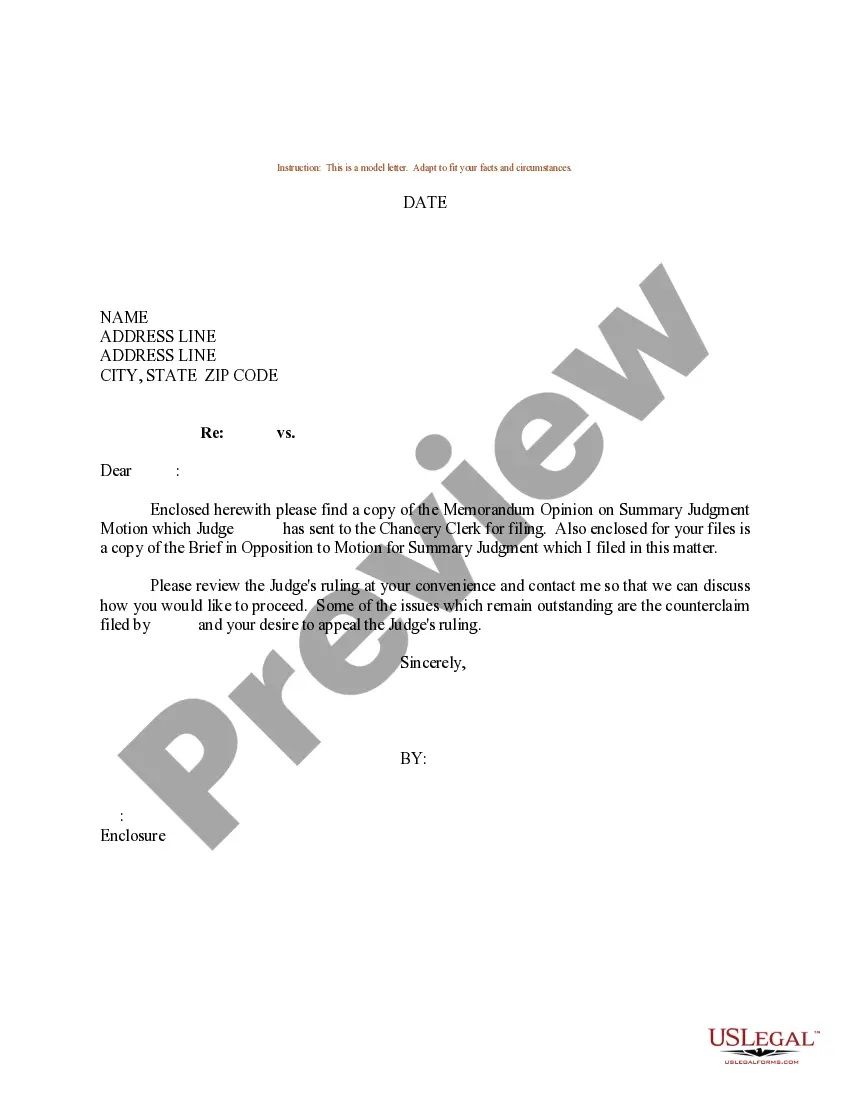
Legal Opinion Letter Example
Description
Get your form ready online
Our built-in tools help you complete, sign, share, and store your documents in one place.
Make edits, fill in missing information, and update formatting in US Legal Forms—just like you would in MS Word.
Download a copy, print it, send it by email, or mail it via USPS—whatever works best for your next step.
Sign and collect signatures with our SignNow integration. Send to multiple recipients, set reminders, and more. Go Premium to unlock E-Sign.
If this form requires notarization, complete it online through a secure video call—no need to meet a notary in person or wait for an appointment.
We protect your documents and personal data by following strict security and privacy standards.

Make edits, fill in missing information, and update formatting in US Legal Forms—just like you would in MS Word.

Download a copy, print it, send it by email, or mail it via USPS—whatever works best for your next step.

Sign and collect signatures with our SignNow integration. Send to multiple recipients, set reminders, and more. Go Premium to unlock E-Sign.

If this form requires notarization, complete it online through a secure video call—no need to meet a notary in person or wait for an appointment.

We protect your documents and personal data by following strict security and privacy standards.
Looking for another form?
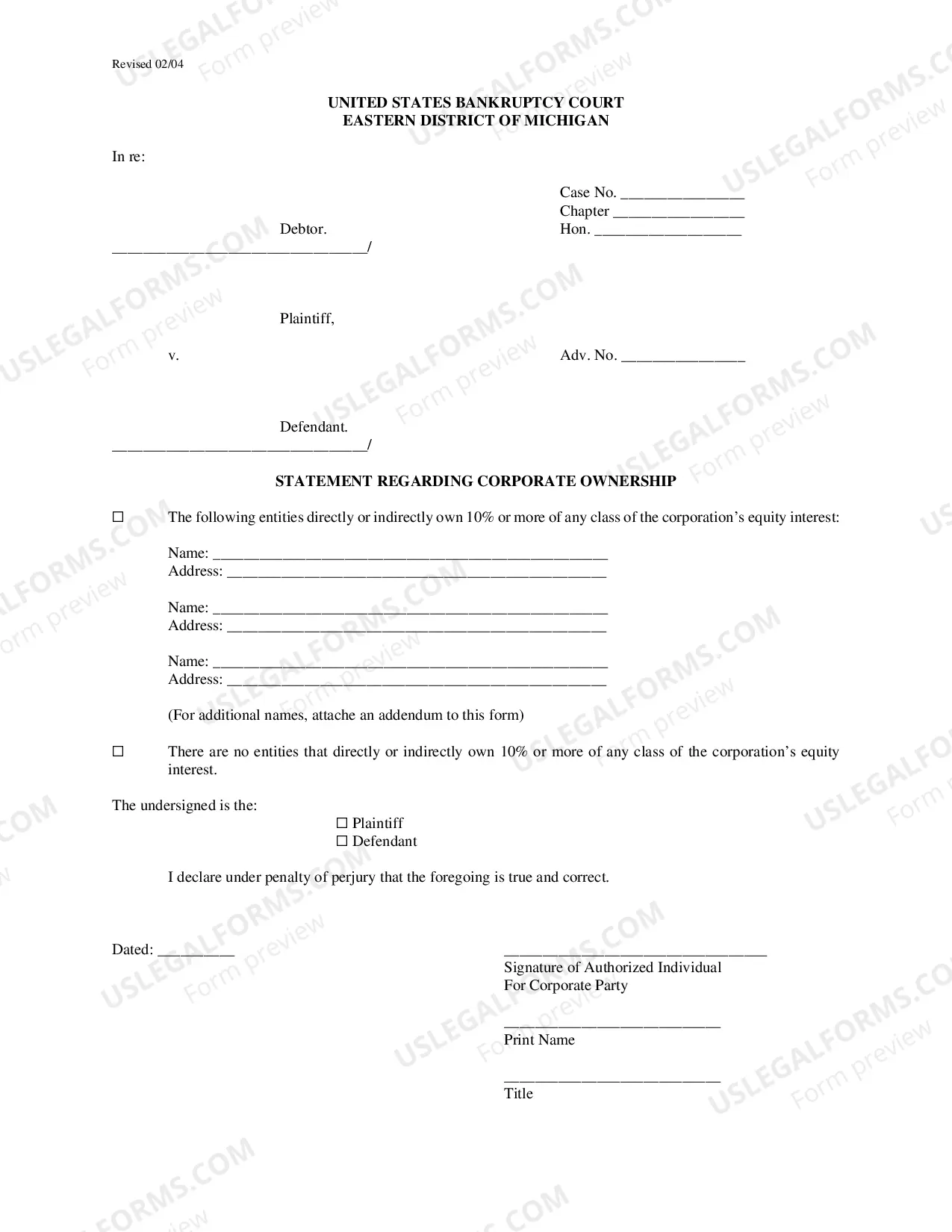

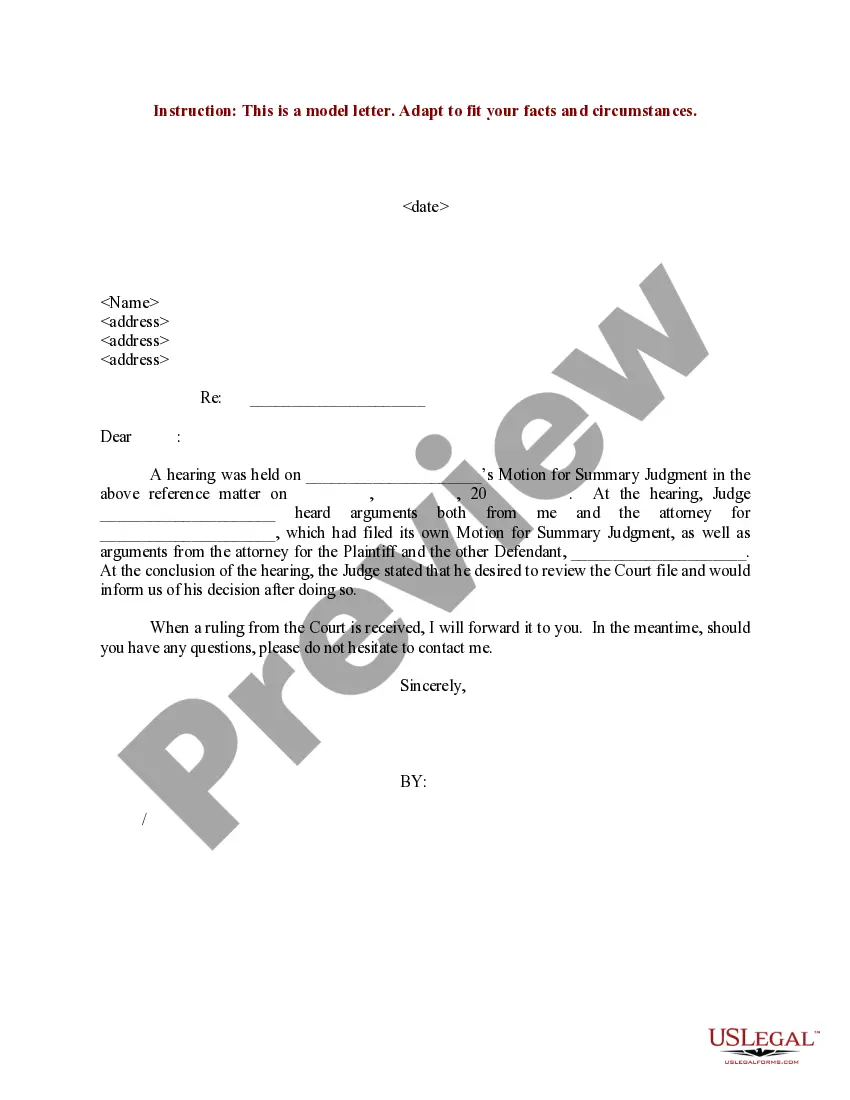
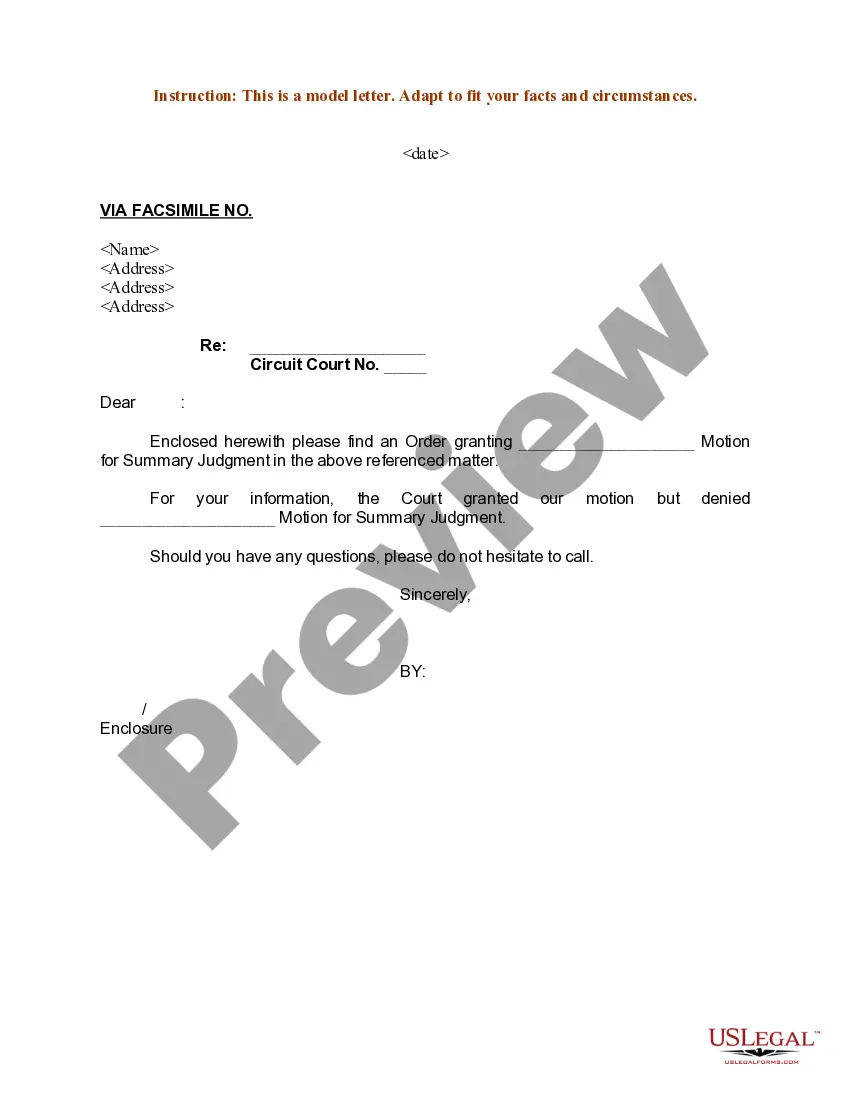
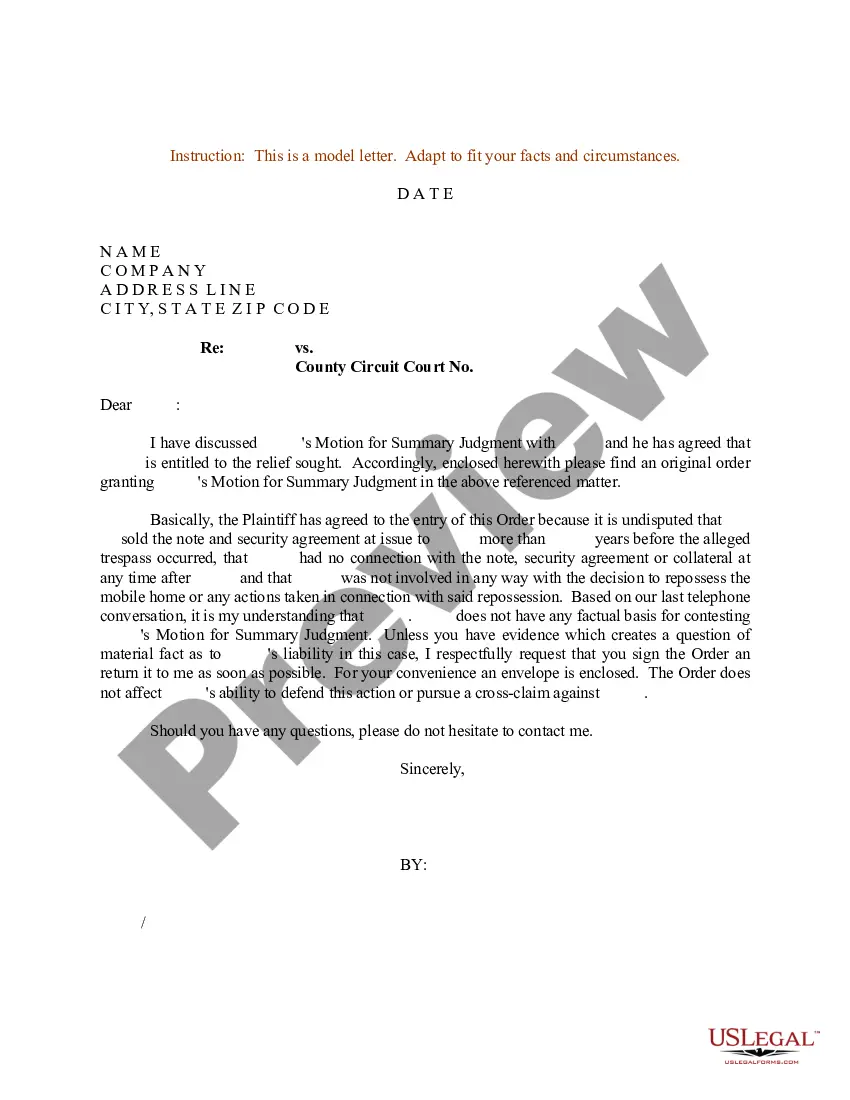
How to fill out Sample Letter Regarding Memorandum Opinion On Summary Judgment Motion?
Regardless of whether it is for commercial reasons or personal issues, everyone eventually has to handle legal matters in their lifetime.
Completing legal documentation requires meticulous care, beginning with the choice of the appropriate form template. For instance, if you choose an incorrect version of the Legal Opinion Letter Example, it will be denied upon submission.
With an extensive US Legal Forms catalog available, you no longer need to waste time searching for the appropriate template across the internet. Utilize the library’s straightforward navigation to find the correct template for any scenario.
- Obtain the template you need by employing the search bar or catalog browsing.
- Review the form’s details to ensure it aligns with your circumstances, state, and locality.
- Click on the form’s preview to review it.
- If it is the wrong form, return to the search tool to locate the Legal Opinion Letter Example template you need.
- Download the document when it fulfills your criteria.
- If you possess a US Legal Forms account, click Log in to retrieve previously saved documents in My documents.
- If you do not have an account yet, you can obtain the form by clicking Buy now.
- Select the appropriate pricing option.
- Fill out the account registration form.
- Choose your payment option: you can utilize a credit card or PayPal account.
- Select the document format you desire and download the Legal Opinion Letter Example.
- Once it is saved, you can complete the form using editing software or print it and finish it manually.
Form popularity
FAQ
Unless instructed otherwise, for each issue include: (i) a heading, (ii) state the question or issue, (iii) provide a short answer to the question stating your opinion, and (iv) then perform the detailed legal analysis. Use headings and sub-headings in the Body section? and write them in a neutral tone.
Although forms vary widely, most legal opinions contain the following elements: Scope ? a description of what the opinion covers, including identification of which State's laws apply to the opinion, the documents which have been reviewed, and the scope of the opinion giver's due diligence.
Note that the general format of an opinion is as follows: Caption. Introduction. Body (with headings) Conclusion (a brief summary)
The opinion letter will detail the facts upon which the opinion is based. These can include a description of a business transaction, property details, or any other relevant information. The more specific and detailed the facts, the more precise the opinion can be.
?No letter of advice should be more than two pages long,? or, ?No letter of advice should be shorter than one page long, because you can't possibly have gone into the intricacies.?