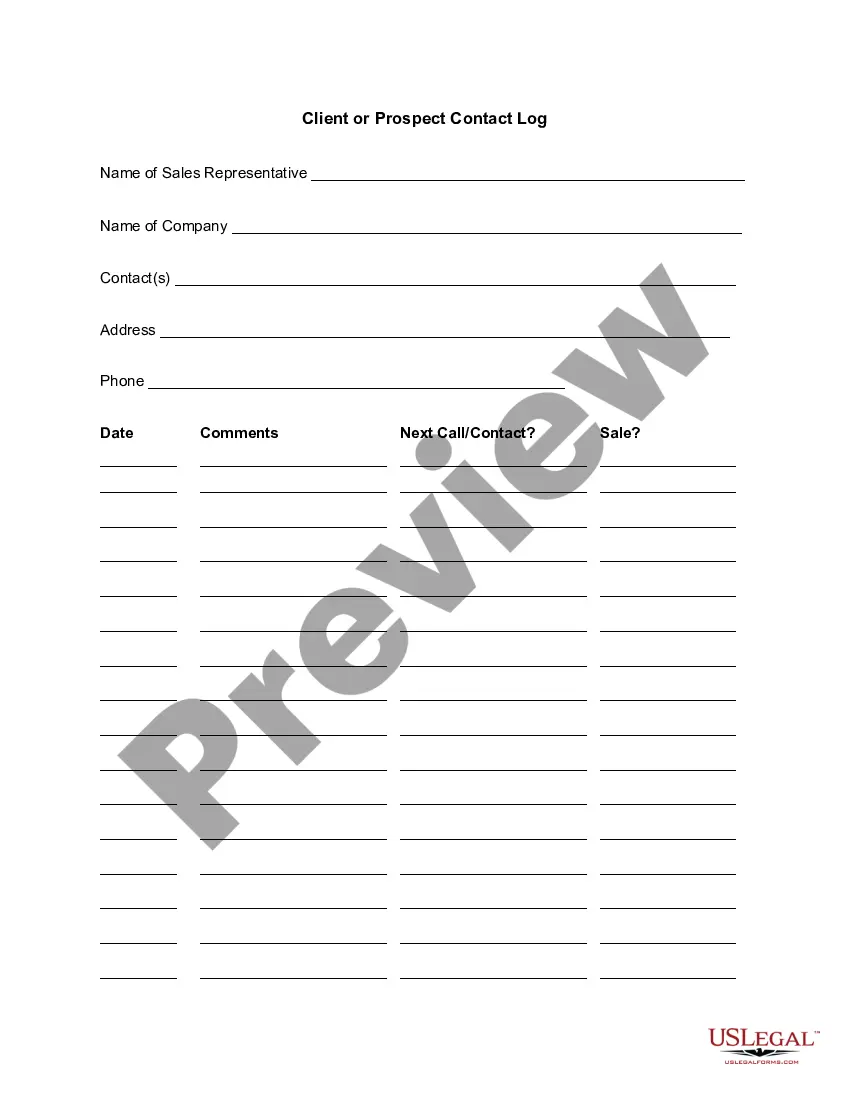
Client Prospecting
Description
Get your form ready online
Our built-in tools help you complete, sign, share, and store your documents in one place.
Make edits, fill in missing information, and update formatting in US Legal Forms—just like you would in MS Word.
Download a copy, print it, send it by email, or mail it via USPS—whatever works best for your next step.
Sign and collect signatures with our SignNow integration. Send to multiple recipients, set reminders, and more. Go Premium to unlock E-Sign.
If this form requires notarization, complete it online through a secure video call—no need to meet a notary in person or wait for an appointment.
We protect your documents and personal data by following strict security and privacy standards.

Make edits, fill in missing information, and update formatting in US Legal Forms—just like you would in MS Word.

Download a copy, print it, send it by email, or mail it via USPS—whatever works best for your next step.

Sign and collect signatures with our SignNow integration. Send to multiple recipients, set reminders, and more. Go Premium to unlock E-Sign.

If this form requires notarization, complete it online through a secure video call—no need to meet a notary in person or wait for an appointment.

We protect your documents and personal data by following strict security and privacy standards.
Looking for another form?


How to fill out Client Or Prospect Contact Log?
- Visit the US Legal Forms website and create an account if you're a new user.
- Browse the extensive library of over 85,000 forms, taking advantage of the Preview mode to check the form descriptions.
- Use the Search tab to find any specific templates that suit your needs, ensuring that they meet your local jurisdiction requirements.
- Select the correct document, click on the Buy Now button, and choose a subscription plan that fits your needs.
- Complete your purchase by entering your payment details, and confirm to activate your subscription.
- Download the form to your device, which will also be accessible anytime in the My Forms section of your profile.
In conclusion, US Legal Forms provides an unparalleled resource for those looking to simplify their legal documentation processes. With its robust collection and expert assistance, you can ensure that your documents are accurate and complete.
Start your client prospecting journey today by visiting US Legal Forms and accessing the legal forms you need!
Form popularity
FAQ
An effective prospecting plan consists of five key steps: define your ideal client, research your prospects, develop a personalized outreach strategy, engage with potential clients, and analyze your results. By starting with a clear definition of your ideal client, you focus your efforts effectively. Use various tools to conduct research, then create tailored communications that speak directly to their needs. Regularly review your results to refine your approach and enhance future client prospecting efforts.
Getting prospective clients requires targeted strategies that resonate with your audience. Begin by creating valuable content that addresses their pain points, making them more likely to engage with you. Utilize platforms like UsLegalForms, which provide tools tailored for legal professionals to enhance outreach efforts. Persistence and authenticity are key; stay connected and consistently deliver value.
The 5 P's in client prospecting stand for Purpose, Product, People, Process, and Performance. Each element plays a critical role in defining your strategy and ensuring that you connect with the right audience. Understanding your purpose helps clarify your goals, while knowing your product allows you to present the right solutions. Focusing on the people, refining your process, and measuring performance will lead to a successful prospecting plan.
The most effective method of client prospecting involves a combination of personalized outreach and relationship building. Approaching prospects with a tailored message demonstrates your understanding of their unique challenges. Additionally, leveraging data analytics can help refine your approach and optimize outreach efforts. Remember, a trusted relationship often leads to better client retention and satisfaction.
To start client prospecting, identify your target audience and the specific needs of the clients you wish to attract. Utilize various channels such as social media, networking events, and educational content to reach these potential clients. Consistently engage with them through valuable insights and solutions tailored to their needs. By establishing a genuine connection, you enhance your chances of converting prospects into clients.
A prospect plan serves as a structured approach to client prospecting by detailing the steps needed to identify and engage potential clients. It outlines how to research prospects, the methods of communication you will utilize, and the goals for converting those prospects into clients. By having a clear prospect plan in place, you can streamline your efforts and effectively grow your client base.
To write a solid prospecting plan, start by defining your target audience and the specific goals you want to achieve through client prospecting. Next, outline the strategies and tools you will use to connect with potential clients, such as social media outreach or direct mail campaigns. Additionally, continually evaluate and adjust your plan based on what works best in attracting new clients to your legal practice.
Client prospecting often involves identifying potential clients through research and outreach. For instance, a lawyer may attend networking events to meet business owners who could benefit from legal services. By establishing connections and offering valuable resources, the lawyer can cultivate relationships that lead to future business opportunities.
The three laws of prospecting are the law of numbers, the law of averages, and the law of attention. The law of numbers suggests that the more prospects you reach out to, the higher your chances of finding clients. The law of averages indicates that consistent efforts lead to predictable results, and the law of attention emphasizes the need for engaging communication. Understanding these laws is foundational to effective client prospecting strategies.
The three stages of prospecting are identifying, engaging, and qualifying. In the identifying stage, you gather a list of potential prospects based on your target market. Next, during the engaging stage, you'll reach out and establish rapport. Lastly, the qualifying stage involves evaluating their potential fit to convert them into clients, making it a critical part of the client prospecting process.