Spouse Shares Blank For The Formal Portion
Description
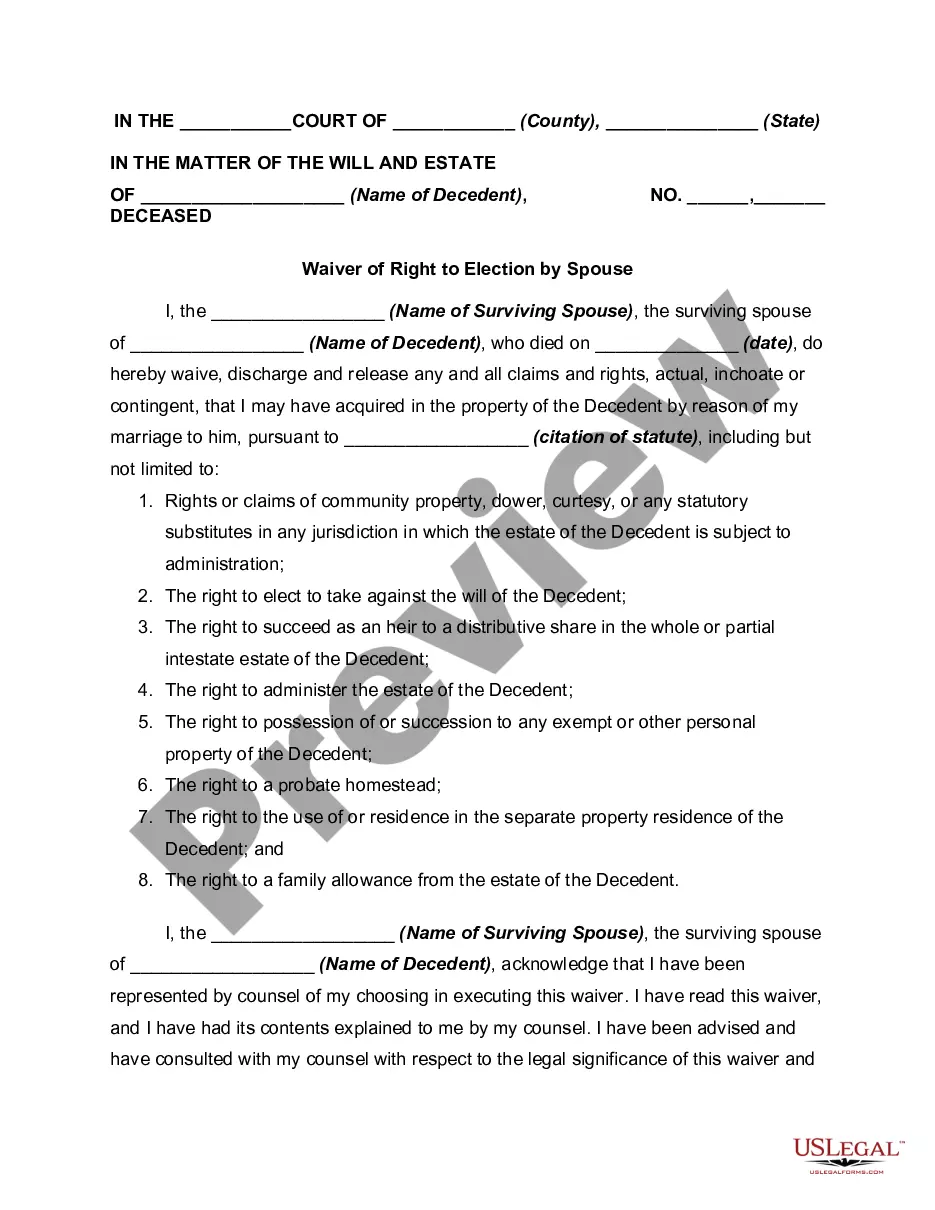
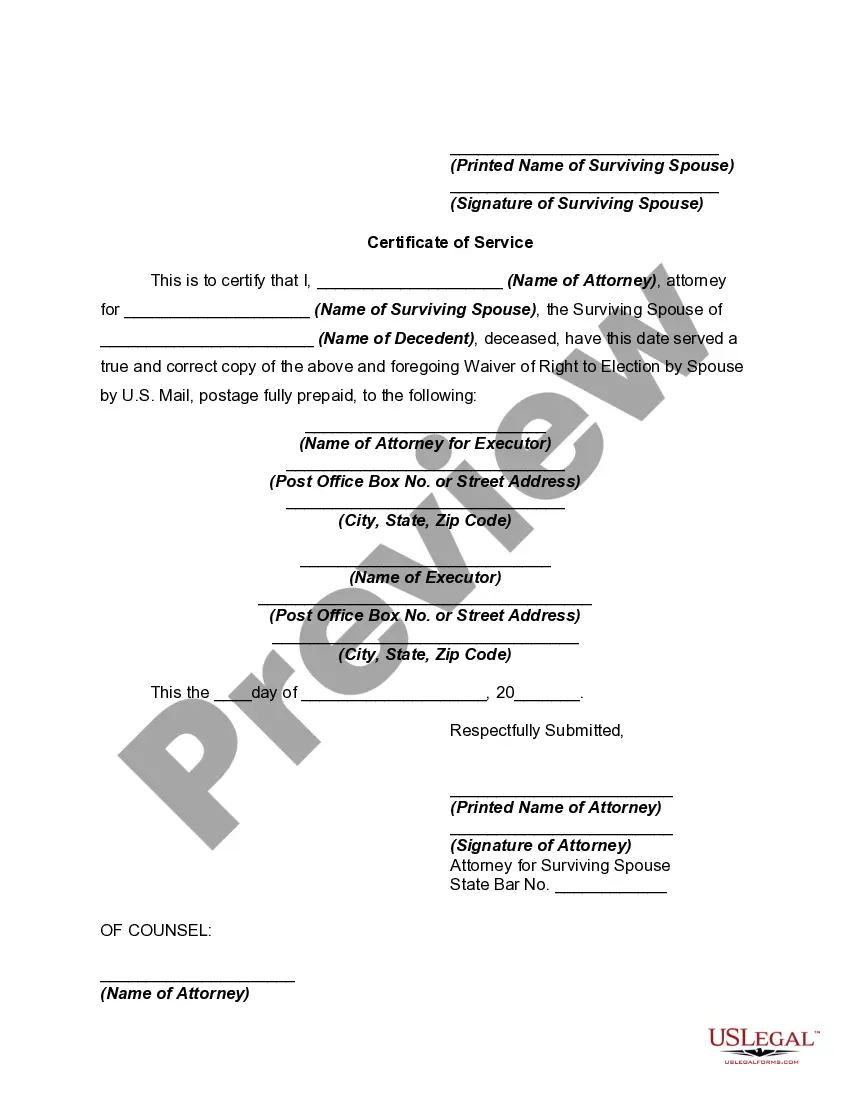

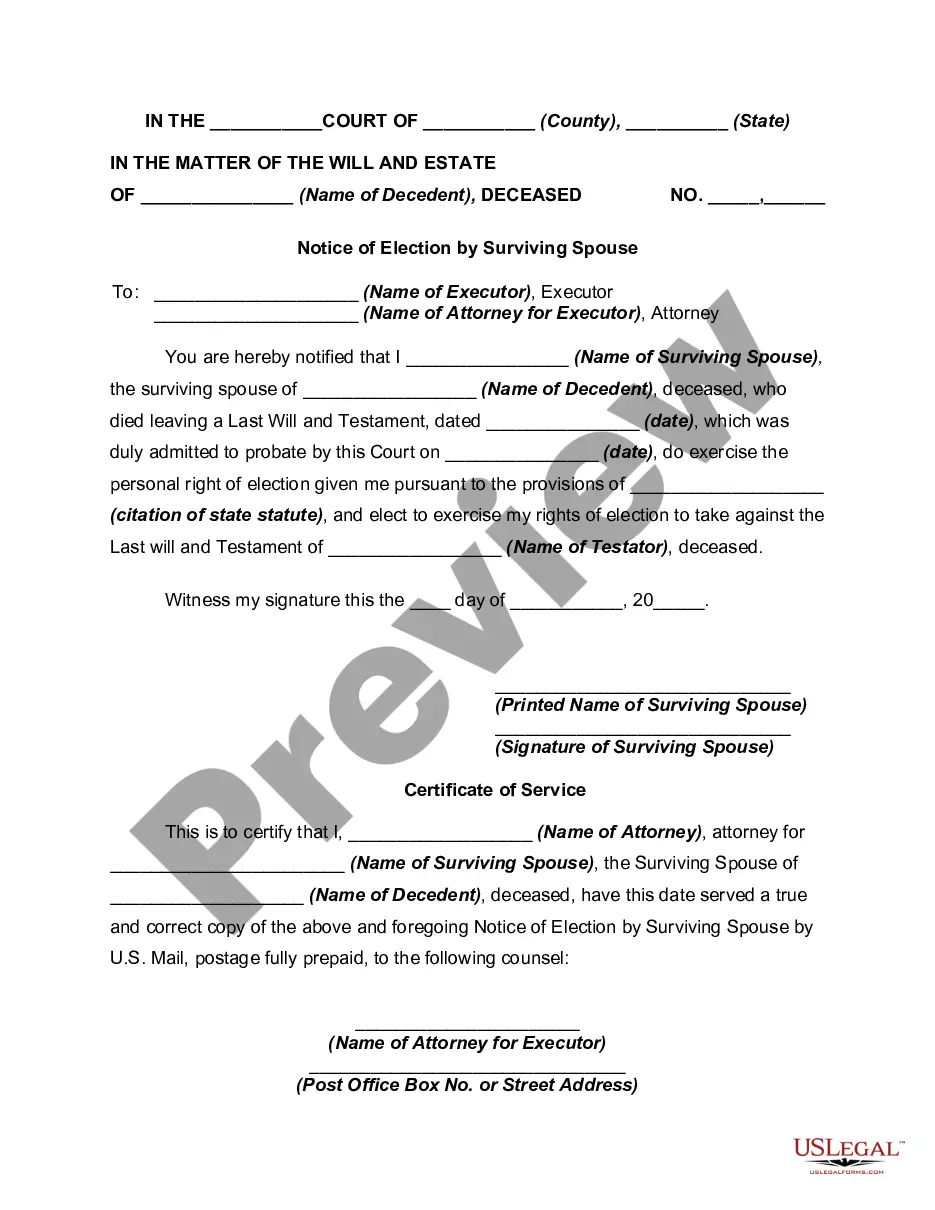
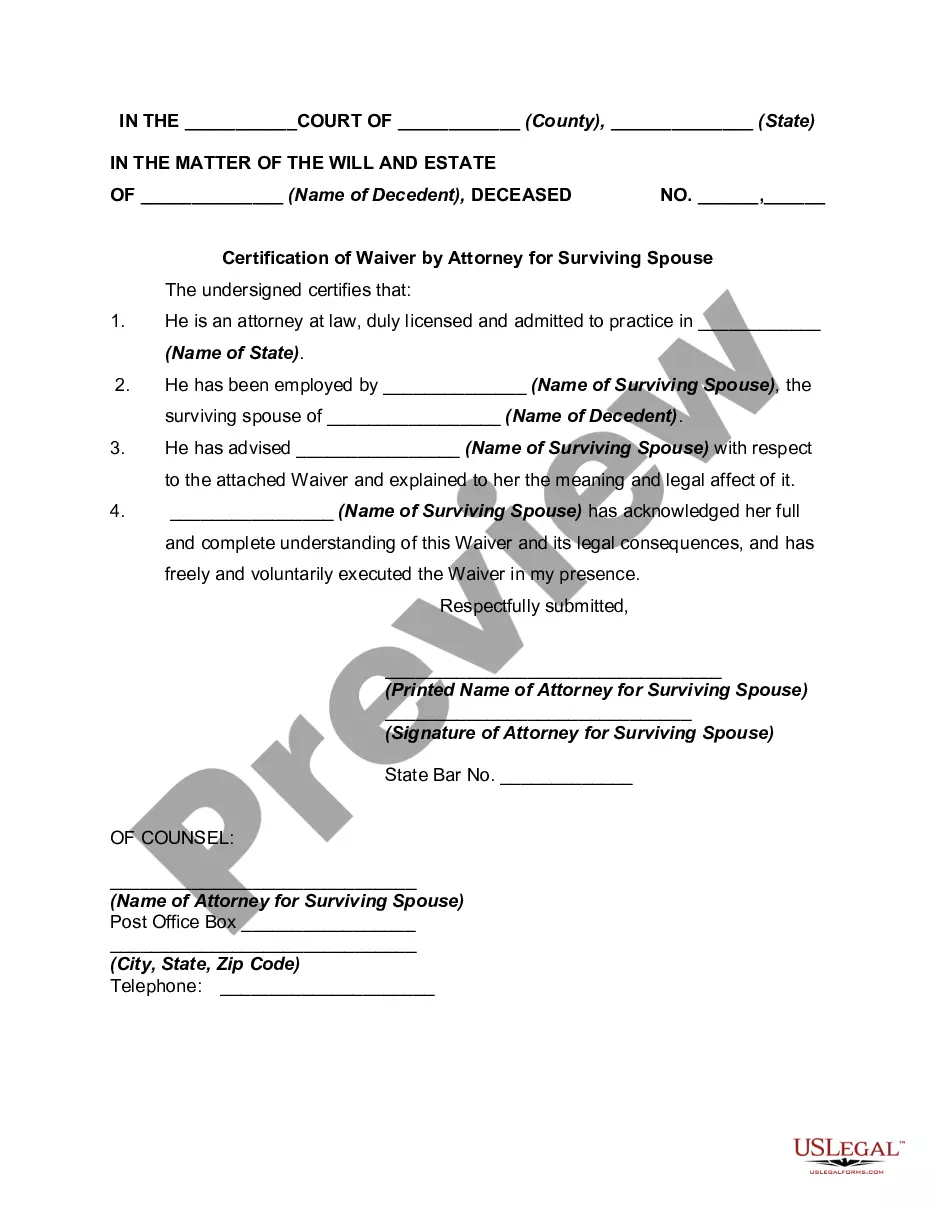
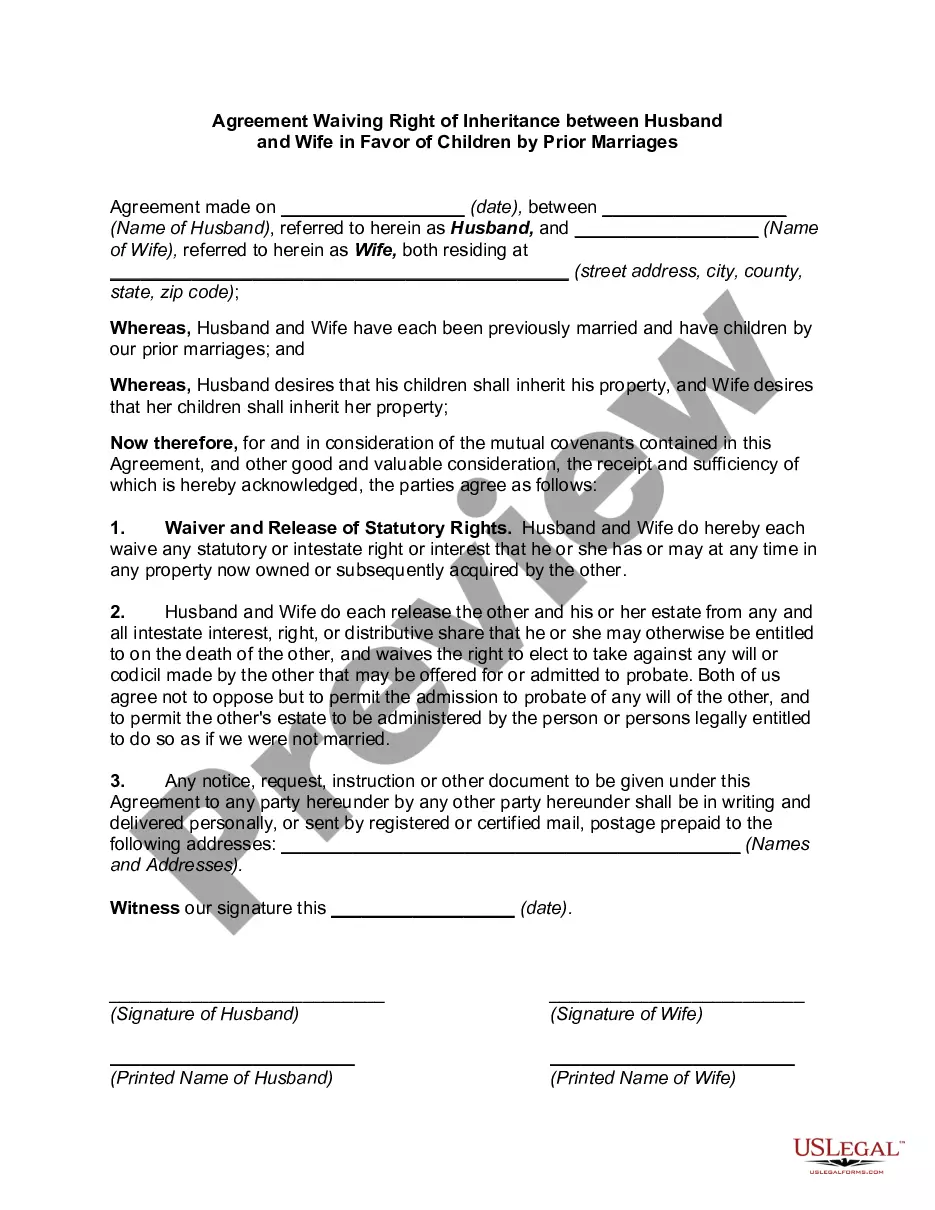
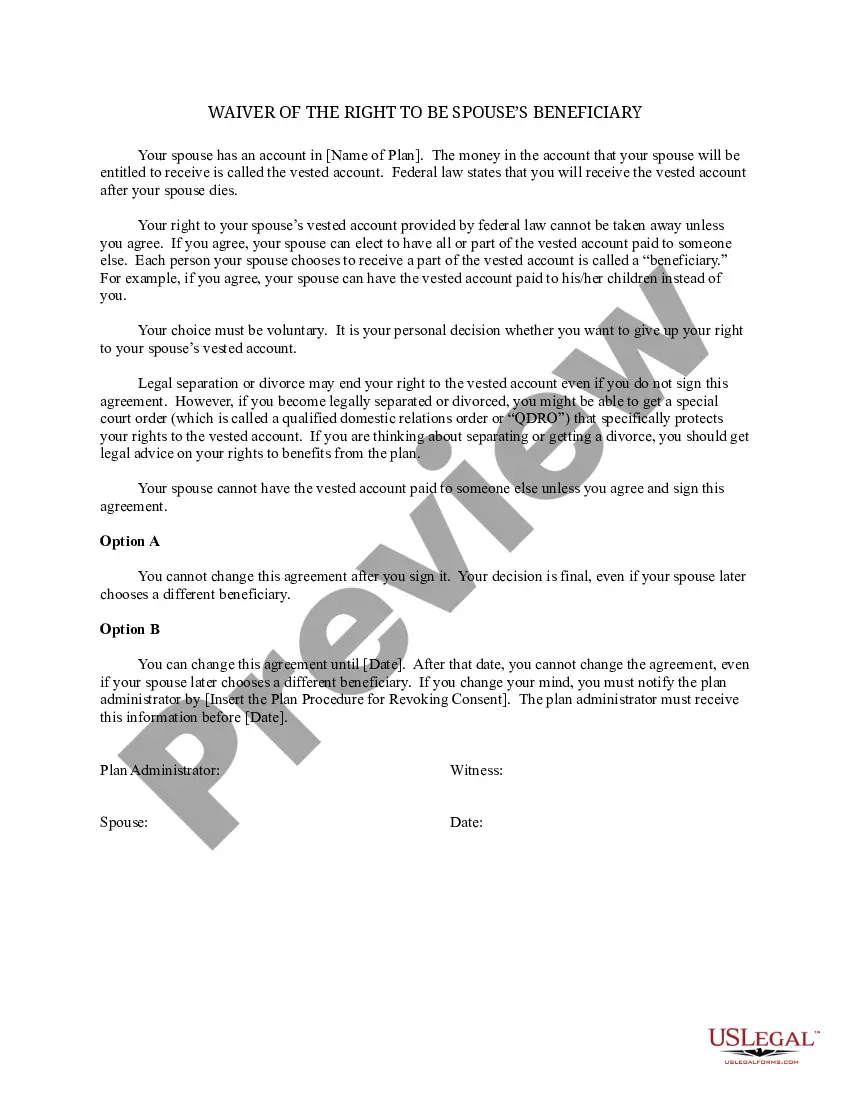
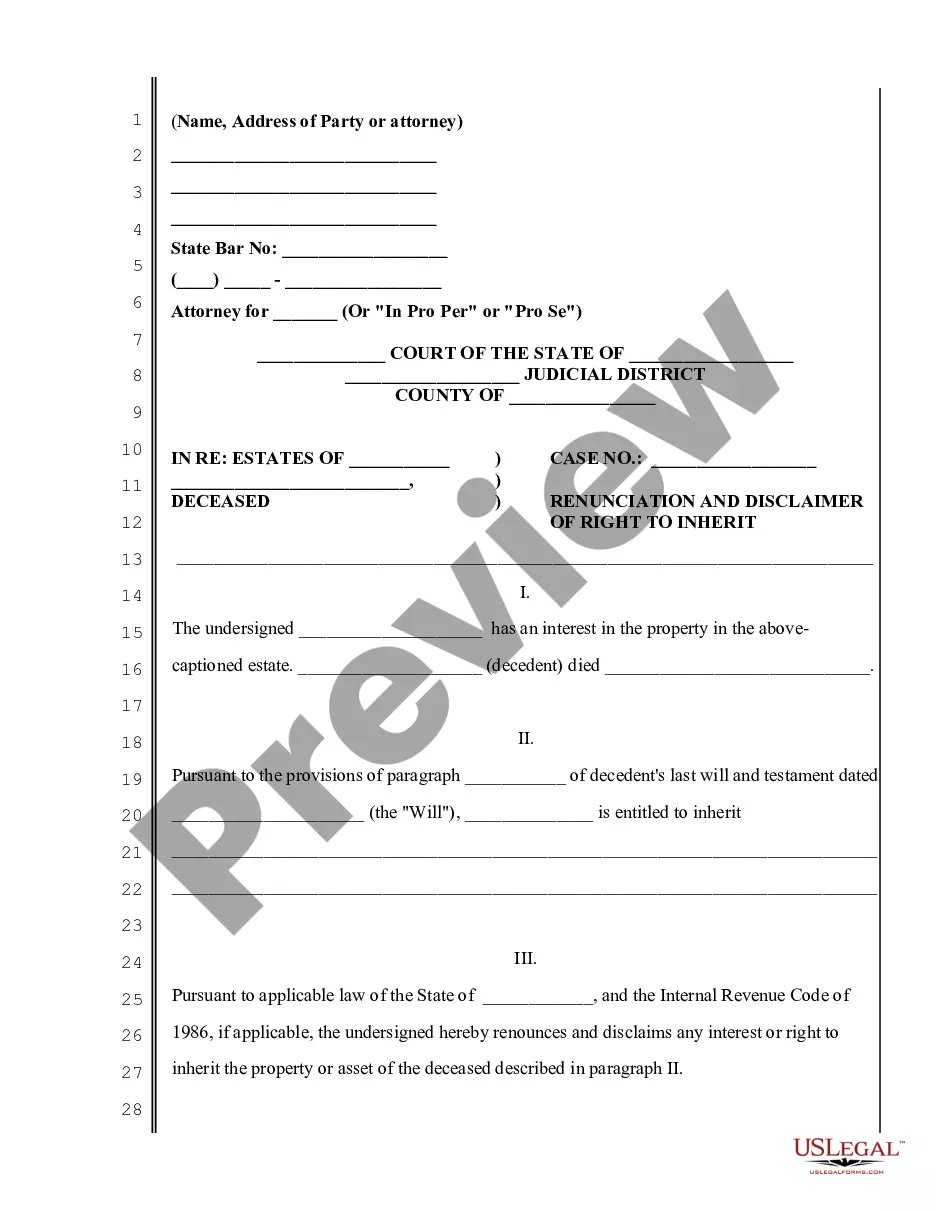
Get your form ready online
Our built-in tools help you complete, sign, share, and store your documents in one place.
Make edits, fill in missing information, and update formatting in US Legal Forms—just like you would in MS Word.
Download a copy, print it, send it by email, or mail it via USPS—whatever works best for your next step.
Sign and collect signatures with our SignNow integration. Send to multiple recipients, set reminders, and more. Go Premium to unlock E-Sign.
If this form requires notarization, complete it online through a secure video call—no need to meet a notary in person or wait for an appointment.
We protect your documents and personal data by following strict security and privacy standards.

Make edits, fill in missing information, and update formatting in US Legal Forms—just like you would in MS Word.

Download a copy, print it, send it by email, or mail it via USPS—whatever works best for your next step.

Sign and collect signatures with our SignNow integration. Send to multiple recipients, set reminders, and more. Go Premium to unlock E-Sign.

If this form requires notarization, complete it online through a secure video call—no need to meet a notary in person or wait for an appointment.

We protect your documents and personal data by following strict security and privacy standards.
Looking for another form?


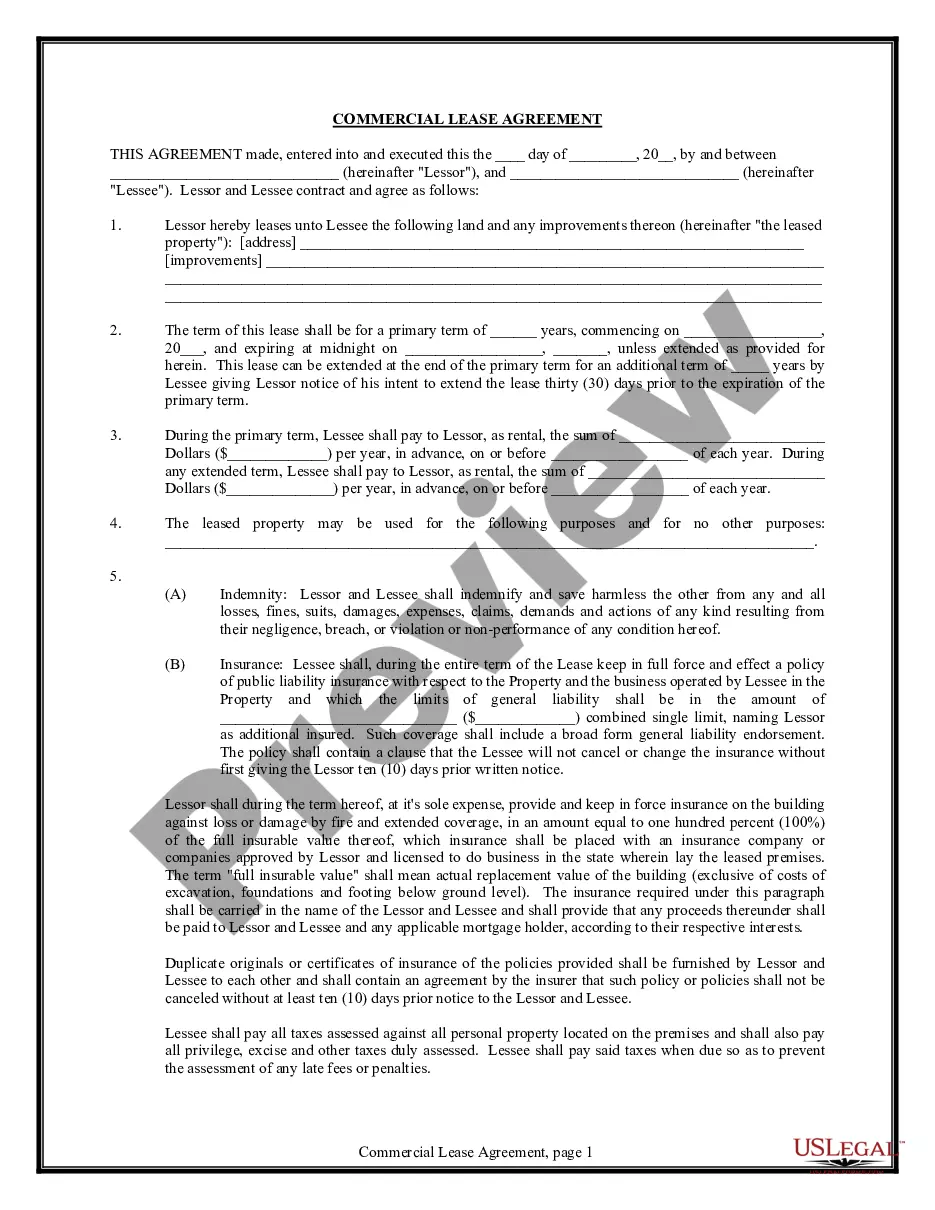





How to fill out Waiver Of Right To Election By Spouse?
- Log in to your account if you've used US Legal Forms before. Ensure your subscription is active to access your documents.
- For new users, start by checking the Preview mode to review the form's description. Confirm it meets your specific needs and complies with your local regulations.
- If you require another form, utilize the Search tab to locate suitable options. Verify its relevance to your situation before proceeding.
- Purchase the document by clicking the Buy Now button. Select your preferred subscription plan and create an account for full library access.
- Complete your purchase by entering your payment information, either via credit card or PayPal.
- Finally, download your form to your device. You can access it anytime from the My Forms menu in your profile.
US Legal Forms empowers users with an extensive library of over 85,000 editable legal documents, ensuring you have the right form for your needs. With premium expert assistance available, your documents remain accurate and legally sound.
Don't let legal paperwork overwhelm you. Start your journey today with US Legal Forms and ensure you have all the necessary documents at your fingertips!
Form popularity
FAQ
Traditionally, the husband's name comes first when addressing a married couple, such as 'Mr. John Smith and Mrs. Jane Smith.' This format respects conventional etiquette that many still follow. However, in modern contexts, many people choose to prioritize the wife’s name depending on their preferences. It's beneficial for legal occasions to make sure that spouse shares blank for the formal portion to accurately reflect both names.
Yes, including 'Mr. and Mrs.' on a wedding invitation is a common practice, as it honors the couple's marriage. You can use this title followed by their last name to emphasize their joint status. However, if the couple has personal preferences or specific titles, you should accommodate those. For any legal implications, ensuring that spouse shares blank for the formal portion can be particularly important.
Generally, 'Mr. & Mrs.' is the standard format when addressing a married couple, but it ultimately depends on personal preference. Many people opt to use 'Mrs. & Mr.' if they prefer emphasizing the wife's name first. However, in formal contexts, using 'Mr. and Mrs.' aligns with traditional etiquette. When writing a legal document, it's essential to ensure that spouse shares blank for the formal portion to include both partners.
To title a letter to a married couple, you can use 'Mr. and Mrs. Last Name' if you are addressing a traditional couple. This format signifies respect and acknowledges their marital status. For legal documents, ensuring that spouse shares blank for the formal portion can clarify both partners’ involvement. US Legal Forms can assist you in structuring letters that maintain proper etiquette.
In most cases, it is more advantageous to file jointly when one spouse has no income. Filing jointly typically provides higher tax credits and deductions compared to filing separately. By using the spouse shares blank strategy, you can analyze how to maximize available benefits effectively. It’s wise to evaluate both scenarios with precise calculations to ensure optimal filing outcomes.
Couples might consider filing separately in specific scenarios, such as when one spouse has significant medical expenses, miscellaneous deductions, or they wish to protect themselves from the other’s tax liabilities. Filing separately can also be beneficial if one spouse earns a significantly higher income than the other. The spouse shares blank concept allows for an effective way to assess these situations clearly. Always weigh both filing options to determine the best choice for your circumstances.
Married couples can file separately by completing and submitting individual tax returns. Each spouse reports their income, deductions, and credits without considering the other's finances. Adopting the spouse shares blank technique can clarify how to allocate shared expenses or credits accurately. This approach ensures both parties fulfill their tax obligations effectively.
Married filing separately has special rules that limit certain deductions and credits. For instance, if you file this way, you might lose out on benefits like the Earned Income Tax Credit or Child Tax Credit. However, using the spouse shares blank structure can help you understand how these regulations apply to your unique situation. It’s essential to evaluate the implications carefully before making your filing decision.
Allocating federal amounts between you and your spouse includes dividing income, deductions, and credits appropriately. If filing separately, each spouse must accurately report their respective share of income. Using the spouse shares blank process can help streamline this allocation. Always keep detailed records to support your claims.
If your spouse does not work, you still have options when filing taxes. You can choose to file jointly, which often offers more tax benefits, or file separately. Using the spouse shares blank method can provide insights into your tax liabilities and honors financial contributions. Ensure you select the option that best reflects your overall financial picture.