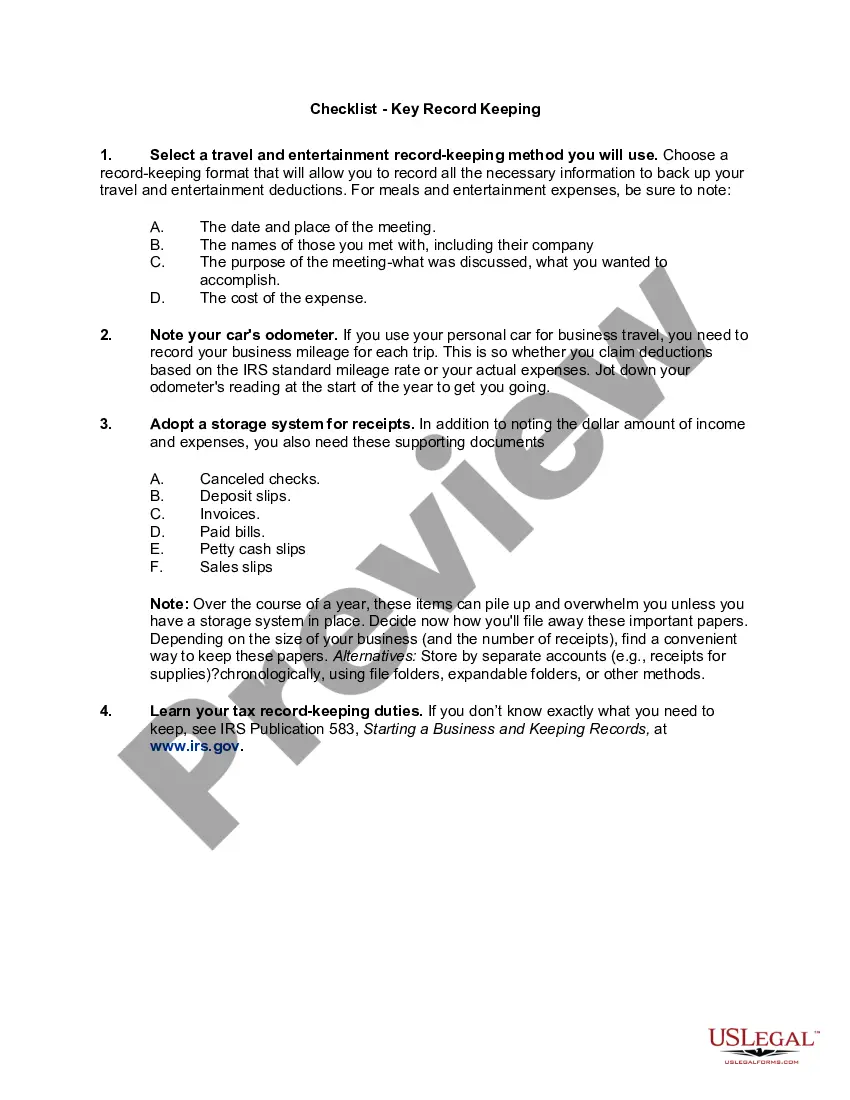
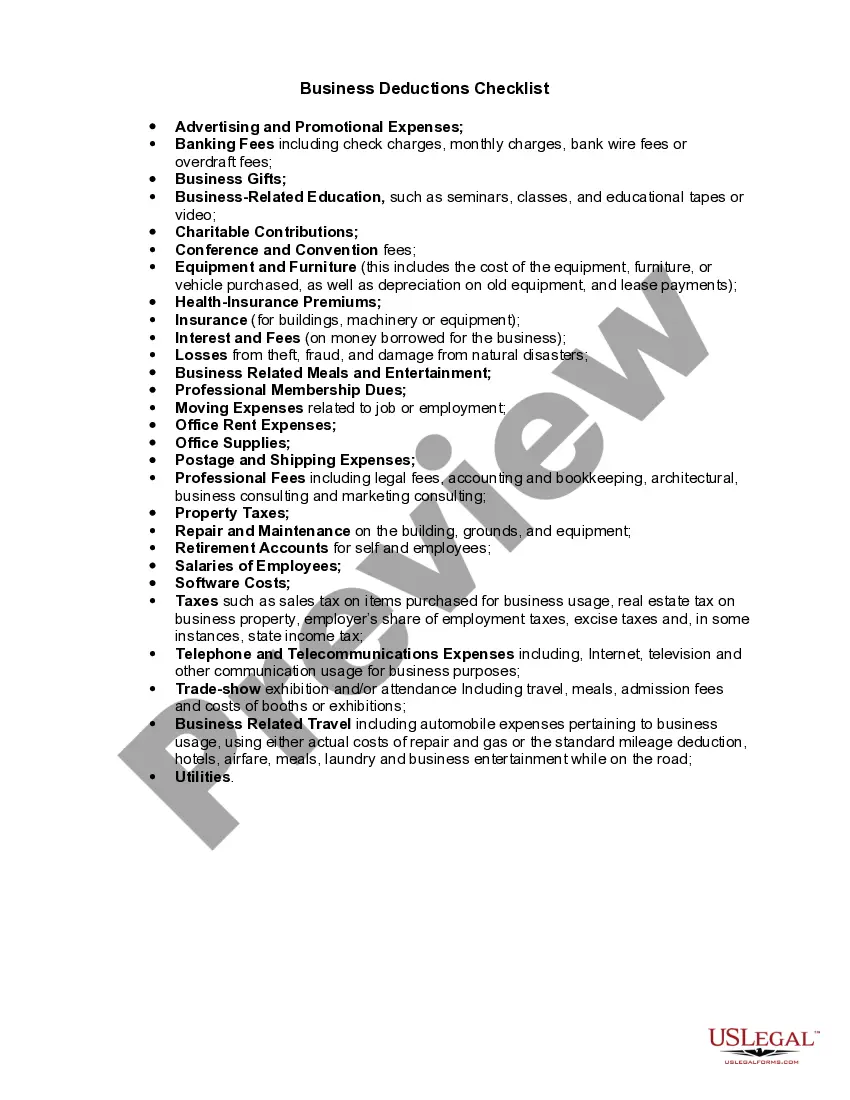
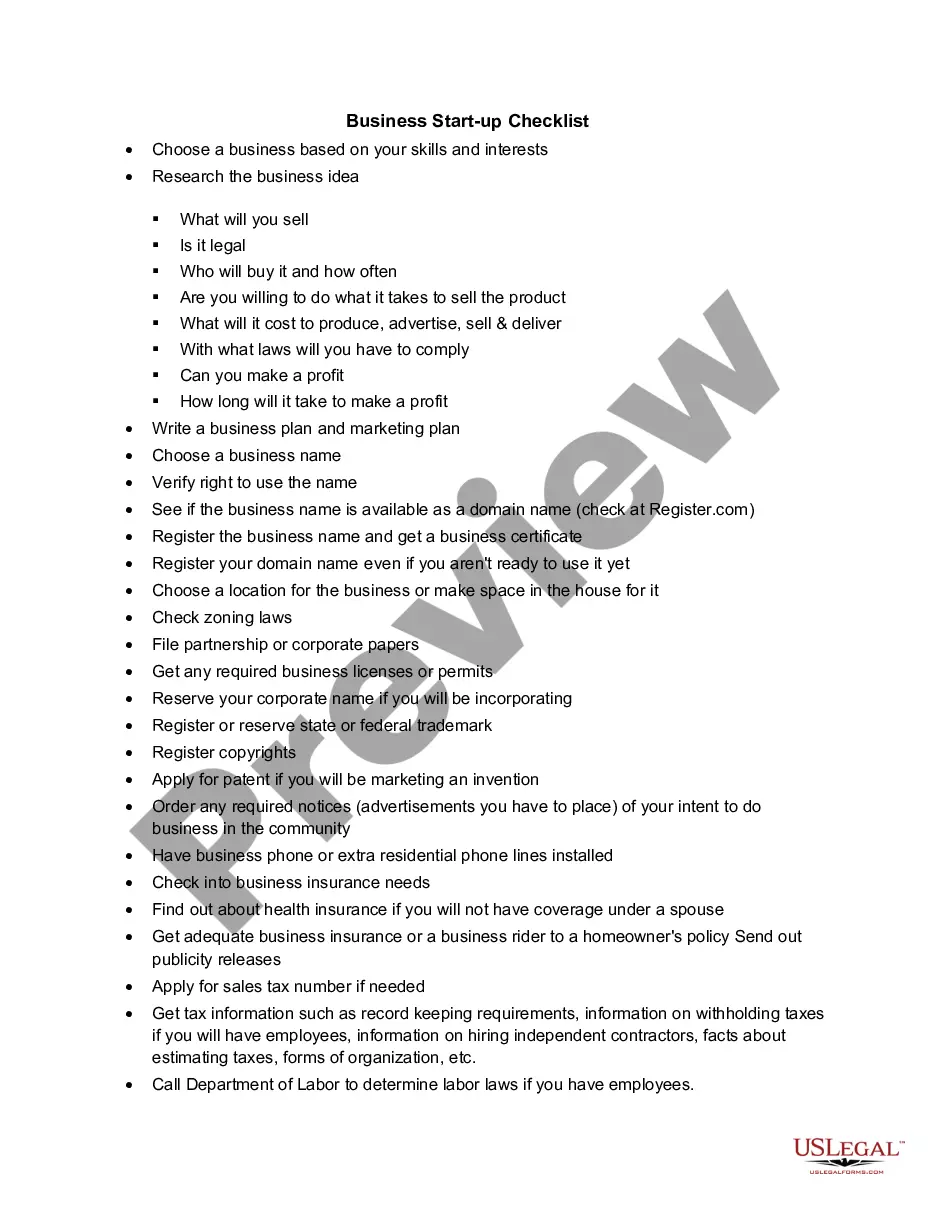
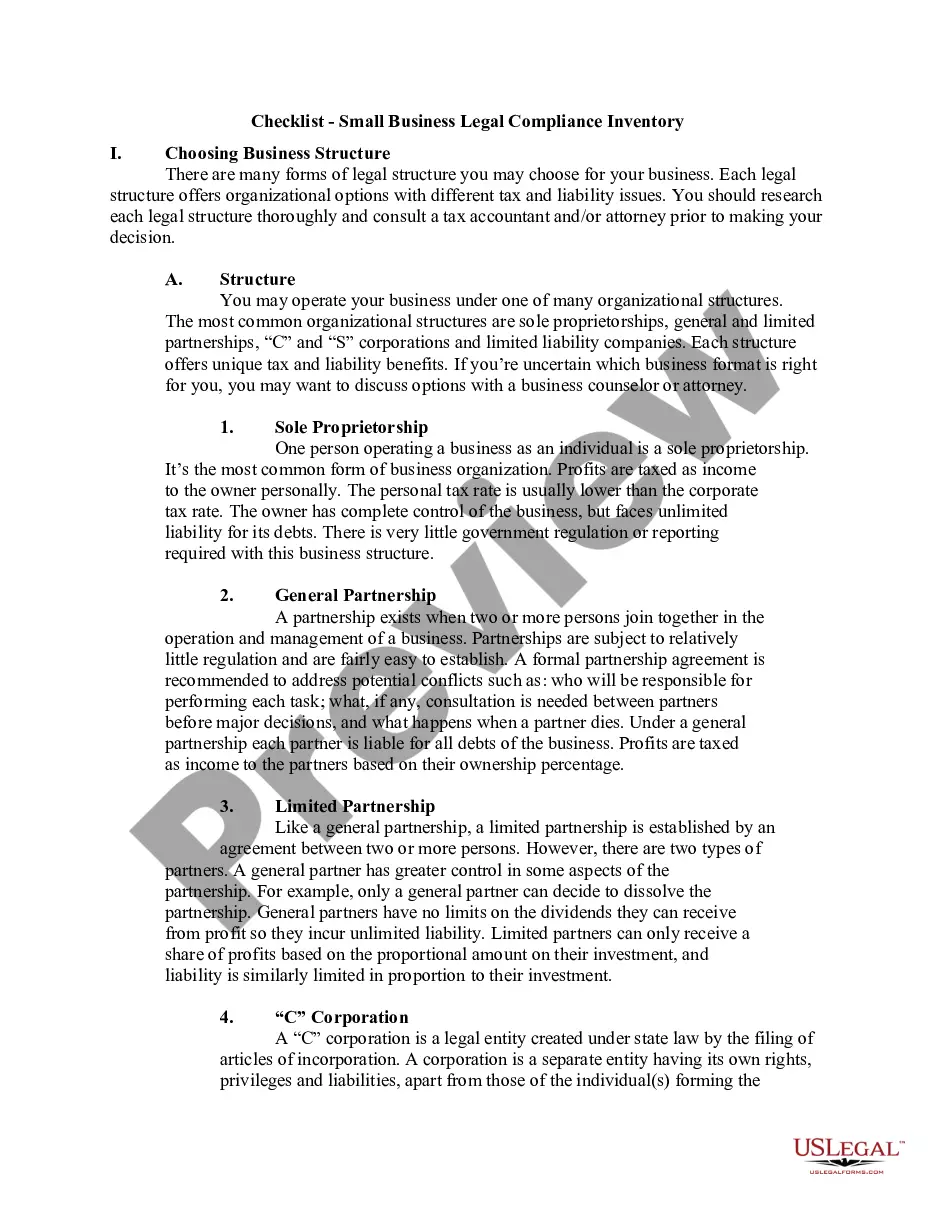
Record Keep Business For The Public
Description
Get your form ready online
Our built-in tools help you complete, sign, share, and store your documents in one place.
Make edits, fill in missing information, and update formatting in US Legal Forms—just like you would in MS Word.
Download a copy, print it, send it by email, or mail it via USPS—whatever works best for your next step.
Sign and collect signatures with our SignNow integration. Send to multiple recipients, set reminders, and more. Go Premium to unlock E-Sign.
If this form requires notarization, complete it online through a secure video call—no need to meet a notary in person or wait for an appointment.
We protect your documents and personal data by following strict security and privacy standards.

Make edits, fill in missing information, and update formatting in US Legal Forms—just like you would in MS Word.

Download a copy, print it, send it by email, or mail it via USPS—whatever works best for your next step.

Sign and collect signatures with our SignNow integration. Send to multiple recipients, set reminders, and more. Go Premium to unlock E-Sign.

If this form requires notarization, complete it online through a secure video call—no need to meet a notary in person or wait for an appointment.

We protect your documents and personal data by following strict security and privacy standards.
Looking for another form?
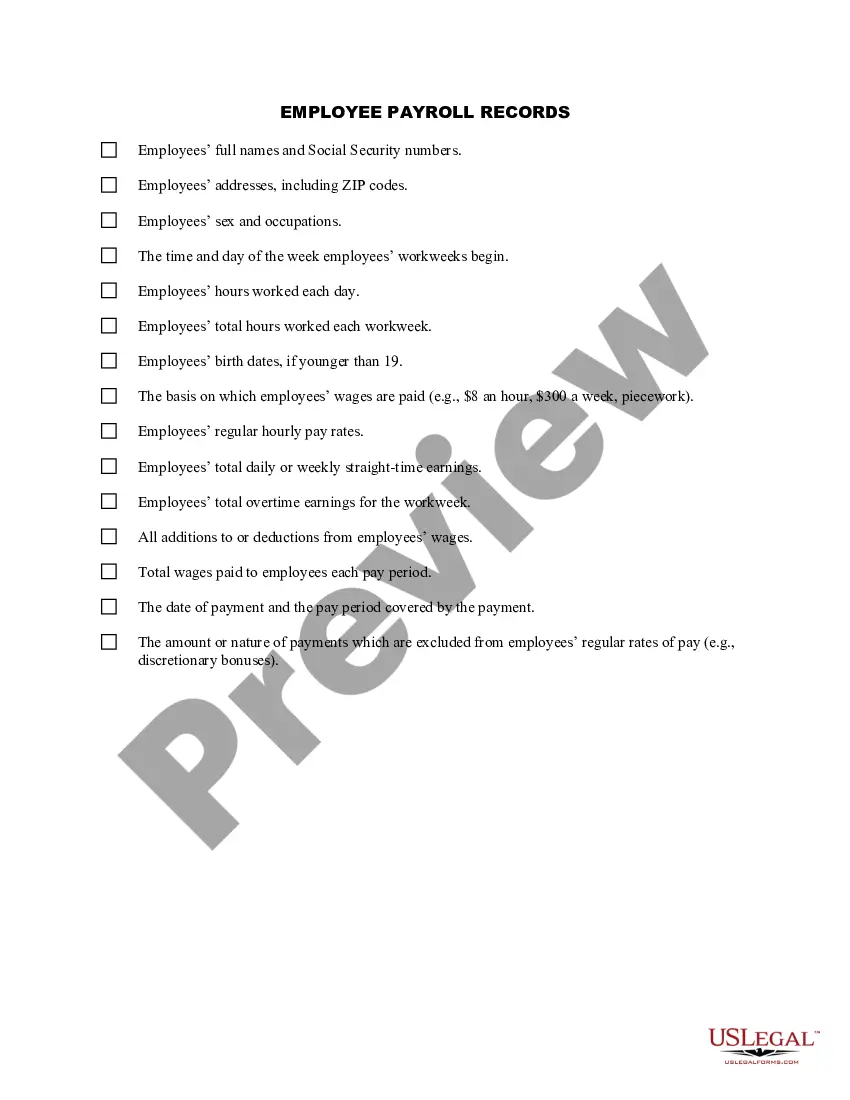
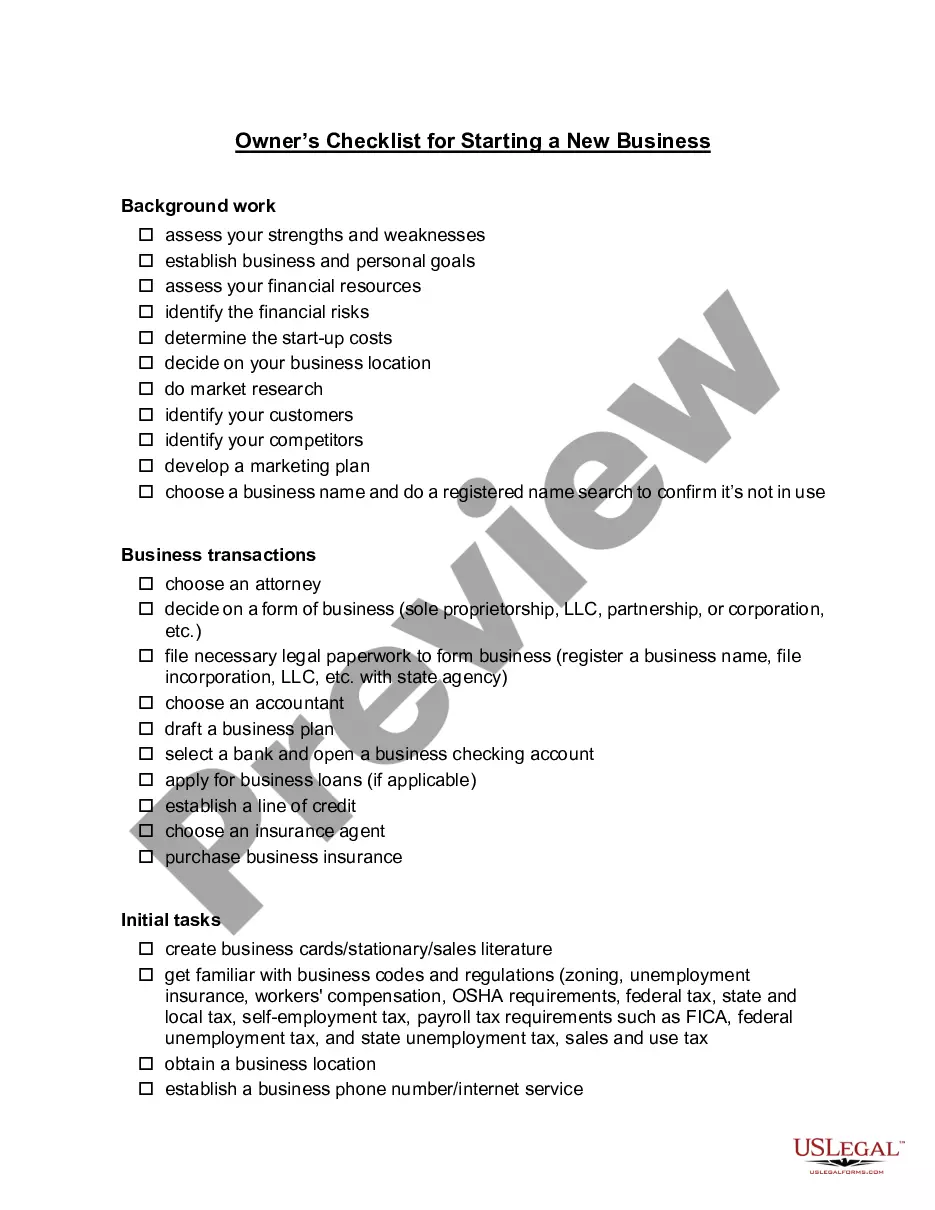
How to fill out Checklist - Key Record Keeping?
- Log in to your existing US Legal Forms account. If you don’t have an account yet, sign up to get started.
- In the search bar, enter the type of record you need. Review the templates available, ensuring they align with your local jurisdiction requirements.
- If you find any discrepancies or need additional templates, utilize the Search tab to locate the appropriate forms.
- Select the form and hit the 'Buy Now' button. Follow prompts to select your preferred subscription plan.
- Complete your purchase by entering your payment details, either through credit card or PayPal.
- Download the selected form to your device. You can access your downloaded documents anytime through the 'My Forms' section on your profile.
By using US Legal Forms, you gain access to an extensive library of over 85,000 legal documents tailored to meet various needs. This ensures you find forms not only more efficiently but also with higher accuracy.
Ready to streamline your record-keeping process? Start using US Legal Forms today to ensure your business remains compliant and well-organized!
Form popularity
FAQ
The IRS requires receipts for expenses exceeding $75 to support deductions during audits. However, it is prudent to keep all receipts regardless of amount, especially for a record keep business for the public. Maintaining organized records simplifies your tax filing and protects you in case of any inquiries from the IRS. USLegalForms offers solutions to help you manage your receipts effortlessly.
For your small business, focus on tracking the financial health, which includes records of income, expenses, payroll, and taxes. You should also keep tabs on customer data and inventory management to understand your market better. Careful tracking supports your growth and meets the requirements of a record keep business for the public. Consider using tools from USLegalForms to stay organized and compliant.
Record keeping in business involves documenting crucial information to ensure compliance and effective management. Examples include maintaining financial statements, tracking sales and expenses, and keeping employee records. Proper record keeping benefits both your operations and legal compliance, especially for transparency in a record keep business for the public. Utilize platforms like USLegalForms to streamline your record keeping process.
Businesses must keep records of income, expenses, payroll, and tax documents. These essential records ensure that your financial reporting aligns with compliance requirements set by governing bodies. Keeping organized records supports your business's financial health and enhances public trust. Platforms like US Legal Forms can assist you with document organization and retention strategies.
The IRS recommends retaining records that support the income or deductions you report on your tax return for a minimum of three years. However, there are cases where you may need to keep records longer, such as if you underreport your income by more than 25%. Adhering to these guidelines ensures you are prepared in the event of an audit. Effective record keeping serves not just your business, but the public as well.
Recordkeeping requirements vary by business type, but generally, you must keep accurate records of all transactions. This includes sales receipts, invoices, bank statements, and payroll records. Proper record keeping fosters trust and transparency in your business operations, benefitting both you and the public. For further assistance with these requirements, consider utilizing platforms like US Legal Forms, which provide guidance and document templates.
Yes, the IRS requires businesses to maintain accurate bookkeeping practices. This is essential for reporting income and expenses and for proper tax filings. Good record keeping helps you avoid costly mistakes and supports future financial decisions. Leveraging tools can simplify your record keeping, making it easy for you to fulfill IRS requirements.
For effective record keeping, businesses should maintain tax returns, supporting documents, and any related records for at least seven years. This duration is crucial for businesses in case of audits or financial reviews. Keeping these records helps you organize your finances and comply with government regulations. Remember, thorough record keeping benefits your business and the public by ensuring transparency.
Public tax records can include various documents filed by businesses, such as tax returns, W-2 forms, and 1099s. These records provide insight into a business's financial activities and tax compliance. Most states require some level of financial transparency, so understanding what is publicly accessible helps you engage in effective record keeping for businesses. Consider using platforms like USLegalForms for streamlined access to these records.
In general, business financial records can be public, especially for corporations and LLCs that must file specific documents regularly. These records include balance sheets, income statements, and tax returns, which reveal how a business operates financially. While access may depend on the jurisdiction, utilizing resources that support record keeping for businesses helps ensure you have the necessary information available to the public.