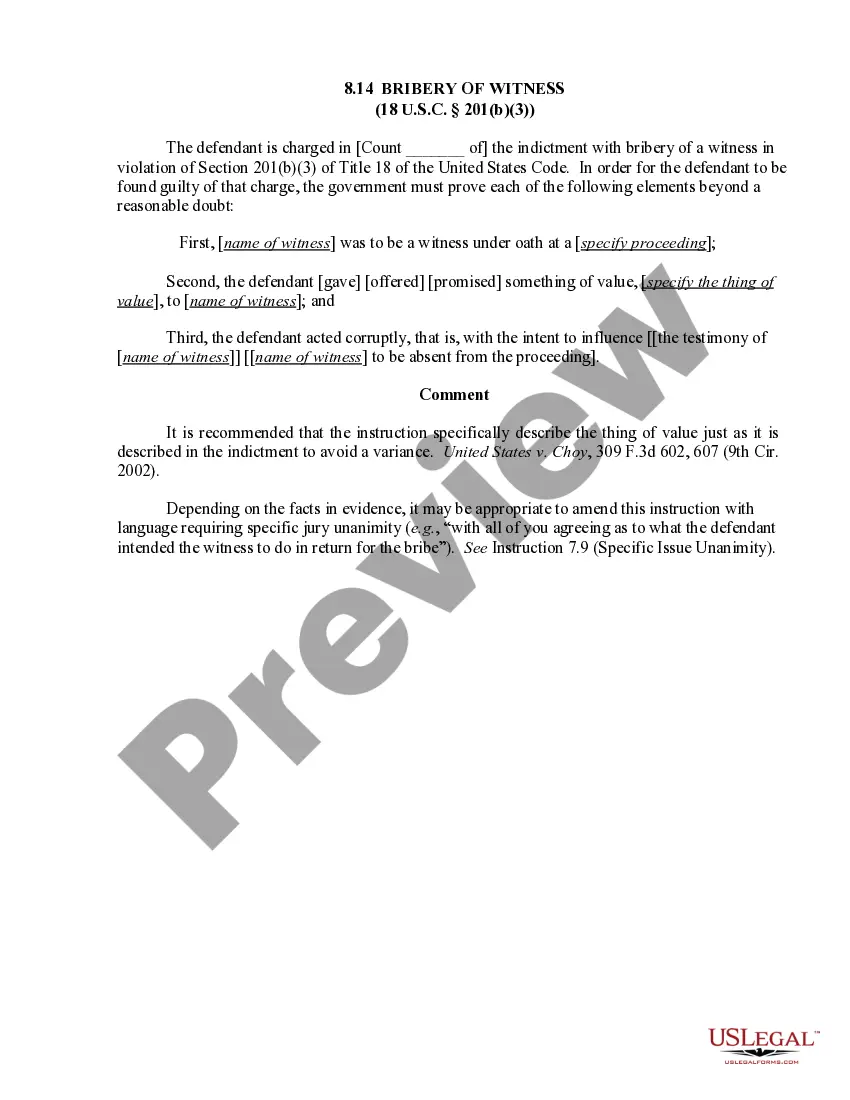
Public Records Request - Open Public Records Act
What this document covers
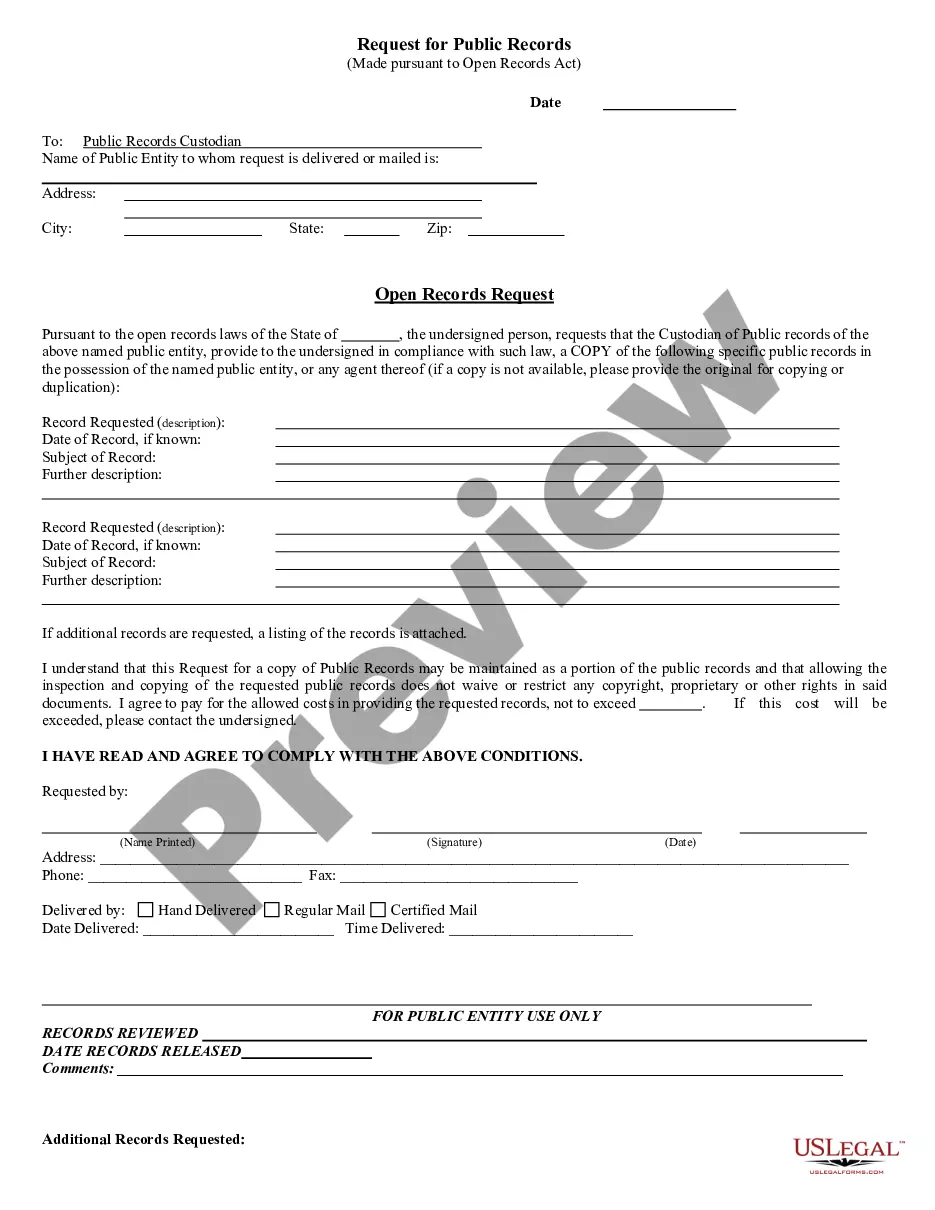
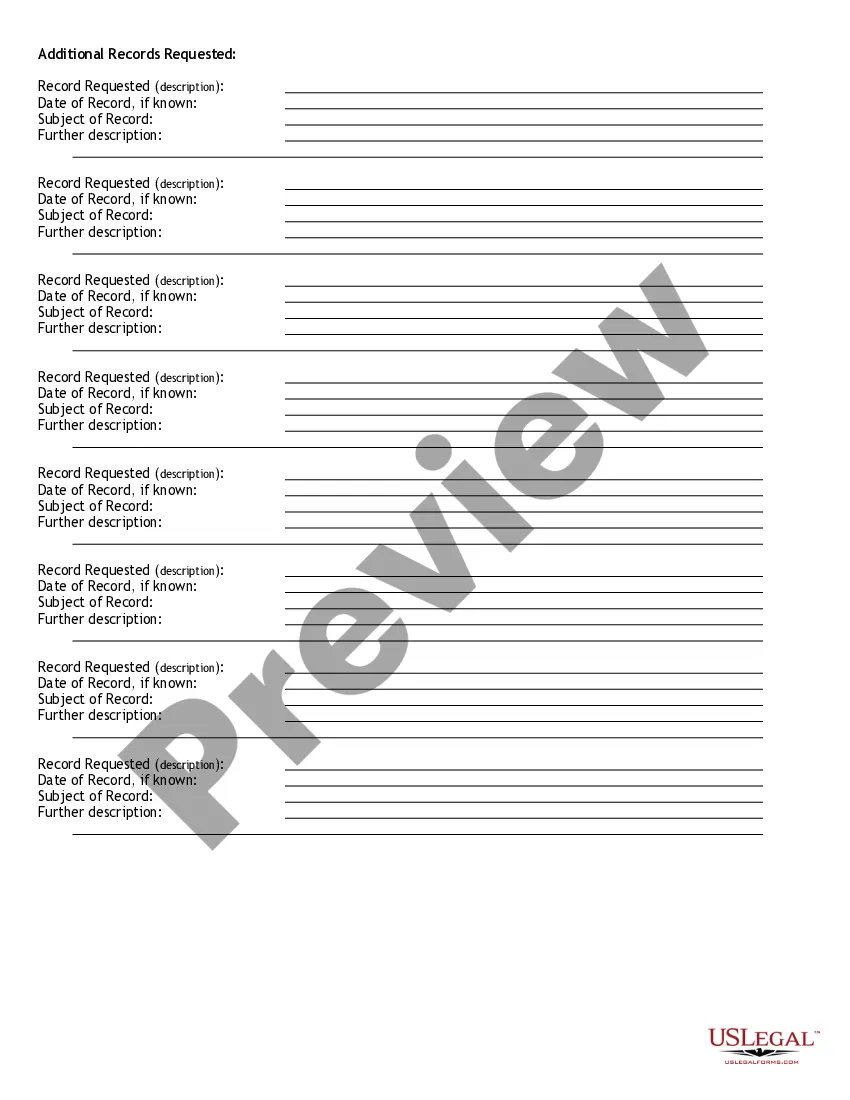
The Public Records Request form, governed by the Open Public Records Act, allows individuals to formally request access to public records held by governmental agencies. This form is essential for ensuring transparency and accountability in public institutions, distinguishing it from other request forms used in different contexts, such as personal or private records inquiries.
Form components explained
- Contact information: Fields for phone and fax numbers.
- Delivery methods: Options for how the request will be delivered, including hand delivery and various mail types.
- Delivery date and time: Areas to record when the request was delivered to the public entity.
- Public entity use: Sections reserved for internal use, including date of records review and release.
Common use cases
This form should be used when you seek to obtain public records from a government agency, such as documents, reports, or data. Common circumstances include researching government activities, accessing meeting minutes, or retrieving information relevant to a personal or community interest.
Intended users of this form
- Individuals seeking transparency in government operations.
- Researchers and journalists investigating public matters.
- Community members wanting to access local government records.
Completing this form step by step
- Fill out your contact information, including your phone and fax numbers.
- Select the delivery method for your records request.
- Record the date and time when you deliver the form.
- Ensure any internal use sections are clearly marked for the public entity.
Does this form need to be notarized?
Notarization is generally not required for this form. However, certain states or situations might demand it. You can complete notarization online through US Legal Forms, powered by Notarize, using a verified video call available anytime.
Get your form ready online
Our built-in tools help you complete, sign, share, and store your documents in one place.
Make edits, fill in missing information, and update formatting in US Legal Forms—just like you would in MS Word.
Download a copy, print it, send it by email, or mail it via USPS—whatever works best for your next step.
Sign and collect signatures with our SignNow integration. Send to multiple recipients, set reminders, and more. Go Premium to unlock E-Sign.
If this form requires notarization, complete it online through a secure video call—no need to meet a notary in person or wait for an appointment.
We protect your documents and personal data by following strict security and privacy standards.

Make edits, fill in missing information, and update formatting in US Legal Forms—just like you would in MS Word.

Download a copy, print it, send it by email, or mail it via USPS—whatever works best for your next step.

Sign and collect signatures with our SignNow integration. Send to multiple recipients, set reminders, and more. Go Premium to unlock E-Sign.

If this form requires notarization, complete it online through a secure video call—no need to meet a notary in person or wait for an appointment.

We protect your documents and personal data by following strict security and privacy standards.
Common mistakes
- Not providing complete contact information, making it hard for the agency to respond.
- Failing to specify a delivery method, which might delay processing.
- Overlooking internal use sections, which are vital for the agency's processing records.
Why complete this form online
- Convenience: Complete and submit your request from anywhere.
- Editability: Easily modify your request before finalizing it.
- Reliability: Obtain professionally drafted forms, ensuring compliance with legal standards.
Legal use & context
This Public Records Request form is enforceable under the Open Public Records Act. It is essential to submit this form correctly to ensure legal access to the requested information. Be aware that some records may be exempt from disclosure.
Quick recap
- The Public Records Request form aids in accessing government-held documents.
- Ensure all fields are filled out completely to avoid delays.
- Be aware of state-specific laws governing public records requests.
Looking for another form?
Form popularity
FAQ
You can contact the GRC online by visiting their website at www.nj.gov/grc, by e-mail at grc@dca.state.nj.us, by mail at PO Box 819, Trenton, NJ 08625, or call them on their toll-free phone number, 866-850-0511.
Furthermore, defendants do not cite any statute, legislative pronouncement, executive order, or court rule that provides that OPRA requests are confidential.
In the United States. Access to U.S. national public records is guided by the Freedom of Information Act (FOIA). Requests for access to records pursuant to FOIA may be refused by federal agencies if information requested is subject to exemption, or some information may be redacted (deleted).
One way to do so is to file an OPRA request with the municipality where the property is located, which requests: "A copy of any and all open and closed permits for the premises located at property location." This will allow the purchaser to determine when certain repairs were made and will also provide them with
Under OPRA, the custodian must respond to request "as soon as possible," but requesters must receive a response within seven business days after the custodian receives a complete request. That does not mean that a record in storage, or one that is difficult to find, will be available during that time.
Many agencies have OPRA request forms on their websites, but a requestor does not have to use it. In most cases, one can submit an OPRA request by email to the custodian by simply copying and pasting the text of the request into the body of the email and putting OPRA Request in the subject line.
The California State Legislature adopted the Public Records Act in 1968. It is designed to give the public access to information in the possession of public agencies. The public can inspect or receive a copy of any record unless the record is exempted from disclosure under the act.
Courts and government agencies at all levels of government - local, state, and federal - are increasingly making public records available on web sites. Some jurisdictions are just beginning, while others have done so since the mid-1990s. There are two ways public records are accessible electronically.
Generally, no. When you register a claim to copyright in a work with the Copyright Office, you create a public record of your claim to copyright. Some information you provide on your copyright registration will be available to the public and on the internet.