Record Keep Business For The Future
Description
Get your form ready online
Our built-in tools help you complete, sign, share, and store your documents in one place.
Make edits, fill in missing information, and update formatting in US Legal Forms—just like you would in MS Word.
Download a copy, print it, send it by email, or mail it via USPS—whatever works best for your next step.
Sign and collect signatures with our SignNow integration. Send to multiple recipients, set reminders, and more. Go Premium to unlock E-Sign.
If this form requires notarization, complete it online through a secure video call—no need to meet a notary in person or wait for an appointment.
We protect your documents and personal data by following strict security and privacy standards.

Make edits, fill in missing information, and update formatting in US Legal Forms—just like you would in MS Word.

Download a copy, print it, send it by email, or mail it via USPS—whatever works best for your next step.

Sign and collect signatures with our SignNow integration. Send to multiple recipients, set reminders, and more. Go Premium to unlock E-Sign.

If this form requires notarization, complete it online through a secure video call—no need to meet a notary in person or wait for an appointment.

We protect your documents and personal data by following strict security and privacy standards.
Looking for another form?




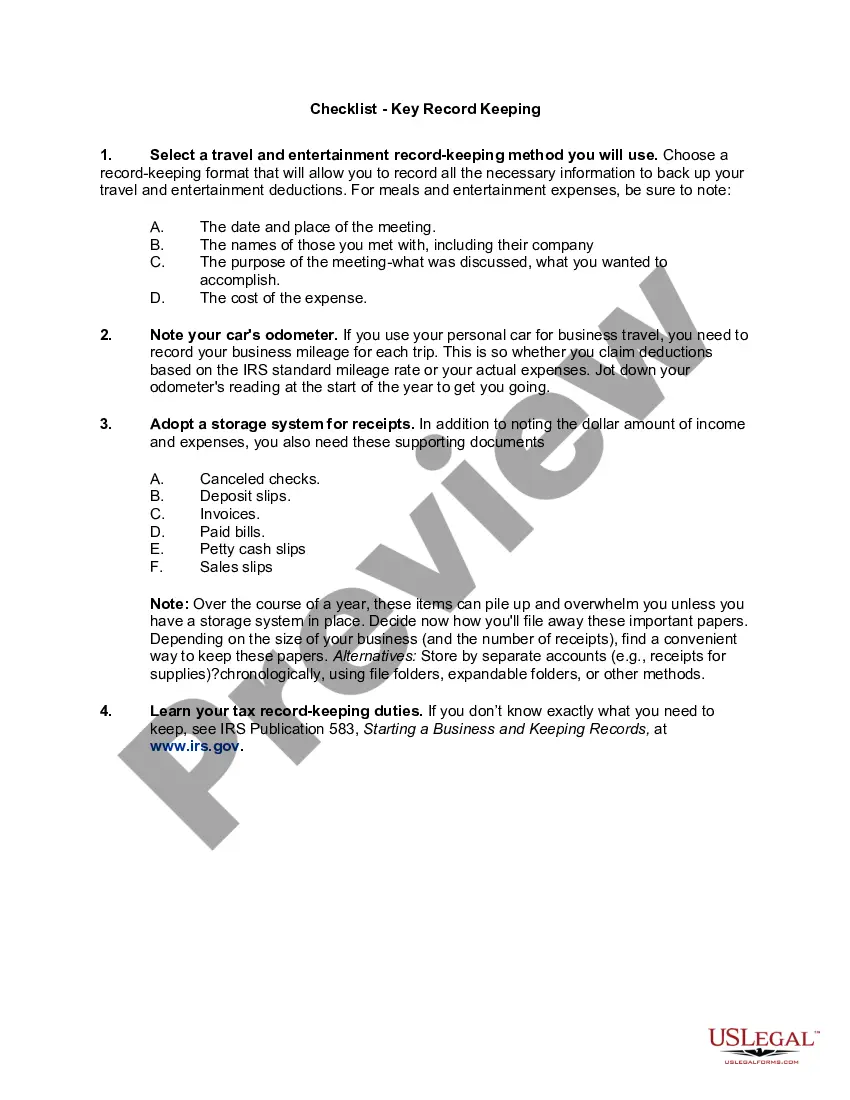
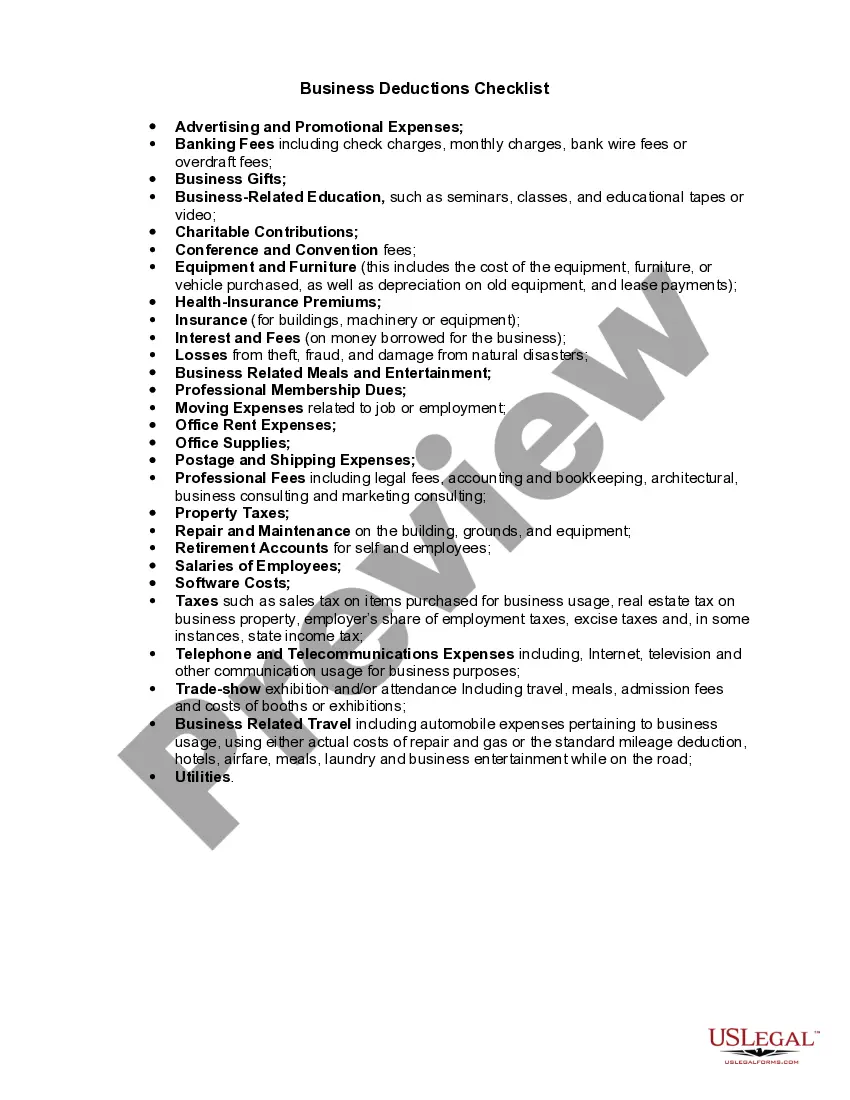
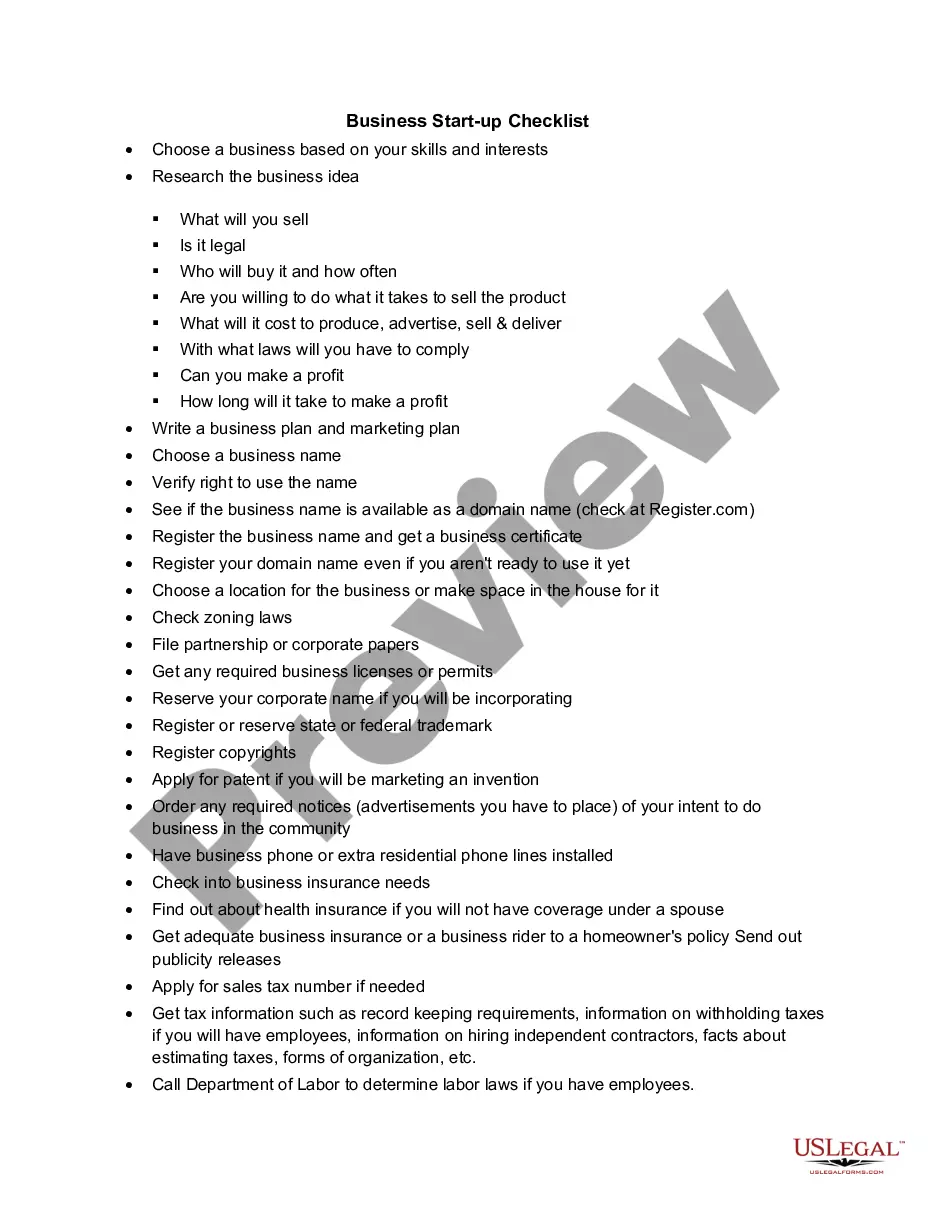
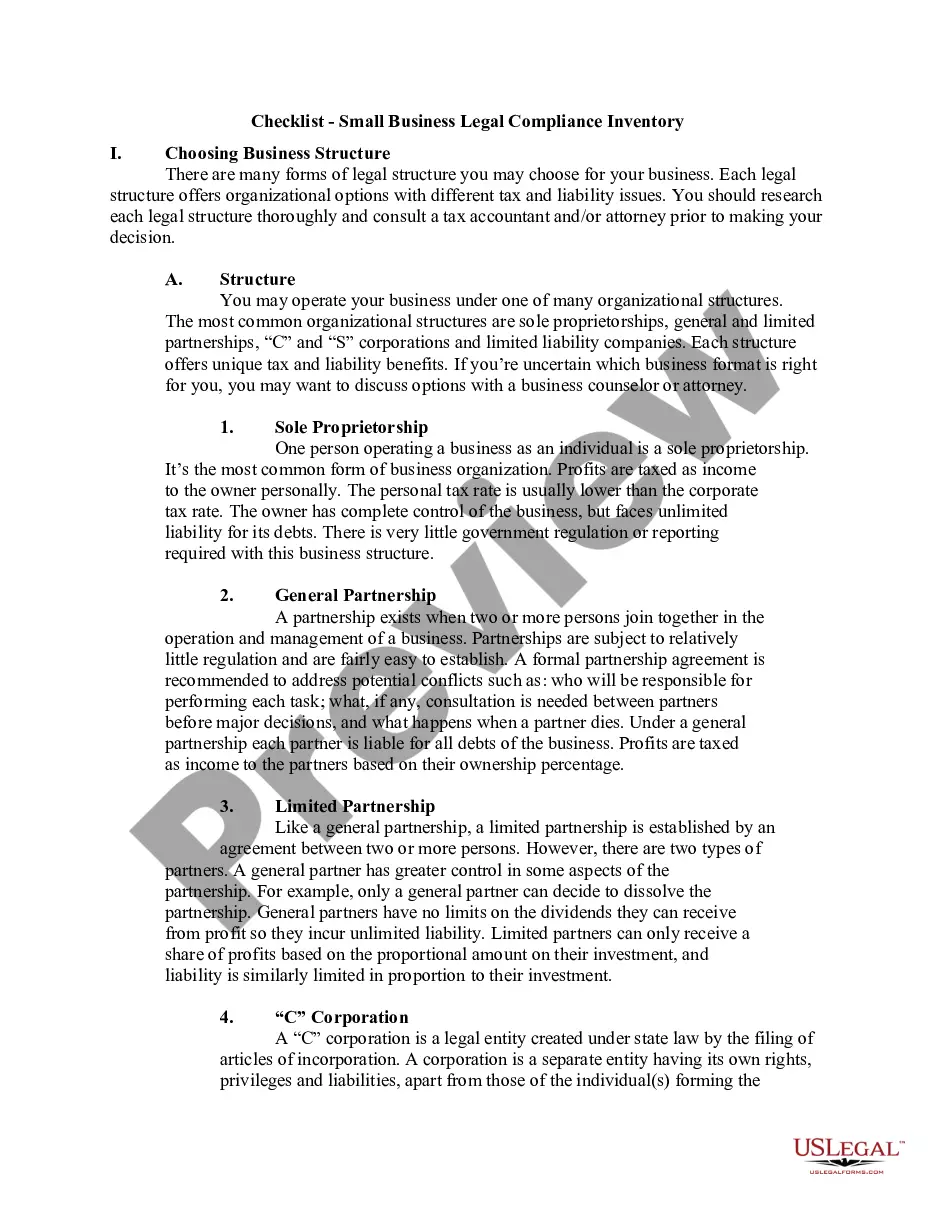
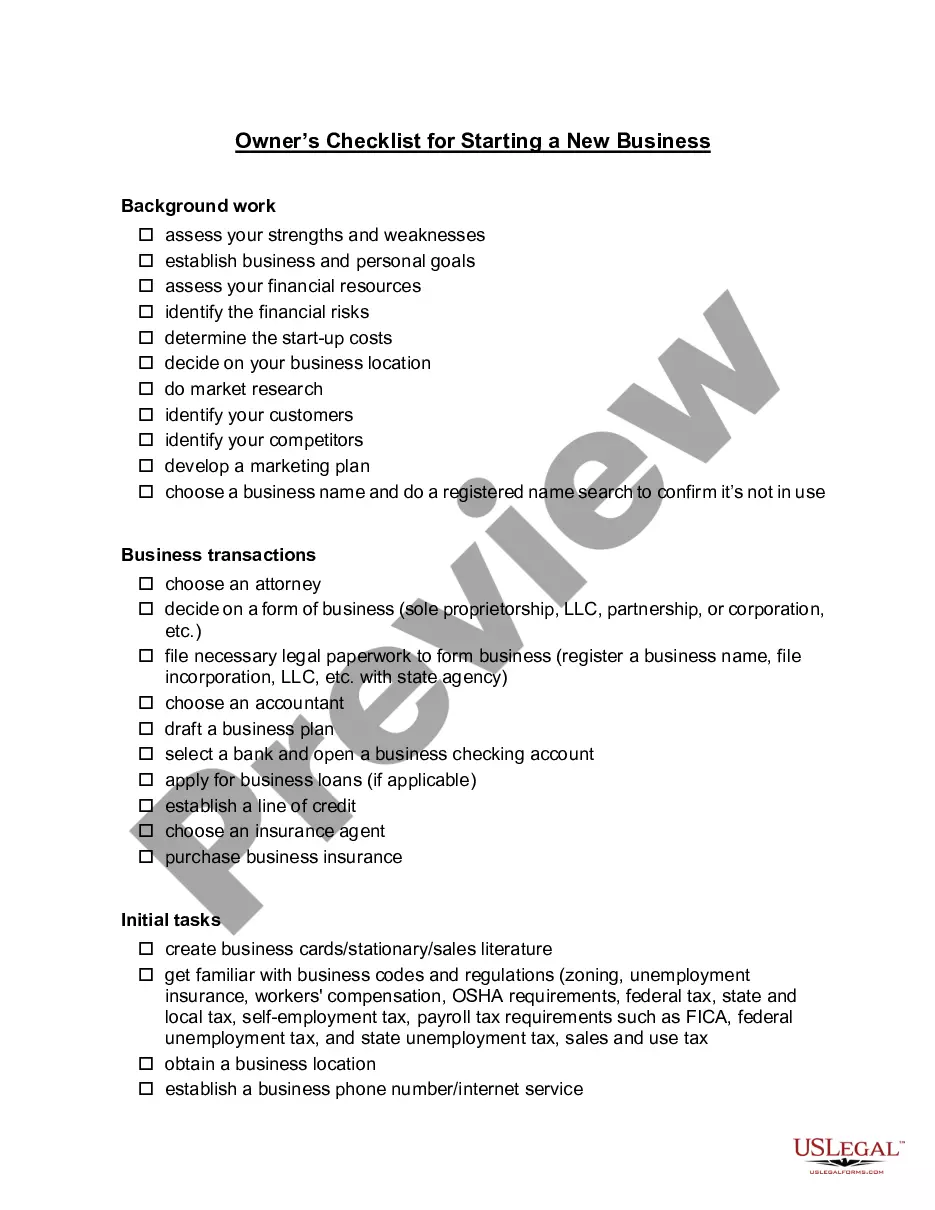
How to fill out Checklist - Key Record Keeping?
- If you are a returning user, log in to your account to access previously downloaded forms. Ensure that your subscription is current; if it isn’t, follow the prompts to renew based on your plan.
- For first-time users, begin by reviewing the available templates in Preview mode. This will help you select the form that aligns with your specific needs and local jurisdiction requirements.
- If necessary, utilize the Search feature at the top to find alternative forms to ensure you are choosing the most suitable option. Once you’ve selected the right document, move on to the next step.
- Purchase the chosen template by clicking the Buy Now button. You’ll need to create an account to unlock the complete library of forms.
- Complete your transaction by entering your payment details, whether using a credit card or PayPal, to finalize your subscription.
- Download your form to your device immediately. You can access this document anytime from the My Forms section of your profile.
By following these steps, you can efficiently record keep business for the future using US Legal Forms. Their robust collection ensures you have a variety of documentation options at a competitive price.
Start your journey today with US Legal Forms, and gain access to a library that empowers you to create legally sound documents with ease!
Form popularity
FAQ
Certain business records should be kept indefinitely, including articles of incorporation, bylaws, and meeting minutes. These documents are foundational to your business's legal identity and governance. By prioritizing record keeping for business for the future, you can guarantee that your business maintains its historical integrity and legal compliance.
In business, you should keep records like tax documents, employee files, business correspondence, and contracts for at least seven years. These records can be essential for reference in legal matters or audits. Consistent record keeping for business for the future ensures you are well-prepared for any situation.
It is crucial to retain documentation such as tax returns, financial statements, bank statements, and payroll records for a minimum of seven years. This practice provides a safety net during audits and helps establish a sound business foundation. Focusing on record keeping for business for the future can reduce risks and enhance your financial security.
Records that should be kept for seven years include tax returns, invoices, and business expenses. Additionally, it's wise to maintain contracts and agreements relevant to your business during this period. Implementing diligent record keeping for business for the future helps track your business's financial health and protect your assets.
Businesses must keep four primary records: financial statements, tax records, employee records, and important contracts. These documents lay the foundation for effective management and accountability. Emphasizing proper record keeping for business for the future can enhance your decision-making and operational efficiency.
Employee records that should be retained for seven years include records of employee performance, disciplinary actions, and any documents related to wages and hours. Keeping these records ensures that you are compliant with labor laws and can be beneficial for defending any employment-related claims. This approach exemplifies record keeping for business for the future.
Certain business records must be kept for seven years to protect your interests in case of audits or disputes. These include tax returns, supporting documents, and records related to any debts owed to the IRS. By diligently applying proper record keeping for business for the future, you can safeguard your organization from potential liabilities.
The IRS requires businesses to keep records for at least three years from the date you filed your tax return. However, if you do not report income that you should have reported, the IRS may require you to keep records for up to six years. For the best practice of record keeping for business for the future, it's advisable to maintain your records even longer to ensure compliance.
Creating a record-keeping system begins with understanding your specific business needs and requirements. Outline the types of records you need, select an appropriate method for tracking, and ensure you have the necessary tools or software at your disposal. Ongoing training for staff members can enhance adherence to this system, ensuring your ability to record keep business for the future.
Keeping records for a business involves establishing a routine for documenting financial transactions and storing important documents. Utilizing organization tools, such as folders or digital filing systems, helps maintain clarity. Regularly review and categorize your records to enhance retrieval and ensure compliance. This organized practice is essential to record keep business for the future.