Motion To Set Bond Sample Forfeiture And Exonerate
Description
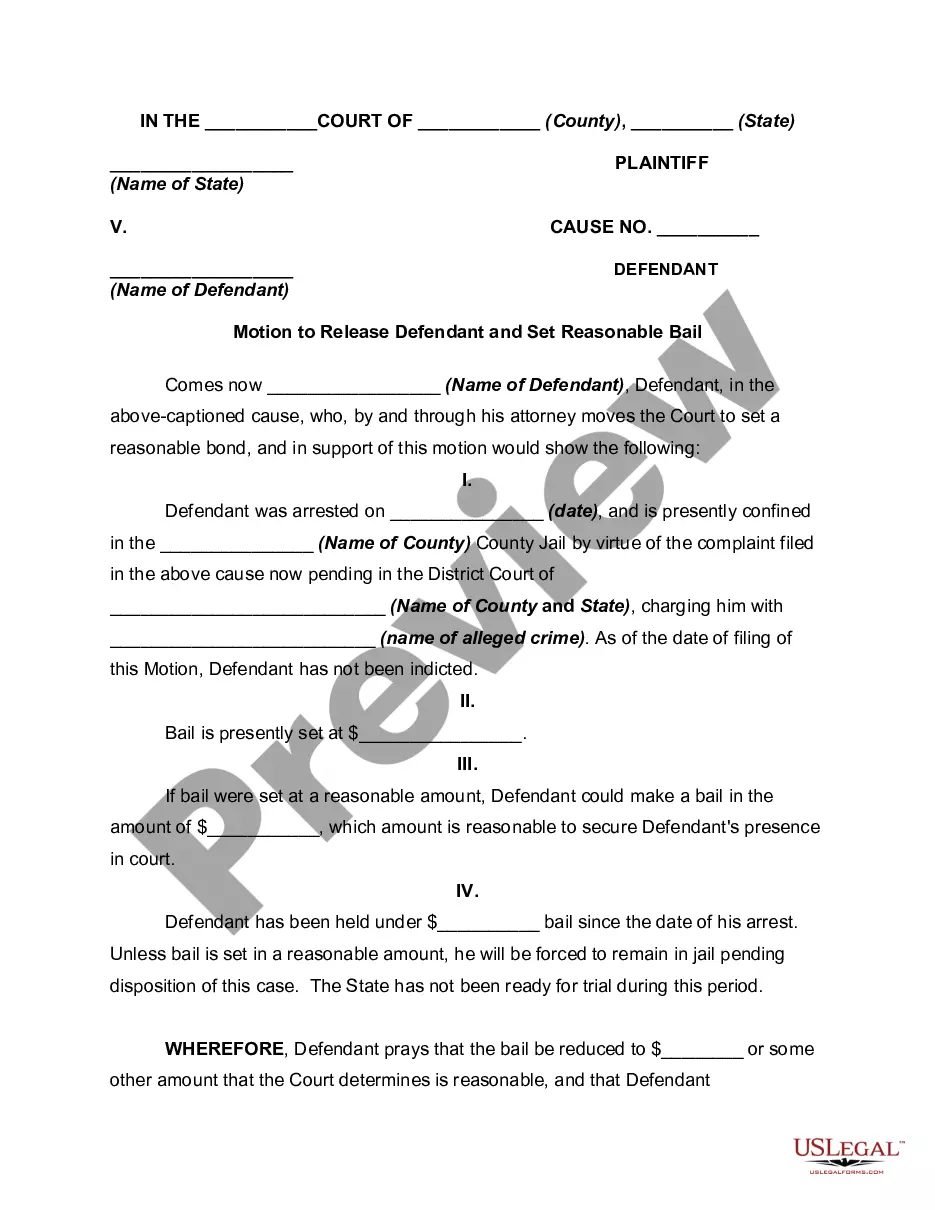
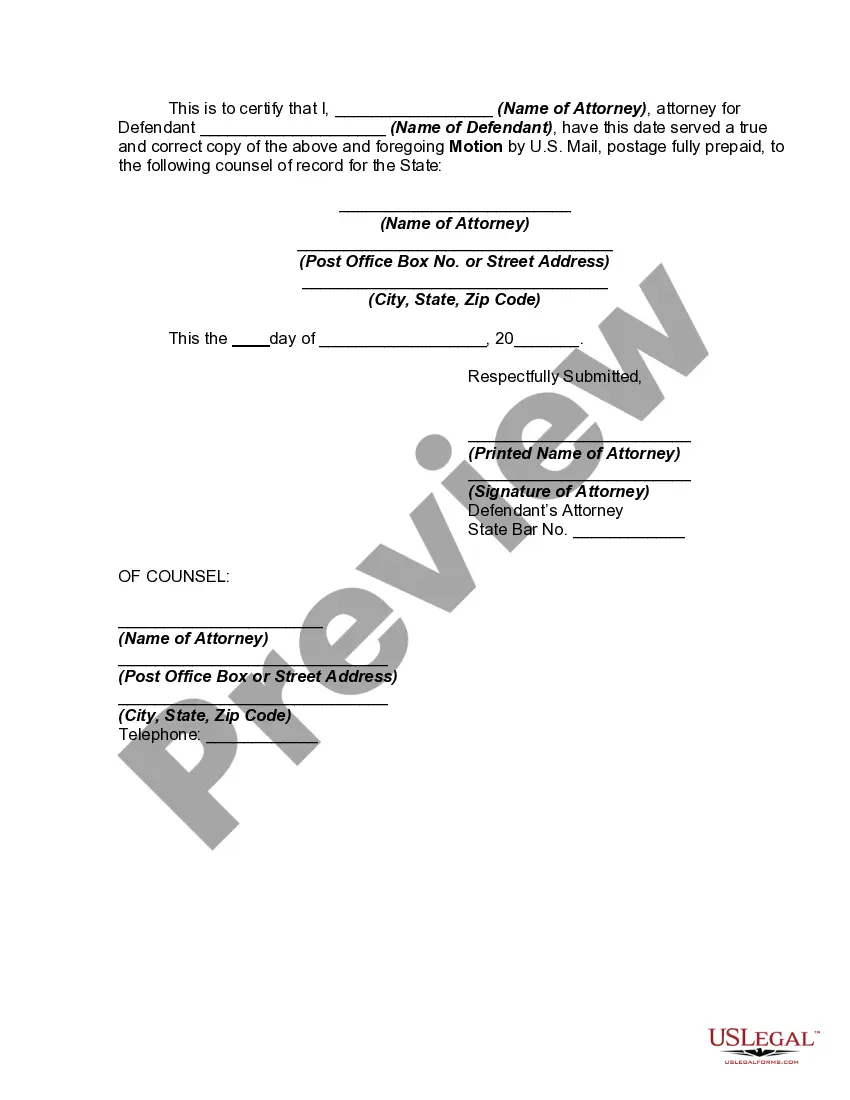
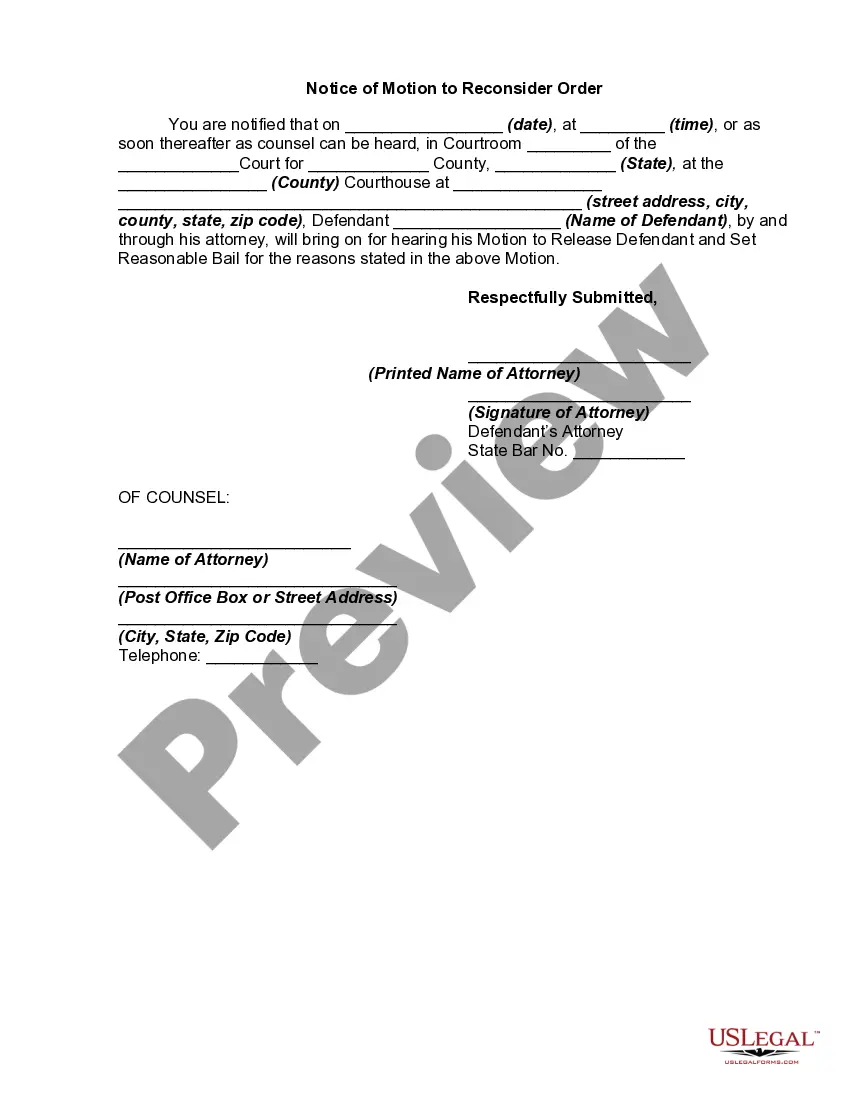
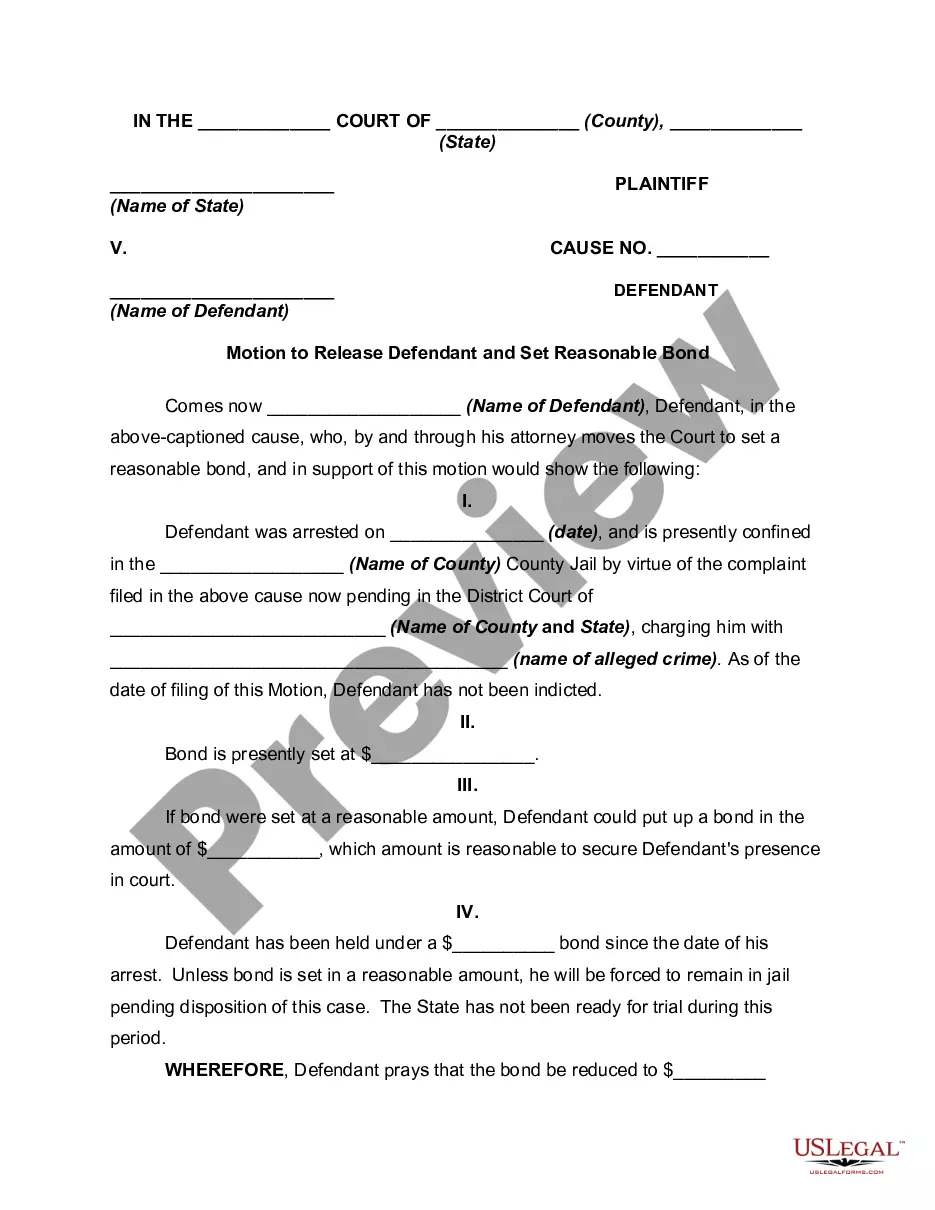
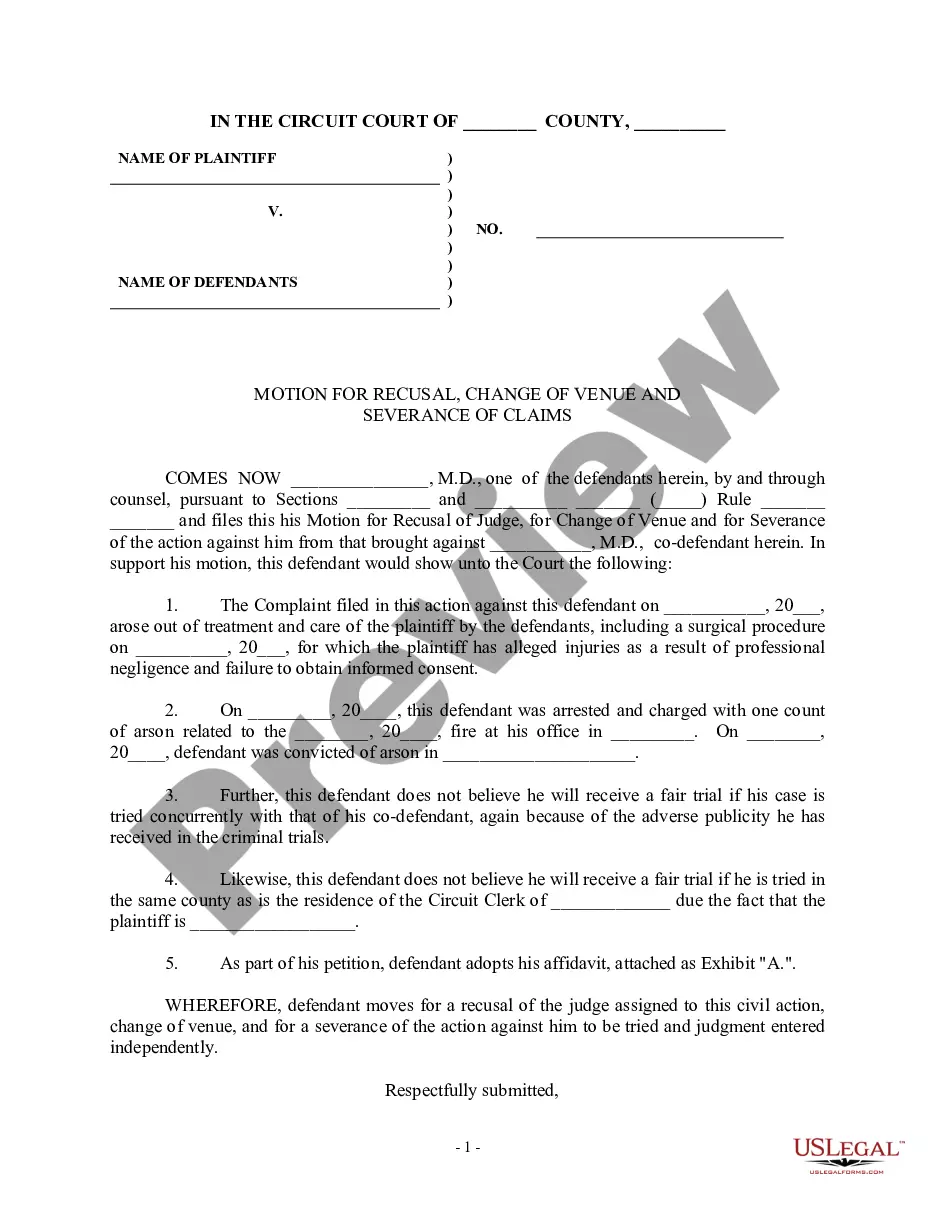
Get your form ready online
Our built-in tools help you complete, sign, share, and store your documents in one place.
Make edits, fill in missing information, and update formatting in US Legal Forms—just like you would in MS Word.
Download a copy, print it, send it by email, or mail it via USPS—whatever works best for your next step.
Sign and collect signatures with our SignNow integration. Send to multiple recipients, set reminders, and more. Go Premium to unlock E-Sign.
If this form requires notarization, complete it online through a secure video call—no need to meet a notary in person or wait for an appointment.
We protect your documents and personal data by following strict security and privacy standards.

Make edits, fill in missing information, and update formatting in US Legal Forms—just like you would in MS Word.

Download a copy, print it, send it by email, or mail it via USPS—whatever works best for your next step.

Sign and collect signatures with our SignNow integration. Send to multiple recipients, set reminders, and more. Go Premium to unlock E-Sign.

If this form requires notarization, complete it online through a secure video call—no need to meet a notary in person or wait for an appointment.

We protect your documents and personal data by following strict security and privacy standards.
Looking for another form?

Form popularity
FAQ
When a bond is forfeited in Texas, the court seizes the amount of the bond due to the defendant's failure to meet required appearances or conditions. This forfeiture can lead to significant financial implications for the defendant and their co-signers. Addressing this through a Motion to set bond sample forfeiture and exonerate can help mitigate such outcomes, enabling the defendant to possibly reclaim their bond.
The discharge of bond in Florida refers to the court's decision to terminate the bond's obligation once the case concludes or terms are fulfilled. It signifies that the defendant is no longer bound by the bond's conditions. This is often a significant step in a legal process where a Motion to set bond sample forfeiture and exonerate could play a supportive role.
A released bond indicates that a defendant has met the conditions set by the court, allowing them to exit the bond agreement. When a bond is released, the bondsman can reclaim the collateral provided. Utilizing the Motion to set bond sample forfeiture and exonerate can help expedite this process if the bond conditions are satisfied.
Discharging a bond means that the original obligations involved have been completed or released. In practical terms, this means the court no longer holds the bond as a surety for the defendant's appearance. This process can be crucial when you file a Motion to set bond sample forfeiture and exonerate, as it formally clears the bond conditions.
In Florida, bail refers to the amount required to release a defendant from jail while awaiting trial. A bond, on the other hand, is a document that allows a third party, usually a bail bondsman, to assure the court the defendant will appear. When you submit a Motion to set bond sample forfeiture and exonerate, it often involves adjusting the bail amount or circumstances surrounding that security.
If your bond is revoked in Texas, it means you will be taken back into custody, and you typically lose the bond amount you posted. Revocation occurs when the court believes your actions warrant such a decision, often due to missed court appearances or new charges. In such cases, you can explore options, such as submitting a motion to set bond sample forfeiture and exonerate, to navigate the legal complexities and attempt to regain your bond status.
Bond forfeiture in Texas occurs when a defendant fails to appear in court as required. This means the court may collect the bond amount, which was posted as security for the defendant's appearance. If you find yourself in this situation, a motion to set bond sample forfeiture and exonerate can provide a way to contest the forfeiture and possibly recover your bond.
