Adverse Possession Section With Sections
Description
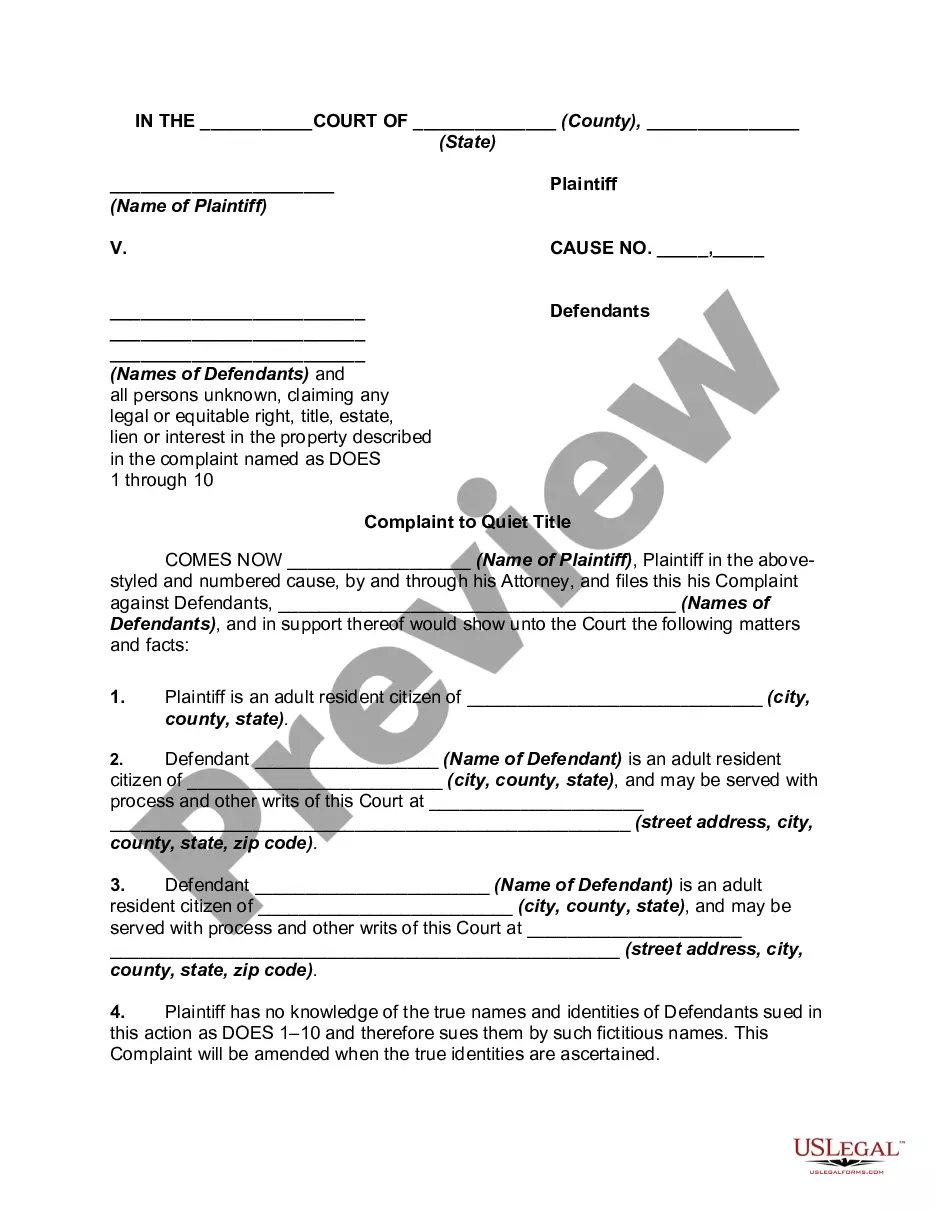
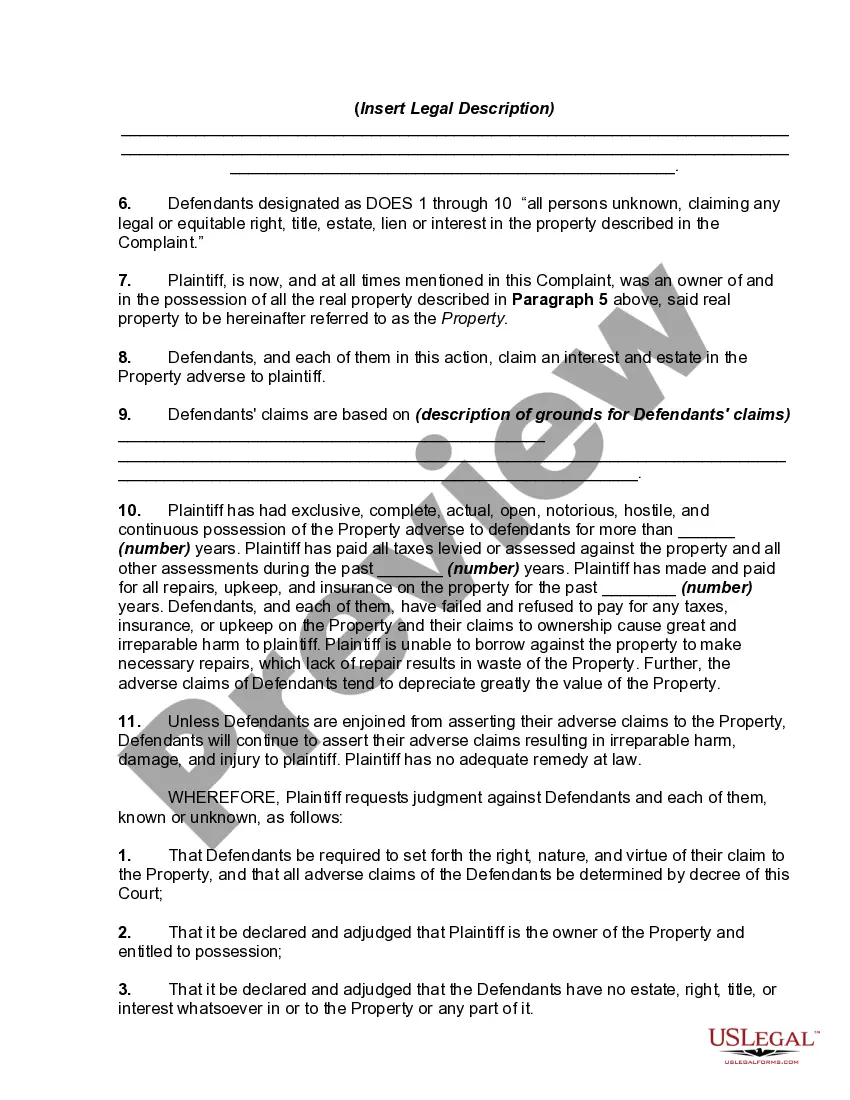
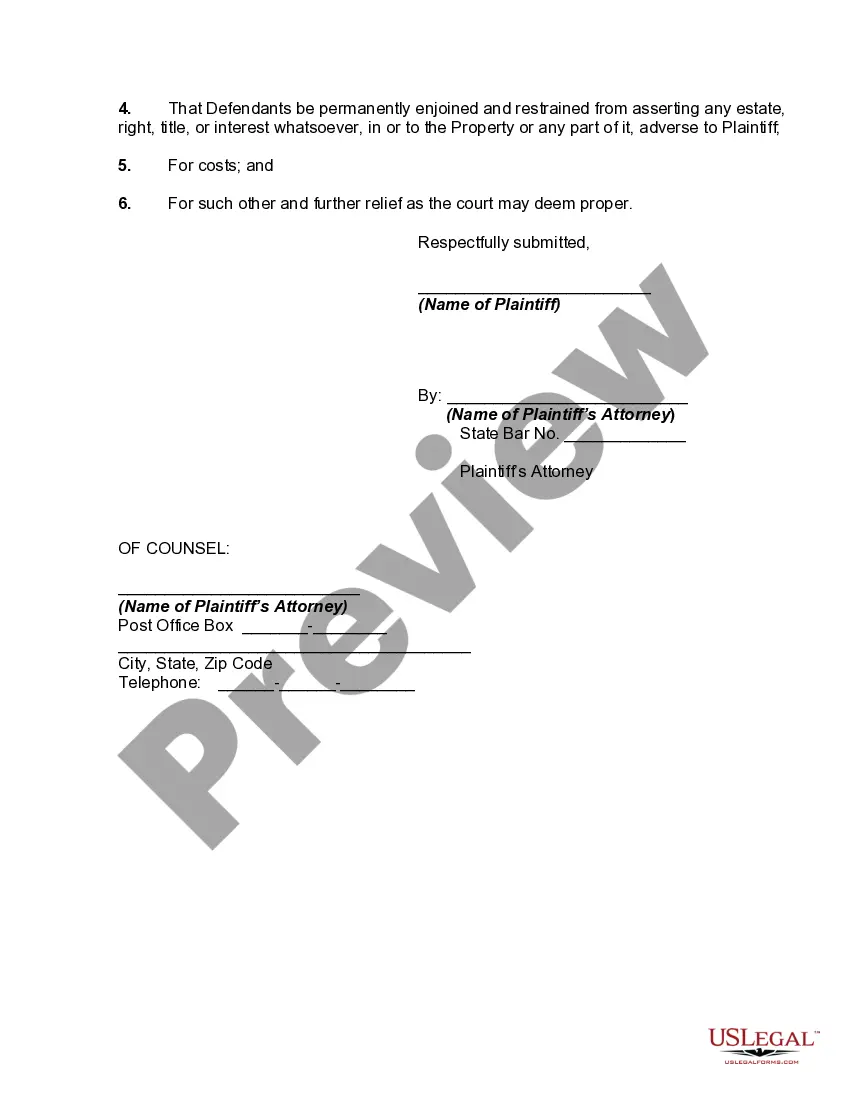
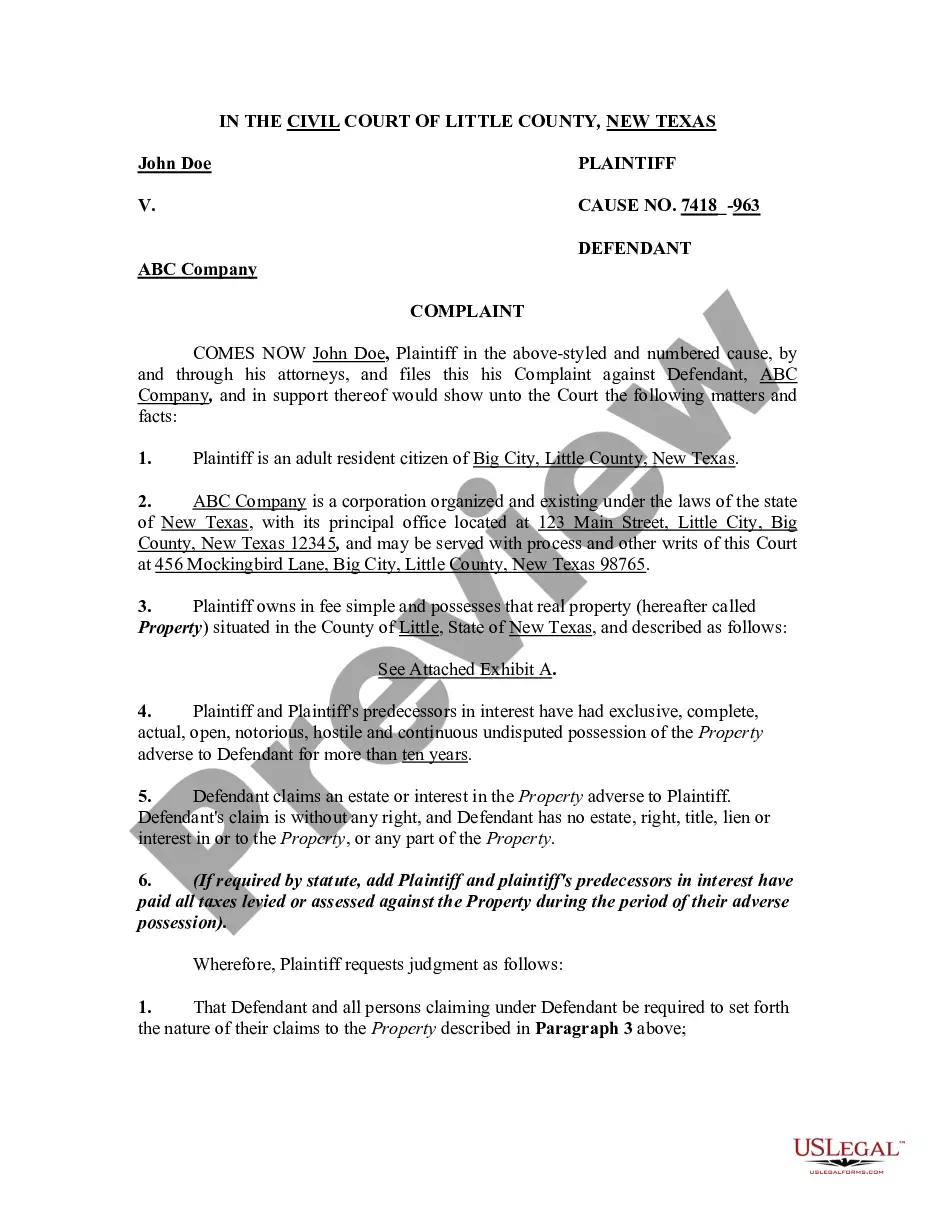
Get your form ready online
Our built-in tools help you complete, sign, share, and store your documents in one place.
Make edits, fill in missing information, and update formatting in US Legal Forms—just like you would in MS Word.
Download a copy, print it, send it by email, or mail it via USPS—whatever works best for your next step.
Sign and collect signatures with our SignNow integration. Send to multiple recipients, set reminders, and more. Go Premium to unlock E-Sign.
If this form requires notarization, complete it online through a secure video call—no need to meet a notary in person or wait for an appointment.
We protect your documents and personal data by following strict security and privacy standards.

Make edits, fill in missing information, and update formatting in US Legal Forms—just like you would in MS Word.

Download a copy, print it, send it by email, or mail it via USPS—whatever works best for your next step.

Sign and collect signatures with our SignNow integration. Send to multiple recipients, set reminders, and more. Go Premium to unlock E-Sign.

If this form requires notarization, complete it online through a secure video call—no need to meet a notary in person or wait for an appointment.

We protect your documents and personal data by following strict security and privacy standards.
Looking for another form?

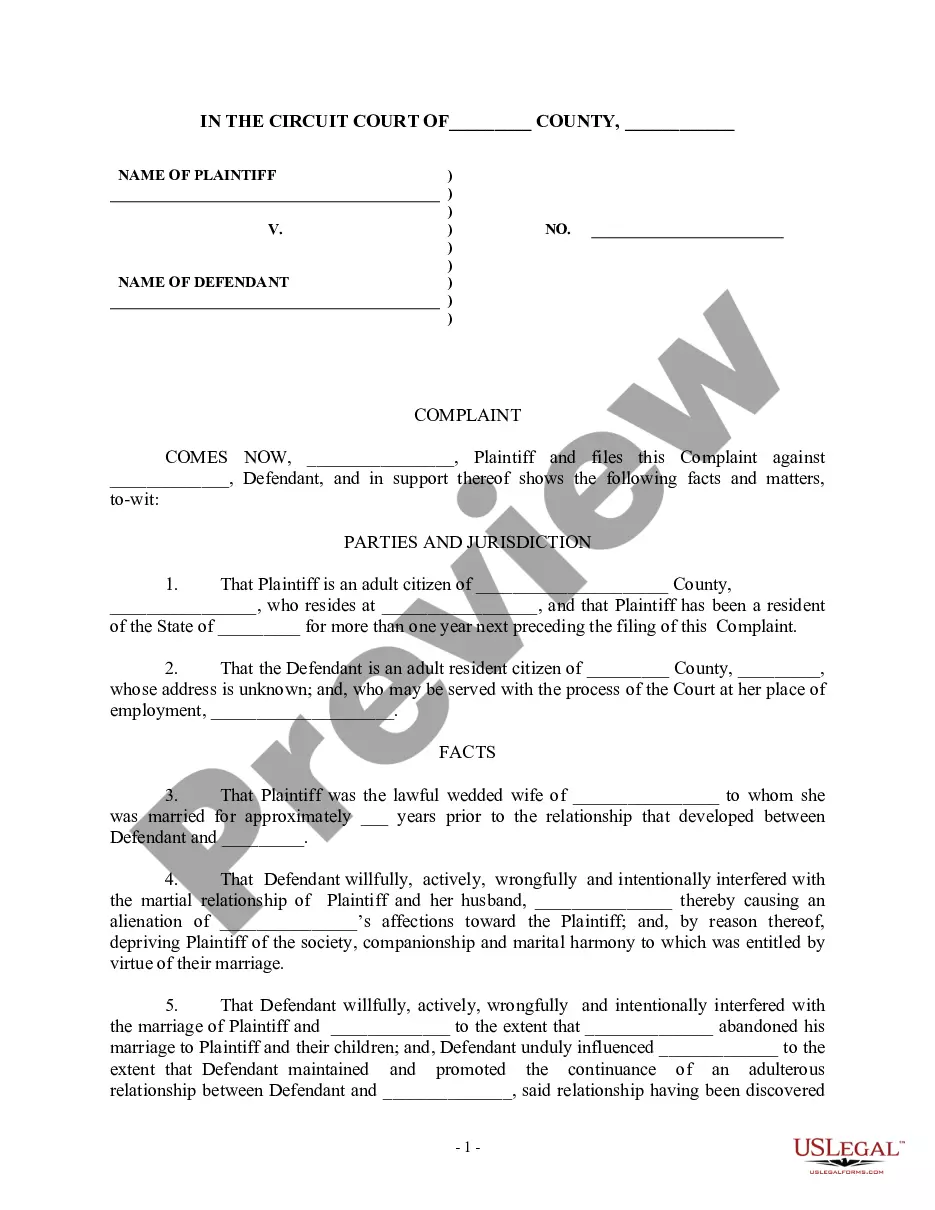
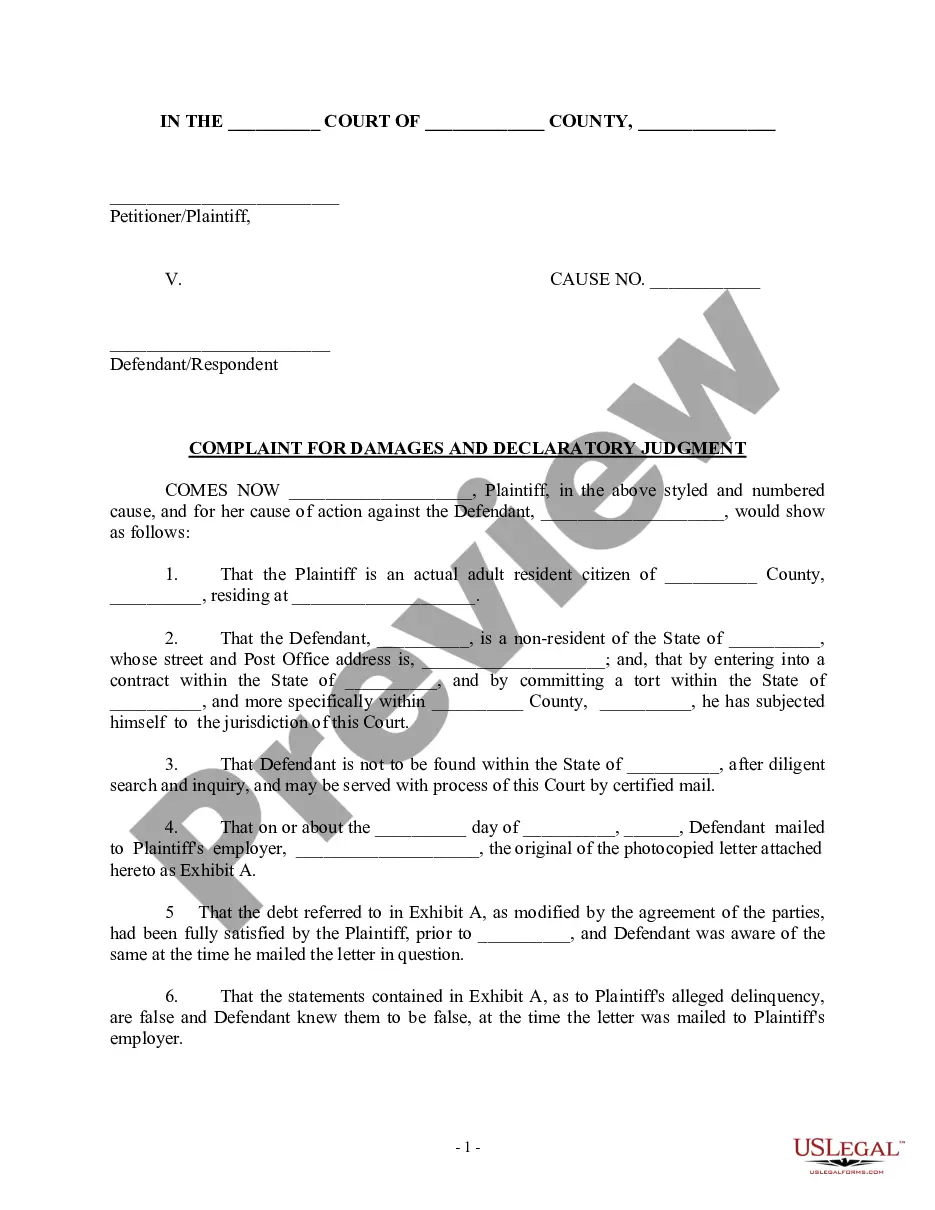
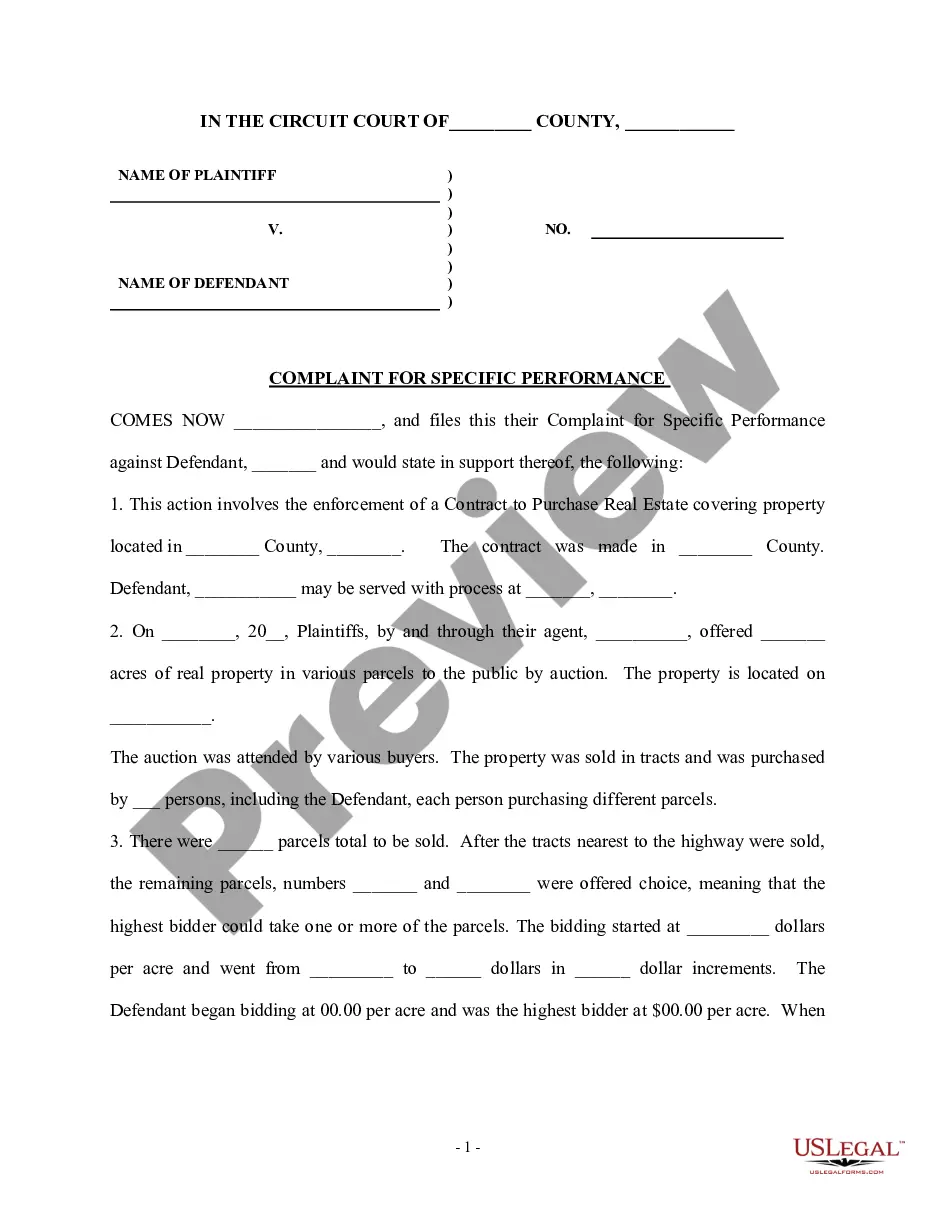
How to fill out Complaint To Quiet Title By Adverse Possessor With Unknown Defendants?
- If you're a returning user, log in to your account and click the Download button for your required form. Confirm your subscription is valid; if it’s expired, make sure to renew it based on your payment plan.
- For first-time users, start by previewing the form and reading its description to ensure it fits your legal needs and complies with local regulations.
- If you need a different template, use the Search bar at the top to find the right one. Once located, ensure it’s suitable and proceed.
- Purchase the selected document by clicking the Buy Now button. Choose your preferred subscription plan, and create an account to unlock full access to the form library.
- Finalize your purchase by entering your payment information—either through credit card or PayPal—and confirm your transaction.
- After your purchase is complete, download the form and save it on your device. You can always revisit it in the My Forms section of your profile.
In conclusion, US Legal Forms is designed to empower both individuals and legal professionals by providing a systematic way to access a variety of essential legal documents. With over 85,000 forms available, you can navigate legal requirements efficiently.
Start your journey towards legal clarity—visit US Legal Forms today!
Form popularity
FAQ
In Virginia, the typical duration required for an adverse possession claim is 15 years. This period must involve uninterrupted and exclusive possession of the property to meet legal standards. Understanding the timelines outlined in the adverse possession section with sections can greatly assist you in assessing your eligibility and planning your next steps.
Fact patterns for adverse possession often involve scenarios where a person occupies land without the owner's permission, using it as if it were their own. Typical examples include building structures, farming, or maintaining a property over time. These patterns highlight the importance of the adverse possession section with sections, as they can provide clearer examples that may apply to your situation.
The five requirements for adverse possession in Virginia include actual possession, open and notorious use, exclusive and continuous possession, adverse or hostile use, and the statutory time period of 15 years. Meeting these criteria is crucial for a successful claim, and you may need to gather evidence to support your case. Learning more about the adverse possession section with sections can clarify each requirement.
To claim adverse possession in Virginia, a person must occupy the property in a way that is open, notorious, exclusive, and continuous for a specific period—typically 15 years. You must demonstrate that your possession is without the owner's permission and that you treat the property as your own. Consulting the adverse possession section with sections can provide valuable insights and support in navigating this process.
Generally, states like Texas and California are considered to have easier adverse possession laws compared to others. These states often have more accommodating timelines and fewer requirements, making it easier for individuals to claim ownership. Understanding each state's adverse possession section with sections can illuminate the best course of action for your situation.
You might say, 'The couple claimed their new home through adverse possession after living there for over a decade.' This demonstrates how the term applies in a real-world scenario. To navigate this complex area, reviewing resources found in the adverse possession section with sections on platforms like uslegalforms can be beneficial.
In the context of adverse possession, 'actual' refers to the physical presence and use of the property by the possessor. This means that the individual must occupy the land and demonstrate specific activities that show control over it. The adverse possession section with sections emphasizes the importance of this requirement for a successful claim.
Yes, adverse possession is legal in the United States, but specific laws vary by state. Generally, this legal doctrine allows a person to claim ownership of land under certain conditions. The adverse possession section with sections outlines these requirements, which typically include continuous use and the property owner's lack of objection.
You can use adverse effects in a sentence by stating, 'The adverse effects of prolonged exposure to harmful chemicals can cause serious health issues.' This shows how the term relates to negative impacts. Understanding phrases like this can help you articulate concerns within the adverse possession section with sections of legal discussions.
A common misconception is that paying property taxes is a universal requirement for adverse possession; however, this is not mandatory in all jurisdictions. Other key elements must align with legal definitions, and failing to meet these can nullify the claim. Exploring the guidelines available via US Legal Forms can clarify these requirements, ensuring you're equipped with the right knowledge.