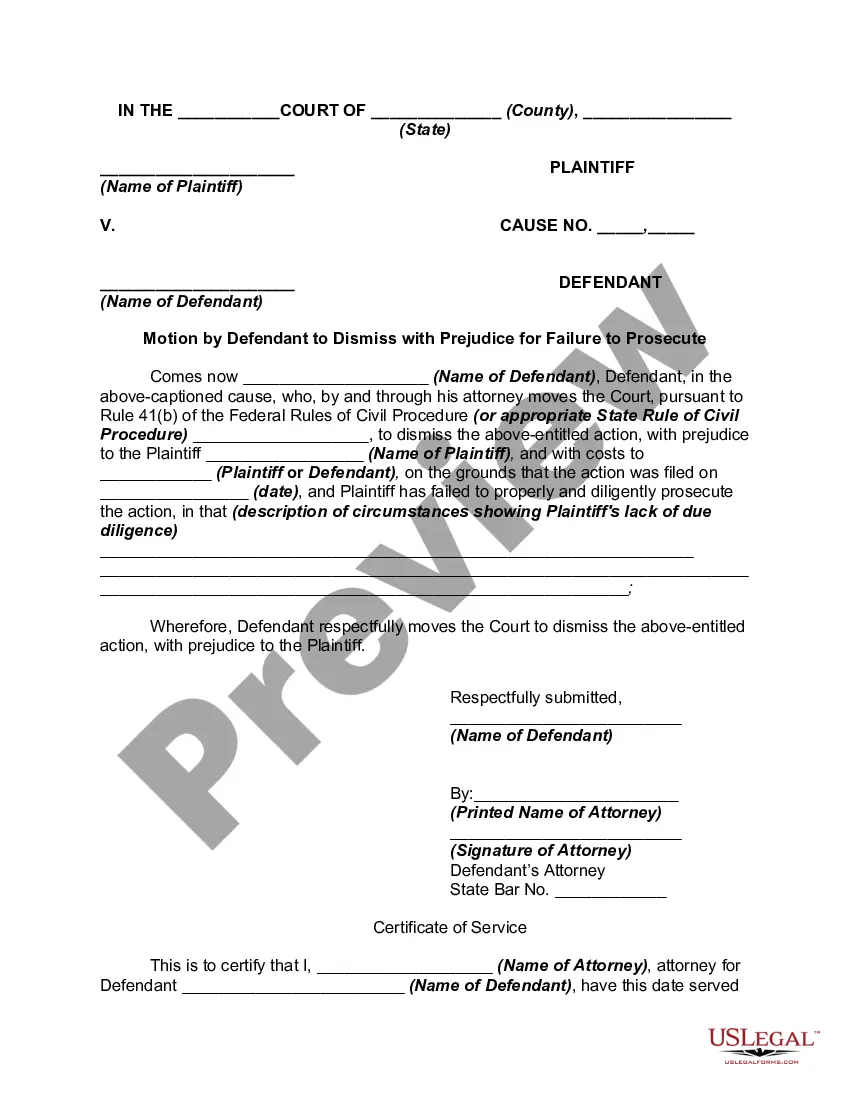
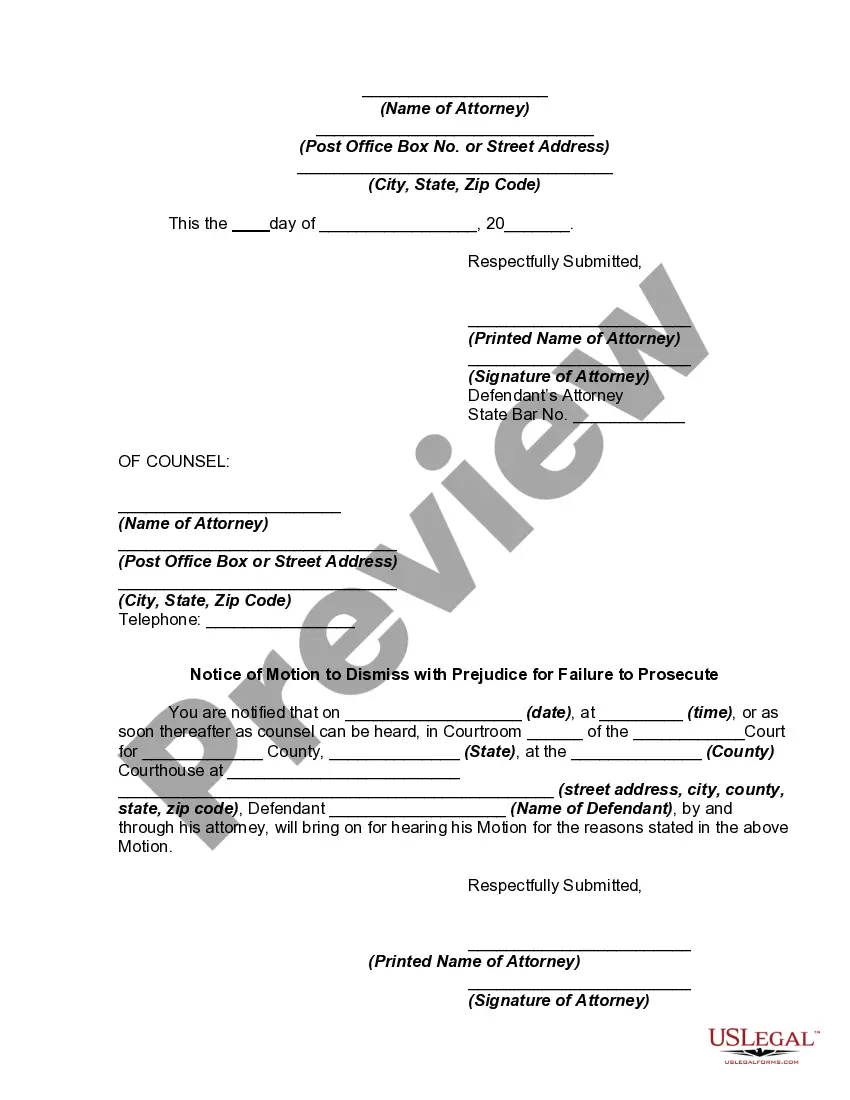
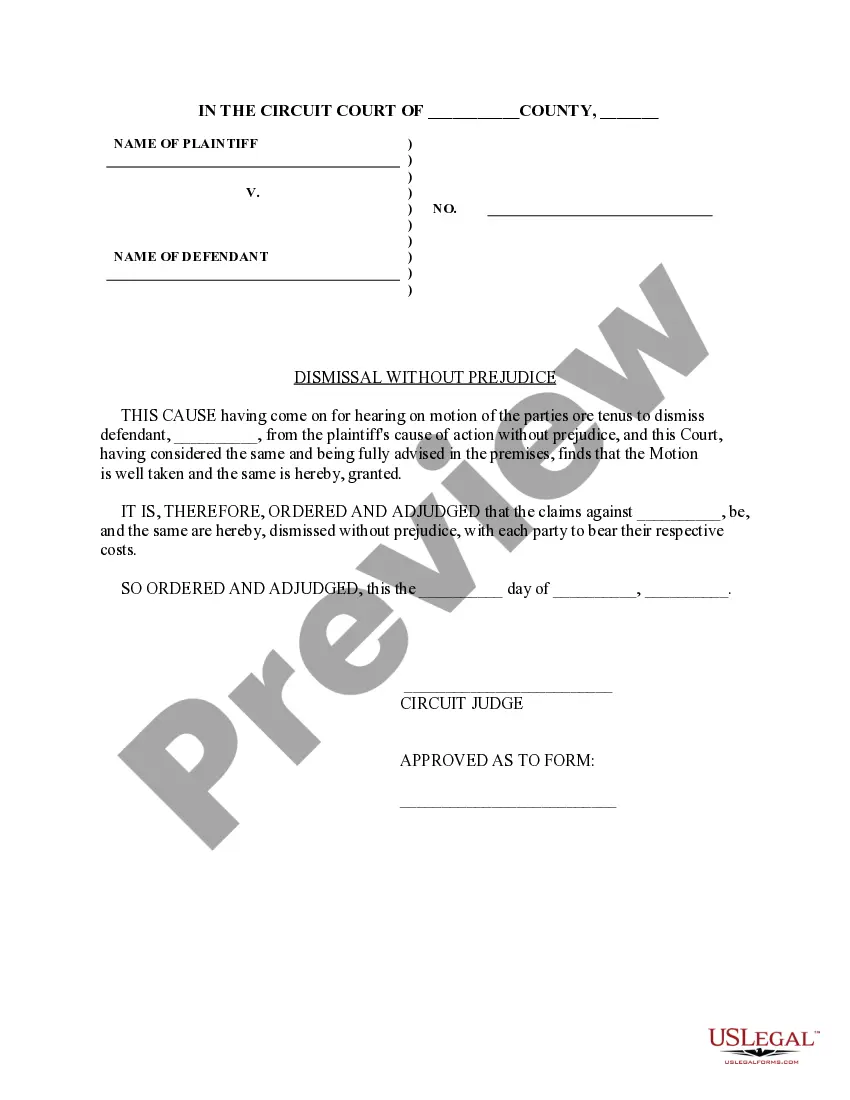
Motion To Dismiss Based On Failure To Prosecute
Description
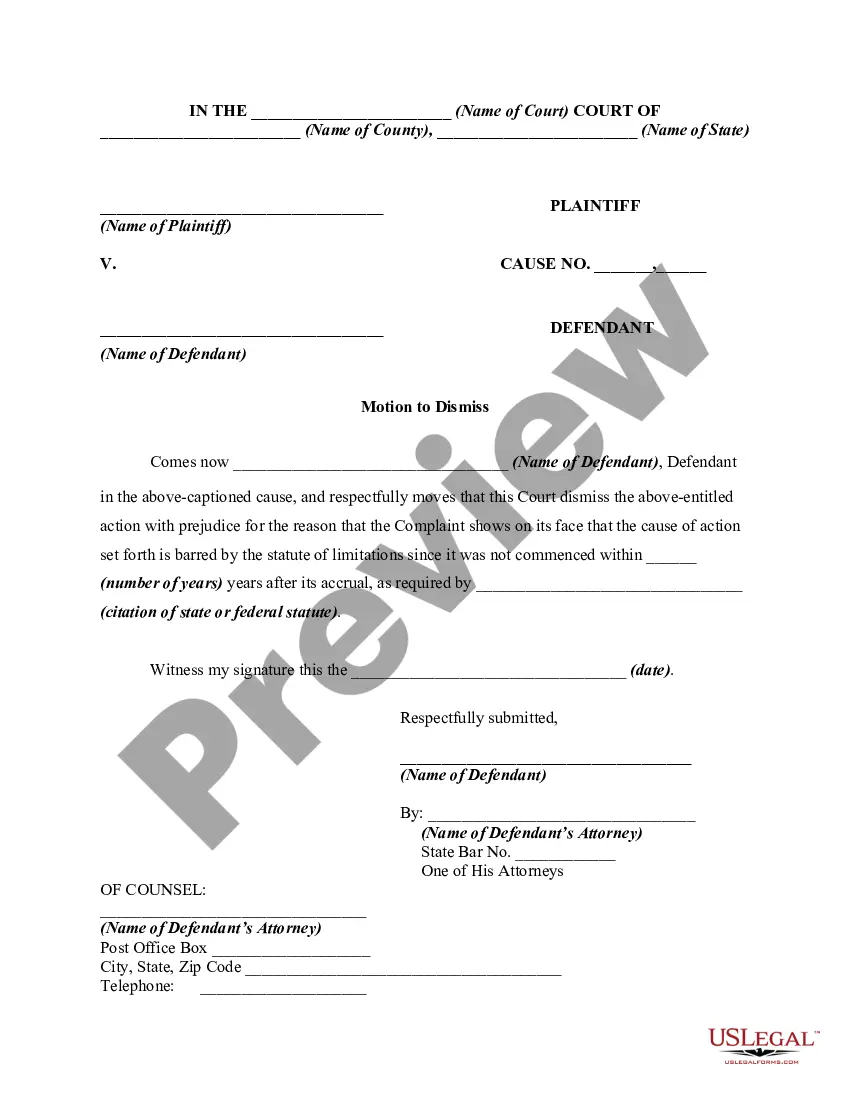
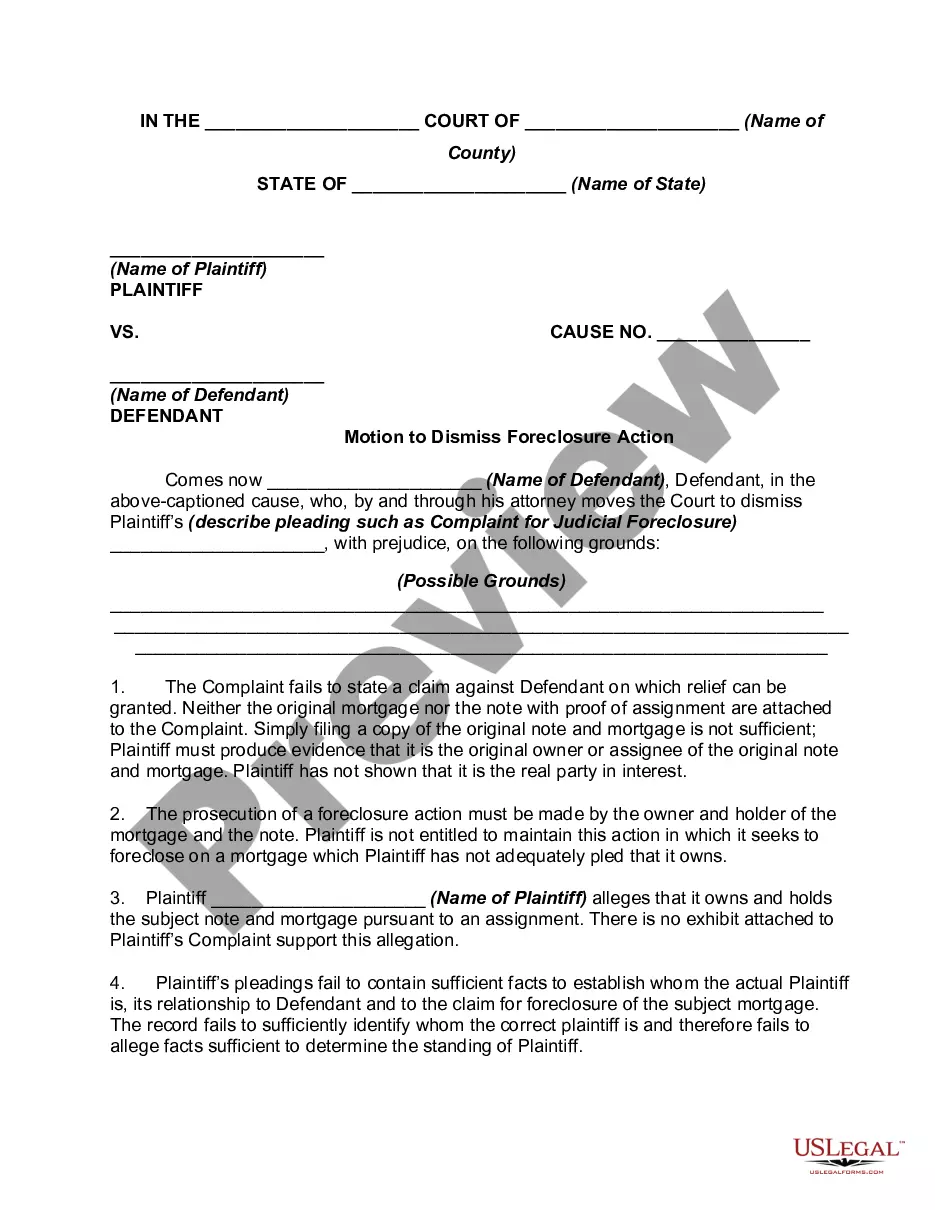
Get your form ready online
Our built-in tools help you complete, sign, share, and store your documents in one place.
Make edits, fill in missing information, and update formatting in US Legal Forms—just like you would in MS Word.
Download a copy, print it, send it by email, or mail it via USPS—whatever works best for your next step.
Sign and collect signatures with our SignNow integration. Send to multiple recipients, set reminders, and more. Go Premium to unlock E-Sign.
If this form requires notarization, complete it online through a secure video call—no need to meet a notary in person or wait for an appointment.
We protect your documents and personal data by following strict security and privacy standards.

Make edits, fill in missing information, and update formatting in US Legal Forms—just like you would in MS Word.

Download a copy, print it, send it by email, or mail it via USPS—whatever works best for your next step.

Sign and collect signatures with our SignNow integration. Send to multiple recipients, set reminders, and more. Go Premium to unlock E-Sign.

If this form requires notarization, complete it online through a secure video call—no need to meet a notary in person or wait for an appointment.

We protect your documents and personal data by following strict security and privacy standards.
Looking for another form?



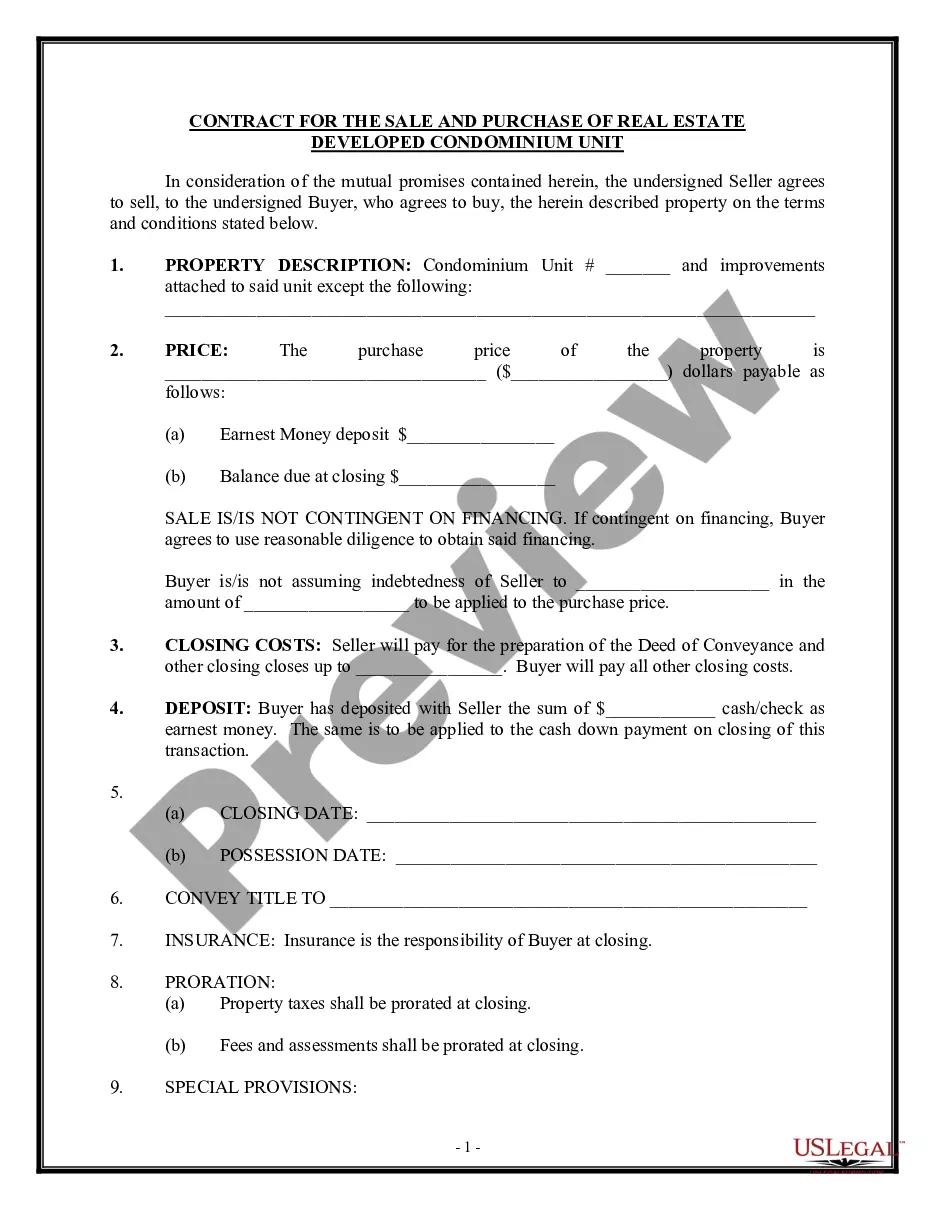



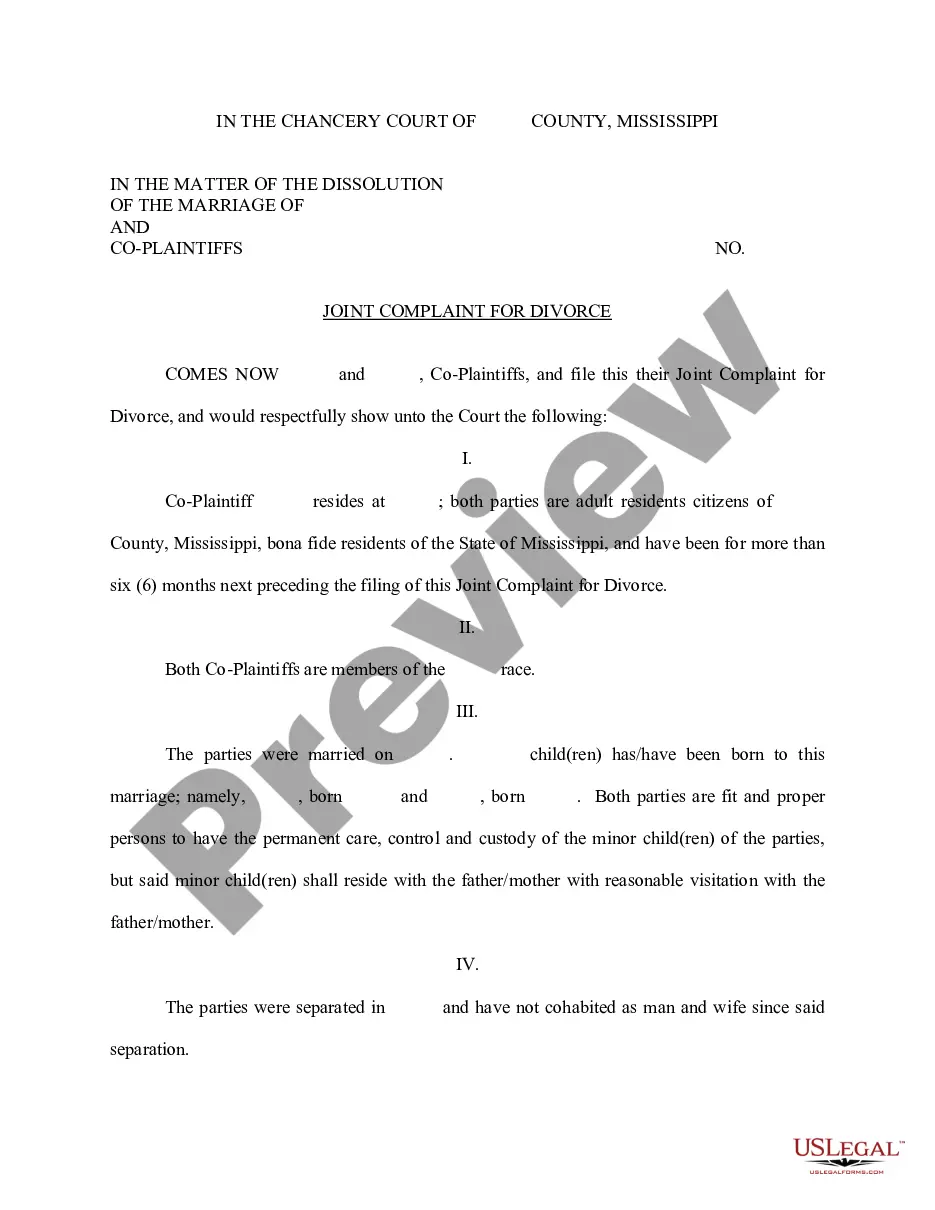


How to fill out Motion By Defendant To Dismiss With Prejudice For Failure To Prosecute?
The Motion To Dismiss Based On Failure To Prosecute you see on this page is a reusable legal template drafted by professional lawyers in compliance with federal and state laws and regulations. For more than 25 years, US Legal Forms has provided individuals, organizations, and legal professionals with more than 85,000 verified, state-specific forms for any business and personal situation. It’s the fastest, easiest and most reliable way to obtain the documents you need, as the service guarantees the highest level of data security and anti-malware protection.
Getting this Motion To Dismiss Based On Failure To Prosecute will take you only a few simple steps:
- Search for the document you need and check it. Look through the file you searched and preview it or check the form description to verify it satisfies your needs. If it does not, make use of the search option to get the correct one. Click Buy Now once you have located the template you need.
- Sign up and log in. Opt for the pricing plan that suits you and register for an account. Use PayPal or a credit card to make a quick payment. If you already have an account, log in and check your subscription to continue.
- Acquire the fillable template. Select the format you want for your Motion To Dismiss Based On Failure To Prosecute (PDF, DOCX, RTF) and download the sample on your device.
- Fill out and sign the paperwork. Print out the template to complete it manually. Alternatively, use an online multi-functional PDF editor to quickly and accurately fill out and sign your form with a eSignature.
- Download your paperwork one more time. Use the same document once again whenever needed. Open the My Forms tab in your profile to redownload any earlier saved forms.
Sign up for US Legal Forms to have verified legal templates for all of life’s circumstances at your disposal.
Form popularity
FAQ
The only remedy for failure to prosecute (Code Civ. Proc., § 581(b)(4)) and failure to appear at trial (Code Civ. Proc., § 581(b)(5)) is dismissal "without prejudice." Until such a dismissal is signed, the plaintiff may simply refile the action. That is why a dismissal without prejudice is not appealable.
These include dismissals for: (b)(1) a lack of subject-matter jurisdiction. (b)(2) a lack of personal jurisdiction. (b)(3) improper venue.
Lack of prosecution means that a person who started a legal case did not continue with it. This can lead to the case being dismissed or thrown out. It is also called "want of prosecution" or "no progress".
There are several different types of post-judgment motions, but the most common are motions for new trial, motions to vacate, and motions to set-aside. Motions for new trial, motions to vacate, and motions to set-aside are the three most common post-judgment motions.
The consequences of a lack of prosecution can include prejudice to the defendant, waiver of the plaintiff's claims, and dismissal with or without prejudice. Prejudice to the defendant can occur if they are found guilty despite having a valid defense, which could have been used during proceedings had they continued.