Motion Judgment Dismiss With The Pleadings
Description
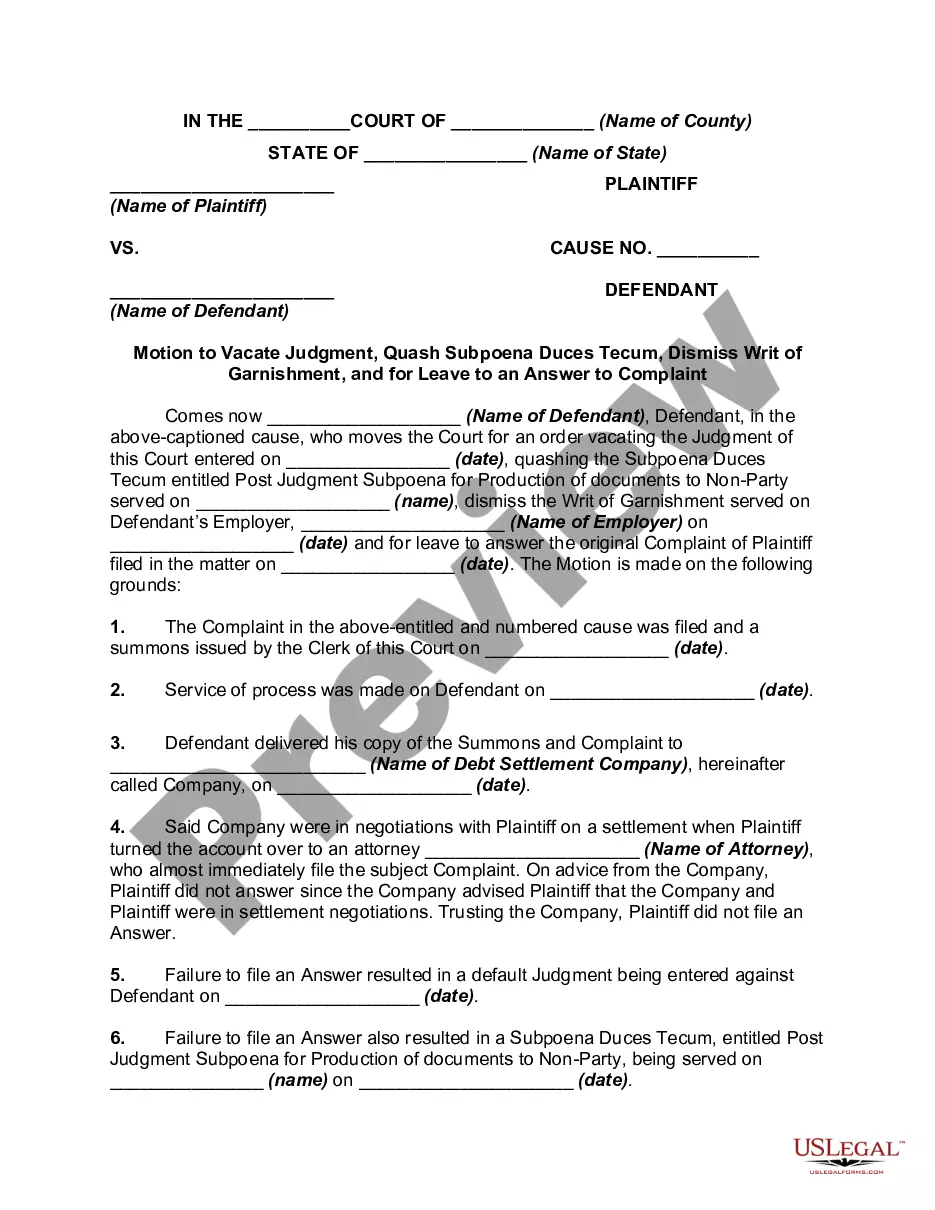
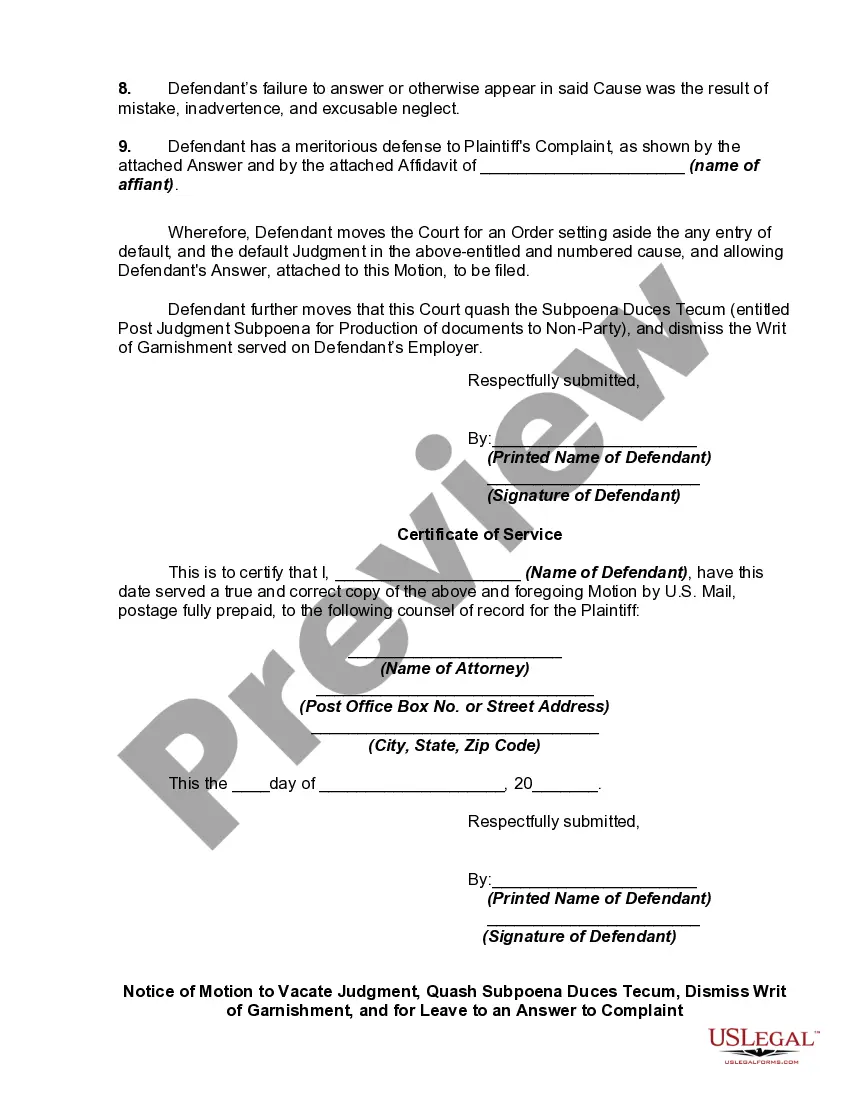
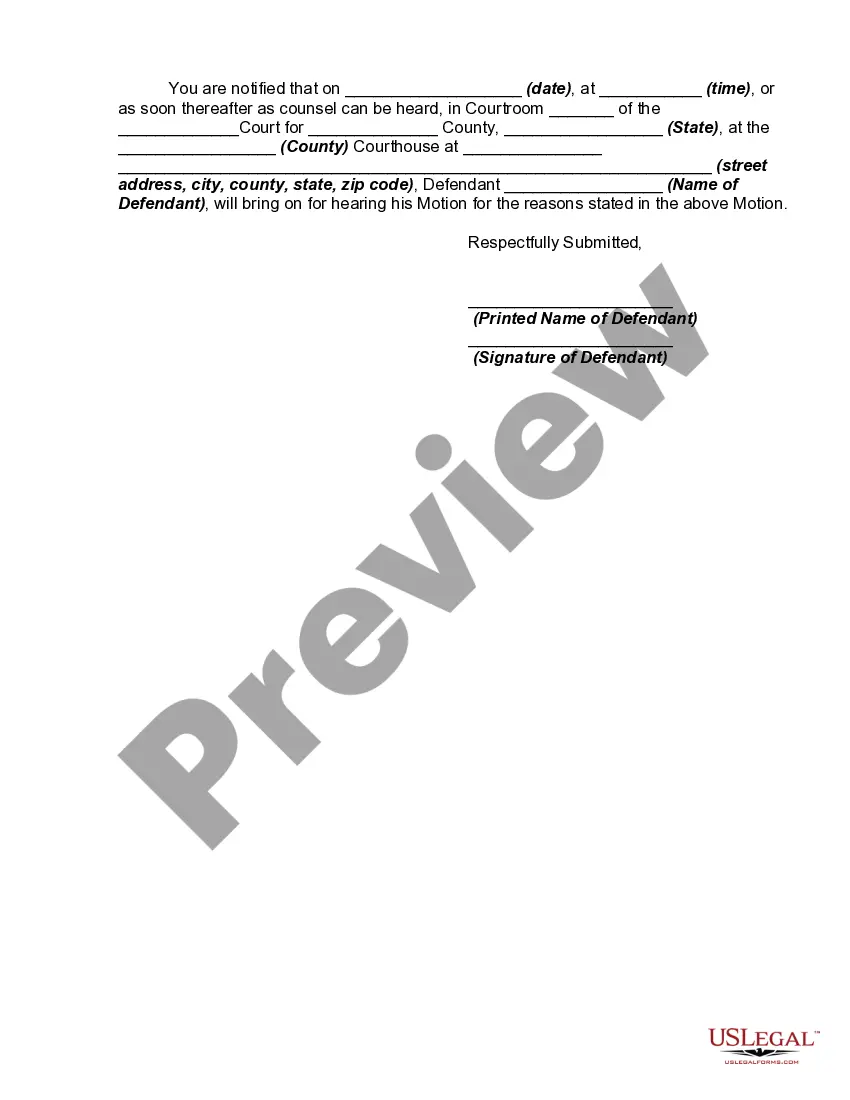
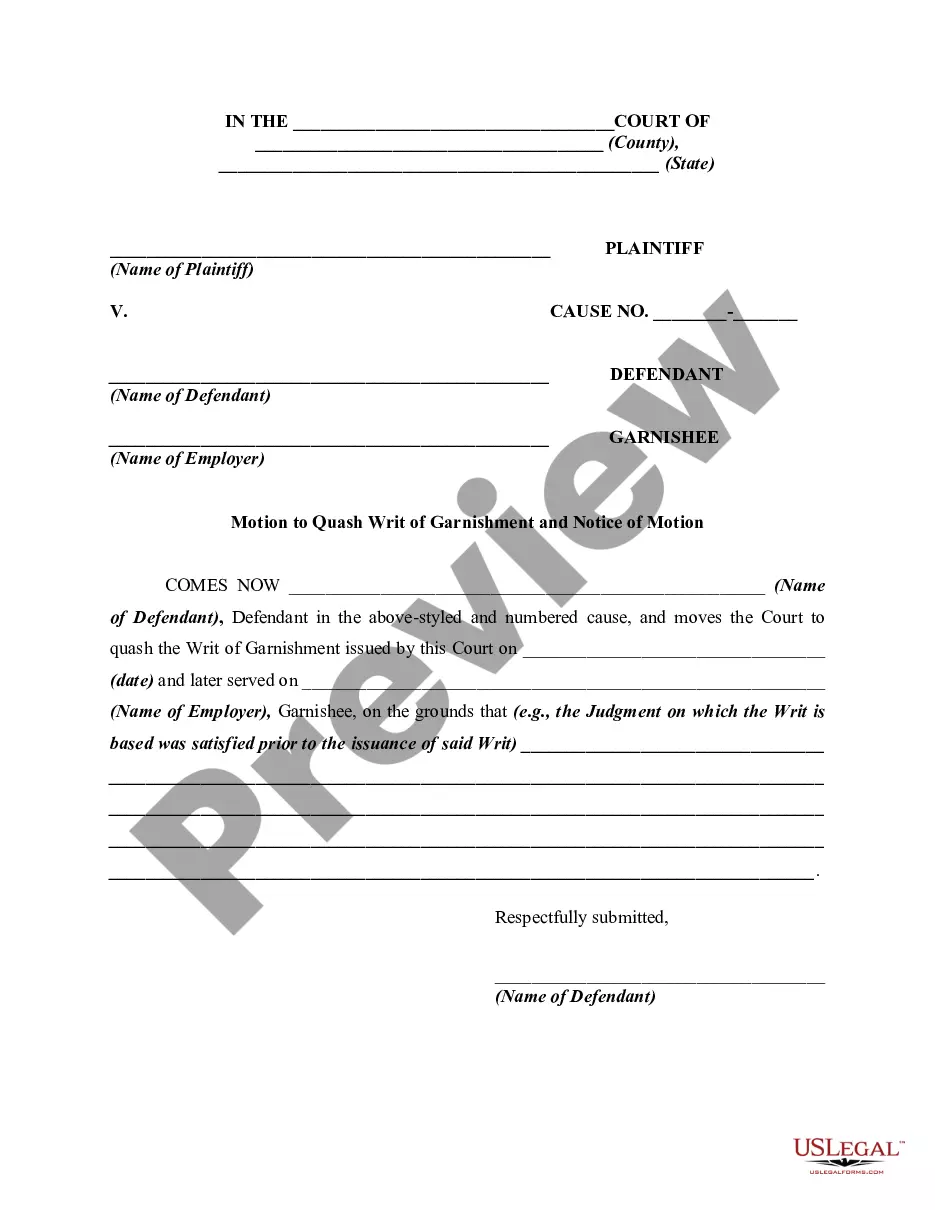
Get your form ready online
Our built-in tools help you complete, sign, share, and store your documents in one place.
Make edits, fill in missing information, and update formatting in US Legal Forms—just like you would in MS Word.
Download a copy, print it, send it by email, or mail it via USPS—whatever works best for your next step.
Sign and collect signatures with our SignNow integration. Send to multiple recipients, set reminders, and more. Go Premium to unlock E-Sign.
If this form requires notarization, complete it online through a secure video call—no need to meet a notary in person or wait for an appointment.
We protect your documents and personal data by following strict security and privacy standards.

Make edits, fill in missing information, and update formatting in US Legal Forms—just like you would in MS Word.

Download a copy, print it, send it by email, or mail it via USPS—whatever works best for your next step.

Sign and collect signatures with our SignNow integration. Send to multiple recipients, set reminders, and more. Go Premium to unlock E-Sign.

If this form requires notarization, complete it online through a secure video call—no need to meet a notary in person or wait for an appointment.

We protect your documents and personal data by following strict security and privacy standards.
Looking for another form?
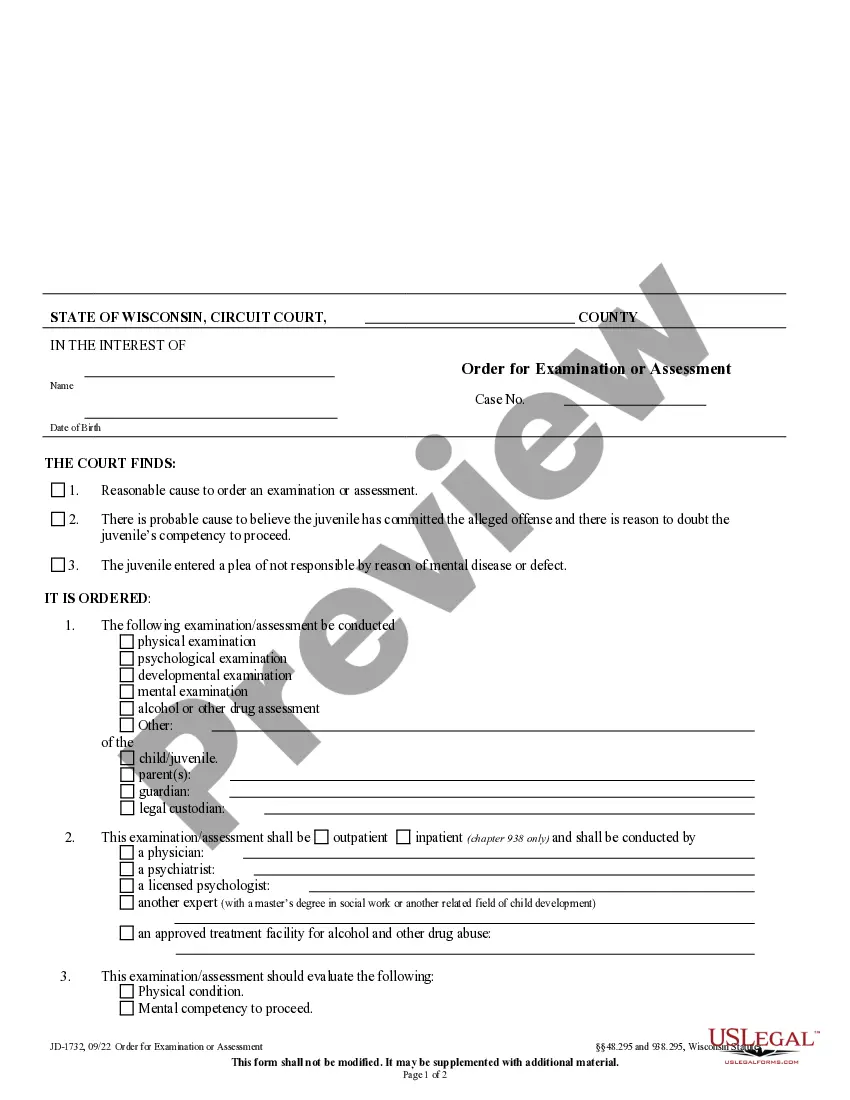
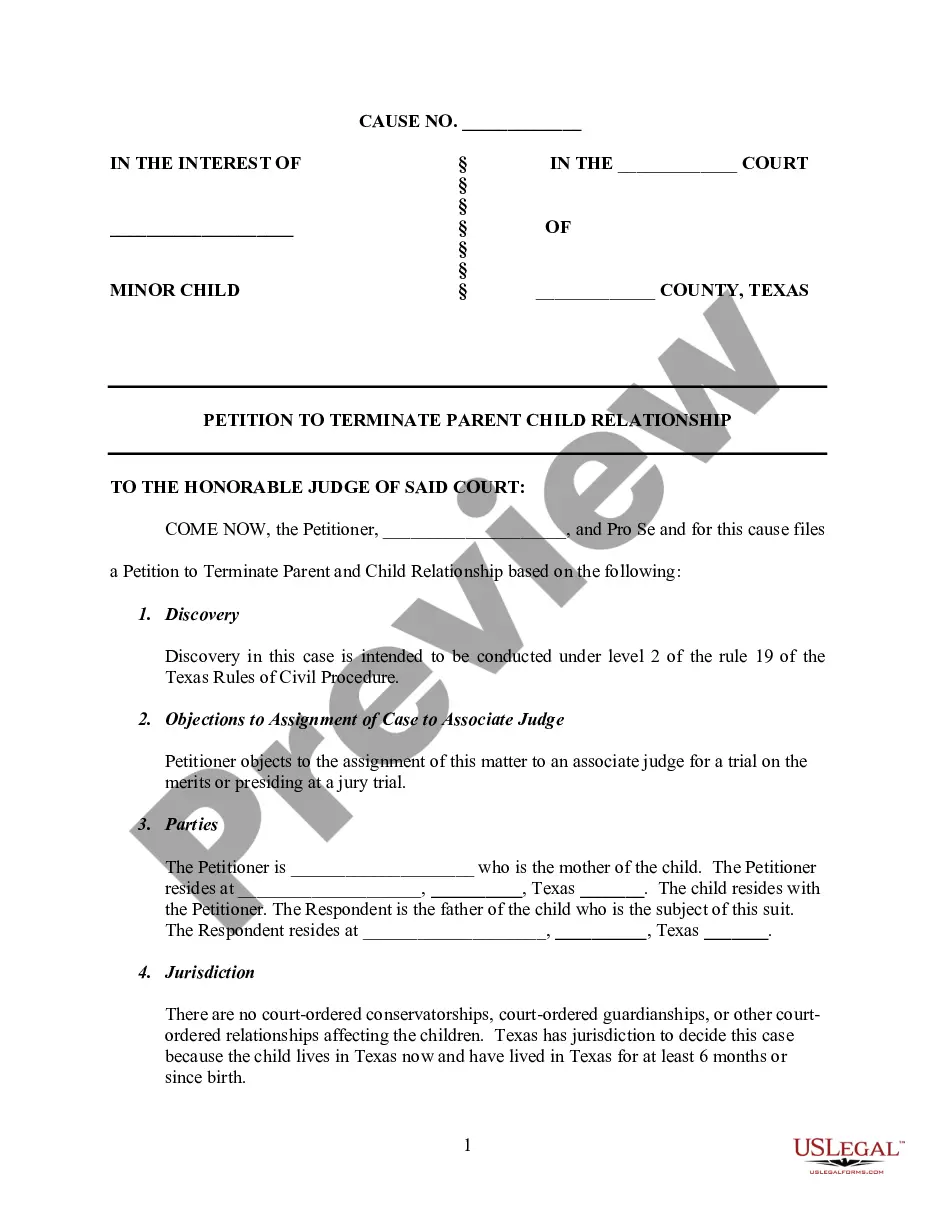







How to fill out Motion To Vacate Judgment, Quash Subpoena Duces Tecum, Dismiss Writ Of Garnishment, And For Leave To File An Answer To Complaint?
Acquiring legal documents that adhere to federal and state laws is essential, and the internet provides a multitude of alternatives to consider.
However, what is the advantage of spending time hunting for the right Motion Judgment Dismiss With The Pleadings template online when the US Legal Forms digital repository has such documents collected in one location.
US Legal Forms is the largest online legal repository featuring over 85,000 customizable templates crafted by attorneys for various professional and personal circumstances.
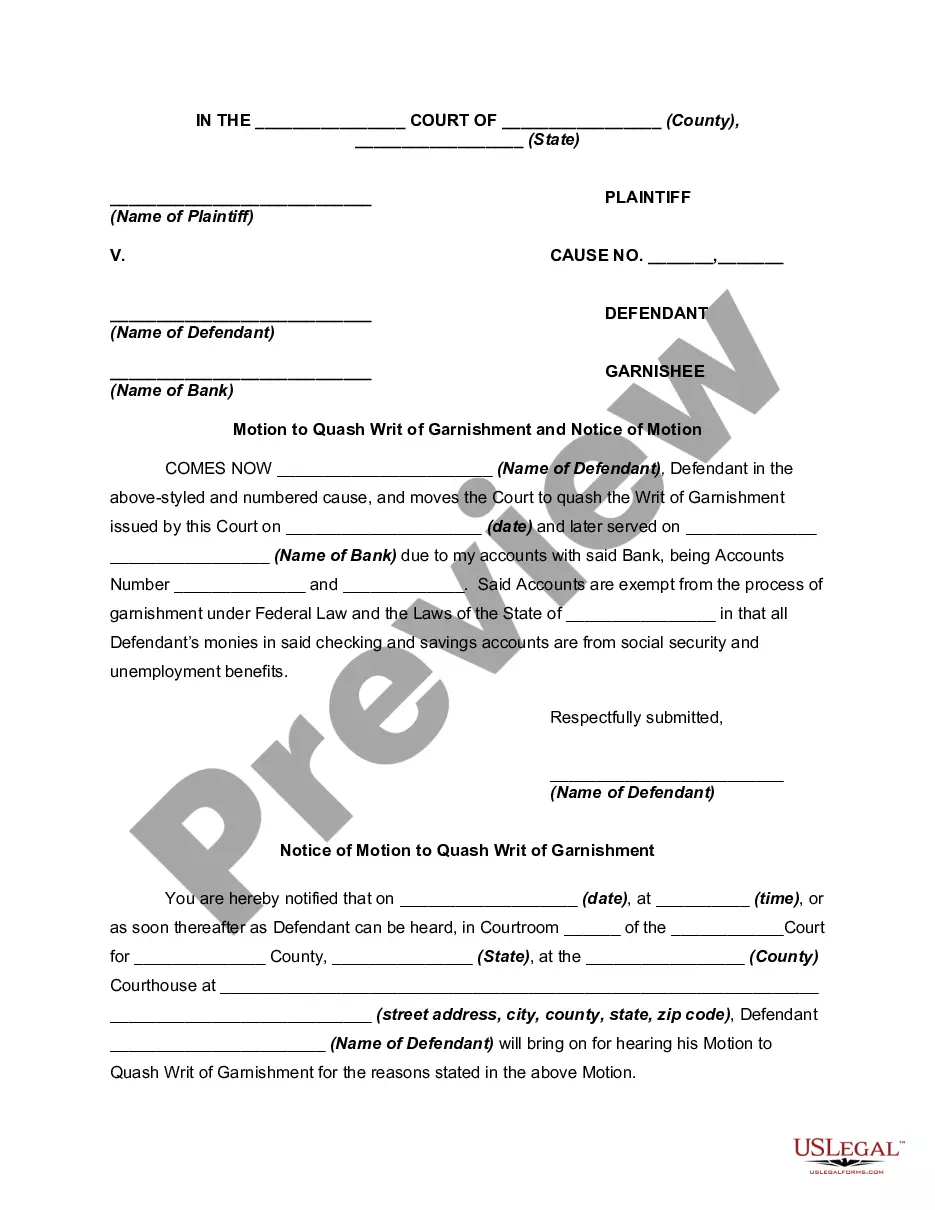
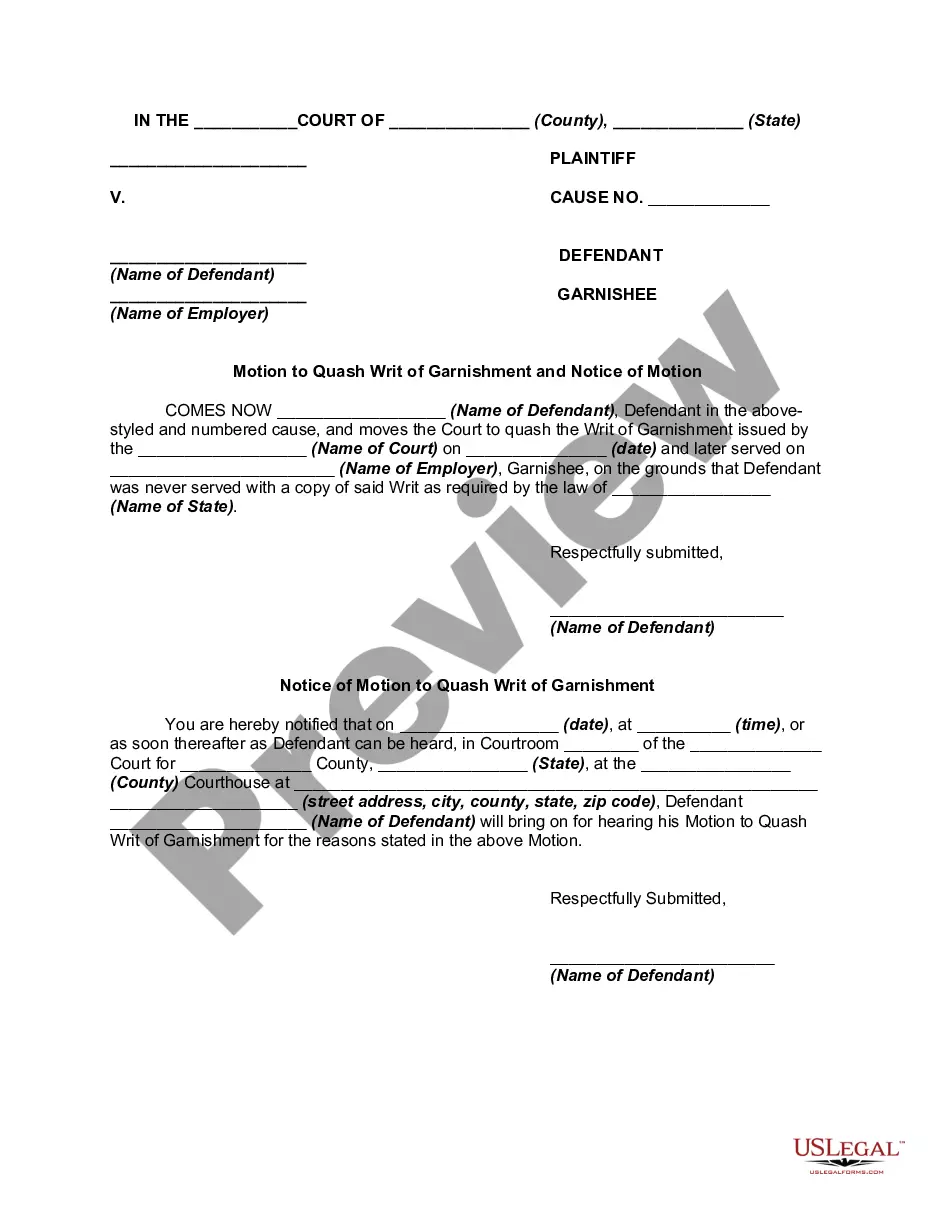
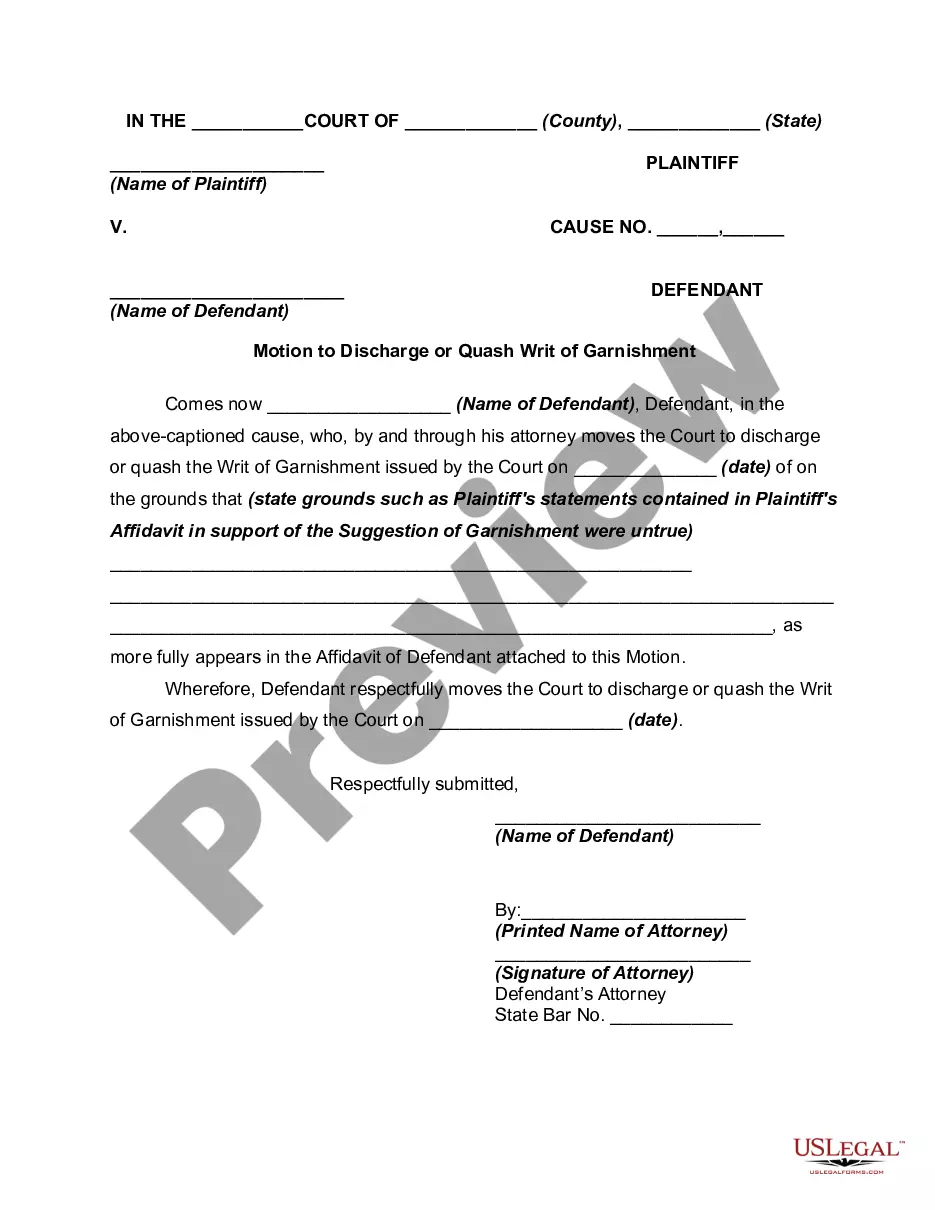
Examine the template using the Preview function or through the text description to ensure it meets your requirements.
- They are easy to navigate with all files organized by state and intended use.
- Our experts keep up with legal updates, ensuring that your form remains current and compliant when obtaining a Motion Judgment Dismiss With The Pleadings from our site.
- Acquiring a Motion Judgment Dismiss With The Pleadings is quick and straightforward for both existing and new users.
- If you already have an account with an active subscription, sign in and save the document template you need in the correct format.
- If you are unfamiliar with our site, follow these steps.
Form popularity
FAQ
The person who sues is called the plaintiff. The person being sued is called the defendant.
After discussing the claim with the plaintiff's attorney, the defendant must file an answer to the complaint. The answer tells the court in what ways the plaintiff's prima facie case is defective and to assert any affirmative defenses. This is also the time to object if the case has been brought in the wrong court.
After discussing the claim with the plaintiff's attorney, the defendant must file an answer to the complaint. The answer tells the court in what ways the plaintiff's prima facie case is defective and to assert any affirmative defenses. This is also the time to object if the case has been brought in the wrong court.
Ing to Connecticut Practice Book section 10-30, any defendant, wishing to question the court's personal jurisdiction or insufficiency of process or service, shall file a motion to dismiss within thirty days of the filing of his or her appearance.
If you filed the case, you can ask that it be dismissed. Depending on the circumstances, the judge may dismiss it with prejudice, meaning you can't file it again. Or without prejudice, meaning you can refile it when you are ready.