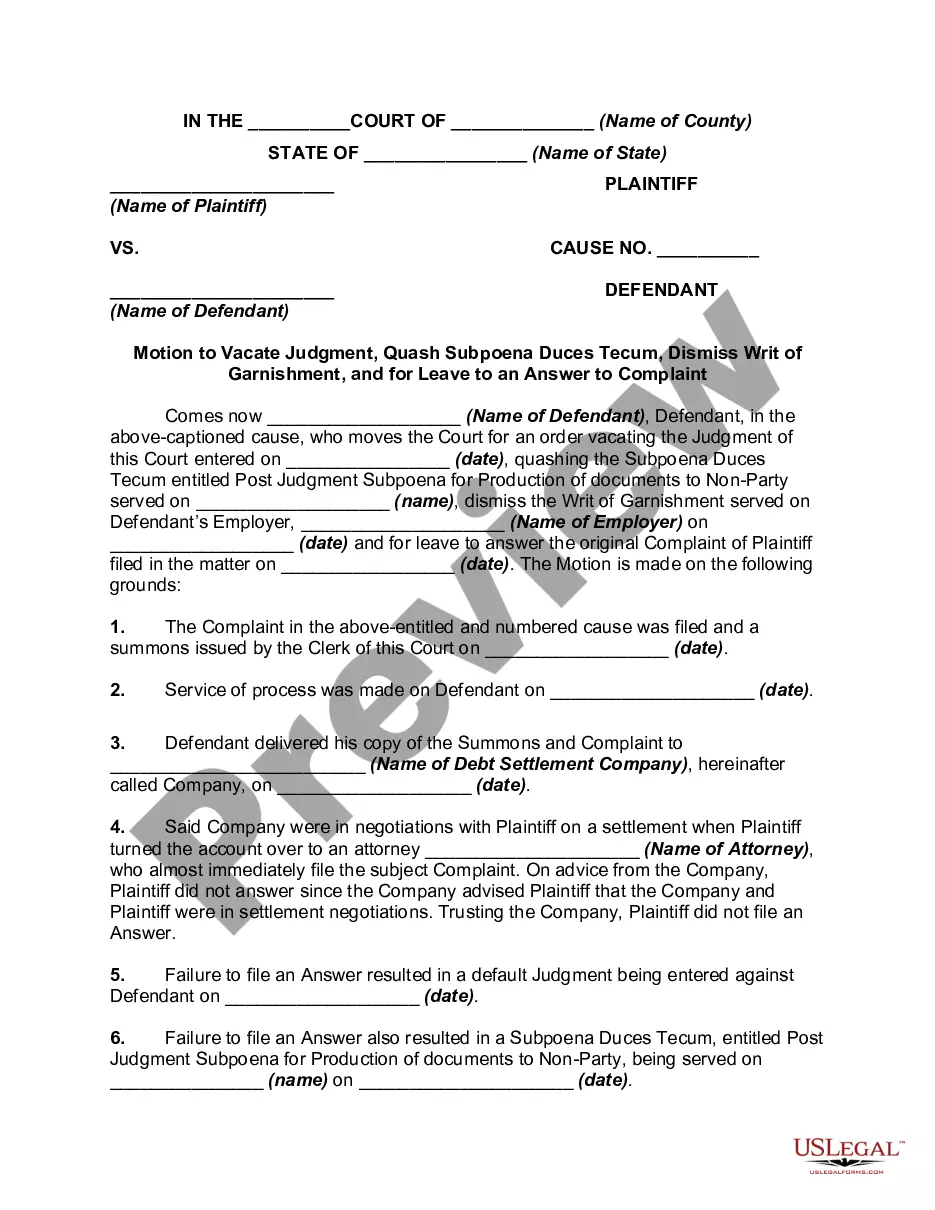
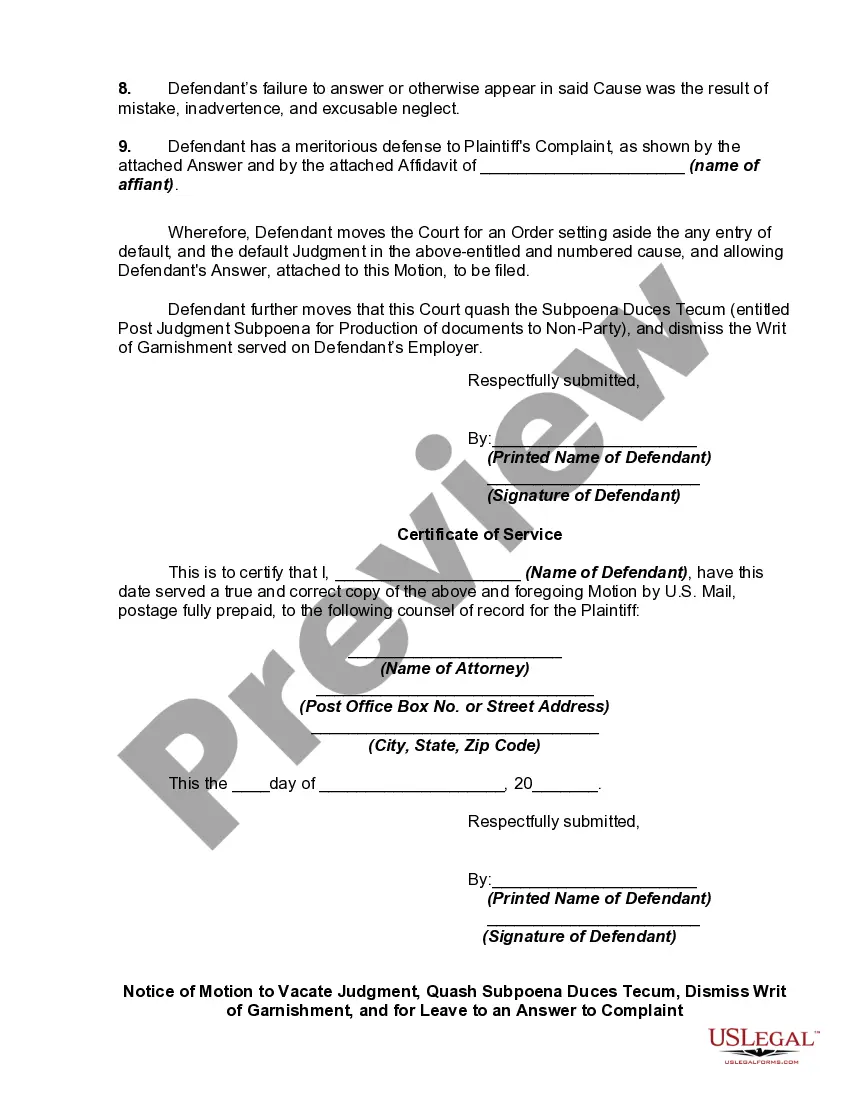
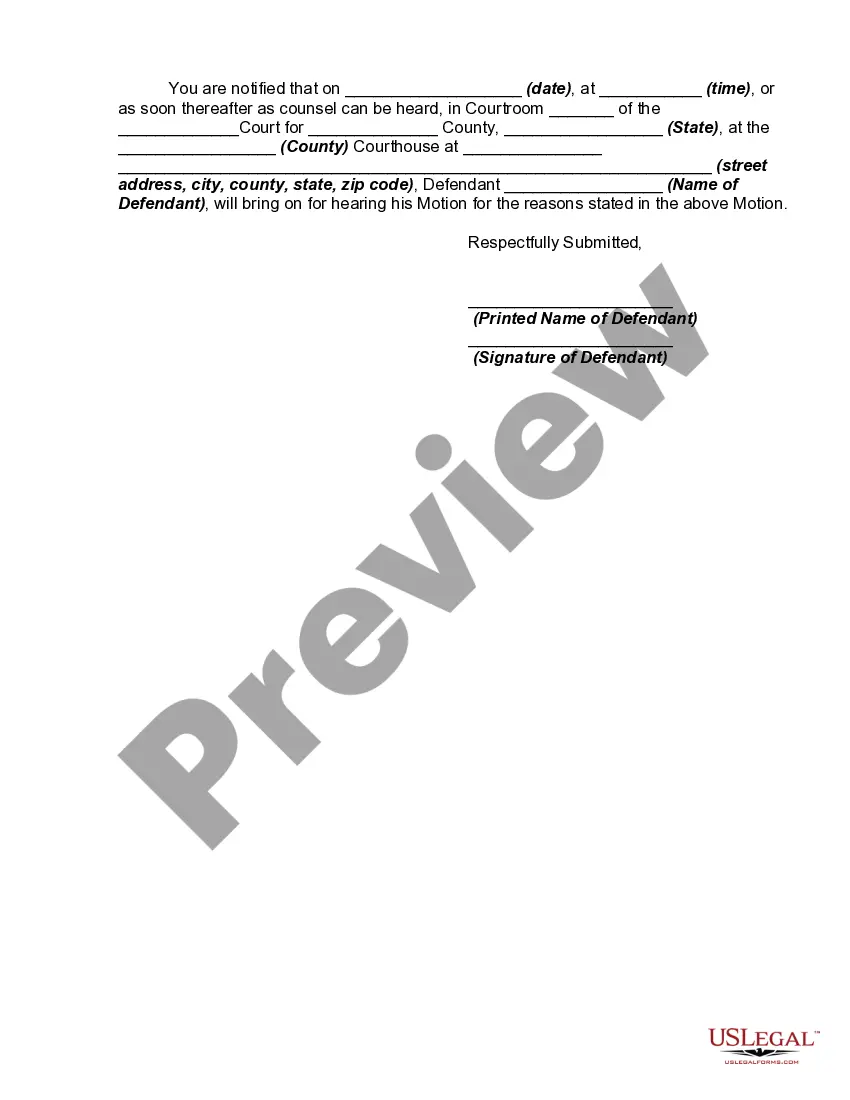
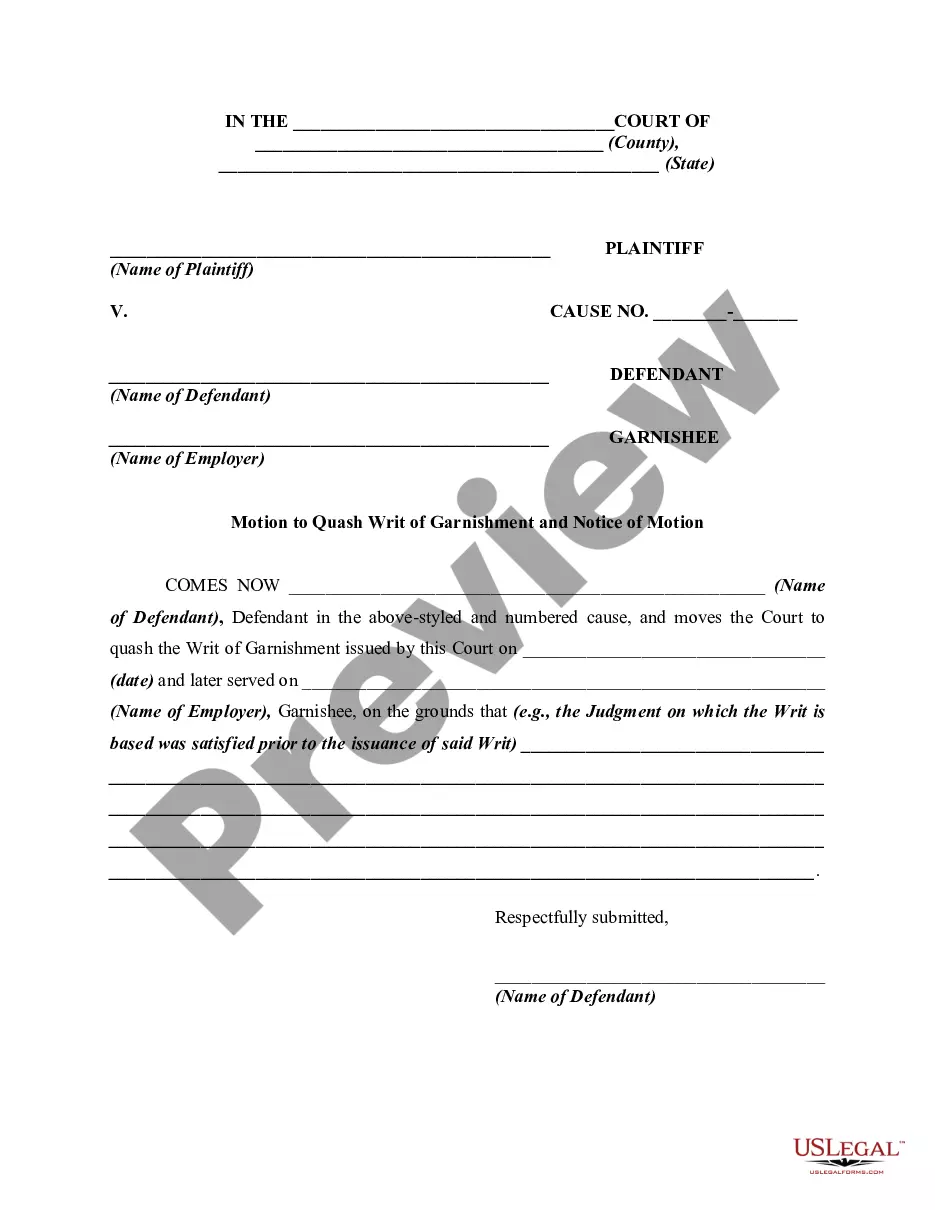
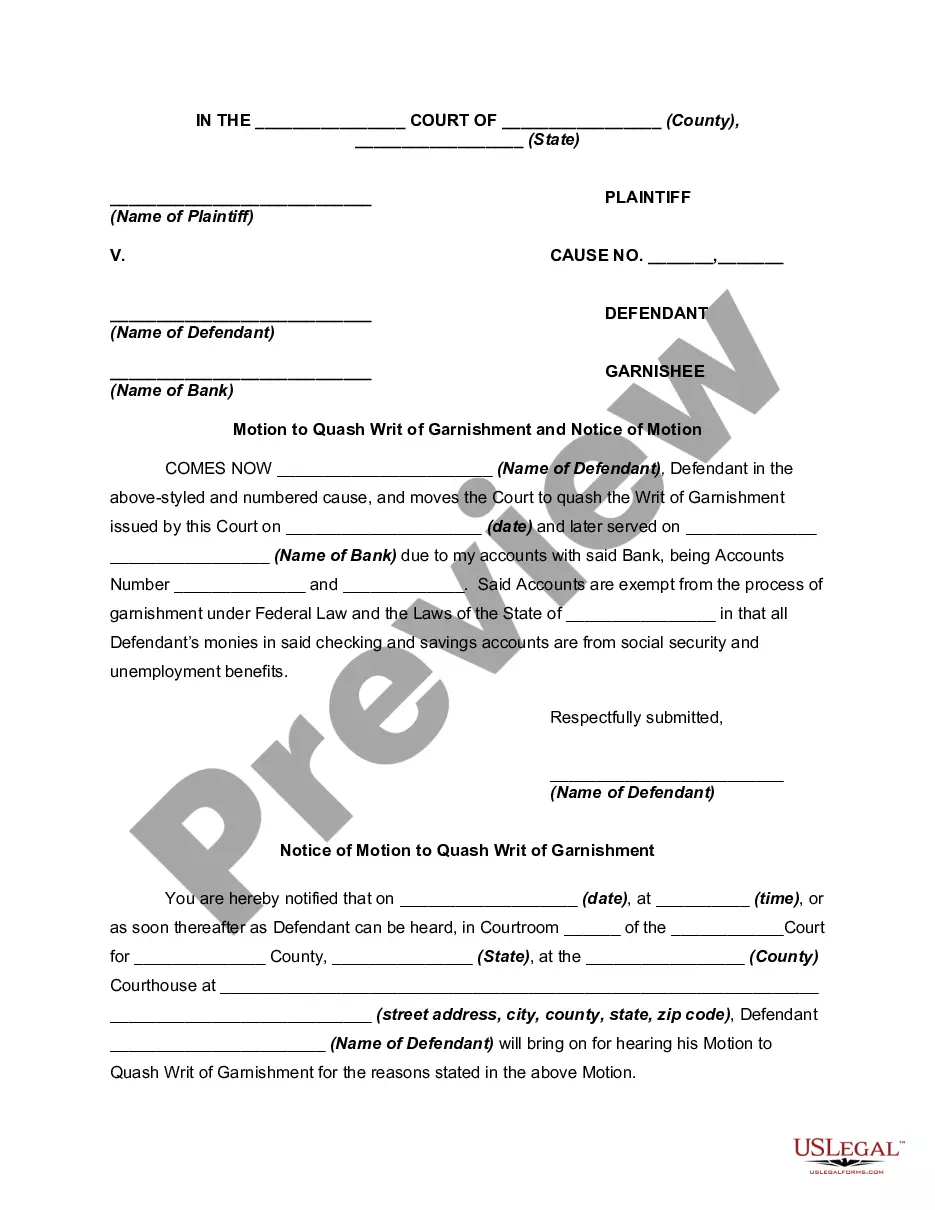
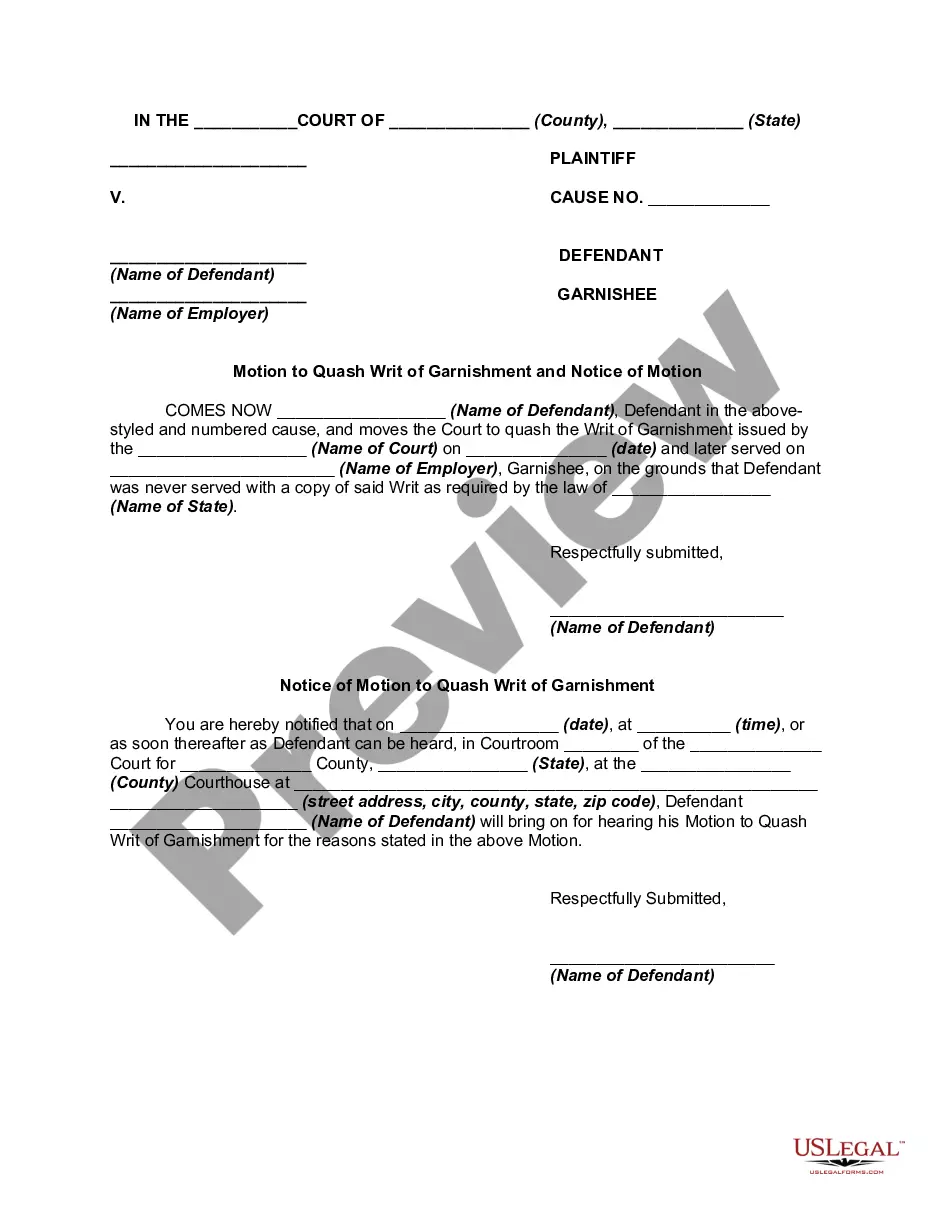
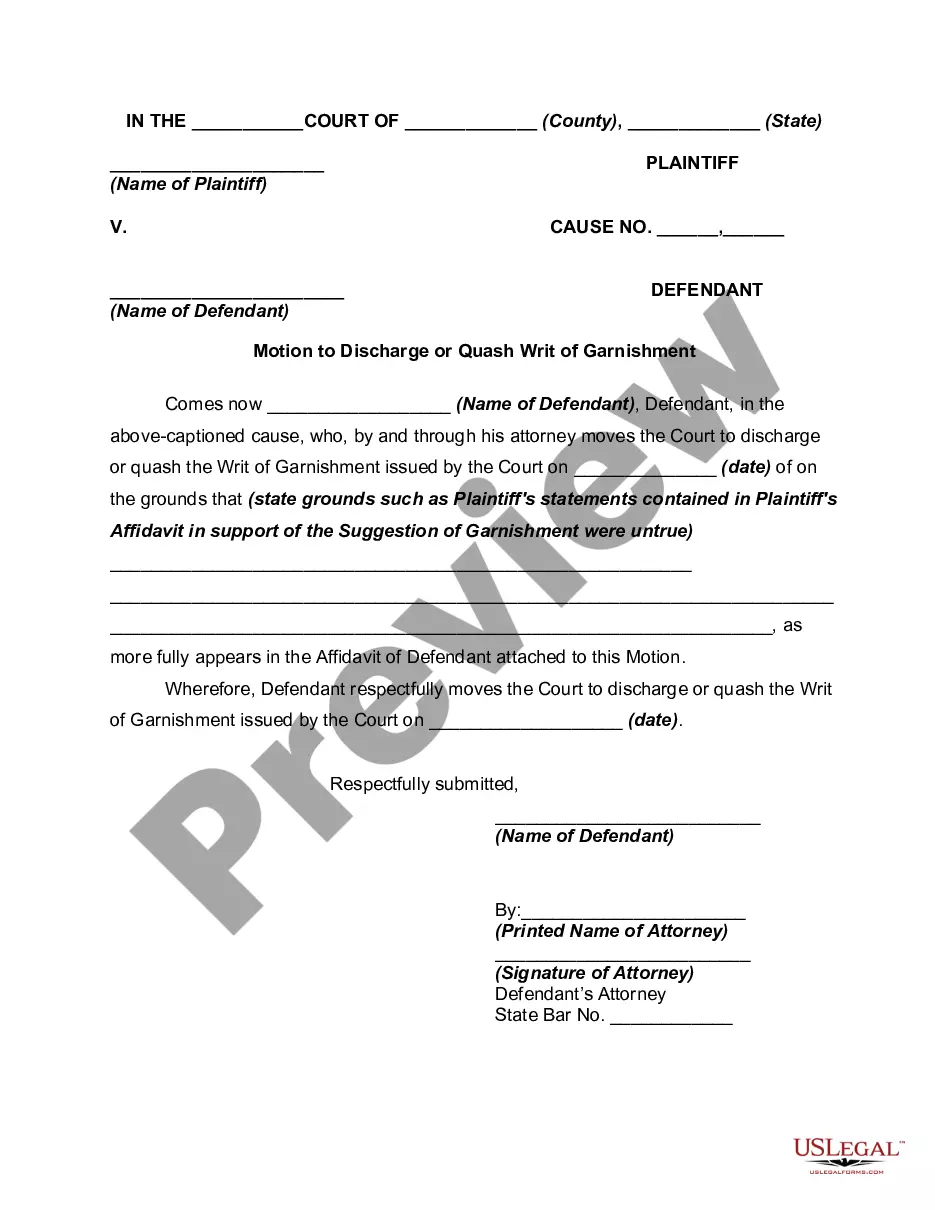
Court Judgment Motion With Judgement
Description
Get your form ready online
Our built-in tools help you complete, sign, share, and store your documents in one place.
Make edits, fill in missing information, and update formatting in US Legal Forms—just like you would in MS Word.
Download a copy, print it, send it by email, or mail it via USPS—whatever works best for your next step.
Sign and collect signatures with our SignNow integration. Send to multiple recipients, set reminders, and more. Go Premium to unlock E-Sign.
If this form requires notarization, complete it online through a secure video call—no need to meet a notary in person or wait for an appointment.
We protect your documents and personal data by following strict security and privacy standards.

Make edits, fill in missing information, and update formatting in US Legal Forms—just like you would in MS Word.

Download a copy, print it, send it by email, or mail it via USPS—whatever works best for your next step.

Sign and collect signatures with our SignNow integration. Send to multiple recipients, set reminders, and more. Go Premium to unlock E-Sign.

If this form requires notarization, complete it online through a secure video call—no need to meet a notary in person or wait for an appointment.

We protect your documents and personal data by following strict security and privacy standards.
Looking for another form?


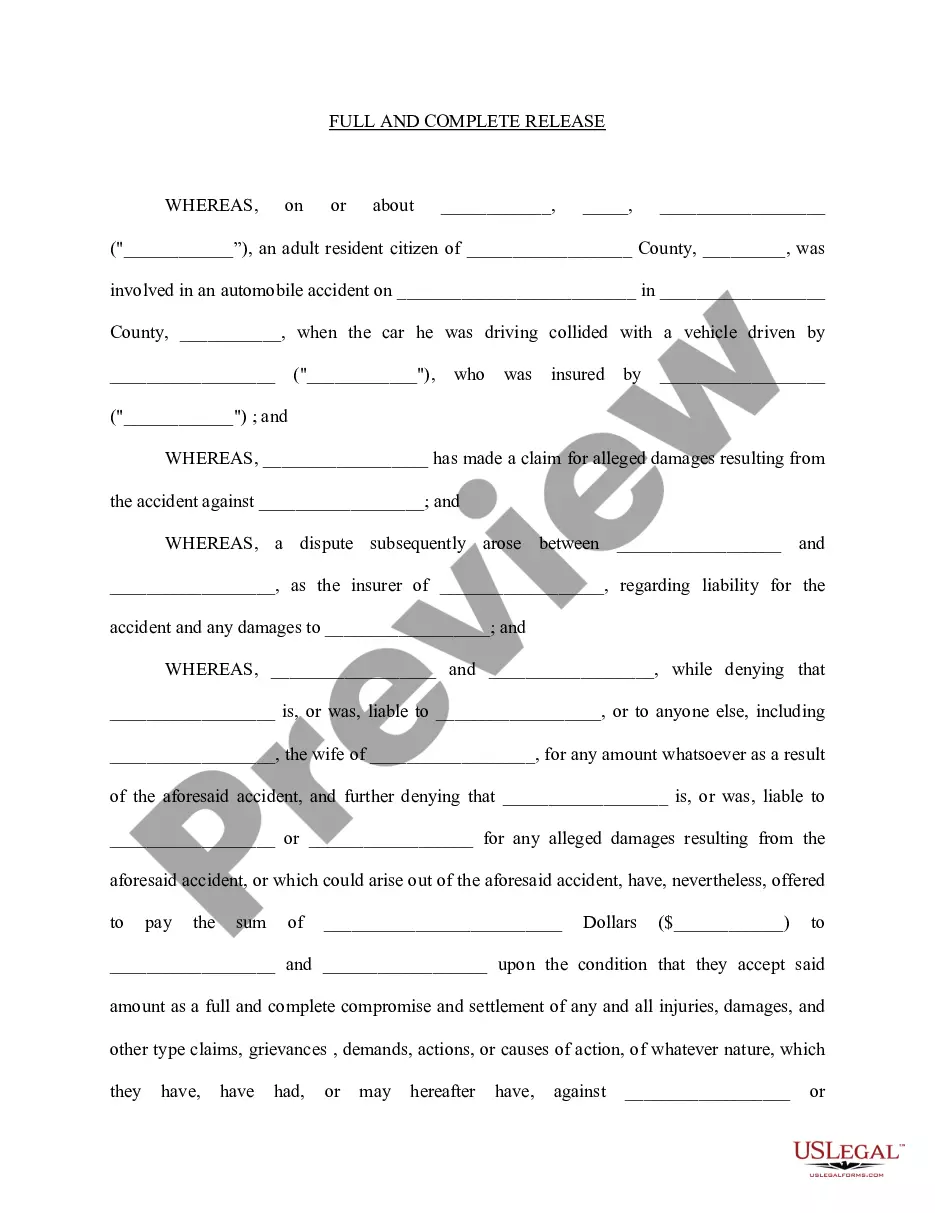



How to fill out Motion To Vacate Judgment, Quash Subpoena Duces Tecum, Dismiss Writ Of Garnishment, And For Leave To File An Answer To Complaint?
Creating legal documents from the ground up can occasionally feel a bit daunting.
Some situations may require hours of research and considerable financial investment.
If you’re in search of a more straightforward and cost-effective method of producing Court Judgment Motion With Judgement or any other forms without the hassle of excessive complications, US Legal Forms is always available to assist you.
Our online collection of over 85,000 current legal documents covers nearly every aspect of your financial, legal, and personal issues. With just a few clicks, you can immediately access state- and county-compliant templates meticulously crafted for you by our legal experts.
Ensure that the form you choose meets the criteria of your state and county. Select the most appropriate subscription plan to acquire the Court Judgment Motion With Judgement. Download the form, then complete, certify, and print it. US Legal Forms has a strong reputation and over 25 years of experience. Join us today and simplify document execution!
- Utilize our platform whenever you require trustworthy and dependable services through which you can swiftly find and download the Court Judgment Motion With Judgement.
- If you're already familiar with our website and have previously created an account with us, simply Log In to your account, find the form and download it or re-download it anytime in the My documents section.
- Not registered yet? No issue. It requires minimal time to sign up and explore the collection.
- However, before jumping straight to downloading the Court Judgment Motion With Judgement, consider these recommendations.
- Review the document preview and descriptions to confirm that you have located the document you need.
Form popularity
FAQ
Be as persuasive as possible as you write your motion in a sequential, logical format. Express your ideas clearly, and make sure you outline what steps are necessary and how they will help your case. Use facts of the case whenever you can to avoid baseless emotional appeals.
Judges may grant partial summary judgment. For example, a judge might rule on some factual issues, but leave others for trial. Alternately, a judge might grant summary judgment regarding liability, but still hold a trial to determine damages.
In a summary judgment, one party may contend there are no facts that need to be decided, or the parties may agree on what the facts are. Either side (and sometimes both sides) may bring a motion for summary judgment arguing that they are entitled to a judgment in their favor without a trial.
The chance of success in these cases is less than 10% [1]. Another study found that summary judgment is mostly granted in Title VII cases, for example, cases involving equal pay or employment discrimination [2]. When it comes to federal cases, summary judgments are filed in 17% of total cases.
It's a final decision by a judge and is designed to resolve a lawsuit before going to court. One party in a case is entitled to judgment by the law, and summary judgment is used in cases where there's no dispute about the facts.