Garnishment For Bank Account
Description
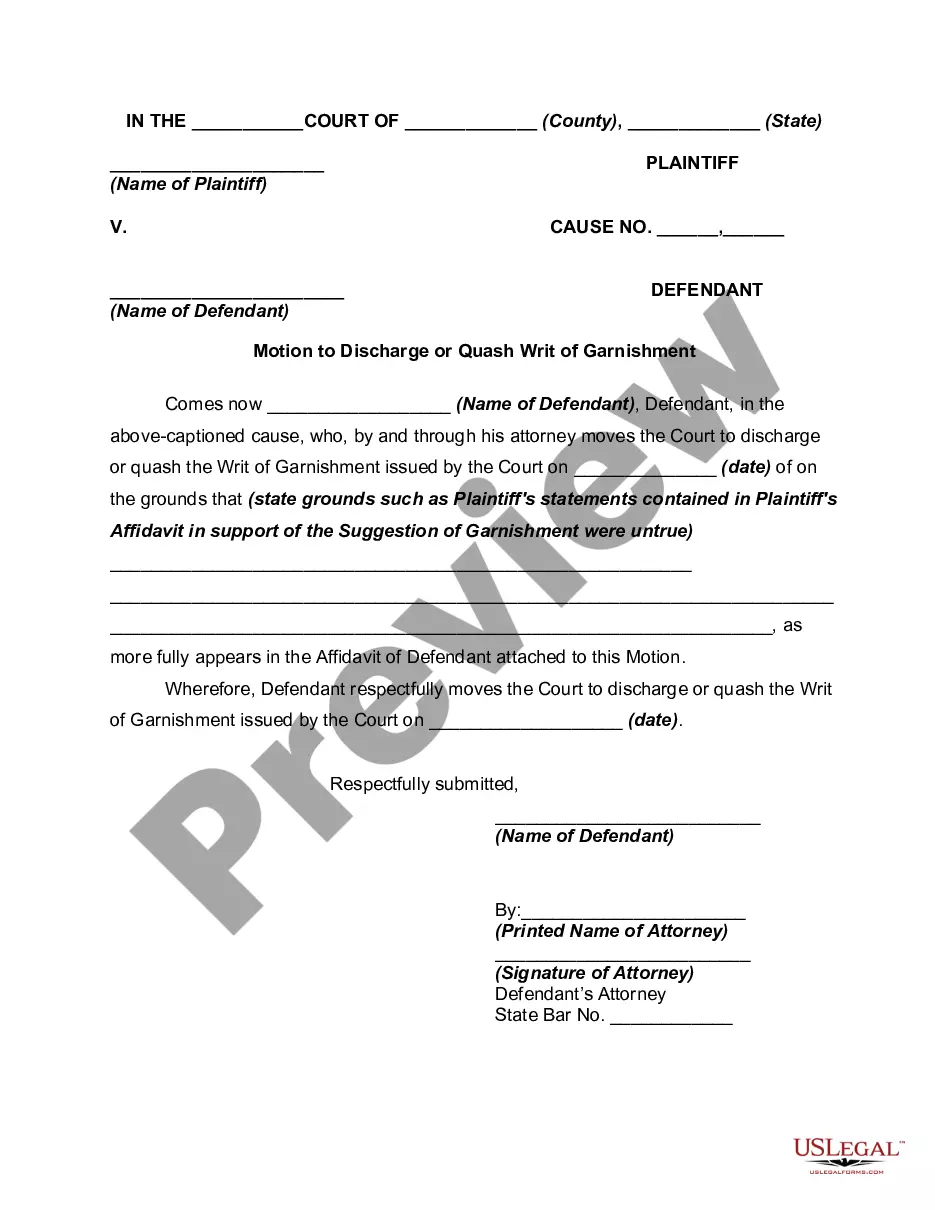
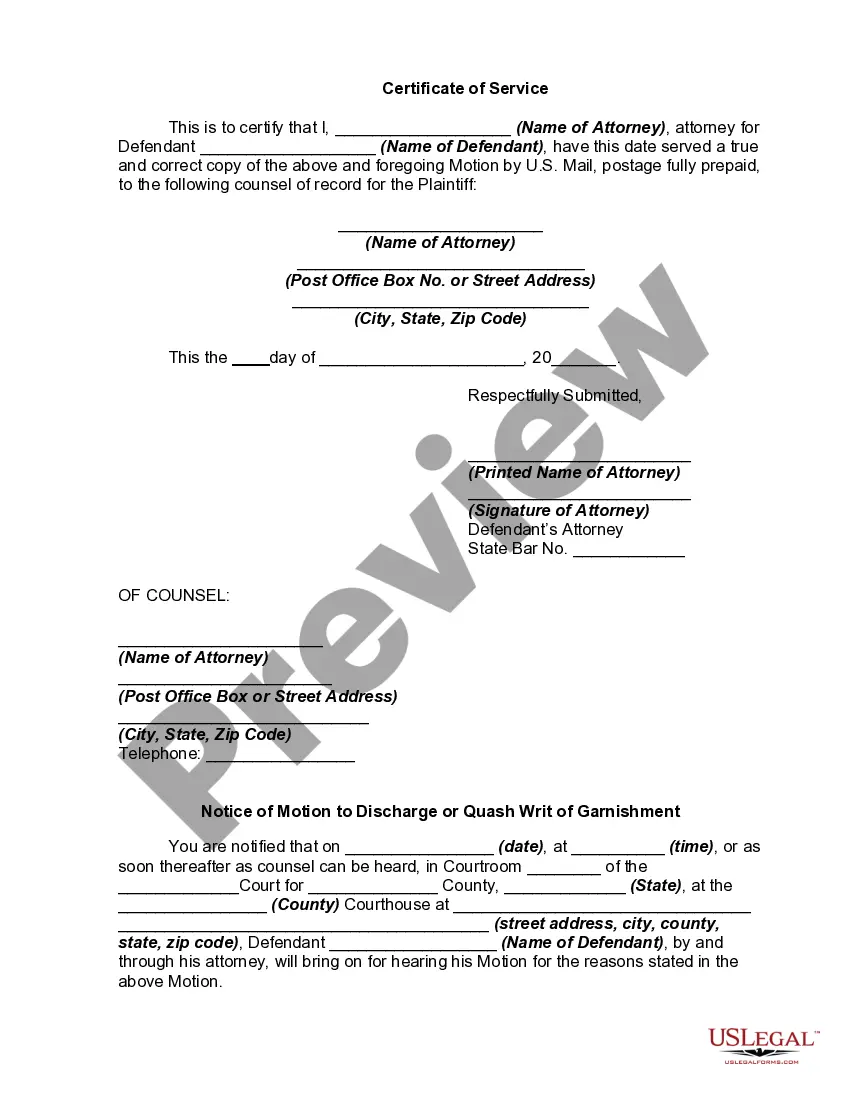
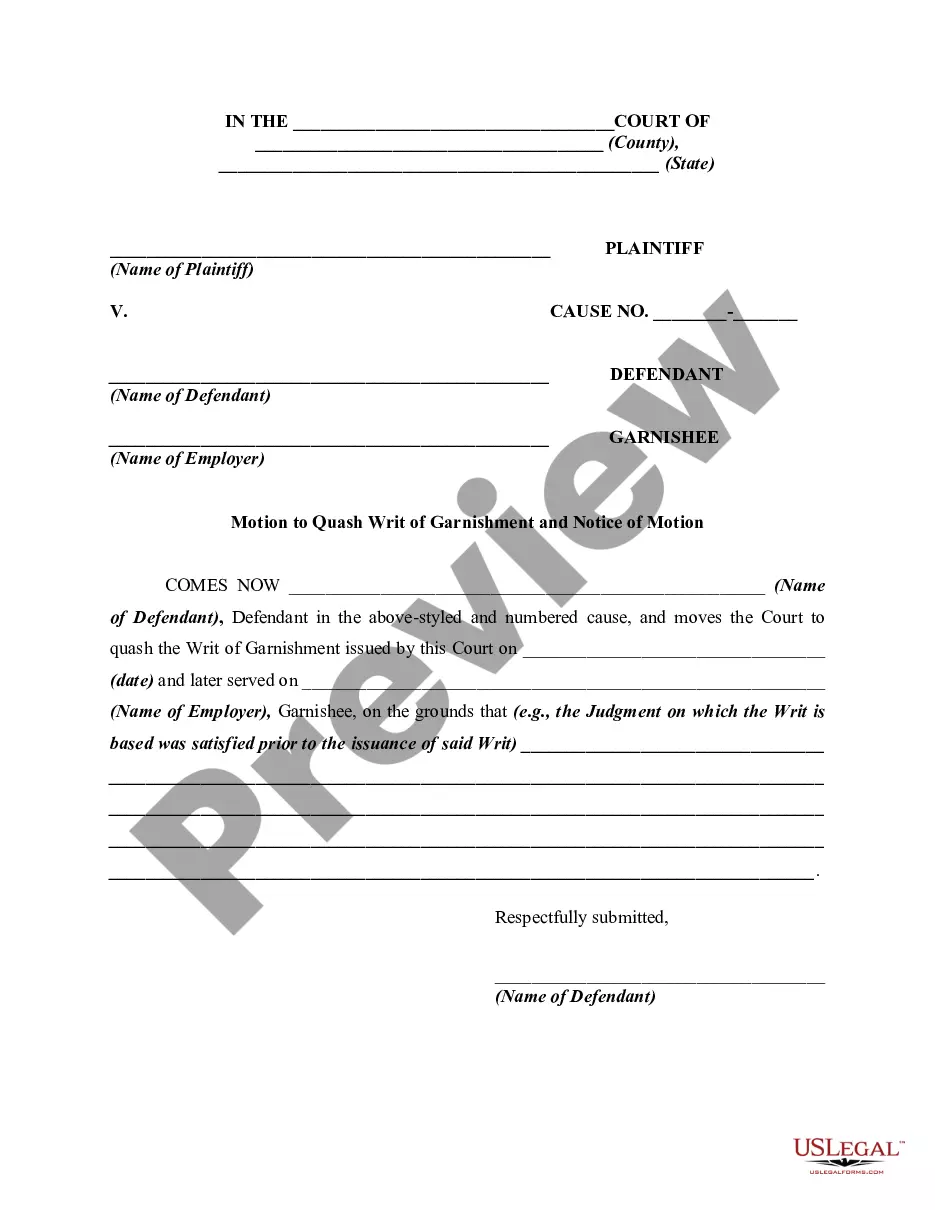
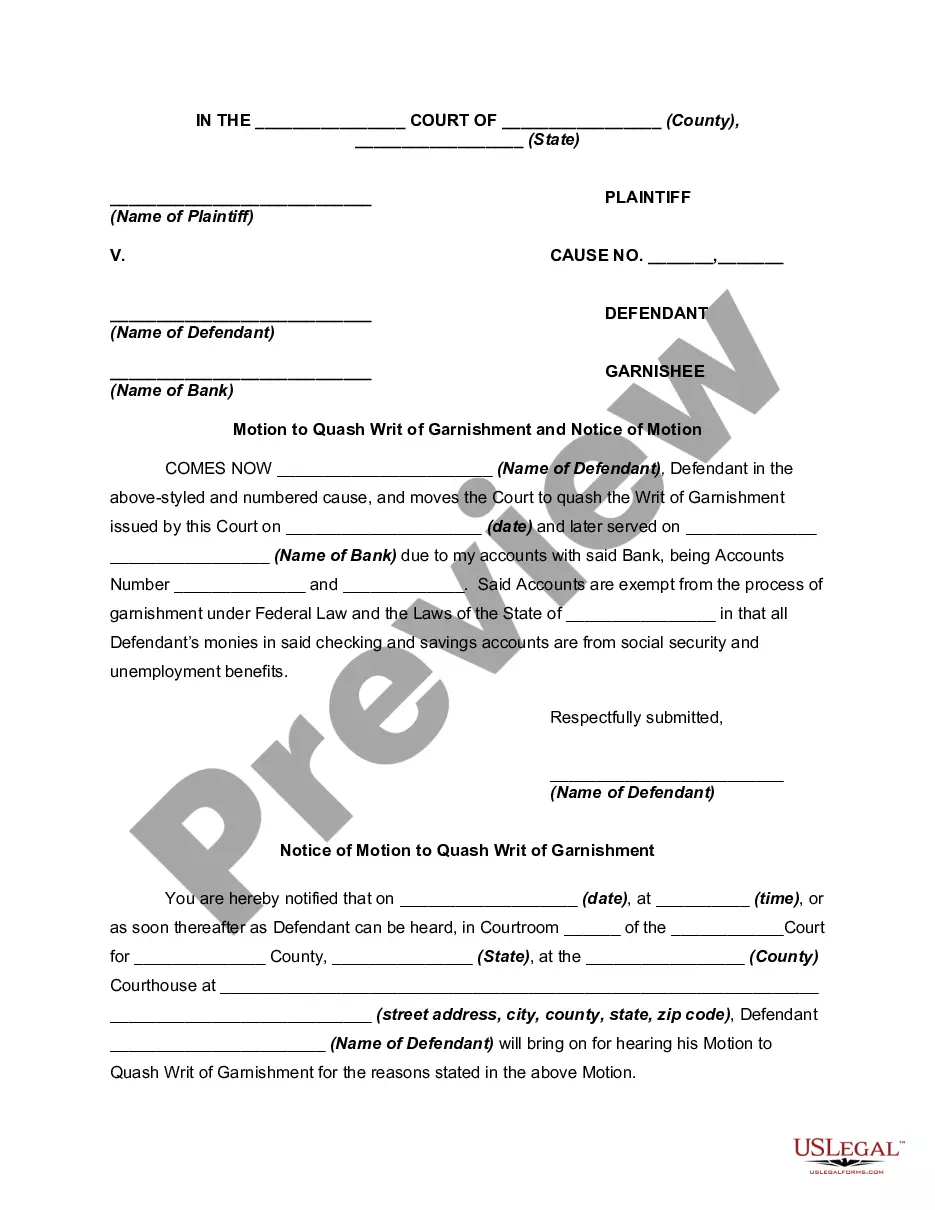
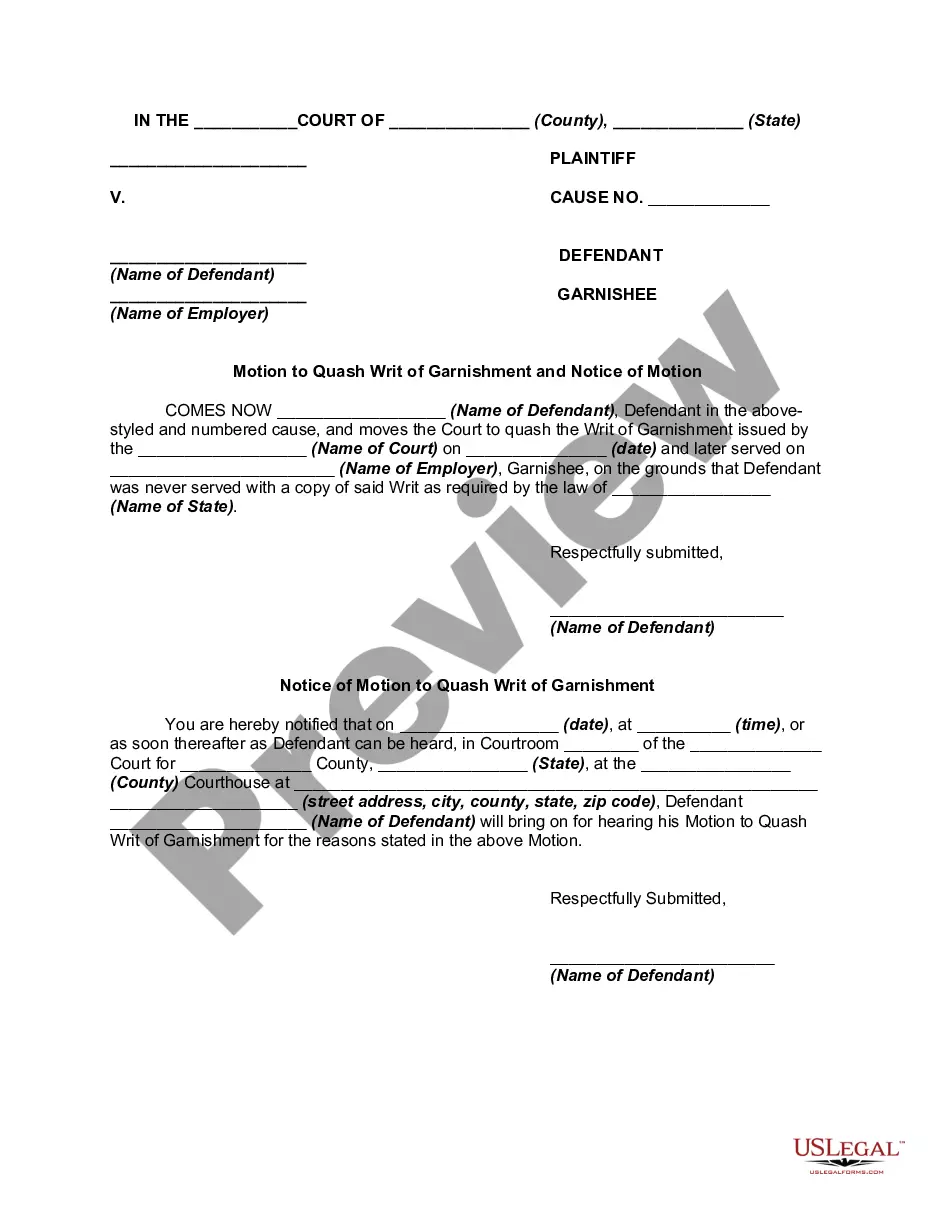
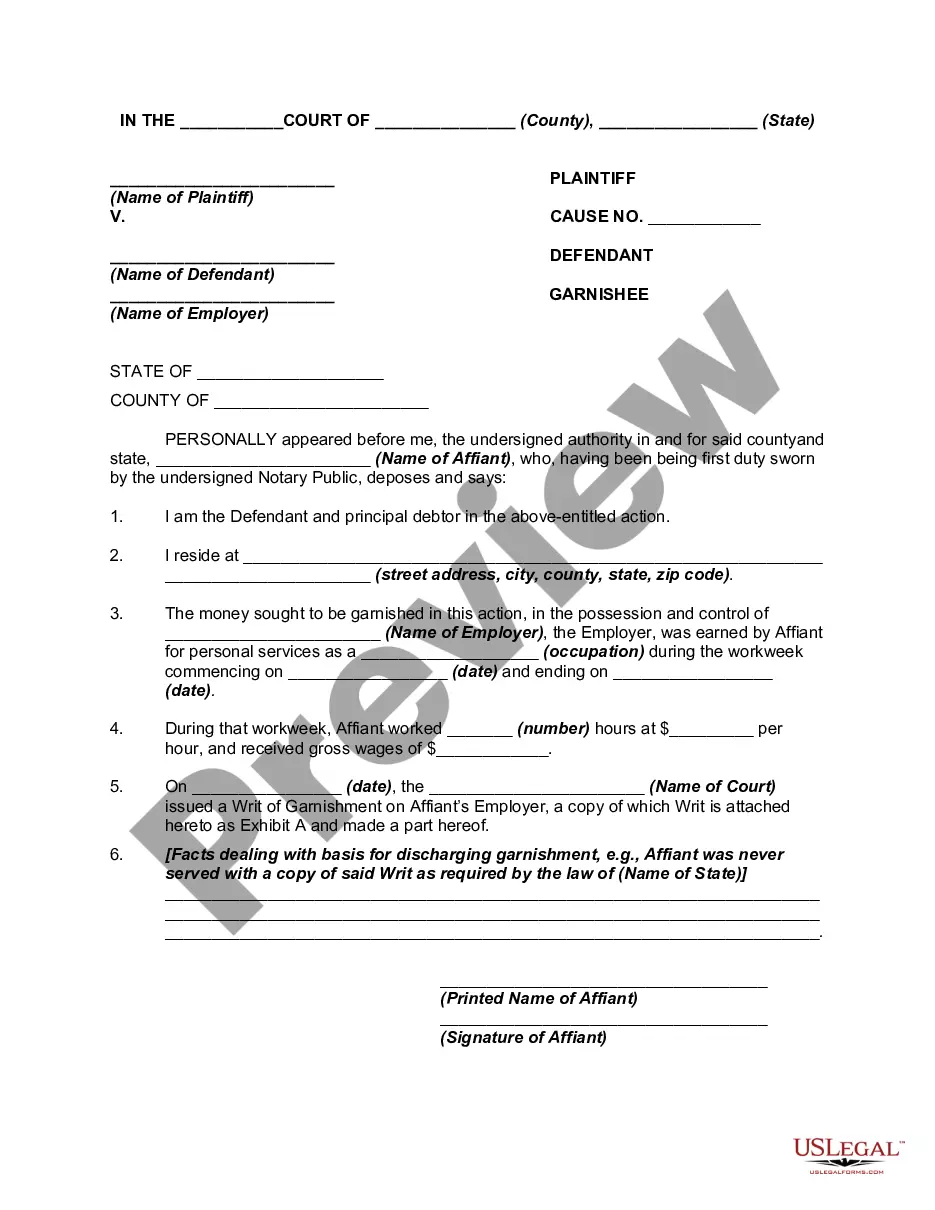
Get your form ready online
Our built-in tools help you complete, sign, share, and store your documents in one place.
Make edits, fill in missing information, and update formatting in US Legal Forms—just like you would in MS Word.
Download a copy, print it, send it by email, or mail it via USPS—whatever works best for your next step.
Sign and collect signatures with our SignNow integration. Send to multiple recipients, set reminders, and more. Go Premium to unlock E-Sign.
If this form requires notarization, complete it online through a secure video call—no need to meet a notary in person or wait for an appointment.
We protect your documents and personal data by following strict security and privacy standards.

Make edits, fill in missing information, and update formatting in US Legal Forms—just like you would in MS Word.

Download a copy, print it, send it by email, or mail it via USPS—whatever works best for your next step.

Sign and collect signatures with our SignNow integration. Send to multiple recipients, set reminders, and more. Go Premium to unlock E-Sign.

If this form requires notarization, complete it online through a secure video call—no need to meet a notary in person or wait for an appointment.

We protect your documents and personal data by following strict security and privacy standards.
Looking for another form?








How to fill out Motion To Discharge Or Quash Writ Of Garnishment?
It’s clear that you cannot instantly become a legal expert, nor can you understand how to swiftly create Garnishment For Bank Account without possessing a specific skill set.
Assembling legal documents is a lengthy undertaking that demands particular training and expertise. So, why not leave the development of the Garnishment For Bank Account to the experts.
With US Legal Forms, one of the most extensive legal template collections, you can discover everything from court documents to templates for internal communication.
Initiate your search anew if you need a different form.
Sign up for a free account and elect a subscription plan to acquire the template.
- We recognize how vital compliance and conformity to federal and state regulations are.
- That’s why, on our platform, all documents are specific to your location and current.
- Here’s how to begin with our platform and obtain the form you need within minutes.
- Find the document you seek by utilizing the search field at the top of the page.
- Preview it (if this option is available) and review the supporting description to ascertain if Garnishment For Bank Account is what you are looking for.
Form popularity
FAQ
The timeline to garnish a bank account can vary widely, depending on local laws and the specific circumstances of the case. Generally, once a creditor obtains a judgment, they can initiate the garnishment process within a few weeks to a few months. Active engagement with the legal process can help expedite or delay actions. Seeking assistance from platforms like U.S. Legal Forms can streamline your understanding and response to such timelines.
In most cases, you should receive a notification before your bank account is garnished, allowing you a chance to respond or settle the debt. However, specific circumstances can vary based on state laws or the type of debt involved. If creditors move quickly, they might bypass notification requirements. Consulting resources like U.S. Legal Forms can help you understand the garnishment process and your rights more clearly.
Your bank account can be garnished when a creditor obtains a court order after you fail to repay a debt. The creditor may file a lawsuit against you to secure a judgment, leading to the garnishment process. To avoid this situation, it is advisable to communicate with creditors and seek legal advice. U.S. Legal Forms can assist you in understanding the necessary procedures and your rights.
Typically, if your bank account is levied, you should receive a notification from your bank regarding the garnishment. This notification usually comes after a creditor has taken legal steps against you. Keep in mind that the notice may not arrive immediately, as it depends on the court process. Understanding your rights and utilizing resources like U.S. Legal Forms can provide clarity on tackling such situations.
Yes, it is possible for your bank account to be garnished without prior notice, especially if a creditor obtains a court order. However, most states require notification to the account holder before the bank processes a garnishment. The online process can sometimes expedite this, making it crucial for you to remain vigilant. To protect yourself against unexpected actions, consider using services that monitor your accounts for any legal actions.
You can discover if your bank account is being garnished by monitoring your bank statements for any unexpected withdrawals or by contacting your bank directly. They can inform you if a garnishment order exists. In many cases, the bank receives a notice of garnishment, and they should provide you with relevant details. Staying proactive will help you manage your finances better during such situations.
To effectively hide your bank account from garnishment, consider using joint accounts, sheltering funds in certain types of accounts, or relocating funds to a protected financial institution. However, it is crucial to understand that evading legal responsibilities can lead to serious consequences. Consulting a legal expert can help you develop a legitimate strategy. Utilizing tools and services like U.S. Legal Forms can streamline this process.
If you discover that your bank account has been garnished, acting quickly is essential. Begin by reviewing the court order and understanding the debt involved. You may have the option to contest the garnishment for bank account based on exemptions or inaccuracies. Seeking assistance from legal professionals, such as those at USLegalForms, can help you understand your options and take necessary actions.
To protect your bank account from garnishment, you can explore opening exempt accounts, such as those for government benefits. Staying informed about state laws and taking proactive steps can also help you shield your finances. Consider establishing a separate account to keep funds that may be at risk. It's wise to stay educated about personal finance and creditor rights to ensure your protection.
The amount that can be garnished from your bank account varies by state and the type of debt involved. Generally, creditors can take a percentage of your total funds until they reach the judgment amount. Each state has rules regarding exemptions, which protect certain amounts, so understanding these can help you retain some of your funds. Consulting a legal expert can provide clarity on how much can be taken.