Final Account Estate Form For Uk
Description
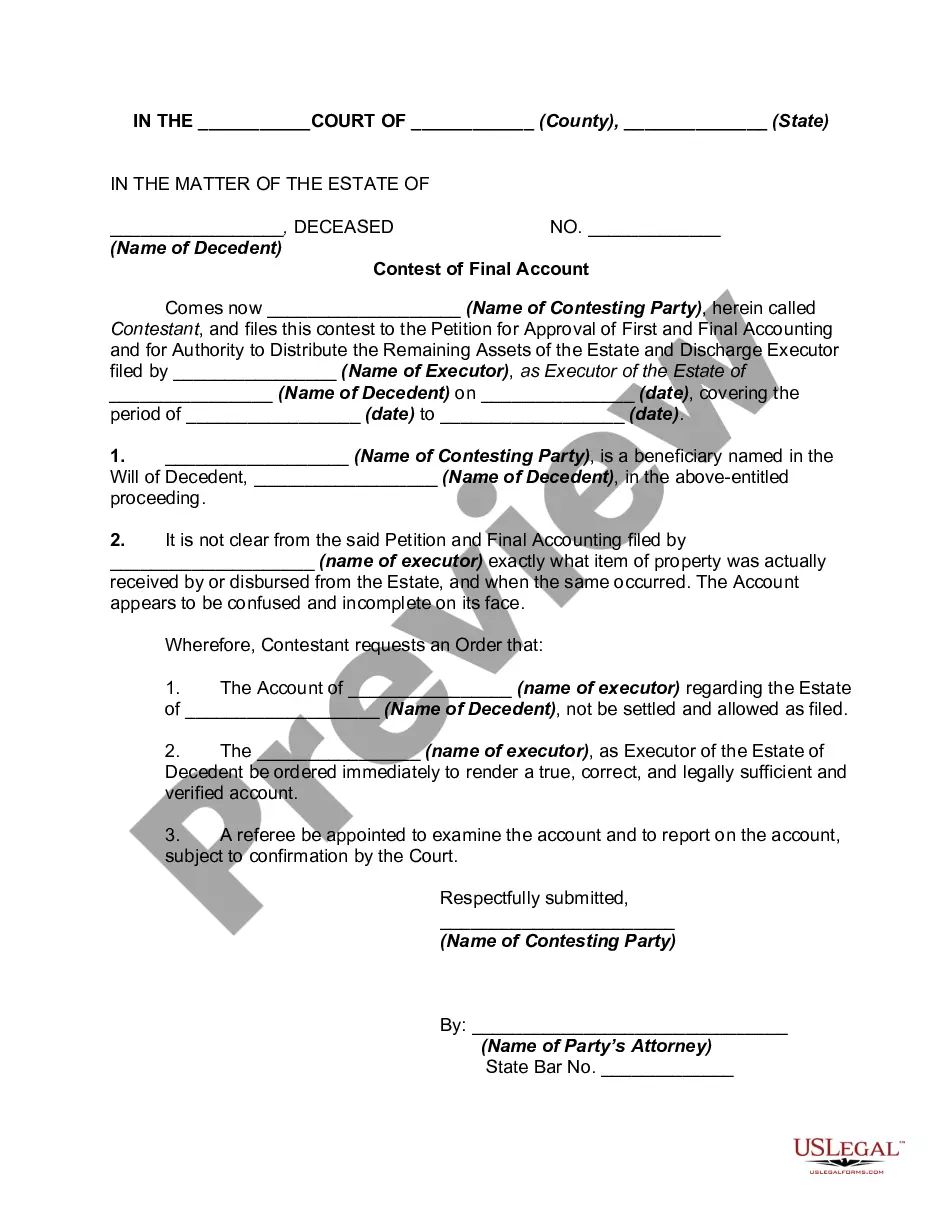
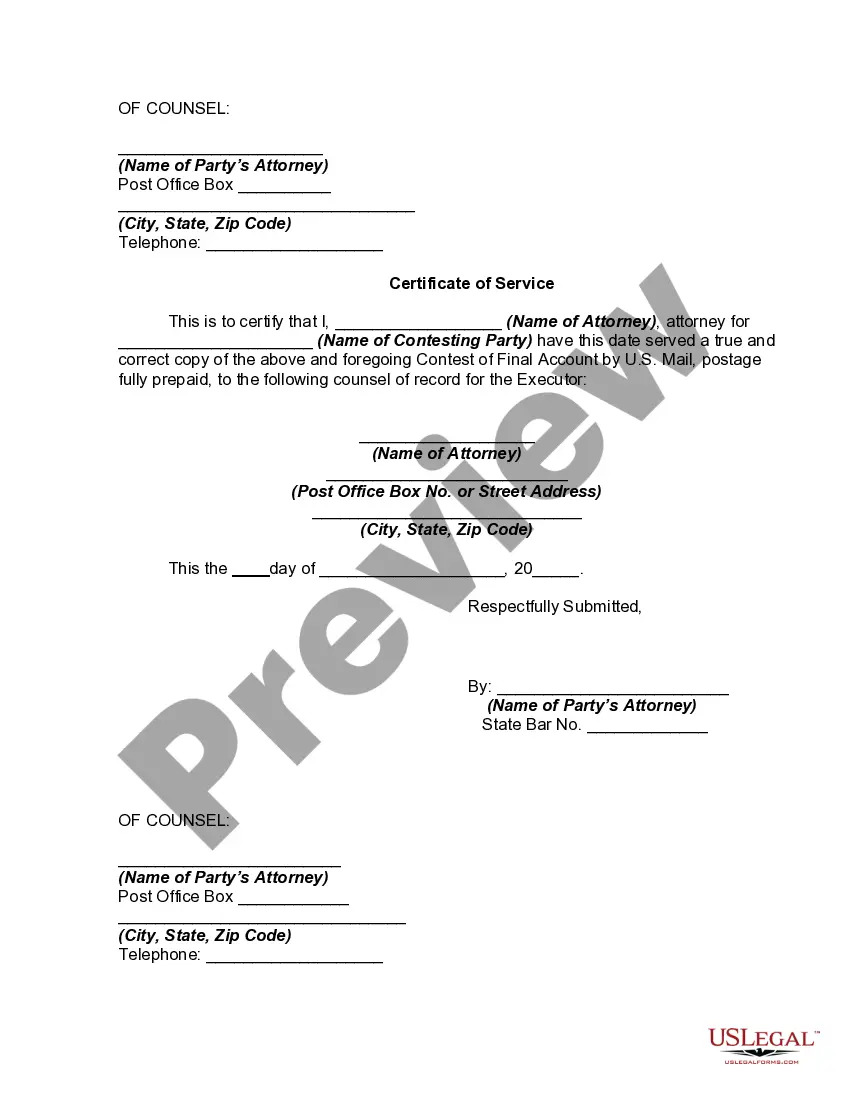
Get your form ready online
Our built-in tools help you complete, sign, share, and store your documents in one place.
Make edits, fill in missing information, and update formatting in US Legal Forms—just like you would in MS Word.
Download a copy, print it, send it by email, or mail it via USPS—whatever works best for your next step.
Sign and collect signatures with our SignNow integration. Send to multiple recipients, set reminders, and more. Go Premium to unlock E-Sign.
If this form requires notarization, complete it online through a secure video call—no need to meet a notary in person or wait for an appointment.
We protect your documents and personal data by following strict security and privacy standards.

Make edits, fill in missing information, and update formatting in US Legal Forms—just like you would in MS Word.

Download a copy, print it, send it by email, or mail it via USPS—whatever works best for your next step.

Sign and collect signatures with our SignNow integration. Send to multiple recipients, set reminders, and more. Go Premium to unlock E-Sign.

If this form requires notarization, complete it online through a secure video call—no need to meet a notary in person or wait for an appointment.

We protect your documents and personal data by following strict security and privacy standards.
Looking for another form?










How to fill out Contest Of Final Account And Proposed Distributions In A Probate Estate?
Creating legal documents from the ground up can occasionally be daunting.
Certain situations may require extensive research and substantial financial investment.
If you’re seeking a more straightforward and economical method for generating the Final Account Estate Form For Uk or any other documents without unnecessary hurdles, US Legal Forms is readily available to assist you.
Our online repository of over 85,000 current legal documents encompasses nearly every aspect of your financial, legal, and personal matters.
However, before diving straight into downloading the Final Account Estate Form For Uk, consider these guidelines: Review the document preview and descriptions to ensure you have located the document you require. Verify that the template you select aligns with the laws and regulations of your state and county. Choose the appropriate subscription plan to purchase the Final Account Estate Form For Uk. Download the file, then complete, sign, and print it. US Legal Forms boasts an impeccable reputation and over 25 years of experience. Join us now and make the process of completing forms simple and efficient!
- With just a few clicks, you can efficiently obtain state- and county-specific templates meticulously assembled by our legal experts.
- Utilize our platform whenever you require a dependable and trustworthy service to easily locate and download the Final Account Estate Form For Uk.
- If you’re familiar with our services and have previously registered with us, simply Log In to your account, select the template, and download it immediately or re-download it at any time in the My documents section.
- Not signed up yet? Don't worry, creating an account takes minimal time and offers access to our catalog.
Form popularity
FAQ
At some stage, the executors must inform the beneficiaries and indicate what they are entitled to receive as stated in the will. There is no hard and fast rule as to when executors must notify or contact beneficiaries of a will in the UK.
These accounts are a detailed record of all the financial transactions that have occurred during the administration of an estate. It includes information on the assets, liabilities, and administration expenses of the estate, and ultimately shows the final amount that will be distributed among the beneficiaries.
Once the Grant of Probate has been issued, the executor has to keep accounts and have these ready to show beneficiaries if they ask for them.
Once all assets have been realised and all debts paid, including any loan taken out to pay Inheritance Tax, you may distribute the estate in ance with the will or rules of intestacy.
Final accounts Include any documents showing how you distributed money, property or personal belongings from the estate, for example: letters from HMRC confirming that you paid Inheritance Tax. receipts showing debts paid, for example utilities bills. receipts for your expenses from dealing with the estate.