Qtip Trust Principal Form Complete For A Button
Description
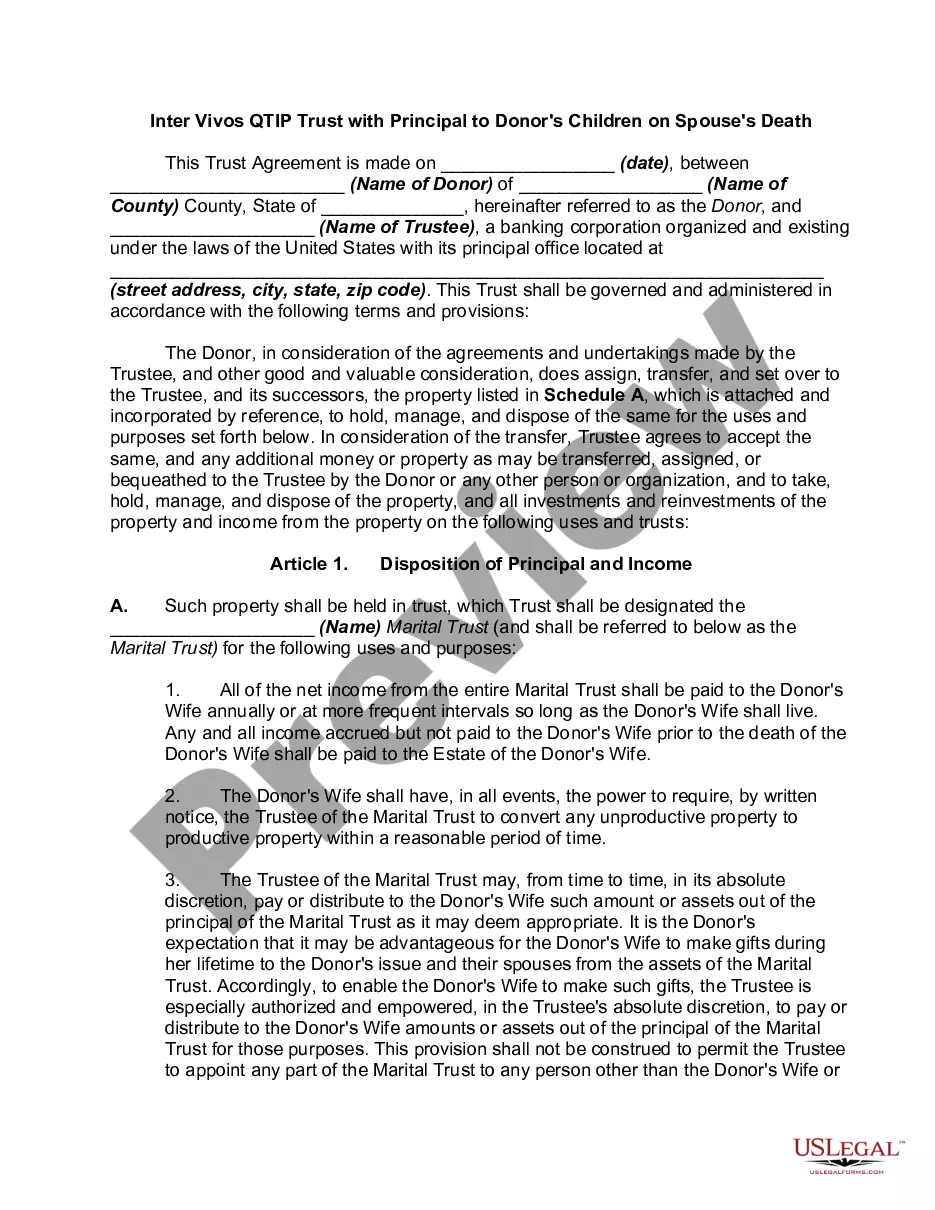
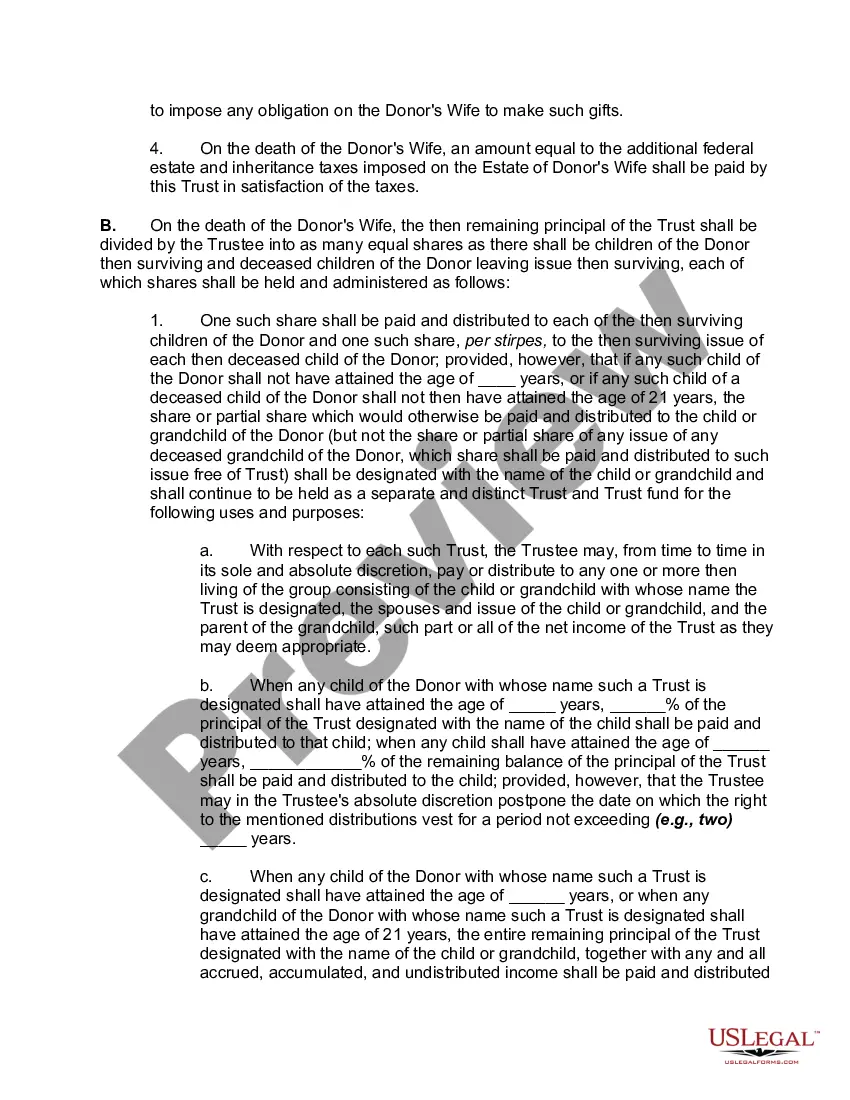
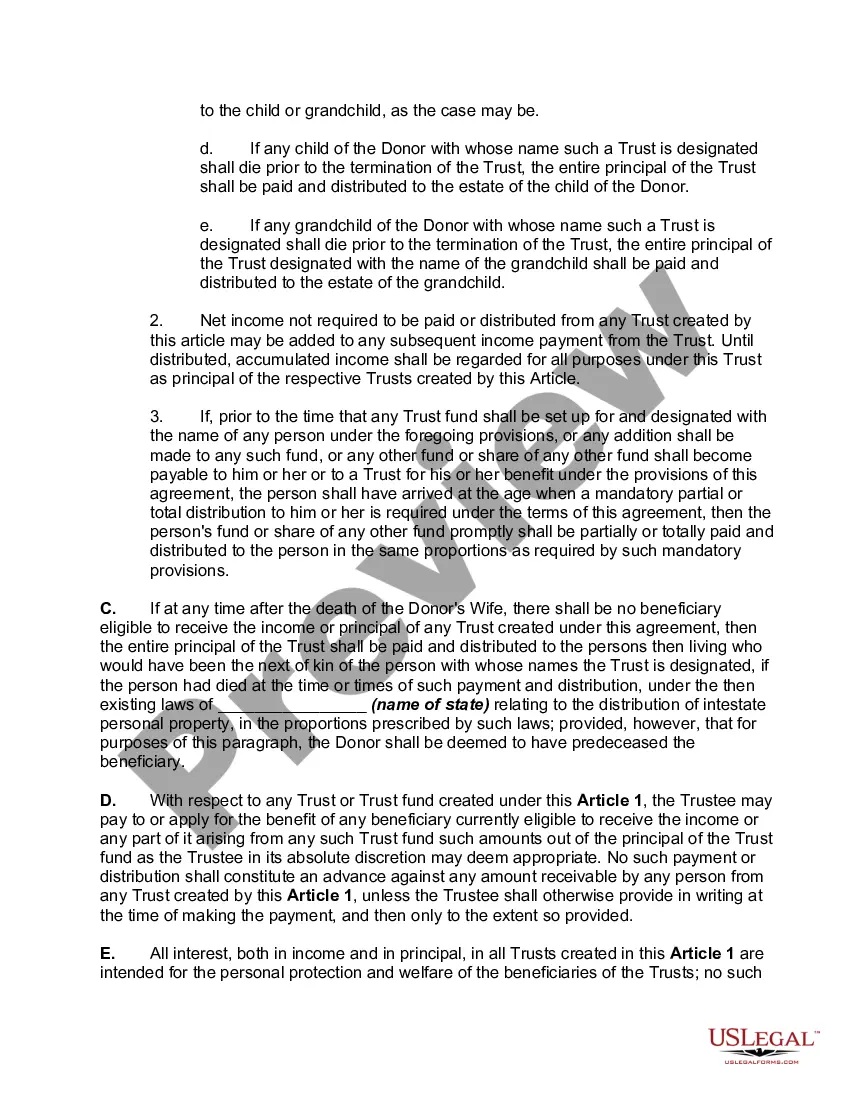
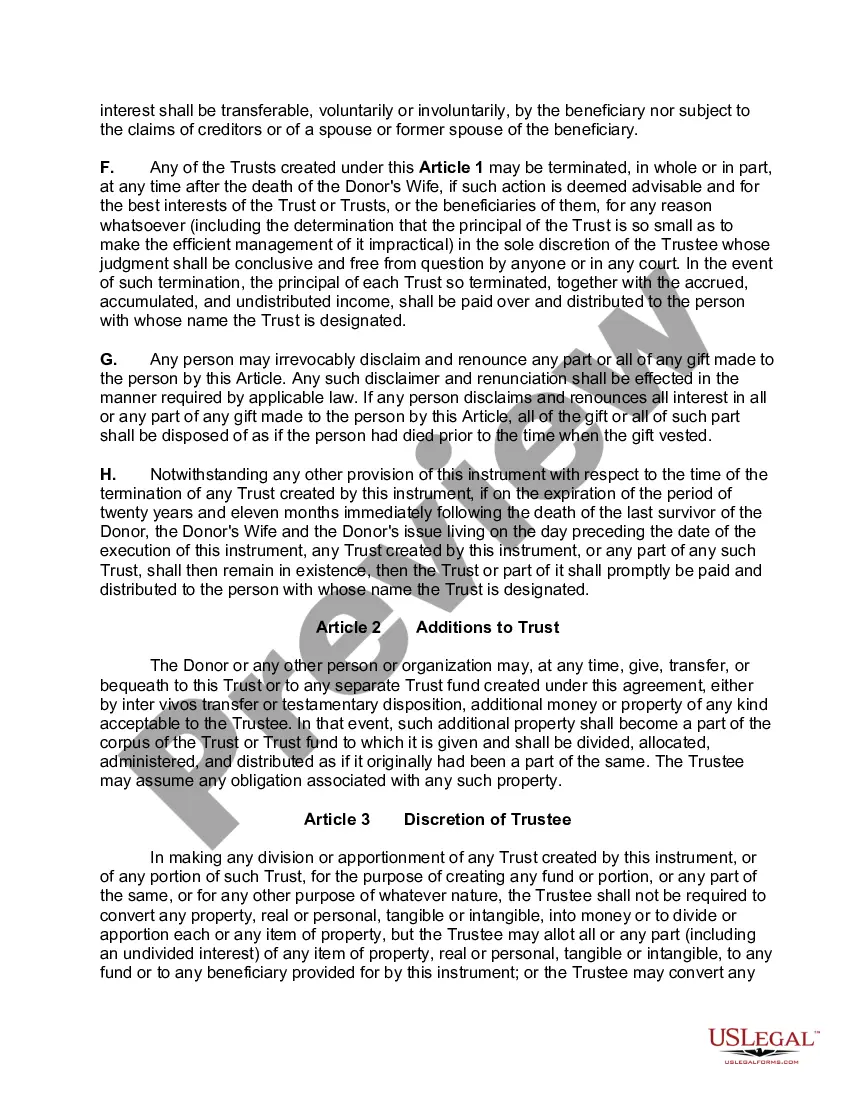
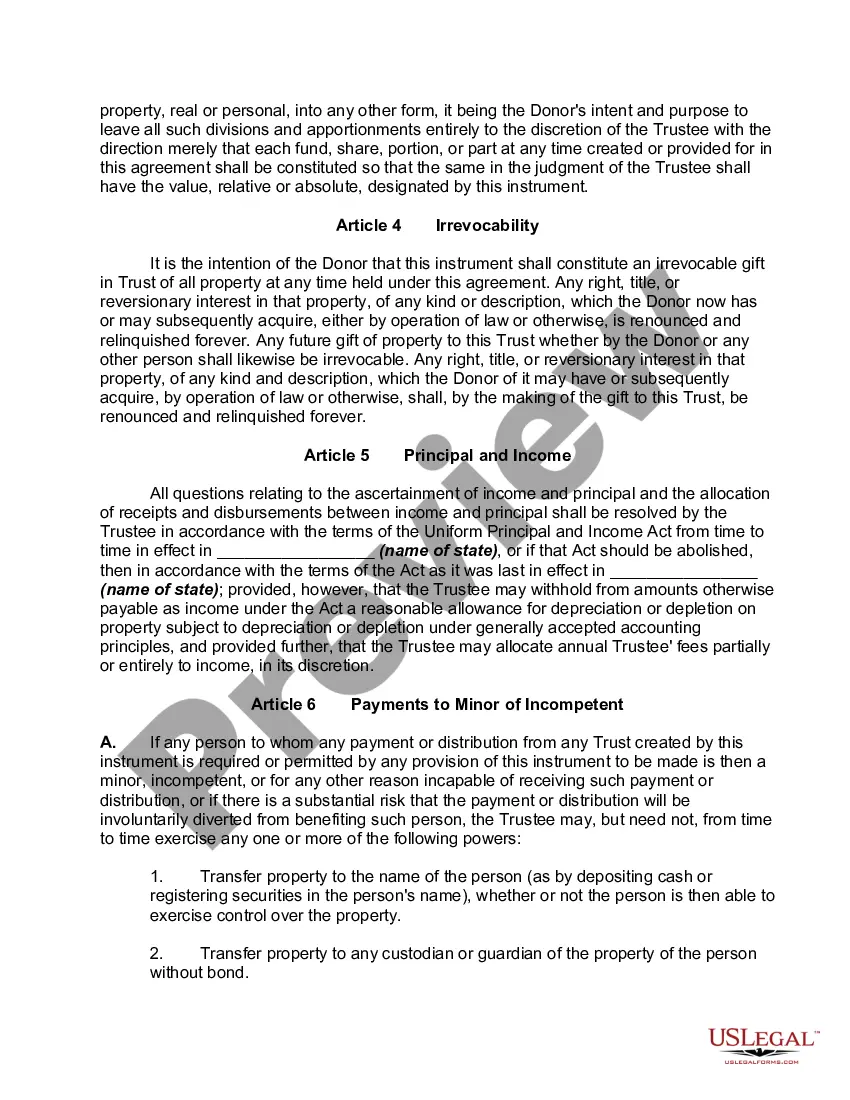
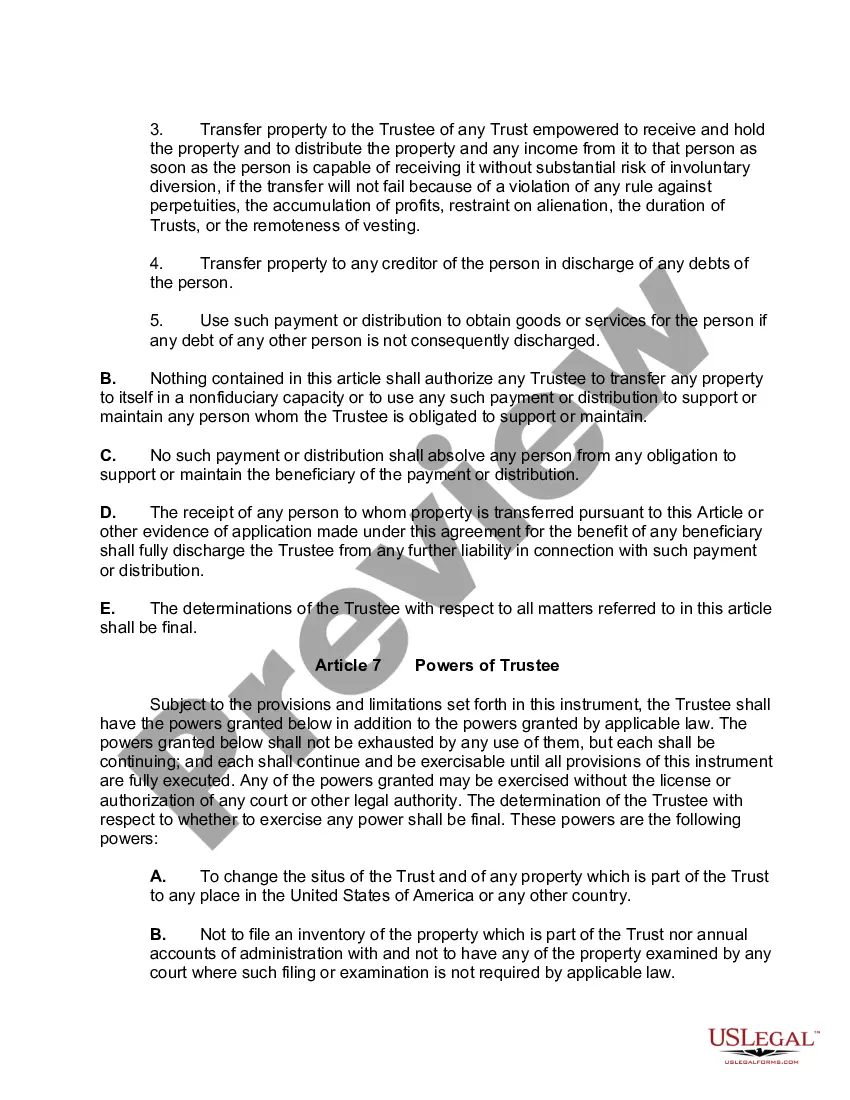
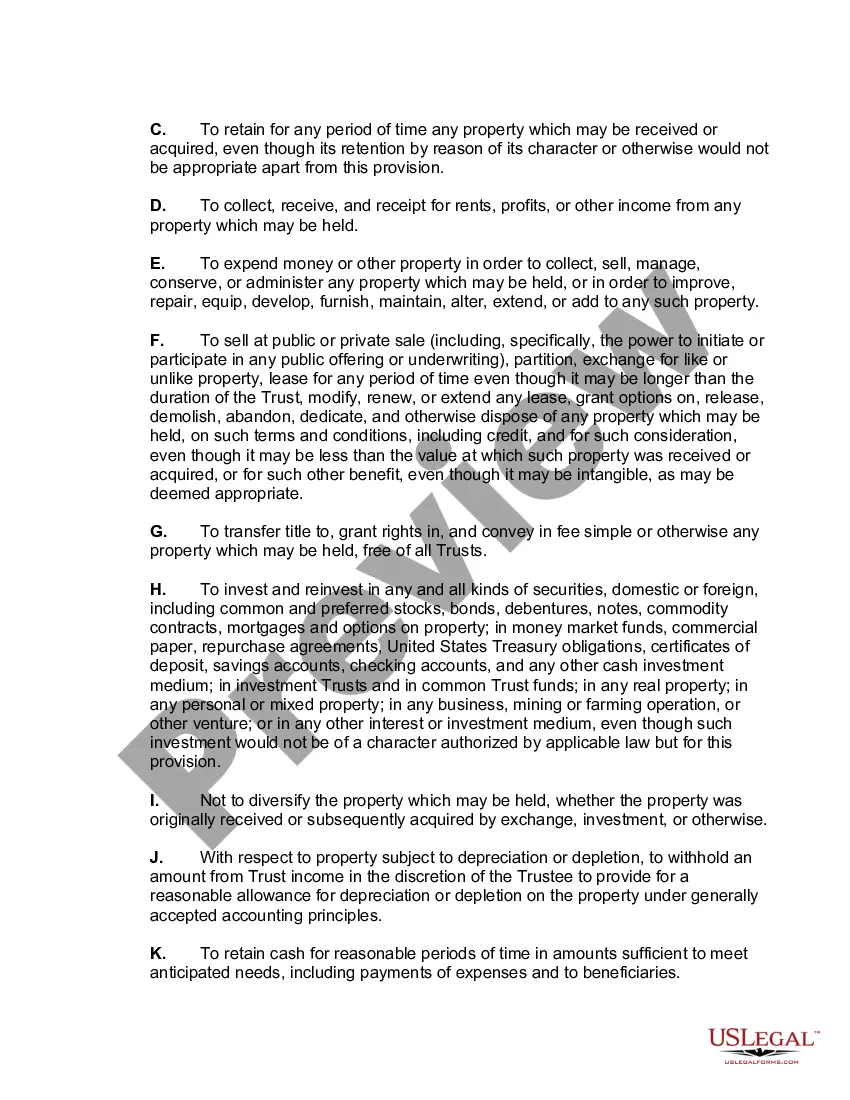
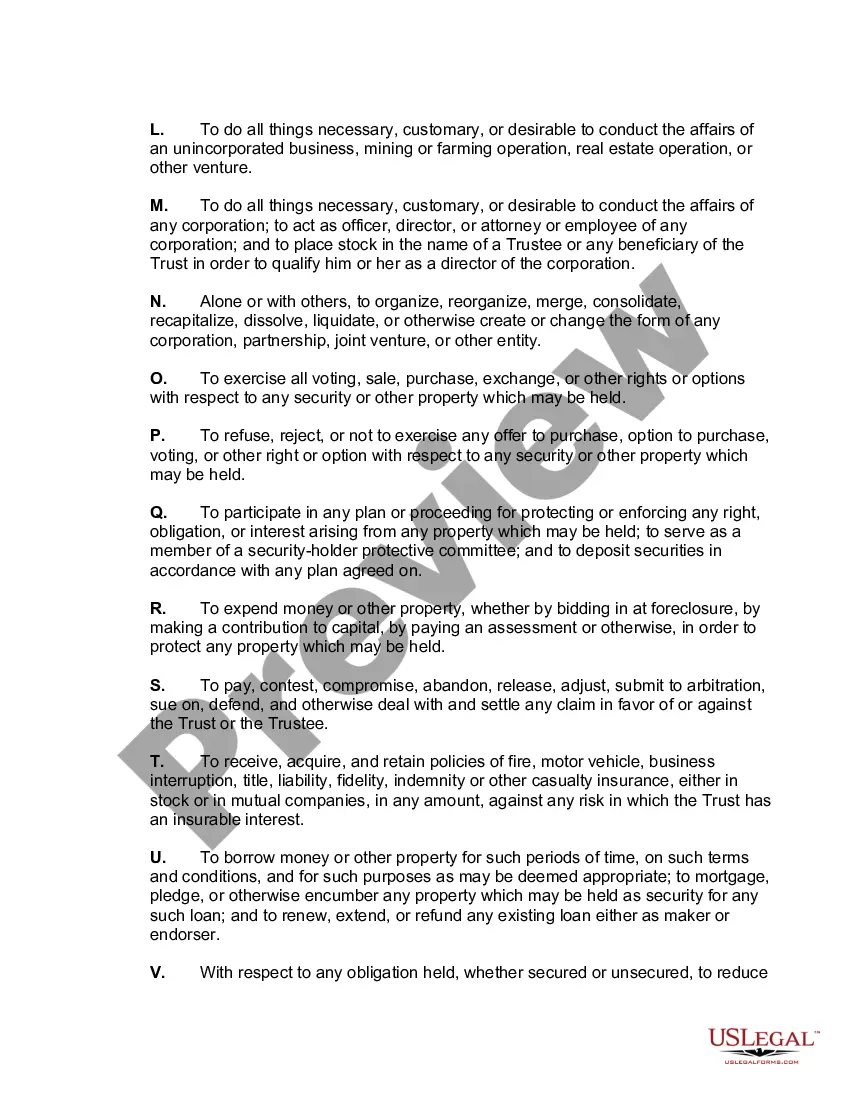
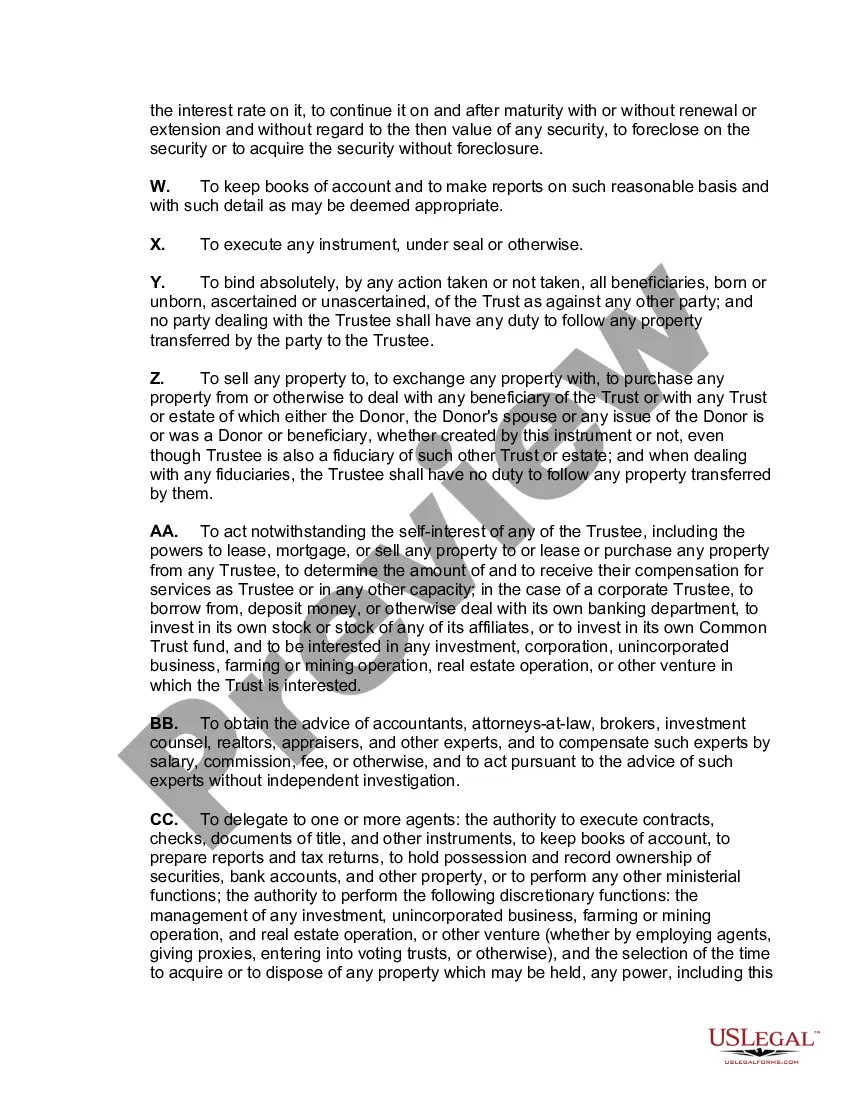
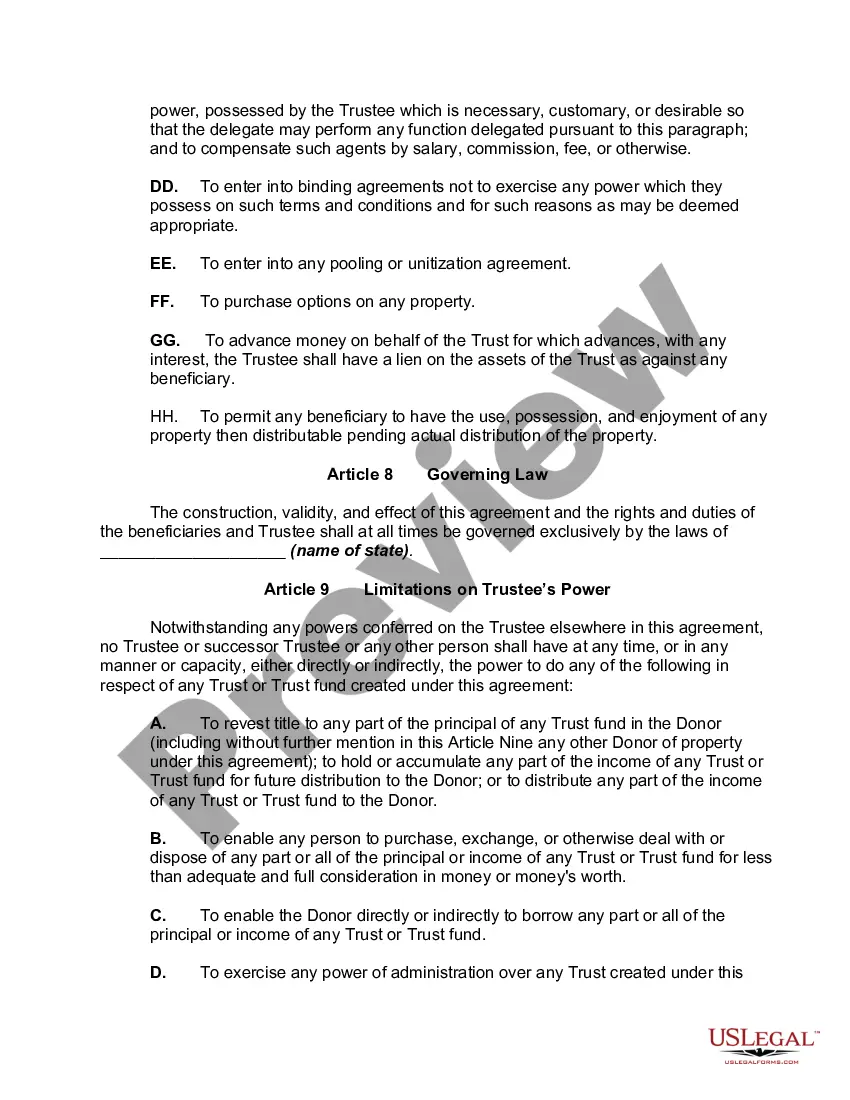

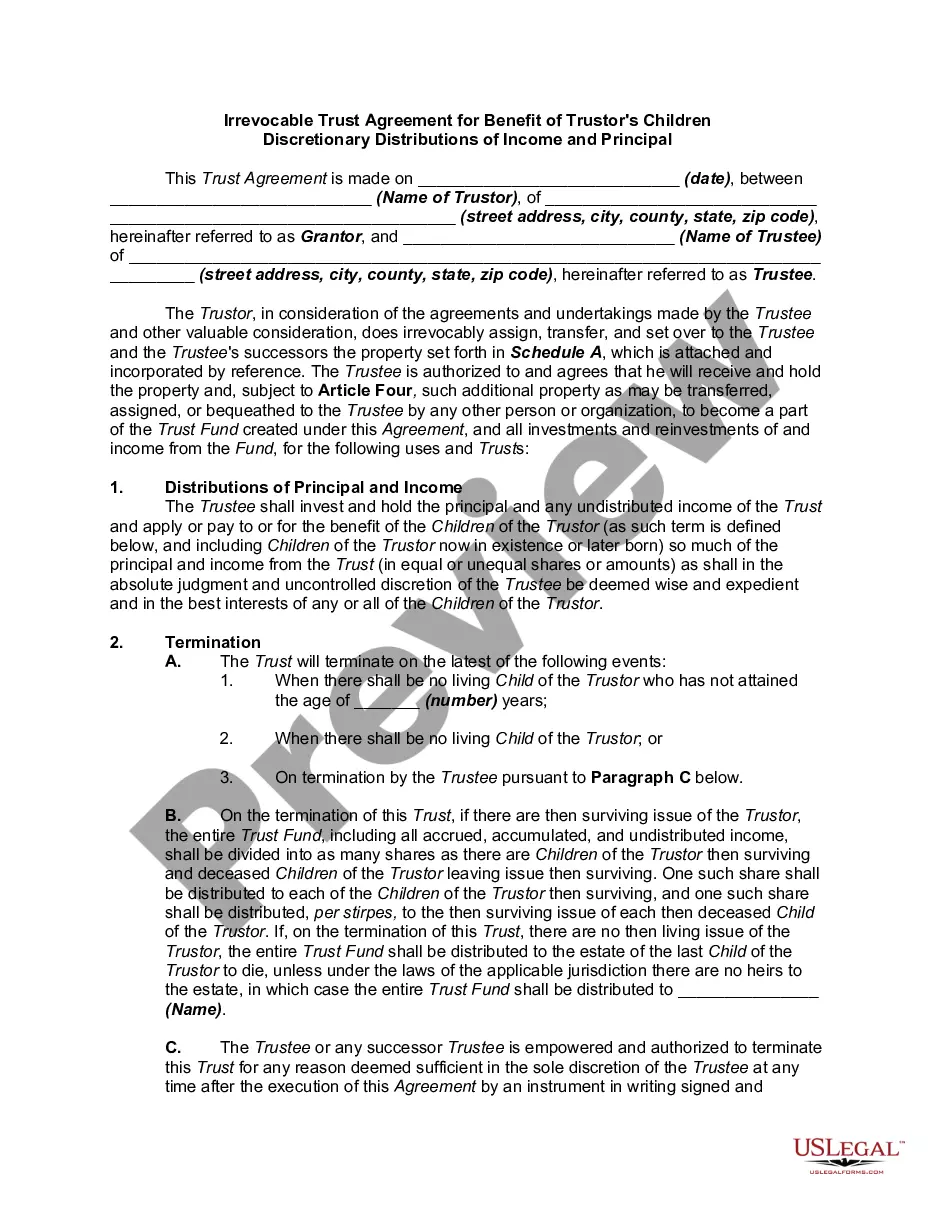
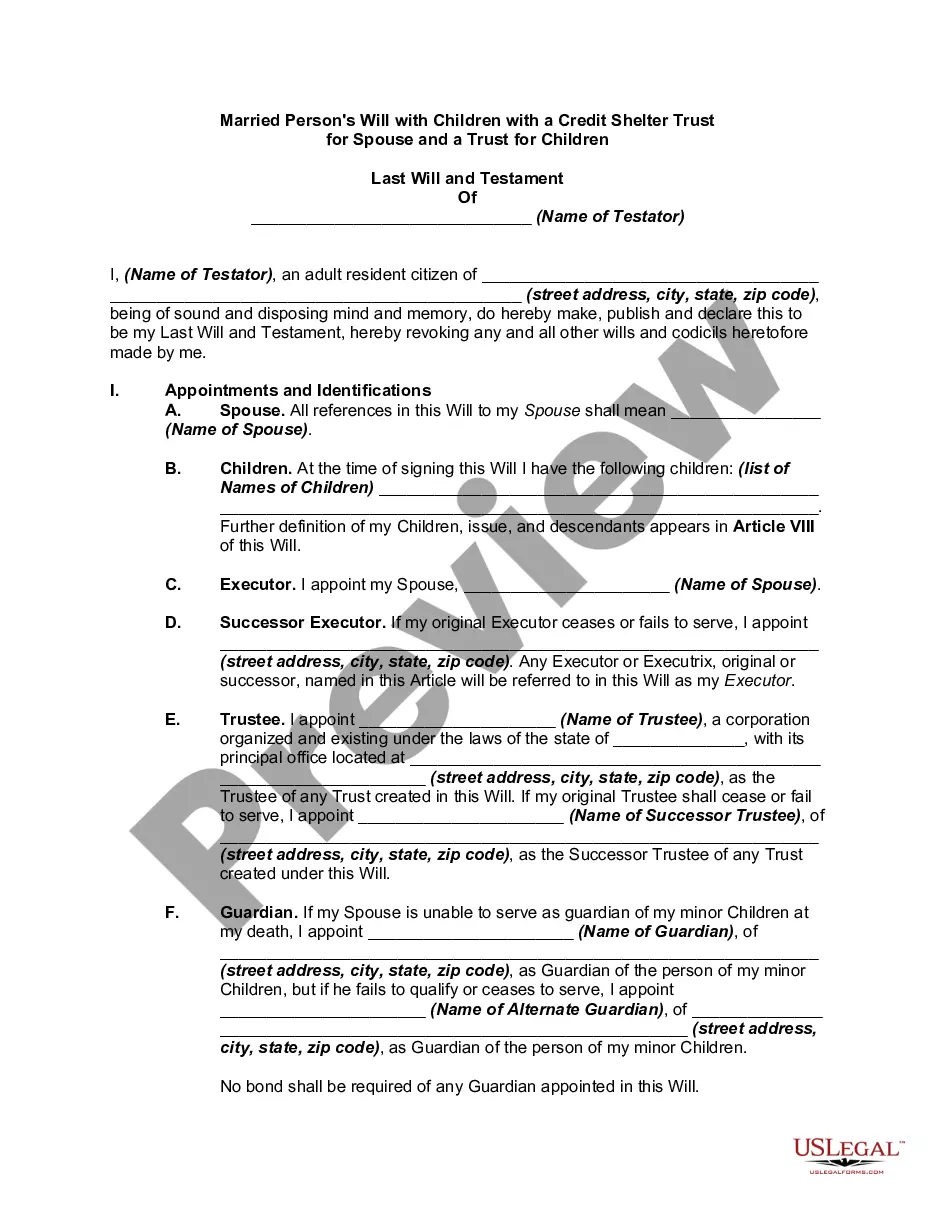
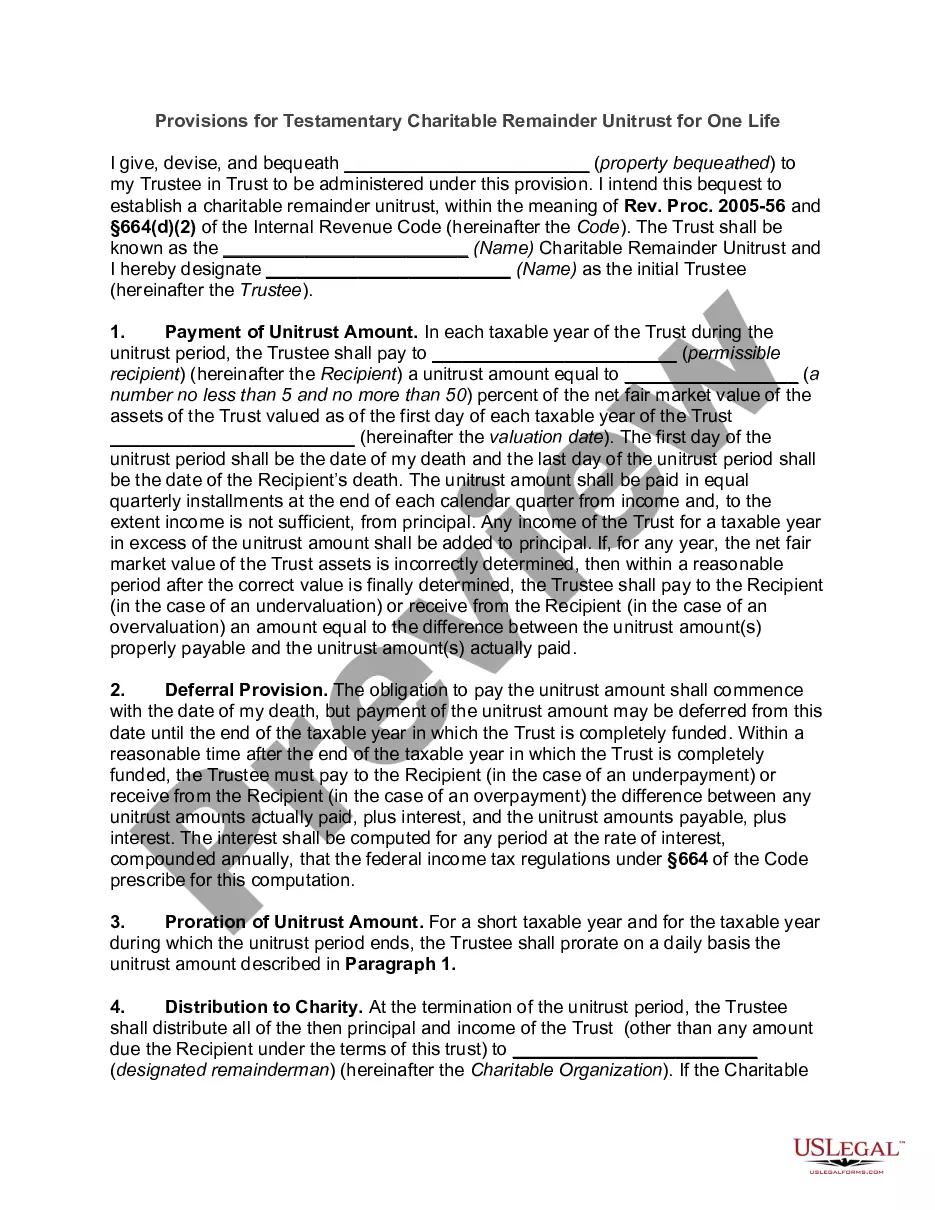
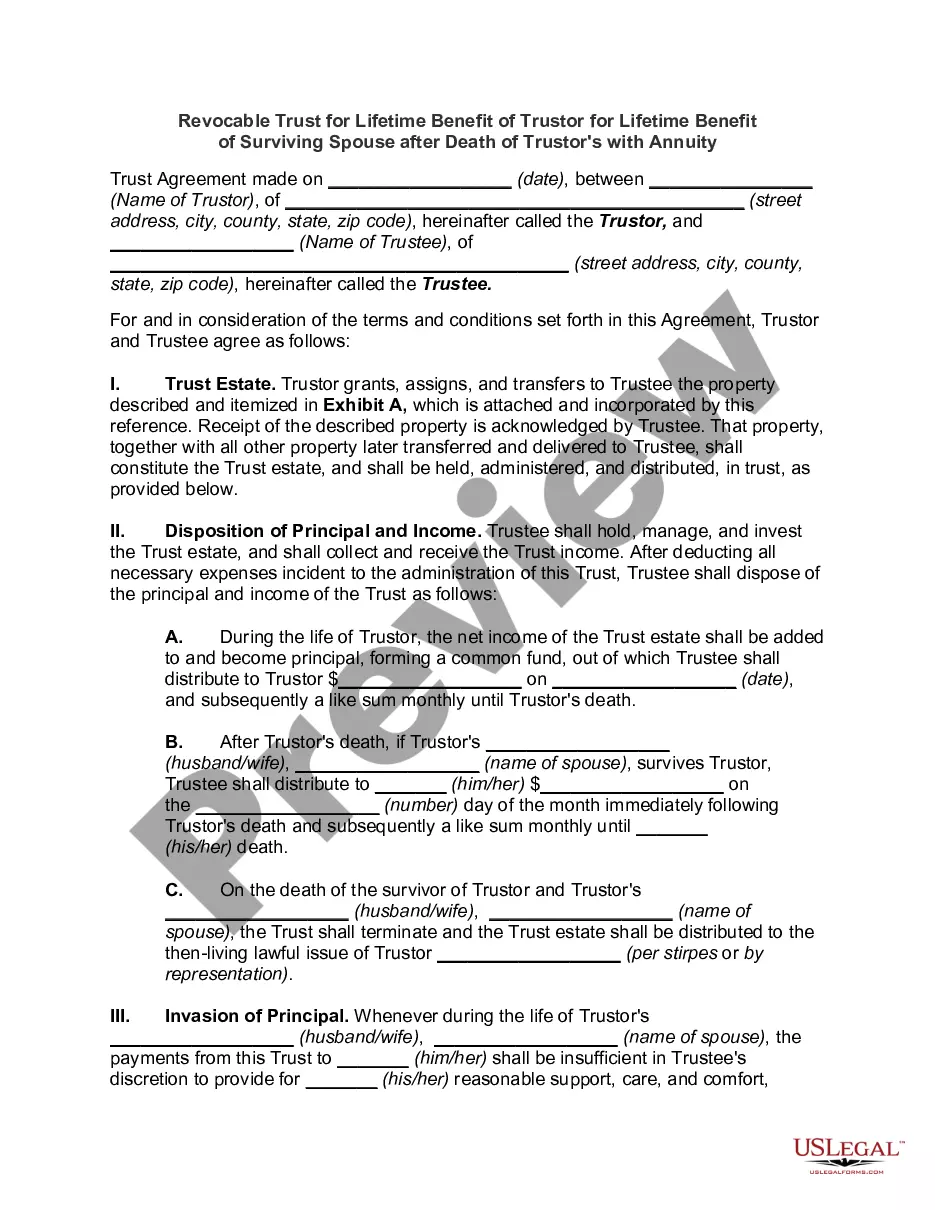
Get your form ready online
Our built-in tools help you complete, sign, share, and store your documents in one place.
Make edits, fill in missing information, and update formatting in US Legal Forms—just like you would in MS Word.
Download a copy, print it, send it by email, or mail it via USPS—whatever works best for your next step.
Sign and collect signatures with our SignNow integration. Send to multiple recipients, set reminders, and more. Go Premium to unlock E-Sign.
If this form requires notarization, complete it online through a secure video call—no need to meet a notary in person or wait for an appointment.
We protect your documents and personal data by following strict security and privacy standards.

Make edits, fill in missing information, and update formatting in US Legal Forms—just like you would in MS Word.

Download a copy, print it, send it by email, or mail it via USPS—whatever works best for your next step.

Sign and collect signatures with our SignNow integration. Send to multiple recipients, set reminders, and more. Go Premium to unlock E-Sign.

If this form requires notarization, complete it online through a secure video call—no need to meet a notary in person or wait for an appointment.

We protect your documents and personal data by following strict security and privacy standards.
Looking for another form?





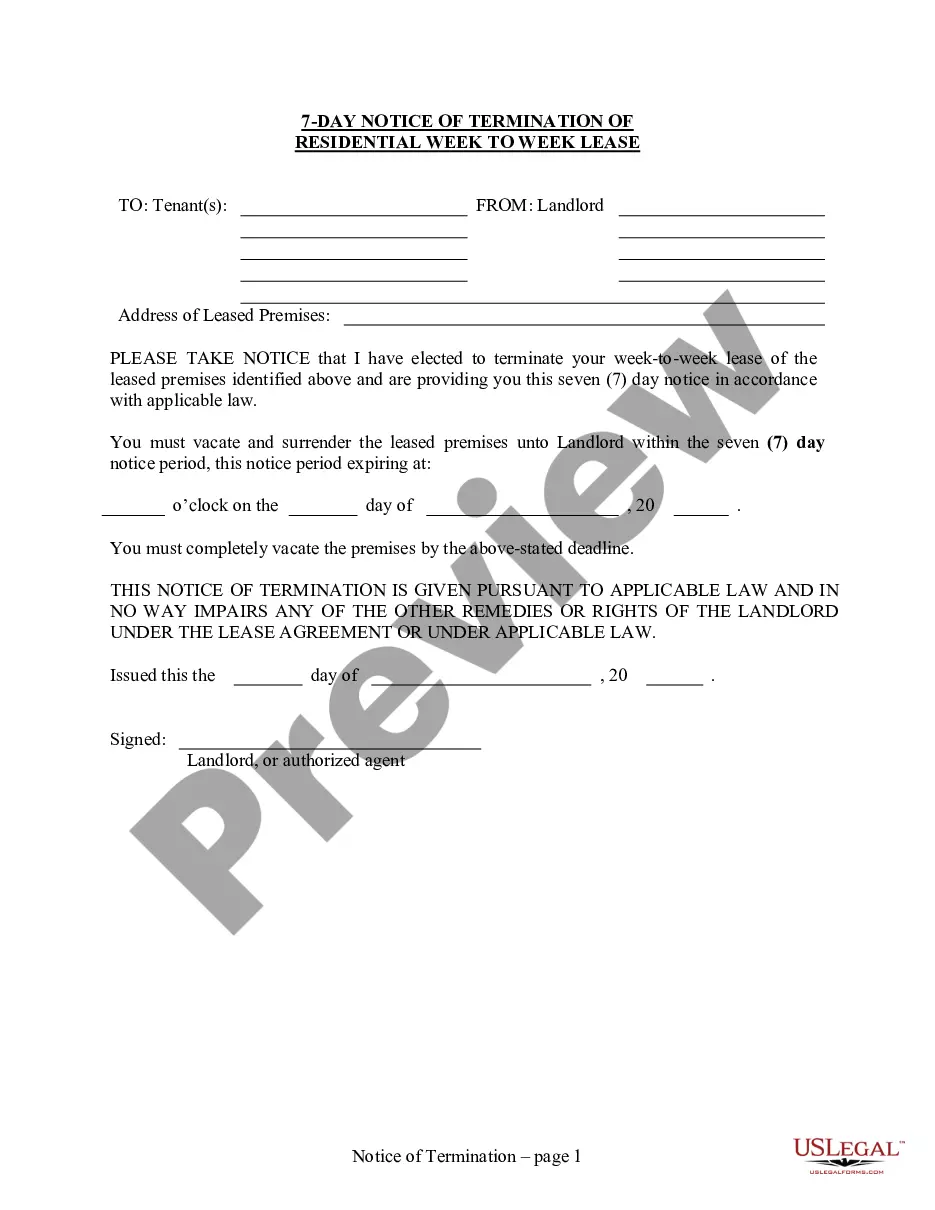



How to fill out Inter Vivos QTIP Trust With Principal To Donor's Children On Spouse's Death?
- If you're a returning user, login to your account and select the document you need. Ensure your subscription remains active or renew it as necessary.
- For new users, begin by checking the available templates and their descriptions to ensure you are selecting the correct form that meets your jurisdictional requirements.
- If the document does not align with your needs, utilize the search feature to find the appropriate template and validate it against your requirements.
- Once you locate the right document, click on the Buy Now button and select a subscription plan that fits your needs. Creating an account is essential for accessing our entire library.
- Finish your purchase by entering your payment information through credit card or PayPal. This grants you immediate access to legal documentation.
- Download the completed form to your device, which will be available within the My Forms section of your profile for future use.
In conclusion, US Legal Forms not only offers a robust collection of legal documents but also ensures users can easily navigate the complexities of legal paperwork. By following these steps, you're empowered to create legally sound forms without hassle.
Start your journey today by visiting US Legal Forms!
Form popularity
FAQ
To qualify for the marital deduction under QTIP, the trust must provide the surviving spouse with income from the trust while ensuring the principal is distributed only after their death. The spouse must also be the sole beneficiary of the income generated. This setup helps reduce estate taxes and benefits the surviving spouse. Consider using a Qtip trust principal form to simplify this process.
The QTIP rule allows a decedent to leave property to a surviving spouse while retaining control over the ultimate distribution after the spouse's death. This rule helps avoid estate taxes on the transferred property during the surviving spouse's lifetime. It ensures that the surviving spouse receives income from the trust during their lifetime, providing financial security. Complete the Qtip trust principal form to incorporate this rule seamlessly.
A QTIP trust must provide income to the surviving spouse, and they must have the right to withdraw that income during their lifetime. The trust must also meet specific IRS guidelines to qualify for marital deduction. Furthermore, the trust should ensure that all principal is distributed only after the surviving spouse’s death. Using a Qtip trust principal form can guide you through these requirements successfully.
To make a QTIP election, you must file IRS Form 706 within nine months of the decedent's death. This form allows you to declare your choice for the qualified terminable interest in property trust. It helps achieve tax benefits by ensuring that the surviving spouse is the recipient of the trust income. Completing a Qtip trust principal form is essential to properly documenting this election.
To establish a marital trust, the trust must benefit a surviving spouse. The trust must also provide the spouse with all income generated during their lifetime. Additionally, the trust should meet eligibility criteria set by the IRS to qualify for certain tax benefits. By completing a Qtip trust principal form, you can ensure compliance with these requirements.
One notable disadvantage of a QTIP trust involves the limited control over the trust's principal. The trust allows the surviving spouse to receive income during their lifetime, but when they pass, the remaining assets may not go to your intended beneficiaries. This situation can lead to unexpected distributions, especially if the surviving spouse remarries. To manage this, consider completing your QTIP trust principal form and ensure that your estate planning remains aligned with your goals by using resources like US Legal Forms.
A QTIP trust generally does not distribute principal to beneficiaries during the life of the grantor. Instead, it primarily allows income to be distributed to the surviving spouse, which can provide financial security. However, under certain conditions, distributions may occur. To simplify the process and to understand different distribution options, refer to the QTIP trust principal form complete for a button on the US Legal Forms platform.
Yes, a QTIP trust must file a tax return. Typically, the trust will file Form 1041 each year to report its income. It's essential to understand that the income generated within the trust may be taxable to the beneficiary. To navigate the complexities around taxes, consider using the QTIP trust principal form complete for a button available on the US Legal Forms platform.
The primary reason to use a QTIP trust is to provide financial security for a surviving spouse while managing the eventual distribution of assets to other beneficiaries. This setup ensures that the spouse receives the support they need, but also allows for the effective transfer of wealth to heirs later on. By utilizing the QTIP trust principal form complete for a button, you can maximize tax benefits while protecting your family’s interests.
One downside of a QTIP trust is that it may lead to higher estate taxes for the surviving spouse, as the trust assets are included in their taxable estate. Additionally, if the surviving spouse faces financial challenges, creditors might have claims against the trust assets. It is essential to weigh these downsides against the benefits when considering a QTIP trust to determine if it aligns with your estate planning goals.