Q-tip Passed Away
Description

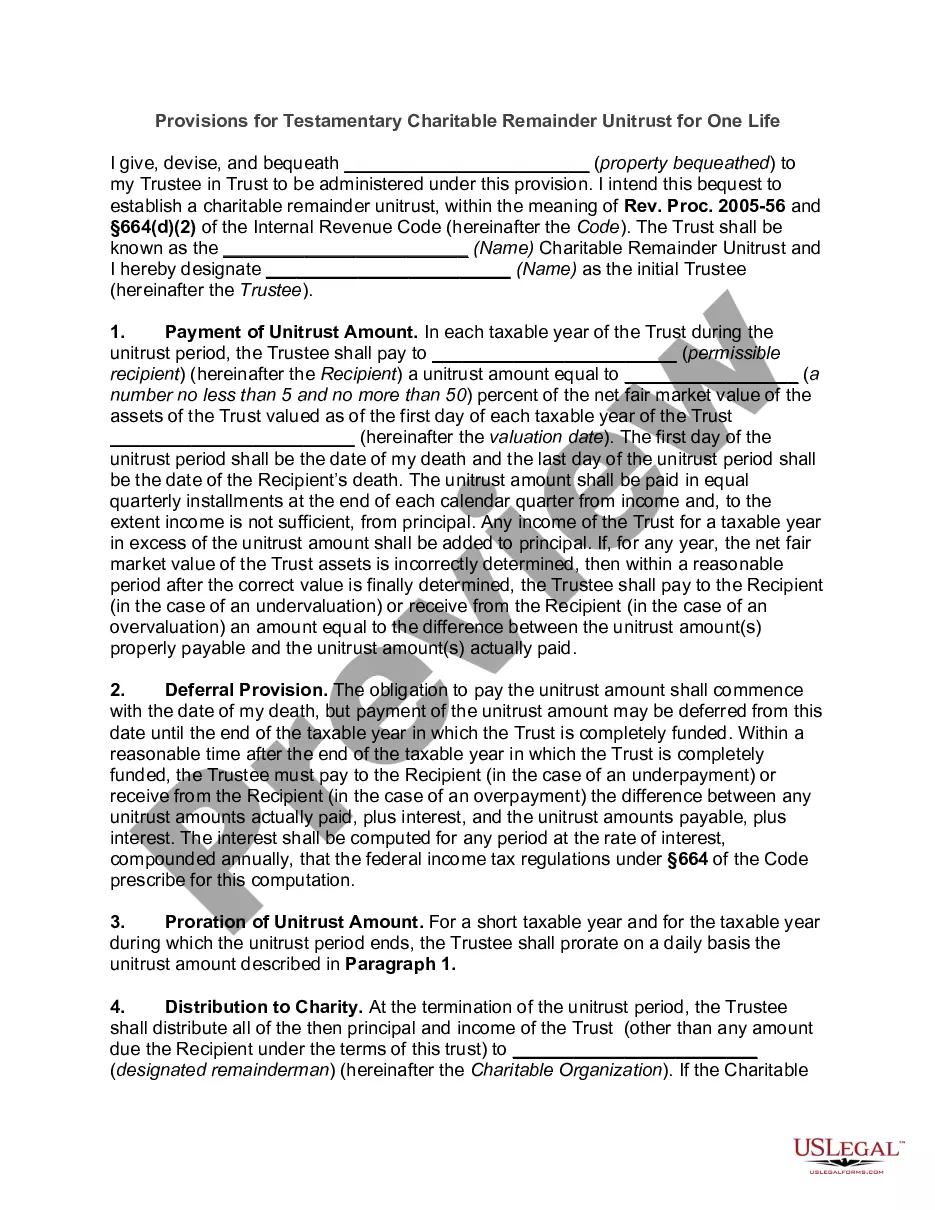
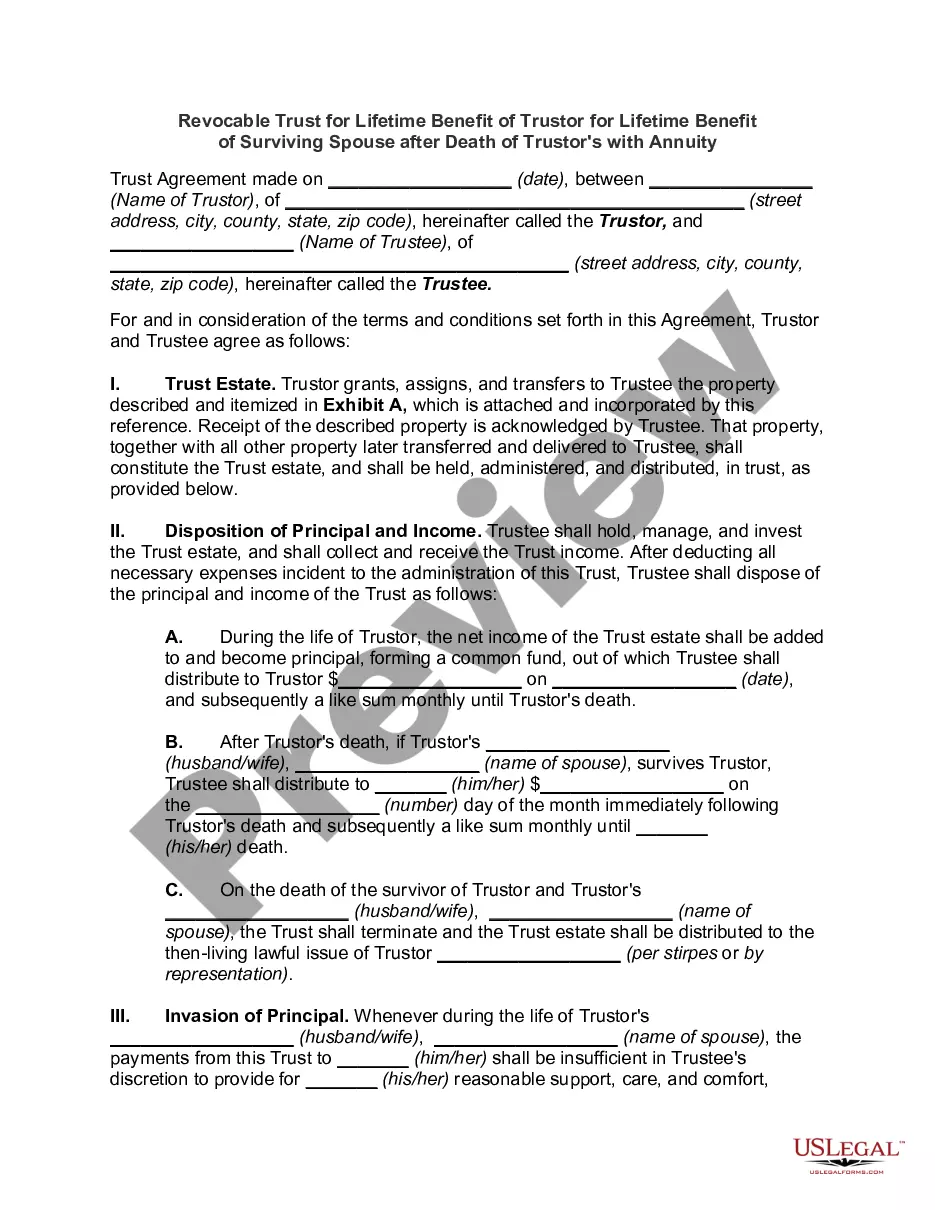
Get your form ready online
Our built-in tools help you complete, sign, share, and store your documents in one place.
Make edits, fill in missing information, and update formatting in US Legal Forms—just like you would in MS Word.
Download a copy, print it, send it by email, or mail it via USPS—whatever works best for your next step.
Sign and collect signatures with our SignNow integration. Send to multiple recipients, set reminders, and more. Go Premium to unlock E-Sign.
If this form requires notarization, complete it online through a secure video call—no need to meet a notary in person or wait for an appointment.
We protect your documents and personal data by following strict security and privacy standards.

Make edits, fill in missing information, and update formatting in US Legal Forms—just like you would in MS Word.

Download a copy, print it, send it by email, or mail it via USPS—whatever works best for your next step.

Sign and collect signatures with our SignNow integration. Send to multiple recipients, set reminders, and more. Go Premium to unlock E-Sign.

If this form requires notarization, complete it online through a secure video call—no need to meet a notary in person or wait for an appointment.

We protect your documents and personal data by following strict security and privacy standards.
Looking for another form?


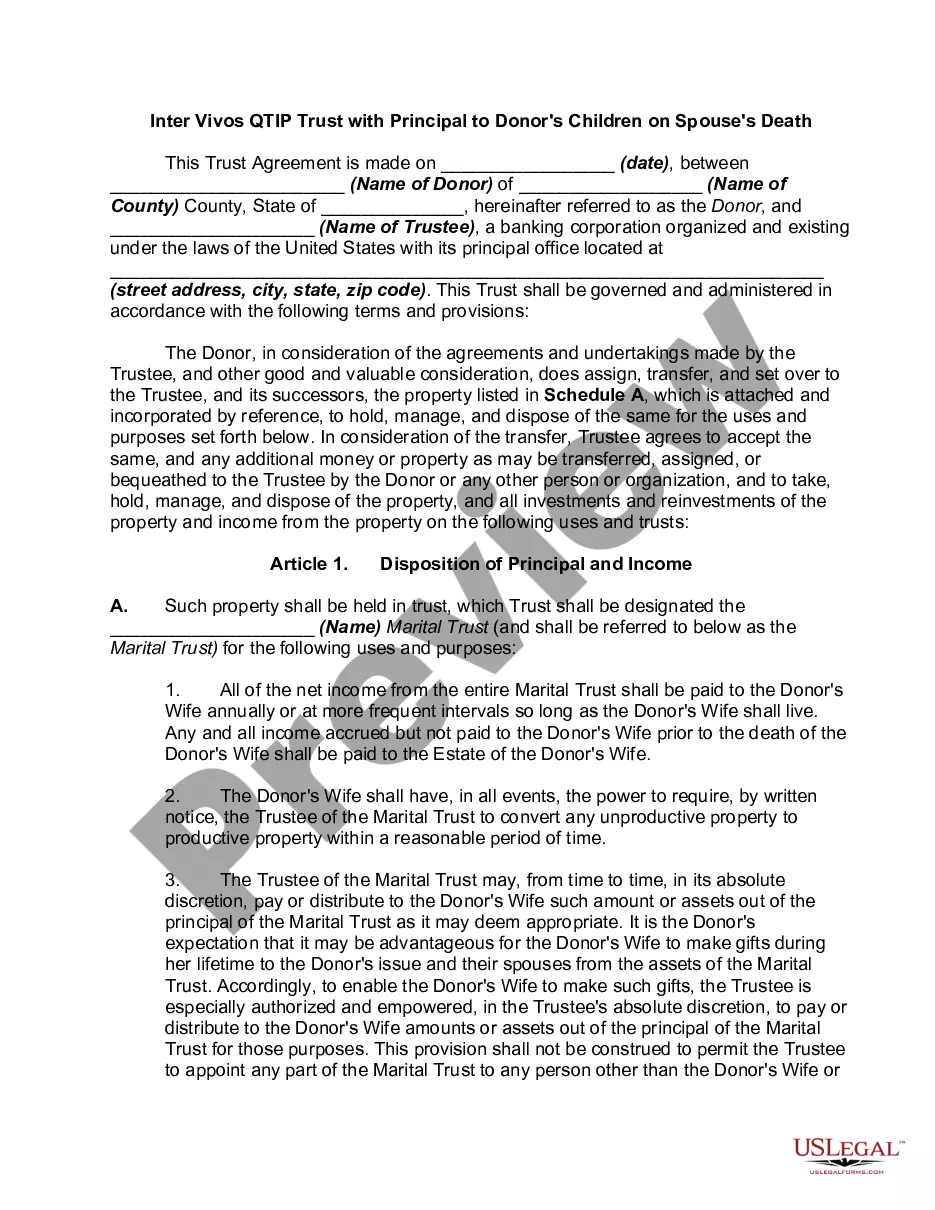
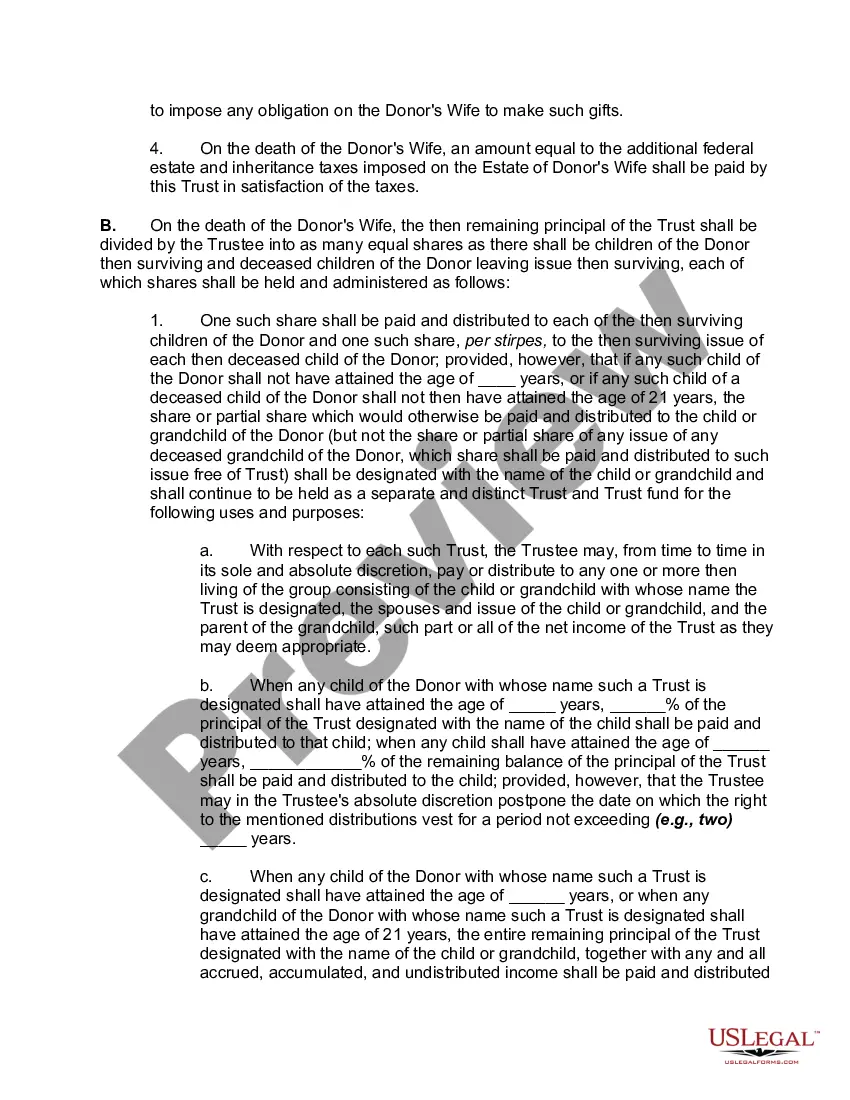
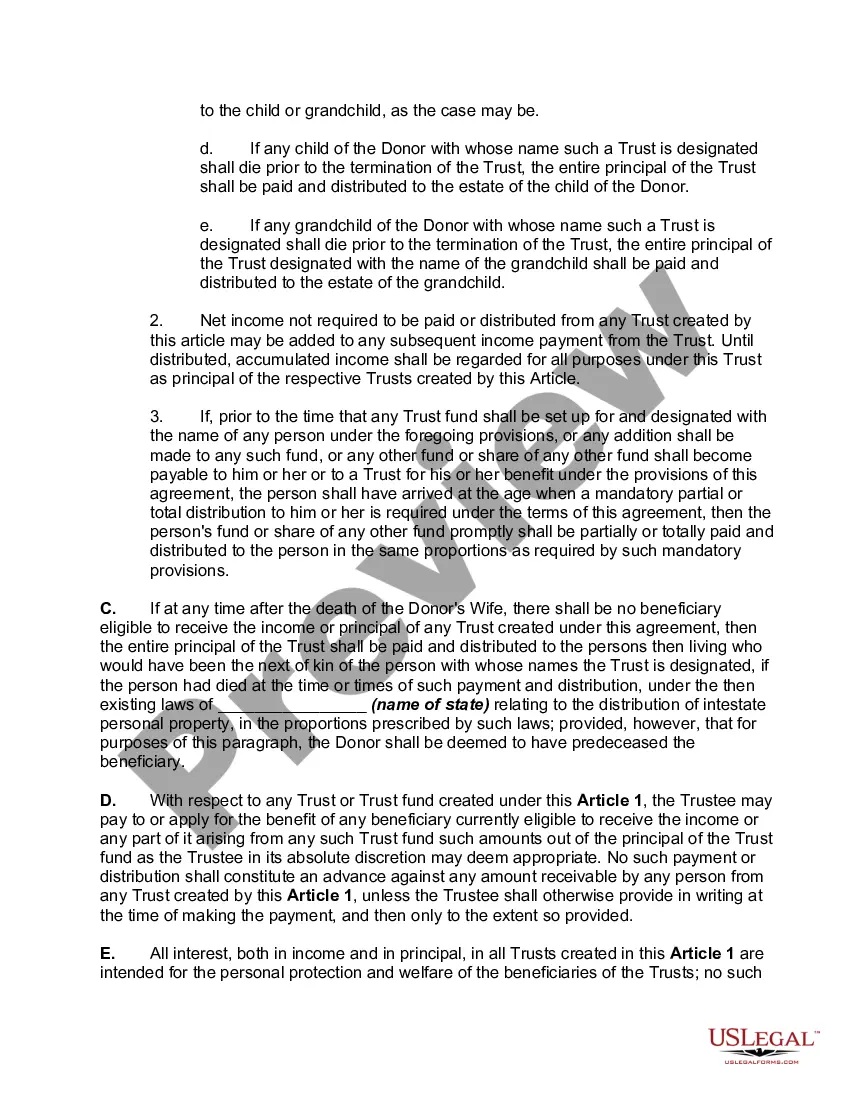
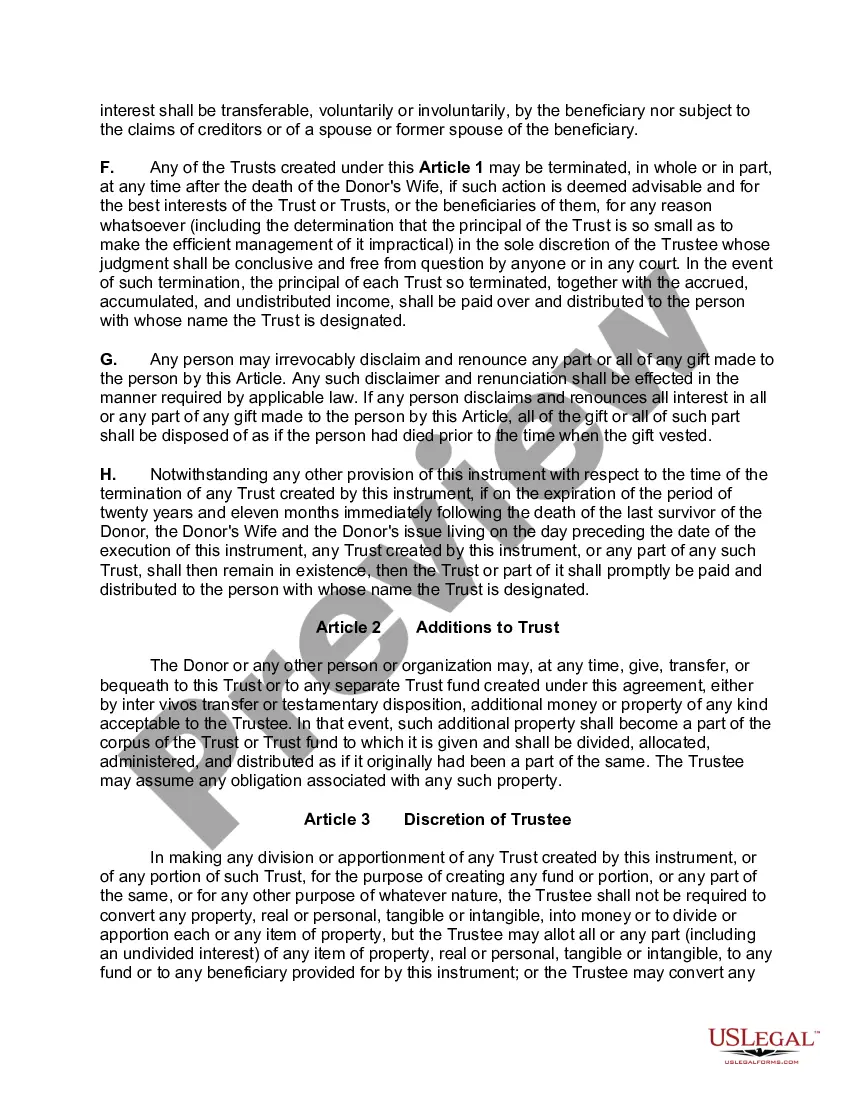
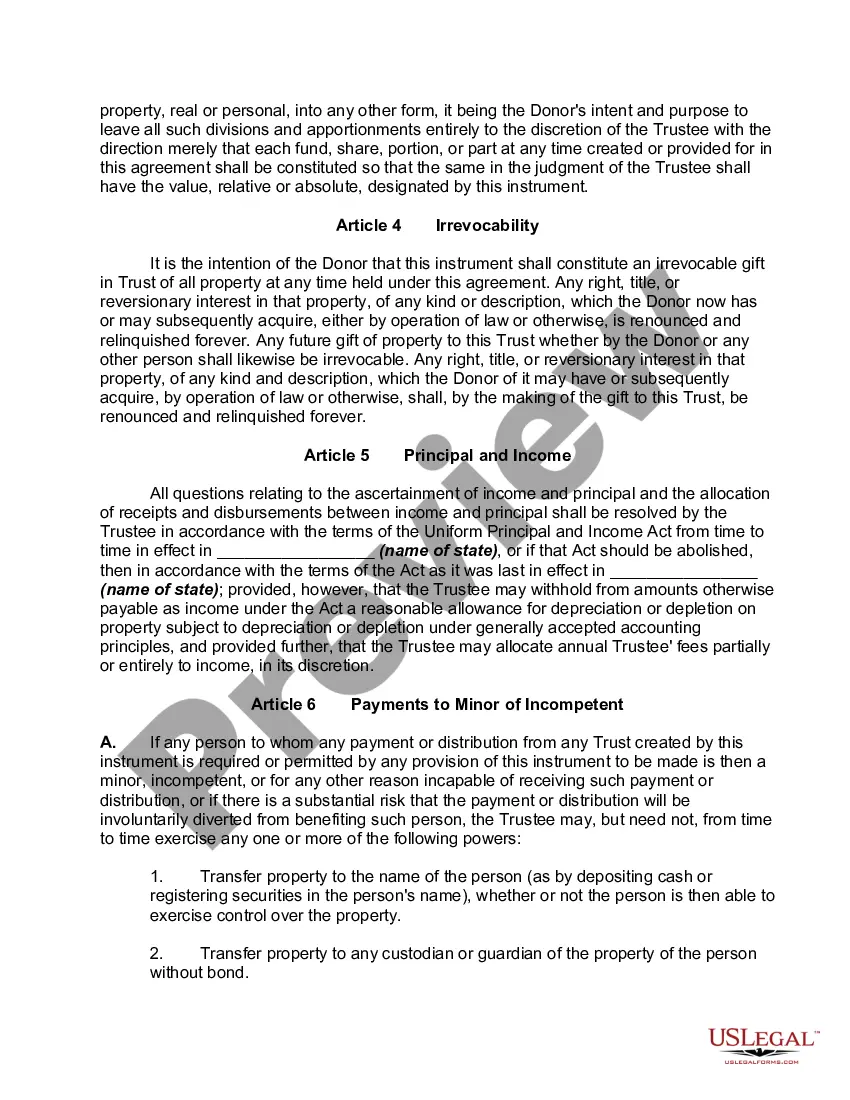
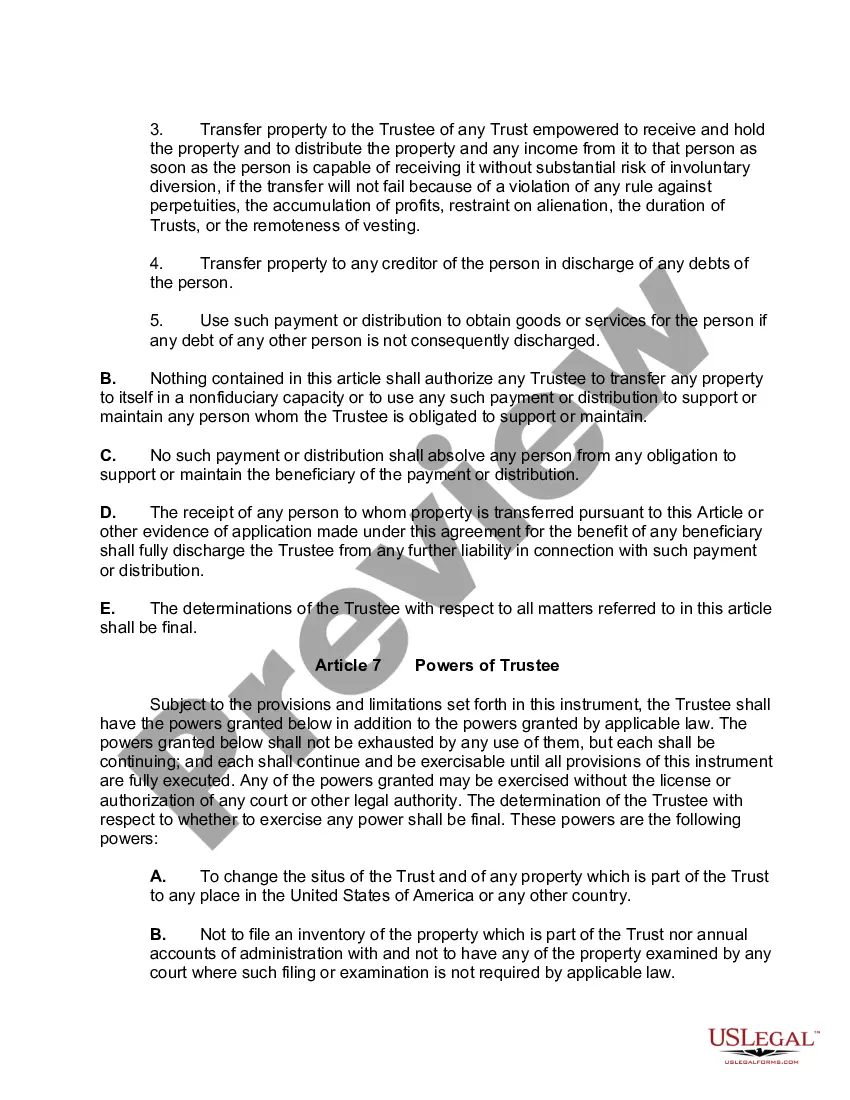
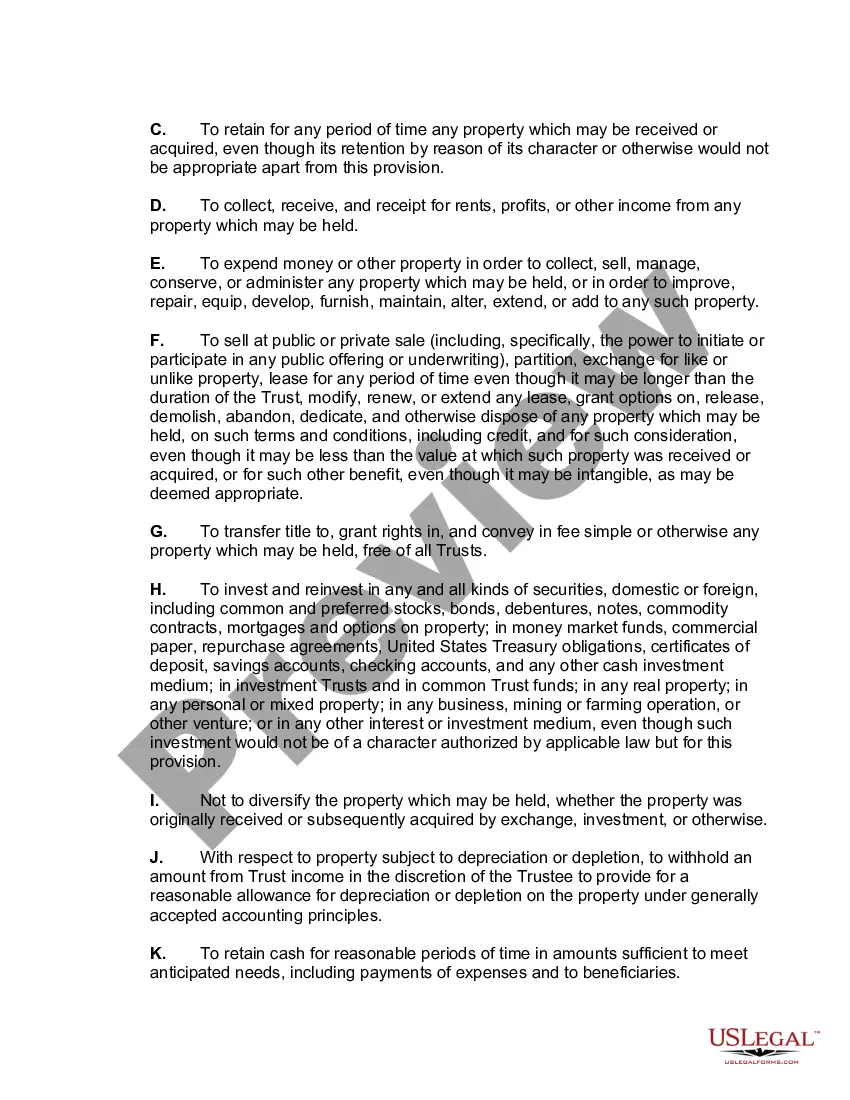
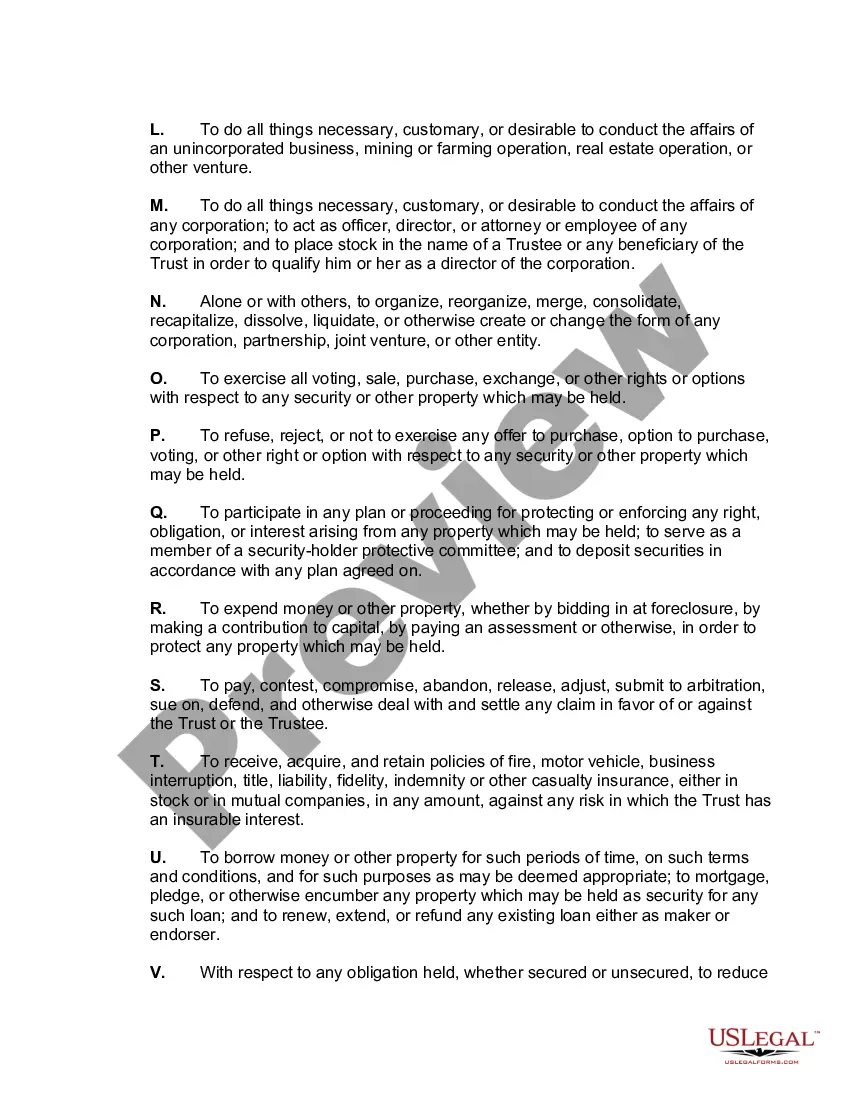
How to fill out Inter Vivos QTIP Trust With Principal To Donor's Children On Spouse's Death?
- Log in to your US Legal Forms account. Make sure your subscription is active, or renew it if necessary.
- Explore the Preview mode to review form descriptions. Confirm that the template aligns with your specific needs and jurisdiction requirements.
- If you need a different template, use the Search feature to find the right one. Verify its accuracy before moving forward.
- Select and purchase your document by clicking the Buy Now button while opting for your preferred subscription plan.
- Complete your payment using your credit card or PayPal to finalize your purchase.
- Download your documents directly to your device and access them anytime in the My Forms section of your account.
In conclusion, US Legal Forms not only provides a robust collection of legal documents but also empowers users with access to expert assistance if needed. This ensures that your forms are prepared correctly, meeting all legal standards.
Start simplifying your legal document process today by visiting US Legal Forms!
Form popularity
FAQ
Yes, a surviving spouse can serve as the trustee of a QTIP trust. This position allows them to manage the trust assets while adhering to the income distribution requirements set forth in the trust. Choosing a surviving spouse as trustee simplifies administration, especially when processing affairs after a Q-tip passed away.
tip property example could be a family home placed in a QTIP trust. The surviving spouse can live in the house and receive all rental income while having continued ownership over the property. This strategic setup helps manage asset distribution after a Qtip passed away, benefiting the family structure.
The Q-tip rule requires that all income generated by the trust be distributed to the surviving spouse, ensuring they receive financial support during their lifetime. This rule allows the trust to qualify for the marital deduction, providing tax benefits when the first spouse has passed away. Familiarity with this rule can aid in effective estate planning.
A typical example of a QTIP trust involves a husband establishing the trust for his wife. Upon his death, the trust allows his wife to receive all income until her demise, at which point the remaining assets pass to their children. This arrangement effectively manages wealth transfer after a Q-tip passed away.
tip requirement entails that the surviving spouse receives all income generated from the trust during their lifetime. It ensures that upon the surviving spouse's passing, the trust assets will transfer to designated beneficiaries, often the children or other heirs. Understanding these requirements is crucial when managing an estate after a Qtip passed away.
tip election allows a surviving spouse to obtain a stepup in basis for inherited property when the first spouse has passed away. It ensures that the deceased spouse's assets can transfer to the surviving spouse without immediate tax implications. This election is advantageous for tax planning and estate management, especially after a Qtip passed away.
A QTIP election can be made on a late-filed Form 706 under certain circumstances, usually by filing a request for an extension with the IRS. If you missed the deadline due to valid reasons, there may still be an opportunity to claim the deduction. Understanding the intricacies after a Q-tip passed away is vital to ensure compliance and maximize your tax benefits. UsLegalForms can help you navigate the IRS regulations related to late filings and QTIP elections.
Yes, QTIP property is typically included in the estate of the surviving spouse upon their passing. This inclusion arises because the QTIP election allows the trust’s assets to receive a marital deduction. Therefore, it’s crucial to consider how a Q-tip passed away can influence future estate planning for the surviving spouse. Using UsLegalForms can provide tailored templates and guides to assist in structuring these considerations.
To make a QTIP election on Form 706, you must indicate the QTIP election on the form itself when filing the decedent’s estate tax return. This election allows you to treat the property passing to the surviving spouse as a qualified terminable interest property. When a Q-tip passed away, ensuring proper completion of Form 706 can help maximize tax benefits. UsLegalForms offers resources that can guide you through the necessary steps for making this election effectively.
When a QTIP trust terminates, the tax consequences can vary based on the assets involved. Generally, the trust's assets may be included in the estate of the surviving spouse and could lead to estate taxes. It is essential to consult with a tax advisor to understand the specific implications after a Q-tip passed away. Utilizing platforms like UsLegalForms can help simplify the process for estate planning and trust administration.