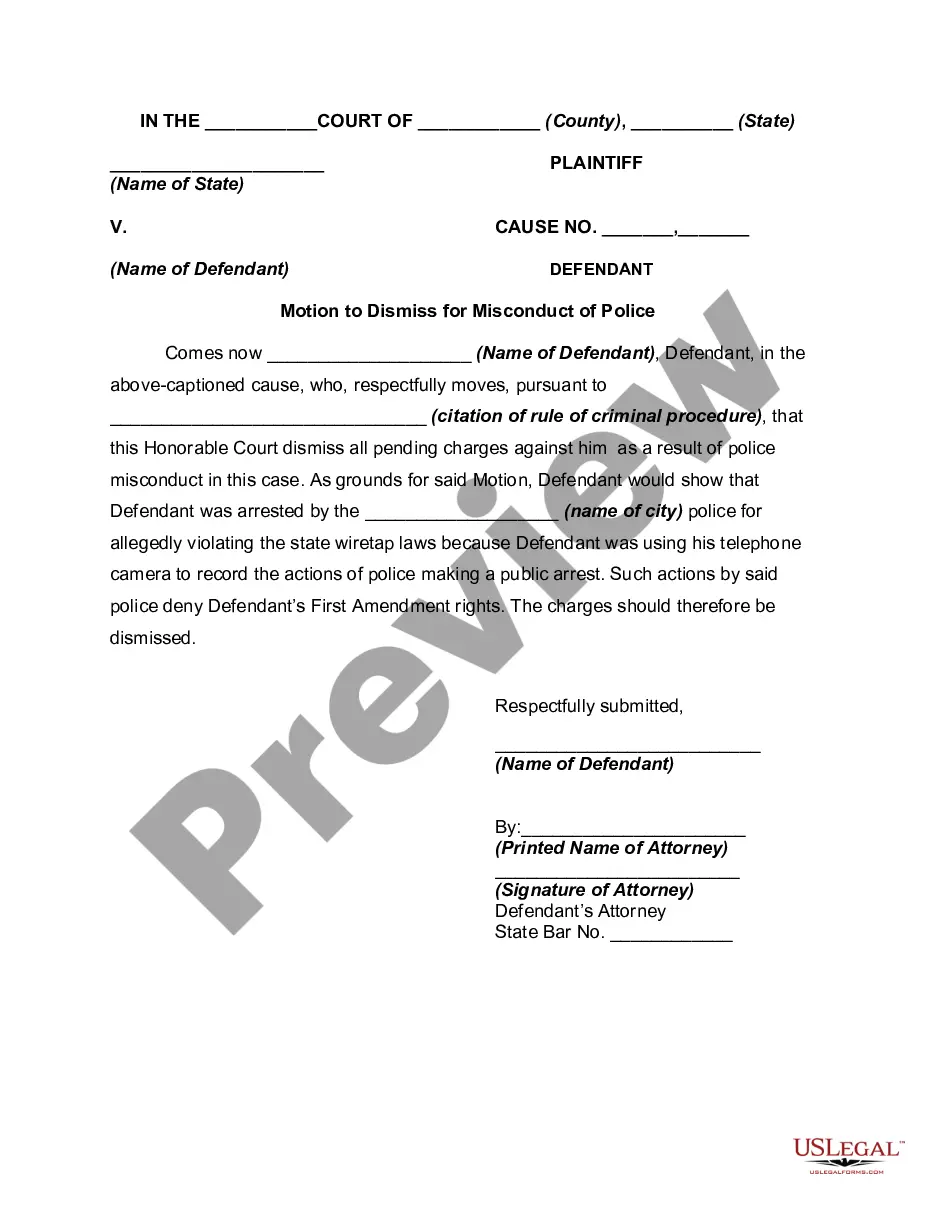
Misconduct Police Form With 2 Points
Description
Get your form ready online
Our built-in tools help you complete, sign, share, and store your documents in one place.
Make edits, fill in missing information, and update formatting in US Legal Forms—just like you would in MS Word.
Download a copy, print it, send it by email, or mail it via USPS—whatever works best for your next step.
Sign and collect signatures with our SignNow integration. Send to multiple recipients, set reminders, and more. Go Premium to unlock E-Sign.
If this form requires notarization, complete it online through a secure video call—no need to meet a notary in person or wait for an appointment.
We protect your documents and personal data by following strict security and privacy standards.

Make edits, fill in missing information, and update formatting in US Legal Forms—just like you would in MS Word.

Download a copy, print it, send it by email, or mail it via USPS—whatever works best for your next step.

Sign and collect signatures with our SignNow integration. Send to multiple recipients, set reminders, and more. Go Premium to unlock E-Sign.

If this form requires notarization, complete it online through a secure video call—no need to meet a notary in person or wait for an appointment.

We protect your documents and personal data by following strict security and privacy standards.
Looking for another form?
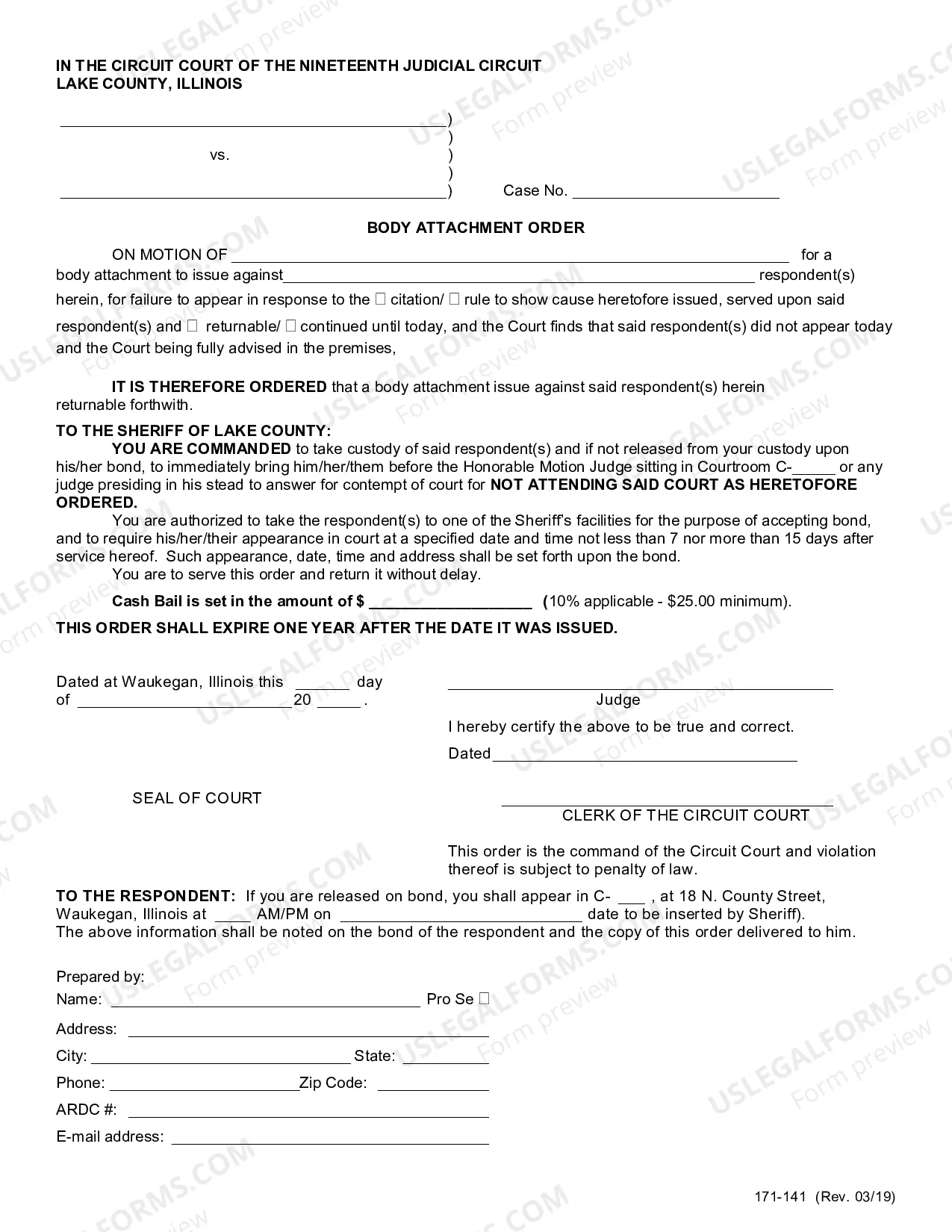
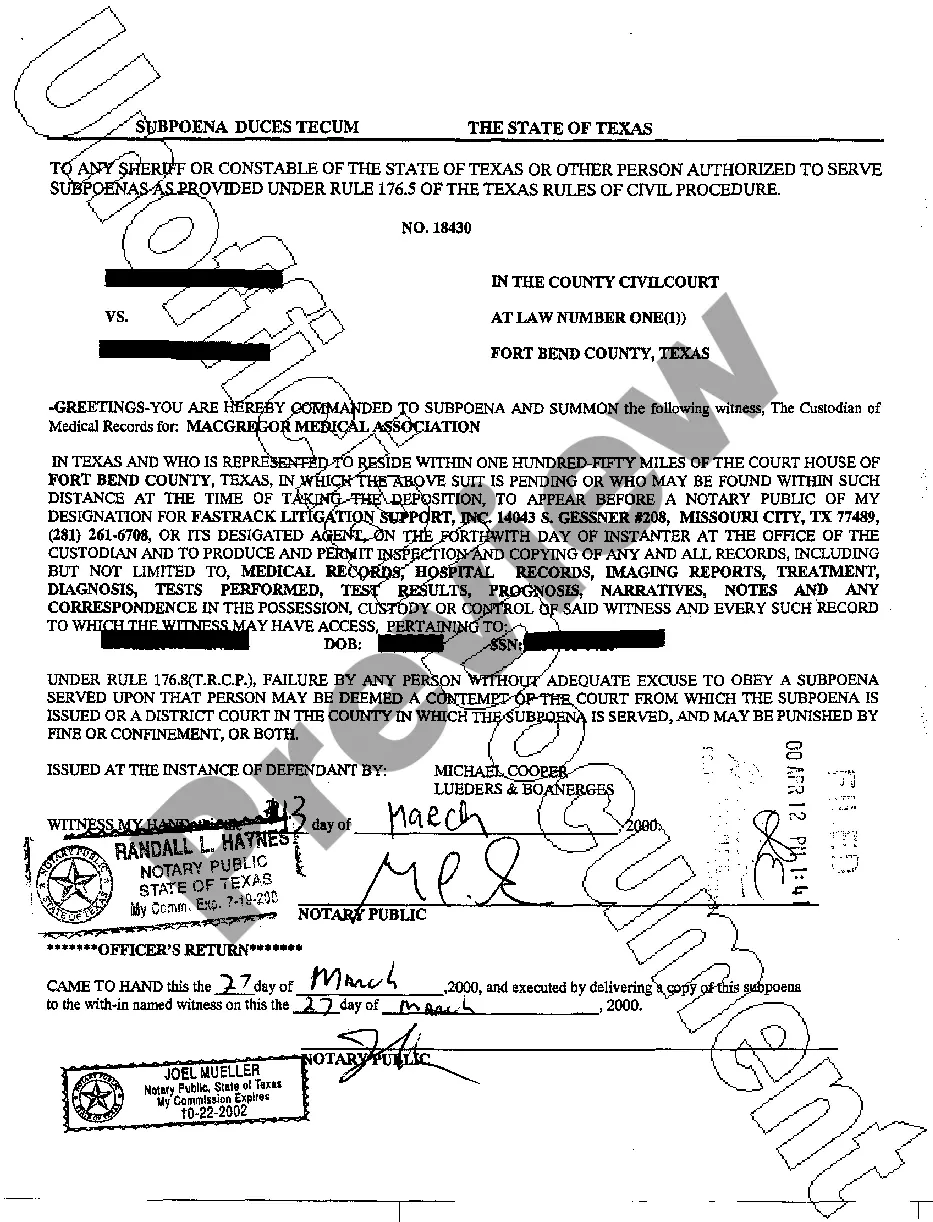
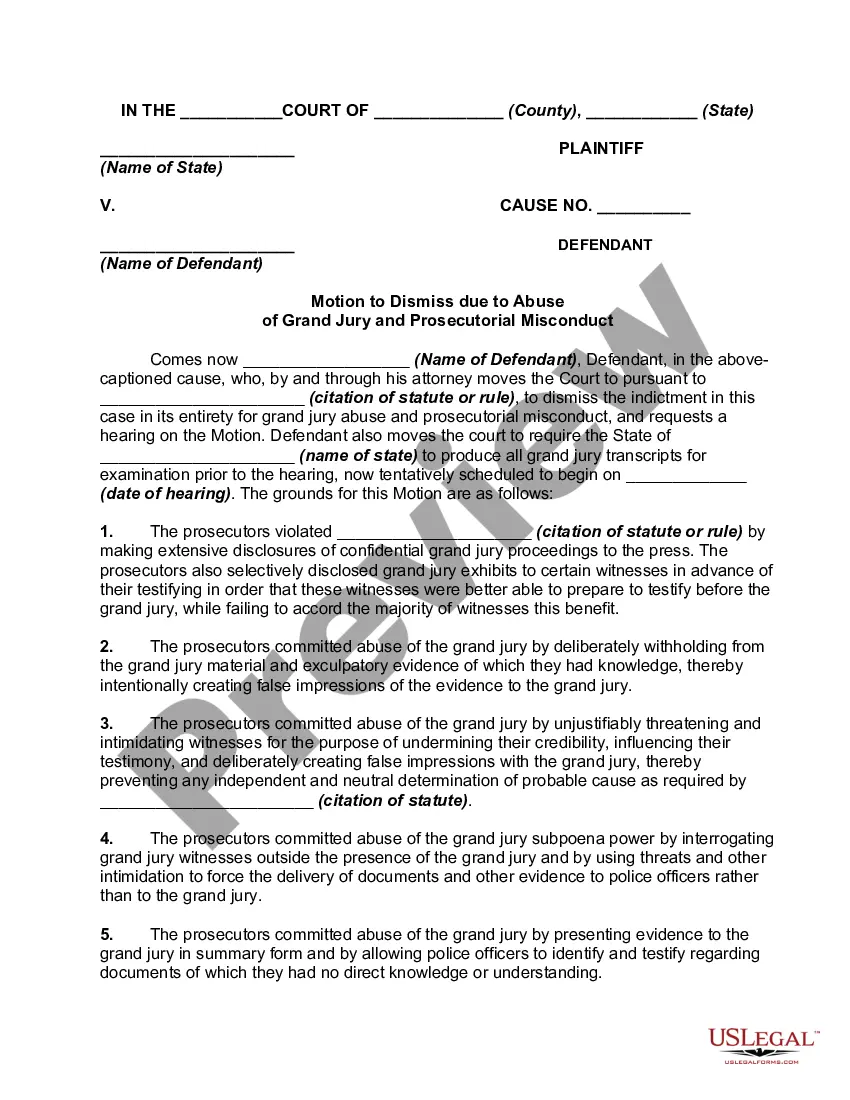
How to fill out Motion To Dismiss For Misconduct Of Police?
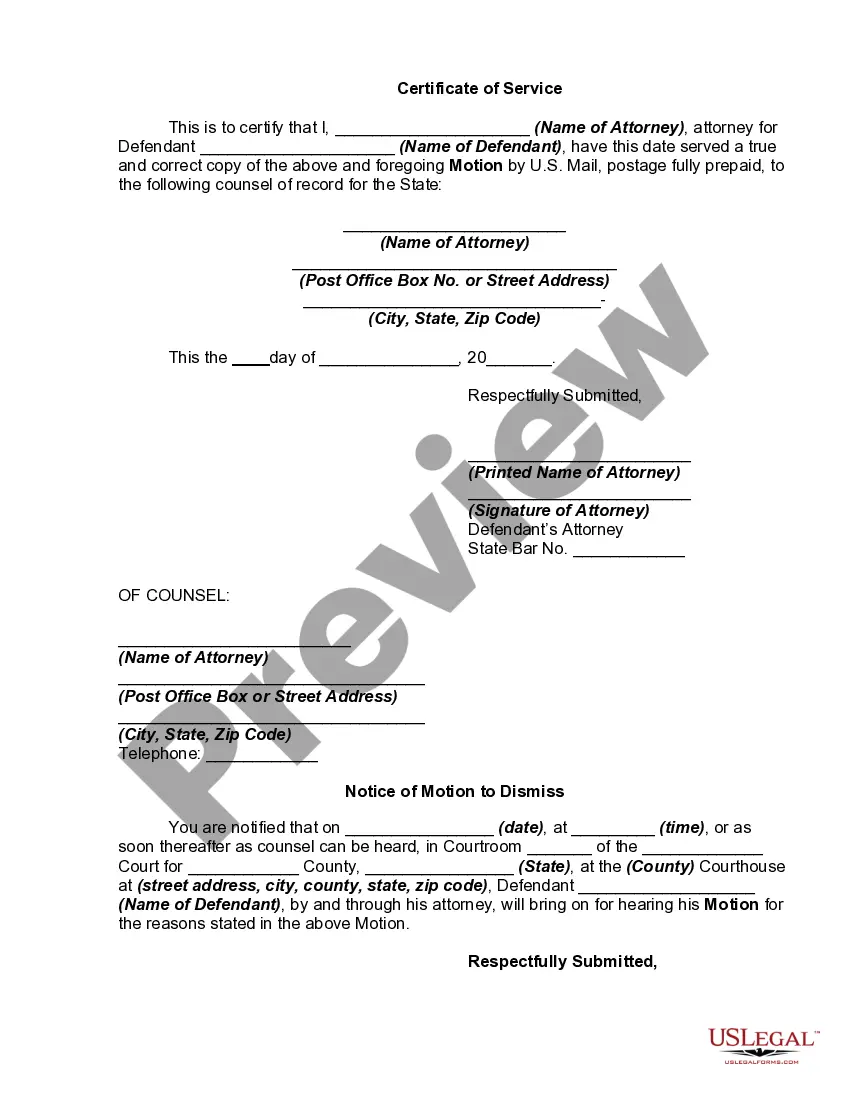
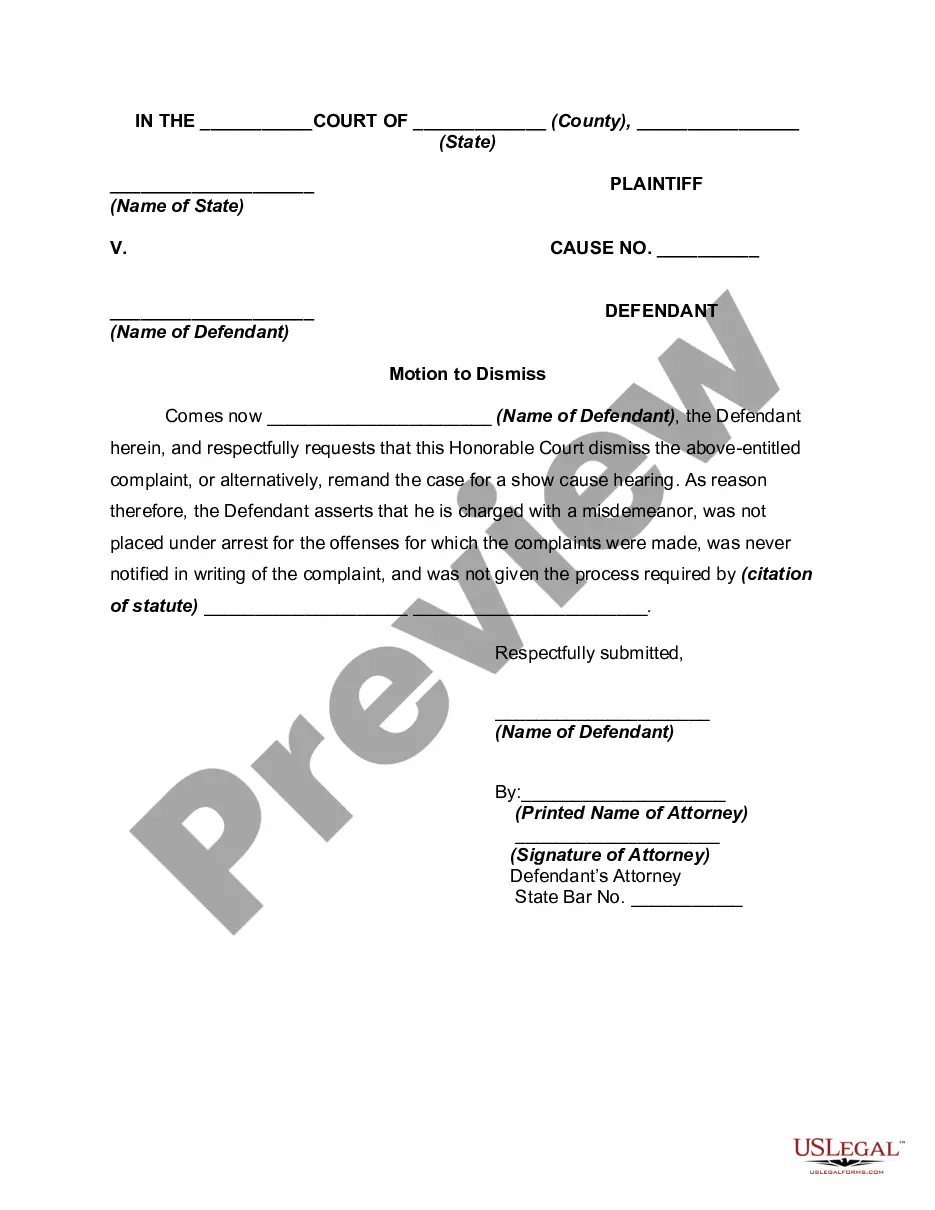
The Misconduct Police Document With 2 Points you view on this page is a reusable formal outline crafted by expert attorneys in accordance with federal and state regulations and statutes.
For over 25 years, US Legal Forms has delivered individuals, businesses, and lawyers with more than 85,000 validated, state-specific templates for any corporate and personal situation.
Register for US Legal Forms to have validated legal templates for all of life's circumstances at your fingertips.
- Explore the document you require and verify it.
- Review the example you searched and preview it or examine the form description to confirm it meets your needs. If it does not, utilize the search function to find the suitable one. Click Buy Now when you have found the template you want.
- Register and Log In.
- Choose the pricing package that fits you and sign up for an account. Use PayPal or a credit card to process a swift payment. If you already have an account, Log In and review your membership to proceed.
- Acquire the editable template.
- Select the format you desire for your Misconduct Police Document With 2 Points (PDF, DOCX, RTF) and download the example onto your device.
- Fill out and sign the document.
- Print the template to complete it by hand. Alternatively, employ an online multifunctional PDF editor to quickly and accurately fill out and sign your form with an electronic signature.
- Download your documents once more.
- Utilize the same document again whenever required. Access the My documents tab in your profile to redownload any previously acquired forms.
Form popularity
FAQ
Police accountability can occur through internal affairs investigations, civilian review boards, legal actions, and community oversight. These mechanisms help ensure that officers adhere to ethical standards. Using a misconduct police form can initiate these accountability processes, promoting justice in your community.
Forms of police misconduct encompass a range of issues, including corruption, abuse of authority, and failure to uphold constitutional rights. Each type erodes community trust and safety. To report any observed misconduct, consider using a misconduct police form as a vital step for resolution.
Common forms of police misconduct include excessive force, racial profiling, and wrongful arrest. These actions undermine public trust and can lead to serious legal consequences. If you encounter such behavior, it is essential to document the incident using a misconduct police form to ensure accountability.
In police code, 1042 refers to a specific incident involving an officer's misconduct. It typically indicates a need to report or document behavior that falls outside acceptable conduct. Understanding this code can help you recognize when to act, such as filing a misconduct police form if you witness unprofessional behavior.
Examples of police misconduct can include racial profiling, falsifying evidence, and engaging in inappropriate relationships with informants. Each of these actions can severely undermine public trust in law enforcement. If you have experienced or witnessed such behavior, consider documenting your case with a Misconduct police form for accurate reporting.
Misconduct in police work includes various behaviors, such as excessive use of force, corruption, or abuse of power. It encompasses any actions that violate law or department regulations. Addressing these issues effectively can often begin with filing a Misconduct police form, which helps initiate the complaint process.
Proving misconduct in a public office usually hinges on two main points: showing that the officer acted improperly while fulfilling their duties and demonstrating that the misconduct harmed the public interest. This can often involve detailed documentation. Utilizing the Misconduct police form can assist in structuring your claims effectively.
To prove police misconduct, you should gather evidence, such as witness statements, documentation, and any available video recordings. Using the Misconduct police form can help organize this evidence systematically. It is important to present a coherent narrative that outlines the facts of the case clearly and logically.
The standard of proof in cases of police misconduct typically requires demonstrating a preponderance of evidence. This means that it is more probable than not that the misconduct occurred. In some civil cases, particularly those involving the Misconduct police form, the burden can vary, but the goal remains to clearly show the facts surrounding the incident.
Proving police misconduct often requires gathering solid evidence. Start by documenting the incident through written accounts, photos, and video, if available. Additionally, you can use a misconduct police form to report the event, which helps create an official record. Collecting witness statements can further strengthen your case and provide clarity on the situation.