Difference Between Conviction And Acquittal
Description
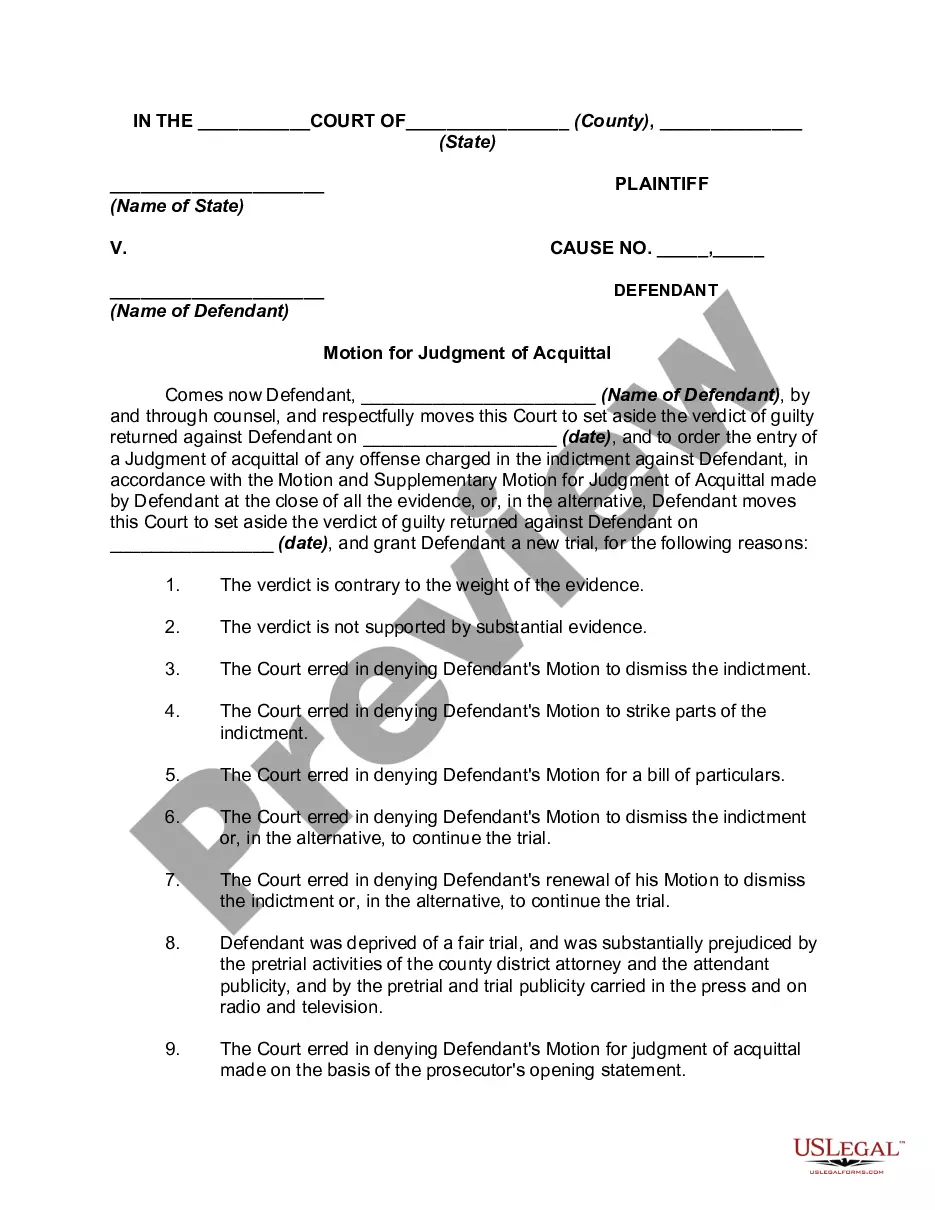
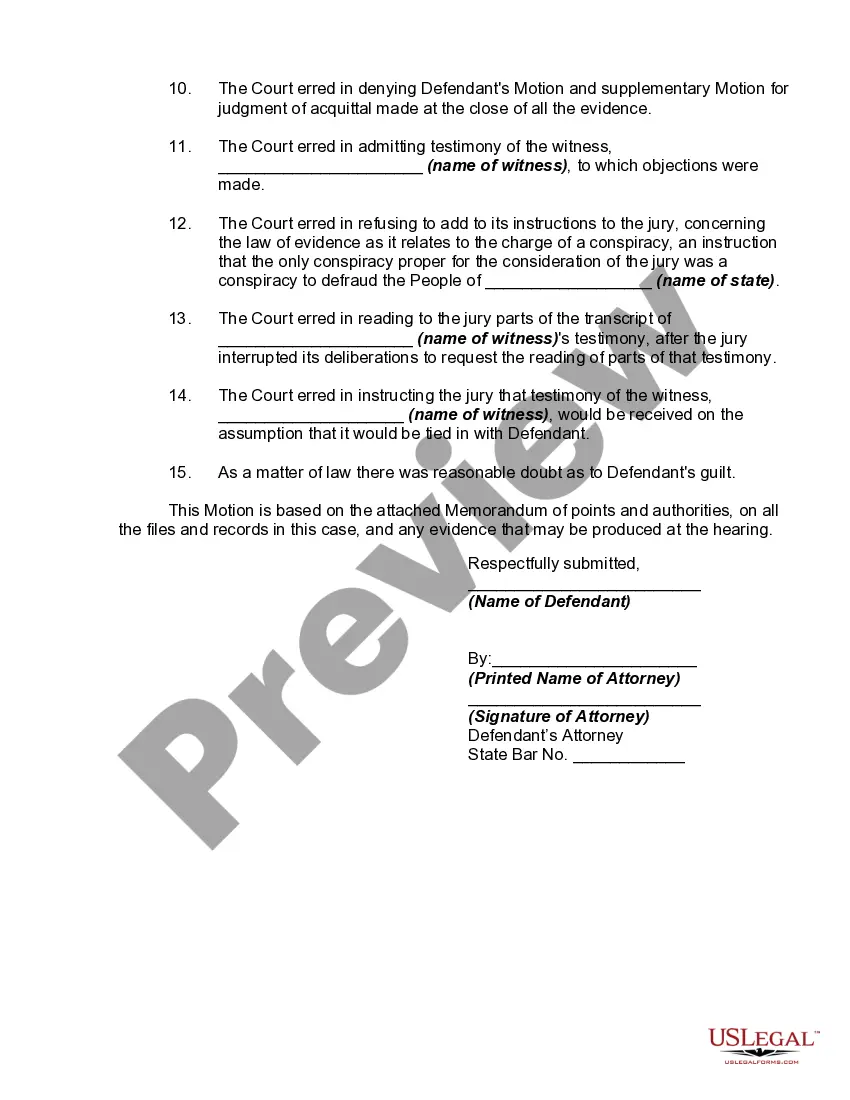
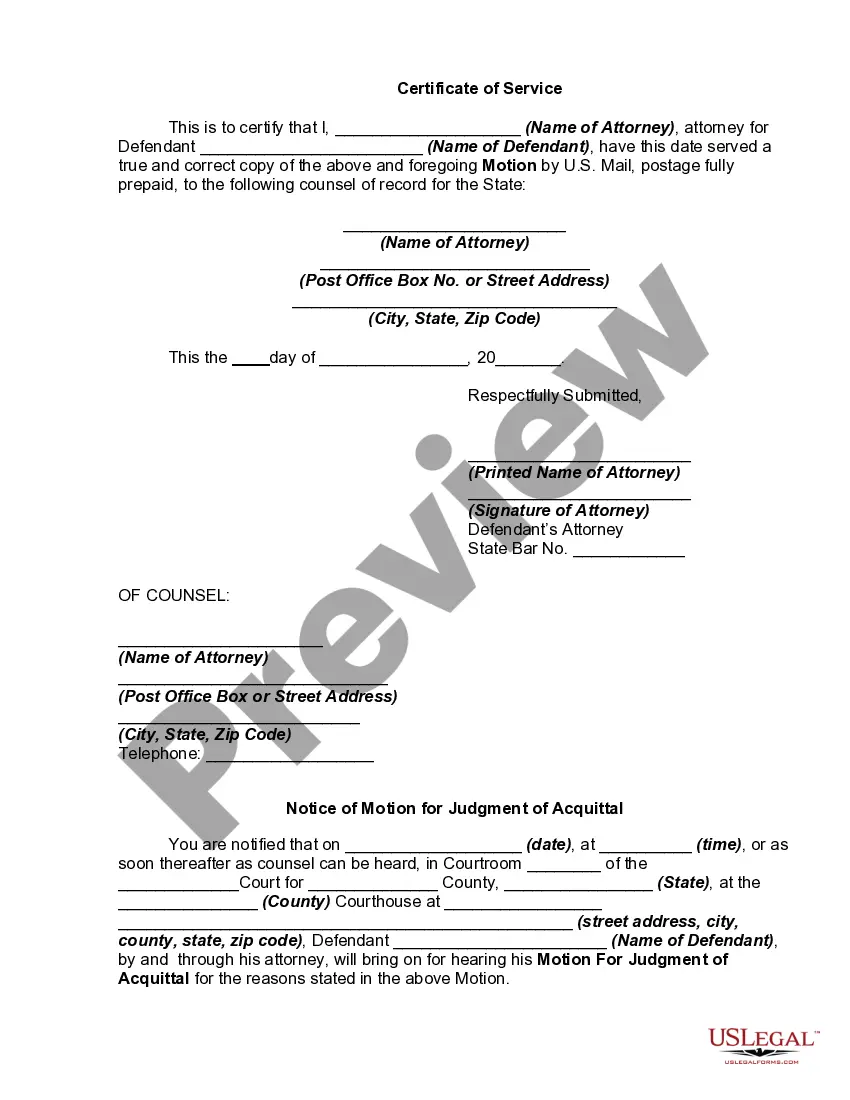
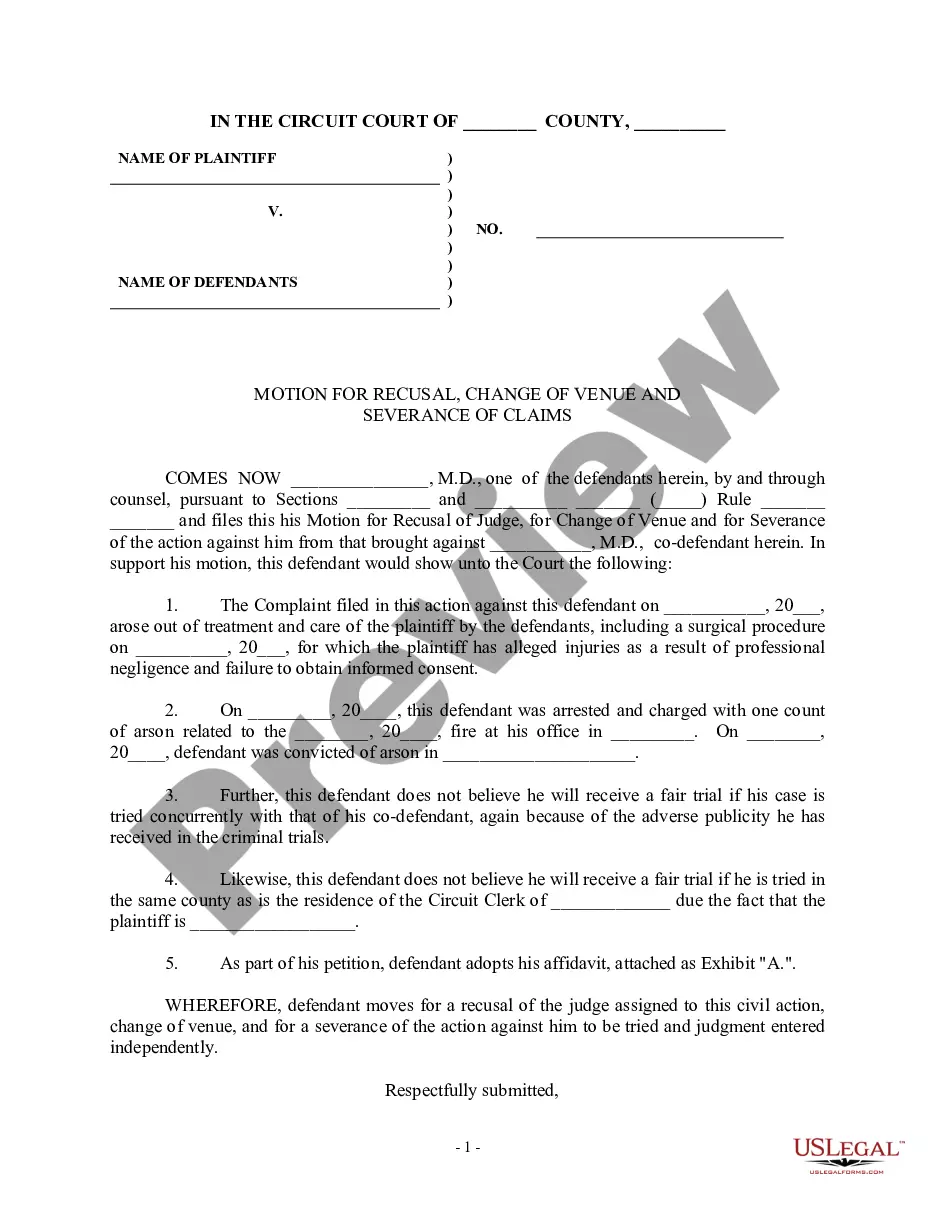

How to fill out Motion For Judgment Of Acquittal Of All Charges?
Managing legal paperwork can be perplexing, even for experienced professionals.
When you are curious about the Distinction Between Conviction And Acquittal and don’t have the time to invest searching for the suitable and current version, the process can be challenging.
US Legal Forms addresses all your needs, from personal to corporate paperwork, all in one location.
Utilize sophisticated tools to complete and manage your Distinction Between Conviction And Acquittal.
Here are the steps to follow after acquiring the form you desire: Confirm it is the correct document by previewing it and reviewing its description. Ensure that the template is authorized in your state or county. Click Buy Now when you are prepared. Select a subscription plan. Choose the format you prefer, and Download, complete, eSign, print, and send your document. Enjoy the US Legal Forms online library, backed by 25 years of experience and reliability. Transform your daily document management into a seamless and user-friendly process today.
- Access a collection of articles, tutorials, and guides pertinent to your situation and needs.
- Save time and effort searching for the forms you require, and use US Legal Forms’ advanced search and Preview feature to locate Distinction Between Conviction And Acquittal and obtain it.
- If you have a subscription, Log In to your US Legal Forms account, look for the document, and acquire it.
- Visit the My documents tab to view the documents you have previously saved and manage your folders as necessary.
- If this is your first experience with US Legal Forms, create a free account and gain unlimited access to all the platform's benefits.
- An effective online form repository could be transformative for anyone looking to navigate these matters efficiently.
- US Legal Forms is a leading provider in the online legal form sector, featuring over 85,000 state-specific legal documents accessible to you anytime.
- With US Legal Forms, you can access state- or county-specific legal and business documents.
Form popularity
FAQ
Conviction means that, when the trial ends, you have been proven guilty of a particular crime. Acquittal means the prosecution was not able to prove that you committed a crime. Can a criminal defendant overturn a conviction even if he/she loses their post-conviction application?
A suspect is a person considered by the police to be the perpetrator of a crime. He is under investigation to determine if charges should be brought against him. If charges are filed, this is the accusation. If he is found guilty in a court of law this is the conviction.
Accused is someone that is assumed innocent until a jury finds them either innocent or guilty. Convict is someone that has been found guilty by a jury.
Proof of previous conviction or acquittal In case of the presence of the certificate which is signed by the officer in charge of the jail in which the punishment or part of it was undergone or by warrant under which the punishment was suffered.
Description. If the Magistrate, upon taking the evidence referred to in section 254 and such further evidence, if any, as he may, of his own motion, cause to be produced, finds the accused not guilt, he shall record an order of acquittal.